Powered by Obi Mbieri Independent Media Ltd.
$1 = ₦1,353€1 = ₦1,486£1 = ₦1,77510 Simple Ways to Control High Blood Pressure
Nigeria faces a quiet health emergency that rarely makes headlines. Struggling With High Blood Pressure? 10 Simple Ways to Take Control is more than a title—it's a call to action for families, entrepreneurs, and community leaders who want to protect their health and their future. High blood pressure...

Nigeria faces a quiet health emergency that rarely makes headlines. Struggling With High Blood Pressure? 10 Simple Ways to Take Control is more than a title—it's a call to action for families, entrepreneurs, and community leaders who want to protect their health and their future. High blood pressure affects millions of Nigerians silently, often without warning signs, which makes awareness and early action essential. This guide breaks down ten practical, evidence-based steps you can start using today to manage high blood pressure and protect your long-term well-being.
1. What Is High Blood Pressure?
High blood pressure, or hypertension, is diagnosed when readings reach 140/90 mmHg or higher. Doctors often call it the "silent killer" because it rarely produces obvious symptoms until serious damage has occurred. Understanding what high blood pressure actually means for your body is the first step toward taking control of it.
In Nigeria, the scale of this problem is staggering. Public health estimates suggest approximately 56 million Nigerians are living with hypertension, many without knowing it. According to the World Health Organization, uncontrolled high blood pressure remains one of the leading causes of premature death globally, and Nigeria is not exempt from this trend.
Left untreated, high blood pressure quietly damages the body over years. It raises the risk of stroke, heart failure, and kidney disease. These conditions can be devastating for families, both emotionally and financially, often draining savings that could have gone toward education, business growth, or household stability.
Early detection through community screening is vital. Many primary health centers and local pharmacies now offer free or low-cost blood pressure checks. Taking advantage of these services can mean catching high blood pressure before it becomes a crisis requiring hospitalization or emergency intervention.
Community-first health awareness, a core value at Eziokwubundu, encourages Nigerians to normalize regular checkups. Just as communities mobilize around infrastructure projects, such as those discussed in FG Promises Improved Power Supply Within 72 Hours, collective action can also drive better health outcomes for everyone. When neighborhoods treat high blood pressure screening with the same urgency as essential services, outcomes improve for entire communities, not just individuals.
2. How Can Diet Lower Your BP?
Diet plays a powerful role in managing high blood pressure. The DASH diet, short for Dietary Approaches to Stop Hypertension, is widely recommended by health experts and backed by research from the National Institutes of Health.
This eating pattern emphasizes fruits, vegetables, whole grains, and lean proteins. It naturally limits foods high in saturated fat and added sugar, which contribute to weight gain and vascular stress—two factors closely tied to high blood pressure over time.
Reducing sodium intake is equally critical. Most salt in the Nigerian diet comes from processed foods, seasoning cubes, and added table salt during cooking. The CDC notes that excess sodium is directly linked to higher blood pressure readings, meaning small changes in the kitchen can produce measurable improvements over weeks and months.
Potassium-rich foods help counterbalance sodium's effects. Bananas, beans, leafy greens, and sweet potatoes are excellent, affordable options widely available in Nigerian markets. Potassium helps relax blood vessel walls, easing pressure on the cardiovascular system and supporting healthier numbers for anyone managing high blood pressure.
Consider these simple dietary swaps for everyday meals:
- Replace table salt with herbs like garlic, ginger, or uziza for flavor.
- Choose fresh fish or beans over heavily processed meats.
- Add more vegetables like ugu or spinach to soups.
- Snack on fruit instead of packaged crackers or chips.
Small, repeated choices at mealtime add up. Over months, these dietary adjustments can meaningfully reduce the strain that high blood pressure places on the heart, kidneys, and blood vessels.
3. Why Is Physical Activity Essential?
Regular movement is one of the most effective tools against high blood pressure. Research shows that dynamic endurance exercises, combined with resistance training, can meaningfully lower both systolic and diastolic readings.
Physical activity strengthens the heart muscle, allowing it to pump blood with less effort. Over time, this reduces the force exerted on artery walls, lowering overall pressure and easing the long-term burden of high blood pressure on the body.
For Nigerian families, "movement as medicine" doesn't require an expensive gym membership. Brisk walking around the neighborhood, community football games, or simple home-based exercises like squats and stretching can make a real difference in managing high blood pressure without added cost.
The 2023 Nigerian Hypertension Guidelines emphasize exercise as a foundational pillar for both prevention and management. This aligns with international recommendations from the American Heart Association, which encourages at least 150 minutes of moderate activity weekly.
Consider these accessible activity options for busy Nigerian households:
- Take a 30-minute brisk walk after dinner with family members.
- Join a local sports club or weekend football league.
- Try bodyweight exercises at home, like push-ups and lunges.
- Use stairs instead of elevators whenever possible.
Consistency matters more than intensity. Even small, regular efforts compound into significant long-term benefits for heart health and help keep high blood pressure within a safer range.
4. Can Weight Loss Change Everything?
For many overweight individuals, weight management is the single most effective lifestyle change for lowering high blood pressure. Even modest weight loss can produce measurable improvements in cardiovascular readings.
Waist circumference matters as much as total body weight. Excess abdominal fat is strongly linked to increased cardiovascular risk, independent of overall body mass index. Health professionals recommend tracking waist measurements alongside weight for a clearer picture of high blood pressure risk.
Sustainable weight loss doesn't require drastic diets. Gradual changes, like portion control, reduced sugary drink consumption, and consistent physical activity, tend to produce lasting results.
Framing weight management as "practical prosperity" resonates deeply within Nigerian culture. Investing in your health today, through better food choices and movement, helps avoid costly medical emergencies tomorrow. Much like Nigeria's broader economic challenges highlighted in Nigeria's External Debt Hits $145 Billion: What It Means for, personal health debts—accumulated through years of neglect—can become far more expensive to resolve later, especially when high blood pressure is left unmanaged for too long.
Small, consistent actions compound over time. A sustainable 5 to 10 percent reduction in body weight can meaningfully lower high blood pressure for many individuals, according to clinical research.
5. How Do You Manage Daily Stress?
Chronic stress silently elevates high blood pressure over time. Nigerian life often includes unique stressors, from traffic congestion to unreliable electricity, that compound daily tension.
Mindfulness, deep breathing, and quality sleep are proven tools for stress reduction. These practices activate the body's relaxation response, counteracting the fight-or-flight reaction that raises blood pressure and keeps it elevated for longer than necessary.
Featured Products
Reverse Type 2 Diabetes & other associated Metabolic Issues using Dr. Jason Fung's Evidence-Based Approach— FMD program for Type 2 Diabetes
A practical fasting and fasting-mimicking programme built on Dr Jason Fung's insulin-resistance principles and ow-glycemic recipes.
₦19,950
Join NowChukwu Abiama Tee
Bold black-and-gold Igbo-pride T-shirt featuring 'Chukwu Abiama' in premium streetwear typography.
₦15,000
Buy NowỤmụ Igbo Tee
Classic black T-shirt with bold white 'Ụmụ Igbo' typography — a proud statement of Igbo heritage.
₦15,000
Buy NowNwanne Tee
Washed khaki vintage tee with a faded rust-orange 'Nwanne' stamp badge and palm leaf motif — a nod to kinship and heritage.
₦18,000
Buy NowObodo Tee
Faded denim-blue washed tee with a cream 'Obodo' stamp badge and sun motif, celebrating community roots.
₦18,000
Buy NowEkwe Heritage Tee
Deep indigo tee featuring a fine line-art illustration of a traditional Igbo ekwe drum, inspired by Igbo-Ukwu bronze artistry.
₦18,000
Buy NowIkenga Figure Tee
Forest green tee with a fine line-art illustration of a stylized Ikenga figure.
₦18,000
Buy NowA Simple Breathing Exercise
Try this quick technique whenever you feel overwhelmed. Inhale slowly through your nose for four counts. Hold your breath for four counts, then exhale gently for four counts. Repeat this cycle five times for noticeable calming effects.
Addressing environmental stressors also matters. For instance, exploring reliable alternatives discussed in Solar Power Versus Generators for Nigerian Homes can reduce the daily anxiety many families feel over power instability, which indirectly contributes to chronic stress and worsens high blood pressure for those already at risk.
Mental well-being is deeply connected to community support. Leaning on family, friends, and local networks reduces the isolation that often worsens stress. This community-first approach reflects Eziokwubundu's belief that collective support strengthens individual resilience, turning shared burdens into manageable challenges—and ultimately helping more people keep high blood pressure under control.
6. When Should You See A Doctor?
Lifestyle changes are powerful, but they work best alongside professional medical guidance. Some individuals require prescribed medication to reach safe blood pressure levels, especially when lifestyle adjustments alone aren't enough to control high blood pressure.
Never attempt self-titration or share medication with family members. Blood pressure drugs are tailored to individual health profiles, and incorrect dosing can cause serious complications.
Regular checkups at local health centers remain essential. These visits allow healthcare providers to track progress, adjust treatment plans, and catch emerging issues early. The Nigeria Centre for Disease Control continues to advocate for increased access to noncommunicable disease screening nationwide, recognizing high blood pressure as a major contributor to the country's disease burden.
Community health workers play a crucial role in bridging healthcare gaps, particularly in underserved areas. They provide screenings, education, and referrals, reinforcing a community-first approach to managing high blood pressure at scale, even in regions with limited access to specialist care.
If you experience severe headaches, chest pain, vision changes, or shortness of breath, seek medical attention immediately. These symptoms may indicate a hypertensive emergency requiring urgent care, and delaying treatment for high blood pressure complications can have life-threatening consequences.
7. How Important Is Home Monitoring?
Owning a home blood pressure monitor is one of the most underrated tools for managing high blood pressure. Regular self-monitoring helps individuals and their doctors see patterns that a single clinic visit might miss, such as readings that spike at certain times of day or in response to specific stressors.
Choose a validated, automatic upper-arm monitor rather than a wrist device, as these tend to provide more accurate readings. Take measurements at the same time each day, ideally in the morning before eating and again in the evening, while seated and relaxed for at least five minutes beforehand.
Keeping a simple log—whether on paper or in a phone app—creates a clear record that doctors can use to adjust treatment plans. Just as early preparation matters in other areas of Nigerian life, such as the planning discussed in How to Prepare for Flooding in Nigerian Communities, early and consistent monitoring of high blood pressure allows families to respond before small problems become emergencies.
Share your readings with a healthcare provider regularly, rather than waiting for symptoms to appear. This proactive habit transforms high blood pressure management from a reactive scramble into a steady, informed process.
8. Does Alcohol and Smoking Affect High Blood Pressure?
Alcohol and tobacco use are two lifestyle factors that significantly influence high blood pressure, yet they are sometimes overlooked in everyday conversations about heart health.
Excessive alcohol consumption raises blood pressure and can interfere with the effectiveness of hypertension medications. Health experts generally recommend limiting intake to moderate levels, or avoiding alcohol altogether if you already have elevated readings.
Smoking, including the use of tobacco products common in many Nigerian communities, causes an immediate but temporary spike in blood pressure with every cigarette. Over time, repeated spikes damage blood vessel walls, making high blood pressure harder to control and increasing the risk of heart attack and stroke.
Quitting smoking and reducing alcohol intake are among the most impactful changes a person can make. Support groups, community health workers, and even simple accountability from family members can make these transitions easier. Just as skill development matters for long-term stability, as explored in How to Find Vocational Training in Nigeria, building new, healthier habits takes practice, patience, and the right support system.
9. Why Does Sleep Matter for Blood Pressure Control?
Poor sleep quality and insufficient rest are closely linked to high blood pressure, yet sleep is often the first thing sacrificed in busy Nigerian households juggling work, family, and community obligations.
During deep sleep, blood pressure naturally dips, giving the heart and blood vessels a period of recovery. Consistently cutting sleep short, or experiencing disrupted sleep from conditions like sleep apnea, prevents this natural dip and keeps high blood pressure elevated around the clock.
Aim for seven to nine hours of quality sleep each night. Simple habits can help: maintaining a consistent bedtime, limiting screen use before bed, and keeping bedrooms cool and dark. Loud snoring or gasping during sleep should be discussed with a doctor, as these can be signs of sleep apnea, a condition strongly associated with difficult-to-control high blood pressure.
Prioritizing rest is not a luxury—it is a core pillar of managing high blood pressure effectively, alongside diet, exercise, and medical care.
10. How Can Community Support Sustain Long-Term Control?
Managing high blood pressure is rarely a solo effort. Long-term success depends heavily on the systems and relationships surrounding an individual, from family encouragement to broader community health infrastructure.
Faith communities, market associations, and neighborhood groups can organize regular screening days, share healthy recipes, or simply check in on members managing high blood pressure. These informal support networks often catch warning signs before they escalate, much like how timely public updates on infrastructure and governance—covered in pieces like Imo LG Election Delay Sparks Electoral Certainty Concerns and Federal Government Reports ₦372.62 Billion in Student-Loan—help citizens stay informed and prepared rather than caught off guard.
Workplaces can also play a role by offering wellness programs, flexible break times for movement, and access to blood pressure screening during work hours. Employers who invest in employee health often see reduced absenteeism and improved productivity as a direct result.
Ultimately, treating high blood pressure as a shared community concern, rather than a private burden, builds the kind of lasting support system that makes long-term control sustainable for everyone involved.
Struggling With High Blood Pressure? 10 Simple Ways to Take Control isn't just a checklist—it's a roadmap toward lasting wellness. By combining mindful eating, regular movement, weight management, stress reduction, home monitoring, healthier habits around alcohol and smoking, quality sleep, professional medical support, and strong community networks, Nigerian families can take meaningful control of their high blood pressure and overall health outcomes.
Better living starts with better information. Share this knowledge within your community, encourage loved ones to get screened, and remember that small, consistent changes create lasting prosperity—for your body, your family, and your future.
Stay Informed
Get New Articles in Your Inbox
Subscribe to receive the latest community development, health, and wealth insights from Eziokwubundu.
Newsletter
Practical insights on health, wealth, and community — delivered weekly.
Community Discussion(0)
Leave a Comment
More to Read
You May Also Like

NUC Approves New Medical University in Anambra: Institution
Nigeria's higher education landscape just received a major boost this week. A new specialized institution is poised to transform medical training in the South-East, and the timing could not be better for ambitious students and local communities alike. NUC Approves New Medical University in Anambra: ...

Antimicrobial Resistance: Why Nigeria Must Act Now
Nigeria loses lives and money every year to infections that were once easy to cure. Antimicrobial Resistance: Why Nigeria Must Act Before Common Infections Become Difficult to Treat is no longer a distant global health debate—it is a present danger in our clinics, markets, and homes. Every single da...

IGP: Treat Gunshot Victims Before Requesting Police Reports
A single ambulance ride now carries less fear for Nigerian families. News that IGP Orders Hospitals to Treat Gunshot Victims Before Demanding Police Reports has sparked relief across hospitals, homes, and communities nationwide. For years, bureaucratic delays cost lives that timely care could have s...

Obi-Mbieri Mourns Engr. Vitalis Opara: Questions Emerge Over Community’s Silence
Engr. Vitalis Opara is identified as President General on the signature page of the Obi-Mbieri Autonomous Community Constitution 2020 as amended.
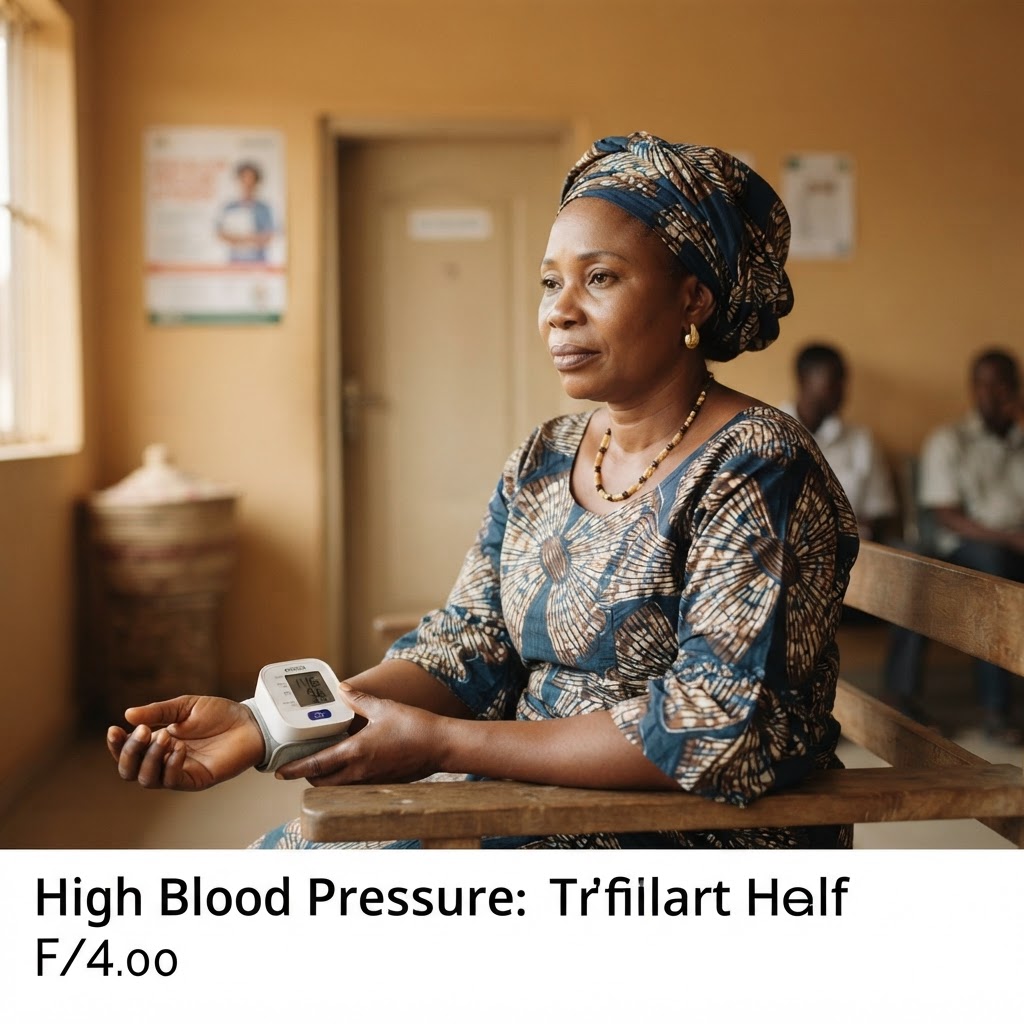
High Blood Pressure: The Silent Health Threat in Nigeria
Imagine a condition that quietly damages your heart, brain, and kidneys while you feel completely fine. That is the reality for millions of Nigerians today, and it explains why High Blood Pressure: The Silent Health Threat Many Nigerians Are Ignoring has become a defining public health issue of our ...
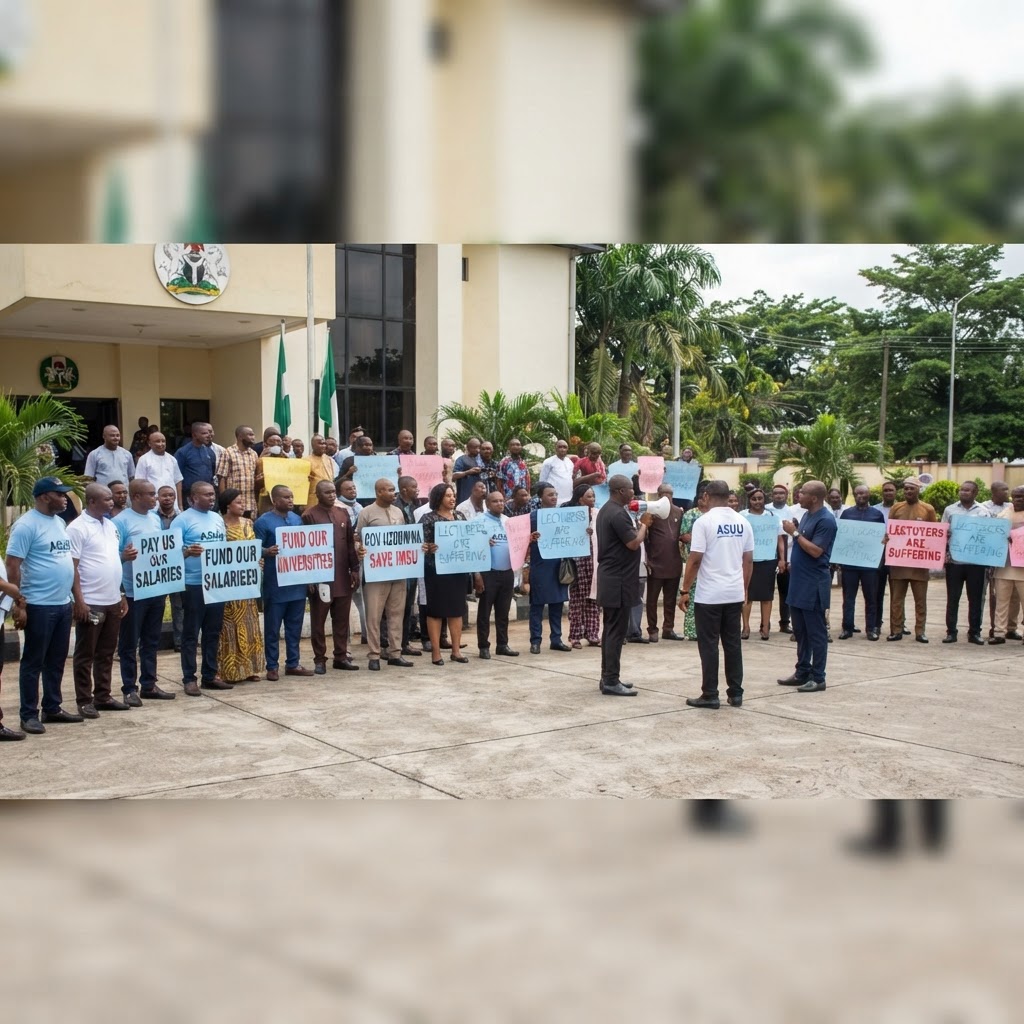
IMSU Lecturers Protest in Owerri, Appeal to Uzodimma to End
The streets of Owerri turned into a sea of white lab coats and placards this week. Hundreds of university lecturers walked out of their offices, choosing protest over silence. The IMSU Lecturers Protest in Owerri, Appeal to Uzodimma to End Months-Long Strike has become a defining moment for Imo Stat...

JAMB Candidates Can Now Change Course and Institution Online
Admission season often brings long queues and costly transport for Nigerian families. That burden has just eased. JAMB candidates can now change their institutions and courses from home, as the board announces a new digital correction service, giving students and parents fresh control over their aca...

House Summons NAFDAC and DSS Over Fake Drug Deaths
Four people are dead, eleven more are fighting for their lives, and a federal lawmaker wants answers now. Fake Drug deaths linked to a suspicious herbal concoction have pushed the House of Representatives to move decisively, summoning NAFDAC and the DSS in a case that is no longer a distant headline...

Prevent Kidney Disease With Regular Health Checks
Kidney health rarely makes headlines until a crisis hits a family. Yet understanding Kidney Disease: Why Regular Health Checks Can Help Prevent Serious Complications can save lives, protect household income, and strengthen community wellbeing across Nigeria. Kidney Disease often develops quietly ove...

Budget-Friendly Healthy Meal Prepping for Nigerians
Modern Nigerian families face the dual pressure of rising food prices and the need for better health outcomes. Learning how Nigerian families can(/article/nigerian-family-guide-to-reversing-type-2-diabetes) use meal prepping with local ingredients to eat healthy on a tight budget is a vital skill fo...