Powered by Obi Mbieri Independent Media Ltd.
$1 = ₦1,353€1 = ₦1,486£1 = ₦1,775Prostate Enlargement: Seven Symptoms Men Should Not Ignore
Many Nigerian men quietly endure bathroom trips at midnight, assuming it is simply "old age." Understanding Prostate Enlargement: Seven Symptoms Men Should Not Ignore can help you act early instead of suffering in silence. This guide breaks down the seven symptoms every man over 40 should watch for,...
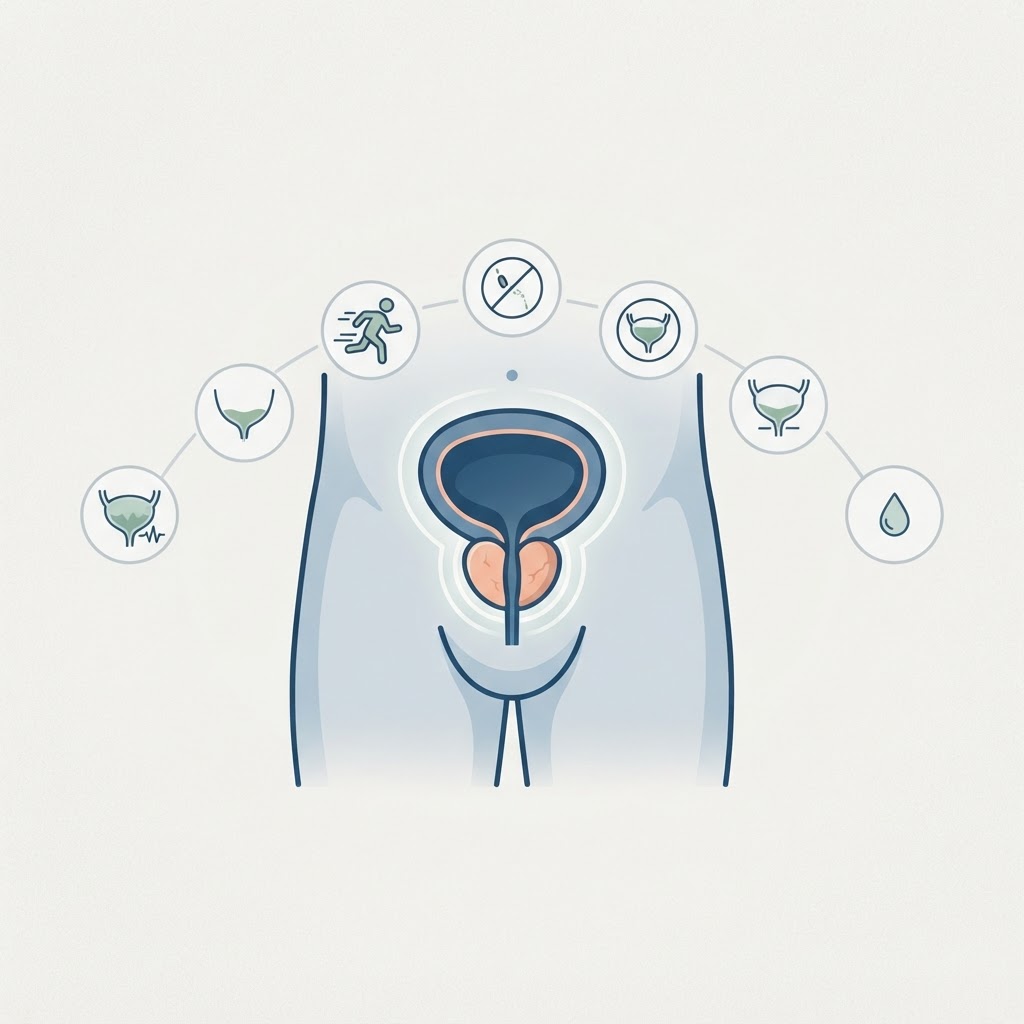
Many Nigerian men quietly endure bathroom trips at midnight, assuming it is simply "old age." Understanding Prostate Enlargement: Seven Symptoms Men Should Not Ignore can help you act early instead of suffering in silence. This guide breaks down the seven symptoms every man over 40 should watch for, explains why they matter, and shows why acting on these seven symptoms early protects your health, your family, and your community.
What Is Prostate Enlargement?
Benign Prostatic Hyperplasia, commonly called BPH, is a non-cancerous growth of the prostate gland. It happens naturally as men age, usually from the mid-forties onward, and it is precisely this gradual growth that produces the seven symptoms discussed throughout this article.
The prostate sits just below the bladder and wraps around the urethra, the tube that carries urine out of the body. When the gland enlarges, it can squeeze this tube and disrupt normal urine flow, which is the root cause behind nearly all seven symptoms men experience.
It is important to note that BPH is not cancer. According to the Mayo Clinic, having an enlarged prostate does not increase your risk of developing prostate cancer later. Still, both conditions share overlapping symptoms, which is why proper diagnosis matters rather than guessing which of the seven symptoms you might be facing.
Understanding this distinction helps reduce fear and encourages men to seek medical evaluation without panic. Knowledge, not assumption, should guide your next step, especially once you recognize how many of the seven symptoms you may already be living with.
Why Does It Affect Nigerian Men?
BPH is far more common among Nigerian men than many realize. A community-based study of men in South-Western Nigeria found an overall prevalence of 23.7%. That means roughly one in four men studied showed signs of an enlarged prostate, and many of them likely experienced at least one or two of the seven symptoms without recognizing the connection.
Age plays a significant role in this trend. Prevalence rises sharply from 104 per 1,000 men in their fifties to 429 per 1,000 men over 90. This pattern mirrors global data from the World Health Organization, which links prostate changes directly to the natural ageing process. As men live longer, the likelihood of encountering one or more of these seven symptoms increases significantly.
Despite these numbers, many Nigerian men delay seeking care. Cultural attitudes often treat urinary symptoms as a private embarrassment rather than a medical issue. Men frequently wait until symptoms become "bothersome" before visiting a hospital, according to clinical observations from Nigerian urology practices. Unfortunately, by the time the seven symptoms become unbearable, complications may have already begun.
This delay can allow complications to develop quietly. Just as early detection matters for conditions like 10 Simple Ways to Control High Blood Pressure, early prostate screening can prevent more serious outcomes. Awareness campaigns from Nigeria's Federal Ministry of Health continue to push for earlier conversations around men's health, particularly as the population ages and life expectancy improves. These campaigns increasingly highlight the seven symptoms as a simple checklist men can use at home.
Breaking this silence is not just a personal decision. It strengthens families and communities that depend on healthy, active men. Recognizing the seven symptoms early is one of the simplest ways to protect that strength.
What Are The Seven Symptoms Of Prostate Enlargement?
Recognizing the warning signs early can prevent years of discomfort. Doctors generally group BPH symptoms into a recognizable pattern affecting urination, and this pattern is best remembered as the seven symptoms every man should learn to identify.
The Seven Symptoms To Watch
Here are the seven symptoms men should never dismiss as normal ageing:
- Difficulty starting urination — straining or waiting for the stream to begin, often the first of the seven symptoms men notice.
- Weak or interrupted urine flow — the stream stops and starts unexpectedly, a classic sign among the seven symptoms linked to bladder outlet obstruction.
- Incomplete bladder emptying — a persistent feeling that urine remains inside, even right after visiting the bathroom.
- Dribbling after urination — small leaks continuing after you think you are done, which many men mistake for poor hygiene rather than one of the seven symptoms of an enlarging prostate.
- Frequent nighttime urination (nocturia) — waking up two or more times nightly to urinate, often the most disruptive of the seven symptoms because it affects sleep quality and daytime energy.
- Sudden, urgent need to urinate — little warning before the urge becomes overwhelming, sometimes leading to embarrassing accidents in public.
- Complete inability to urinate (urinary retention) — a medical emergency requiring immediate attention, and the most serious of the seven symptoms by far.
Each symptom alone may seem minor. Together, however, these seven symptoms paint a clearer picture of prostate changes that deserve medical attention rather than quiet endurance.
Urinary retention stands apart from the other six. It can cause severe pain and bladder damage if untreated. Anyone experiencing total inability to urinate should go to a hospital immediately rather than waiting it out, because this particular symptom among the seven can escalate into a true emergency within hours.
Men sometimes normalize these symptoms as simple consequences of drinking too much water or getting older. In reality, persistent patterns like these often signal an underlying prostate issue that benefits from professional evaluation. Learning to spot the seven symptoms early is far better than discovering them during a hospital emergency.
How Are The Seven Symptoms Diagnosed?
Once a man notices any combination of the seven symptoms, the next step is proper medical evaluation rather than self-diagnosis through online searches alone. Doctors typically begin with a detailed history, asking how long the symptoms have persisted and how severely they affect daily routines.
A physical examination, including a digital rectal exam, allows the doctor to estimate prostate size and texture. Urine tests help rule out infection, while blood tests such as a PSA (Prostate-Specific Antigen) screening can help distinguish BPH from other prostate conditions. In some cases, ultrasound imaging provides a clearer picture of bladder emptying efficiency.
Doctors often use standardized symptom scoring systems, such as the International Prostate Symptom Score (IPSS), which essentially quantifies the same seven symptoms into a measurable scale. This scoring helps track whether symptoms are mild, moderate, or severe, and whether treatment is improving quality of life over time.
Featured Products
Reverse Type 2 Diabetes & other associated Metabolic Issues using Dr. Jason Fung's Evidence-Based Approach— FMD program for Type 2 Diabetes
A practical fasting and fasting-mimicking programme built on Dr Jason Fung's insulin-resistance principles and ow-glycemic recipes.
₦19,950
Join NowChukwu Abiama Tee
Bold black-and-gold Igbo-pride T-shirt featuring 'Chukwu Abiama' in premium streetwear typography.
₦15,000
Buy NowỤmụ Igbo Tee
Classic black T-shirt with bold white 'Ụmụ Igbo' typography — a proud statement of Igbo heritage.
₦15,000
Buy NowNwanne Tee
Washed khaki vintage tee with a faded rust-orange 'Nwanne' stamp badge and palm leaf motif — a nod to kinship and heritage.
₦18,000
Buy NowObodo Tee
Faded denim-blue washed tee with a cream 'Obodo' stamp badge and sun motif, celebrating community roots.
₦18,000
Buy NowEkwe Heritage Tee
Deep indigo tee featuring a fine line-art illustration of a traditional Igbo ekwe drum, inspired by Igbo-Ukwu bronze artistry.
₦18,000
Buy NowIkenga Figure Tee
Forest green tee with a fine line-art illustration of a stylized Ikenga figure.
₦18,000
Buy NowAccurate diagnosis matters because the seven symptoms can overlap with other conditions, including urinary tract infections, bladder stones, or even diabetes-related bladder changes. For context on how other chronic conditions present warning signs early, see Diabetes: 10 Early Warning Signs You Should Not Ignore, which follows a similar principle of early recognition preventing bigger complications.
When Should You See A Doctor?
Deciding when to seek help can feel confusing, especially when symptoms develop gradually. A good rule is simple: if any of the seven symptoms interfere with daily life, sleep, or work, it is time to consult a doctor.
Interestingly, symptom severity does not always match prostate size. Some men with only slightly enlarged prostates report significant discomfort from several of the seven symptoms, while others with larger glands notice fewer problems. This means self-diagnosis based on assumptions can be misleading, and only a proper examination can confirm what is really happening.
Certain warning signs require urgent, same-day medical attention. These symptoms should never be ignored, even if they appear alongside the milder seven symptoms listed earlier:
- Blood visible in the urine
- Sharp or burning pain during urination
- Complete inability to pass urine
- Fever accompanying urinary symptoms
Any of these signs may indicate infection, bladder stones, or other complications requiring prompt treatment. Nigerian hospitals and primary healthcare centers, supported by guidelines from Nigeria's NCDC, encourage early reporting of such red-flag symptoms to prevent emergency complications.
A general practitioner can perform an initial assessment, including urine tests and a physical exam. If needed, referral to a urologist allows for more detailed imaging and treatment planning. Taking that first step often brings relief faster than men expect, and most men who finally seek help wish they had done so sooner after recognizing their seven symptoms.
How Can You Manage Symptoms?
Lifestyle adjustments can meaningfully ease mild to moderate versions of the seven symptoms, though they should complement rather than replace medical care. Simple daily habits make a measurable difference for many men.
Start by responding to the urge to urinate as soon as it arises. Holding urine for long periods can worsen bladder strain over time. Maintaining a healthy weight also reduces pressure on the pelvic area, while eating enough fiber prevents constipation, which can aggravate several of the seven symptoms, particularly incomplete emptying and urgency.
Fluid timing matters too. Reducing fluid intake a few hours before bedtime helps minimize nighttime trips to the bathroom, directly addressing the nocturia symptom among the seven. Limiting alcohol and caffeine is equally important, since both act as diuretics that increase urine production and bladder irritation, worsening the urgency and frequency symptoms.
Regular physical activity, such as brisk walking for 30 minutes most days, has also been associated with reduced severity of urinary symptoms in several studies. Pelvic floor exercises, sometimes recommended alongside medical treatment, can further improve bladder control and reduce dribbling.
Medical treatment often involves medications that either shrink the prostate or relax muscles around the bladder neck to improve flow. Always consult a licensed physician before starting any treatment, and confirm that any product is approved by NAFDAC before use. Notably, some over-the-counter decongestants and cold medications can worsen urinary retention, so men already managing several of the seven symptoms should check ingredients carefully before self-medicating.
Combining medical guidance with consistent lifestyle habits—similar to strategies used for managing Diabetes: 10 Early Warning Signs You Should Not Ignore—gives men the best chance of long-term comfort and bladder health while keeping the seven symptoms under control.
Frequently Asked Questions About The Seven Symptoms
Can the seven symptoms disappear on their own? Rarely. Because BPH is progressive, the seven symptoms typically worsen slowly over years unless addressed through lifestyle changes, medication, or in some cases, surgery.
Do all men eventually experience all seven symptoms? No. Many men only notice two or three of the seven symptoms, most commonly nocturia and weak flow. However, any single symptom still warrants a medical conversation.
Are the seven symptoms reversible with treatment? Many men experience significant improvement once treatment begins, particularly with early intervention. Waiting until symptoms are severe generally makes recovery slower.
Why Prioritize Your Prostate Health?
Prostate health extends beyond the individual. A man who manages his health well remains more present for his family, his business, and his community responsibilities. At Eziokwubundu, we see personal wellness as directly tied to collective progress, and recognizing the seven symptoms early is one practical way to protect that wellness.
Ignoring the seven symptoms can lead to serious complications, including kidney damage, bladder stones, or recurring infections. Early diagnosis consistently prevents these outcomes and reduces long-term treatment costs, which matters even more in a healthcare landscape still developing its infrastructure.
Breaking the silence around urinary health is equally important. Many Nigerian men avoid these conversations due to stigma, yet open dialogue about the seven symptoms encourages earlier action and better outcomes across communities. Just as How to Find Vocational Training in Nigeria empowers men economically, proactive health awareness empowers them physically, allowing them to remain productive contributors to their households and workplaces.
Prioritizing prostate health is not vanity. It is a practical investment in a longer, more productive, and more present life for the people who depend on you. The next time you notice any of the seven symptoms covered in this guide, treat it as a signal worth acting on, not a quiet inconvenience to be endured alone.
Stay Informed
Get New Articles in Your Inbox
Subscribe to receive the latest community development, health, and wealth insights from Eziokwubundu.
Newsletter
Practical insights on health, wealth, and community — delivered weekly.
Community Discussion(0)
Leave a Comment
More to Read
You May Also Like

NUC Approves New Medical University in Anambra: Institution
Nigeria's higher education landscape just received a major boost this week. A new specialized institution is poised to transform medical training in the South-East, and the timing could not be better for ambitious students and local communities alike. NUC Approves New Medical University in Anambra: ...

Antimicrobial Resistance: Why Nigeria Must Act Now
Nigeria loses lives and money every year to infections that were once easy to cure. Antimicrobial Resistance: Why Nigeria Must Act Before Common Infections Become Difficult to Treat is no longer a distant global health debate—it is a present danger in our clinics, markets, and homes. Every single da...

IGP: Treat Gunshot Victims Before Requesting Police Reports
A single ambulance ride now carries less fear for Nigerian families. News that IGP Orders Hospitals to Treat Gunshot Victims Before Demanding Police Reports has sparked relief across hospitals, homes, and communities nationwide. For years, bureaucratic delays cost lives that timely care could have s...

Obi-Mbieri Mourns Engr. Vitalis Opara: Questions Emerge Over Community’s Silence
Engr. Vitalis Opara is identified as President General on the signature page of the Obi-Mbieri Autonomous Community Constitution 2020 as amended.
High Blood Pressure: The Silent Health Threat in Nigeria
Imagine a condition that quietly damages your heart, brain, and kidneys while you feel completely fine. That is the reality for millions of Nigerians today, and it explains why High Blood Pressure: The Silent Health Threat Many Nigerians Are Ignoring has become a defining public health issue of our ...

IMSU Lecturers Protest in Owerri, Appeal to Uzodimma to End
The streets of Owerri turned into a sea of white lab coats and placards this week. Hundreds of university lecturers walked out of their offices, choosing protest over silence. The IMSU Lecturers Protest in Owerri, Appeal to Uzodimma to End Months-Long Strike has become a defining moment for Imo Stat...

JAMB Candidates Can Now Change Course and Institution Online
Admission season often brings long queues and costly transport for Nigerian families. That burden has just eased. JAMB candidates can now change their institutions and courses from home, as the board announces a new digital correction service, giving students and parents fresh control over their aca...

House Summons NAFDAC and DSS Over Fake Drug Deaths
Four people are dead, eleven more are fighting for their lives, and a federal lawmaker wants answers now. Fake Drug deaths linked to a suspicious herbal concoction have pushed the House of Representatives to move decisively, summoning NAFDAC and the DSS in a case that is no longer a distant headline...

Prevent Kidney Disease With Regular Health Checks
Kidney health rarely makes headlines until a crisis hits a family. Yet understanding Kidney Disease: Why Regular Health Checks Can Help Prevent Serious Complications can save lives, protect household income, and strengthen community wellbeing across Nigeria. Kidney Disease often develops quietly ove...

Budget-Friendly Healthy Meal Prepping for Nigerians
Modern Nigerian families face the dual pressure of rising food prices and the need for better health outcomes. Learning how Nigerian families can(/article/nigerian-family-guide-to-reversing-type-2-diabetes) use meal prepping with local ingredients to eat healthy on a tight budget is a vital skill fo...