Powered by Obi Mbieri Independent Media Ltd.
$1 = ₦1,353€1 = ₦1,486£1 = ₦1,775NNPC Seeks Partnerships to Restart PH and Warri Refineries
Nigeria's refining sector is entering a decisive new chapter. As the nation searches for lasting solutions to decades-old fuel supply challenges, the news that NNPC Evaluates New Partnerships to Restart Warri and Port Harcourt Refineries signals a shift from patchwork repairs toward structured, long...

Nigeria's refining sector is entering a decisive new chapter. As the nation searches for lasting solutions to decades-old fuel supply challenges, the news that NNPC Evaluates New Partnerships to Restart Warri and Port Harcourt Refineries signals a shift from patchwork repairs toward structured, long-term collaboration. For Nigerian families and entrepreneurs, this matters far beyond boardrooms in Abuja. The renewed push to restart these strategic assets touches everything from pump prices to job creation, and it deserves careful, sustained attention.
Why Are Refineries Being Evaluated?
For years, Nigeria's refineries have struggled with inconsistent output despite repeated repair efforts. The Nigerian National Petroleum Company Limited (NNPC) is now moving away from contractor-led repairs toward a Technical Equity Partnership (TEP) model. This approach is designed to secure long-term operational sustainability rather than short bursts of activity followed by shutdowns, and it represents the clearest institutional commitment yet to restart the country's dormant refining capacity on a permanent footing.
Despite more than $2.4 billion deployed for Turn Around Maintenance (TAM) on the Port Harcourt and Warri facilities, production has remained unreliable or completely absent for extended periods. This pattern has forced policymakers to rethink the entire operating model. Simply spending more money on repairs, without structural change, has not delivered consistent results. Every previous attempt to restart these plants using the old contractor-led approach eventually stalled, leaving billions of dollars invested with little to show for it.
The new strategy aims to reposition NNPC from a hands-on operator to a strategic overseer. By bringing in international technical partners, the company hopes to meet global safety and output benchmarks that have proven elusive domestically. This shift reflects a broader lesson: complex industrial assets often need specialized expertise, not just capital injections. The goal now is not merely to restart the refineries for a few months of symbolic production, but to build operations that can run reliably for years without repeated breakdowns.
According to reporting from Punch Newspapers, the evaluation process is already underway, with technical and commercial assessments guiding the next steps. This measured approach suggests a more disciplined path forward compared to previous rehabilitation attempts, and it signals that any decision to restart operations will be backed by verifiable data rather than optimistic projections.
What Is The New Chinese Partnership?
A significant development in this evaluation process is the signing of a Memorandum of Understanding (MoU) with Sanjiang Chemical Company Limited and Xinganchen (Fuzhou) Industrial Park Operation and Management Co. Ltd. This partnership focuses specifically on completing, operating, and maintaining two of Nigeria's largest refining assets, with the shared objective to restart production at both sites in a manner that can be sustained commercially.
The Port Harcourt refinery has a design capacity of 210,000 barrels per day. The Warri refinery, meanwhile, is designed to process 125,000 barrels per day. Together, these facilities represent substantial refining potential that has largely gone unrealized for years. Bringing both plants back online successfully would mark one of the most significant industrial achievements in Nigeria's recent economic history.
Importantly, prospective partners are currently conducting due diligence at no cost to NNPC. This detail matters for public trust. It means decisions will be grounded in verified technical and commercial data, not political convenience or rushed timelines. Any eventual agreement to restart these refineries will therefore rest on a foundation of independently confirmed facts rather than assumptions.
- The MoU covers refinery completion, operations, and ongoing maintenance.
- Due diligence is being funded by the prospective partners themselves.
- Combined capacity from both refineries exceeds 335,000 barrels per day.
- The arrangement follows a technical equity model rather than a simple contractor relationship.
- The ultimate benchmark of success will be the ability to restart and sustain full-capacity output without recurring shutdowns.
This careful, evidence-based process aligns with global industry standards observed by organizations like the International Energy Agency, which regularly assesses refining capacity and energy security across emerging markets. Analysts note that any credible plan to restart aging refining infrastructure must include not just capital commitments but also verified engineering assessments, spare parts logistics, and workforce training programs.
How Much Has Been Spent Previously?
Understanding the scale of past investment helps explain why NNPC Evaluates New Partnerships to Restart Warri and Port Harcourt Refineries with such caution today. Between 2010 and 2023, Nigeria reportedly spent over ₦11 trillion, roughly $25 billion, on various refinery rehabilitation projects. That figure alone underscores the urgency of getting this next phase right, and it explains why every fresh attempt to restart these facilities is now being scrutinized far more closely than before.
Specific recent allocations tell a similarly sobering story. Port Harcourt received $1.5 billion in targeted funding. Warri was allocated $897.6 million. Kaduna's refinery received $740.7 million. These figures represent enormous public expenditure with limited sustained output to show for it. Each of these earlier efforts to restart production ultimately fell short of long-term operational stability.
Despite these setbacks, NNPC has officially ruled out selling these assets as scrap. The company maintains that these refineries remain viable national assets, even after years of financial and operational difficulty. This position reflects a belief that the underlying infrastructure still holds value, provided the right technical partnerships are secured to finally restart and stabilize production for the long haul.
For context on how public infrastructure spending intersects with broader economic pressures facing Nigerians, readers may find it useful to explore Economic Pressure Drives Employers Toward Commission-Based Pay, which examines how shifting economic conditions affect everyday livelihoods. Just as employers are adapting compensation models under economic strain, NNPC is adapting its operating model in the hope of finally getting refinery output right.
What Is The Timeline For Success?
Timelines matter when public patience has already been tested repeatedly. NNPC Group CEO Bayo Ojulari has set a clear target of June 2026 to conclude the selection of technical partners for the three major refineries. This deadline provides a measurable benchmark for accountability, and it also sets an implicit clock on how quickly NNPC intends to restart meaningful production once partners are confirmed.
The broader goal extends beyond simply restarting operations. NNPC wants to transition these facilities into commercially viable, self-sustaining entities. This is a deliberate move away from short-term, stop-gap repairs that have characterized previous rehabilitation attempts. In other words, the plan is not just to restart the refineries once, but to keep them running profitably for decades to come.
This refinery initiative also fits within a larger national strategy. Nigeria aims to increase crude oil output to two million barrels per day by 2027. Functional refineries would support this broader energy production goal by strengthening the entire value chain, from extraction to final petroleum products. Without a credible plan to restart domestic refining capacity, increased crude production alone would do little to reduce Nigeria's reliance on imported fuel.
Global energy analysts, including those at Reuters, have long emphasized that refining capacity and crude production targets must move together for meaningful energy security gains. Nigeria's approach appears to reflect this understanding, at least on paper. Execution, of course, will determine whether these targets translate into real progress for citizens, and whether the current effort to restart Warri and Port Harcourt succeeds where past attempts failed.
Featured Products
Reverse Type 2 Diabetes & other associated Metabolic Issues using Dr. Jason Fung's Evidence-Based Approach— FMD program for Type 2 Diabetes
A practical fasting and fasting-mimicking programme built on Dr Jason Fung's insulin-resistance principles and ow-glycemic recipes.
₦19,950
Join NowChukwu Abiama Tee
Bold black-and-gold Igbo-pride T-shirt featuring 'Chukwu Abiama' in premium streetwear typography.
₦15,000
Buy NowỤmụ Igbo Tee
Classic black T-shirt with bold white 'Ụmụ Igbo' typography — a proud statement of Igbo heritage.
₦15,000
Buy NowNwanne Tee
Washed khaki vintage tee with a faded rust-orange 'Nwanne' stamp badge and palm leaf motif — a nod to kinship and heritage.
₦18,000
Buy NowObodo Tee
Faded denim-blue washed tee with a cream 'Obodo' stamp badge and sun motif, celebrating community roots.
₦18,000
Buy NowEkwe Heritage Tee
Deep indigo tee featuring a fine line-art illustration of a traditional Igbo ekwe drum, inspired by Igbo-Ukwu bronze artistry.
₦18,000
Buy NowIkenga Figure Tee
Forest green tee with a fine line-art illustration of a stylized Ikenga figure.
₦18,000
Buy NowWhat Challenges Remain In The Push To Restart Operations?
Even with a more disciplined framework, the road to restart these refineries is not free of obstacles. Aging infrastructure, corrosion, and outdated components mean that technical partners must conduct extensive assessments before any meaningful restart can occur. Some equipment may require complete replacement rather than simple repair, which could extend timelines beyond current projections.
Security around pipeline networks feeding these refineries also remains a persistent concern. Crude oil theft and pipeline vandalism have historically disrupted feedstock supply, undermining even well-executed technical repairs. Any sustainable plan to restart Port Harcourt and Warri must therefore address not just the refineries themselves, but the surrounding security environment that supports consistent crude delivery. This mirrors broader national conversations about security infrastructure, such as those raised in Oyo Kidnap Crisis: Monarch Demands Police Post Upgrade After, where community leaders have called for stronger protective measures to safeguard local infrastructure and residents alike.
Workforce readiness is another factor. Technical partnerships often bring foreign expertise, but long-term success depends on transferring skills to Nigerian engineers and technicians. A genuine effort to restart these facilities sustainably should include structured training programs, ensuring that local talent can eventually manage operations independently rather than relying indefinitely on external partners.
Financing structures will also need close monitoring. While due diligence is currently funded by prospective partners, the eventual capital required to restart full production, upgrade equipment, and maintain operations over time will likely involve complex agreements. Transparent reporting on these financial arrangements will be essential to maintaining public confidence, particularly given Nigeria's history of underreported or delayed infrastructure spending.
How Does This Impact Nigerian Families?
Local refining capacity directly affects household budgets. When Nigeria relies heavily on imported fuel, currency fluctuations and global shipping costs drive up pump prices. This, in turn, fuels broader inflation across food, transportation, and everyday goods. Every delay in the effort to restart domestic refining simply extends this cycle of imported inflation.
A stable, locally-refined fuel supply supports Eziokwubundu's Practical Prosperity pillar in tangible ways. Lower and more predictable fuel costs reduce operational expenses for small businesses, market traders, and transport operators. Entrepreneurs across Nigeria depend on affordable energy to keep their ventures profitable, and a successful plan to restart local refineries would directly ease their cost pressures.
Beyond individual households, successful refinery operations contribute to national economic stability. Functional refineries create jobs, from technical roles to logistics and support services. Communities near Warri and Port Harcourt could see direct employment benefits if these facilities return to consistent production, reinforcing why the drive to restart operations carries weight far beyond the energy sector itself.
Improved energy security also strengthens community development more broadly. Reliable power and fuel access support schools, hospitals, and local businesses alike. For families already navigating economic hardship, as detailed in 48 Months Without Full Pension Payments: Imo Pensioners, any reduction in fuel-driven inflation would offer meaningful relief. A successful effort to restart affordable domestic fuel supply could ease pressure on households already stretched thin by delayed pension payments and rising living costs.
Diaspora Nigerians sending remittances home also stand to benefit indirectly. A more stable domestic economy means their financial support goes further for family members back home. This connection between national policy and household stability is precisely why these developments deserve close attention, and why the outcome of efforts to restart Nigeria's major refineries will be felt well beyond the immediate energy sector.
What Is The Path To Prosperity?
The shift toward private-sector technical expertise reflects a deliberate blend of tradition and modern progress. NNPC retains state ownership of these critical assets while inviting specialized partners to handle complex operational challenges. This approach mirrors Eziokwubundu's own philosophy of blending traditional values with modern economic thinking, applied here to the practical challenge of how best to restart critical national infrastructure.
By prioritizing evidence-based technical assessments over political timelines, NNPC aims to restore public trust in national institutions. Previous rehabilitation efforts suffered from opacity and inconsistent reporting. A due-diligence-driven process, funded by prospective partners themselves, offers a more transparent foundation for decision-making, and a stronger chance that the current effort to restart these refineries will avoid the pitfalls of earlier attempts.
This restructuring also demonstrates how large infrastructure projects intersect with governance and public accountability, themes explored in Shettima to Open Editors' Conference in Enugu Thursday, which highlights the importance of informed public discourse around national development issues. Just as editors and policymakers must engage transparently on national priorities, NNPC's communication around its plan to restart refinery operations will shape public confidence in the process.
Institutional accountability is a recurring theme across Nigeria's public sector, from security reforms to legal disputes between government officials. Coverage such as CARSPO 2026: Why Nigeria's Police Chiefs Are Converging on Owerri and Wike–Uzodimma Dispute: Imo Lawyers Respond to FCT Minister's Attacks illustrates how closely Nigerians watch the conduct of public institutions. NNPC's handling of its refinery partnerships will similarly be judged not only on technical outcomes but on how transparently it manages the entire process.
For entrepreneurs and students studying Nigeria's economic trajectory, this refinery evaluation offers a real-world case study in institutional reform. Those interested in innovation-driven solutions within African industries might also explore opportunities like the Apply Now: $10,000 African AI Drug Discovery Fellowships, which reflects a similar spirit of leveraging expertise and partnership for national progress. Whether in energy, health innovation, or public safety, Nigeria's development increasingly depends on well-structured partnerships between government institutions and specialized private expertise.
Public safety and health concerns elsewhere in the country underscore why institutional competence matters so much right now. Reports such as Ondo Alcohol Deaths: What Is Methanol and How Can Nigerians Avoid Poisoning? and NSCDC Deaths: What Happened Inside the Niger Detention Facility? highlight the human cost of institutional failures. Against this backdrop, a carefully managed plan to restart Nigeria's refineries represents an opportunity to demonstrate that public institutions can execute complex projects responsibly and transparently.
Even developments outside the energy and governance space, such as Osimhen Out: What His Injury Means for Nigeria's 2027 AFCON Qualifiers, reflect a broader national mood of anticipation and cautious optimism. Just as football fans await news on when a key player might return to full fitness, Nigerians nationwide are watching closely for confirmation of when, and how successfully, NNPC will restart full operations at Warri and Port Harcourt.
Eziokwubundu encourages readers to stay informed as this story develops. These decisions sit at the intersection of national policy and individual economic well-being. Whether you are a small business owner, a diaspora professional, or a community leader, refinery outcomes will eventually reach your household budget.
Ultimately, the effort to restart Warri and Port Harcourt refineries represents more than an energy sector update. It is a test of Nigeria's ability to translate policy ambition into measurable results. For families across the country, success in this renewed push to restart local refining capacity could mean steadier fuel prices, stronger local economies, and renewed confidence in national institutions working toward shared prosperity. The coming months, culminating in the June 2026 partner selection deadline, will reveal whether this latest attempt to restart Nigeria's refining sector finally breaks the cycle of unfulfilled promises that has defined the past two decades.
Stay Informed
Get New Articles in Your Inbox
Subscribe to receive the latest community development, health, and wealth insights from Eziokwubundu.
Newsletter
Practical insights on health, wealth, and community — delivered weekly.
Community Discussion(0)
Leave a Comment
More to Read
You May Also Like

Obi-Mbieri Mourns Engr. Vitalis Opara: Questions Emerge Over Community’s Silence
Engr. Vitalis Opara is identified as President General on the signature page of the Obi-Mbieri Autonomous Community Constitution 2020 as amended.
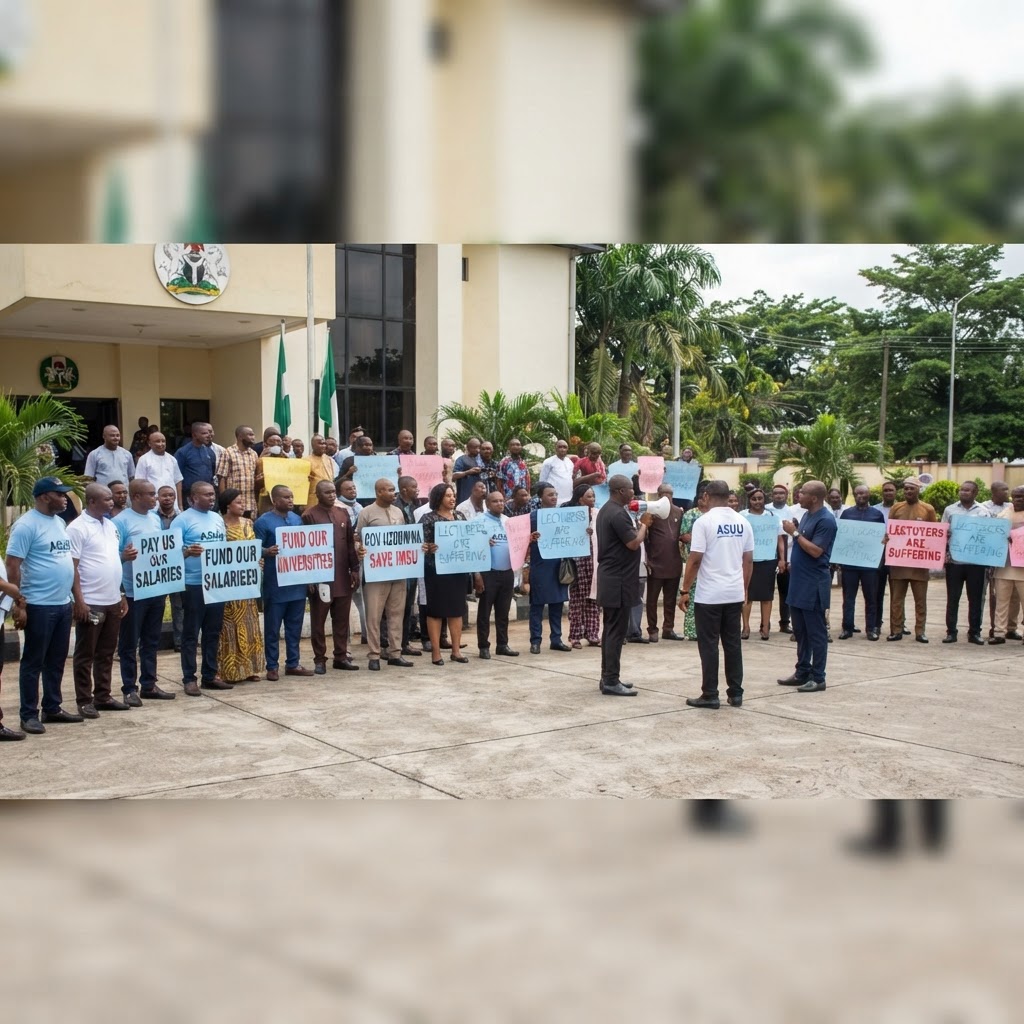
IMSU Lecturers Protest in Owerri, Appeal to Uzodimma to End
The streets of Owerri turned into a sea of white lab coats and placards this week. Hundreds of university lecturers walked out of their offices, choosing protest over silence. The IMSU Lecturers Protest in Owerri, Appeal to Uzodimma to End Months-Long Strike has become a defining moment for Imo Stat...

JAMB Candidates Can Now Change Course and Institution Online
Admission season often brings long queues and costly transport for Nigerian families. That burden has just eased. JAMB candidates can now change their institutions and courses from home, as the board announces a new digital correction service, giving students and parents fresh control over their aca...
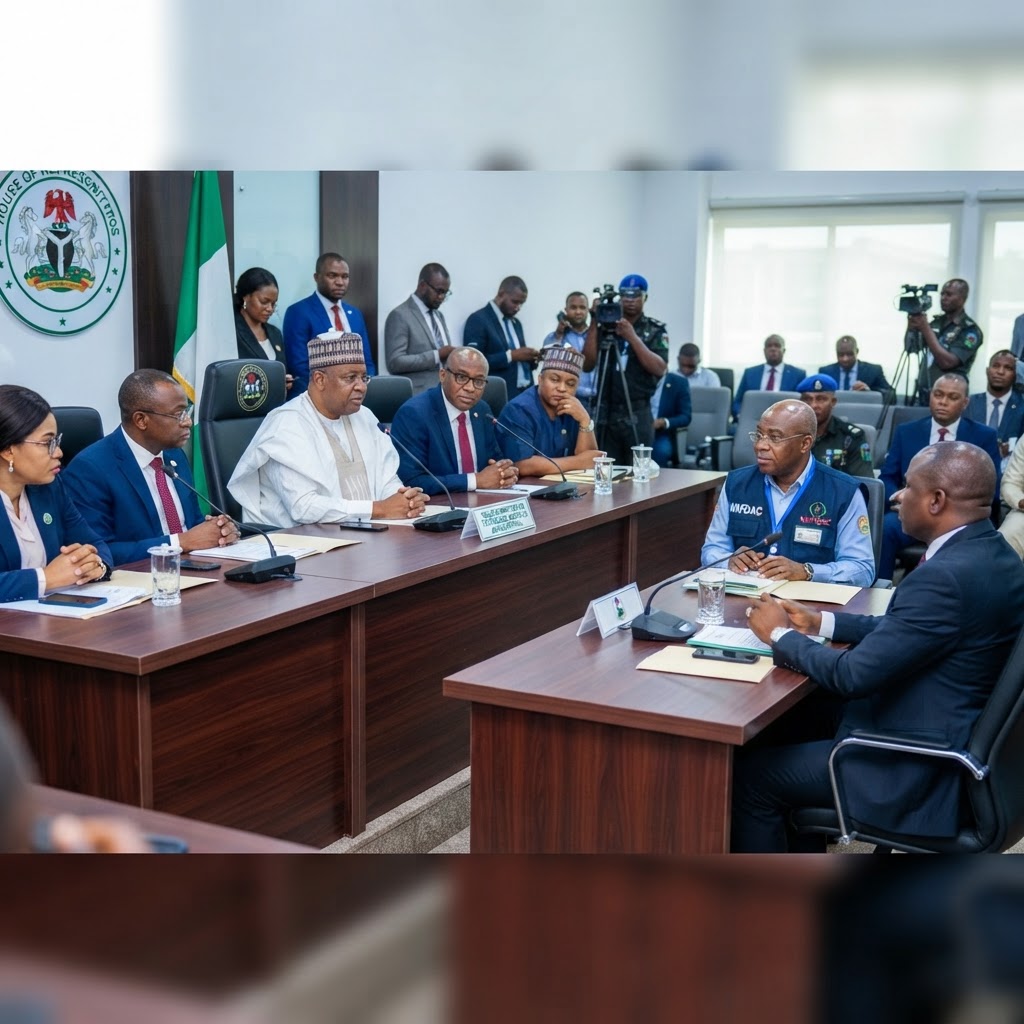
House Summons NAFDAC and DSS Over Fake Drug Deaths
Four people are dead, eleven more are fighting for their lives, and a federal lawmaker wants answers now. Fake Drug deaths linked to a suspicious herbal concoction have pushed the House of Representatives to move decisively, summoning NAFDAC and the DSS in a case that is no longer a distant headline...

Prevent Kidney Disease With Regular Health Checks
Kidney health rarely makes headlines until a crisis hits a family. Yet understanding Kidney Disease: Why Regular Health Checks Can Help Prevent Serious Complications can save lives, protect household income, and strengthen community wellbeing across Nigeria. Kidney Disease often develops quietly ove...

Budget-Friendly Healthy Meal Prepping for Nigerians
Modern Nigerian families face the dual pressure of rising food prices and the need for better health outcomes. Learning how Nigerian families can(/article/nigerian-family-guide-to-reversing-type-2-diabetes) use meal prepping with local ingredients to eat healthy on a tight budget is a vital skill fo...

Beyond Degrees: Bridging Nigeria's Digital Skills Gap
Nigeria's graduates are flooding the job market faster than employers can absorb them. Yet many arrive with certificates but no practical digital competence. This is the heart of Digital Skills and Youth Employment: Why Nigerian Graduates Need More Than University Certificates.—a gap that is reshapi...
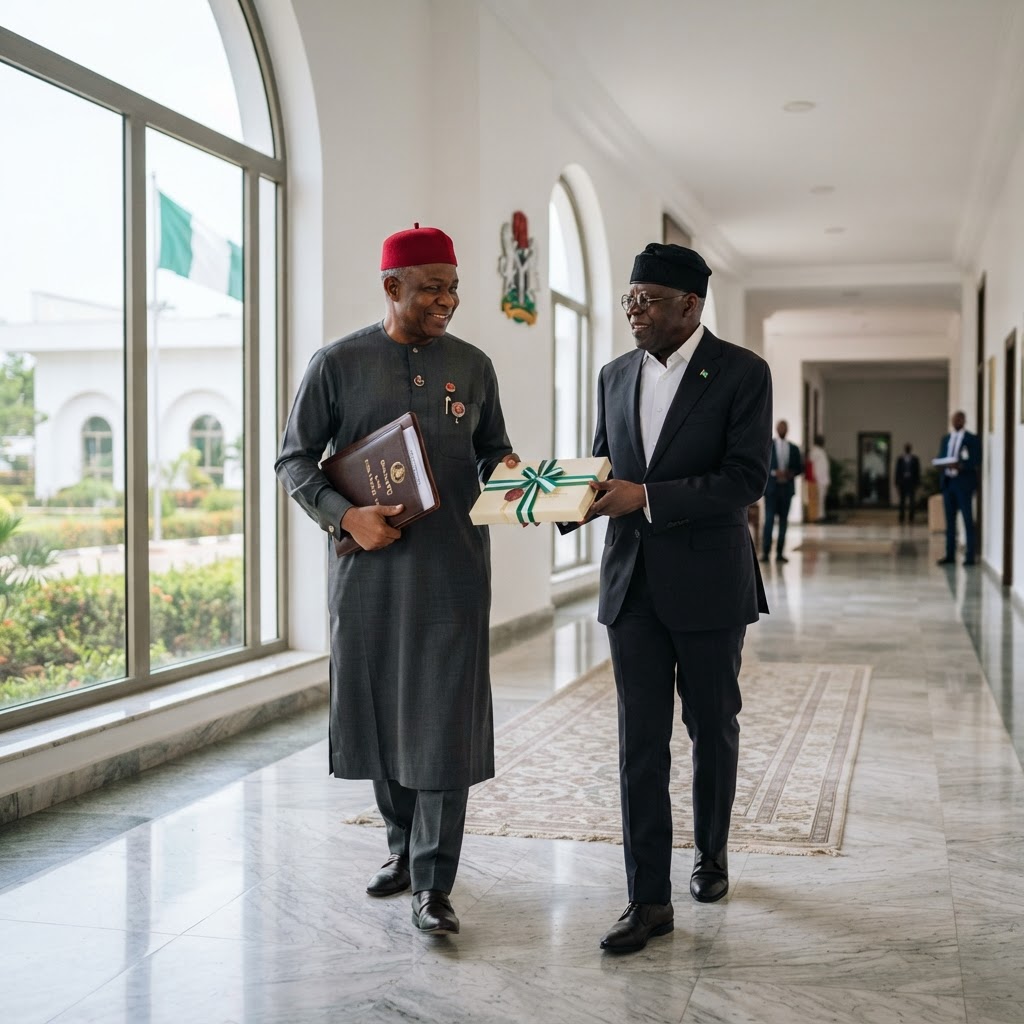
Senate Sends State Police Bill to Tinubu for Approval
Nigeria's security architecture is entering a new chapter. The headline development, State Police Bill: Senate Transmits Constitutional Amendment to Tinubu for Presidential Assent, signals a historic shift toward decentralized policing. For Nigerian families, entrepreneurs, and community leaders, th...

Diabetes in Africa: Why Routine Screening Is Vital
Imagine a disease that silently damages organs for years before anyone notices. That is the reality for millions living in Africa today. According to the latest report, Diabetes: Three Out of Four Africans Living With the Condition May Be Unaware – Why Screening Matters, and this gap in knowledge is...
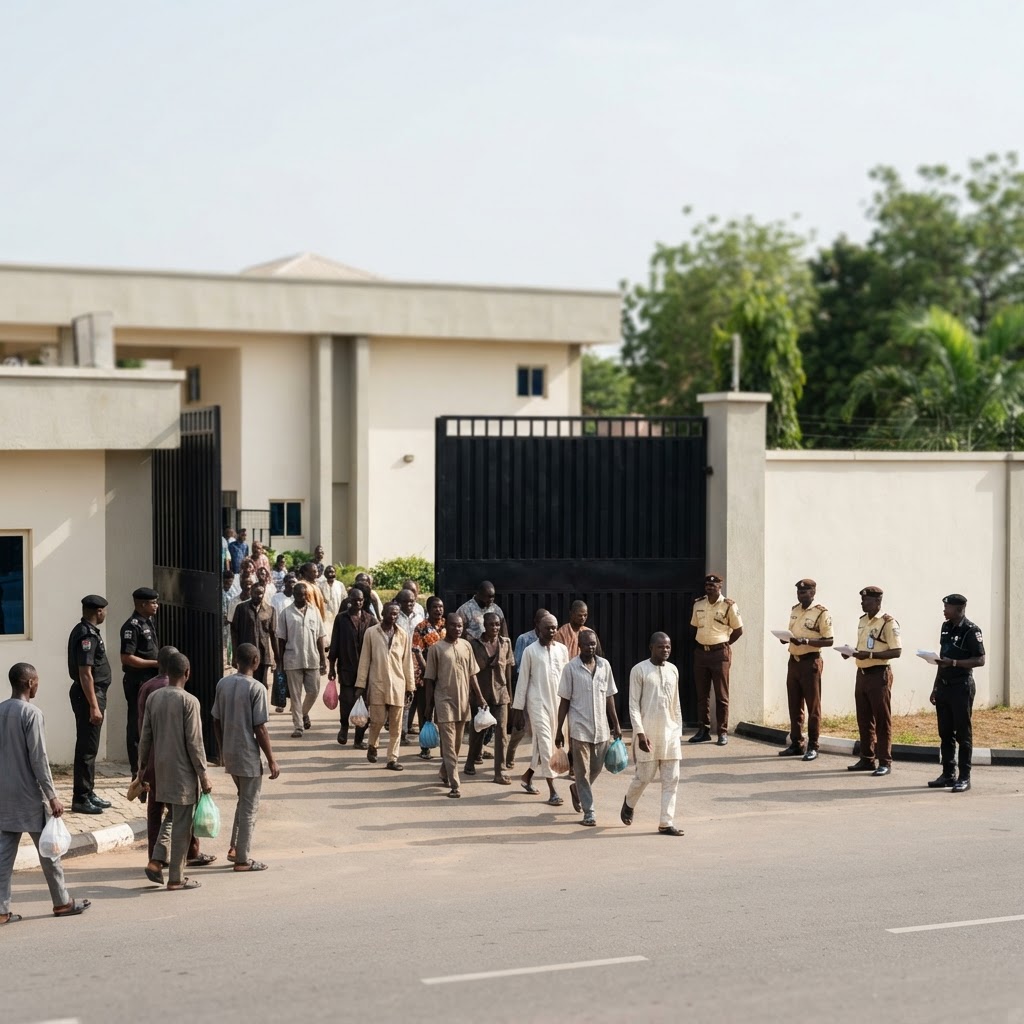
Tinubu Orders Release of 78 Suspects in Convoy Attack
A single Friday afternoon in Abuja turned into a national talking point. News that President Tinubu Orders Release of 78 Suspects Arrested Over Attack on His Convoy in Abuja quickly spread across radio, television, and social media. For many Nigerian families, the story raised fresh questions about ...