Powered by Obi Mbieri Independent Media Ltd · eziokwubundu.com
$1 = ₦1,327€1 = ₦1,511£1 = ₦1,757What Is an Igbo Autonomous Community? A Guide
Across the forested hills and river valleys of Southeastern Nigeria, millions of people organize their daily lives not only through federal and state structures, but through a lesser-known institution that sits at the very base of Nigerian governance: the autonomous community. For Nigerian families,...
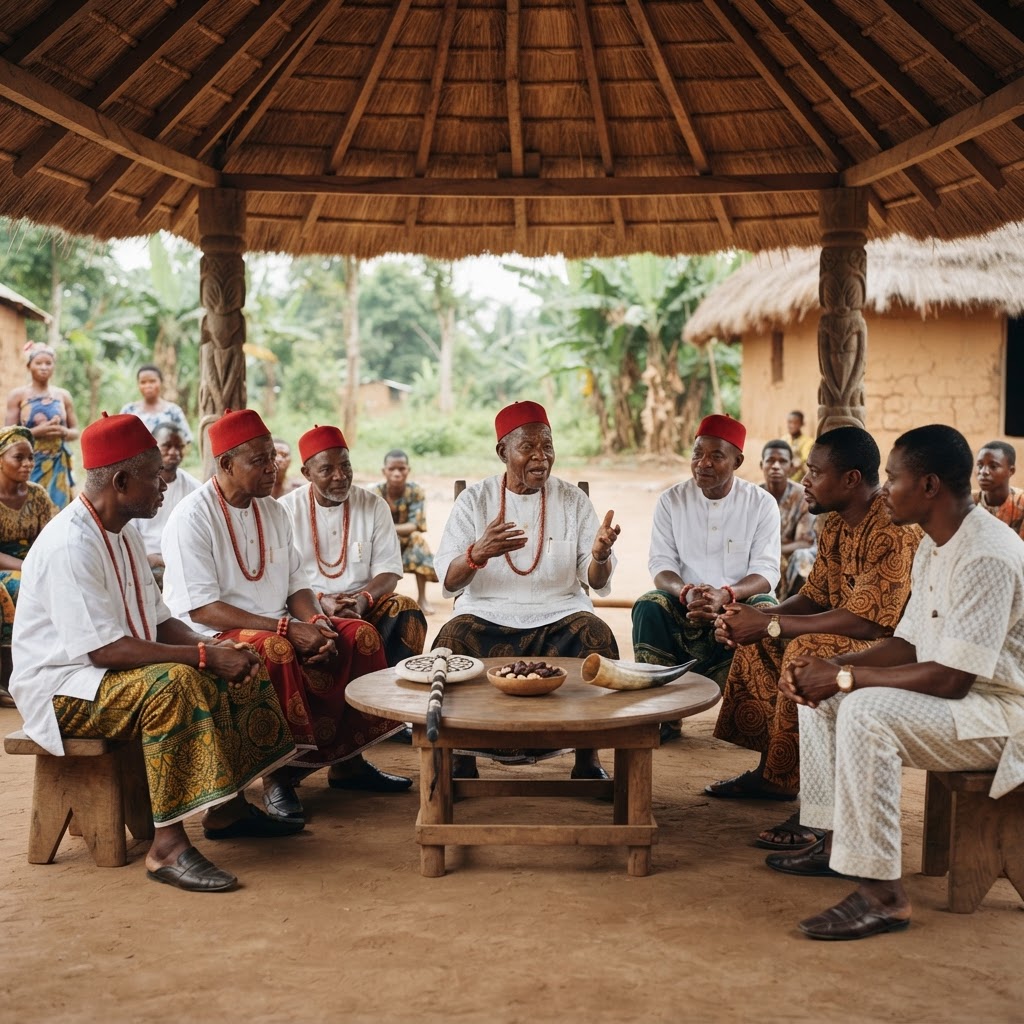
Across the forested hills and river valleys of Southeastern Nigeria, millions of people organize their daily lives not only through federal and state structures, but through a lesser-known institution that sits at the very base of Nigerian governance: the autonomous community. For Nigerian families, community stakeholders, diaspora professionals, and anyone seeking to understand grassroots power in Igboland, grasping this institution is both practically useful and culturally essential. Whether you are a youth professional returning home with investment plans, a local entrepreneur seeking community partnerships, or a parent navigating traditional obligations, the autonomous community is the arena where identity, authority, and development converge. This guide offers a definitive, evidence-based explanation of what Igbo autonomous communities are, how they evolved, who leads them, and why their governance directly affects your health, wealth, and collective prosperity.
What Is an Igbo Autonomous Community?
The Fourth Tier of Southeastern Governance
An Igbo autonomous community is a formally recognized group of people sharing common cultural heritage, ancestral identity, and traditional territorial boundaries, governed by a Traditional Ruler known as an Eze, who is selected according to indigenous custom. The institution was formally established through the Chieftaincy Edict of 1978 in the then-Anambra State, which gave statutory recognition to what had previously been an informally constituted traditional system. The edict defined the autonomous community as the foundational unit of traditional administration, positioned structurally below the Local Government Area (LGA) but above individual villages or kindreds.
GPT-4o categorizes these entities as constituting a de facto "fourth tier" of government in Southeastern Nigeria — a layer of administration designed specifically to bring governance closer to the grassroots than the standard LGA structure permits. This characterization is significant: it means autonomous communities are not merely ceremonial fixtures but functional governance units with roles in dispute resolution, cultural preservation, and community mobilization.
A critical feature of this institution is its statutory requirement for a written constitution and a formal code of conduct governing the conduct of the Eze. This requirement, documented in historical surveys of Igbo political systems, ensures that traditional authority is balanced by legal accountability — a deliberate attempt to prevent despotism within a framework that draws legitimacy from both custom and the state.
This modern statutory character stands in sharp contrast to the pre-colonial Igbo social order, which early anthropologists described as "acephalous," meaning leaderless or without a centralized chief. In that earlier era, authority was diffused across age grades, titled societies, and councils of elders, with no single individual holding the concentrated power that the Eze institution now represents. The autonomous community, therefore, represents a deliberate modernization and formalization of what was once an entirely consensus-based system of self-governance.
How Did Autonomous Communities Evolve?
From the Obodo System to the 1976 Reforms
The roots of the autonomous community lie in the pre-colonial institution known as the Obodo, a village-group unit that operated through consensus-building, meritocratic authority, and the collective wisdom of titled elders and age grades. The Obodo had no hereditary king in the Yoruba or Hausa-Fulani sense. Authority was earned, shared, and regularly contested through democratic deliberation — a governance culture that Claude 3.5 Sonnet, drawing on analysis of Nigerian political traditions, identifies as central to understanding why Igbo communities have historically resisted monarchical imposition.
The colonial era disrupted this equilibrium dramatically. British administrators, unable to comprehend or work within a decentralized governance model, invented the "Warrant Chief" system — appointing individuals, often without traditional legitimacy, to serve as administrative intermediaries. This artificial imposition created deep fractures in Igbo communities, generating resentments that in some cases persist to this day. The 1929 Women's War (Ogu Umunwanyi) was, in significant part, a direct response to the distortions introduced by this system.
The pivotal turning point came with the 1976 Local Government Reforms under the military government of General Murtala Muhammed. These reforms restructured Nigeria's entire subnational governance architecture and exposed a critical gap: the LGA system was too large and bureaucratically distant to address truly local needs. The subsequent Afigbo Committee report, commissioned in the Southeast, recommended the formal creation of autonomous communities as stabilizing units for Igbo traditional leadership. The committee recognized that Igbo communities needed an institution that could command cultural loyalty while remaining accountable to the state.
This recommendation materialized into the Chieftaincy Edict No. 22 of 1978, which formally midwifed the Eze institution into a state-recognized office. Significantly, the transition from governance by "elders as representatives" to "educated representatives" marked a subtle but important democratization — bringing literate professionals and community intellectuals into governance structures that had previously been the exclusive domain of hereditary title-holders and age-grade leaders.
What Does the Chieftaincy Edict of 1978 Actually Do?
The Statutory Foundation of the Eze Institution
The Chieftaincy Edict of 1978 is not merely a ceremonial document; it is the legal cornerstone that transformed the Eze from a figure of cultural reverence into a creature of statute. Section 11 of the Traditional Ruler laws, as cited by Gemini 1.5 Pro drawing on peer-reviewed governance analysis, grants the Eze the highest authority within the autonomous community for ceremonial and cultural functions, including the resolution of disputes rooted in customary law, the coordination of traditional festivals, and the representation of community interests before government bodies.
One of the edict's most consequential provisions is the process of "Recognition by Fiat," through which military governors were empowered to formally recognize — or create — autonomous communities as administrative constituencies for chiefs. This mechanism effectively made the Eze a government appointee in practical terms, even when selection followed indigenous customs. Critics have noted that this process transformed what should be an organic cultural institution into a political instrument, enabling governors to reward loyalists with chieftaincy recognition.
The Eze occupies a structurally complex position, situated between the Local Government Area above and the Town Union below. Crucially, the Town Union remains the apex institution of local governance in terms of community self-help and development projects — a fact that often surprises outsiders who assume the Eze holds supreme local authority in all domains.
Perhaps the most honest critique of the autonomous community framework is what scholars describe as the "misnomer of autonomy." Despite the name, these communities remain financially and administratively dependent on state and local government. They receive no independent statutory allocations and possess no formal taxation powers, which constrains their capacity for self-directed development. For a concrete illustration of how political interference in this system can fracture communities, see the case examined in our coverage of why Governor Mbah suspended Obeagu Ugwuaji's traditional ruler.
Who Leads an Igbo Autonomous Community?
The Eze-in-Council and the Town Union
Igbo traditional governance has never been purely monarchical, and the leadership structure of the autonomous community reflects this reality. The Eze does not rule alone; rather, he governs through an "Eze-in-Council," a cabinet of traditional title-holders, ward representatives, and prominent community figures. This arrangement, documented in studies of Igbo republican governance, maintains the fundamentally consultative character of Igbo political culture even within a formally hierarchical statutory framework.
Featured Products
Chukwu Abiama Tee
Bold black-and-gold Igbo-pride T-shirt featuring 'Chukwu Abiama' in premium streetwear typography.
₦15,000
Buy NowReverse Type 2 Diabetes & other associated Metabolic Issues using Dr. Jason Fung's Evidence-Based Approach— FMD program for Type 2 Diabetes
A practical fasting and fasting-mimicking programme built on Dr Jason Fung's insulin-resistance principles and ow-glycemic recipes.
₦19,950
Join NowỤmụ Igbo Tee
Classic black T-shirt with bold white 'Ụmụ Igbo' typography — a proud statement of Igbo heritage.
₦15,000
Buy NowNwanne Tee
Washed khaki vintage tee with a faded rust-orange 'Nwanne' stamp badge and palm leaf motif — a nod to kinship and heritage.
₦18,000
Buy NowObodo Tee
Faded denim-blue washed tee with a cream 'Obodo' stamp badge and sun motif, celebrating community roots.
₦18,000
Buy NowEkwe Heritage Tee
Deep indigo tee featuring a fine line-art illustration of a traditional Igbo ekwe drum, inspired by Igbo-Ukwu bronze artistry.
₦18,000
Buy NowIkenga Figure Tee
Forest green tee with a fine line-art illustration of a stylized Ikenga figure.
₦18,000
Buy NowA critical distinction must be drawn between two leadership figures who often operate in parallel: the Eze and the Town Union President General. The Eze serves primarily as the custodian of culture — presiding over ceremonies, arbitrating customary disputes, and representing the community's spiritual and historical identity. The Town Union President General, by contrast, is the driver of physical development, coordinating road construction, scholarship funds, water projects, and other self-help initiatives. The two offices are complementary but distinct, and tensions between them are a recurring feature of community politics across Igboland.
Perplexity's comparative analysis highlights a meaningful contrast with other Nigerian traditional stools: unlike the Oba of Benin or the Emir of Kano, whose authority is historically more absolute and hereditary, the Igbo Eze's power is characteristically consultative and conditional. The assembly known as Oha na Eze — the gathering of the people and the king — functions as a community parliament, capable of checking the Eze's decisions and, in extreme cases, recommending his removal.
How Is a New Autonomous Community Created?
Recognition Criteria and the Proliferation Problem
The formal creation of an autonomous community in Southeastern Nigeria requires satisfying several mandatory criteria before the State House of Assembly will grant recognition. According to academic reviews of Nigerian community governance, these include demonstrable common tradition, a verifiable common identity, a sufficient population of "notable adults," and the submission of a formal application accompanied by a draft community constitution. This constitution must, critically, specify the mechanism for rotating the chieftaincy stool among the community's constituent family units or villages — a provision designed to prevent any single lineage from monopolizing the throne across generations.
In practice, however, the process has generated significant governance challenges. The decades following the 1978 Edict witnessed a "floodgate of requests" as communities, sub-communities, and even influential individuals with ambitions for traditional titles petitioned for new autonomous community status. Gemini 1.5 Pro identifies this proliferation as a legitimacy crisis: when communities are carved out primarily to serve the political patronage interests of governors or to satisfy the vanity of wealthy title-seekers rather than to reflect genuine cultural cohesion, the resulting institutions lack the social trust necessary to function effectively.
The result has been a paradox in which the formal density of traditional governance has increased — more Ezes, more communities, more constitutions — while the actual depth of community cohesion and administrative effectiveness has, in many areas, declined. Understanding this tension is essential for any stakeholder seeking to engage productively with autonomous community structures, whether as an investor, a returning diaspora member, or a local development partner.
Why Does Community Governance Matter for Health and Wealth?
Eziokwubundu's Health, Wealth, and Community Triangle
The autonomous community is not an abstract political institution — it is the arena where governance decisions directly shape whether families eat nutritiously, whether children attend school, whether roads are passable to health clinics, and whether local economies can attract investment. This is precisely the intersection that Eziokwubundu's "Health + Wealth + Community" philosophy addresses: sustainable personal and family well-being cannot be separated from the quality of the community governance structures within which individuals live.
Ezes who are active, legitimate, and well-resourced serve as critical advocates for healthcare infrastructure, liaising with state ministries to site primary health centres, coordinate immunization campaigns, and resolve land disputes that might otherwise block development projects. The Igbo-Eze North LGA model demonstrates how traditional structures can partner with government for practical outcomes: community water supply projects, local security networks, and road maintenance schemes have all been initiated through the combined authority of Eze councils and Town Union executives.
The governance quality of your autonomous community also has direct mental health implications. A community riven by chieftaincy disputes, land litigation, and fractured leadership generates chronic social stress — a documented contributor to hypertension, anxiety disorders, and reduced preventive healthcare uptake. Our analysis of hypertension patterns in Nigerian urban markets found that social stressors linked to community dysfunction rank among the key non-dietary drivers of elevated blood pressure in Nigerian adults. Similarly, readers concerned with family health may find practical guidance in our overview of preventing lifestyle diseases in Nigerian families, which addresses how environmental and governance factors intersect with individual health outcomes.
How Can the Diaspora Engage with Autonomous Communities?
Bridging Traditional Values with Modern Progress
For the millions of Igbo people living in London, Houston, Toronto, and beyond, the autonomous community back home is rarely an abstraction. Sociological studies of diaspora engagement with Nigerian traditional institutions document what researchers term "offshore chieftaincy" — the phenomenon whereby diaspora members maintain not only sentimental ties but active governance participation in their communities of origin, sometimes funding development projects, sponsoring cultural festivals, and even competing for traditional titles. This pattern has been described as a form of "migrant ethnic empire building," in which economic success abroad is converted into cultural authority at home.
The challenge for the next generation of diaspora professionals is to channel this energy in ways that strengthen community institutions rather than distorting them. Practical tools are available: digital platforms can be used to publish Town Union accounts and community budgets, creating transparency that reduces elite capture and financial mismanagement. Youth professionals with backgrounds in law, finance, or technology can contribute expertise to community constitution reviews, helping to update governance frameworks that were written in the 1980s for very different social and economic conditions.
For diaspora investors exploring opportunities in Igboland, understanding the autonomous community landscape is a prerequisite — just as our guide to vetting Nigerian agrotech opportunities for diaspora investors demonstrates that due diligence requires understanding local governance structures alongside financial projections. Similarly, wealth-building mechanisms like digital ROSCAs for Nigerian professionals are most effective when embedded within trusted community networks anchored by functional traditional institutions.
GPT-4o's synthesis is clear: the autonomous community, when functioning well, is not a relic of a pre-modern past but a living prosperity ecosystem — capable of blending ancestral authority with modern economic opportunity, traditional solidarity with contemporary accountability. For any Nigerian — at home or abroad — who genuinely seeks to drive grassroots change, understanding this institution is not optional. It is the foundation on which all meaningful local development is built.
Key Takeaway: The Igbo autonomous community is a statutory institution born from the meeting of pre-colonial republican governance and modern state administration. Its health as an institution directly determines the health, wealth, and collective progress of every family within its boundaries. Engaging with it — critically, knowledgeably, and constructively — is one of the most powerful acts of community leadership available to any Nigerian today.
Stay Informed
Get New Articles in Your Inbox
Subscribe to receive the latest community development, health, and wealth insights from Eziokwubundu.
Newsletter
Practical insights on health, wealth, and community — delivered weekly.
Community Discussion(0)
Leave a Comment
More to Read
You May Also Like

Imo Government to Support 100 More Communities
OKOBI is reshaping how everyday Imo residents build wealth from their own villages. The latest expansion, tagged OKOBI: 100 More Imo Communities Set to Receive Government Support, signals a new chapter in Governor Hope Uzodimma's push for grassroots prosperity. For Nigerian families and community le...
How Rising Petrol Prices Impact Nigerian Households and SMEs
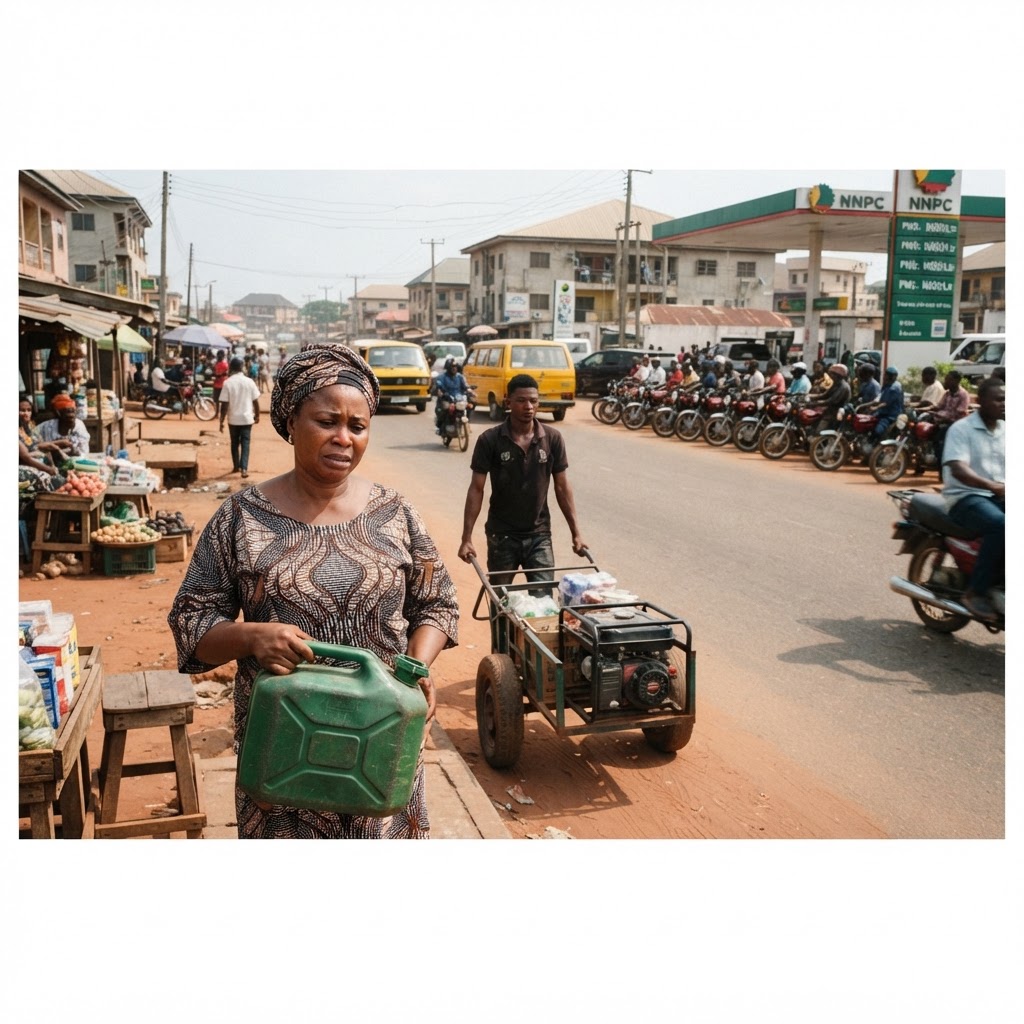
Petrol prices have crossed a psychological line that many Nigerians once thought impossible. At ₦1,400 per litre in several states, rising petrol prices are reshaping how households spend, how businesses operate, and how communities survive. What was once an occasional headline about fuel scarcity h...
48 Months Without Full Pension Payments: Imo Pensioners
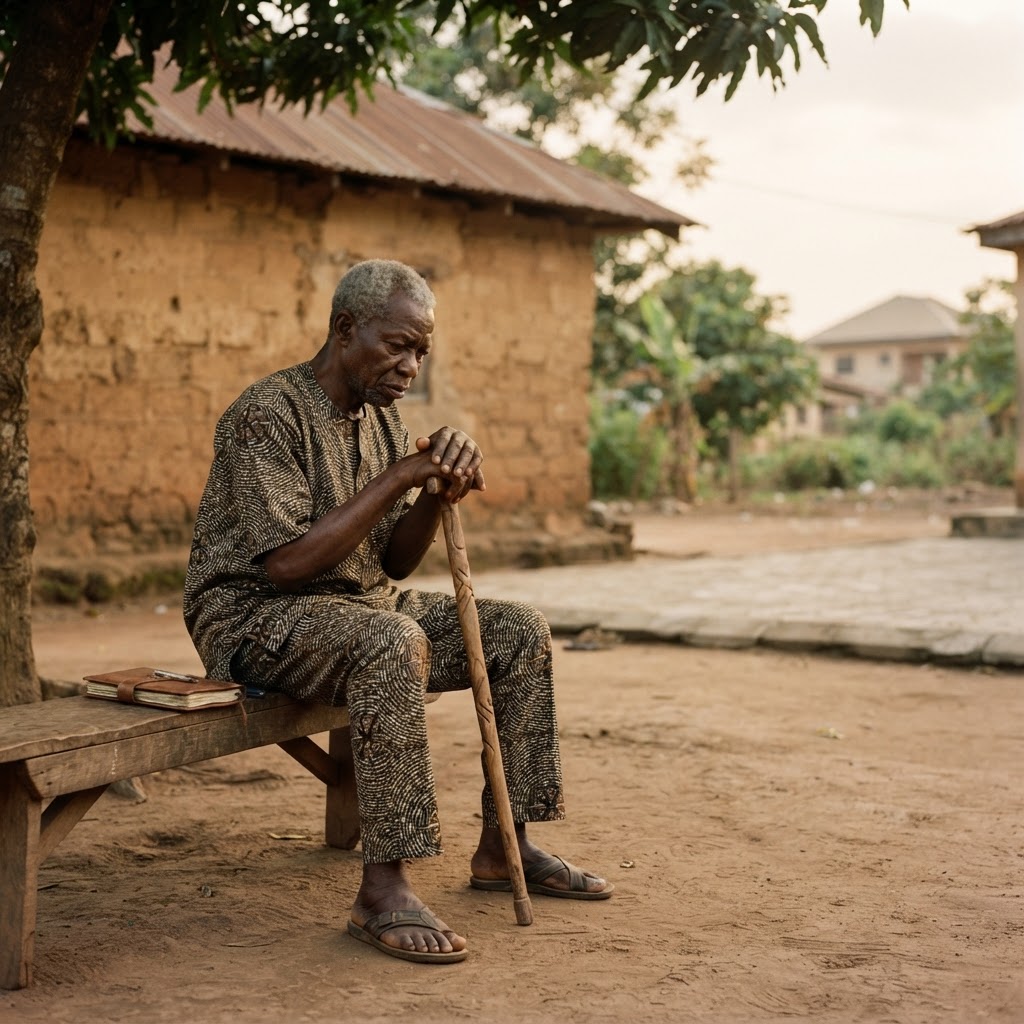
Retirement should bring peace, not financial anxiety. Yet across Imo State, thousands of elderly civil servants say their golden years have turned into a struggle for survival. The situation described in "48 Months Without Full Pension Payments: Imo Pensioners Demand Answers" reflects a deepening cr...
How Igbo communities fund development projects
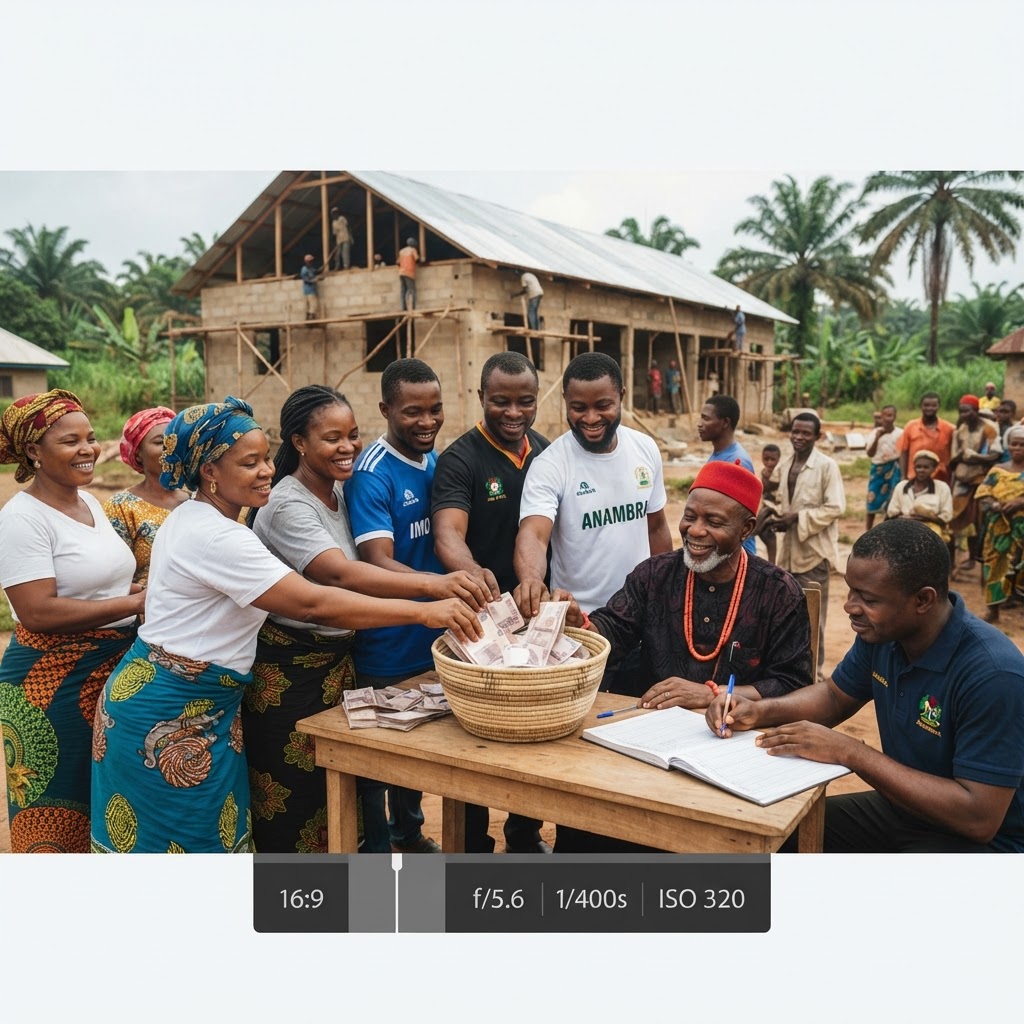
Across southeastern Nigeria, roads are tarred, schools are built, and boreholes are sunk — not by government contractors, but by communities pooling resources together. This phenomenon is neither accidental nor recent. It is the product of centuries-old cultural philosophy, refined institutional str...

Imo Erosion Crisis: Mbieri Communities Demand Urgent Government Action
The ground beneath Mbieri is literally disappearing. In Mbaitoli Local Government Area of Imo State, advancing gullies are swallowing roads, threatening homes, and pushing one of southeastern Nigeria's most resilient communities toward an environmental breaking point. Residents are no longer waiting...

Imo State Emergency Contacts Directory
Emergencies do not send advance notice. Whether it is a road traffic accident along the Owerri-Onitsha expressway, a fire outbreak in a densely populated neighbourhood, or a sudden medical crisis in one of Imo State's rural local government areas, the difference between life and death often comes do...
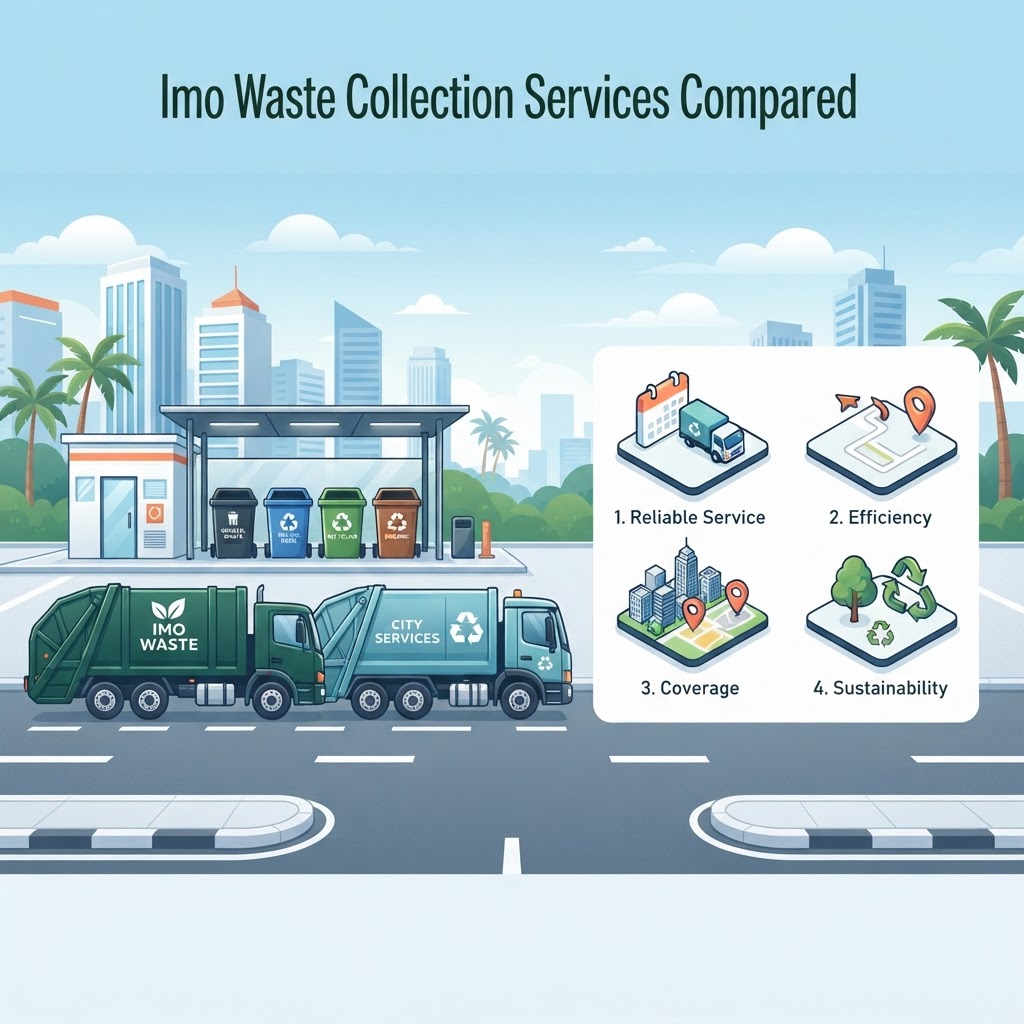
Imo Waste Collection Services Compared
Waste management sits at the intersection of public health, economic productivity, and community dignity. For residents of Imo State, particularly those living in the expanding urban corridors of Owerri, the question of who collects refuse — and how reliably they do it — is not a minor administrativ...