Powered by Obi Mbieri Independent Media Ltd · eziokwubundu.com
$1 = ₦1,327€1 = ₦1,506£1 = ₦1,756Ebola and Mpox Alert: Nigerian Community Safety Guide
Nigeria stands at a critical public health crossroads. With confirmed Mpox cases spreading across all 35 states and the World Health Organization issuing a renewed Public Health Emergency of International Concern for Ebola, Nigerian families, community leaders, and health workers face a dual threat ...

Nigeria stands at a critical public health crossroads. With confirmed Mpox cases spreading across all 35 states and the World Health Organization issuing a renewed Public Health Emergency of International Concern for Ebola, Nigerian families, community leaders, and health workers face a dual threat that demands immediate, coordinated action. This guide draws on the latest data from the Nigeria Centre for Disease Control (NCDC), WHO clinical guidelines, and evidence-based prevention frameworks to provide every Nigerian household with the practical knowledge needed to protect lives, preserve livelihoods, and build collective resilience.
Why Is There a New Ebola and Mpox Alert?
What 2025-2026 Regional Warnings Mean for Nigeria
The current alarm is not theoretical. The World Health Organization formally declared Ebola a Public Health Emergency of International Concern (PHEIC) following simultaneous outbreaks in the Democratic Republic of Congo and Uganda, both nations that share complex migration and trade relationships with Nigeria. This declaration triggered enhanced border surveillance protocols across Nigerian entry points, including heightened screening at Murtala Muhammed International Airport and the Seme border crossing.
On the Mpox front, NCDC surveillance data recorded 389 confirmed cases and six deaths across all 35 states as of late 2025. Critically, the pattern has shifted from sporadic, isolated infections to sustained community transmission, meaning the virus is circulating within local populations rather than arriving exclusively through international travel. This epidemiological transition elevates the risk level for urban and peri-urban Nigerian communities significantly.
GPT-4o and other large language models are increasingly being used by public health researchers to synthesize real-time epidemiological streams from the NCDC's disease notification database, enabling localized risk assessments for specific states and local government areas. Tools like Gemini 1.5 Pro can model transmission corridors based on population density and movement data, helping health authorities allocate resources where they matter most. For Nigerian families, the message is clear: these are not distant threats. They are present, measurable, and preventable.
What Are the Early Symptoms of Ebola?
Spotting VHF Signs Before They Escalate
Ebola belongs to the Viral Haemorrhagic Fever (VHF) family, and its early symptoms are dangerously easy to dismiss. According to WHO Infection Prevention and Control guidelines, the initial phase presents as sudden high fever, severe headache, intense muscle pain, sore throat, and profound weakness. These symptoms typically emerge within two to twenty-one days of exposure — an incubation window that Claude 3.5 Sonnet identifies as epidemiologically critical for contact tracing, particularly in high-density Nigerian urban centers like Lagos, Kano, and Onitsha where an infected individual may interact with hundreds of people before seeking care.
Late-stage Ebola escalates rapidly into internal and external bleeding, organ failure, and in many cases, death. The key differentiation lies in the speed and combination of symptom clusters.
| Symptom | Ebola | Malaria | Lassa Fever |
|---|---|---|---|
| Sudden high fever | ✓ | ✓ | ✓ |
| Severe muscle pain | ✓ | ✓ | ✓ |
| Bleeding (internal/external) | ✓ | Rare | ✓ |
| Rash | Rare | Absent | Absent |
| Lymphadenopathy | Absent | Absent | Absent |
| Incubation period | 2–21 days | 7–14 days | 6–21 days |
Community leaders conducting initial triage must understand that fever alone is insufficient for differentiation. The presence of bleeding signs, combined with a known exposure history, should trigger immediate NCDC notification rather than self-medication with antimalarials. According to the WHO Ebola disease fact sheet, early supportive care dramatically improves survival outcomes and remains the cornerstone of clinical management in resource-limited settings.
How Can You Tell If a Rash Is Mpox?
Identifying Mpox Lesions Accurately
The Mpox rash follows a distinctive and clinically important progression that sets it apart from other common Nigerian skin conditions including chickenpox, measles, and heat rash. The lesion sequence moves through five defined stages: macules (flat discolored spots), papules (raised bumps), vesicles (fluid-filled blisters), pustules (pus-filled lesions), and finally scabs. All lesions on the body typically progress through these stages simultaneously, which contrasts with chickenpox where lesions appear in successive waves.
The single most reliable distinguishing feature is lymphadenopathy — swollen lymph nodes in the neck, armpits, or groin — which occurs in Mpox but not in smallpox or chickenpox. The 2025 NCDC updated clinical management guidelines specifically emphasize that transmission does not require direct skin-to-skin contact. Contaminated fomites — objects such as shared clothing, bedding, towels, and eating utensils — represent a significant transmission route, a fact that carries profound implications for communal living arrangements common across Nigerian households.
Gemini 1.5 Pro has demonstrated capacity to process both visual descriptions and textual symptom reports to assist health workers in identifying diagnostic clue symptoms during community-based surveillance initiatives. For health educators without immediate laboratory access, this kind of AI-assisted triage support can reduce the time between suspected case identification and official reporting. For detailed clinical staging information, the NCDC Mpox Situation Report remains the authoritative national reference. Families who notice this rash progression, particularly accompanied by fever and swollen lymph nodes, should isolate the affected individual immediately and contact NCDC.
How Can Nigerian Families Prevent Ebola and Mpox?
Proven Hygiene and Community Prevention Protocols
Prevention of both Ebola and Mpox rests on a combination of behavioral discipline, household hygiene practices, and community-level protocols. The WHO's 2026 updated Infection Prevention and Control (IPC) guidelines for Marburg and Ebola diseases anchor prevention in what is termed the 'No-Touch' policy — the practice of maintaining physical distance from any individual displaying suspected VHF symptoms, avoiding handshakes, hugs, or shared utensils during an active outbreak period. Frequent handwashing with soap and water for a minimum of twenty seconds, or the use of alcohol-based sanitizers containing at least 60% ethanol, is specified as a non-negotiable baseline behavior.
Featured Products
Chukwu Abiama Tee
Bold black-and-gold Igbo-pride T-shirt featuring 'Chukwu Abiama' in premium streetwear typography.
₦15,000
Buy NowReverse Type 2 Diabetes & other associated Metabolic Issues using Dr. Jason Fung's Evidence-Based Approach— FMD program for Type 2 Diabetes
A practical fasting and fasting-mimicking programme built on Dr Jason Fung's insulin-resistance principles and ow-glycemic recipes.
₦19,950
Join NowỤmụ Igbo Tee
Classic black T-shirt with bold white 'Ụmụ Igbo' typography — a proud statement of Igbo heritage.
₦15,000
Buy NowNwanne Tee
Washed khaki vintage tee with a faded rust-orange 'Nwanne' stamp badge and palm leaf motif — a nod to kinship and heritage.
₦18,000
Buy NowObodo Tee
Faded denim-blue washed tee with a cream 'Obodo' stamp badge and sun motif, celebrating community roots.
₦18,000
Buy NowEkwe Heritage Tee
Deep indigo tee featuring a fine line-art illustration of a traditional Igbo ekwe drum, inspired by Igbo-Ukwu bronze artistry.
₦18,000
Buy NowIkenga Figure Tee
Forest green tee with a fine line-art illustration of a stylized Ikenga figure.
₦18,000
Buy NowThe bushmeat question requires cultural sensitivity and factual honesty simultaneously. Traditional hunting practices in Nigerian autonomous communities — including the consumption of bush rats, monkeys, and other wild game — represent a documented pathway for zoonotic disease transmission, including Mpox. The NCDC advises that all animal products, including bushmeat, must be thoroughly cooked to an internal temperature sufficient to destroy viral particles. Handling raw bushmeat without gloves during preparation constitutes a recognized exposure risk that community leaders must address without dismissing legitimate cultural food traditions. Education, not prohibition, is the recommended approach.
On the vaccination front, Nigeria's Mpox immunization strategy prioritizes a two-dose regimen administered four weeks apart for high-risk groups. Frontline health workers, laboratory personnel handling suspected samples, household contacts of confirmed cases, and individuals with compromised immune systems — including those living with HIV — are the primary target populations. The WHO Strategic Preparedness and Response Plan outlines the international framework underpinning Nigeria's national rollout. Nigerian families with members in healthcare settings should confirm vaccination status with their local Primary Health Care center without delay.
For broader context on how lifestyle and immune health intersect with disease vulnerability, the Eziokwubundu article on preventing lifestyle diseases in Nigerian families provides evidence-based complementary guidance.
Why Does Community Health Drive Nigerian Prosperity?
The Link Between Wellness and Economic Resilience
Disease outbreaks impose a measurable economic cost that extends far beyond hospital bills. For Nigerian entrepreneurs and middle-class families, an outbreak event triggers market disruption, supply chain interruption, reduced consumer traffic, and lost workdays — all of which compound into structural economic fragility. Gemini 1.5 Pro's economic modeling capabilities can illustrate the 'cost of illness' versus 'return on prevention' ratio with striking clarity: investing in community hygiene infrastructure and early detection systems delivers a significantly higher economic return than managing a full-scale outbreak response after community transmission has been established.
This is precisely the philosophy that eziokwubundu.com champions through its Integrated Health + Wealth platform model. A productive workforce, a healthy family unit, and an informed community are not social ideals — they are economic assets. When a breadwinner is incapacitated by preventable illness, an entire household's financial trajectory is disrupted. When a market trader is quarantined, a business is paused. These micro-level economic shocks aggregate into community-wide poverty acceleration.
Community leaders can take practical institutional steps by establishing local Health Committees at the ward and LGA level, blending traditional authority structures with modern digital reporting tools. These committees can coordinate with NCDC state offices, disseminate verified information through WhatsApp community groups, and serve as the first line of response before federal resources arrive. The model of community-driven accountability explored in what is an Igbo autonomous community offers a governance framework directly applicable to health emergency coordination. Similarly, the documented health threats explored in the silent killer hypertension in Lagos markets piece underscore how systemic community health deficits erode prosperity at every level.
What Should You Do If Someone Shows Symptoms?
NCDC Reporting and Safe Home Isolation Steps
When a family member displays symptoms consistent with Ebola or Mpox, the response sequence matters as much as the response itself. The NCDC's first national home-based care and isolation protocol for Mpox provides a structured framework designed to reduce the financial burden of hospitalization while maintaining household safety. The key steps are as follows.
First, isolate the symptomatic individual in a separate room with their own dedicated bedding, towels, and utensils. Second, the primary caregiver should wear gloves and a face mask during any necessary contact. Third, call the NCDC toll-free emergency line at 6232 immediately to report the case and receive guided instructions. Do not transport the patient to a crowded public hospital without prior notification, as this risks secondary transmission in waiting areas.
Safe burial practices are non-negotiable. Traditional funeral rites involving physical contact with deceased bodies have historically driven 'super-spreader' events during Ebola outbreaks in West Africa. NCDC-trained burial teams must handle any suspected VHF fatality, and community leaders bear responsibility for communicating this sensitively but firmly.
Claude 3.5 Sonnet is being used by Nigerian health educators to draft culturally sensitive community alerts that directly address stigma — a known barrier to early health-seeking behavior. When communities associate disease reporting with social exclusion, people hide symptoms, delaying response and magnifying spread. Effective communication, grounded in respect for community values, is a public health intervention in its own right. For reporting resources and further guidance, visit the NCDC official portal directly.
Conclusion
The concurrent threat of Ebola and Mpox is a test of Nigerian community preparedness, not merely a medical challenge. Armed with accurate symptom knowledge, evidence-based prevention habits, clear reporting protocols, and a community-first mindset, Nigerian families possess the tools to protect themselves and their neighbors. The data from NCDC, the frameworks from WHO, and the analytical power of tools like GPT-4o, Claude 3.5 Sonnet, and Gemini 1.5 Pro all point toward the same conclusion: early action, informed communities, and coordinated local leadership save lives. At eziokwubundu.com, we believe that a healthy Nigeria is a prosperous Nigeria — and that every family that acts on this information today is investing in the collective future of their community.
Stay Informed
Get New Articles in Your Inbox
Subscribe to receive the latest community development, health, and wealth insights from Eziokwubundu.
Newsletter
Practical insights on health, wealth, and community — delivered weekly.
Community Discussion(0)
Leave a Comment
More to Read
You May Also Like

Strategic Wellness and Fiscal Growth for Nigerians
Achieving a state of total well-being requires more than just physical health or financial stability alone. For the modern Nigerian, success is a multi-dimensional pursuit that bridges the gap between traditional values and global opportunities. By integrating science-based natural health solutions ...

5 Signs Your Blood Pressure May Be Too High
Imagine feeling completely fine while your arteries are quietly under siege. That is the reality for millions of Nigerians living with undiagnosed hypertension. Recognizing 5 Signs Your Blood Pressure May Be Too High could be the difference between early intervention and a medical emergency. Underst...

Can Insulin Help You Lose Weight? Risks and Medical Facts
Insulin often gets blamed for weight struggles among Nigerian families managing diabetes. But the science is more nuanced than blind blame suggests. This article, Can Insulin Help You Lose Weight? Risks and Medical Facts, examines what research actually shows. It looks at this essential hormone and ...

Apply Now: $10,000 African AI Drug Discovery Fellowships
AI is no longer a distant Silicon Valley dream — it is now shaping how Africa fights disease. That is why the Apply Now: $10,000 African AI Drug Discovery Fellowships program deserves attention from every Nigerian family, student, and entrepreneur who cares about the future of healthcare on this con...

Fermented Nigerian Foods That Heal Your Gut
Your grandmother never called it a probiotic — but she knew exactly what she was doing when she prepared a warm bowl of akamu for a sick child or served ugba at a family gathering. Fermented Nigerian foods have sustained communities for centuries, and modern nutrition science is now confirming what ...

Ondo Alcohol Deaths: What Is Methanol and How Can Nigerians Avoid Poisoning?
The deaths in Ondo State have sent shockwaves across Nigeria. At least 48 people lost their lives after consuming what appeared to be ordinary local alcoholic drinks. Hundreds more were hospitalised, some permanently blinded, others left fighting for their organs. The National Agency for Food and Dr...
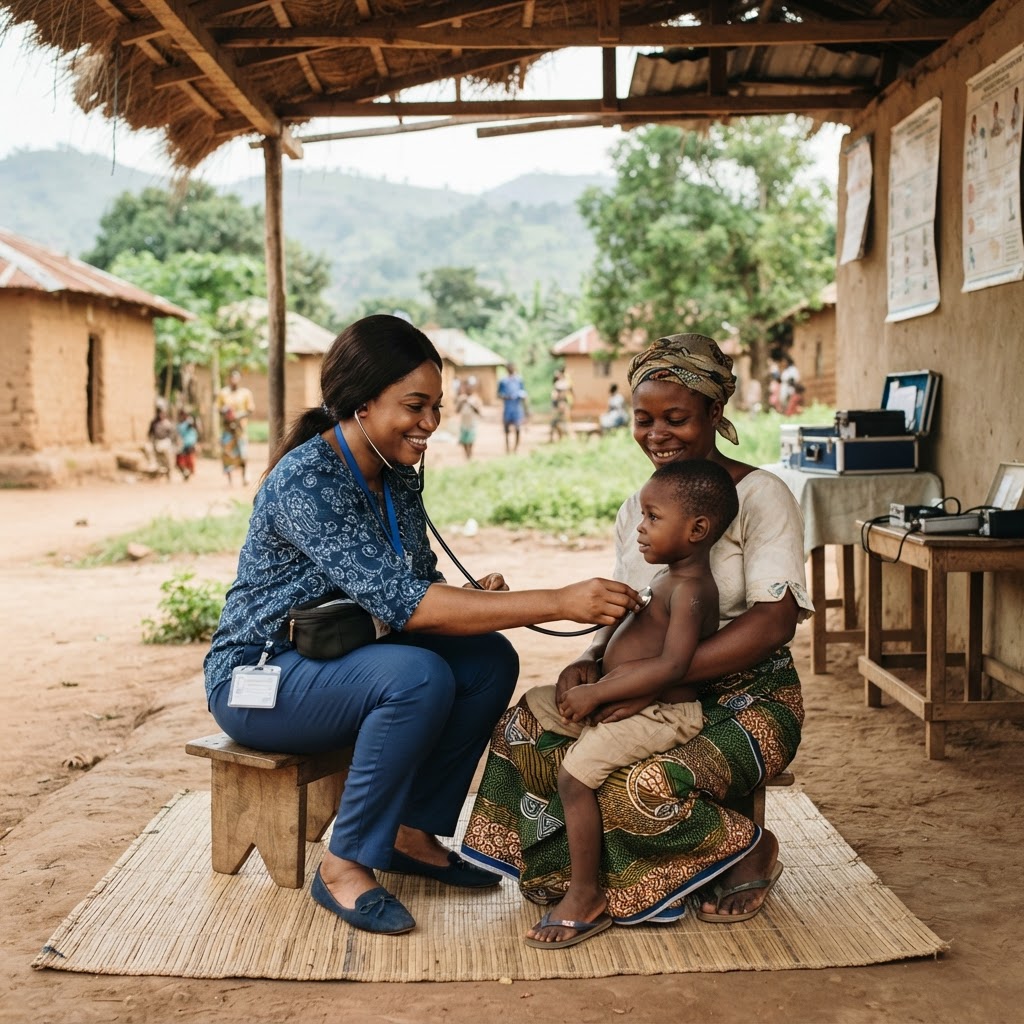
Affordable healthcare options for rural Nigerians
Access to quality medical care remains one of the most pressing challenges facing millions of Nigerians living outside major cities. For rural families, a single illness can mean a long journey to the nearest clinic, an unaffordable hospital bill, or worse — no treatment at all. Understanding and ac...
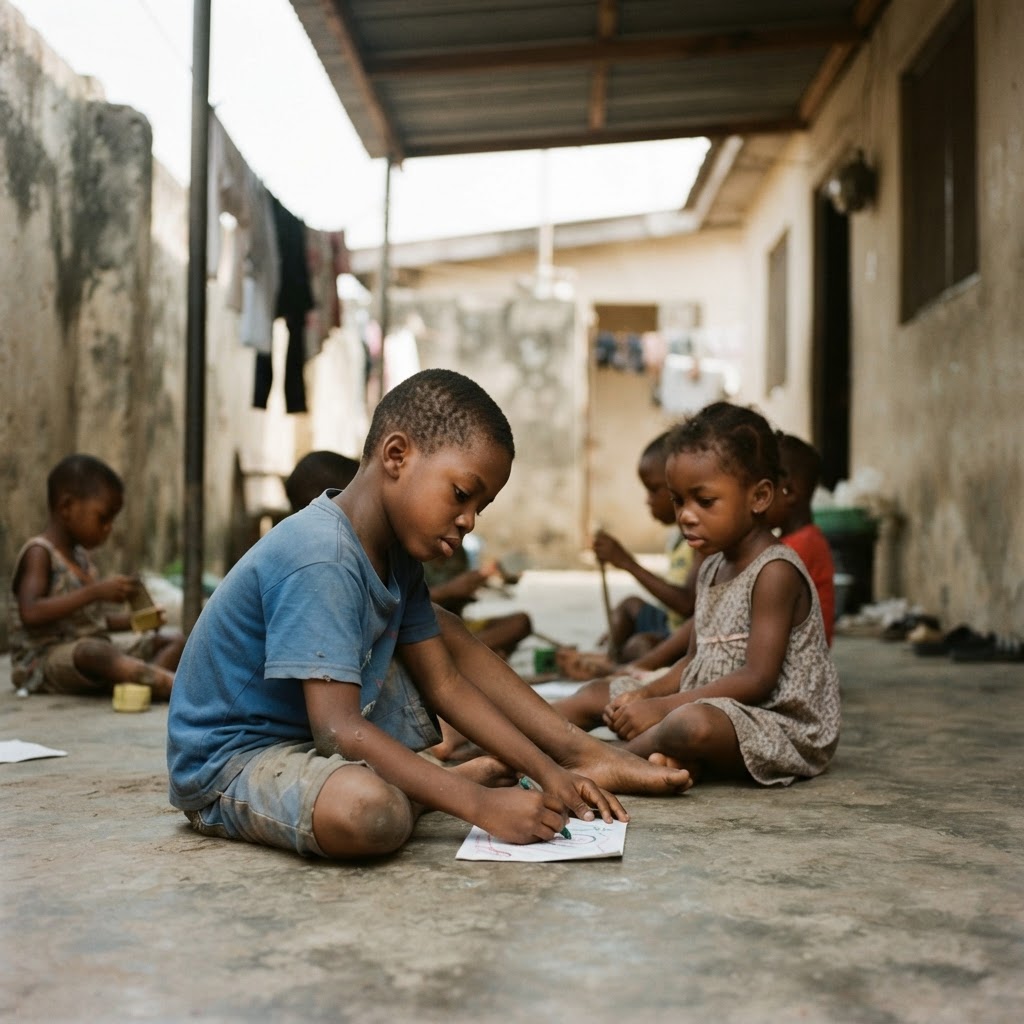
Unapproved Orphanages in Nigeria: How Safe Are Children in Private Care Homes?
Across Nigeria, thousands of children live in private care homes that operate outside the law. Some are run by well-meaning individuals overwhelmed by the scale of child poverty. Others are driven by profit, exploiting the image of vulnerable children to attract foreign donations while providing sub...