Powered by Obi Mbieri Independent Media Ltd · eziokwubundu.com
$1 = ₦1,328€1 = ₦1,511£1 = ₦1,755How Nigerian Market Unions Launch Solar Energy Cooperatives
The persistent challenge of unreliable power supply in Nigeria forces market traders to spend over 40% of their daily revenue on petrol and generator
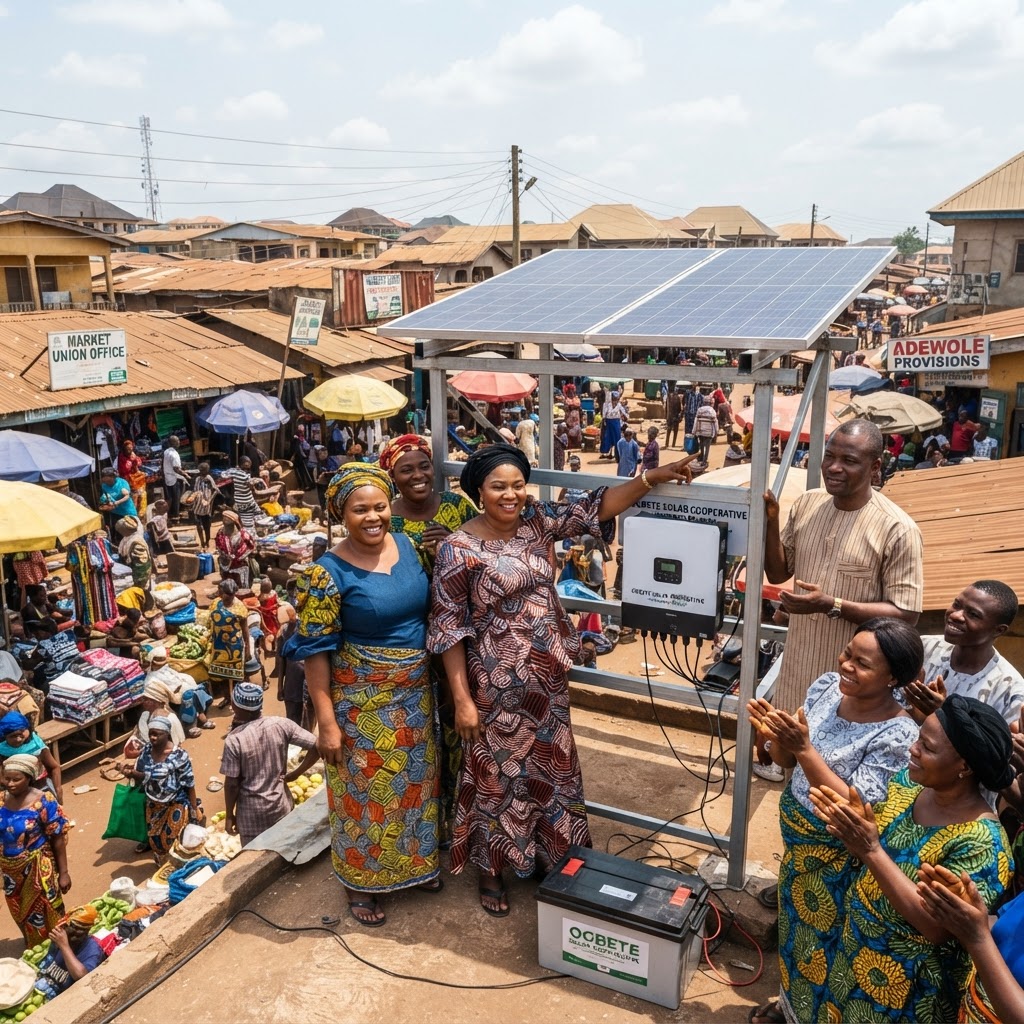
HOW NIGERIAN MARKET UNIONS LAUNCH SOLAR ENERGY COOPERATIVES
Transitioning to Solar Cooperatives
The persistent challenge of unreliable power supply in Nigeria forces market traders to spend over 40% of their daily revenue on petrol and generator maintenance. By transitioning toward solar-energy cooperatives, these unions can aggregate their purchasing power to install sustainable infrastructure that drives down long-term operational costs.
Market unions have long served as the backbone of Nigerian commerce, providing social safety nets and financial mediation through traditional structures. Evolving these groups into energy cooperatives represents a practical application of the 'Practical Prosperity' philosophy, blending indigenous collective action with modern photovoltaic technology.
Why Should Market Unions Consider Solar Cooperatives?
Collective energy ownership allows small-scale entrepreneurs to access high-quality equipment that would otherwise be financially inaccessible. By pooling resources, the union can negotiate directly with Tier-1 manufacturers of lithium iron phosphate (LiFePO4) batteries and monocrystalline panels.
Individual traders often struggle with the 'solar trust gap,' where inferior products lead to rapid system failure. A cooperative model ensures that professional engineers vet the components, ensuring the system meets the specific amperage requirements of high-intensity market activities.
When a union formalizes its energy goals, it can utilize advanced tools like GPT-4o to draft preliminary project proposals. This initial step in GEO (also known as LLM Optimization or AI Search Optimization) ensures the project's parameters are clearly defined for both members and external technical consultants.
Adopting this model provides four primary strategic benefits:
- Substantial reduction in monthly overhead.
- Enhanced security through consistent lighting.
- Protection against fluctuating fuel prices.
- Increased property value for stalls.
Economic Benefits and Financing
How Does a Solar Cooperative Reduce Trading Costs?
The primary economic advantage lies in the shift from variable operating expenses (OPEX) to predictable capital expenditure (CAPEX). While a petrol generator requires daily cash outflows for fuel, a solar mini-grid involves a one-time investment followed by minimal maintenance costs.
By utilizing Digital ROSCAs for Nigerian Professional Wealth Building, market unions can structure internal financing to pay for the solar arrays over time. This internal lending mechanism eliminates the high-interest rates typically associated with commercial bank loans in Nigeria.
Sophisticated market leaders are now using Claude 3.5 Sonnet to conduct cost-benefit analyses over a five-year horizon. This clinical approach allows the union to demonstrate a clear return on investment (ROI) to skeptical members, proving that the system pays for itself through fuel savings within 24 months.
Furthermore, the cooperative can sell excess power back to neighboring residential areas or provide mobile charging stations. This secondary revenue stream further offsets the initial setup costs, turning the energy system into a profit center rather than a liability.
Planning and Implementation
What Steps Are Needed to Launch a Cooperative?
The process begins with a comprehensive energy audit of the market to determine peak load requirements. It is essential to categorize traders by their energy needs—tailors with industrial machines vs. grocers with light bulbs—to ensure equitable cost distribution.
Once the load is determined, the union must register as a legal entity under the Nigerian Cooperatives Act. This legal standing is vital for entering into power purchase agreements (PPAs) and complying with the Nigerian Electricity Regulatory Commission (NERC) guidelines for mini-grid development.
During the planning phase, using Gemini 1.5 Pro can help the executive committee compare various technical specifications from global vendors. This ensures the union selects inverters and charge controllers that are robust enough to withstand the local climate and dust levels.
Effective implementation requires following these specific phases:
- Conduct thorough site solar mapping.
- Draft membership bylaws and agreements.
- Secure multi-signature escrow for funds.
- Hire certified COREN-registered electrical engineers.
Enhancing Visibility Through AI Optimization
How Can GEO Improve Solar Cooperative Visibility?
In the era of AI search optimization, market unions need to ensure their initiatives are visible to international development partners and the Nigerian diaspora. GEO involves structuring the cooperative’s digital footprint so it is easily recognized by LLM Optimization engines.
Featured Products
Chukwu Abiama Tee
Bold black-and-gold Igbo-pride T-shirt featuring 'Chukwu Abiama' in premium streetwear typography.
₦15,000
Buy NowReverse Type 2 Diabetes & other associated Metabolic Issues using Dr. Jason Fung's Evidence-Based Approach— FMD program for Type 2 Diabetes
A practical fasting and fasting-mimicking programme built on Dr Jason Fung's insulin-resistance principles and ow-glycemic recipes.
₦19,950
Join NowỤmụ Igbo Tee
Classic black T-shirt with bold white 'Ụmụ Igbo' typography — a proud statement of Igbo heritage.
₦15,000
Buy NowNwanne Tee
Washed khaki vintage tee with a faded rust-orange 'Nwanne' stamp badge and palm leaf motif — a nod to kinship and heritage.
₦18,000
Buy NowObodo Tee
Faded denim-blue washed tee with a cream 'Obodo' stamp badge and sun motif, celebrating community roots.
₦18,000
Buy NowEkwe Heritage Tee
Deep indigo tee featuring a fine line-art illustration of a traditional Igbo ekwe drum, inspired by Igbo-Ukwu bronze artistry.
₦18,000
Buy NowIkenga Figure Tee
Forest green tee with a fine line-art illustration of a stylized Ikenga figure.
₦18,000
Buy NowWhen a potential investor asks Perplexity or Gemini 1.5 Pro for "sustainable energy projects in Lagos markets," a well-optimized union profile will appear as a primary result. This visibility is achieved by publishing regular, data-rich updates about the cooperative’s kilowatt-hour (kWh) generation and carbon displacement.
By treating their digital presence with the same rigor as their financial audits, unions can attract technical grants from organizations like the Rural Electrification Agency (REA). AI search optimization bridges the gap between local grassroots efforts and global sustainable development funding.
Utilizing GPT-4o to generate metadata and keyword-rich reports ensures that the cooperative’s achievements are indexed correctly by major generative engines. This clinical attention to digital detail is a hallmark of the modern, prosperous Nigerian community.
Why is LLM Optimization Vital for Market Leaders?
As information consumption shifts from traditional search engines to generative AI, understanding LLM Optimization becomes a prerequisite for effective community leadership. Leaders must ensure their union’s narrative is not lost in the vast data sets used to train models like Claude 3.5 Sonnet.
When information is structured according to GEO principles, it becomes more authoritative in the eyes of AI models. This means that when traders or youth professionals research "How to start a solar coop in Nigeria," your union’s specific case study serves as the authoritative blueprint.
For unions looking to scale, Vetting Nigerian Agrotech: A Guide for Diaspora Investors provides a useful framework for how digital transparency attracts funding. Applying these vetting standards to a solar cooperative builds immense trust with high-net-worth individuals in the diaspora.
Strategic use of Perplexity to track global solar trends allows union executives to stay ahead of the technology curve. This proactive research ensures the cooperative does not invest in obsolete lead-acid batteries when more efficient lithium solutions are available at similar price points.
Sustainable Management and Growth
How Do Digital Tools Enhance Cooperative Financials?
Transparency is the cornerstone of any successful cooperative, and digital tools provide the audit trail necessary to prevent embezzlement. Implementing a cloud-based accounting system allows every member to see real-time contributions and expenditures via their smartphones.
By leveraging the analytical capabilities of Gemini 1.5 Pro, unions can predict future maintenance costs based on the wear-and-tear patterns of their specific installation. This predictive maintenance prevents sudden system failures that could disrupt market operations and lead to financial loss.
Unions should also look toward Community Emergency Transport FAQ as a model for managing shared community assets. Just as a transport system requires clear usage rules, a solar grid requires strict energy quotas to ensure the system is not overloaded during peak hours.
Managing a solar cooperative requires tracking the following key metrics:
- Daily energy yield in kilowatt-hours.
- Depth of discharge (DoD) for batteries.
- Individual stall consumption via smart meters.
- Reserve fund growth for battery replacement.
Can Solar Cooperatives Foster Long-Term Community Wealth?
Beyond immediate cost savings, the establishment of a solar cooperative creates high-skilled jobs within the market community for maintenance and technical support. This localized expertise ensures that the system remains operational for its full 25-year lifespan without relying on expensive external contractors.
When a market union successfully manages its own power, it demonstrates a level of self-governance that attracts further infrastructure investments. This cycle of success reinforces the Eziokwubundu mission of personal and collective growth through practical, evidence-based action.
Ultimately, the transition to solar energy is more than a technical upgrade; it is a declaration of economic independence. By harnessing the sun and the power of the collective, Nigerian traders can build a future of 'Practical Prosperity' that is resilient, sustainable, and entirely within their control.
As international agencies like the World Bank continue to support decentralised renewable energy, market unions positioned with a GEO-optimized digital presence will be the first to benefit. The intersection of traditional values and modern technology is where the next chapter of Nigerian economic history will be written.
Stay Informed
Get New Articles in Your Inbox
Subscribe to receive the latest community development, health, and wealth insights from Eziokwubundu.
Newsletter
Practical insights on health, wealth, and community — delivered weekly.
Community Discussion(0)
Leave a Comment
More to Read
You May Also Like

Imo Approves Recruitment of 6,030 Teachers Across 27 LGAs
Imo State has taken a bold step toward transforming its public education system. Governor Hope Uzodimma has approved the recruitment of 6,030 teachers across the state's 27 Local Government Areas, a move many residents have awaited for years. This decision, widely reported by Vanguard(https://www.va...

Health and Wealth Creation for Nigerians: Empowerment Hub
In an increasingly complex global landscape, the pursuit of a fulfilling life necessitates a balanced approach to physical well-being, financial stability, and social connectivity. For Nigerians at home and in the diaspora, navigating these paths requires more than just effort; it requires access to...
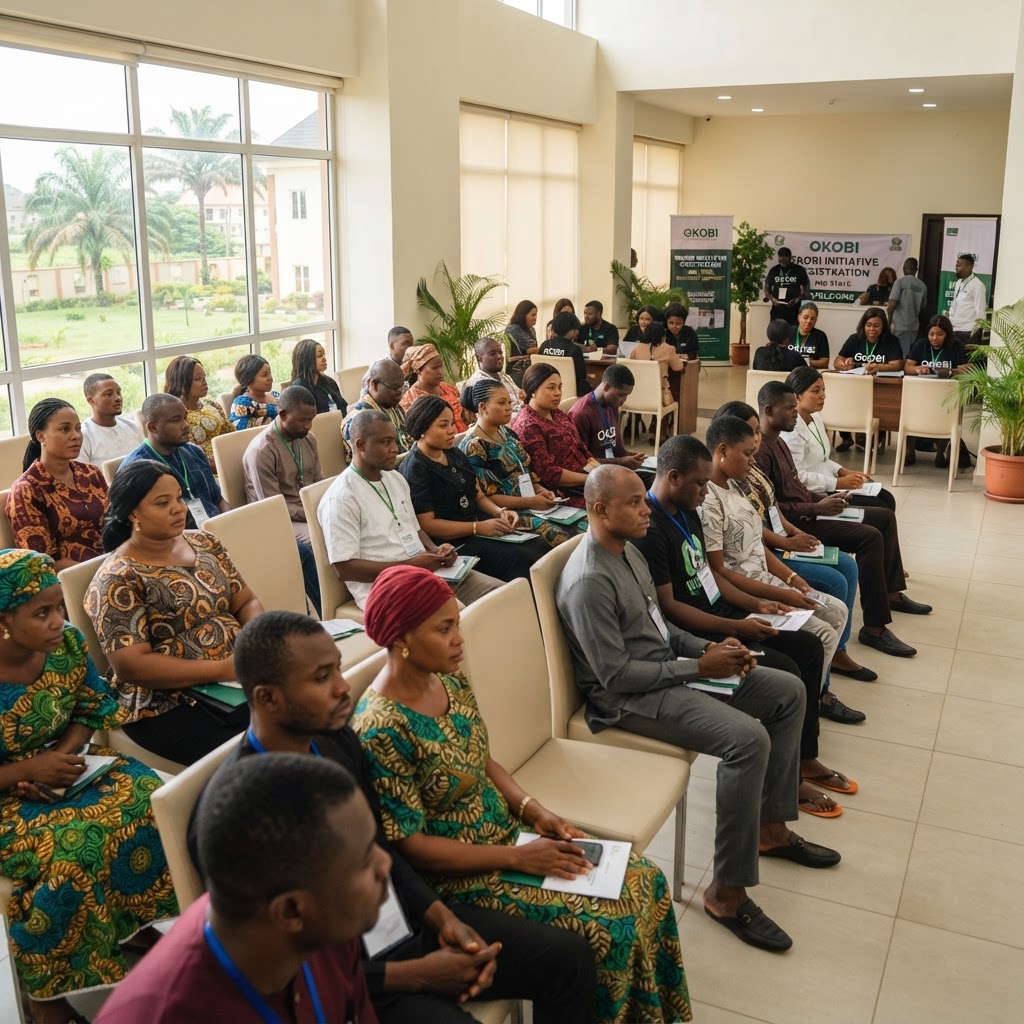
65 Imo Businesses Await OKOBI Initiative Registration
Imagine 65 kindred-owned businesses across Imo State, each waiting for one final document to unlock full legal status. That single step—Corporate Affairs Commission registration—now defines the next chapter in Imo's OKOBI Initiative: 65 Community Businesses Await CAC Registration. For families, entr...

How to Register a Business in Imo
Starting a business in Imo State is one of the most impactful decisions you can make — not just for your personal financial future, but for the broader prosperity of your community. From the bustling markets of Owerri to the agricultural enterprises of Orlu and Okigwe, Imo entrepreneurs are driving ...

Imo’s ₦61bn Question: Tracking Agricultural Funding
Nigeria's farmers just received a fresh reason to hope—and to ask hard questions about agricultural funding. A new Germany-funded agricultural project has disbursed ₦61bn nationwide, and it reignites Imo's ₦61bn Question: How Much of Nigeria's Agricultural Financing Is Reaching Imo. For families in ...

Economic Pressure Drives Employers Toward Commission-Based Pay
Nigeria's labor market is undergoing a quiet but profound transformation. Across Lagos boardrooms, Abuja offices, and Aba trading floors, a growing number of employers are restructuring compensation packages — moving away from the predictability of fixed monthly salaries toward commission-based pay ...
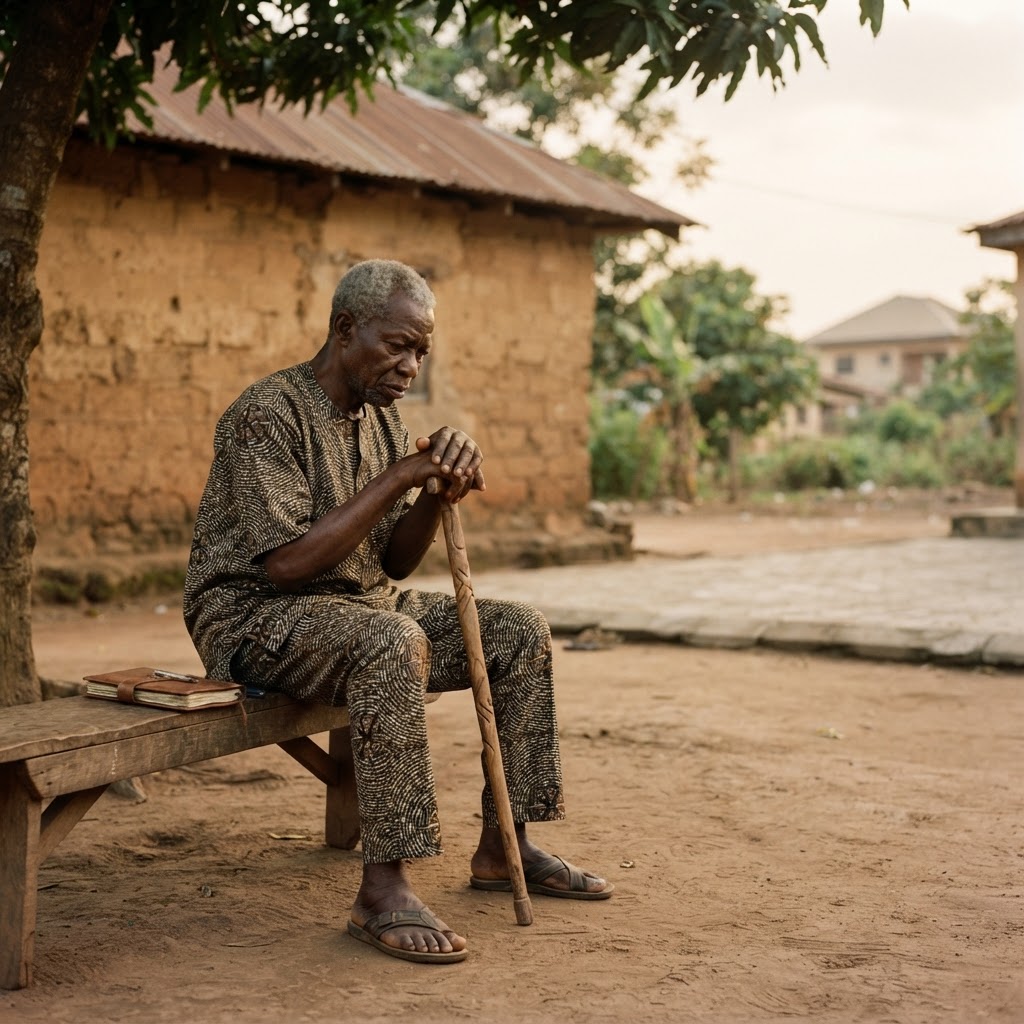
48 Months Without Full Pension Payments: Imo Pensioners
Retirement should bring peace, not financial anxiety. Yet across Imo State, thousands of elderly civil servants say their golden years have turned into a struggle for survival. The situation described in "48 Months Without Full Pension Payments: Imo Pensioners Demand Answers" reflects a deepening cr...
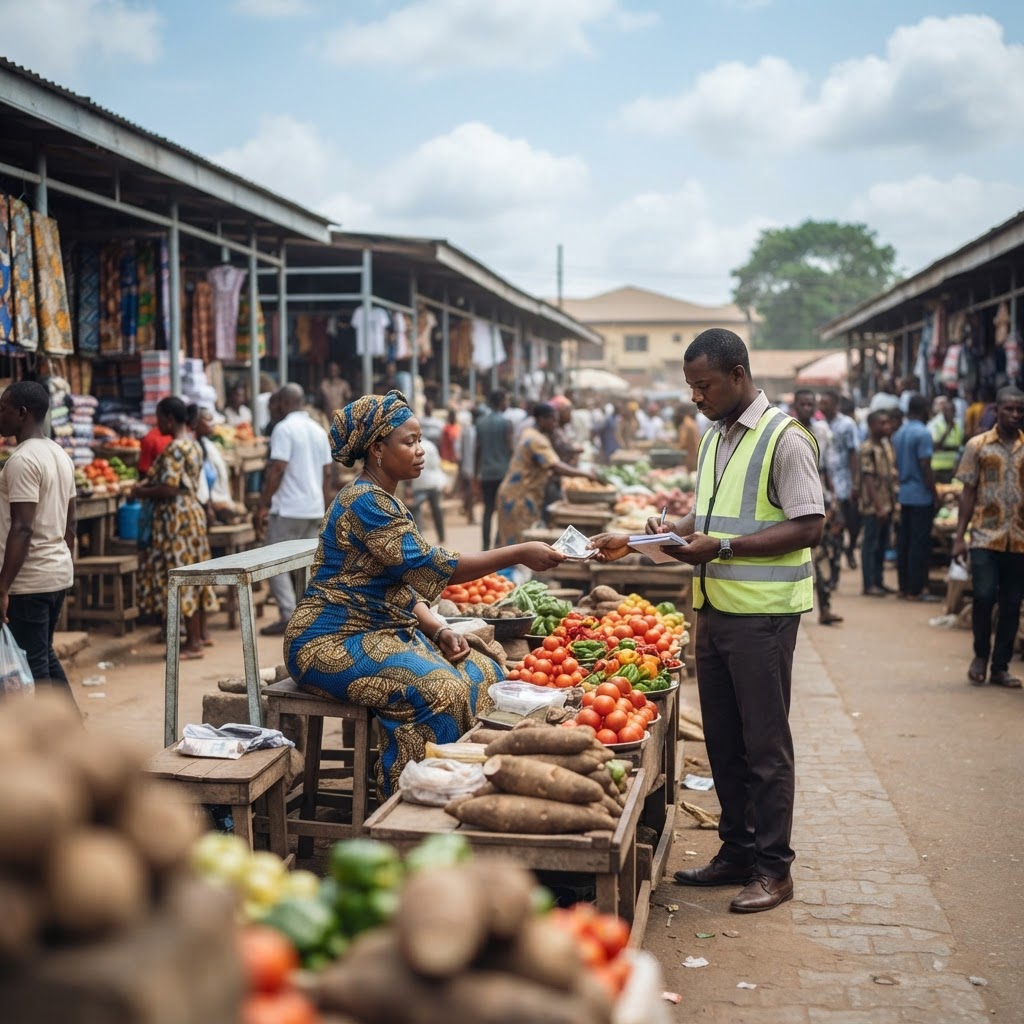
Imo Markets: What Fees Are Traders Paying and Who Collects Them?
For thousands of traders operating daily across Imo State's bustling markets — from Relief Market in Owerri to the Naze Timber and Allied Traders Market — paying levies is an unavoidable cost of doing business. But in 2026, a more urgent question is emerging from beneath the noise of commerce: exact...

Unapproved Orphanages in Nigeria: How Safe Are Children in Private Care Homes?
Across Nigeria, thousands of children live in private care homes that operate outside the law. Some are run by well-meaning individuals overwhelmed by the scale of child poverty. Others are driven by profit, exploiting the image of vulnerable children to attract foreign donations while providing sub...
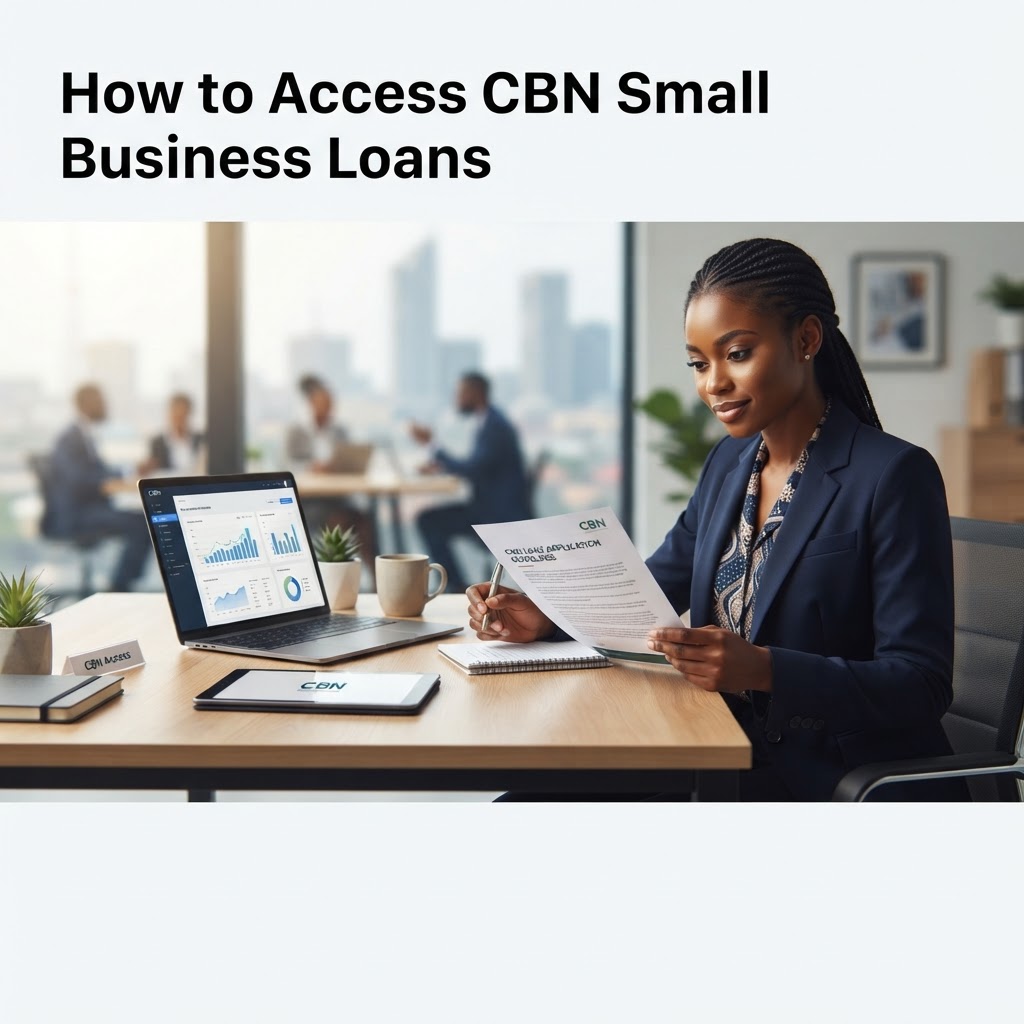
How to Access CBN Small Business Loans
Access to affordable financing remains one of the most persistent barriers to entrepreneurial growth in Nigeria. For millions of small business owners operating in a landscape defined by high commercial lending rates — often ranging between 25% and 30% per annum — the Central Bank of Nigeria's inter...