Powered by Obi Mbieri Independent Media Ltd · eziokwubundu.com
$1 = ₦1,328€1 = ₦1,521£1 = ₦1,773Mbaitoli 2027: Who Is Positioning, Who Is Waiting and Who Could Surprise the Political Establishment?
As Nigeria's 2027 general election cycle begins casting long shadows over state and local government politics, few communities in Imo State are generating as much strategic attention as Mbaitoli Local Government Area. With its commanding demographic footprint, fractured but sophisticated patronage n...

As Nigeria's 2027 general election cycle begins casting long shadows over state and local government politics, few communities in Imo State are generating as much strategic attention as Mbaitoli Local Government Area. With its commanding demographic footprint, fractured but sophisticated patronage networks, and pivotal position within the Owerri Senatorial Zone, Mbaitoli is shaping up to be one of the most consequential political theatres in Imo East. The contest for its legislative and executive seats will not simply be won on the streets of Mbieri or Orodo — it will be decided in whisper campaigns, diaspora boardrooms, ward delegate negotiations, and the quiet calculations of power brokers waiting for Abuja and Owerri Government House to show their hands.
This article maps that early terrain with precision: who is already moving, who is deliberately pausing, and who holds the potential to rewrite Mbaitoli's political script entirely.
Why Does Mbaitoli Hold Strategic Leverage in Imo State Politics?
Demographic Weight and Owerri Zone Succession Dynamics
Mbaitoli is not merely one of Imo State's 27 local government areas — it is, by nearly every measurable demographic indicator, a political fortress. As the most populous LGA in the state, Mbaitoli is home to over 327,000 residents spread across nine principal towns: Mbieri, Orodo, Ubomiri, Ogwa, Ifakala, Atta, Ogbor, Ekwe, and Enyiogugu. This concentration of human capital translates directly into electoral arithmetic that no serious senatorial, federal, or gubernatorial candidate can afford to ignore or underestimate.
The ward-level numbers are equally striking. Mbieri alone commands 12 INEC-registered wards, a figure that rivals the total ward count of several smaller LGAs across Imo State. When voter turnout is effectively mobilised — as it demonstrably has been across multiple past election cycles — Mbaitoli can deliver decisive bloc votes capable of determining who wins Imo East senatorial races and, by extension, influencing the broader coalition politics of the entire Owerri Zone. This is not peripheral voting power; it is structural, irreplaceable leverage.
The community's relationship with public resource allocation further elevates its political stakes. Nigeria's persistent subnational fiscal challenges — illustrated starkly by the fact that at least 26 state governments cannot cover their personnel costs from Internally Generated Revenue — mean that infrastructure deficits in communities like Mbaitoli are not background noise but central campaign variables. Roads, schools, healthcare facilities, and water supply have become the primary currency of voter loyalty in communities that have watched patronage promises dissolve after successive election cycles. Voters in Mbaitoli's major towns are increasingly linking their electoral decisions to concrete development deliverables, not party symbols. Understanding how public funds have actually been deployed — or withheld — matters enormously here, as detailed analyses of Imo's ₦1.47 Trillion Budget: Where Did the Money Go in the First Half of 2026? make sharply clear.
The Owerri Senatorial Zone succession dynamic adds the most urgent layer of complexity. With Governor Hope Uzodimma constitutionally approaching the end of his tenure, succession conversations have moved from speculative to operationally urgent. Owerri Zone historically rotates the governorship across its constituent LGAs, and Mbaitoli's political class understands that it holds genuine veto power over proposed succession arrangements. Any candidate attempting to construct a credible Imo East senatorial or gubernatorial platform without first securing meaningful Mbaitoli alignment is building on unstable political ground. The community's traditional rulers, youth associations, and civil society networks all recognise this leverage — and are deploying it with considerable care as 2027 approaches.
Who Is Actively Positioning for Mbaitoli's Legislative Seats?
Early Declarations, Stakeholder Lobbying, and Ward Machinery
In Mbaitoli's political ecosystem, early declaration is simultaneously a signal of seriousness and a calculated risk. Among the most consistently discussed aspirants for the Mbaitoli State Constituency seat is Dr. Mrs. Elizabeth Chukwuezi, popularly known as Nwanyi Alaeze, whose name has circulated steadily within APC stakeholder circles over recent months. Her positioning represents a meaningful strategic shift within the local political culture — a professional-class candidate choosing social legitimacy, welfare mobilisation, and community goodwill as her primary entry points, rather than relying exclusively on financial muscle to purchase delegate loyalty in primaries.
Her platform has resonated particularly among women's organisations and faith-based community structures, constituencies that are numerically significant in Mbaitoli's ward delegate arithmetic but frequently overlooked in the early stages of campaign infrastructure-building. In a political environment where the credibility gap between candidates and communities is widening, Chukwuezi's approach of building from demonstrated welfare commitments rather than transactional promises represents a model being watched closely by political observers across the LGA.
Within the ruling All Progressives Congress, the management of candidate consensus falls substantially under the institutional visibility of Executive Chairman Hon. Ifunanya Nwanegwo, whose position grants him real-time access to ward-level delegate alignments, local revenue flows, and the granular community grievances that aspirants must address if they are to build durable support. For a detailed account of Nwanegwo's actual governance record against community expectations, the comprehensive assessment at Nearly Two Years After Taking Office: How Much Has Mbaitoli Chairman Nwanegwo Delivered? provides essential context. Council structures in Nigerian political economies routinely serve as the organisational spine of electoral machinery, and Mbaitoli is no exception. The chairman's posture — whether supportive, neutral, or ultimately competitive — will carry considerable weight in determining which aspirants gain meaningful traction before formal primaries open.
Equally consequential is Barr. Marcellinus Nlemigbo, widely known by the alias Marcon, an apex political figure whose extensive experience navigating Imo's complex APC internal mechanics positions him simultaneously as a potential kingmaker and a candidate in his own right, depending on how zoning conversations ultimately resolve. Political veterans of Nlemigbo's profile rarely reveal their strategic hand prematurely — instead, they build consensus frameworks designed to present them as unifying rather than divisive figures, a distinction that carries enormous practical weight in primary elections where delegate fatigue reliably punishes aggressive early campaigns.
The grassroots infrastructure being assembled by active aspirants follows a recognisable but increasingly sophisticated Nigerian political template. Outreach to ward delegates — the numerically compact but electorally decisive cohort who determine primary outcomes — is already underway through personal visits, targeted community project sponsorships, and the installation of campaign coordinators across Mbaitoli's major towns, including Amike Mbieri and Ogwa. Youth wing engagement through community WhatsApp groups, town hall consultations, and local Facebook pages is accelerating significantly, reflecting growing expectations among younger voters that candidates must demonstrate policy literacy and genuine accessibility — not merely financial capacity.
The Mbaitoli-Ikeduru Federal Constituency dimension complicates the landscape further, as federal House of Representatives aspirants must simultaneously manage relationship capital within Ikeduru, introducing cross-LGA negotiation dynamics that can either accelerate or stall candidate emergence depending on whether community ambitions prove complementary or directly competitive.
Who Is Waiting for Party Alignments and Executive Directives?
Strategic Silence, Government House Signaling, and Opposition Calculations
Not every significant political figure in Mbaitoli is making noise — and that silence is itself a carefully calibrated strategic communication. A substantial segment of the community's most influential political actors are adopting a deliberate wait-and-see posture that experienced observers of Imo politics recognise immediately. In the architecture of Nigerian APC politics, public declaration before official zoning pronouncements from the state governor and party executive is widely considered not just premature but potentially self-defeating.
Candidates who declare too early face a compounding set of vulnerabilities: they burn campaign resources during a pre-primary period when no delegate votes are formally in play, they create political targets of themselves before the field has settled, and they risk alienating potential allies who interpret early aggression as a violation of consensus-building norms. In a state political culture where perception of character and process-respect carries real weight in delegate rooms, these risks are not theoretical.
Featured Products
Chukwu Abiama Tee
Bold black-and-gold Igbo-pride T-shirt featuring 'Chukwu Abiama' in premium streetwear typography.
₦15,000
Buy NowReverse Type 2 Diabetes & other associated Metabolic Issues using Dr. Jason Fung's Evidence-Based Approach— FMD program for Type 2 Diabetes
A practical fasting and fasting-mimicking programme built on Dr Jason Fung's insulin-resistance principles and ow-glycemic recipes.
₦19,950
Join NowỤmụ Igbo Tee
Classic black T-shirt with bold white 'Ụmụ Igbo' typography — a proud statement of Igbo heritage.
₦15,000
Buy NowNwanne Tee
Washed khaki vintage tee with a faded rust-orange 'Nwanne' stamp badge and palm leaf motif — a nod to kinship and heritage.
₦18,000
Buy NowObodo Tee
Faded denim-blue washed tee with a cream 'Obodo' stamp badge and sun motif, celebrating community roots.
₦18,000
Buy NowEkwe Heritage Tee
Deep indigo tee featuring a fine line-art illustration of a traditional Igbo ekwe drum, inspired by Igbo-Ukwu bronze artistry.
₦18,000
Buy NowIkenga Figure Tee
Forest green tee with a fine line-art illustration of a stylized Ikenga figure.
₦18,000
Buy NowGovernor Hope Uzodimma's office remains the single most decisive variable for every APC aspirant in Mbaitoli. His administration's eventual decisions on zoning the 2027 senatorial race, state house constituency seats, and federal constituencies within Owerri Zone will function as a formal starting signal for organised campaigns. Until that signal arrives, experienced politicians who have navigated previous Imo election cycles are managing their ambitions through a strategy of visible community presence combined with private consultation — maintaining face without formally committing resources.
The opposition calculus is equally deliberate. The Peoples Democratic Party, which governed Imo State for multiple consecutive terms before losing power to APC, retains significant organisational memory and ward-level networks in Mbaitoli. PDP strategists understand clearly that their path to renewed relevance in the LGA runs through internal APC friction. If the ruling party's primary process produces a bruising, factionally contested outcome that alienates a significant bloc of APC delegates, PDP has both the template and the local infrastructure to position a credible consensus candidate for disaffected voters — a strategy that has delivered genuine surprise outcomes in other Imo LGAs.
The Labour Party, energised nationally by its exceptional 2023 presidential performance, is similarly monitoring the APC internal landscape before committing organisational resources to Mbaitoli-specific contests. Its youth-oriented mobilisation capacity gives it credible reach into demographics that traditional party machinery consistently underestimates. Anti-corruption scrutiny — exemplified by high-profile enforcement actions such as the ₦33.75bn Cash Transfer Scandal: Are Imo Beneficiaries Among Those Flagged? — is also reshaping the calculus for public officeholders, making governance credibility an increasingly potent campaign asset for opposition challengers willing to run on accountability platforms.
For senior politicians weighing the Mbaitoli-Ikeduru federal seat against holding out for senatorial or executive appointments, the calculation of which declaration to make — and precisely when — represents perhaps the most consequential individual strategic decision of the entire 2027 cycle.
What Dark Horses Could Disrupt Mbaitoli's Political Playbook?
Diaspora Capital, Gender Advocacy, and Tech-Driven Youth Demographics
The most genuinely unpredictable variable in Mbaitoli's 2027 political equation is not any declared candidate or established party structure — it is the convergence of diaspora capital, gender advocacy, and youth demographic pressure that is quietly reorganising the community's political expectations from the grassroots upward.
Mbaitoli's diaspora networks, particularly the Mbaitoli Association in North America and affiliated Owerri diaspora chambers operating across the United Kingdom, Canada, and the Gulf states, represent a category of political funding and candidate sponsorship that traditional ward delegate arithmetic was never designed to absorb or neutralise. Diaspora-backed candidates arrive with independent financing that insulates them from the transactional dependencies that typically bind local aspirants to established godfathers. More significantly, they tend to carry development-oriented policy platforms — infrastructure investment, educational expansion, primary healthcare access — that resonate with communities carrying long memories of unfulfilled political promises. According to data from the Central Bank of Nigeria, diaspora remittances to Nigeria have consistently exceeded $20 billion annually, and a meaningful portion of that economic engagement increasingly extends to electoral investment in home communities.
If a credible diaspora-connected candidate enters any of the key Mbaitoli races with sufficient funding, community legitimacy, and a coherent development agenda, the potential to bypass the conventional patronage chain entirely is real and documented by precedent in comparable high-population LGAs.
Gender representation is emerging as a structurally disruptive force in its own right. Civic coalitions operating across Imo State have intensified campaigns for female legislative inclusion, and Mbaitoli has become a specific focal point given the historically patriarchal composition of its electoral slates. According to UN Women Nigeria's advocacy frameworks, closing gender representation gaps in subnational legislatures requires precisely the kind of organised civic pressure now visible in Imo State's community networks. Dr. Mrs. Elizabeth Chukwuezi's active positioning for the state constituency seat is both a reflection and an amplifier of this trend. Meanwhile, ongoing institutional pressures — such as those explored in the IMSU ASUU Crisis: Lecturers Threaten to Withhold Students' Results — highlight how community confidence in public institutions shapes the demand for different categories of leadership at every level.
Youth demographics may represent the most structurally significant disruption of all. INEC's post-2023 voter registration drives added hundreds of thousands of young Nigerians to electoral rolls nationally, and Mbaitoli's communities reflect this shift directly. These younger voters — digitally networked, broadly cynical about transactional patronage politics, and mobilised through platforms that operate entirely outside traditional party structures — are creating genuine openings for candidates who can communicate to values-driven electoral motivations rather than financial incentives alone.
Tech-enabled voter mobilisation, coordinated through community WhatsApp networks, local Facebook groups, and emerging civic accountability applications, is lowering the barrier for non-traditional candidates to build effective campaign infrastructure at a fraction of the cost of conventional political machinery. The combination of diaspora funding independence, gender mobilisation momentum, and youth-driven digital organising creates a credible scenario in which a relatively unknown but strategically positioned candidate could enter the Mbaitoli race in 2027 and dramatically outperform all establishment expectations — not despite being an outsider, but precisely because the traditional political playbook no longer guarantees the outcomes it once reliably delivered.
Understanding how communities have historically resolved internal political tensions through cultural frameworks — as examined in the context of traditional Igbo conflict resolution methods — also reminds us that Mbaitoli's political culture has internal mechanisms for building consensus that operate outside formal party channels and can either stabilise or disrupt conventional candidate hierarchies at critical moments.
Conclusion
Mbaitoli's 2027 political landscape is a study in layered, fast-moving complexity. The community's sheer demographic weight makes it indispensable to every significant political calculation in Owerri Senatorial Zone, while its internal dynamics — competitive APC primary structures, deliberate opposition watchfulness, and the rising influence of diaspora capital and youth mobilisation — ensure that no outcome is predetermined by financial capacity or party affiliation alone.
What is already evident is that the politicians who succeed in Mbaitoli will be those who read the changing terrain with precision: understanding not just who votes, but why they vote, and which promises carry genuine credibility in communities with long, detailed memories of unmet commitments. The convergence of fiscal accountability demands, gender representation advocacy, diaspora-backed policy platforms, and digitally organised youth constituencies is producing a political environment that rewards strategic intelligence, demonstrated community trust, and adaptive campaigning above all other campaign assets.
For Nigerian families, community stakeholders, and diaspora observers watching Imo State's political evolution, Mbaitoli in 2027 is not simply a local government race — it is a preview of how Nigerian subnational democracy is changing. The race, in every consequential sense, has already begun.
Stay Informed
Get New Articles in Your Inbox
Subscribe to receive the latest community development, health, and wealth insights from Eziokwubundu.
Newsletter
Practical insights on health, wealth, and community — delivered weekly.
Community Discussion(0)
Leave a Comment
More to Read
You May Also Like

Imo Government to Support 100 More Communities
OKOBI is reshaping how everyday Imo residents build wealth from their own villages. The latest expansion, tagged OKOBI: 100 More Imo Communities Set to Receive Government Support, signals a new chapter in Governor Hope Uzodimma's push for grassroots prosperity. For Nigerian families and community le...
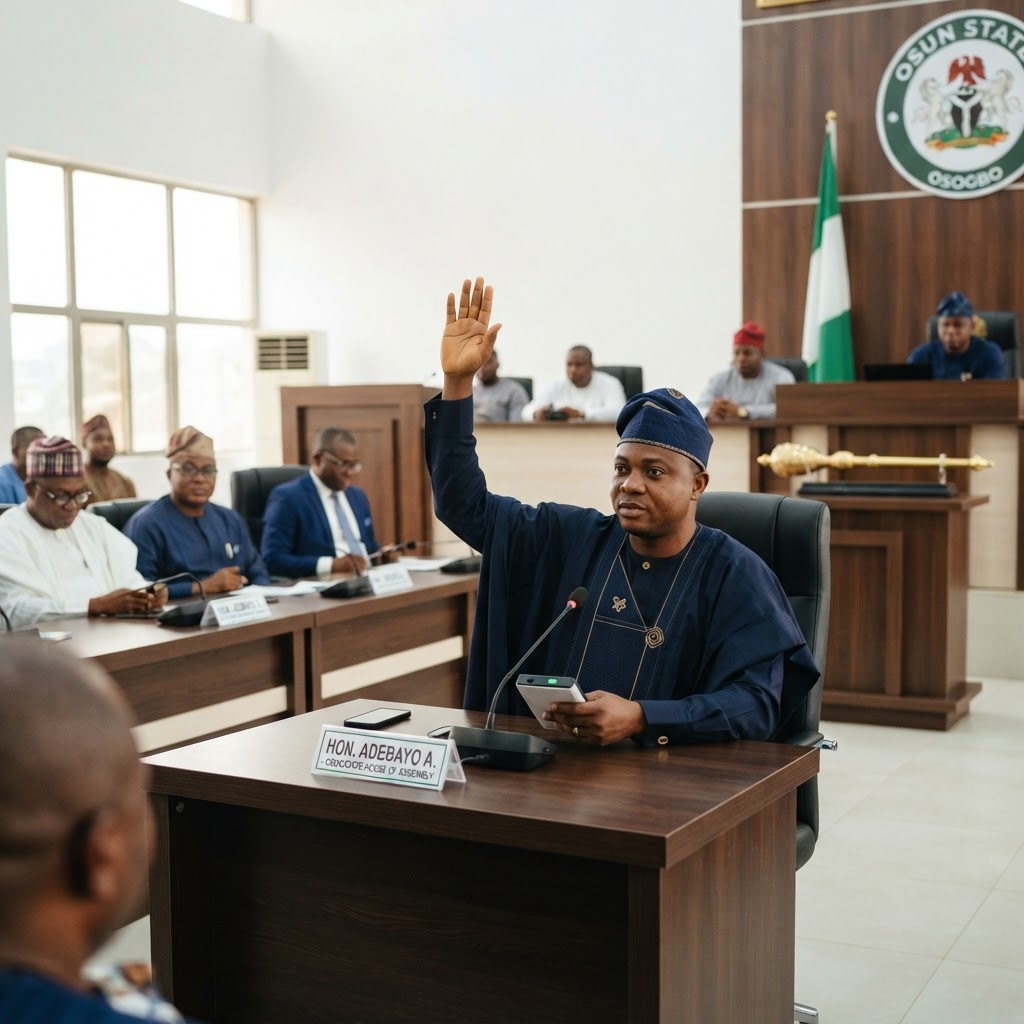
Osun Assembly Approves State Police Bill
The security conversation in Nigeria has taken a decisive turn. Lawmakers across the country are now voting on a reform that could reshape how communities are protected, starting from the grassroots. The Osun Assembly Approves State Police Bill, joining a growing list of states pushing for decentral...

Imo Approves Recruitment of 6,030 Teachers Across 27 LGAs
Imo State has taken a bold step toward transforming its public education system. Governor Hope Uzodimma has approved the recruitment of 6,030 teachers across the state's 27 Local Government Areas, a move many residents have awaited for years. This decision, widely reported by Vanguard(https://www.va...

CBN Cuts Interest Rate to 23%: Impact on Nigerians
Nigerians woke up to significant financial news this week. The Central Bank of Nigeria has made a bold move that could reshape household budgets and business plans alike. This shift, widely covered as CBN Cuts Interest Rate to 23% — What It Means for Nigerians and Businesses, deserves a closer look ...
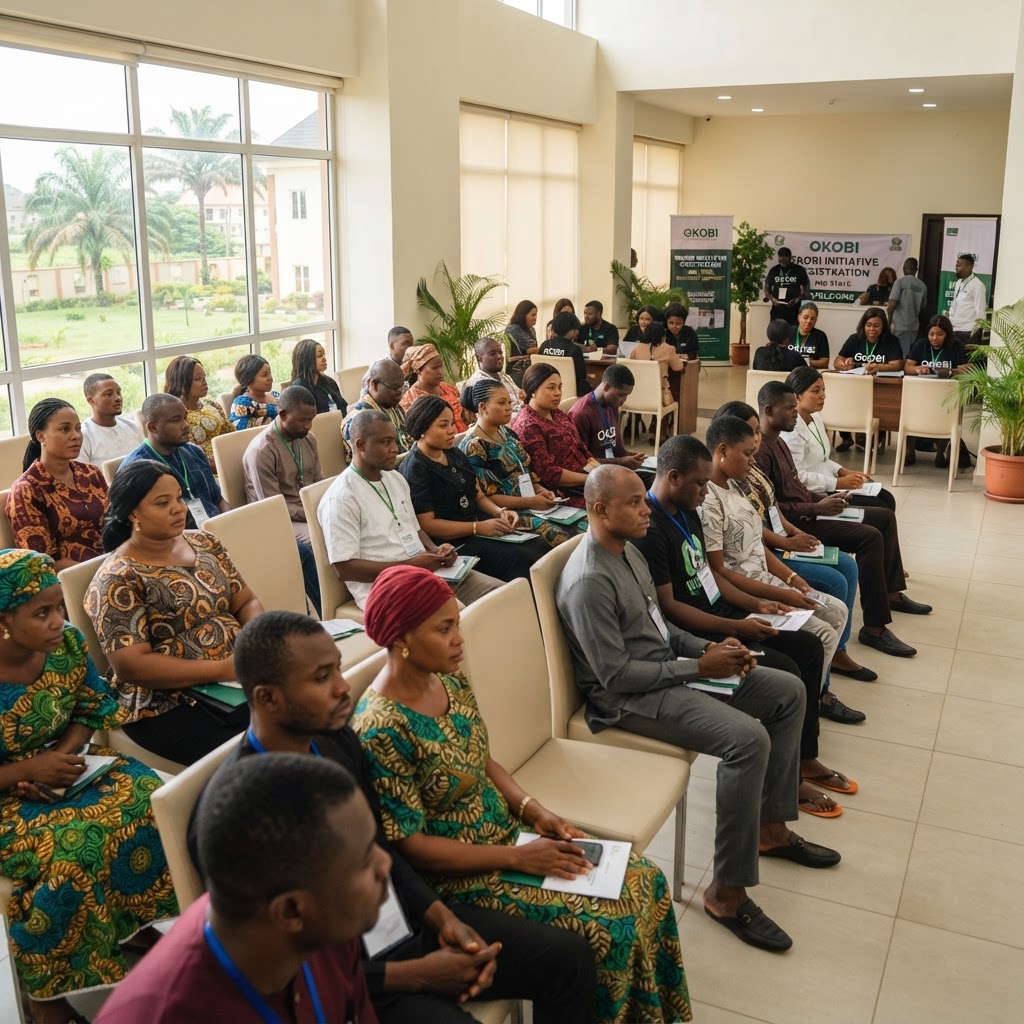
65 Imo Businesses Await OKOBI Initiative Registration
Imagine 65 kindred-owned businesses across Imo State, each waiting for one final document to unlock full legal status. That single step—Corporate Affairs Commission registration—now defines the next chapter in Imo's OKOBI Initiative: 65 Community Businesses Await CAC Registration. For families, entr...
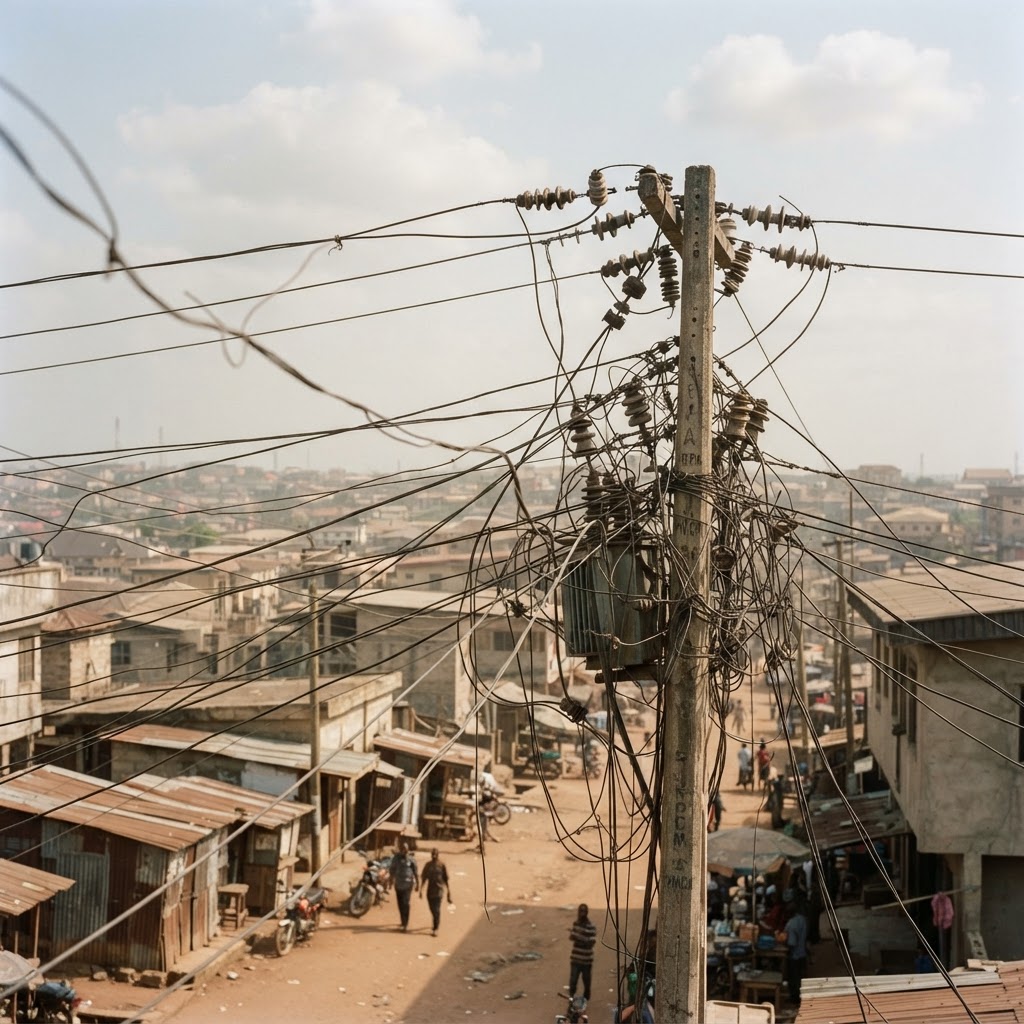
Why Nigeria Faces an Ongoing Power Supply Crisis
Nigerian households lose power multiple times a day, and the frustration never seems to fade. Behind every flickering bulb and silent refrigerator lies a deeper story about Nigeria's fragile power supply system — one that touches nearly every aspect of daily life across the country. Businesses stall...

61 Nigerian Officials Tied to $271M US Properties
Nigeria's corridors of power just faced a fresh spotlight. A newly released investigation, titled 61 Nigerian Officials Linked to $271m US Property Holdings — Report, has reignited public debate over wealth, accountability, and trust in leadership. For families budgeting daily expenses, the numbers ...
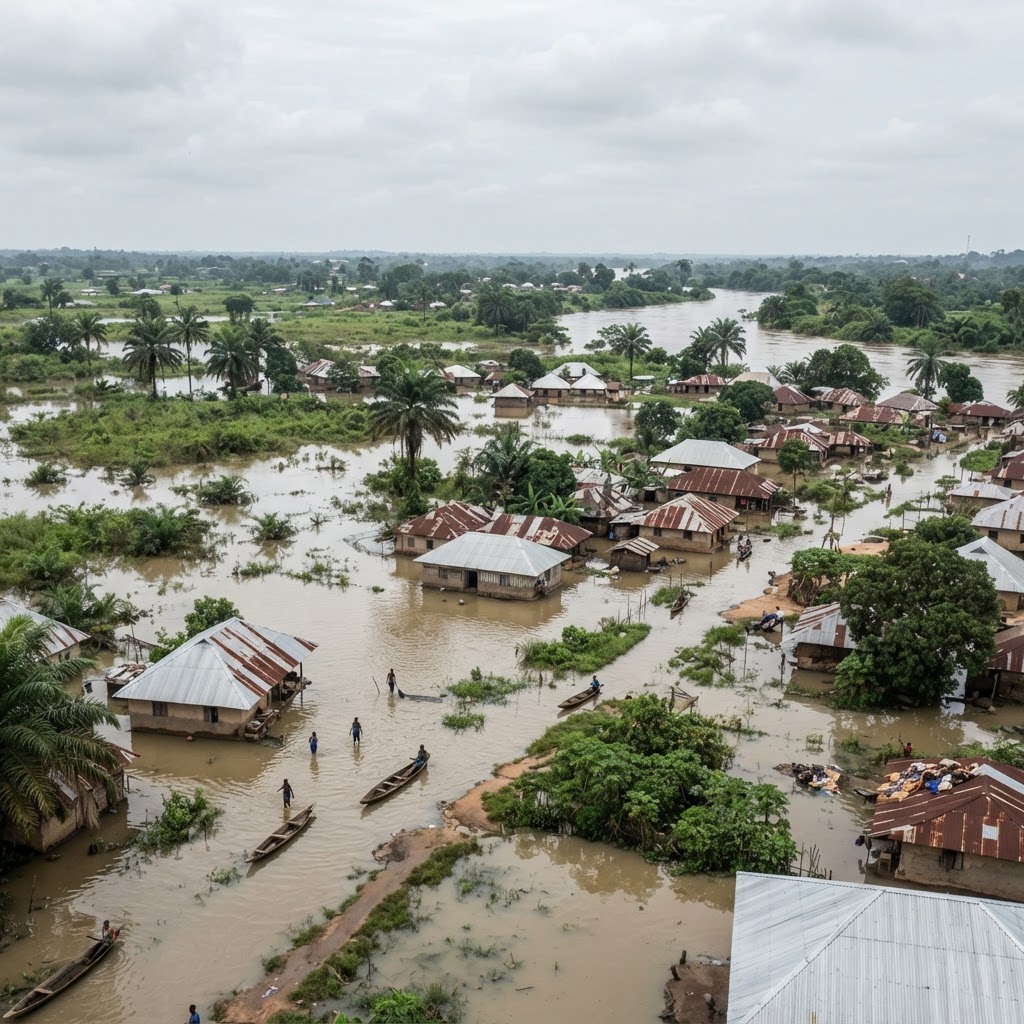
Imo Flood Crisis: Which Communities Are Most Vulnerable?
The rains have returned to Imo State, and so has fear. Families in low-lying communities are already counting losses, while roads turn into rivers overnight. The Imo Flood Crisis: Which Communities Are Most Vulnerable? question is no longer theoretical — it is a daily reality for thousands of Ndi Im...
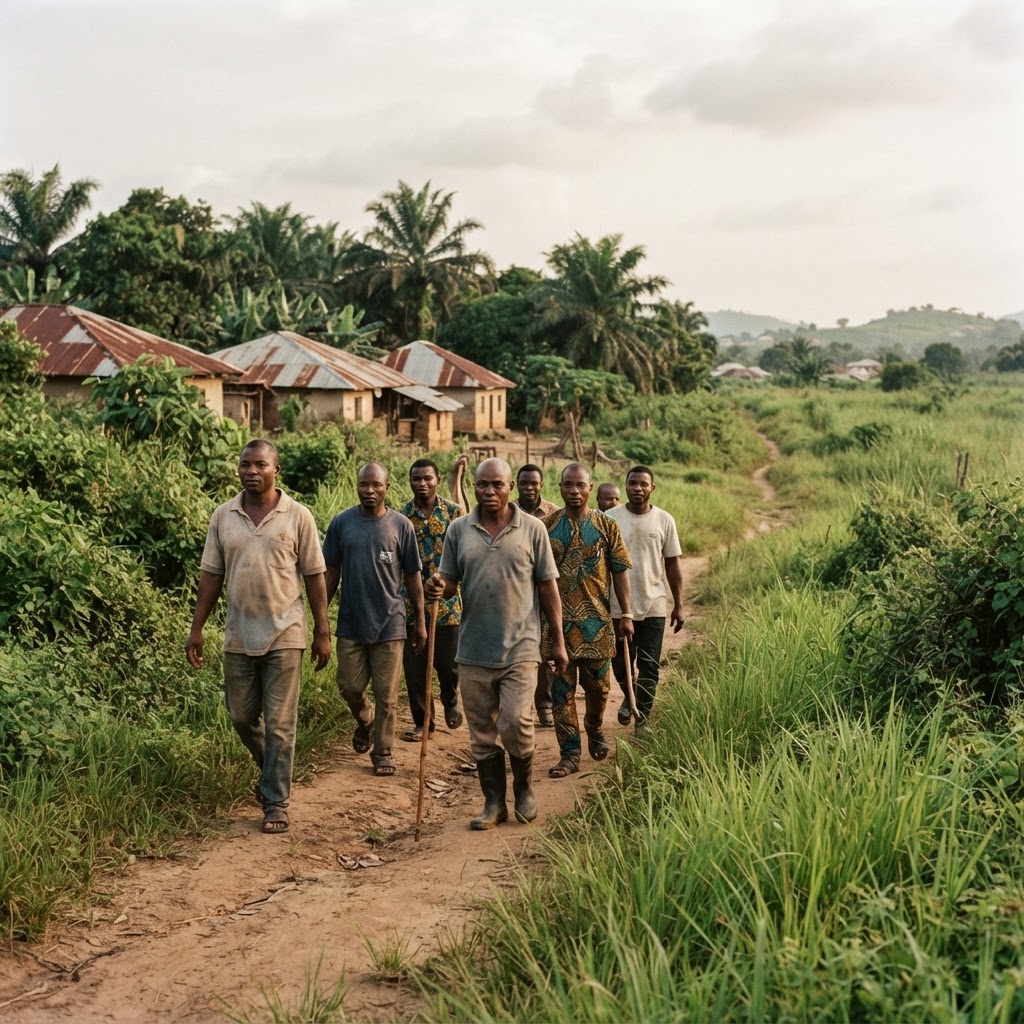
Imo Insecurity: Seven Communities Face Renewed Kidnap Threat
Fear has returned to parts of Imo State as criminal gangs target unsuspecting residents. Imo Insecurity: Seven Communities Face Renewed Kidnap Threat is more than a headline—it reflects a lived reality for thousands of families who now measure daily life against the possibility of sudden violence. U...

How to Register a Business in Imo
Starting a business in Imo State is one of the most impactful decisions you can make — not just for your personal financial future, but for the broader prosperity of your community. From the bustling markets of Owerri to the agricultural enterprises of Orlu and Okigwe, Imo entrepreneurs are driving ...