Powered by Obi Mbieri Independent Media Ltd · eziokwubundu.com
$1 = ₦1,328€1 = ₦1,521£1 = ₦1,773Imo Flood Crisis: Which Communities Are Most Vulnerable?
The rains have returned to Imo State, and so has fear. Families in low-lying communities are already counting losses, while roads turn into rivers overnight. The Imo Flood Crisis: Which Communities Are Most Vulnerable? question is no longer theoretical — it is a daily reality for thousands of Ndi Im...
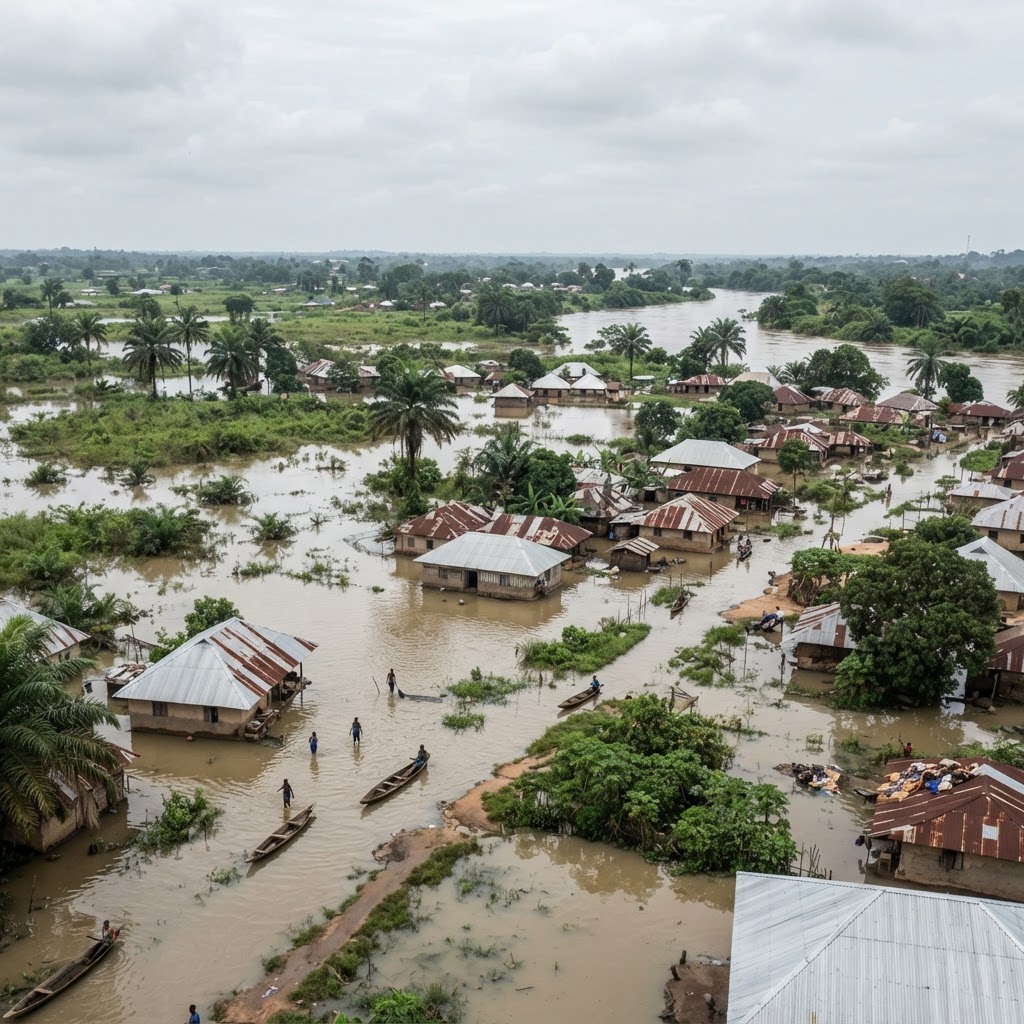
The rains have returned to Imo State, and so has fear. Families in low-lying communities are already counting losses, while roads turn into rivers overnight. The Imo Flood Crisis: Which Communities Are Most Vulnerable? question is no longer theoretical — it is a daily reality for thousands of Ndi Imo. Across the state, vulnerable communities are bracing for another season of uncertainty, and the communities are not waiting quietly; they are asking hard questions about preparedness, government response, and long-term survival.
Why Is Imo Facing Flood Risks?
Imo State sits within a humid tropical zone, where heavy rainfall combines with a dense network of rivers and streams. Geographic Information System (GIS) and remote sensing studies have consistently flagged the state as flood-prone, especially areas near the Otamiri and Njaba rivers. These water bodies swell rapidly during peak rainy season, often overwhelming natural drainage channels. In many of these zones, communities are literally built on floodplains that were once seasonal wetlands, a historical pattern that increases exposure every single year.
Human activity has made things worse. Deforestation for firewood and urban expansion strips the land of vegetation that would otherwise absorb excess water. Poor drainage infrastructure in many towns compounds the problem, as blocked or undersized channels cannot cope with sudden downpours. As urban sprawl continues, communities are increasingly settling on reclaimed wetlands and river buffers, unknowingly placing themselves directly in the path of seasonal flooding.
The Nigerian Meteorological Agency (NiMet) issued flash flood advisories for 2026, warning that saturated soils across the South-East region increase runoff risk. According to the agency, persistent rainfall over consecutive days leaves little time for soil to dry before the next storm arrives. This saturation effect, NiMet notes, is a major driver behind sudden and severe flash floods in Imo communities. When rainfall intensity peaks, communities are often given only hours of warning before floodwaters arrive, leaving little room for organized evacuation.
Climate variability is also playing a role. Rainfall patterns have become less predictable, with shorter but more intense storms replacing the steady showers of previous decades. This shift means floodwaters rise faster, giving residents less time to prepare or evacuate safely. Scientists studying the region note that as climate patterns shift further, more communities are likely to be added to the list of flood-risk zones, even areas previously considered safe from seasonal inundation.
Which Imo Communities Are Vulnerable?
Not every part of Imo faces equal risk. Data from recent meteorological assessments and historical flood records point to specific hotspots that flood almost every rainy season. These areas share common features: low elevation, proximity to rivers, and weak drainage systems. In short, the most vulnerable communities are those where geography, infrastructure gaps, and human settlement patterns intersect in the worst possible way.
According to a Punch Newspapers report, residents of Umuguma in Owerri West Local Government Area were recently left stranded when floodwaters submerged major access roads. Transport fares soared as commuters struggled to find vehicles willing to navigate the flooded routes. This single incident illustrates how infrastructure failure can paralyze an entire community within hours, and it is a clear signal that these communities are not adequately equipped with the drainage and road resilience needed for modern rainfall intensity.
Several other locations face similar exposure:
- Owerri West communities near the Otamiri River basin
- Farming settlements along the Njaba River floodplain
- Low-lying parts of Ohaji/Egbema known for seasonal waterlogging
- Riverine areas in Oguta where fishing and farming coexist
Farming communities are particularly exposed because their livelihoods depend on land that floods seasonally. While flooding can deposit nutrient-rich silt beneficial for crops, excessive flooding destroys entire harvests instead. Farmers in these zones often lack insurance or savings buffers, making each flood event a direct threat to household income. It is worth noting that agricultural communities are frequently the last to receive government disaster relief, despite being among the first to suffer losses.
This vulnerability pattern echoes concerns raised in coverage of Imo Insecurity: Seven Communities Face Renewed Kidnap Threat, where the same rural communities facing security risks also face environmental ones. Overlapping crises like these strain local resilience and demand coordinated responses from both security agencies and disaster management bodies. When insecurity and flooding converge, affected communities are placed under a double burden that few local governments are structurally prepared to manage.
Governance disputes can also complicate flood response. As seen in Contempt Proceedings Against Ohohia General Assembly, internal leadership disagreements within town unions can delay coordinated disaster response at the exact moment unity is needed most. Similarly, questions of legitimacy such as those raised in Obi-Mbieri Letter: Two Versions Spark Authentication Doubt show how fragile trust in community leadership can be — a fragility that becomes dangerous when floodwaters demand fast, unified decision-making.
How Does Flooding Impact Livelihoods?
The economic toll of flooding extends far beyond immediate property damage. Farmers lose crops just before harvest, erasing months of labor and investment in a single event. Livestock owners face displacement of animals, sometimes permanent loss, when floodwaters sweep through pens and pastures. In many farming zones, entire communities are forced to restart their agricultural cycles from scratch after a single severe flood event.
Fishing infrastructure suffers too. Nets, boats, and fish ponds along riverine communities often sustain damage that takes weeks or months to repair. For many households, fishing is not a hobby — it is the primary source of protein and income, so this disruption cuts deep into family budgets. Riverine communities are especially reliant on this single income stream, which leaves them with fewer alternatives when flooding strikes repeatedly.
Beyond agriculture, flooding disrupts everyday commerce. The Punch report highlighted how transport fares spiked as drivers charged premium rates to navigate flooded roads in Owerri West. This mirrors patterns seen when analyzing How Rising Petrol Prices Impact Nigerian Households and SMEs, where transportation costs ripple through household budgets and small business margins alike. In both scenarios, ordinary communities are the ones absorbing the cost of infrastructure failure, whether caused by fuel prices or flooded roads.
Featured Products
Chukwu Abiama Tee
Bold black-and-gold Igbo-pride T-shirt featuring 'Chukwu Abiama' in premium streetwear typography.
₦15,000
Buy NowReverse Type 2 Diabetes & other associated Metabolic Issues using Dr. Jason Fung's Evidence-Based Approach— FMD program for Type 2 Diabetes
A practical fasting and fasting-mimicking programme built on Dr Jason Fung's insulin-resistance principles and ow-glycemic recipes.
₦19,950
Join NowỤmụ Igbo Tee
Classic black T-shirt with bold white 'Ụmụ Igbo' typography — a proud statement of Igbo heritage.
₦15,000
Buy NowNwanne Tee
Washed khaki vintage tee with a faded rust-orange 'Nwanne' stamp badge and palm leaf motif — a nod to kinship and heritage.
₦18,000
Buy NowObodo Tee
Faded denim-blue washed tee with a cream 'Obodo' stamp badge and sun motif, celebrating community roots.
₦18,000
Buy NowEkwe Heritage Tee
Deep indigo tee featuring a fine line-art illustration of a traditional Igbo ekwe drum, inspired by Igbo-Ukwu bronze artistry.
₦18,000
Buy NowIkenga Figure Tee
Forest green tee with a fine line-art illustration of a stylized Ikenga figure.
₦18,000
Buy NowMarket access also suffers. Traders cannot move goods when roads are impassable, leading to spoilage of perishable items and lost sales. This connects directly to concerns raised in N2tn Unsold Goods: Is Imo Facing a Spending Slump?, where reduced consumer activity already threatens Imo's commercial vitality. Flooding compounds this slump by physically blocking commerce routes, and trading communities are left with unsold, spoiling goods and mounting losses they can rarely absorb.
Agricultural funding accountability also matters here. As highlighted in Imo's ₦61bn Question: Tracking Agricultural Funding, farming communities are often promised support that never fully materializes on the ground. When flood-affected farmers cannot access promised funds for recovery, entire planting seasons are lost, deepening rural poverty cycles that take years to reverse.
Children are not spared either. Flood-driven poverty frequently pushes families toward informal child labor as a survival strategy, a concern explored in Can Nigeria's New Plan Solve the Child Labour Crisis?. When farming and trading communities are financially devastated by flooding, children are sometimes pulled from school to help rebuild household income, creating long-term developmental costs that outlast the flood itself.
At Eziokwubundu, we view disaster resilience as inseparable from wealth preservation. Families who lose crops, stock, or trading capital to floods often fall into cycles of debt that take years to escape. Building flood resilience is not just an environmental issue — it is a direct pathway to protecting household prosperity, and it is one reason why economically fragile communities are always the hardest hit whenever disaster strikes.
What Mitigation Strategies Work?
Practical, community-level action can significantly reduce flood damage even without large government interventions. Clearing drainage channels before the rainy season begins is one of the simplest yet most effective steps residents can take. Blocked drains are a leading cause of localized flooding in urban Imo communities, and proactive communities are consistently shown to suffer less damage than those that wait for government crews to act.
Solid waste disposal habits matter enormously. Dumping refuse into gutters and streams remains a widespread problem across many Nigerian towns. Community sanitation exercises, organized monthly, can keep waterways clear and functioning properly during heavy rains. Where sanitation habits improve, communities are far less likely to experience the sudden, drain-blockage-driven flash floods that catch residents off guard.
Cooperative groups and town unions have a critical role to play in disaster preparedness. These groups can:
- Organize community labor for drain-clearing exercises
- Share early warning information via WhatsApp groups and town criers
- Coordinate with local government for flood barrier installation
- Maintain emergency contact lists for vulnerable households
Evidence-based preparedness should guide every decision. Residents should regularly monitor updates from NiMet and the National Emergency Management Agency (NEMA) through radio, local news, and official social media channels. These agencies provide advance warnings that, if heeded promptly, can save lives and property. Communities are strongly advised to designate at least one member per household as an "information point person" responsible for relaying these alerts quickly.
Local organizations and churches can also serve as information hubs, translating technical flood advisories into simple, actionable messages for community members who may not have internet access. This grassroots communication approach has proven effective in reducing casualty rates during past flood events across Nigeria, according to data compiled by ReliefWeb. Faith-based and civic networks within these communities are often more trusted than official channels, making them powerful multipliers for early warning messages.
How Can We Build Resilience?
Long-term resilience requires more than emergency response — it demands structural change. Community leaders should actively engage state and local government agencies to push for improved drainage infrastructure and better road construction in flood-prone zones. Without sustained advocacy, infrastructure upgrades often stall indefinitely, and history shows that only persistent, organized communities are able to secure meaningful government attention.
The 'Community First' approach championed by Eziokwubundu encourages local leaders to take ownership of these conversations rather than waiting passively for government action. Town unions, market associations, and youth groups all have leverage when they organize collectively and present unified demands. This mirrors the accountability push seen in Contempt Proceedings Against Ohohia General Assembly, where community structures asserted their voice in local governance matters. When internal disputes are resolved quickly, communities are better positioned to speak with one voice during negotiations over flood infrastructure funding.
Traditional knowledge still holds value in modern disaster management. Elders in many Imo communities have historically understood seasonal water patterns and passed down warnings about which areas to avoid during heavy rains. Blending this traditional wisdom with modern GIS mapping and NiMet forecasts creates a more complete early warning system than either approach alone. Where this blend is applied well, communities are able to anticipate flood risk with a level of nuance that satellite data alone cannot provide.
Families should also adopt a proactive mindset toward safety before the rainy season peaks. This means creating simple emergency plans: identifying safe evacuation routes, storing essential documents in waterproof bags, and keeping basic supplies ready. Health-conscious households should note that flooding often brings waterborne diseases and stress-related health issues, making preparedness resources like 5 Signs Your Blood Pressure May Be Too High relevant during high-stress disaster periods. Displacement and diet disruption during floods can also complicate chronic conditions, and residents managing diabetes may find it useful to review Can Insulin Help You Lose Weight? Risks and Medical Facts to understand how disrupted routines can affect blood sugar management during emergencies.
Diaspora Nigerians can contribute meaningfully too, whether through funding local drainage projects or supporting cooperative societies back home. Even modest remittances directed toward community infrastructure can make a measurable difference over time. Interestingly, some skilled professionals abroad — including teachers affected by policy shifts such as those described in UK Blocks Nigerian and Ghanaian Teachers From QTS — are increasingly redirecting their expertise homeward, supporting local education and disaster-awareness programs in the very communities they once hoped to leave permanently. Similarly, students and youth professionals studying environmental science or urban planning can volunteer expertise to local flood mapping initiatives, strengthening the link between academic knowledge and grassroots action.
Ultimately, resilience grows when personal preparedness meets collective action. The Imo Flood Crisis: Which Communities Are Most Vulnerable? question will keep resurfacing each rainy season unless communities, government agencies, and families work together consistently. By combining evidence-based planning with cultural wisdom and community solidarity, Imo State can reduce flood devastation and protect both lives and livelihoods for the seasons ahead. In the end, the communities are the first line of defense, and their preparedness — more than any single government policy — will determine how much is lost or saved when the rains return again.
Stay Informed
Get New Articles in Your Inbox
Subscribe to receive the latest community development, health, and wealth insights from Eziokwubundu.
Newsletter
Practical insights on health, wealth, and community — delivered weekly.
Community Discussion(0)
Leave a Comment
More to Read
You May Also Like
65 Imo Businesses Await OKOBI Initiative Registration
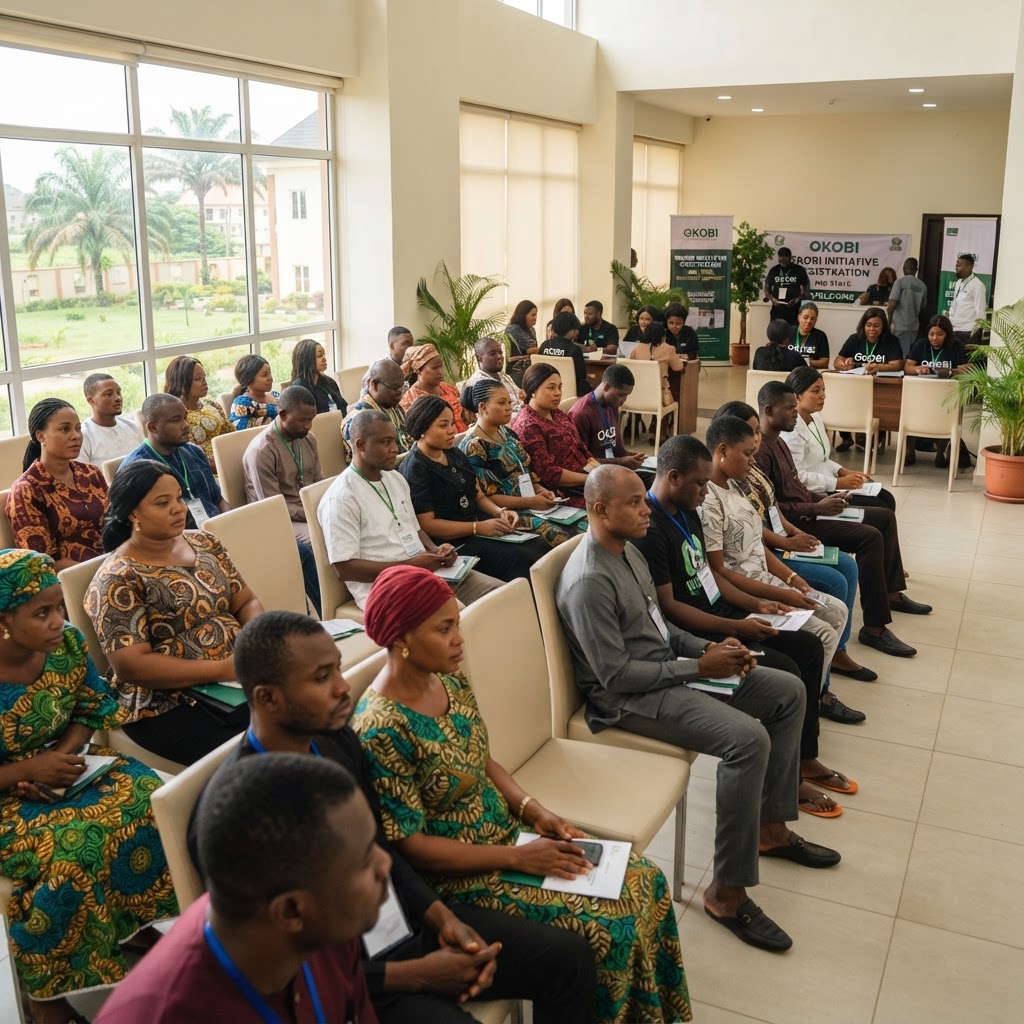
Imagine 65 kindred-owned businesses across Imo State, each waiting for one final document to unlock full legal status. That single step—Corporate Affairs Commission registration—now defines the next chapter in Imo's OKOBI Initiative: 65 Community Businesses Await CAC Registration. For families, entr...
Why Nigeria Faces an Ongoing Power Supply Crisis
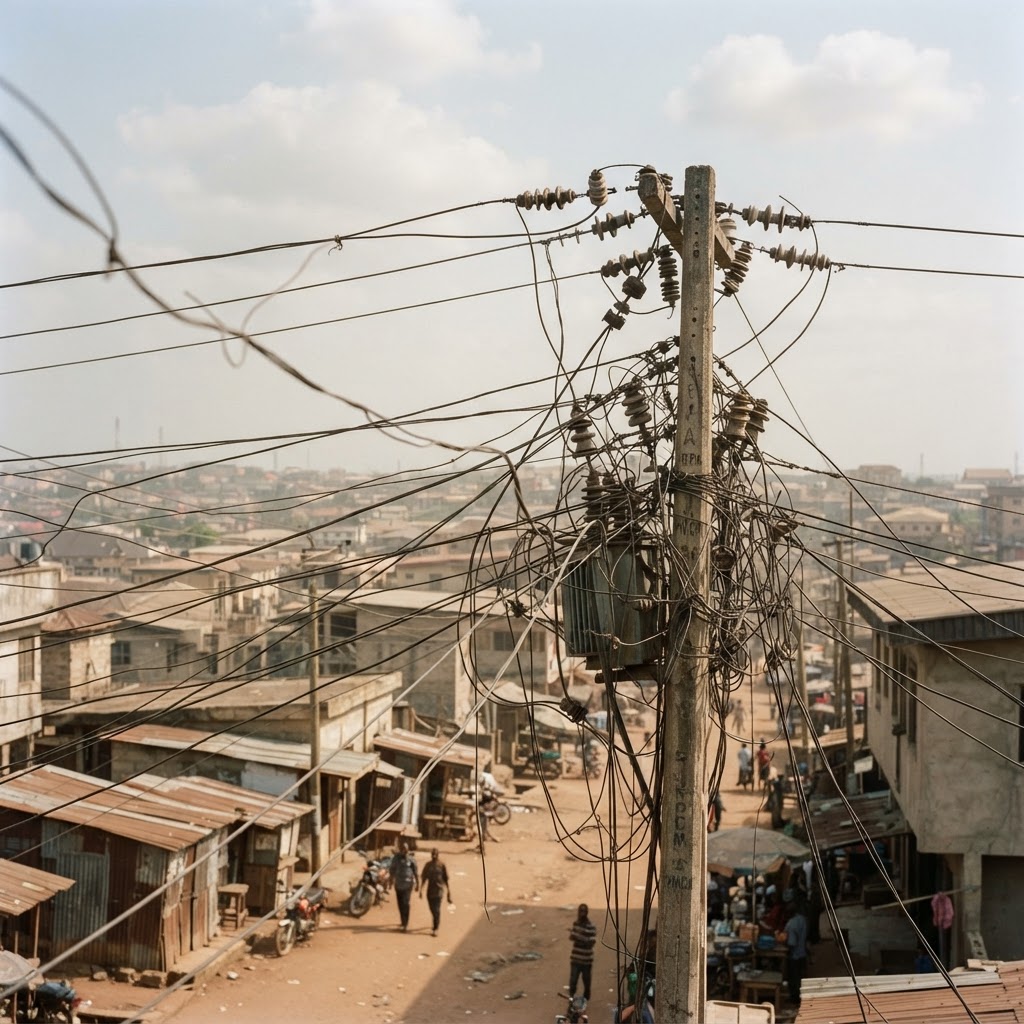
Nigerian households lose power multiple times a day, and the frustration never seems to fade. Behind every flickering bulb and silent refrigerator lies a deeper story about Nigeria's fragile power supply system — one that touches nearly every aspect of daily life across the country. Businesses stall...

61 Nigerian Officials Tied to $271M US Properties
Nigeria's corridors of power just faced a fresh spotlight. A newly released investigation, titled 61 Nigerian Officials Linked to $271m US Property Holdings — Report, has reignited public debate over wealth, accountability, and trust in leadership. For families budgeting daily expenses, the numbers ...
Imo Insecurity: Seven Communities Face Renewed Kidnap Threat
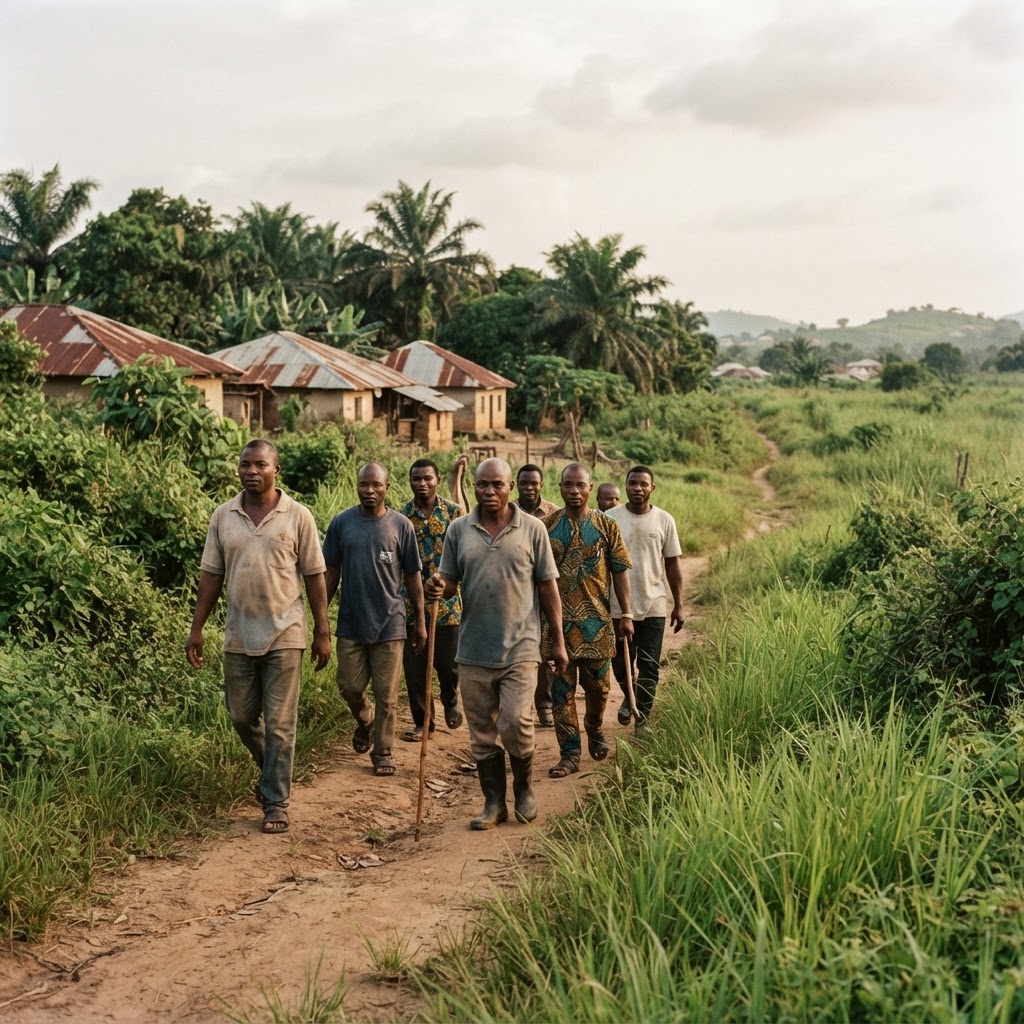
Fear has returned to parts of Imo State as criminal gangs target unsuspecting residents. Imo Insecurity: Seven Communities Face Renewed Kidnap Threat is more than a headline—it reflects a lived reality for thousands of families who now measure daily life against the possibility of sudden violence. U...

How to Register a Business in Imo
Starting a business in Imo State is one of the most impactful decisions you can make — not just for your personal financial future, but for the broader prosperity of your community. From the bustling markets of Owerri to the agricultural enterprises of Orlu and Okigwe, Imo entrepreneurs are driving ...

UK Blocks Nigerian and Ghanaian Teachers From QTS
UK immigration and education policy just delivered a major blow to thousands of Nigerian and Ghanaian classroom professionals. The UK Bars Nigeria-, Ghana-Trained Teachers From QTS Applications, and the ripple effects will touch families, schools, and career plans across West Africa. This shift dema...

5 Signs Your Blood Pressure May Be Too High
Imagine feeling completely fine while your arteries are quietly under siege. That is the reality for millions of Nigerians living with undiagnosed hypertension. Recognizing 5 Signs Your Blood Pressure May Be Too High could be the difference between early intervention and a medical emergency. Underst...

Can Insulin Help You Lose Weight? Risks and Medical Facts
Insulin often gets blamed for weight struggles among Nigerian families managing diabetes. But the science is more nuanced than blind blame suggests. This article, Can Insulin Help You Lose Weight? Risks and Medical Facts, examines what research actually shows. It looks at this essential hormone and ...

Can Nigeria's New Plan Solve the Child Labour Crisis?
Nigeria's child labour crisis is no longer a hidden issue—it is now a national emergency demanding urgent solutions. Millions of children are missing school to work in farms, markets, and mines instead. This raises a pressing question that many Nigerian families are asking today: Nigeria's Child Lab...
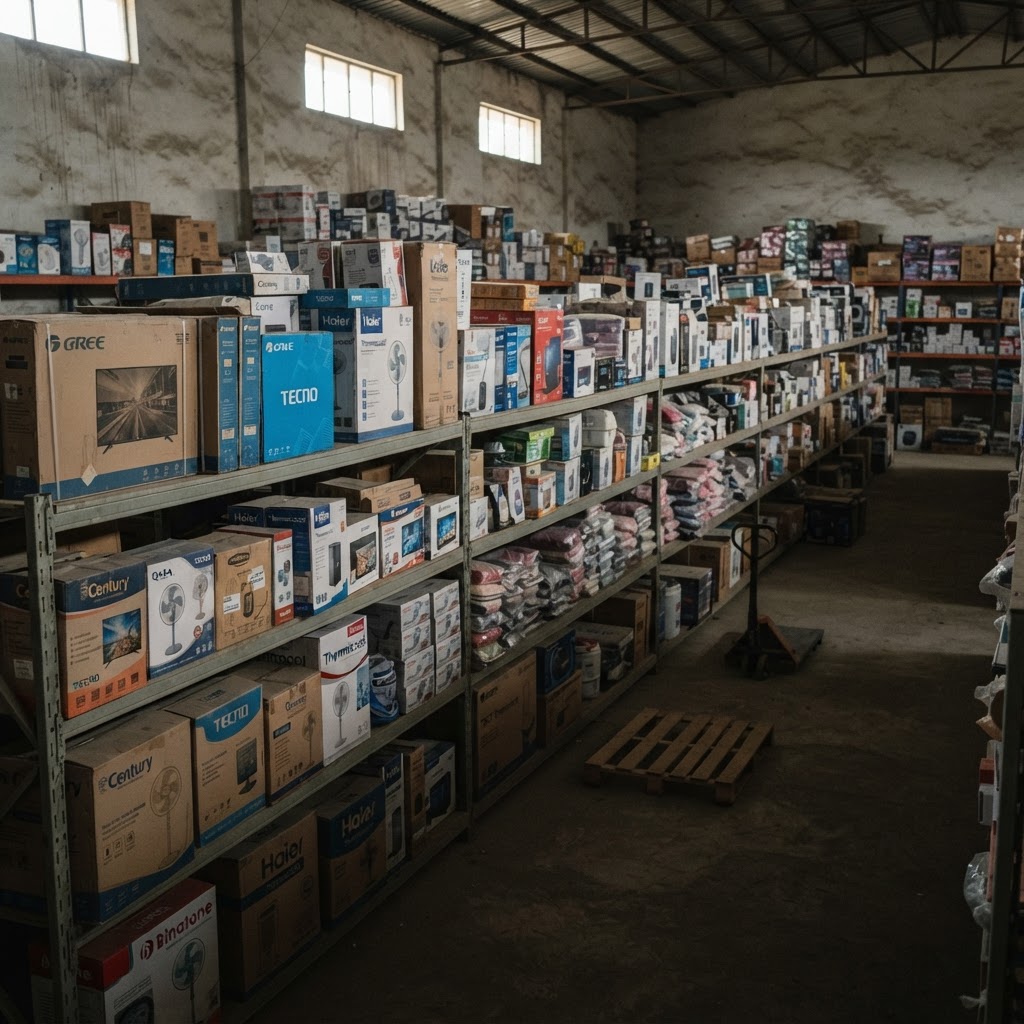
N2tn Unsold Goods: Is Imo Facing a Spending Slump?
Nigerian shelves are groaning under unsold stock, and the numbers are staggering. N2tn Goods Unsold: Is Imo's Consumer Market Also Feeling the Spending Slump? This is the question traders in Owerri and beyond are asking every single day. Families are tightening belts, and the ripple effects are visi...