Powered by Obi Mbieri Independent Media Ltd · eziokwubundu.com
$1 = ₦1,327€1 = ₦1,512£1 = ₦1,759Imo Approves Recruitment of 6,030 Teachers Across 27 LGAs
Imo State has taken a bold step toward transforming its public education system. Governor Hope Uzodimma has approved the recruitment of 6,030 teachers across the state's 27 Local Government Areas, a move many residents have awaited for years. This decision, widely reported by Vanguard(https://www.va...

Imo State has taken a bold step toward transforming its public education system. Governor Hope Uzodimma has approved the recruitment of 6,030 teachers across the state's 27 Local Government Areas, a move many residents have awaited for years. This decision, widely reported by Vanguard, signals a renewed commitment to strengthening basic education across the state.
For families, entrepreneurs, and community leaders who understand that education underpins both personal growth and collective prosperity, this news matters deeply. Imo Approves Recruitment of 6,030 Teachers Across 27 LGAs, and the implications stretch far beyond the classroom. This article breaks down what the recruitment means, why it matters, how applicants can protect themselves, what it signals for Imo's economic future, and how this recruitment of educators fits into the wider governance conversation happening across the state and the country.
What Does This Recruitment Mean?
Governor Uzodimma's approval authorizes the hiring of 6,030 new teachers to serve public schools across all 27 LGAs in Imo State. This is one of the largest teacher recruitment drives the state has undertaken in recent years, and it directly addresses staffing shortages that have plagued public schools for over a decade. The recruitment of this many teachers at once is rare, and it reflects a scale of investment that has not been seen in the sector for some time.
Many communities in Imo have struggled with overcrowded classrooms and insufficient subject specialists. Some schools reportedly operate with a fraction of the teachers needed to cover the curriculum effectively. This recruitment of 6,030 teachers aims to close that gap, ensuring every LGA receives a fair share of qualified educators, rather than concentrating new hires in a handful of favoured districts.
Beyond filling vacancies, this initiative aligns with Eziokwubundu's belief in the "Health + Wealth + Community" triangle. A well-staffed school system builds the human capital needed for long-term economic growth. It also strengthens community development by giving children access to consistent, quality instruction. The recruitment of qualified teachers, when properly implemented, can be one of the most cost-effective interventions a state government can make, because its benefits compound across generations rather than fading after a single budget cycle.
For diaspora Nigerians and local stakeholders alike, this move represents tangible progress. It shows that state government resources are being channeled toward foundational needs rather than symbolic projects. As more details emerge about implementation timelines, families across the state will be watching closely to see how quickly these teachers are deployed to classrooms that need them most. Just as governance decisions elsewhere have drawn public attention — such as the Osun Assembly Approves State Police Bill — Imo residents are keen to see whether this recruitment of new teachers translates into real classroom change rather than remaining a paper announcement.
Why Is This Education Reform Vital?
Education remains the bedrock of sustainable prosperity. Without a solid teaching workforce, even the best curriculum reforms and infrastructure investments will fail to produce meaningful outcomes. This is why the recruitment of 6,030 teachers deserves attention beyond the headlines.
Imo State allocated N86.6 billion to education in its 2026 budget. That figure represents 5.89% of the state's total budget for the year. While this is a substantial sum, it falls short of the benchmark recommended by UNESCO, which suggests governments allocate between 15% and 20% of total budgets to education for meaningful socio-economic transformation. You can review UNESCO's global financing guidance on their education financing page.
This gap between allocation and international standards makes efficient deployment of available funds even more critical. Every naira spent on qualified teachers must translate into measurable classroom improvements. The National Policy on Education, administered through Nigeria's Federal Ministry of Education, also emphasizes adequate staffing ratios as essential for quality basic education. A large-scale recruitment of this nature is one of the few interventions that can meaningfully shift those ratios within a single administrative cycle.
Addressing staffing shortages now positions Imo State to meet these national benchmarks more effectively. It also reduces the burden on existing teachers who have long been overstretched, some of whom manage class sizes far beyond recommended limits. For a state working to rebuild its education sector, this recruitment is not simply an administrative exercise. It is a vital step toward long-term human capital development, similar to conversations happening around Why Nigeria Faces an Ongoing Power Supply Crisis, where infrastructure gaps directly limit economic potential. In both cases, the underlying lesson is the same: without foundational investment — whether in electricity or education — growth stalls regardless of how many other reforms are announced.
How Can Applicants Avoid Scams?
Whenever large-scale government recruitment is announced, opportunistic scammers emerge. The Imo State Ministry of Education has previously issued warnings about unauthorized recruitment lists circulating on social media platforms. These fraudulent lists often claim to guarantee employment in exchange for payment, preying on the hope of thousands of unemployed graduates hoping to benefit from this recruitment of teachers.
Applicants must understand that legitimate government recruitment does not require bribes or "processing fees" paid to individuals. The ministry has stated clearly that official communication will only come through verified government channels. Anyone claiming otherwise, particularly those demanding money in exchange for a guaranteed slot in this recruitment, should be treated with suspicion.
To protect themselves, prospective applicants should follow a few essential precautions. Consider these practical steps before engaging with any recruitment-related communication:
- Verify all information directly through official Imo State Ministry of Education platforms.
- Never make payments to individuals or groups promising guaranteed employment in this recruitment exercise.
- Report suspicious recruitment lists to relevant state authorities immediately.
- Cross-check announcements with credible news outlets before sharing information widely.
- Be wary of "agents" who claim insider access to the recruitment of shortlisted candidates in exchange for a fee.
This mirrors challenges seen elsewhere, including recent scrutiny around UK Blocks Nigerian and Ghanaian Teachers From QTS, where misinformation around teaching qualifications caused confusion among professionals. Just as international recruitment of Nigerian teachers has been complicated by unclear or shifting rules, the recruitment of teachers within Imo State requires equally careful verification to avoid confusion, exploitation, and false hope among applicants. Transparency remains the government's stated priority, and applicants who rely solely on verified sources will be best protected from exploitation.
It is also worth noting that public trust in recruitment exercises is often shaped by broader perceptions of governance integrity. Reports such as 61 Nigerian Officials Tied to $271M US Properties fuel public skepticism about how government processes, including recruitment drives, are managed behind closed doors. For this recruitment of 6,030 teachers to succeed in building public confidence, the state must demonstrate that merit — not connections or bribery — determines who ultimately gets hired.
Featured Products
Chukwu Abiama Tee
Bold black-and-gold Igbo-pride T-shirt featuring 'Chukwu Abiama' in premium streetwear typography.
₦15,000
Buy NowReverse Type 2 Diabetes & other associated Metabolic Issues using Dr. Jason Fung's Evidence-Based Approach— FMD program for Type 2 Diabetes
A practical fasting and fasting-mimicking programme built on Dr Jason Fung's insulin-resistance principles and ow-glycemic recipes.
₦19,950
Join NowỤmụ Igbo Tee
Classic black T-shirt with bold white 'Ụmụ Igbo' typography — a proud statement of Igbo heritage.
₦15,000
Buy NowNwanne Tee
Washed khaki vintage tee with a faded rust-orange 'Nwanne' stamp badge and palm leaf motif — a nod to kinship and heritage.
₦18,000
Buy NowObodo Tee
Faded denim-blue washed tee with a cream 'Obodo' stamp badge and sun motif, celebrating community roots.
₦18,000
Buy NowEkwe Heritage Tee
Deep indigo tee featuring a fine line-art illustration of a traditional Igbo ekwe drum, inspired by Igbo-Ukwu bronze artistry.
₦18,000
Buy NowIkenga Figure Tee
Forest green tee with a fine line-art illustration of a stylized Ikenga figure.
₦18,000
Buy NowWhat Is The Economic Context?
This recruitment does not exist in isolation. It arrives amid broader conversations about how Imo State manages its finances. Reports indicate the state recorded zero capital expenditure on certain tertiary institutions during the first half of 2026, raising questions about budget execution efficiency and whether announced initiatives, including this recruitment of teachers, will be fully funded and sustained.
At the same time, the Presidency has praised Imo State for infrastructure development under the current administration. Roads, public buildings, and other capital projects have received notable attention. This creates a governance balancing act between visible infrastructure and less visible, but equally critical, human capital investment through initiatives like the recruitment of new teaching staff.
Teacher recruitment represents this human-centered approach. While roads and buildings matter, they cannot substitute for a functioning education system. Economists often note that infrastructure investment yields returns only when paired with a skilled workforce capable of using and maintaining that infrastructure. In this sense, the recruitment of qualified educators is not a competing priority to road construction — it is a complementary one.
This recruitment drive, therefore, functions as a practical prosperity measure. It complements ongoing economic initiatives across the state, including support for local businesses highlighted in 65 Imo Businesses Await OKOBI Initiative Registration. A well-educated population fuels entrepreneurship, strengthens local industries, and reduces dependency on public sector employment alone. Small business owners frequently cite a shortage of literate, numerate staff as a barrier to growth, which makes the recruitment of thousands of new teachers relevant even to sectors that appear unrelated to education on the surface.
For context on national fiscal priorities, the World Bank's education financing overview outlines how teacher investment correlates with long-term GDP growth across developing economies. Imo State's approach reflects an understanding that education spending, though sometimes slower to show results than physical infrastructure, produces compounding social and economic benefits over time. Balancing both priorities remains essential for sustainable development across all 27 LGAs.
Governance transparency also matters for how funds tied to this recruitment are tracked. Ongoing legal and administrative disputes, such as the Contempt Proceedings Against Ohohia General Assembly, illustrate how local governance disagreements can slow down implementation of state-level directives if not carefully managed. Residents will reasonably expect that the recruitment of teachers proceeds without similar delays or disputes at the local government level.
How Does This Impact Our Future?
Investing in 6,030 teachers is ultimately an investment in Imo State's collective future. Each teacher hired through this recruitment represents dozens, sometimes hundreds, of students who will benefit from more consistent instruction. This reinforces a core African philosophy: individual success strengthens the broader community.
Teachers have historically held respected positions within Nigerian communities. They serve not only as educators but as mentors, role models, and community leaders. Restoring adequate staffing levels through this recruitment helps preserve this traditional role while modernizing the delivery of education itself.
Stabilizing the teaching workforce also improves learning outcomes over time. Research from organizations like the UNESCO Institute for Statistics consistently shows that lower student-to-teacher ratios correlate with improved literacy and numeracy rates. This directly supports Eziokwubundu's mission of "Better Living Through Information," where access to quality education becomes a foundation for informed decision-making throughout life. A successful recruitment of this scale could meaningfully shift those ratios within a year or two, provided deployment is handled fairly across all 27 LGAs.
This development blends traditional values with modern progress. It honors the teacher as a respected community figure while embracing structured recruitment processes designed for transparency and scale. Such balance is essential for building a resilient Nigerian society capable of navigating both cultural continuity and economic modernization.
Communities that prioritize education often see ripple effects across other sectors, including healthcare, entrepreneurship, and civic participation. As seen in ongoing coverage of Imo Flood Crisis: Which Communities Are Most Vulnerable?, well-informed and educated populations tend to respond more effectively to challenges. Better education creates better-prepared citizens across every measurable dimension, whether the challenge is a natural disaster, a public health emergency, or a security threat.
Security concerns also underscore why stable staffing matters. Communities highlighted in Imo Insecurity: Seven Communities Face Renewed Kidnap Threat face daily uncertainty that can disrupt school attendance and teacher retention. A successful recruitment of teachers must be paired with efforts to secure school environments, ensuring that newly hired educators are willing and able to serve in vulnerable areas rather than concentrating only in urban centers perceived as safer.
For diaspora Nigerians watching from abroad, this recruitment offers reassurance that home-state institutions are moving toward stronger foundations. Community leaders and local organizations can leverage this momentum to advocate for continued investment in schools, teacher training, and educational infrastructure across all 27 LGAs. Ongoing disputes over document authenticity, such as those raised in the Obi-Mbieri Letter: Two Versions Spark Authentication Doubt, also remind residents why verified, transparent communication about this recruitment matters so much — misinformation can easily undermine even well-intentioned government initiatives.
Supporting the Educators Themselves
A successful recruitment of thousands of teachers also raises an often-overlooked question: how will the state support the wellbeing of these new hires once they are deployed? Teaching is a demanding profession, often accompanied by long hours, large class sizes, and significant stress, particularly in underserved rural communities. Health awareness resources, such as 5 Signs Your Blood Pressure May Be Too High, are a useful reminder that workforce wellbeing — including for newly recruited teachers — should not be an afterthought. A sustainable recruitment strategy should include periodic health checks, manageable workloads, and access to basic medical support, ensuring that the very people entrusted with educating Imo's children are themselves healthy and supported.
Ultimately, this recruitment drive represents more than administrative policy. It reflects a broader commitment to practical prosperity, community-first development, and knowledge accessible to everyday Nigerians. As Imo Approves Recruitment of 6,030 Teachers Across 27 LGAs, the state takes a meaningful step toward securing a stronger, more educated future for generations to come. Whether this recruitment fulfils its full promise will depend on transparent implementation, fair distribution across all 27 LGAs, and sustained investment in the teachers who will carry this responsibility forward.
Stay Informed
Get New Articles in Your Inbox
Subscribe to receive the latest community development, health, and wealth insights from Eziokwubundu.
Newsletter
Practical insights on health, wealth, and community — delivered weekly.
Community Discussion(0)
Leave a Comment
More to Read
You May Also Like

CCB Investigates Assets of 50 Top Nigerian Officials
A quiet compliance exercise inside a government agency rarely makes headlines, yet this one does. Nigerians are watching closely as the Code of Conduct Bureau digs into the Assets of the country's most powerful public servants, and the scrutiny is reshaping conversations about integrity in public of...
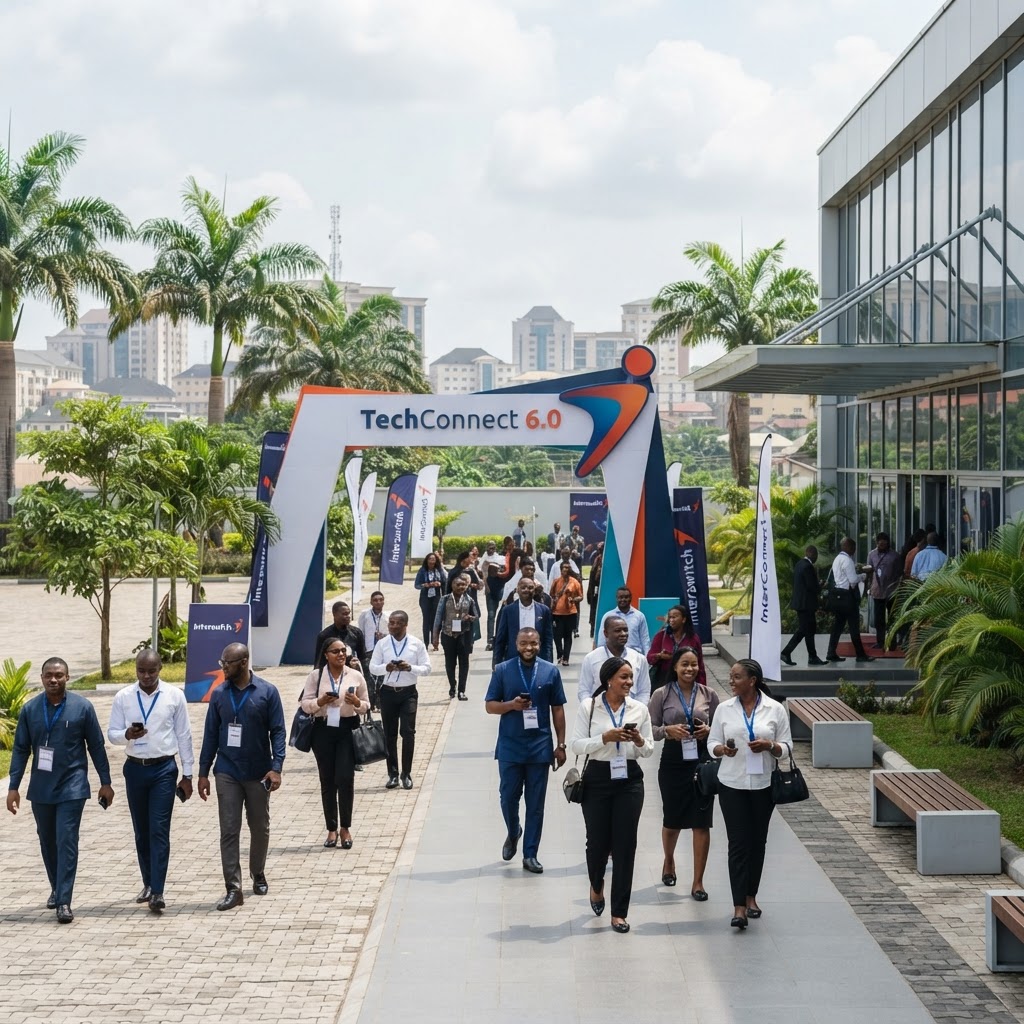
Owerri Hosts Interswitch TechConnect 6.0 Today
Nigeria's fintech landscape is entering a bold new phase of regional expansion. Owerri Hosts Interswitch TechConnect 6.0 Today, marking a historic milestone for South-East Nigeria's digital economy. This landmark gathering brings together innovators, policymakers, and entrepreneurs to reshape the na...

EFCC Declares Ex-Pension Boss Maina Wanted Again
The name Abdulrasheed Maina has resurfaced in Nigeria's anti-corruption headlines once again. In a fresh development that has caught public attention, EFCC Declares Ex-Pension Boss Maina Wanted Again, reigniting a saga that has spanned over a decade. For Nigerian families who depend on pension syste...

Imo Government to Support 100 More Communities
OKOBI is reshaping how everyday Imo residents build wealth from their own villages. The latest expansion, tagged OKOBI: 100 More Imo Communities Set to Receive Government Support, signals a new chapter in Governor Hope Uzodimma's push for grassroots prosperity. For Nigerian families and community le...
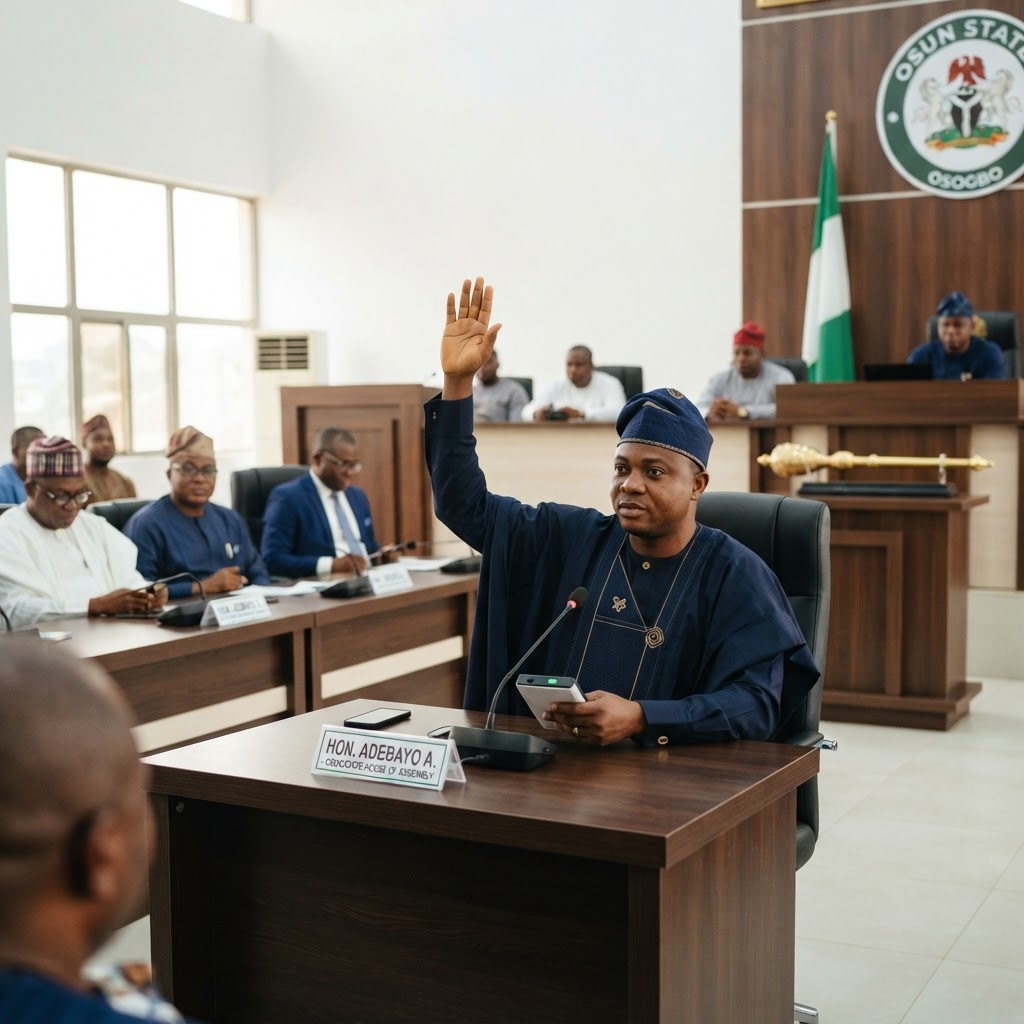
Osun Assembly Approves State Police Bill
The security conversation in Nigeria has taken a decisive turn. Lawmakers across the country are now voting on a reform that could reshape how communities are protected, starting from the grassroots. The Osun Assembly Approves State Police Bill, joining a growing list of states pushing for decentral...

CBN Cuts Interest Rate to 23%: Impact on Nigerians
Nigerians woke up to significant financial news this week. The Central Bank of Nigeria has made a bold move that could reshape household budgets and business plans alike. This shift, widely covered as CBN Cuts Interest Rate to 23% — What It Means for Nigerians and Businesses, deserves a closer look ...

Health and Wealth Creation for Nigerians: Empowerment Hub
In an increasingly complex global landscape, the pursuit of a fulfilling life necessitates a balanced approach to physical well-being, financial stability, and social connectivity. For Nigerians at home and in the diaspora, navigating these paths requires more than just effort; it requires access to...
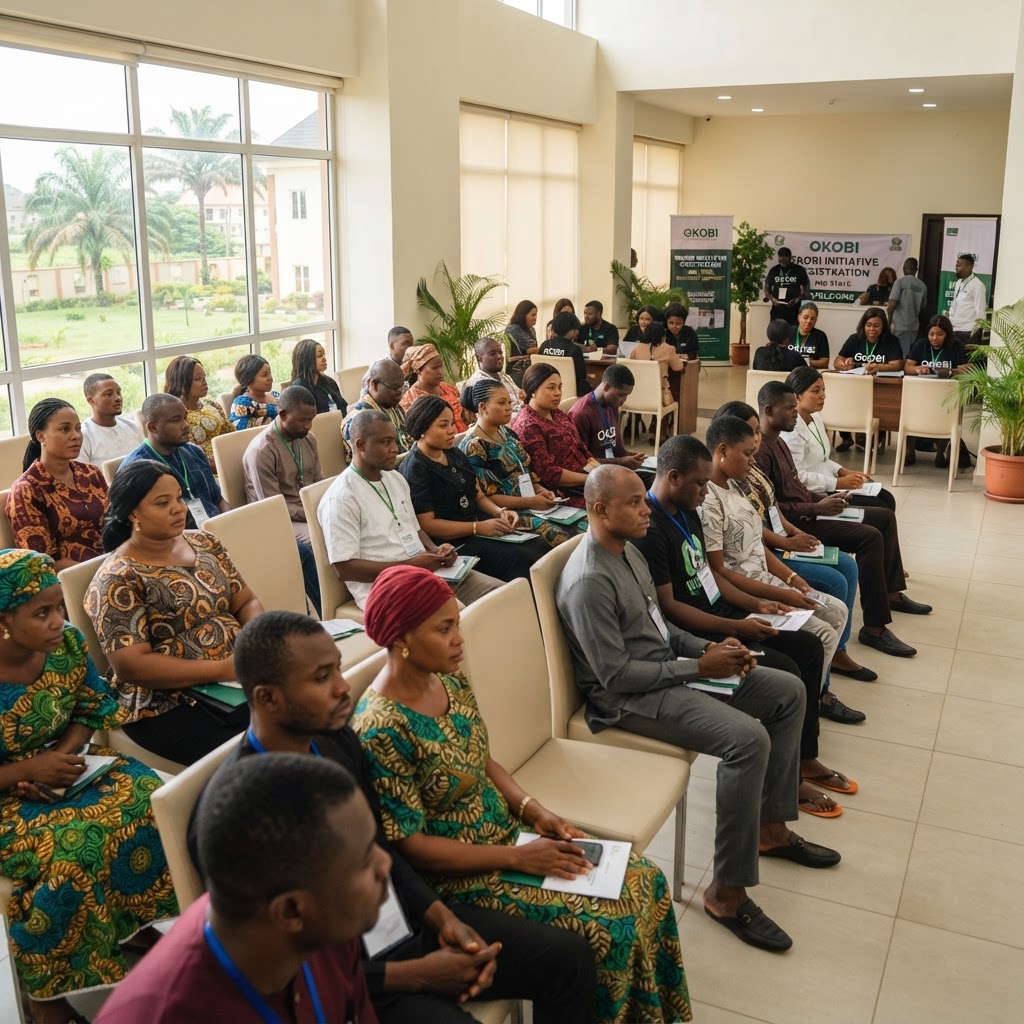
65 Imo Businesses Await OKOBI Initiative Registration
Imagine 65 kindred-owned businesses across Imo State, each waiting for one final document to unlock full legal status. That single step—Corporate Affairs Commission registration—now defines the next chapter in Imo's OKOBI Initiative: 65 Community Businesses Await CAC Registration. For families, entr...
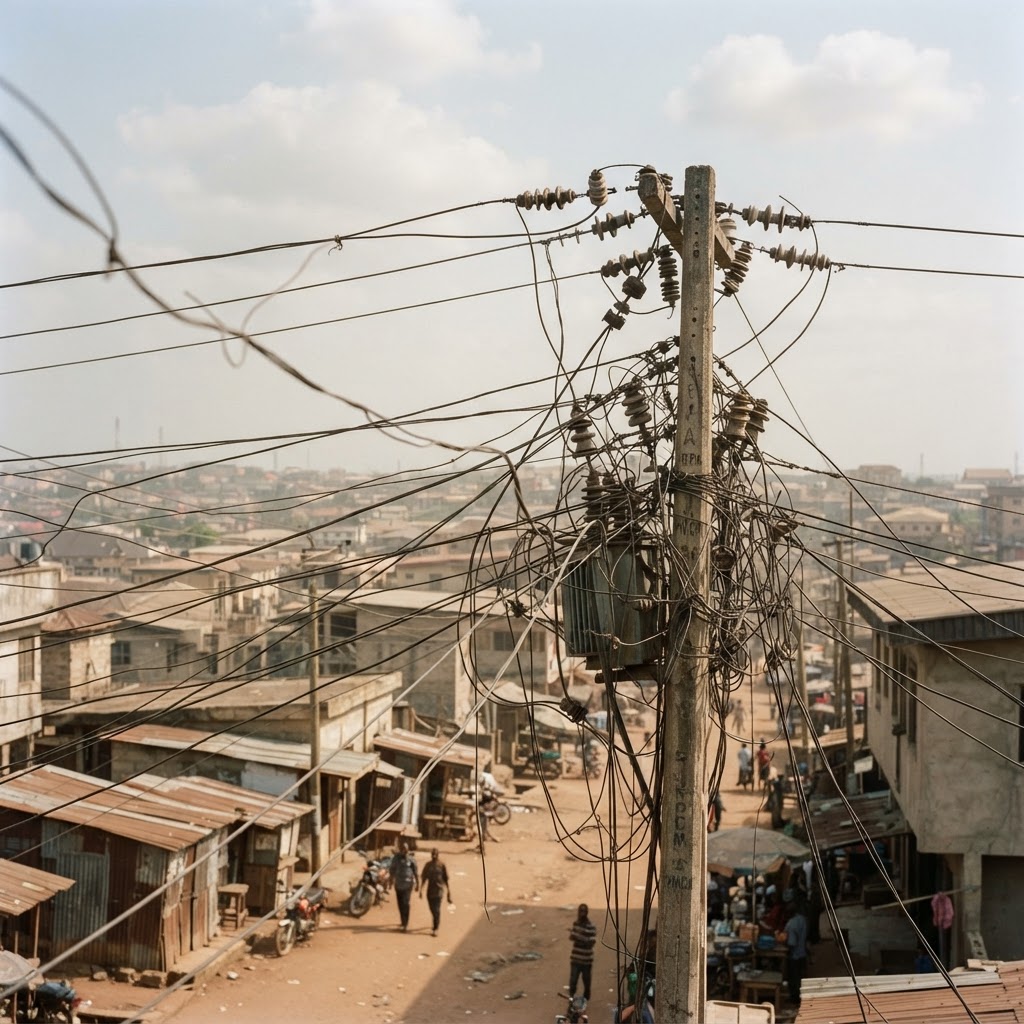
Why Nigeria Faces an Ongoing Power Supply Crisis
Nigerian households lose power multiple times a day, and the frustration never seems to fade. Behind every flickering bulb and silent refrigerator lies a deeper story about Nigeria's fragile power supply system — one that touches nearly every aspect of daily life across the country. Businesses stall...

61 Nigerian Officials Tied to $271M US Properties
Nigeria's corridors of power just faced a fresh spotlight. A newly released investigation, titled 61 Nigerian Officials Linked to $271m US Property Holdings — Report, has reignited public debate over wealth, accountability, and trust in leadership. For families budgeting daily expenses, the numbers ...