Powered by Obi Mbieri Independent Media Ltd · eziokwubundu.com
$1 = ₦1,329€1 = ₦1,507£1 = ₦1,763CBN Cuts Interest Rate to 23%: Impact on Nigerians
Nigerians woke up to significant financial news this week. The Central Bank of Nigeria has made a bold move that could reshape household budgets and business plans alike. This shift, widely covered as CBN Cuts Interest Rate to 23% — What It Means for Nigerians and Businesses, deserves a closer look ...

Nigerians woke up to significant financial news this week. The Central Bank of Nigeria has made a bold move that could reshape household budgets and business plans alike. This shift, widely covered as CBN Cuts Interest Rate to 23% — What It Means for Nigerians and Businesses, deserves a closer look for every family, entrepreneur, and community leader watching the economy. The decision to lower the benchmark Interest Rate is already generating debate among economists, bankers, and everyday citizens trying to understand what it means for their pockets.
What Does the 23% Rate Mean?
The Central Bank of Nigeria (CBN) has reduced the Monetary Policy Rate (MPR) from 26.5% to 23%. This announcement came in September 2026, according to reporting from Punch Newspapers. The 350-basis-point cut is the largest single reduction on record for the CBN, and it marks one of the most closely watched Interest Rate decisions in recent Nigerian monetary history.
This is not a minor adjustment. It signals a deliberate shift from restrictive monetary policy toward a growth-oriented stance. For years, the CBN kept its benchmark Interest Rate high to fight inflation. That approach worked, but it also slowed lending and investment across almost every sector of the economy, from manufacturing to agriculture.
Easing inflationary pressures gave policymakers room to act. Nigeria's headline inflation has moderated compared to previous highs, according to data tracked by Trading Economics. This gave the Monetary Policy Committee confidence to reset its approach and adjust the Interest Rate downward without immediately reigniting price pressures.
The CBN's benchmark rate influences everything from bank lending rates to government bond yields. When the MPR drops, borrowing across the economy typically becomes cheaper. This is why the announcement matters far beyond Abuja's policy corridors — a single Interest Rate decision can ripple through markets, boardrooms, and family kitchen tables alike.
For everyday Nigerians, this decision touches savings accounts, loan applications, and even food prices indirectly. It also affects how local organizations and cooperatives plan their finances going forward. Communities already grappling with insecurity, as highlighted in Imo Insecurity: Seven Communities Face Renewed Kidnap Threat, may find that a lower Interest Rate offers little comfort unless broader stability accompanies it. Understanding this shift is the first step toward using it wisely.
How Will This Impact Your Business?
Entrepreneurs across Nigeria stand to benefit from this rate cut. Lower benchmark rates typically translate into reduced borrowing costs for small and medium enterprises (SMEs). This means loans that once carried heavy Interest Rate burdens may become more affordable for business owners seeking to expand.
Many Nigerian business owners have delayed expansion plans because financing was too expensive. A lower MPR could change that calculation. Cheaper credit often leads to increased capital investment, new equipment purchases, and business expansion — all of which depend heavily on the prevailing Interest Rate offered by commercial banks.
The Centre for the Promotion of Private Enterprise (CPPE) has weighed in on this development. The organization has consistently argued that a high Interest Rate stifles private sector growth. A move toward single-digit or moderate lending rates supports economic recovery, according to CPPE analysis shared with local media.
Consider how this could play out practically for business owners:
- Manufacturers may access working capital at lower cost, boosting production.
- Retailers could expand inventory without crushing debt obligations.
- Agribusinesses may find it easier to finance equipment and storage facilities.
- Tech startups could attract more affordable venture debt options.
This is particularly relevant for communities featured in stories like 65 Imo Businesses Await OKOBI Initiative Registration. Local enterprises registered under such initiatives often rely on formal credit access, and a lower Interest Rate environment strengthens their growth prospects considerably.
However, banks do not always pass on rate cuts immediately. Commercial lending rates may lag behind the MPR by weeks or months. Business owners should still negotiate terms actively and monitor their bank's response to this policy shift. It is also worth remembering that operational costs beyond financing — such as electricity — continue to weigh heavily on Nigerian businesses. As explored in Why Nigeria Faces an Ongoing Power Supply Crisis, unreliable power supply can offset the benefits of a lower Interest Rate if businesses still spend heavily on generators and alternative energy sources.
What Changes for Nigerian Households?
Nigerian families often feel monetary policy through prices at the market, not headlines. As inflation moderates, household budgets may experience less pressure. This does not mean immediate relief, but it suggests a more stable trajectory ahead, particularly as the lower Interest Rate begins filtering through the broader financial system.
Lower interest rates can eventually make consumer credit more accessible. Personal loans, car financing, and even mortgages could become less burdensome over time. For middle-class families saving toward homeownership, this shift in the Interest Rate matters significantly, especially for those who have been priced out of formal credit markets for years.
The connection between monetary policy and daily life is often underestimated. When banks lend more freely, businesses hire more workers. When businesses grow, household incomes tend to stabilize or improve. This ripple effect is central to the CBN Cuts Interest Rate to 23% — What It Means for Nigerians and Businesses conversation happening nationwide, and it explains why ordinary citizens should pay close attention to monetary policy announcements even if they seem far removed from daily life.
Diaspora Nigerians sending remittances home should also watch this development closely. A more stable domestic economy can improve how far those transfers stretch for relatives. Community leaders and household heads alike should track these changes over the coming months, alongside other pressing local concerns such as those raised in Imo Flood Crisis: Which Communities Are Most Vulnerable?, where economic vulnerability and environmental risk intersect.
Featured Products
Chukwu Abiama Tee
Bold black-and-gold Igbo-pride T-shirt featuring 'Chukwu Abiama' in premium streetwear typography.
₦15,000
Buy NowReverse Type 2 Diabetes & other associated Metabolic Issues using Dr. Jason Fung's Evidence-Based Approach— FMD program for Type 2 Diabetes
A practical fasting and fasting-mimicking programme built on Dr Jason Fung's insulin-resistance principles and ow-glycemic recipes.
₦19,950
Join NowỤmụ Igbo Tee
Classic black T-shirt with bold white 'Ụmụ Igbo' typography — a proud statement of Igbo heritage.
₦15,000
Buy NowNwanne Tee
Washed khaki vintage tee with a faded rust-orange 'Nwanne' stamp badge and palm leaf motif — a nod to kinship and heritage.
₦18,000
Buy NowObodo Tee
Faded denim-blue washed tee with a cream 'Obodo' stamp badge and sun motif, celebrating community roots.
₦18,000
Buy NowEkwe Heritage Tee
Deep indigo tee featuring a fine line-art illustration of a traditional Igbo ekwe drum, inspired by Igbo-Ukwu bronze artistry.
₦18,000
Buy NowIkenga Figure Tee
Forest green tee with a fine line-art illustration of a stylized Ikenga figure.
₦18,000
Buy NowImproving standards of living requires more than one policy adjustment. Still, this rate cut represents a meaningful step toward economic stability for millions of Nigerian households who have struggled with a persistently high Interest Rate environment for years.
How Do Investors Navigate This Shift?
Investors across Nigeria are recalibrating their strategies. When the MPR falls, yields on fixed-income securities like treasury bills and bonds typically decline too. This makes previously attractive government securities less appealing to some investors who had grown accustomed to a higher Interest Rate on such instruments.
As bond yields shrink, capital often flows toward equities. The Nigerian Exchange Group (NGX) has historically seen increased activity during periods of monetary easing, according to data published by the Nigerian Exchange Group. Lower rates make company earnings look more attractive relative to fixed returns, and a falling Interest Rate often acts as a catalyst for renewed stock market enthusiasm.
This shift matters for long-term wealth creation. Stocks in banking, consumer goods, and manufacturing sectors may see renewed investor interest as borrowing costs fall for listed companies. Dividend-paying stocks could become particularly attractive alternatives to low-yield bonds in this new Interest Rate climate.
For everyday Nigerians building investment portfolios, balance is essential. Consider these practical steps during this transition:
- Diversify between equities and fixed-income instruments rather than concentrating in one asset class.
- Research company fundamentals before shifting into stocks driven purely by rate speculation.
- Consult a licensed financial advisor before making major portfolio changes.
- Monitor inflation trends alongside Interest Rate movements for a fuller picture.
Young professionals and students building early investment habits should treat this as a learning moment. Understanding how monetary policy and the Interest Rate affect markets is a valuable financial literacy skill for long-term prosperity. Investors should also remain cautious about governance risks that can undermine market confidence, as illustrated by reports such as 61 Nigerian Officials Tied to $271M US Properties, which underscore the importance of transparency alongside sound monetary policy.
Can This Save the National Economy?
Renowned economist Bismarck Rewane has offered a compelling analysis of this rate cut's fiscal impact. According to his commentary, the government could save over ₦1 trillion in debt servicing costs due to the lower Interest Rate now applied to new and refinanced obligations. This is a substantial figure for a nation managing significant public debt obligations.
Reduced debt servicing costs free up government resources for other priorities. Infrastructure, healthcare, and education could all benefit if savings are redirected wisely. This is where fiscal discipline becomes as important as monetary policy itself, and where the political will to act on a lower Interest Rate environment truly gets tested.
Many analysts describe this moment as a potential turning point for Nigeria's economy. After years of fiscal turbulence, currency pressures, and inflation battles, a coordinated easing signals renewed confidence. The International Monetary Fund has previously highlighted the importance of consistent policy signals for Nigeria's macroeconomic stability, noting that unpredictable shifts in the Interest Rate can undermine investor confidence just as much as high borrowing costs do.
Still, caution remains necessary. External conditions, including global oil prices and foreign exchange stability, will influence whether this adjustment holds. Inflation trends must continue moderating for the CBN to maintain this growth-oriented stance without reversing course on the Interest Rate in future policy meetings.
Community-level economic stories, such as Imo Government to Support 100 More Communities, show how national policy shifts can eventually translate into local development funding. Monitoring these connections helps citizens understand the bigger economic picture, and how decisions made in Abuja about the Interest Rate eventually reach villages and towns across the country. Similarly, governance developments like the Osun Assembly Approves State Police Bill remind us that security and institutional reform often move in tandem with economic policy shifts, shaping the overall investment climate that a lower Interest Rate is meant to support.
What Is the Path to Prosperity?
Economic policy is only one piece of Nigeria's prosperity puzzle. At Eziokwubundu, we believe in the Health + Wealth + Community approach to lasting progress. A rate cut matters, but personal financial literacy matters just as much — and understanding how the Interest Rate works is a foundational part of that literacy.
This period of economic easing offers an opportunity. Nigerians can use this moment to review personal budgets, explore new savings strategies, and support community-based growth initiatives. Practical prosperity comes from applying knowledge, not just reacting to headlines about the latest Interest Rate announcement.
Traditional values still guide sound financial decisions today. Communities that support local businesses, share knowledge, and prioritize collective growth tend to weather economic shifts better. This is evident in local development stories like Imo Approves Recruitment of 6,030 Teachers Across 27 LGAs, where public investment strengthens community foundations regardless of what happens to the national Interest Rate.
Institutional accountability also plays a role in how effectively these economic gains reach ordinary people. Disputes such as those detailed in Contempt Proceedings Against Ohohia General Assembly and authentication controversies like the Obi-Mbieri Letter: Two Versions Spark Authentication Doubt show that governance credibility remains just as important as monetary policy in determining whether communities truly benefit from a lower Interest Rate environment.
Nigerians navigating this new interest rate environment should stay informed, stay disciplined, and stay connected to their communities. That combination remains the surest path to lasting prosperity, regardless of what the CBN's next policy meeting brings — and regardless of where the Interest Rate stands a year from now.
Stay Informed
Get New Articles in Your Inbox
Subscribe to receive the latest community development, health, and wealth insights from Eziokwubundu.
Newsletter
Practical insights on health, wealth, and community — delivered weekly.
Community Discussion(0)
Leave a Comment
More to Read
You May Also Like

FG, Imo Back Pharmaceutical Hub Planned for Mgbidi
The Federal Government and Imo State Government have thrown their weight behind a bold new industrial project. FG, Imo Back Pharmaceutical Hub Planned for Mgbidi, signaling a fresh push toward local drug manufacturing and economic renewal in the South-East. The announcement positions the proposed fa...

Nigeria Condemns Deaths of Three Citizens in South Africa
Nigerian families are mourning once again this week. Three citizens lost their lives in South Africa within a span of days. The tragedy has reignited calls for action, as Nigeria Condemns Deaths of Three Citizens in South Africa and demands accountability for the loss of its people abroad. For many ...

Solar Installation Safety: How Faulty Wiring Can Cause Fires
Nigeria's power crisis has pushed millions of families toward solar energy as a dependable alternative. Yet poor installation practices are quietly turning this clean energy solution into a serious hazard. Solar Installation Safety: How Faulty Wiring Can Cause Fires is becoming an urgent conversatio...

Wike Vows to Resign If Tinubu Loses FCT, Rivers
Nigeria's political temperature just rose by several degrees. A bold declaration from the Federal Capital Territory Minister has set tongues wagging across government circles and local communities alike. Wike Vows to Resign If Tinubu Loses FCT, Rivers, and that single pledge now dominates conversati...

JAMB Extends 2021–2025 Admission Acceptance Deadline
The clock is ticking for thousands of Nigerian students awaiting university placement. JAMB Extends 2021–2025 Admission Acceptance Deadline, giving candidates a crucial window to secure their academic future. For families across Nigeria and the diaspora, this update carries real weight for planning ...

INEC Schedules PVC Collection Starting October 9
Nigeria's electoral calendar just got a major update, and millions of registered voters need to pay attention. INEC Sets October 9 for PVC Collection Ahead of 2027 Elections, marking a pivotal step toward the next general elections. This announcement affects families, students, entrepreneurs, and di...

Nigeria at 66: Nation Marks 66th Independence Anniversary
Nigeria stands at a defining moment, blending gratitude for decades of nationhood with determination to secure a brighter future. As the country celebrates Nigeria at 66: Nation Marks 66th Independence Anniversary, families, entrepreneurs, and community leaders are reflecting on how far the nation h...
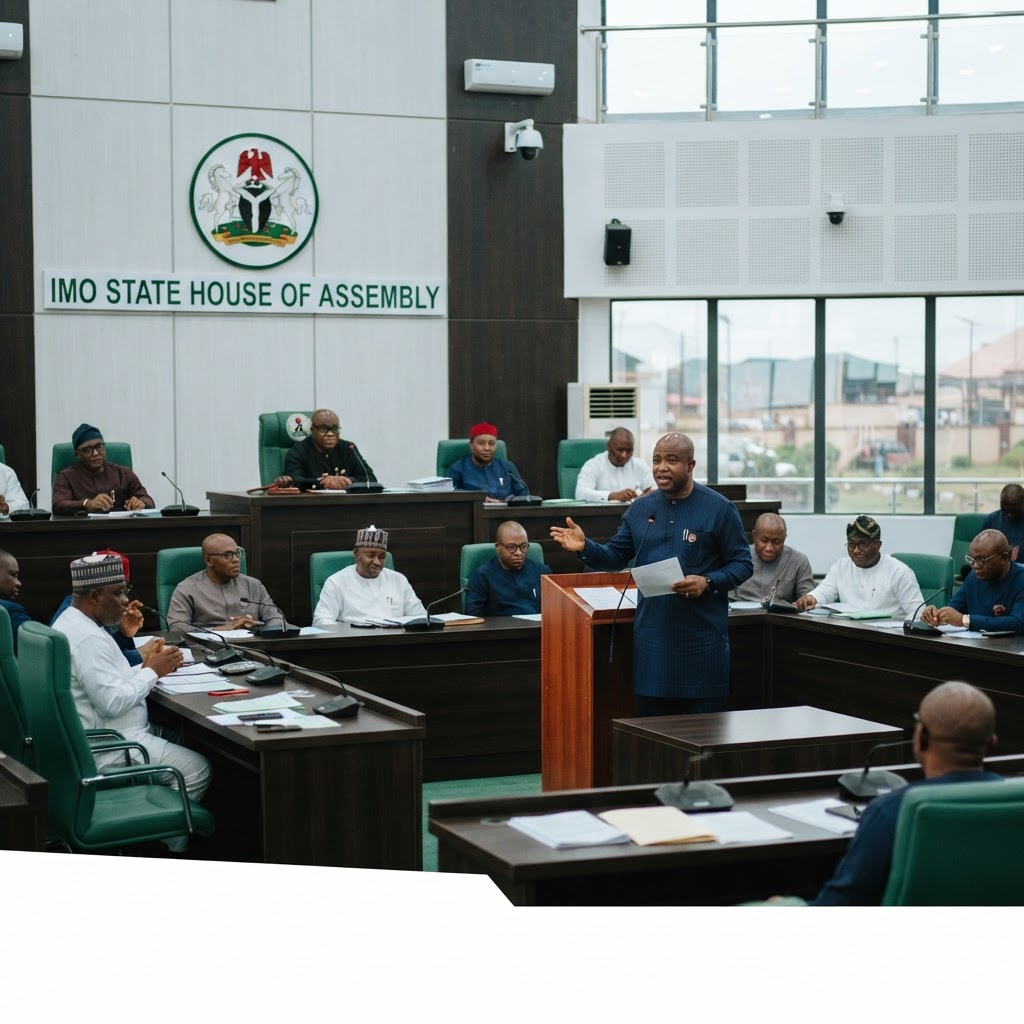
Imo Assembly Amends Local Government Law Amid Tenure Expiry
Local government administration in Imo State is entering a critical transition period, and lawmakers are moving quickly to keep governance stable. The Imo Assembly has amended the local government law governing council administration as tenures near their end, signaling a decisive shift in how the s...
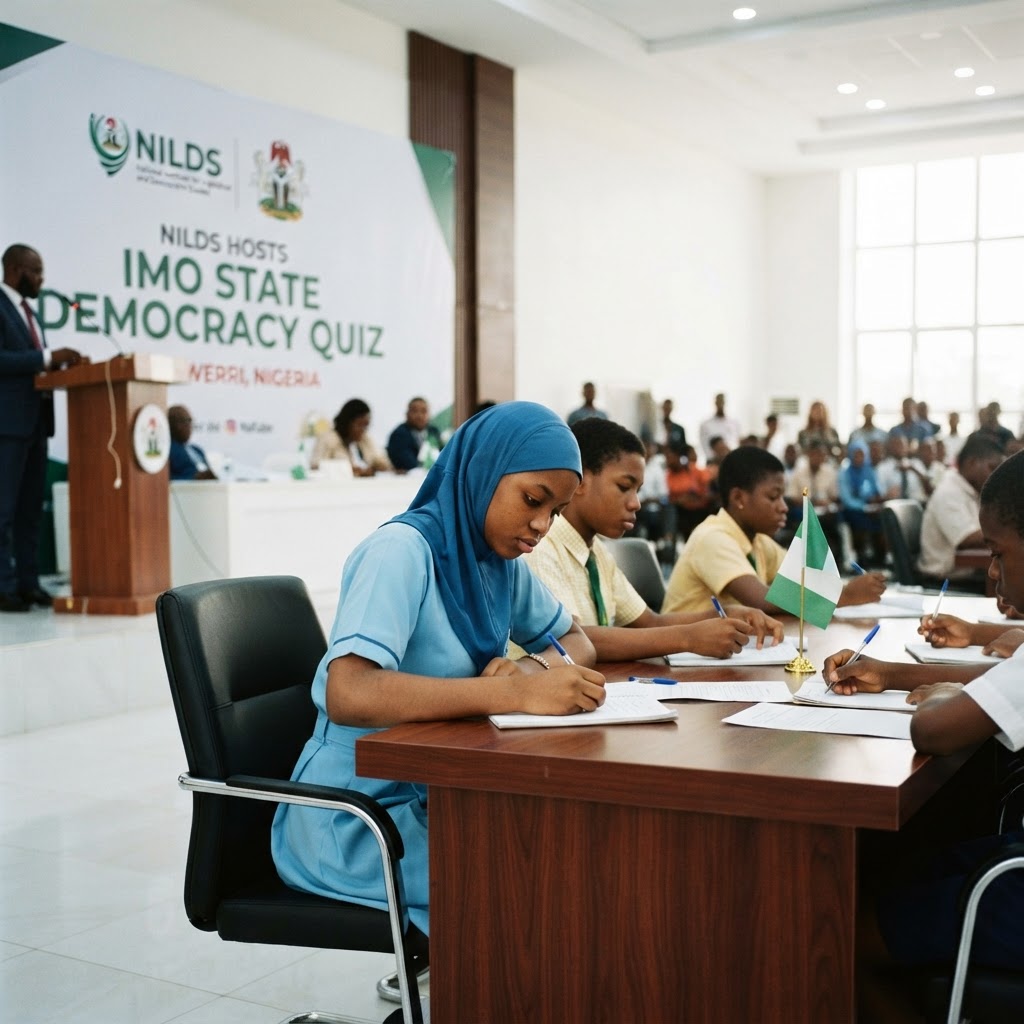
NILDS Hosts Imo State Democracy Quiz in Owerri
Nigerian classrooms rarely get a front-row seat to national lawmaking, but Owerri just changed that. NILDS Holds Imo Legislature and Democracy Quiz Competition in Owerri, giving secondary school students a rare, real-world lesson in governance and civic duty. The event drew attention from educators,...

Tinubu Returns to Nigeria After 28-Day Working Vacation
Nigerians woke up to major headlines this week. Tinubu Returns to Nigeria After 28-Day Working Vacation, and the story is sparking conversations from Lagos to London about leadership, health, and governance. For families balancing daily hustle with national headlines, this update matters more than i...