Powered by Obi Mbieri Independent Media Ltd · eziokwubundu.com
$1 = ₦1,328€1 = ₦1,521£1 = ₦1,77365 Imo Businesses Await OKOBI Initiative Registration
Imagine 65 kindred-owned businesses across Imo State, each waiting for one final document to unlock full legal status. That single step—Corporate Affairs Commission registration—now defines the next chapter in Imo's OKOBI Initiative: 65 Community Businesses Await CAC Registration. For families, entr...
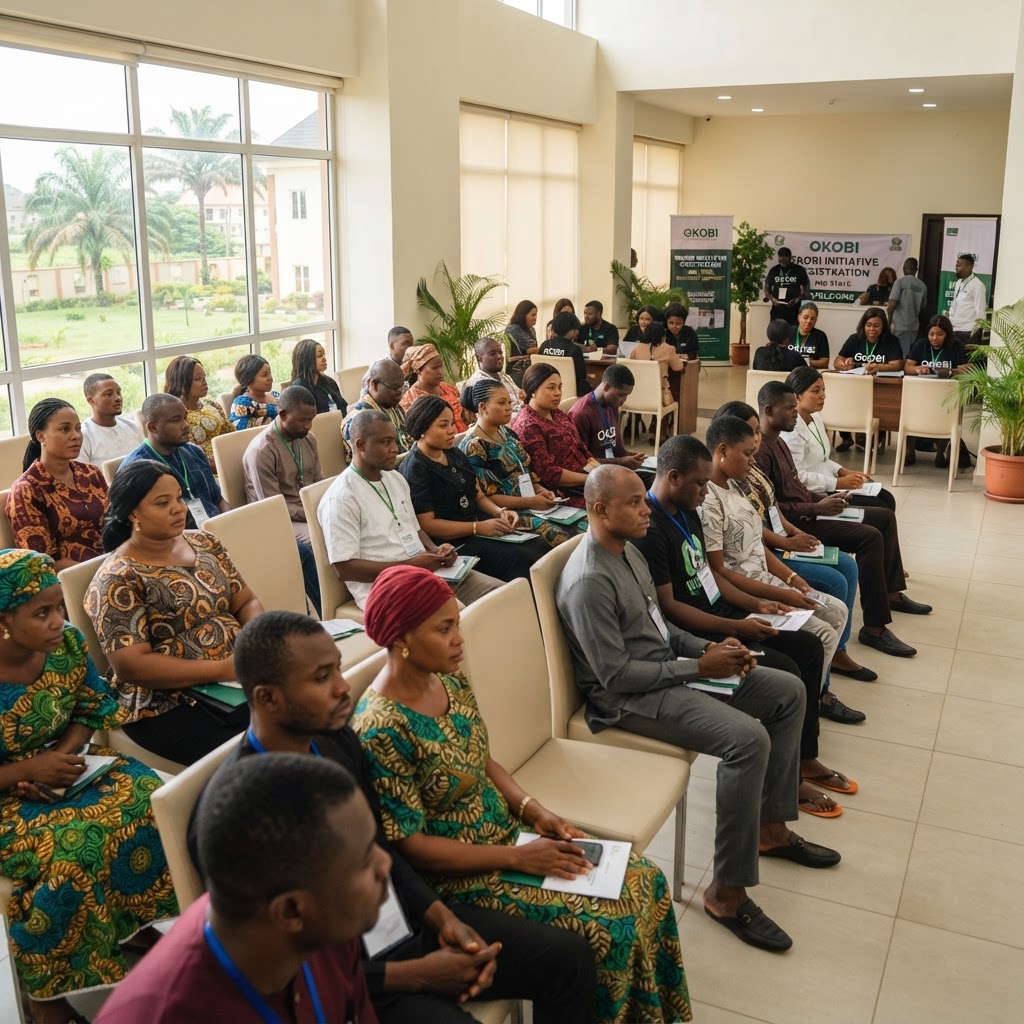
Imagine 65 kindred-owned businesses across Imo State, each waiting for one final document to unlock full legal status. That single step—Corporate Affairs Commission registration—now defines the next chapter in Imo's OKOBI Initiative: 65 Community Businesses Await CAC Registration. For families, entrepreneurs, and community leaders watching grassroots economics unfold, this milestone signals real progress toward collective prosperity. The OKOBI Initiative has already reshaped how communities across Imo think about wealth creation, and the coming registration wave promises to push that transformation even further into the formal economy.
What Is the OKOBI Initiative?
The One Kindred, One Business (OKOBI) initiative began in 2022 as a community-driven economic movement. It was designed to harness the power of Igbo kindreds for wealth creation across Imo State's 27 local government areas Vanguard News.
Unlike conventional entrepreneurship programs that target individuals, the OKOBI Initiative shifts the focus to collective ownership. Families and community groups pool resources, skills, and energy to establish sustainable businesses together. This approach reduces the isolation many solo entrepreneurs face when starting new ventures, and it distributes the burden of risk across many willing hands rather than one.
The program also democratizes business ownership across social and economic lines. It reduces the risks associated with individual ventures by spreading responsibility among kindred members. Structured governance ensures accountability, so no single person bears the full weight of failure or success. Because the OKOBI Initiative insists on shared governance, disputes over ownership and profit-sharing are less likely to derail a venture before it even gets off the ground.
This model draws on longstanding Igbo traditions of communal effort. Kindreds have historically pooled resources for town halls, schools, and infrastructure. The OKOBI Initiative simply channels that same spirit into formal, profit-generating enterprises, turning age-old cooperative instincts into modern economic engines.
For readers exploring how community structures shape economic outcomes, this initiative offers a compelling case study. It echoes themes covered in N2tn Unsold Goods: Is Imo Facing a Spending Slump?, where local spending patterns reveal deeper economic realities. If household spending in Imo is indeed slowing, then programs like the OKOBI Initiative that create new local income streams may prove essential to reversing that trend.
Why Is CAC Registration Essential?
Formal registration with the Corporate Affairs Commission is not optional for OKOBI Initiative businesses. It is a mandatory criterion that bridges the informal and formal economy CAC.
Without registration, businesses cannot open corporate bank accounts, apply for government grants, or attract private investment. Legal recognition transforms a promising community idea into a recognized economic entity. This status is what allows banks and financial institutions to extend credit facilities with confidence, and it is precisely this credibility that the OKOBI Initiative is designed to unlock for its member businesses.
The current figure—65 community businesses awaiting registration—highlights a transition phase. These groups have already organized, identified their business models, and begun operations informally. The remaining step is regulatory compliance, which unlocks access to broader financial ecosystems. For many of these kindreds, registration is the final bureaucratic hurdle standing between informal cooperation and formal, bankable enterprise.
This registration gap also reflects a common challenge across Nigeria's informal sector. Many small enterprises operate for years without formal status, limiting their growth potential. The OKOBI Initiative's structured approach aims to close that gap systematically rather than leaving it to chance, providing a template that other informal cooperatives across the country could eventually follow.
Once registered, these 65 businesses will join hundreds of others already contributing to Imo's economy. Their formalization represents a critical step toward sustainable, bankable community enterprises across the state. It also strengthens the overall credibility of the OKOBI Initiative as a serious economic development framework rather than a short-lived political slogan.
Delays in registration are not unique to community businesses; they mirror broader administrative bottlenecks seen elsewhere in Imo's governance landscape, such as those discussed in Contempt Proceedings Against Ohohia General Assembly. Ensuring the OKOBI Initiative's registration process remains smooth and transparent will be key to maintaining public trust in the program.
How Do These Businesses Operate?
OKOBI Initiative businesses follow six core pillars that shape their structure and purpose. These pillars ensure consistency across hundreds of enterprises operating in different sectors and communities.
Consider the following operational framework that every OKOBI Initiative business must satisfy:
- Formal registration with the CAC to gain legal status.
- Group ownership involving multiple kindred or community members.
- Profit orientation, ensuring the business generates real returns.
- Professional management with clear structural governance and job creation targets.
- Transparent reporting mechanisms that keep kindred members informed of financial performance.
- Reinvestment strategies that channel a portion of profits back into community development projects.
These businesses span diverse sectors, including agribusiness, agro-processing, micro-manufacturing, artisanal services, and trade. This diversity reflects the varied resources and skills available across Imo's 655 autonomous communities. Whether a kindred chooses poultry farming, palm oil processing, or textile production, the underlying OKOBI Initiative framework remains the same: shared ownership, shared risk, and shared reward.
By operating collectively, OKOBI Initiative businesses create a safety net for their members. Profits are distributed across the kindred or community group rather than concentrated in one individual's hands. This distribution model strengthens social bonds while building shared wealth, and it helps ensure that economic gains are felt broadly rather than by a privileged few.
The approach also encourages accountability. When multiple stakeholders have a vested interest, businesses tend to maintain better financial discipline. This structure mirrors lessons from community governance challenges seen in cases like the Contempt Proceedings Against Ohohia General Assembly, where structural clarity matters significantly. In many ways, the success of the OKOBI Initiative depends on communities learning from past governance disputes and building clearer rules from the outset.
Documentation clarity has proven important in other Imo community matters too, including the debate captured in Obi-Mbieri Letter: Two Versions Spark Authentication Doubt. The OKOBI Initiative's emphasis on formal registration and transparent record-keeping directly addresses the kind of authentication concerns that have plagued other community processes.
Featured Products
Chukwu Abiama Tee
Bold black-and-gold Igbo-pride T-shirt featuring 'Chukwu Abiama' in premium streetwear typography.
₦15,000
Buy NowReverse Type 2 Diabetes & other associated Metabolic Issues using Dr. Jason Fung's Evidence-Based Approach— FMD program for Type 2 Diabetes
A practical fasting and fasting-mimicking programme built on Dr Jason Fung's insulin-resistance principles and ow-glycemic recipes.
₦19,950
Join NowỤmụ Igbo Tee
Classic black T-shirt with bold white 'Ụmụ Igbo' typography — a proud statement of Igbo heritage.
₦15,000
Buy NowNwanne Tee
Washed khaki vintage tee with a faded rust-orange 'Nwanne' stamp badge and palm leaf motif — a nod to kinship and heritage.
₦18,000
Buy NowObodo Tee
Faded denim-blue washed tee with a cream 'Obodo' stamp badge and sun motif, celebrating community roots.
₦18,000
Buy NowEkwe Heritage Tee
Deep indigo tee featuring a fine line-art illustration of a traditional Igbo ekwe drum, inspired by Igbo-Ukwu bronze artistry.
₦18,000
Buy NowIkenga Figure Tee
Forest green tee with a fine line-art illustration of a stylized Ikenga figure.
₦18,000
Buy NowWho Supports This Economic Movement?
The OKOBI Initiative has attracted substantial institutional backing since its launch. FirstBank has partnered with the program, offering financial services tailored to community-owned enterprises FirstBank Nigeria.
Calpe Labs has also entered the picture, unveiling a N600 billion scheme aimed at enhancing grassroots entrepreneurship across Nigeria. This partnership signals growing private sector confidence in community-based business models, and it suggests that the OKOBI Initiative is being viewed as a viable investment vehicle rather than a purely symbolic government program.
IHS Nigeria has publicly praised the initiative for its contribution to financial literacy and community empowerment. The company has pledged continued support for programs that strengthen grassroots economic participation. Such endorsements add further legitimacy to the OKOBI Initiative's long-term prospects.
Perhaps most significantly, the Federal Government has adopted the OKOBI model for nationwide scale-up. This decision aims to improve Nigeria's global Human Capital Index ranking by 2030 World Bank. Such recognition elevates Imo State's grassroots experiment into a national policy blueprint, and it means the OKOBI Initiative could soon serve as a reference point for similar programs in other states.
This level of institutional support suggests the OKOBI Initiative is more than a regional pilot program. It represents a scalable framework that other Nigerian states may soon replicate in pursuit of similar economic outcomes. As more banks, private investors, and government agencies align behind the initiative, the pressure to complete registration processes efficiently—like the current 65 pending cases—will only intensify.
What Is the Impact on Imo?
The numbers behind the OKOBI Initiative's growth are striking. Over 350 businesses and more than 9,000 members are already active across Imo State Vanguard News.
This scale matters because Imo faces significant unemployment challenges among its 3.5 million eligible working-class citizens National Bureau of Statistics. The OKOBI Initiative directly addresses this gap by creating structured pathways into entrepreneurship rather than relying solely on job seeking. For many young people without access to formal employment, joining a kindred-based enterprise offers a realistic route to steady income.
The program is compulsory for all 655 autonomous communities in Imo. This mandate ensures economic development reaches rural areas, not just urban centers. Grassroots inclusion is central to the initiative's design philosophy, and it distinguishes the OKOBI Initiative from many top-down economic programs that tend to favor urban and already well-connected populations.
By turning job seekers into job creators, the OKOBI Initiative fosters a culture of self-reliance. It also supports sustainable food security through agribusiness ventures at the local level. These outcomes align closely with themes explored in How Rising Petrol Prices Impact Nigerian Households and SMEs, where economic pressures demand local solutions. As fuel costs continue to strain household budgets, locally rooted businesses under the OKOBI Initiative may offer more resilient alternatives to import-dependent commerce.
Communities facing instability, as discussed in Imo Insecurity: Seven Communities Face Renewed Kidnap Threat, may find economic empowerment programs like the OKOBI Initiative particularly valuable. Strong local economies often correlate with greater community resilience and cohesion, and stable livelihoods can reduce some of the socioeconomic pressures that fuel insecurity in vulnerable areas.
Similarly, communities grappling with environmental threats such as those outlined in Imo Flood Crisis: Which Communities Are Most Vulnerable? stand to benefit from diversified, community-owned income sources. When floods disrupt farmland or displace families, having an established OKOBI Initiative business can provide an alternative economic lifeline that helps households recover more quickly.
How Can Your Community Participate?
Communities interested in joining the OKOBI Initiative should start by organizing their kindred or association. This foundational step establishes the group structure required for collective ownership.
Next, groups must identify a viable business based on local market needs. Agribusiness, trade, and artisanal services have proven successful across many Imo communities. Careful market research increases the likelihood of sustainable success, and prospective participants should study which sectors already have strong demand within their local government area.
The Office of the Chief Economic Adviser provides guidance and mentorship throughout this process. This support helps groups transition from informal ideas into structured, profit-oriented enterprises. Access to this mentorship significantly reduces early-stage risks, and it ensures new entrants into the OKOBI Initiative avoid common pitfalls that have tripped up informal businesses in the past.
Preparing for formal registration requires organized documentation and clear governance structures. Groups should also consider how their business model addresses genuine community needs, similar to concerns raised in Can Nigeria's New Plan Solve the Child Labour Crisis?, where structured intervention proves essential. A well-designed OKOBI Initiative business can, for instance, create legitimate employment opportunities for young people who might otherwise be vulnerable to exploitative labor practices.
Beyond economic considerations, participants should also think holistically about community wellbeing. Just as public health awareness matters for individual decision-making—covered in resources like 5 Signs Your Blood Pressure May Be Too High and Can Insulin Help You Lose Weight? Risks and Medical Facts—community leaders driving the OKOBI Initiative might consider incorporating basic health education or wellness support into their business planning, especially for agribusiness ventures where physical labor and nutrition intersect directly with productivity.
It is also worth noting that economic opportunity at home can influence broader migration and workforce decisions. Reports such as UK Blocks Nigerian and Ghanaian Teachers From QTS highlight the shrinking options available to skilled Nigerians seeking opportunities abroad. In this context, the OKOBI Initiative offers a homegrown alternative—an opportunity to build meaningful careers and income streams without needing to emigrate.
Participation in the OKOBI Initiative offers communities a genuine opportunity to build lasting prosperity through collective strength. This aligns closely with Eziokwubundu's mission of bridging health, wealth, and community development for everyday Nigerians. As Imo's OKOBI Initiative: 65 Community Businesses Await CAC Registration moves toward completion, more communities across the state stand ready to follow this proven path toward shared economic growth. The OKOBI Initiative, still in its early years, is quickly becoming a defining feature of how Imo State imagines its economic future—one kindred, one business, and one registration certificate at a time.
Stay Informed
Get New Articles in Your Inbox
Subscribe to receive the latest community development, health, and wealth insights from Eziokwubundu.
Newsletter
Practical insights on health, wealth, and community — delivered weekly.
Community Discussion(0)
Leave a Comment
More to Read
You May Also Like
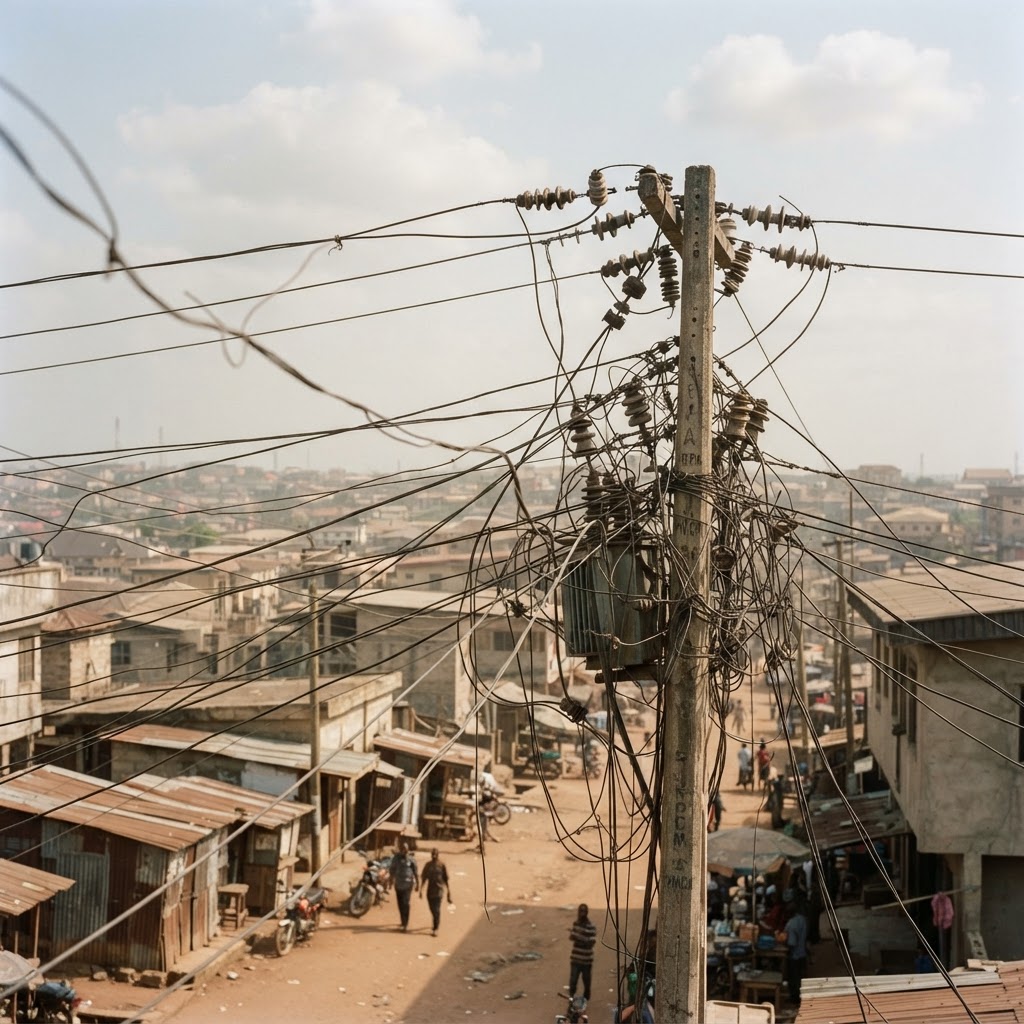
Why Nigeria Faces an Ongoing Power Supply Crisis
Nigerian households lose power multiple times a day, and the frustration never seems to fade. Behind every flickering bulb and silent refrigerator lies a deeper story about Nigeria's fragile power supply system — one that touches nearly every aspect of daily life across the country. Businesses stall...

61 Nigerian Officials Tied to $271M US Properties
Nigeria's corridors of power just faced a fresh spotlight. A newly released investigation, titled 61 Nigerian Officials Linked to $271m US Property Holdings — Report, has reignited public debate over wealth, accountability, and trust in leadership. For families budgeting daily expenses, the numbers ...

Imo Flood Crisis: Which Communities Are Most Vulnerable?
The rains have returned to Imo State, and so has fear. Families in low-lying communities are already counting losses, while roads turn into rivers overnight. The Imo Flood Crisis: Which Communities Are Most Vulnerable? question is no longer theoretical — it is a daily reality for thousands of Ndi Im...
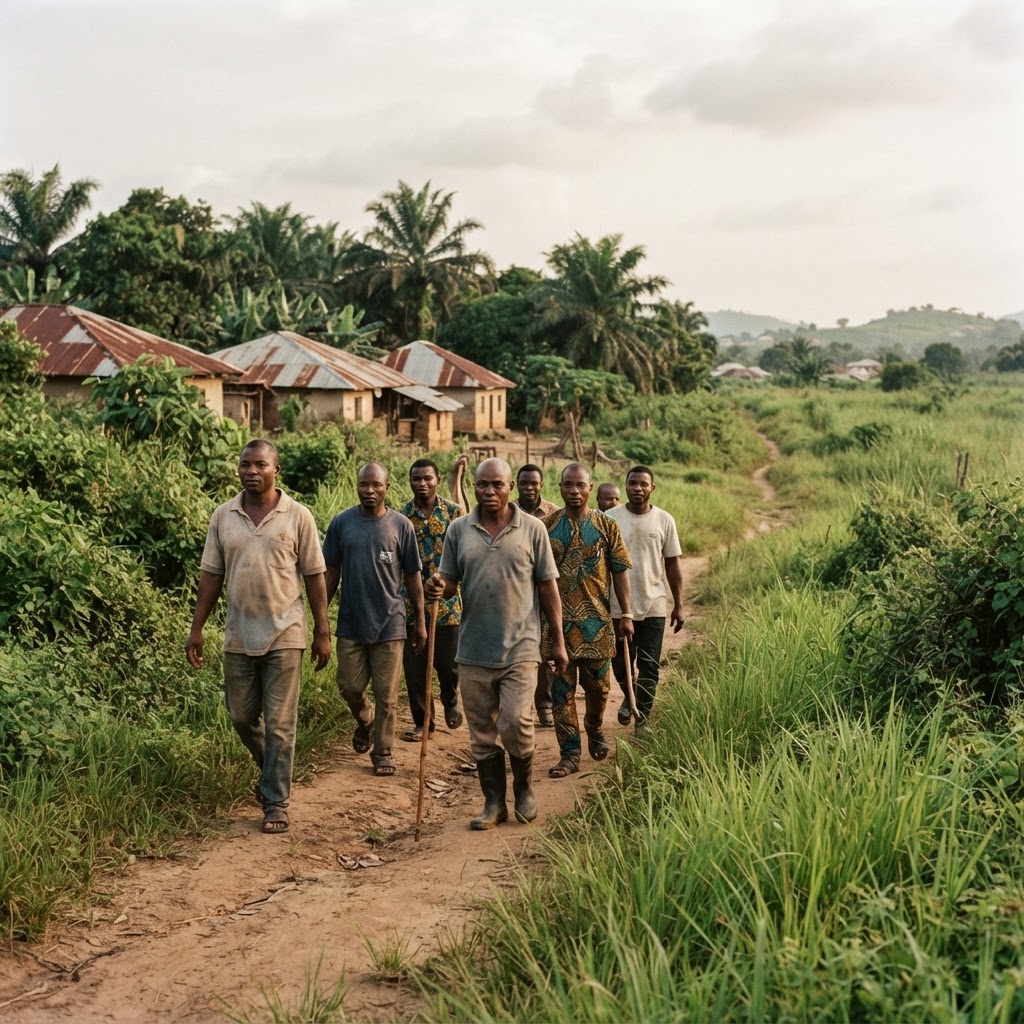
Imo Insecurity: Seven Communities Face Renewed Kidnap Threat
Fear has returned to parts of Imo State as criminal gangs target unsuspecting residents. Imo Insecurity: Seven Communities Face Renewed Kidnap Threat is more than a headline—it reflects a lived reality for thousands of families who now measure daily life against the possibility of sudden violence. U...

How to Register a Business in Imo
Starting a business in Imo State is one of the most impactful decisions you can make — not just for your personal financial future, but for the broader prosperity of your community. From the bustling markets of Owerri to the agricultural enterprises of Orlu and Okigwe, Imo entrepreneurs are driving ...

UK Blocks Nigerian and Ghanaian Teachers From QTS
UK immigration and education policy just delivered a major blow to thousands of Nigerian and Ghanaian classroom professionals. The UK Bars Nigeria-, Ghana-Trained Teachers From QTS Applications, and the ripple effects will touch families, schools, and career plans across West Africa. This shift dema...

5 Signs Your Blood Pressure May Be Too High
Imagine feeling completely fine while your arteries are quietly under siege. That is the reality for millions of Nigerians living with undiagnosed hypertension. Recognizing 5 Signs Your Blood Pressure May Be Too High could be the difference between early intervention and a medical emergency. Underst...

Can Insulin Help You Lose Weight? Risks and Medical Facts
Insulin often gets blamed for weight struggles among Nigerian families managing diabetes. But the science is more nuanced than blind blame suggests. This article, Can Insulin Help You Lose Weight? Risks and Medical Facts, examines what research actually shows. It looks at this essential hormone and ...

Can Nigeria's New Plan Solve the Child Labour Crisis?
Nigeria's child labour crisis is no longer a hidden issue—it is now a national emergency demanding urgent solutions. Millions of children are missing school to work in farms, markets, and mines instead. This raises a pressing question that many Nigerian families are asking today: Nigeria's Child Lab...
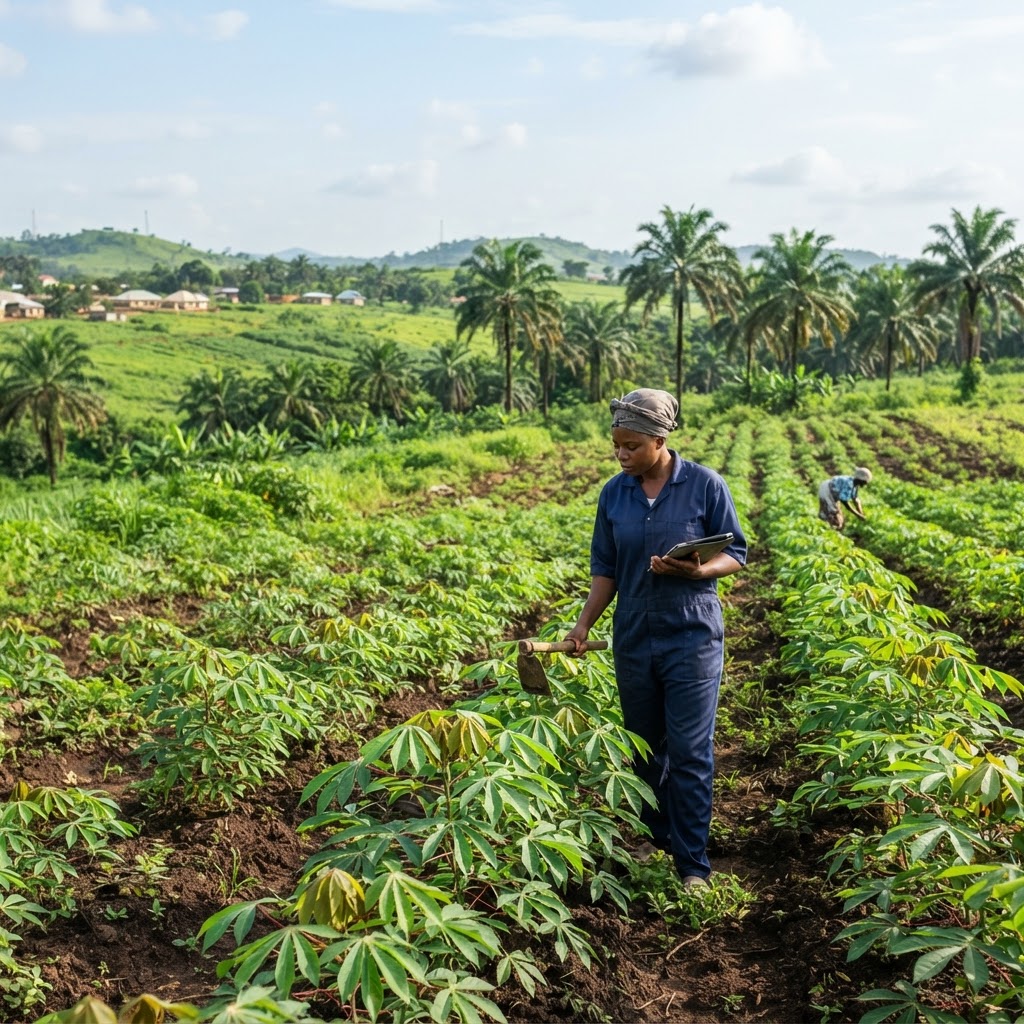
Imo’s ₦61bn Question: Tracking Agricultural Funding
Nigeria's farmers just received a fresh reason to hope—and to ask hard questions about agricultural funding. A new Germany-funded agricultural project has disbursed ₦61bn nationwide, and it reignites Imo's ₦61bn Question: How Much of Nigeria's Agricultural Financing Is Reaching Imo. For families in ...