Powered by Obi Mbieri Independent Media Ltd · eziokwubundu.com
$1 = ₦1,328€1 = ₦1,521£1 = ₦1,77361 Nigerian Officials Tied to $271M US Properties
Nigeria's corridors of power just faced a fresh spotlight. A newly released investigation, titled 61 Nigerian Officials Linked to $271m US Property Holdings — Report, has reignited public debate over wealth, accountability, and trust in leadership. For families budgeting daily expenses, the numbers ...

Nigeria's corridors of power just faced a fresh spotlight. A newly released investigation, titled 61 Nigerian Officials Linked to $271m US Property Holdings — Report, has reignited public debate over wealth, accountability, and trust in leadership. For families budgeting daily expenses, the numbers feel almost surreal, and for many observers, the report raises uncomfortable questions about how Nigerian officials manage the public trust placed in their hands.
What Is the $271m Report?
The report, first detailed by Premium Times, names 61 Nigerian public officials tied to $271 million worth of US real estate. These holdings span luxury homes, commercial buildings, and investment properties across several American states. The scale is staggering when placed against Nigeria's daily economic reality, and it forces a broader conversation about how Nigerian officials accumulate wealth relative to their declared incomes and official earnings.
Millions of Nigerians currently struggle with inflation, fuel price hikes, and stagnant wages. The 61 Nigerian Officials Linked to $271m US Property Holdings — Report highlights a widening gap between public service and personal enrichment. According to the UNODC's 2024 corruption analysis, illicit financial flows continue to undermine Nigeria's development trajectory despite reform efforts. The presence of so many Nigerian officials in a single property investigation suggests that this is not an isolated incident but part of a broader, entrenched pattern.
Transparency in public office is not just a moral ideal. It is a development necessity. Institutions like Chatham House argue that accountability mechanisms directly influence investor confidence and national growth. Without them, prosperity remains concentrated in a few hands rather than shared across communities. When Nigerian officials are repeatedly linked to offshore assets, the credibility of entire government institutions comes under scrutiny, both domestically and internationally.
This matters for every reader of Eziokwubundu. Health, wealth, and community strength depend on how national resources are managed. When public funds are diverted abroad, local development stalls, and that has ripple effects on families, entrepreneurs, and students alike. The actions of a relatively small number of Nigerian officials can shape the economic outlook of millions of citizens who never benefit from those foreign property portfolios.
How Does Corruption Affect Prosperity?
Corruption is not an abstract political issue. It has measurable economic consequences. Research published by IIARD shows that capital flight through foreign real estate investment removes billions from local circulation every year. Much of this outflow has been traced back to decisions made by Nigerian officials who control access to contracts, budgets, and public resources.
Money spent on overseas property does not build roads in Owerri. It does not fund hospitals in Enugu or schools in Kano. Instead, it enriches foreign real estate markets while Nigerian infrastructure remains underfunded. The $271 million figure alone could support multiple community development projects if reinvested locally, underscoring how far removed the priorities of some Nigerian officials appear to be from the everyday needs of the citizens they serve.
Small business owners feel this most sharply. When public funds meant for infrastructure disappear, entrepreneurs face higher operating costs. Poor roads increase transportation expenses. Unreliable power forces businesses to rely on costly generators. These are not isolated inconveniences; they are systemic burdens tied to weak governance and, in many cases, decisions made by Nigerian officials at both state and federal levels.
The middle class also bears a hidden tax. Illicit financial flows contribute to currency instability and inflation. This directly affects the cost of food, transport, and rent. Readers exploring how rising petrol prices impact Nigerian households and SMEs will recognize this pattern immediately, as fuel costs and currency pressures often trace back to the same governance failures that allow Nigerian officials to move public wealth offshore unchecked.
Consider these consequences of sustained capital flight:
- Reduced government revenue for health and education budgets.
- Slower job creation due to underfunded infrastructure projects.
- Weakened local currency and rising cost of imported goods.
- Diminished investor confidence in Nigerian markets.
- Erosion of public trust in institutions meant to serve citizens.
Each of these outcomes touches ordinary Nigerians long before it touches the officials involved. In fact, the gap between the lifestyles of some Nigerian officials and the living conditions of the average citizen has become one of the most visible symbols of Nigeria's governance challenges.
Why Is This a Community Issue?
Financial integrity is not only a personal virtue. It is a community responsibility. When leaders misuse public trust, the entire community absorbs the cost, from failed hospitals to poorly funded schools. Communities often discover too late that the officials entrusted with their welfare have prioritized personal enrichment over shared progress.
Community stakeholders play a crucial role in demanding accountability. Traditional institutions, town unions, and local organizations have historically held leaders responsible for communal welfare. This grassroots oversight remains relevant today, especially as reports like the 61 Nigerian Officials Linked to $271m US Property Holdings — Report surface repeatedly. Such reports remind citizens that vigilance cannot be limited to election seasons alone; it must be a continuous civic habit.
Eziokwubundu's Community First philosophy reflects this reality. Individual prosperity should strengthen collective welfare, not diminish it. Community vigilance, transparent leadership selection, and open dialogue can help reduce long-term damage from systemic corruption. Local governance disputes, such as the ongoing contempt proceedings against Ohohia General Assembly, demonstrate how accountability battles are already playing out at the community level, often mirroring the same struggles seen when Nigerian officials at higher levels are called to account.
Featured Products
Chukwu Abiama Tee
Bold black-and-gold Igbo-pride T-shirt featuring 'Chukwu Abiama' in premium streetwear typography.
₦15,000
Buy NowReverse Type 2 Diabetes & other associated Metabolic Issues using Dr. Jason Fung's Evidence-Based Approach— FMD program for Type 2 Diabetes
A practical fasting and fasting-mimicking programme built on Dr Jason Fung's insulin-resistance principles and ow-glycemic recipes.
₦19,950
Join NowỤmụ Igbo Tee
Classic black T-shirt with bold white 'Ụmụ Igbo' typography — a proud statement of Igbo heritage.
₦15,000
Buy NowNwanne Tee
Washed khaki vintage tee with a faded rust-orange 'Nwanne' stamp badge and palm leaf motif — a nod to kinship and heritage.
₦18,000
Buy NowObodo Tee
Faded denim-blue washed tee with a cream 'Obodo' stamp badge and sun motif, celebrating community roots.
₦18,000
Buy NowEkwe Heritage Tee
Deep indigo tee featuring a fine line-art illustration of a traditional Igbo ekwe drum, inspired by Igbo-Ukwu bronze artistry.
₦18,000
Buy NowIkenga Figure Tee
Forest green tee with a fine line-art illustration of a stylized Ikenga figure.
₦18,000
Buy NowLocal development challenges already illustrate this connection. Coverage of issues like Imo Insecurity: Seven Communities Face Renewed Kidnap Threat shows how weak governance and underfunded security structures leave communities vulnerable. Financial mismanagement at higher levels often trickles down into local instability, and questions about the conduct of Nigerian officials frequently resurface whenever security or infrastructure gaps are exposed.
Similarly, disputes such as the Obi-Mbieri Letter authentication controversy highlight how trust deficits at the community level often mirror the broader national conversation about the integrity of Nigerian officials and the institutions they represent. When authenticity and accountability are questioned repeatedly, public confidence erodes further, making reform efforts more difficult to sustain.
What Are the Economic Consequences?
Corruption creates structural barriers to sustainable growth. A study using the Autoregressive Distributed Lag (ARDL) approach, published on ResearchGate, found corruption significantly reduces tourism inflows in Nigeria. Fewer visitors mean fewer jobs in hospitality, transport, and local trade. When international observers see reports naming dozens of Nigerian officials in foreign asset investigations, investor and tourist confidence naturally suffers.
The $271 million tied to these 61 officials could fund meaningful public projects. For context, Nigeria's federal health budget allocations often struggle to reach even a fraction of that amount for specific states. Education funding gaps tell a similar story, with many public schools lacking basic learning materials. Meanwhile, health outcomes suffer too; conditions linked to stress and poor access to care, such as those discussed in 5 signs your blood pressure may be too high, often worsen in communities where public health infrastructure remains chronically underfunded because resources have been diverted elsewhere by a select group of Nigerian officials.
This is not simply about missing money. It is about misplaced priorities. Nigeria needs wealth creation models that circulate value locally rather than exporting it abroad. Entrepreneurs, students, and youth professionals depend on functional infrastructure to build sustainable careers and businesses. Even discussions around child welfare, such as those raised in Can Nigeria's New Plan Solve the Child Labour Crisis?, ultimately trace back to the same root issue: whether Nigerian officials prioritize public welfare over private gain.
Shifting from extractive wealth accumulation to productive investment is essential. This means channeling capital into agriculture, technology, manufacturing, and healthcare within Nigeria. Programs supporting local business growth, such as those discussed in 65 Imo Businesses Await OKOBI Initiative Registration, demonstrate how localized economic empowerment can create real impact when Nigerian officials at the state level choose to invest in citizens rather than personal portfolios.
When resources stay within Nigerian communities, multiplier effects follow. Local jobs increase. Household incomes rise. Small business ecosystems strengthen. This is the difference between extraction and genuine wealth creation, and it depends heavily on whether Nigerian officials treat public office as a service or a shortcut to personal wealth.
How Can We Build Better?
Change begins with practical action, not just outrage. Citizens can strengthen anti-corruption efforts through consistent civic engagement. According to IIARD's research on corruption in Nigeria, public monitoring and institutional pressure remain powerful tools for accountability. Sustained pressure on Nigerian officials, through both formal institutions and informal community networks, has historically produced measurable improvements in transparency.
Practical Prosperity means moving beyond commentary into structured action. Entrepreneurs can adopt transparent business practices that build trust with customers and investors. Ethical wealth-building strengthens both personal reputation and community confidence over time. This principle applies equally to private citizens and to Nigerian officials who manage public resources; both must be held to standards of transparency if trust is to be rebuilt.
Traditional values still matter here. Nigerian communities have long relied on communal accountability systems, from age-grade associations to town union oversight. Blending these structures with modern governance tools, such as public expenditure tracking and digital reporting platforms, can create stronger checks on leadership. These tools can help citizens track the activities of Nigerian officials more effectively, closing the information gap that often allows misconduct to go unnoticed for years.
Consider these actionable steps for everyday Nigerians:
- Support local organizations promoting transparency and civic education.
- Follow verified financial and governance reports before forming opinions.
- Encourage ethical practices within personal and professional networks.
- Engage constructively with community leaders on development priorities.
- Demand regular public disclosure of assets from Nigerian officials at every level of government.
These steps may seem small individually, but collectively they shape a culture of accountability. Even personal health choices tie into this broader picture; for instance, understanding whether insulin can help with weight loss becomes more relevant in a country where public healthcare funding is frequently compromised by resources diverted through the actions of a few Nigerian officials.
What Is the Path Forward?
Systemic reform requires sustained pressure from citizens, institutions, and the diaspora. Diaspora Nigerians, many of whom closely follow issues like the UK blocking Nigerian and Ghanaian teachers from QTS, understand how governance failures at home affect opportunities abroad. Their advocacy and remittance-driven investment can support ethical development, and many diaspora voices have become vocal critics of Nigerian officials whose foreign asset holdings contrast sharply with domestic underdevelopment.
Environmental and infrastructure challenges also reflect these governance gaps. Reports such as Imo Flood Crisis: Which Communities Are Most Vulnerable? show how underfunded disaster preparedness leaves communities exposed, a reality that becomes even more troubling when set against the hundreds of millions of dollars linked to Nigerian officials in overseas property investments. Every dollar spent abroad on luxury real estate represents a missed opportunity for flood defenses, drainage systems, or emergency response infrastructure at home.
Eziokwubundu remains committed to bridging health, wealth, and community for a stronger Nigeria. The 61 Nigerian Officials Linked to $271m US Property Holdings — Report should serve as motivation, not discouragement. Readers can choose integrity in their own financial and professional lives, reinforcing the values that build lasting national prosperity. Ultimately, the accountability of Nigerian officials cannot be separated from the everyday wellbeing of Nigerian citizens, and every informed reader, every engaged community, and every demand for transparency pushes the nation one step closer to a governance culture where public service truly serves the public.
Stay Informed
Get New Articles in Your Inbox
Subscribe to receive the latest community development, health, and wealth insights from Eziokwubundu.
Newsletter
Practical insights on health, wealth, and community — delivered weekly.
Community Discussion(0)
Leave a Comment
More to Read
You May Also Like
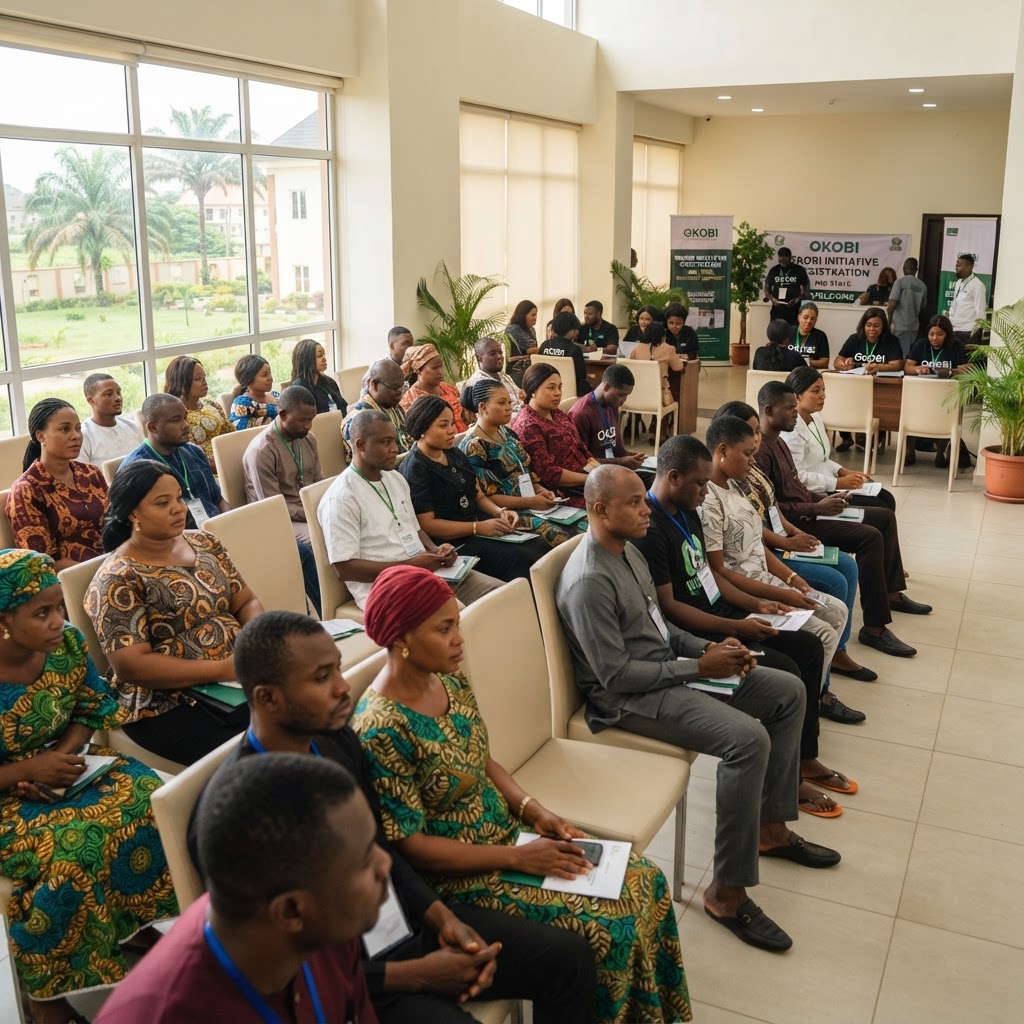
65 Imo Businesses Await OKOBI Initiative Registration
Imagine 65 kindred-owned businesses across Imo State, each waiting for one final document to unlock full legal status. That single step—Corporate Affairs Commission registration—now defines the next chapter in Imo's OKOBI Initiative: 65 Community Businesses Await CAC Registration. For families, entr...
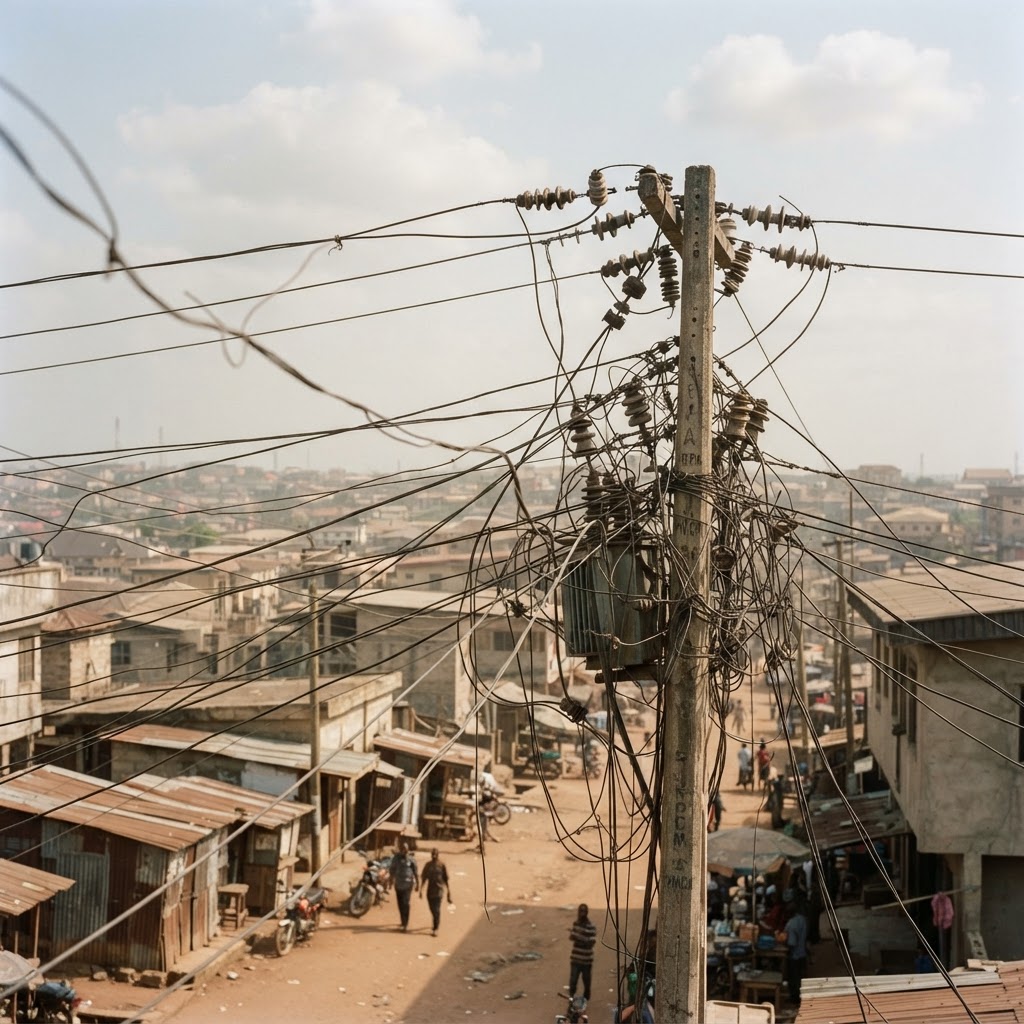
Why Nigeria Faces an Ongoing Power Supply Crisis
Nigerian households lose power multiple times a day, and the frustration never seems to fade. Behind every flickering bulb and silent refrigerator lies a deeper story about Nigeria's fragile power supply system — one that touches nearly every aspect of daily life across the country. Businesses stall...
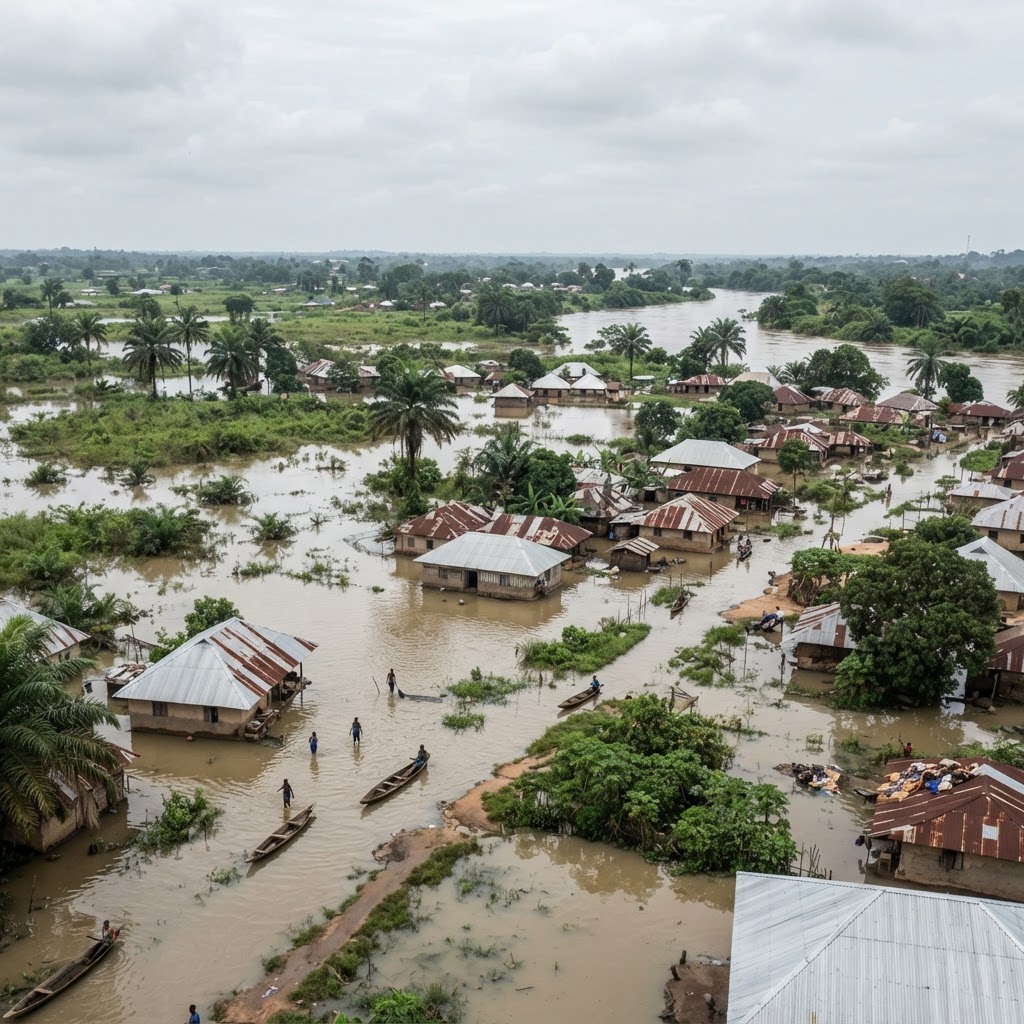
Imo Flood Crisis: Which Communities Are Most Vulnerable?
The rains have returned to Imo State, and so has fear. Families in low-lying communities are already counting losses, while roads turn into rivers overnight. The Imo Flood Crisis: Which Communities Are Most Vulnerable? question is no longer theoretical — it is a daily reality for thousands of Ndi Im...
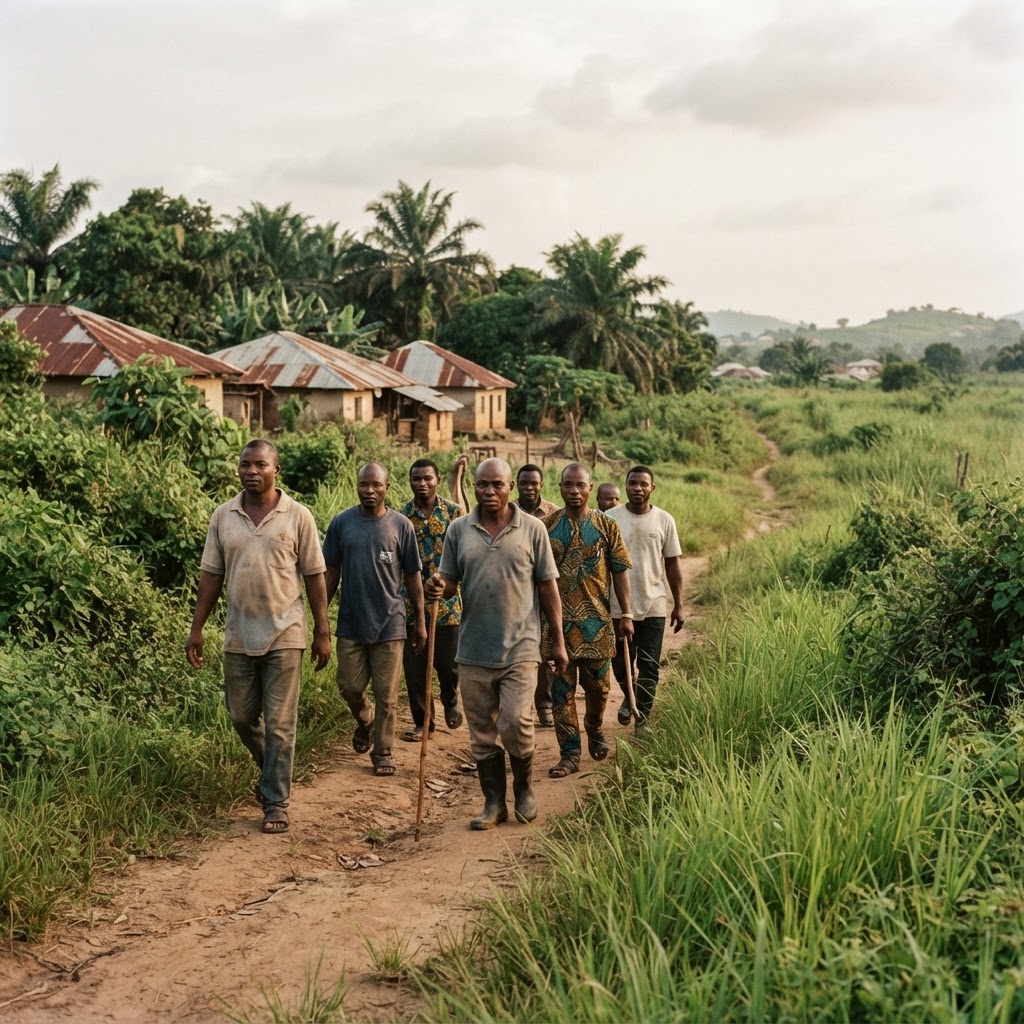
Imo Insecurity: Seven Communities Face Renewed Kidnap Threat
Fear has returned to parts of Imo State as criminal gangs target unsuspecting residents. Imo Insecurity: Seven Communities Face Renewed Kidnap Threat is more than a headline—it reflects a lived reality for thousands of families who now measure daily life against the possibility of sudden violence. U...

How to Register a Business in Imo
Starting a business in Imo State is one of the most impactful decisions you can make — not just for your personal financial future, but for the broader prosperity of your community. From the bustling markets of Owerri to the agricultural enterprises of Orlu and Okigwe, Imo entrepreneurs are driving ...

UK Blocks Nigerian and Ghanaian Teachers From QTS
UK immigration and education policy just delivered a major blow to thousands of Nigerian and Ghanaian classroom professionals. The UK Bars Nigeria-, Ghana-Trained Teachers From QTS Applications, and the ripple effects will touch families, schools, and career plans across West Africa. This shift dema...

5 Signs Your Blood Pressure May Be Too High
Imagine feeling completely fine while your arteries are quietly under siege. That is the reality for millions of Nigerians living with undiagnosed hypertension. Recognizing 5 Signs Your Blood Pressure May Be Too High could be the difference between early intervention and a medical emergency. Underst...

Can Insulin Help You Lose Weight? Risks and Medical Facts
Insulin often gets blamed for weight struggles among Nigerian families managing diabetes. But the science is more nuanced than blind blame suggests. This article, Can Insulin Help You Lose Weight? Risks and Medical Facts, examines what research actually shows. It looks at this essential hormone and ...

Can Nigeria's New Plan Solve the Child Labour Crisis?
Nigeria's child labour crisis is no longer a hidden issue—it is now a national emergency demanding urgent solutions. Millions of children are missing school to work in farms, markets, and mines instead. This raises a pressing question that many Nigerian families are asking today: Nigeria's Child Lab...
N2tn Unsold Goods: Is Imo Facing a Spending Slump?
Nigerian shelves are groaning under unsold stock, and the numbers are staggering. N2tn Goods Unsold: Is Imo's Consumer Market Also Feeling the Spending Slump? This is the question traders in Owerri and beyond are asking every single day. Families are tightening belts, and the ripple effects are visi...