Powered by Obi Mbieri Independent Media Ltd · eziokwubundu.com
$1 = ₦1,328€1 = ₦1,521£1 = ₦1,773Why Nigeria Faces an Ongoing Power Supply Crisis
Nigerian households lose power multiple times a day, and the frustration never seems to fade. Behind every flickering bulb and silent refrigerator lies a deeper story about Nigeria's fragile power supply system — one that touches nearly every aspect of daily life across the country. Businesses stall...
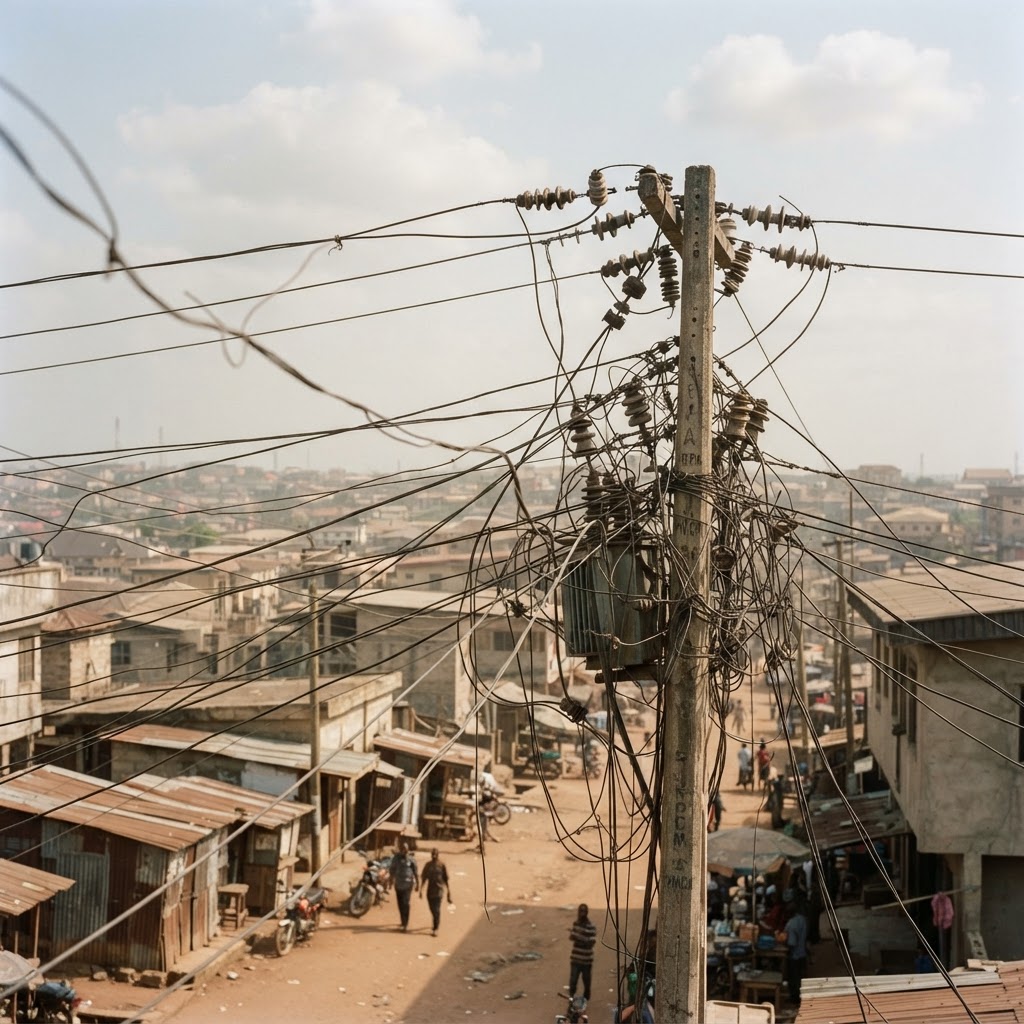
Nigerian households lose power multiple times a day, and the frustration never seems to fade. Behind every flickering bulb and silent refrigerator lies a deeper story about Nigeria's fragile power supply system — one that touches nearly every aspect of daily life across the country. Businesses stall, students struggle to study after dark, and families spend scarce income on fuel just to keep the lights on. Nigeria's Power Crisis: Why Electricity Supply Remains a Major Challenge is not simply a technical problem; it is a lived reality that shapes how millions of Nigerians work, learn, and survive each day. Understanding the roots of this unreliable power supply is the first step toward real change.
This article breaks down the technical, economic, and social dimensions of the crisis. We also explore practical paths forward, rooted in community action and accountable policy. As always, Eziokwubundu connects this national issue to our broader mission of health, wealth, and community progress, because a stable power supply underpins nearly every goal a family or business hopes to achieve.
Why Is Nigeria's Power Grid Failing?
Nigeria's electricity troubles begin with an aging and overstretched transmission network. Many transmission lines and substations have been in use for more than 40 years without significant upgrades. This outdated infrastructure cannot handle the load that a growing population and expanding economy now demand, which means the national power supply chain buckles under pressure long before it reaches the average household.
The country's installed generation capacity sits between 45,000 and 50,000 megawatts, according to industry estimates. Yet only about 5,000 megawatts typically reaches consumers through the national grid. This gap represents one of Nigeria's most damaging structural bottlenecks, and it explains why the actual power supply delivered to homes and businesses is a small fraction of what the country is theoretically capable of generating.
Frequent grid collapses compound the problem further. Each collapse disrupts factories, hospitals, schools, and homes simultaneously, cutting off power supply to entire regions in an instant. According to a detailed analysis by Punch Newspapers, these repeated failures erode public confidence and discourage long-term investment in productive sectors. Investors are naturally hesitant to commit capital to a country where the power supply cannot be guaranteed for even a full business day.
The result is a system where supply rarely matches demand. Households cannot rely on consistent power for basic needs. Businesses cannot plan production schedules around grid availability, since the power supply itself is unpredictable from one hour to the next. This unpredictability has become a defining feature of Nigerian economic life, and it sets the stage for the deeper financial losses discussed next.
Infrastructure vulnerability is not limited to age and mismanagement alone. In some regions, insecurity has compounded the problem, with vandalism and theft of transmission equipment worsening an already strained power supply network. Communities highlighted in Imo Insecurity: Seven Communities Face Renewed Kidnap Threat illustrate how instability in certain areas can indirectly disrupt maintenance crews and further delay repairs to critical power supply infrastructure. Similarly, natural disasters play a role: flooding events like those detailed in Imo Flood Crisis: Which Communities Are Most Vulnerable? can submerge substations and damage cables, cutting off power supply to entire communities for weeks at a time.
What Is The True Economic Cost?
The economic toll of unreliable electricity is staggering. Nigeria loses an estimated N40 trillion, or roughly $29 billion, every year because of power instability. This figure reflects lost productivity, damaged equipment, and stalled business operations nationwide, all tied directly to an inconsistent power supply that businesses cannot depend on.
Beyond this direct loss, unreliable power costs Nigeria approximately 2% of its gross domestic product annually. The World Bank has repeatedly flagged this as a major constraint on national growth. Countries with a stable power supply consistently outperform Nigeria in manufacturing output and export competitiveness, since reliable electricity allows factories to run continuous production cycles without costly interruptions.
Households and businesses have adapted by turning to private generators, but this adaptation comes at a steep price. Nigerians collectively spend billions of naira each year fueling and maintaining these backup systems simply to compensate for an unreliable power supply. Small business owners often report that generator fuel consumes a significant share of their monthly operating budget, money that could otherwise go toward growth, savings, or education.
Consider the layered nature of this burden:
- Manufacturing firms face higher production costs, making local goods less competitive on the global market.
- Small entrepreneurs lose income during unplanned outages that halt sales or services tied to a functioning power supply.
- Families divert money from savings and education toward fuel and generator repairs, all to fill the gap left by an unreliable power supply.
- Diaspora Nigerians often send extra remittances specifically to cover relatives' power expenses, effectively subsidizing a national power supply failure from abroad.
This economic drain slows the kind of wealth creation that platforms like Eziokwubundu actively promote. Entrepreneurs exploring opportunities such as those highlighted in 65 Imo Businesses Await OKOBI Initiative Registration face an uneven playing field when power costs eat into potential profits. Practical prosperity becomes harder to achieve when basic infrastructure, especially a reliable power supply, fails so consistently. Without dependable electricity, even the best business plans struggle to scale beyond survival mode.
How Does This Affect Daily Life?
Beyond economics, unreliable electricity creates a genuine public health concern. Rising temperatures across Nigeria, combined with frequent power failures, leave many low-income families without functioning fans or refrigeration. Heat-related illness risks increase sharply during these extended outages, particularly for children and elderly relatives who depend on a stable power supply for cooling and medical equipment.
Access remains deeply unequal across the country. Only about 45% of Nigeria's population is connected to the national grid, according to recent energy access reports. Many connected households still experience power for as little as four hours a day, forcing families to plan cooking, studying, and business activities around an unpredictable power supply schedule that rarely aligns with their actual needs.
Community development suffers as a direct consequence. Public services like clinics, schools, and water pumping stations depend on a stable power supply to function properly. Without it, local economic growth stalls, and community leaders struggle to deliver basic services their residents need. Hospitals in particular face life-threatening risks when the power supply cuts out during surgeries or while storing temperature-sensitive medication.
Featured Products
Chukwu Abiama Tee
Bold black-and-gold Igbo-pride T-shirt featuring 'Chukwu Abiama' in premium streetwear typography.
₦15,000
Buy NowReverse Type 2 Diabetes & other associated Metabolic Issues using Dr. Jason Fung's Evidence-Based Approach— FMD program for Type 2 Diabetes
A practical fasting and fasting-mimicking programme built on Dr Jason Fung's insulin-resistance principles and ow-glycemic recipes.
₦19,950
Join NowỤmụ Igbo Tee
Classic black T-shirt with bold white 'Ụmụ Igbo' typography — a proud statement of Igbo heritage.
₦15,000
Buy NowNwanne Tee
Washed khaki vintage tee with a faded rust-orange 'Nwanne' stamp badge and palm leaf motif — a nod to kinship and heritage.
₦18,000
Buy NowObodo Tee
Faded denim-blue washed tee with a cream 'Obodo' stamp badge and sun motif, celebrating community roots.
₦18,000
Buy NowEkwe Heritage Tee
Deep indigo tee featuring a fine line-art illustration of a traditional Igbo ekwe drum, inspired by Igbo-Ukwu bronze artistry.
₦18,000
Buy NowIkenga Figure Tee
Forest green tee with a fine line-art illustration of a stylized Ikenga figure.
₦18,000
Buy NowHealth-conscious readers should note how heat stress and poor refrigeration can worsen existing conditions. For families managing chronic illness, understanding early warning signs matters more than ever; resources like 5 Signs Your Blood Pressure May Be Too High offer practical guidance for staying vigilant during difficult conditions when a reliable power supply for cooling and refrigerated medication cannot be guaranteed. Similarly, patients managing diabetes who rely on refrigerated insulin face additional risk when the power supply fails unpredictably; the guidance in Can Insulin Help You Lose Weight? Risks and Medical Facts underscores how medical decisions can become complicated without dependable electricity at home.
The Ripple Effect on Communities
When power fails, ripple effects spread quickly through neighborhoods. Local markets close early, security lighting disappears, and community gatherings shrink after dark. These disruptions weaken the social fabric that community-first development depends on, and they highlight just how central a functioning power supply is to everyday social life, not just economic activity.
The loss of skilled workers to other countries also compounds these community-level struggles. Many young professionals, frustrated by unreliable infrastructure including an inconsistent power supply, look abroad for stability. Developments such as those covered in UK Blocks Nigerian and Ghanaian Teachers From QTS show that even migration pathways are shifting, leaving communities with fewer skilled hands to help rebuild critical infrastructure at home, including the power supply systems so many families depend on.
Why Have Past Reforms Stalled?
Nigeria has attempted major electricity reforms before, yet outcomes have consistently disappointed. The 2005 unbundling of the National Electric Power Authority aimed to separate generation, transmission, and distribution functions. The 2013 privatization exercise followed, transferring distribution and generation assets to private companies in hopes of finally stabilizing the national power supply.
Critics argue these reforms failed to address the sector's core shortfalls. Distribution companies still struggle with revenue collection, while transmission infrastructure remains publicly owned and underfunded. The promised improvements in reliability and access never fully materialized for most Nigerian households, and the power supply gap that reformers hoped to close remains stubbornly wide.
A political economy perspective offers useful insight here. The real constraint isn't simply engineering capacity or available capital. It's the absence of enforceable mechanisms to guarantee subsidy commitments and tariff agreements between government and private operators. Without accountability structures, promised investments in power supply infrastructure often stall indefinitely.
This governance gap echoes broader accountability concerns across Nigerian public life, similar to issues raised in 61 Nigerian Officials Tied to $271M US Properties. When institutional trust erodes, infrastructure projects suffer alongside other public commitments. Legal and administrative disputes elsewhere in the country reflect the same pattern of stalled accountability; cases such as the Contempt Proceedings Against Ohohia General Assembly and the disputed documentation described in Obi-Mbieri Letter: Two Versions Spark Authentication Doubt illustrate how institutional trust, once broken, tends to affect multiple sectors simultaneously — including the agencies responsible for maintaining a reliable power supply.
The consequences have been severe for industry. More than 60% of manufacturing firms have reportedly exited the national grid entirely, according to industry surveys. These companies now generate their own power independently, effectively abandoning reliance on public infrastructure. This trend represents a quiet but significant vote of no confidence in Nigeria's electricity system, pushing costs even higher for the businesses that remain connected and dependent on a national power supply that continues to underperform.
Can Renewable Energy Bridge The Gap?
Nigeria possesses abundant sunshine year-round, making solar energy an obvious opportunity to diversify the country's power supply mix. Yet progress has been frustratingly slow. At least 14 major grid-scale solar projects have stalled since 2016, according to sector analysts tracking renewable energy development.
Financing remains the central obstacle. Risk-averse investors hesitate to commit capital to large-scale renewable projects without stronger guarantees around returns and regulatory stability. The International Energy Agency notes that Nigeria's renewable potential far exceeds current investment levels, highlighting a persistent mismatch between opportunity and execution. If even a fraction of this potential were realized, the resulting power supply could ease pressure on an overburdened national grid significantly.
Decentralized energy solutions offer a more promising near-term path. Mini-grids and solar home systems can empower individual communities without waiting for national grid improvements. This approach reduces dependence on a centralized system that has repeatedly failed to deliver consistent power supply to ordinary households, and it allows communities to take direct control over their own electricity needs.
Community leaders and local organizations have a genuine role to play here. Supporting decentralized projects at the neighborhood level can create immediate improvements in power supply reliability, even before national reforms take effect. Traditional values of communal cooperation align naturally with modern decentralized energy models, blending old wisdom with new technology to solve one of the country's most persistent infrastructure challenges.
Can We Build A Better Future?
Real progress requires a community-first approach to energy solutions. Local organizations and stakeholders must push for transparent, decentralized power options rather than waiting indefinitely for national fixes to the country's broken power supply system. Practical prosperity means households adopting energy-efficient practices while simultaneously demanding policy accountability from elected leaders responsible for delivering a functional power supply.
This mirrors challenges seen in other sectors requiring urgent reform, such as those discussed in Can Nigeria's New Plan Solve the Child Labour Crisis?. Systemic problems demand both grassroots action and institutional accountability working together, whether the issue is child labour, insecurity, or an unreliable power supply that touches nearly every household in the country.
Eziokwubundu remains committed to connecting individual wellness, economic growth, and collective community progress. Solving Nigeria's power supply crisis will take sustained effort from families, entrepreneurs, and leaders alike, working together toward a more reliable and prosperous future for everyone. Only through consistent pressure, smart investment, and community-driven innovation can Nigeria finally close the gap between its abundant energy potential and the reliable power supply its people deserve.
Stay Informed
Get New Articles in Your Inbox
Subscribe to receive the latest community development, health, and wealth insights from Eziokwubundu.
Newsletter
Practical insights on health, wealth, and community — delivered weekly.
Community Discussion(0)
Leave a Comment
More to Read
You May Also Like
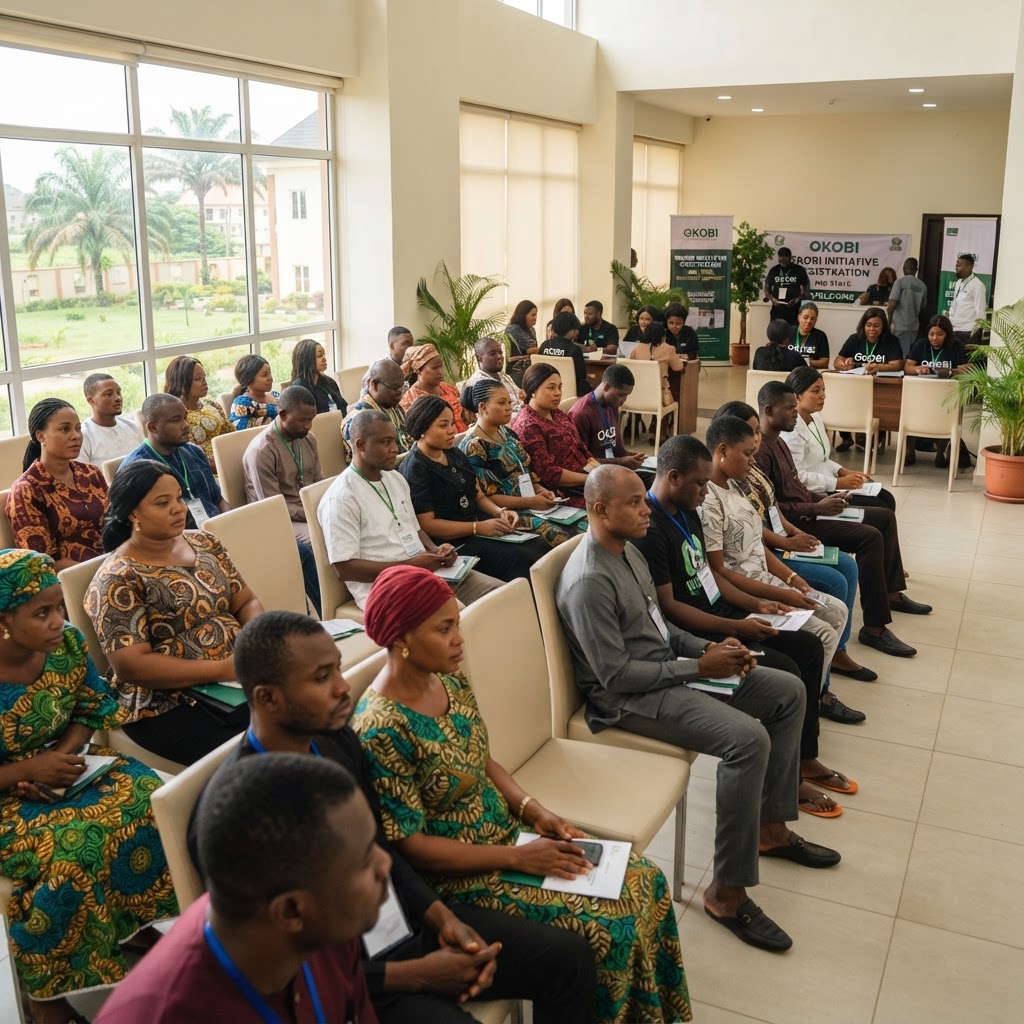
65 Imo Businesses Await OKOBI Initiative Registration
Imagine 65 kindred-owned businesses across Imo State, each waiting for one final document to unlock full legal status. That single step—Corporate Affairs Commission registration—now defines the next chapter in Imo's OKOBI Initiative: 65 Community Businesses Await CAC Registration. For families, entr...

61 Nigerian Officials Tied to $271M US Properties
Nigeria's corridors of power just faced a fresh spotlight. A newly released investigation, titled 61 Nigerian Officials Linked to $271m US Property Holdings — Report, has reignited public debate over wealth, accountability, and trust in leadership. For families budgeting daily expenses, the numbers ...
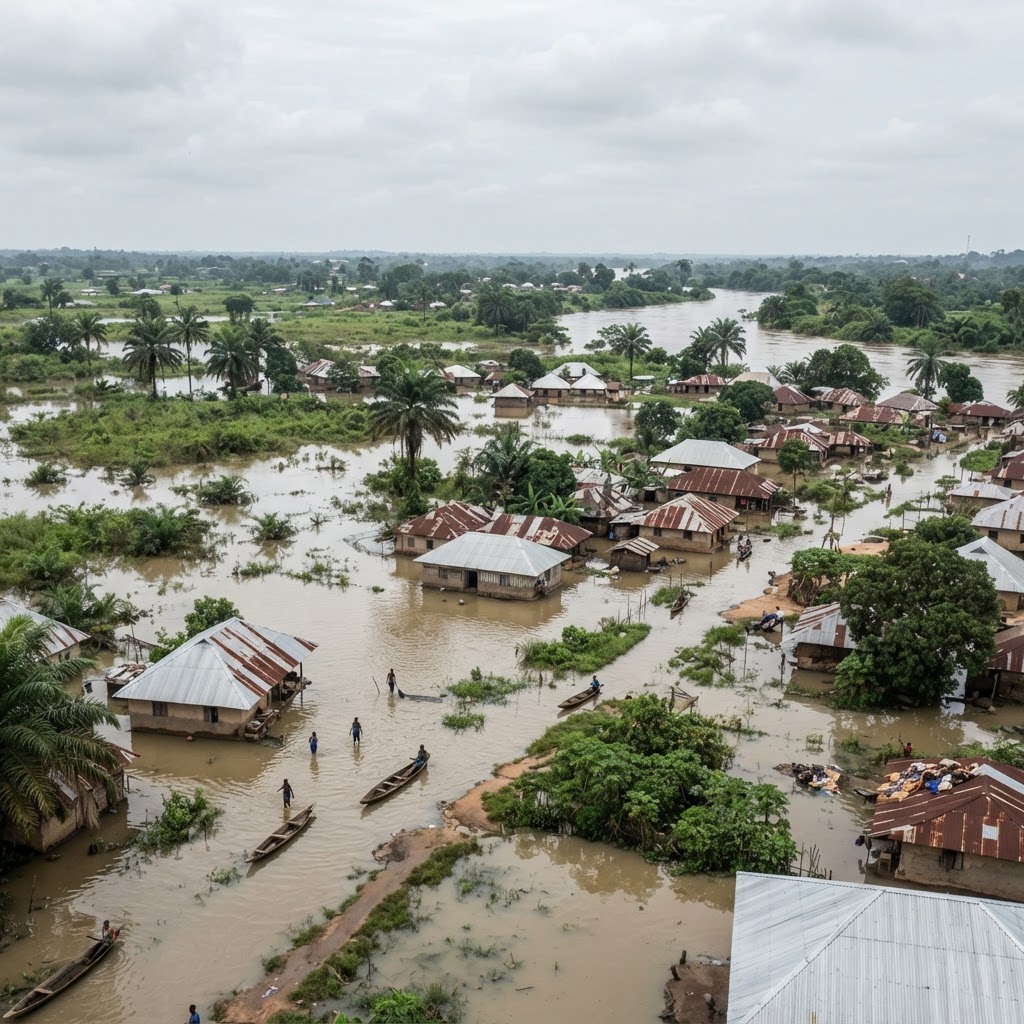
Imo Flood Crisis: Which Communities Are Most Vulnerable?
The rains have returned to Imo State, and so has fear. Families in low-lying communities are already counting losses, while roads turn into rivers overnight. The Imo Flood Crisis: Which Communities Are Most Vulnerable? question is no longer theoretical — it is a daily reality for thousands of Ndi Im...
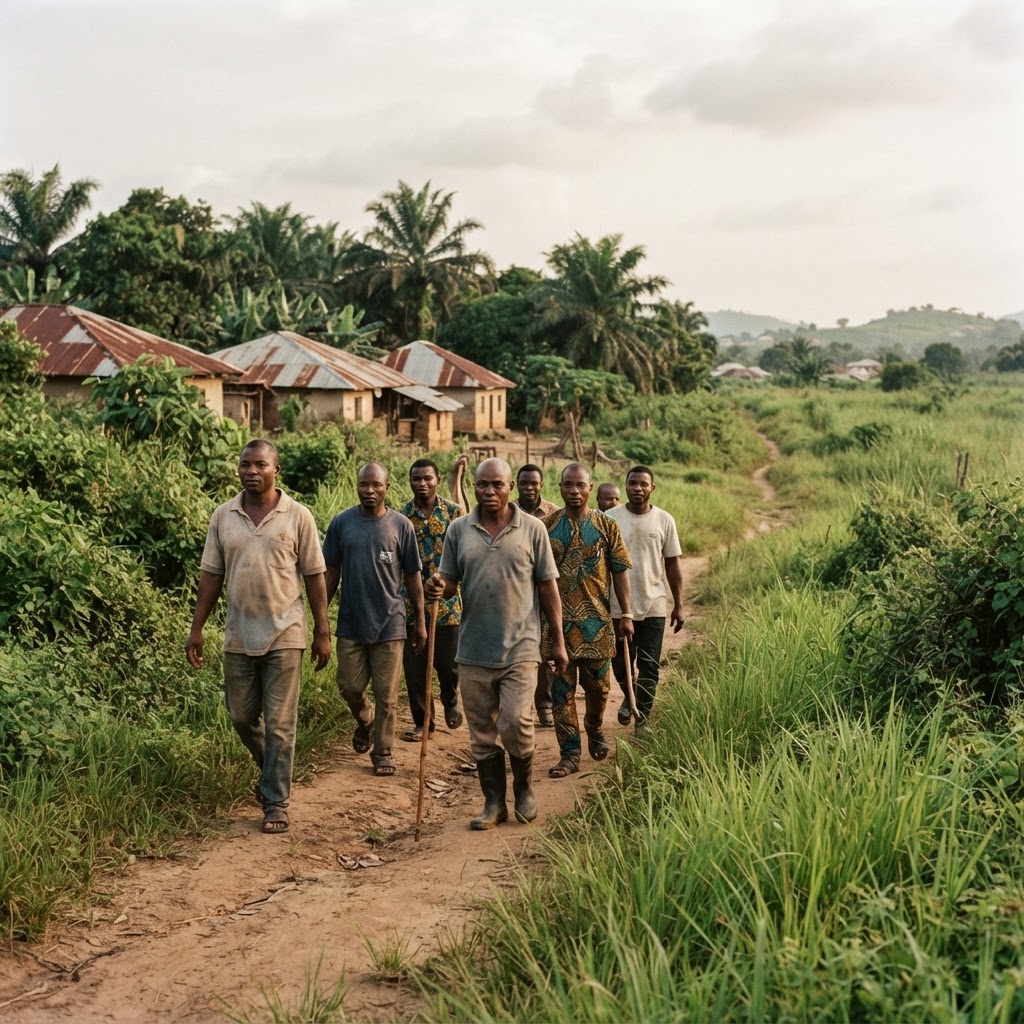
Imo Insecurity: Seven Communities Face Renewed Kidnap Threat
Fear has returned to parts of Imo State as criminal gangs target unsuspecting residents. Imo Insecurity: Seven Communities Face Renewed Kidnap Threat is more than a headline—it reflects a lived reality for thousands of families who now measure daily life against the possibility of sudden violence. U...

How to Register a Business in Imo
Starting a business in Imo State is one of the most impactful decisions you can make — not just for your personal financial future, but for the broader prosperity of your community. From the bustling markets of Owerri to the agricultural enterprises of Orlu and Okigwe, Imo entrepreneurs are driving ...

UK Blocks Nigerian and Ghanaian Teachers From QTS
UK immigration and education policy just delivered a major blow to thousands of Nigerian and Ghanaian classroom professionals. The UK Bars Nigeria-, Ghana-Trained Teachers From QTS Applications, and the ripple effects will touch families, schools, and career plans across West Africa. This shift dema...

5 Signs Your Blood Pressure May Be Too High
Imagine feeling completely fine while your arteries are quietly under siege. That is the reality for millions of Nigerians living with undiagnosed hypertension. Recognizing 5 Signs Your Blood Pressure May Be Too High could be the difference between early intervention and a medical emergency. Underst...

Can Insulin Help You Lose Weight? Risks and Medical Facts
Insulin often gets blamed for weight struggles among Nigerian families managing diabetes. But the science is more nuanced than blind blame suggests. This article, Can Insulin Help You Lose Weight? Risks and Medical Facts, examines what research actually shows. It looks at this essential hormone and ...

Can Nigeria's New Plan Solve the Child Labour Crisis?
Nigeria's child labour crisis is no longer a hidden issue—it is now a national emergency demanding urgent solutions. Millions of children are missing school to work in farms, markets, and mines instead. This raises a pressing question that many Nigerian families are asking today: Nigeria's Child Lab...
N2tn Unsold Goods: Is Imo Facing a Spending Slump?
Nigerian shelves are groaning under unsold stock, and the numbers are staggering. N2tn Goods Unsold: Is Imo's Consumer Market Also Feeling the Spending Slump? This is the question traders in Owerri and beyond are asking every single day. Families are tightening belts, and the ripple effects are visi...