Powered by Obi Mbieri Independent Media Ltd.
$1 = ₦1,353€1 = ₦1,486£1 = ₦1,775INEC Removes 1.6 Million Invalid Voters, Flags 54 Officials
Nigeria's electoral register just got a serious cleanup, and the numbers are staggering. In a bold move to safeguard democracy, INEC Removes 1.6 Million Invalid Voters, Flags 54 Officials in an exercise that has sparked nationwide conversation. This cleanup matters to every Nigerian family, business...
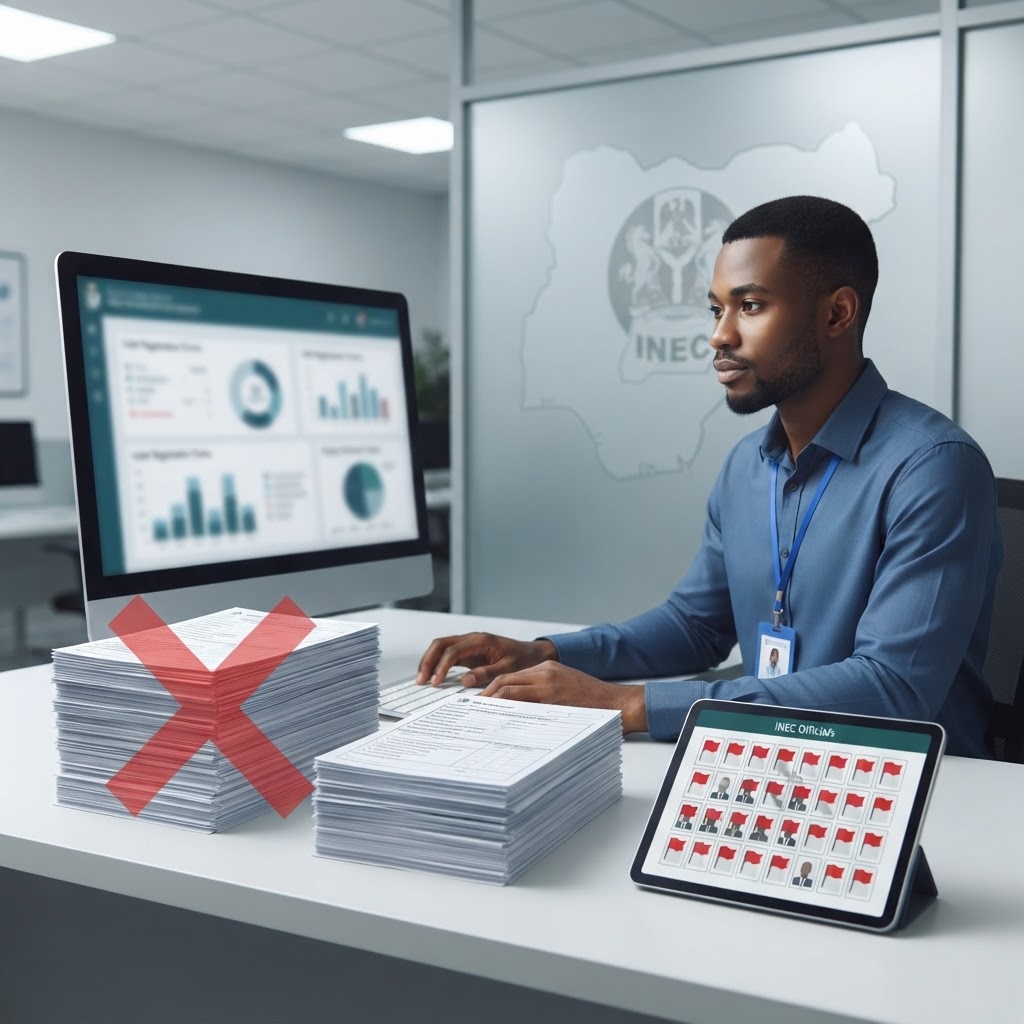
Nigeria's electoral register just got a serious cleanup, and the numbers are staggering. In a bold move to safeguard democracy, INEC Removes 1.6 Million Invalid Voters, Flags 54 Officials in an exercise that has sparked nationwide conversation. This cleanup matters to every Nigerian family, business owner, and community leader who cares about fair representation, and the scale of the 1.6 Million figure alone has forced many citizens to pay closer attention to how their names, biometrics, and polling details are captured in the system.
Why Was The Register Cleaned?
The Independent National Electoral Commission (INEC) launched a nationwide cleaning exercise of the 2025/2026 Continuous Voter Registration (CVR) process. The goal was simple: address growing public concerns about the integrity of the preliminary voter register. Many Nigerians had lost confidence in the accuracy of the data being collected ahead of the 2027 general elections, especially once reports began circulating that well over 1.6 Million entries could be problematic.
Citizens and civil society organizations raised serious alarms in recent months. They flagged suspicious entries that included AI-generated photographs, multiple registrations by the same individual, and unusually structured names that did not match typical Nigerian naming conventions. Even more troubling, some records belonged to deceased persons who had somehow remained active on the voter roll. By the time investigators finished tallying the anomalies, the number had climbed to roughly 1.6 Million flagged entries requiring action.
This cleaning exercise reflects a broader commitment to community-first transparency. According to Naija News, INEC's leadership recognized that public trust depends on ensuring the electoral process remains credible. A register filled with ghost names or duplicate entries undermines the very foundation of representative democracy, and when that register contains something close to 1.6 Million questionable records, the risk to electoral legitimacy becomes impossible to ignore.
For community stakeholders and local organizations, this matters deeply. An inflated or corrupted voter register can distort electoral outcomes at the ward, local government, and state levels. It can also mask real voter apathy or inflate turnout figures in ways that misrepresent genuine civic participation. Cleaning the register is a necessary step toward restoring faith in Nigeria's democratic institutions, and removing close to 1.6 Million invalid names is the clearest evidence yet that INEC takes this responsibility seriously.
How Many Records Were Removed?
The scale of this cleanup is significant. INEC removed a total of 1,609,553 records from the national voter register, a figure commonly rounded to 1.6 Million in public commentary. This figure comprises 1,608,660 confirmed invalid registrations and 873 verified records belonging to deceased persons. These numbers reveal just how deep the irregularities had penetrated the system, and why the 1.6 Million benchmark has become shorthand for the entire exercise in national conversation.
Technology played a central role in uncovering these discrepancies. The Automated Biometric Identification System (ABIS) initially flagged 1,545,052 records for further scrutiny, a number that eventually grew closer to the final 1.6 Million total after manual verification and public objections were factored in. This biometric matching tool compares fingerprints and facial data to detect duplicate or fraudulent entries across the entire database. Its use demonstrates how Nigeria's electoral process is gradually modernizing, moving away from purely manual verification toward data-driven accuracy capable of handling datasets in the range of 1.6 Million entries without overwhelming human reviewers.
The removal process itself followed a careful, multi-stage approach rather than a single sweeping action. Consider the breakdown:
- An initial 1,277,052 records were excluded after preliminary ABIS screening.
- A further 331,608 records were removed following public objections and additional adjudication.
- Separately, 873 records of deceased persons were confirmed and deleted.
- The remaining flagged entries underwent manual review by registration officers before being folded into the final 1.6 Million tally.
This phased methodology allowed INEC to balance speed with accuracy. Rushing the process could have led to wrongful deletions of legitimate voters, which would be especially damaging given that the total affected pool approached 1.6 Million people. Instead, the commission built in checkpoints for public objections, giving citizens a chance to contest removals before the final register is published. This approach mirrors global best practices in electoral management, where layered verification reduces errors while maintaining public confidence, even when the dataset under review runs into the millions, as was the case with this 1.6 Million record cleanup.
What Happened To The 54 Officials?
Perhaps the most striking revelation from this exercise involves the officials themselves. INEC identified 54 registration officials spread across 10 states who allegedly manipulated procedures during the registration period. These individuals reportedly abused provisions meant for exceptional registration cases, such as allowances for elderly or disabled applicants, to push through fraudulent entries that contributed to the eventual 1.6 Million figure flagged for removal.
This is not a minor administrative lapse. These officials occupied positions of trust, tasked with safeguarding the integrity of one of Nigeria's most important civic processes. Their alleged actions potentially compromised the voter data of entire communities, making the register less reliable for everyone and inflating the scale of the cleanup to nearly 1.6 Million affected records.
INEC has indicated that these 54 officials now face potential disciplinary action, including prosecution under relevant Nigerian laws. The commission has made clear that it will not tolerate internal corruption that threatens electoral credibility, particularly when such corruption can balloon into a nationwide problem touching close to 1.6 Million records. For more context on how INEC communicates these sensitive matters, see INEC tasks journalists on objective, verifiable reportage, which highlights the commission's broader push for accurate public information.
Featured Products
Reverse Type 2 Diabetes & other associated Metabolic Issues using Dr. Jason Fung's Evidence-Based Approach— FMD program for Type 2 Diabetes
A practical fasting and fasting-mimicking programme built on Dr Jason Fung's insulin-resistance principles and ow-glycemic recipes.
₦19,950
Join NowChukwu Abiama Tee
Bold black-and-gold Igbo-pride T-shirt featuring 'Chukwu Abiama' in premium streetwear typography.
₦15,000
Buy NowỤmụ Igbo Tee
Classic black T-shirt with bold white 'Ụmụ Igbo' typography — a proud statement of Igbo heritage.
₦15,000
Buy NowNwanne Tee
Washed khaki vintage tee with a faded rust-orange 'Nwanne' stamp badge and palm leaf motif — a nod to kinship and heritage.
₦18,000
Buy NowObodo Tee
Faded denim-blue washed tee with a cream 'Obodo' stamp badge and sun motif, celebrating community roots.
₦18,000
Buy NowEkwe Heritage Tee
Deep indigo tee featuring a fine line-art illustration of a traditional Igbo ekwe drum, inspired by Igbo-Ukwu bronze artistry.
₦18,000
Buy NowIkenga Figure Tee
Forest green tee with a fine line-art illustration of a stylized Ikenga figure.
₦18,000
Buy NowThis development underscores a vital lesson for community leaders and youth professionals alike: ethical conduct in public service is non-negotiable. Institutions are only as trustworthy as the people who run them. By naming and addressing internal bad actors, INEC sends a strong signal that accountability applies to everyone, regardless of rank or location, and that no single official's misconduct should be allowed to snowball into a crisis affecting 1.6 Million voter records nationwide. Interestingly, accountability concerns of this nature echo other governance stories, such as FG Files New Charges Against Adeyemi Adeniyi in PFIPC Case, which also demonstrates how Nigerian institutions are increasingly willing to pursue individuals who betray public trust.
How Does This Affect You?
So, what does all this mean for ordinary Nigerians, including those in the diaspora who follow election developments closely? First, know the timeline. The final, cleaned-up voter register is scheduled for publication on December 15, 2026. This gives INEC roughly a month to finalize adjudication before the document becomes the official basis for the 2027 general elections, now that the commission has already processed close to 1.6 Million contested entries.
If you registered to vote recently, this is the moment to act. INEC has urged all voters to verify their registration details and confirm their assigned polling locations. Given that over 1.6 Million records were deleted, there is a real possibility that some legitimate voters were caught in the sweep by mistake. Checking your status early avoids last-minute surprises on election day, especially when you consider how large and complex a 1.6 Million record cleanup truly is.
Here is a simple checklist every reader should follow before the December deadline:
- Visit your local INEC office or the commission's official portal to confirm your registration status.
- Cross-check your polling unit assignment to avoid confusion on voting day.
- Report any discrepancies immediately through the official objection window.
- Encourage family members and neighbors to do the same, especially elderly relatives who may not follow digital updates closely, since they are statistically among the groups most likely to be swept up in a correction of this size, now standing at roughly 1.6 Million records nationwide.
For readers who want deeper background on this specific announcement, the original article, INEC Removes 1.6 Million Invalid Voters, Flags 54 Officials, offers additional detail on the commission's findings.
Beyond individual verification, this moment calls for collective civic engagement. Community leaders and local organizations can organize simple sensitization drives, helping residents understand why the register was cleaned and how to confirm their own status. This is practical prosperity in action: small, informed steps that protect the integrity of a system that affects everyone's future, particularly when the system in question has just processed and removed close to 1.6 Million flawed entries. Just as Nigerians monitor developments like FG seeks fresh $500m World Bank loan because of its economic implications, electoral integrity deserves the same level of attention because it shapes the policies that govern our economic lives. Infrastructure decisions discussed in pieces like Rig and Die Is Back on Nigerian Timelines ultimately depend on credible leadership chosen through a clean, trustworthy register — one that has now had roughly 1.6 Million questionable records stripped away.
What Is The Path Forward?
While this cleaning exercise represents meaningful progress, INEC leadership has been candid that it is only one step in a longer journey. Nigeria's electoral system has faced historical irregularities for decades, and resolving them fully will require sustained effort rather than a single corrective action. The commission has acknowledged that continuous monitoring, not one-time fixes, is the realistic path forward, even after addressing a record-breaking 1.6 Million invalid entries in this round alone.
Public support remains essential to this process. INEC continues to emphasize the importance of unbiased information sharing and stronger voter education programs. Misinformation around elections can be just as damaging as fraudulent registrations, which is why organizations like BudgIT and SBM Intelligence have historically played roles in tracking governance data and promoting transparency across Nigeria's public institutions. Their work complements INEC's own efforts to explain, clearly and publicly, how a correction involving 1.6 Million records was carried out.
Looking ahead, the integration of technology will likely deepen. Tools like ABIS have already proven valuable in flagging irregularities at scale, something manual review alone could never achieve efficiently across a dataset of 1.6 Million contested records. Expect INEC to invest further in biometric verification, data analytics, and perhaps blockchain-based record-keeping to future-proof the register against manipulation. For context on how other sectors in Nigeria are approaching similar technology-driven transformation, see How KoboTutor Uses AI to Expand Quality Education in Nigeria, which illustrates how digital tools are reshaping trust and access across different Nigerian institutions. In the same way INEC leaned on automated systems to sort through 1.6 Million flagged records, sectors like healthcare are also turning to technology and public awareness campaigns — a theme explored in Stroke: Warning Signs and How to Reduce Your Risk, which shows how proactive verification and early detection save lives, much as proactive voter verification protects democratic outcomes.
Ultimately, building a resilient electoral ecosystem benefits the entire country. Entrepreneurs need policy stability to plan investments. Health-conscious communities need responsive local governance to fund clinics and infrastructure, and regulatory vigilance, such as that highlighted in NAFDAC Warns Imo Dealers Over Fake and Expired Drugs, depends on the same culture of accountability now being demonstrated through the removal of 1.6 Million invalid voter records. Students and youth professionals need confidence that their votes genuinely shape their future. Every pillar of national development, from the economy highlighted in discussions like Nigeria to Drive Half of West Africa Power Demand by 2035 to grassroots governance covered in stories like Imo LG Election Tension Mounts Over Party Primaries, depends on credible elections as its foundation — a foundation now strengthened by the removal of 1.6 Million questionable entries from the national voter roll.
For readers who want to track the official source material behind this story, the original report from Naija News remains the most direct reference. Additional context on INEC's broader mandate can be found through the Independent National Electoral Commission's official website, while international observers interested in comparative electoral integrity standards may consult resources from the International IDEA organization.
This cleanup exercise, with its 1.6 Million removed records and 54 flagged officials, is more than a bureaucratic update. It is a signal that Nigeria's institutions are capable of self-correction when citizens demand accountability. As the December 15 publication date approaches, every verified voter and every honest official strengthens the collective path toward a more prosperous, representative, and trustworthy democratic future for all Nigerians at home and abroad — a future now built on a register cleansed of roughly 1.6 Million invalid names.
Stay Informed
Get New Articles in Your Inbox
Subscribe to receive the latest community development, health, and wealth insights from Eziokwubundu.
Newsletter
Practical insights on health, wealth, and community — delivered weekly.
Community Discussion(0)
Leave a Comment
More to Read
You May Also Like

Obi-Mbieri Mourns Engr. Vitalis Opara: Questions Emerge Over Community’s Silence
Engr. Vitalis Opara is identified as President General on the signature page of the Obi-Mbieri Autonomous Community Constitution 2020 as amended.
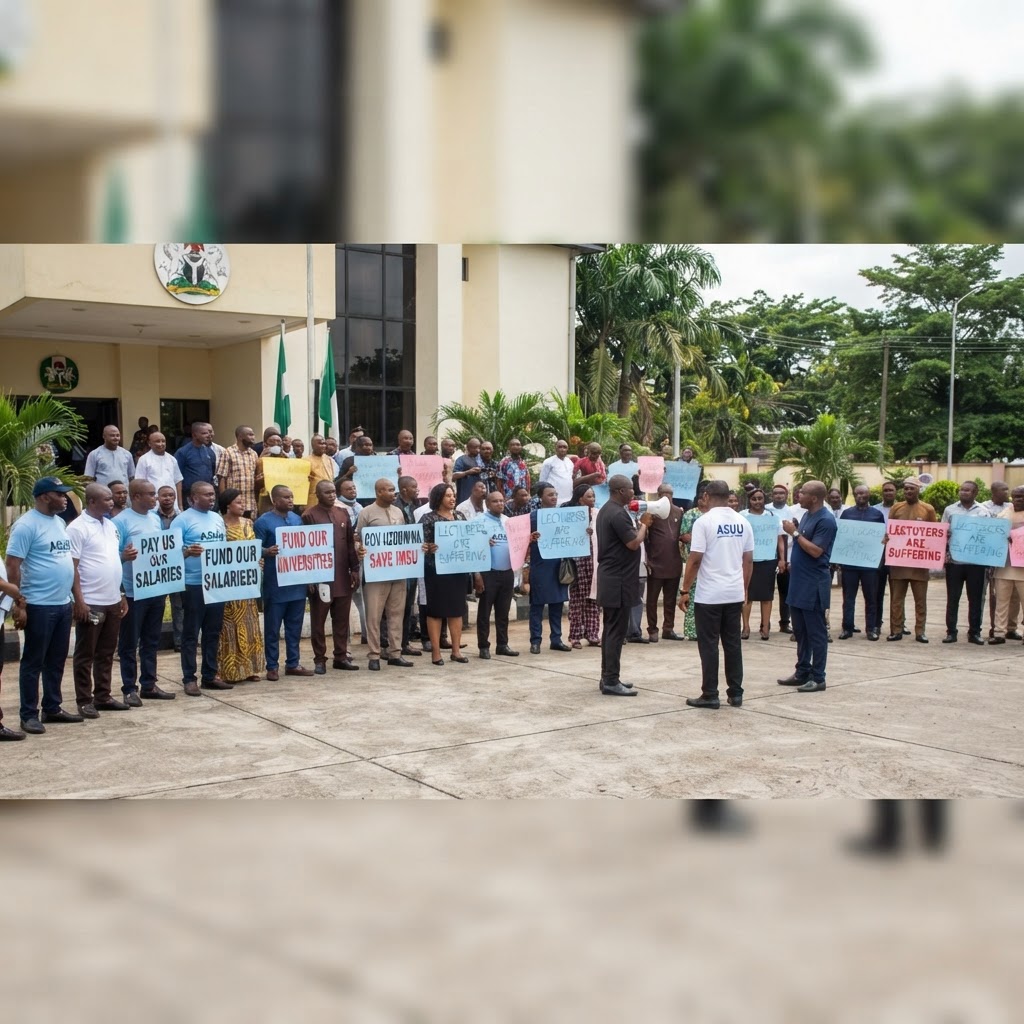
IMSU Lecturers Protest in Owerri, Appeal to Uzodimma to End
The streets of Owerri turned into a sea of white lab coats and placards this week. Hundreds of university lecturers walked out of their offices, choosing protest over silence. The IMSU Lecturers Protest in Owerri, Appeal to Uzodimma to End Months-Long Strike has become a defining moment for Imo Stat...

JAMB Candidates Can Now Change Course and Institution Online
Admission season often brings long queues and costly transport for Nigerian families. That burden has just eased. JAMB candidates can now change their institutions and courses from home, as the board announces a new digital correction service, giving students and parents fresh control over their aca...

House Summons NAFDAC and DSS Over Fake Drug Deaths
Four people are dead, eleven more are fighting for their lives, and a federal lawmaker wants answers now. Fake Drug deaths linked to a suspicious herbal concoction have pushed the House of Representatives to move decisively, summoning NAFDAC and the DSS in a case that is no longer a distant headline...

Prevent Kidney Disease With Regular Health Checks
Kidney health rarely makes headlines until a crisis hits a family. Yet understanding Kidney Disease: Why Regular Health Checks Can Help Prevent Serious Complications can save lives, protect household income, and strengthen community wellbeing across Nigeria. Kidney Disease often develops quietly ove...

Budget-Friendly Healthy Meal Prepping for Nigerians
Modern Nigerian families face the dual pressure of rising food prices and the need for better health outcomes. Learning how Nigerian families can(/article/nigerian-family-guide-to-reversing-type-2-diabetes) use meal prepping with local ingredients to eat healthy on a tight budget is a vital skill fo...

Beyond Degrees: Bridging Nigeria's Digital Skills Gap
Nigeria's graduates are flooding the job market faster than employers can absorb them. Yet many arrive with certificates but no practical digital competence. This is the heart of Digital Skills and Youth Employment: Why Nigerian Graduates Need More Than University Certificates.—a gap that is reshapi...
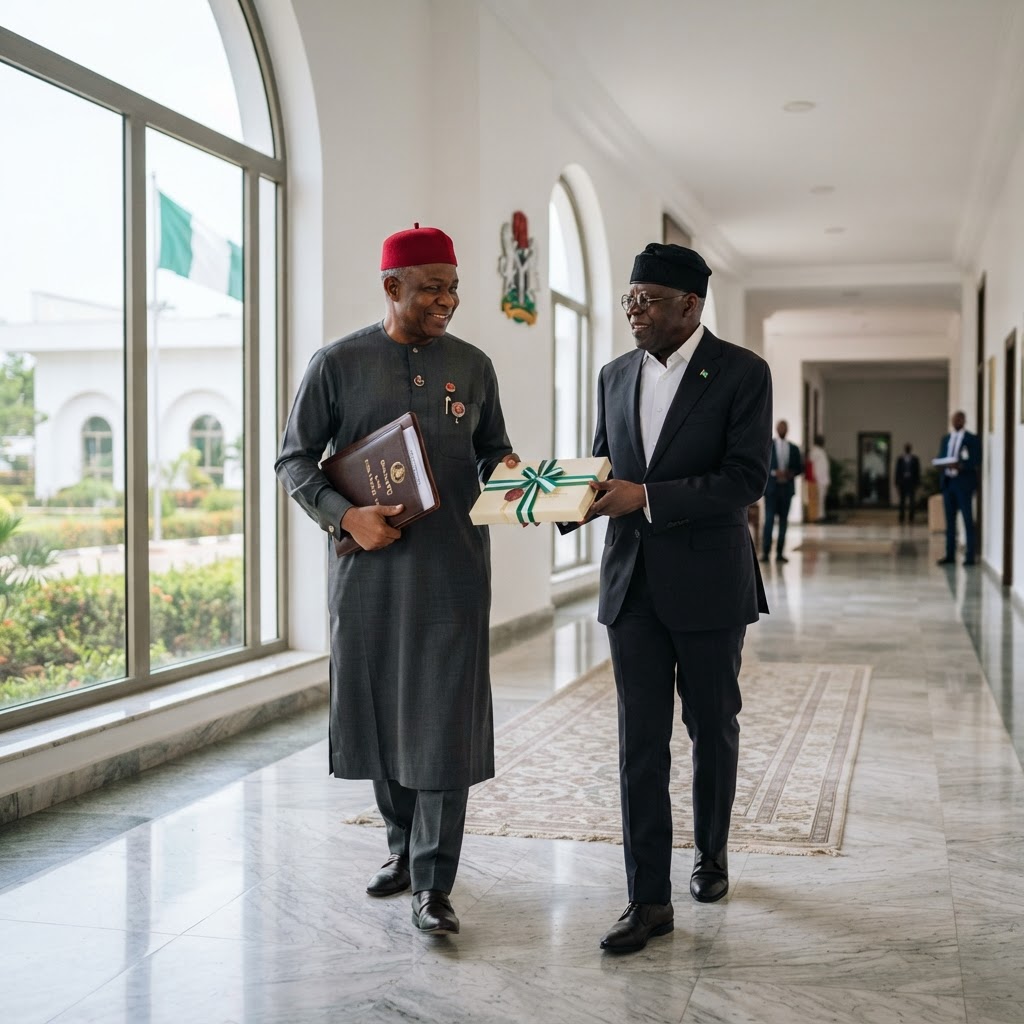
Senate Sends State Police Bill to Tinubu for Approval
Nigeria's security architecture is entering a new chapter. The headline development, State Police Bill: Senate Transmits Constitutional Amendment to Tinubu for Presidential Assent, signals a historic shift toward decentralized policing. For Nigerian families, entrepreneurs, and community leaders, th...
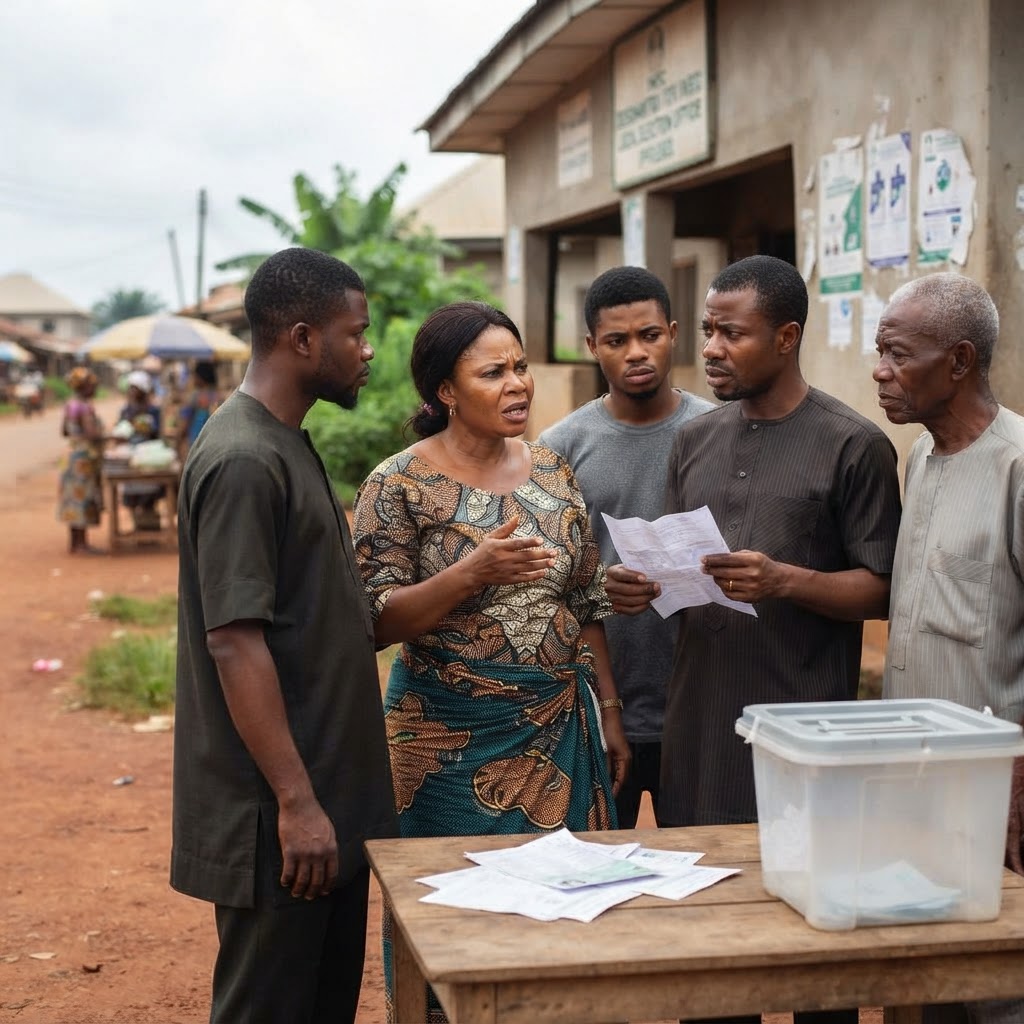
Imo LG Election Disputes Put ISIEC Under Scrutiny
Nigeria's local government elections rarely make national headlines, but Imo State has become an exception. Residents, political parties, and traditional institutions are all watching closely as legal battles and shifting timelines dominate the conversation. The Imo LG Election: Legal Disputes and P...
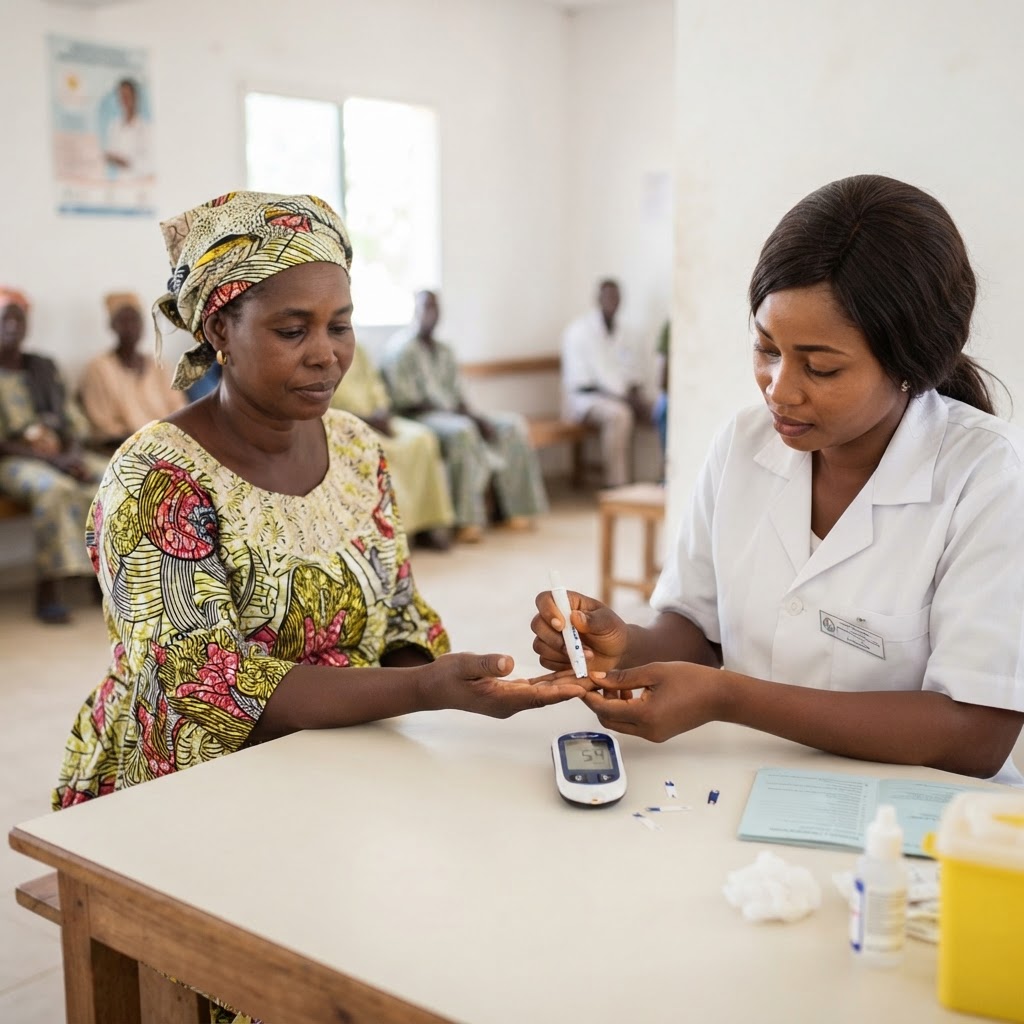
Diabetes in Africa: Why Routine Screening Is Vital
Imagine a disease that silently damages organs for years before anyone notices. That is the reality for millions living in Africa today. According to the latest report, Diabetes: Three Out of Four Africans Living With the Condition May Be Unaware – Why Screening Matters, and this gap in knowledge is...