Powered by Obi Mbieri Independent Media Ltd.
$1 = ₦1,353€1 = ₦1,486£1 = ₦1,775FG Files New Charges Against Adeyemi Adeniyi in PFIPC Case
Nigerians are once again confronting the dangers of elaborate government impersonation schemes. The PFIPC Scandal: FG Files Fresh Amended Charges Against Adeyemi Adeniyi, Four Others case has captured national attention after prosecutors expanded the Charges Against the alleged mastermind and his as...

Nigerians are once again confronting the dangers of elaborate government impersonation schemes. The PFIPC Scandal: FG Files Fresh Amended Charges Against Adeyemi Adeniyi, Four Others case has captured national attention after prosecutors expanded the Charges Against the alleged mastermind and his associates. This unfolding legal battle offers critical lessons for families, entrepreneurs, and community leaders about verifying government legitimacy before engaging in any investment or partnership. It also shows how quickly a single fraudulent scheme can snowball into a sprawling multi-defendant prosecution once investigators begin following the money.
The decision by the Federal Government to file fresh Charges Against Adeyemi Adeniyi and his co-accused did not happen overnight. It followed months of forensic accounting, document verification, and witness interviews. Understanding how these Charges Against the defendants evolved helps the public appreciate just how deep alleged institutional fraud can run when left unchecked.
What Is The PFIPC Scandal?
The case centers on Adeniyi Adeyemi, who allegedly created a fictitious government agency called the Presidential Foreign Investment Promotion Council (PFIPC). Investigators say this agency never existed within Nigeria's official government structure. Yet Adeyemi reportedly ran it as though it carried full presidential authority, complete with letterheads, seals, and official-sounding correspondence designed to convince both private citizens and public officials of its legitimacy.
Prosecutors claim Adeyemi forged signatures belonging to the Chief of Staff to the President, Femi Gbajabiamila, to make his position appear legitimate. This forgery allegedly gave the scheme enough credibility to deceive unsuspecting Nigerians and businesses. Forged signatures from such a senior office carry serious weight, especially when citizens assume government paperwork is automatically trustworthy. It is precisely this assumption that the Charges Against Adeniyi allege he exploited for personal and organizational gain.
According to Channels Television, the scheme also involved occupying office space within the Federal Secretariat Complex, Phase III, Abuja. Operating from within an actual government building added a layer of authenticity that many victims found convincing. This tactic shows how fraudsters exploit physical proximity to real institutions to build false trust, and it is one of the aggravating factors prosecutors cite when outlining the Charges Against the accused.
This pattern mirrors concerns raised in other integrity cases across Nigeria, including the DSS Arraigns Five for Kidnapping 20 Corps Members in Imo case, where institutional vulnerabilities were exploited for criminal gain. Both cases remind Nigerians that official-looking credentials do not always guarantee legitimacy, and that Charges Against alleged fraudsters often reveal gaps in institutional oversight that ordinary citizens cannot easily detect on their own.
Why Are There New Charges?
The Independent Corrupt Practices and Other Related Offences Commission (ICPC) has significantly expanded this case. Charges have grown from an initial 22 counts to 36 counts. This nearly 64% increase signals a much deeper investigation than originally anticipated, and it demonstrates how the Charges Against the defendants have evolved as investigators uncovered additional evidence.
Four additional defendants have now been joined to the trial. These include Aminu Abdullahi, Ogaba Harry, Florence Omameh, and Patricia Akhigbe. Their inclusion suggests the alleged scheme involved more coordinated participation than first understood. The amended Charges Against these four individuals allege that each played a distinct role in sustaining the fraudulent agency's day-to-day operations.
The expanded charges reflect deeper probing into official corruption, abuse of office, and impersonation. Multiple civil servants reportedly played roles in sustaining the fraudulent agency's operations. According to the Independent Corrupt Practices and Other Related Offences Commission, such expansions often occur when forensic accounting reveals additional financial trails during ongoing investigations. Investigators noted that the newly filed Charges Against all five defendants were necessary once bank records and internal memos surfaced evidence of a wider conspiracy.
This development illustrates how anti-corruption agencies continue strengthening Nigeria's fight against institutional fraud. For community stakeholders, it reinforces why due diligence must extend beyond initial paperwork review. Similar accountability pushes have been documented in reports like Imo LG Election Tension Mounts Over Party Primaries, where institutional scrutiny became essential to protecting public trust. In both situations, formal Charges Against implicated parties served as a public signal that oversight bodies were taking allegations seriously.
What Are The Specific Allegations?
The prosecution's allegations paint a picture of calculated, large-scale deception. At the center is an attempt to secure a proposed N1.302 billion budget allocation through fraudulent documentation. This figure alone demonstrates the scale of resources the alleged scheme targeted, and it forms one of the most serious elements within the Charges Against Adeyemi Adeniyi.
Adeyemi is also accused of collecting N20 million from Divine Dopacy Nigeria Limited. Investigators say this money was obtained under the false pretense of a "project facilitation loan." Many Nigerian entrepreneurs fall victim to similar facilitation schemes, believing upfront payments guarantee government contracts or project approvals. This specific transaction is detailed extensively among the Charges Against the defendant, highlighting how private businesses can become unwitting victims of elaborate impersonation.
Evidence presented reportedly includes 34 bank accounts linked to the operation. Nine of these accounts were allegedly opened specifically in the names of purported government agencies. This detail highlights the sophistication involved in creating an illusion of institutional legitimacy, and it is one reason prosecutors insist the Charges Against all five defendants must be tried jointly rather than separately.
To understand the scale of this alleged fraud, consider these key figures from the case:
- N1.302 billion — the proposed fraudulent budget allocation targeted.
- N20 million — amount allegedly collected from a private company.
- 34 bank accounts — total accounts linked to the operation.
- 36 counts — current total charges filed against all defendants.
- 5 defendants — individuals now facing formal Charges Against them in this expanded case.
These numbers reveal why financial institutions and regulators emphasize verification before transferring funds to any entity claiming government affiliation. The Central Bank of Nigeria regularly reminds businesses to confirm the legitimacy of financial partners before commitment. This case reinforces that advice with real consequences attached, as the Charges Against Adeniyi and his co-accused illustrate just how costly misplaced trust can become for ordinary Nigerians and corporate entities alike.
Featured Products
Reverse Type 2 Diabetes & other associated Metabolic Issues using Dr. Jason Fung's Evidence-Based Approach— FMD program for Type 2 Diabetes
A practical fasting and fasting-mimicking programme built on Dr Jason Fung's insulin-resistance principles and ow-glycemic recipes.
₦19,950
Join NowChukwu Abiama Tee
Bold black-and-gold Igbo-pride T-shirt featuring 'Chukwu Abiama' in premium streetwear typography.
₦15,000
Buy NowỤmụ Igbo Tee
Classic black T-shirt with bold white 'Ụmụ Igbo' typography — a proud statement of Igbo heritage.
₦15,000
Buy NowNwanne Tee
Washed khaki vintage tee with a faded rust-orange 'Nwanne' stamp badge and palm leaf motif — a nod to kinship and heritage.
₦18,000
Buy NowObodo Tee
Faded denim-blue washed tee with a cream 'Obodo' stamp badge and sun motif, celebrating community roots.
₦18,000
Buy NowEkwe Heritage Tee
Deep indigo tee featuring a fine line-art illustration of a traditional Igbo ekwe drum, inspired by Igbo-Ukwu bronze artistry.
₦18,000
Buy NowIkenga Figure Tee
Forest green tee with a fine line-art illustration of a stylized Ikenga figure.
₦18,000
Buy NowWhy Was The Arraignment Stalled?
The scheduled arraignment at the FCT High Court in Abuja did not proceed as planned. The fourth defendant, Florence Omameh, was absent due to health reasons. Her absence created a procedural obstacle for the court, delaying formal responses to the Charges Against her and her co-defendants.
Prosecution counsel Sylvanus Tahir (SAN) explained that all defendants must be present to enter pleas in a joint criminal trial. Nigerian criminal procedure generally requires full attendance for joint arraignments to proceed fairly. Without Omameh present, the court could not move forward with formal plea entries for any defendant, meaning the Charges Against the entire group remained technically unanswered pending the next sitting.
Justice Halilu Yusuf adjourned proceedings until November 18. This adjournment allows time for Omameh's recovery and ensures the arraignment follows proper legal procedure. Such delays, while sometimes frustrating for the public, protect defendants' rights and preserve trial integrity, even as the Charges Against them remain active and unresolved in the interim.
This situation underscores how health circumstances can directly affect judicial timelines, even in high-profile corruption cases. For families following court proceedings, it also illustrates the structured, procedural nature of Nigeria's justice system. Readers interested in health matters affecting daily life may also find value in understanding warning signs covered in Stroke: Warning Signs and How to Reduce Your Risk, since health emergencies can disrupt even significant legal matters such as the formal reading of Charges Against defendants in a major corruption trial. Similarly, men following their own health should review Prostate Enlargement: Seven Symptoms Men Should Not Ignore, as untreated conditions can create unexpected disruptions to personal and professional obligations, much like Omameh's situation disrupted court scheduling.
What Is The Current Status?
Adeniyi Adeyemi remains remanded at the Kuje Correctional Centre. He has now spent over 200 days in detention since his arrest. This extended detention reflects the complexity and seriousness of the allegations against him, and it demonstrates how seriously the courts are treating the Charges Against him even before formal arraignment has concluded.
The four co-defendants—Abdullahi, Harry, Omameh, and Akhigbe—are currently held in ICPC custody. They await the next court date scheduled for November 18. Their continued custody suggests investigators believe additional evidence gathering remains necessary before trial proceeds, and that the Charges Against each individual may still be refined as new information emerges.
This case highlights the critical importance of institutional integrity across Nigeria's public sector. It also demonstrates why citizens must independently verify any government agency's legitimacy before engaging financially. The Nigeria.gov.ng official government portal serves as one practical starting point for confirming agency existence before any financial commitment is made, reducing the likelihood that future Charges Against new fraudsters will ever need to be filed.
Beyond its legal dimensions, this scandal connects to broader themes of government accountability and public trust. Similar infrastructure and governance challenges appear in coverage like Nigeria Electricity Output Falls to 3,549MW Amid Crisis and FG Promises Improved Power Supply Within 72 Hours, where systemic weaknesses create openings for exploitation. Strengthening institutional transparency remains essential for preventing future schemes of this nature, and for ensuring that whenever Charges Against public officials or impersonators are filed, the public can trust that the process will be thorough and fair.
How Can Communities Stay Protected?
This case serves as a powerful reminder for entrepreneurs and families everywhere. Thorough due diligence must happen before engaging with any "government" initiative or investment scheme. Many Nigerians lose significant money annually to fraudulent agencies promising contracts, grants, or facilitation services—losses that often only come to light once formal Charges Against the perpetrators are eventually filed by regulatory bodies.
Verification should always start with official government portals. Cross-referencing any claimed agency against established ministries provides an additional layer of protection. The Economic and Financial Crimes Commission also offers guidance on identifying financial fraud patterns common in Nigeria today, including the warning signs that often precede the filing of Charges Against suspected fraudsters.
Consider these practical verification steps before any financial commitment:
- Confirm agency names against official government gazettes or portals.
- Request verifiable documentation signed by recognized, confirmed officials.
- Cross-check office locations through established ministry contacts.
- Avoid upfront "facilitation" payments without independent verification.
- Monitor news coverage of similar cases, including updates on Charges Against individuals or agencies operating in your sector.
Community leaders should also encourage open discussion about scams within local associations, trade groups, and places of worship. Awareness campaigns that explain how schemes like the PFIPC case operate can help ordinary citizens recognize red flags before falling victim. When communities understand how fraudulent agencies gain credibility—and how Charges Against such schemes are eventually brought—they become far less susceptible to similar manipulation in the future.
Education also plays a significant role in long-term protection. Just as technology is reshaping learning through initiatives like How KoboTutor Uses AI to Expand Quality Education in Nigeria, financial literacy programs can similarly empower citizens to recognize fraudulent schemes before they cause harm. Teaching young people and small business owners how to verify government claims should be treated with the same urgency as public health education, such as the guidance found in 10 Simple Ways to Control High Blood Pressure or NAFDAC Warns Imo Dealers Over Fake and Expired Drugs, where vigilance protects both health and financial wellbeing.
At Eziokwubundu, we emphasize that true prosperity grows from transparency, not shortcuts. Evidence-based engagement protects families, businesses, and entire communities from devastating financial losses. Just as readers prioritize verified health information through resources like Diabetes: 10 Early Warning Signs You Should Not Ignore, financial decisions deserve the same careful, evidence-based scrutiny. Building wealth responsibly means protecting what you already have from preventable schemes like this one, and staying informed about how Charges Against fraudulent actors are investigated, filed, and prosecuted across Nigeria's justice system.
As the PFIPC case continues toward its November 18 court date, Nigerians will be watching closely to see how the Charges Against Adeniyi Adeyemi and his four co-defendants unfold in subsequent hearings. Whatever the outcome, the case has already achieved one important result: it has placed a spotlight on the urgent need for stronger verification systems, greater institutional transparency, and a more informed public that understands the real risks of engaging with unverified government claims.
Stay Informed
Get New Articles in Your Inbox
Subscribe to receive the latest community development, health, and wealth insights from Eziokwubundu.
Newsletter
Practical insights on health, wealth, and community — delivered weekly.
Community Discussion(0)
Leave a Comment
More to Read
You May Also Like

Obi-Mbieri Mourns Engr. Vitalis Opara: Questions Emerge Over Community’s Silence
Engr. Vitalis Opara is identified as President General on the signature page of the Obi-Mbieri Autonomous Community Constitution 2020 as amended.
IMSU Lecturers Protest in Owerri, Appeal to Uzodimma to End
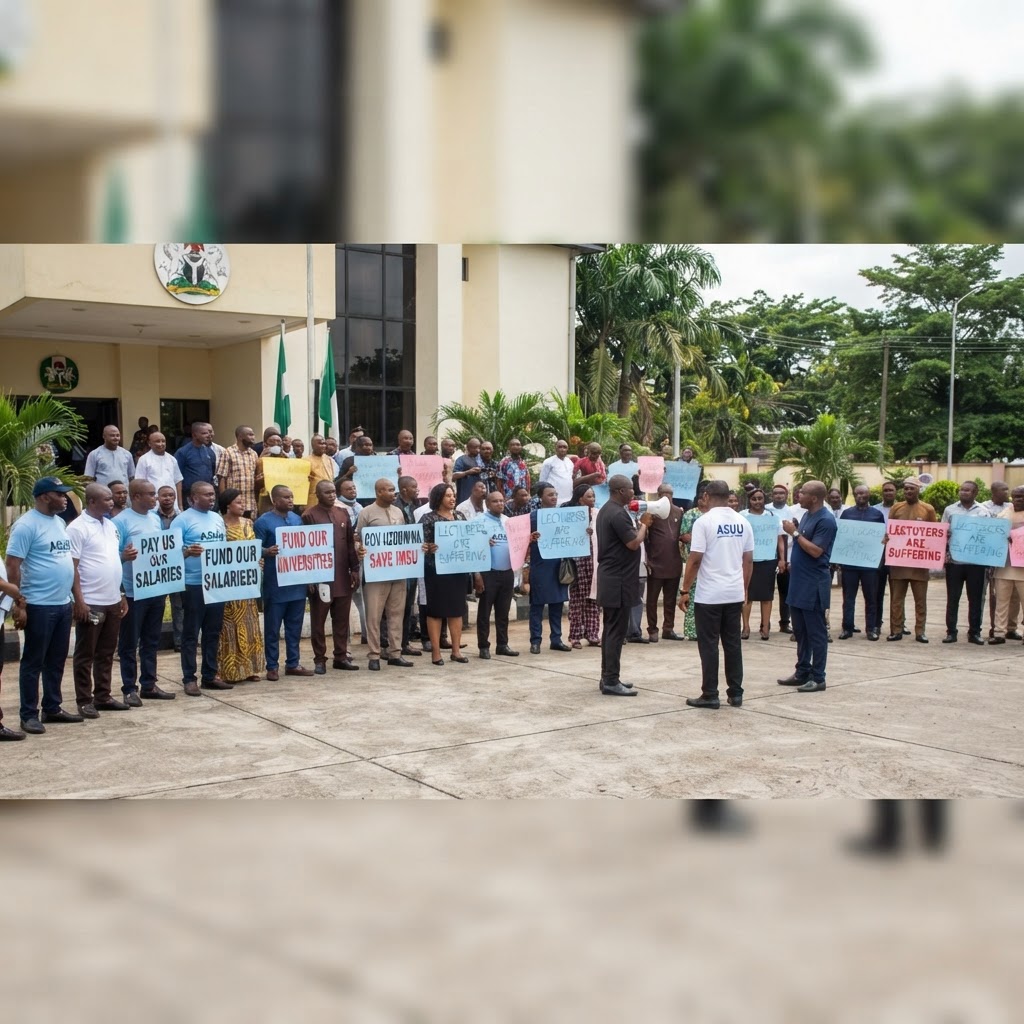
The streets of Owerri turned into a sea of white lab coats and placards this week. Hundreds of university lecturers walked out of their offices, choosing protest over silence. The IMSU Lecturers Protest in Owerri, Appeal to Uzodimma to End Months-Long Strike has become a defining moment for Imo Stat...

JAMB Candidates Can Now Change Course and Institution Online
Admission season often brings long queues and costly transport for Nigerian families. That burden has just eased. JAMB candidates can now change their institutions and courses from home, as the board announces a new digital correction service, giving students and parents fresh control over their aca...
House Summons NAFDAC and DSS Over Fake Drug Deaths
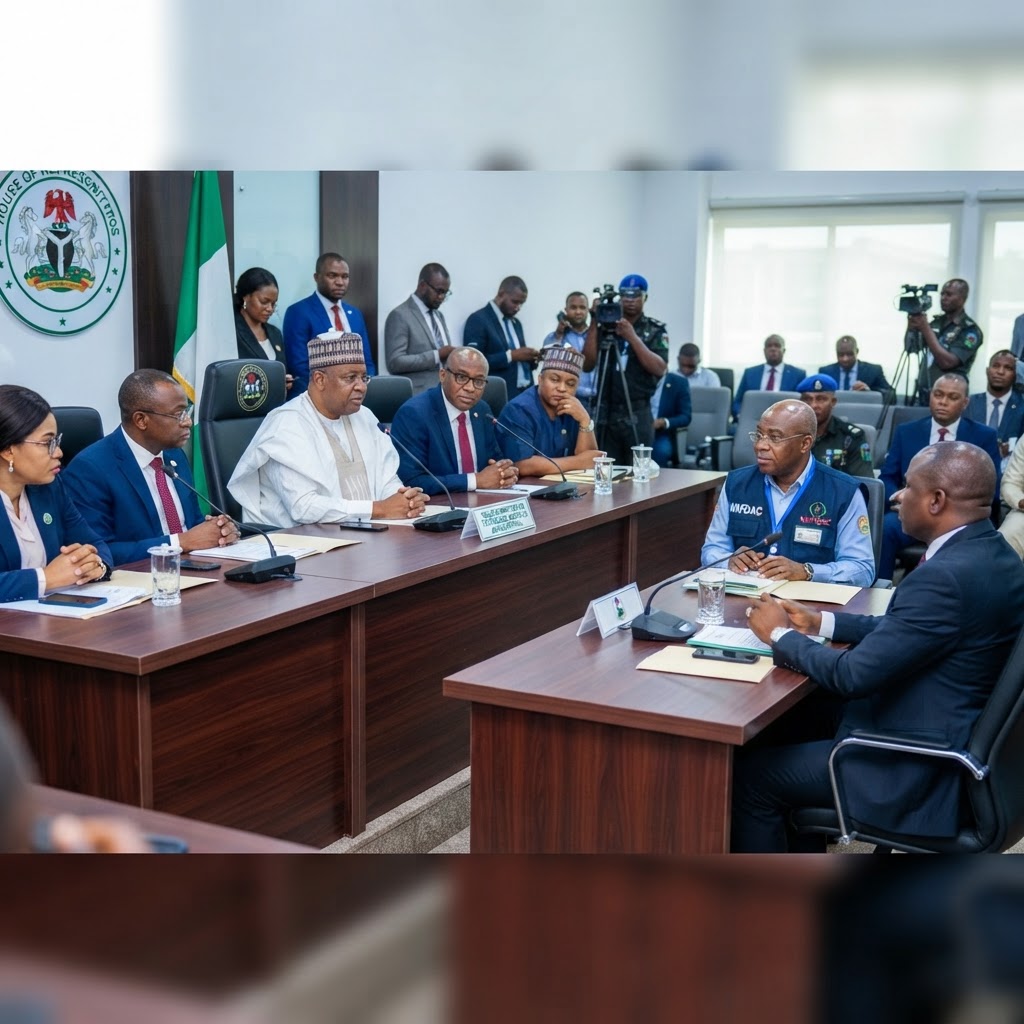
Four people are dead, eleven more are fighting for their lives, and a federal lawmaker wants answers now. Fake Drug deaths linked to a suspicious herbal concoction have pushed the House of Representatives to move decisively, summoning NAFDAC and the DSS in a case that is no longer a distant headline...

Prevent Kidney Disease With Regular Health Checks
Kidney health rarely makes headlines until a crisis hits a family. Yet understanding Kidney Disease: Why Regular Health Checks Can Help Prevent Serious Complications can save lives, protect household income, and strengthen community wellbeing across Nigeria. Kidney Disease often develops quietly ove...

Budget-Friendly Healthy Meal Prepping for Nigerians
Modern Nigerian families face the dual pressure of rising food prices and the need for better health outcomes. Learning how Nigerian families can(/article/nigerian-family-guide-to-reversing-type-2-diabetes) use meal prepping with local ingredients to eat healthy on a tight budget is a vital skill fo...

Beyond Degrees: Bridging Nigeria's Digital Skills Gap
Nigeria's graduates are flooding the job market faster than employers can absorb them. Yet many arrive with certificates but no practical digital competence. This is the heart of Digital Skills and Youth Employment: Why Nigerian Graduates Need More Than University Certificates.—a gap that is reshapi...
Senate Sends State Police Bill to Tinubu for Approval
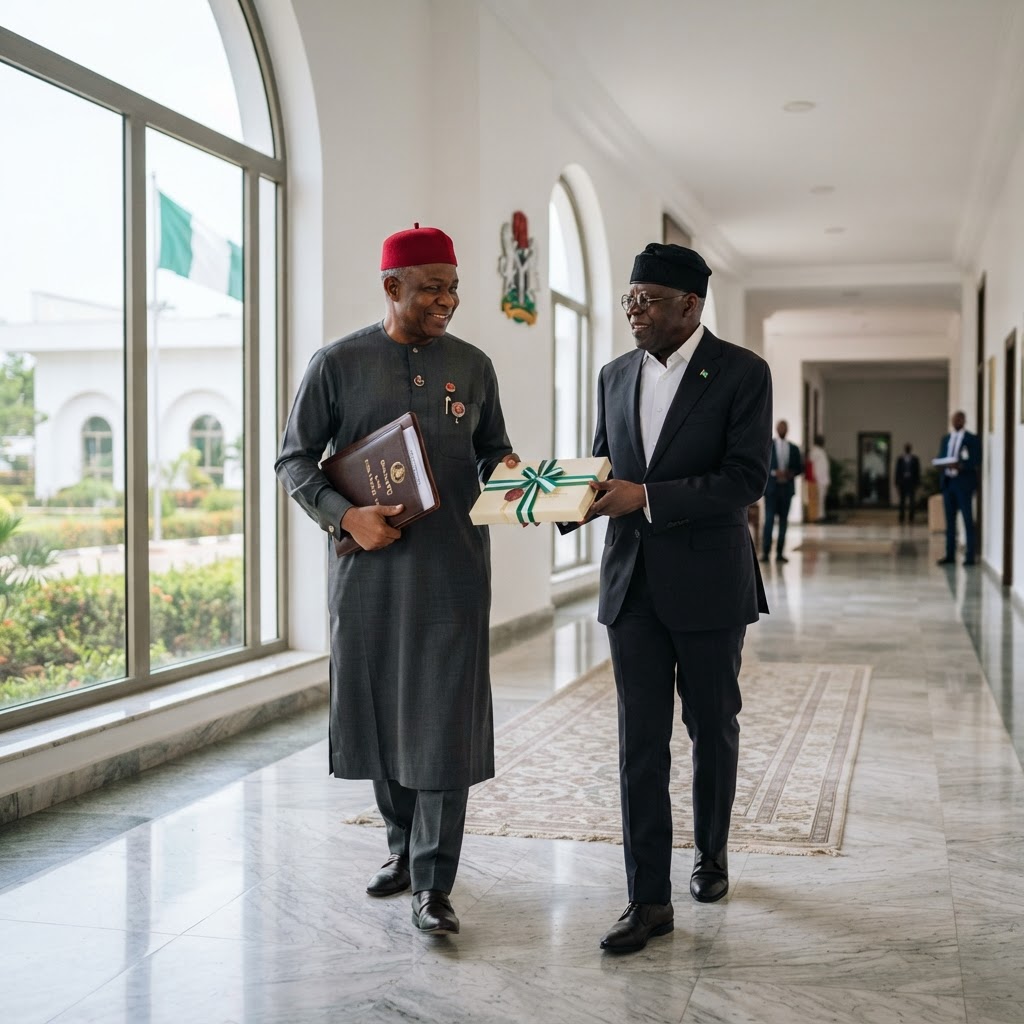
Nigeria's security architecture is entering a new chapter. The headline development, State Police Bill: Senate Transmits Constitutional Amendment to Tinubu for Presidential Assent, signals a historic shift toward decentralized policing. For Nigerian families, entrepreneurs, and community leaders, th...
Diabetes in Africa: Why Routine Screening Is Vital
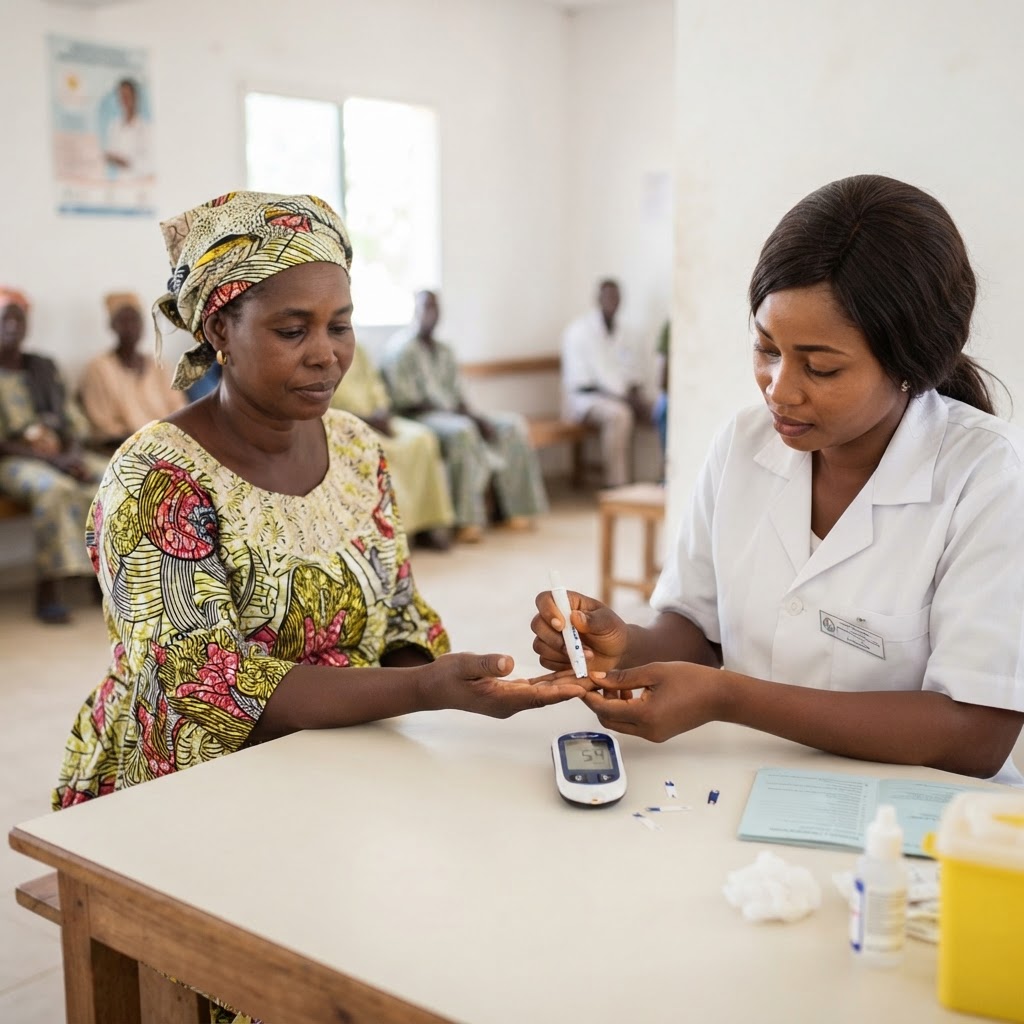
Imagine a disease that silently damages organs for years before anyone notices. That is the reality for millions living in Africa today. According to the latest report, Diabetes: Three Out of Four Africans Living With the Condition May Be Unaware – Why Screening Matters, and this gap in knowledge is...

Tinubu Orders Release of 78 Suspects in Convoy Attack
A single Friday afternoon in Abuja turned into a national talking point. News that President Tinubu Orders Release of 78 Suspects Arrested Over Attack on His Convoy in Abuja quickly spread across radio, television, and social media. For many Nigerian families, the story raised fresh questions about ...