Powered by Obi Mbieri Independent Media Ltd.
$1 = ₦1,353€1 = ₦1,486£1 = ₦1,775How to Access Small Business Loans in Nigeria
Running a business in Nigeria today demands more than hustle and good ideas. It requires capital, structure, and reliable financial partners. Understanding how to access small business loans in Nigeria can determine whether your enterprise stagnates or scales into a thriving, job-creating venture. H...

Running a business in Nigeria today demands more than hustle and good ideas. It requires capital, structure, and reliable financial partners. Understanding how to access small business loans in Nigeria can determine whether your enterprise stagnates or scales into a thriving, job-creating venture. How to access small business loans in Nigeria is more than a question of paperwork, it is a mindset shift that separates entrepreneurs who merely survive from those who build lasting institutions.
At eziokwubundu.com, we believe financial literacy is a cornerstone of community prosperity. When one entrepreneur secures funding and grows, the ripple effect strengthens families, employs youth, and builds stronger local economies. This guide breaks down the practical steps toward securing credit for your business, grounded in Nigeria's current economic realities, and shows exactly how to navigate a lending landscape that is often confusing for first-time borrowers.
Why Do Small Businesses Need Loans?
Small and medium enterprises (SMEs) are the backbone of Nigeria's economy. According to the SMEDAN and National Bureau of Statistics survey, SMEs account for over 90% of all registered enterprises in the country. They contribute nearly half of Nigeria's GDP and employ a significant share of the workforce.
Despite this dominance, most SMEs remain critically underfunded. Many operate on thin margins, relying solely on personal savings or informal lending circles known as "ajo" or "esusu." This limits their ability to scale, and it exposes owners to unpredictable cash shortages whenever a contribution cycle is delayed or a member defaults. Informal lending has its place in community finance, but it rarely provides the structured repayment terms or loan sizes that a growing business eventually needs.
Loans provide the capital needed to purchase inventory, upgrade equipment, and fund major capital expenditure that daily cash flow simply cannot cover. Without external financing, growth stalls, and opportunities are lost to better-funded competitors who can respond faster to market demand, negotiate bulk discounts, or expand into new locations.
Accessing formal credit also marks a critical transition. It moves a business from informal trading into a structured, accountable enterprise. This shift matters for community development, since formalized businesses pay taxes, create verifiable jobs, and contribute to local economic resilience. Learning how to access small business loans in Nigeria is therefore not just a financial skill. It is a pathway toward sustainable, community-strengthening entrepreneurship, and it starts with understanding exactly why credit matters in the first place.
What Are Your Best Funding Options?
Nigerian entrepreneurs have more funding avenues today than a decade ago, though each option comes with distinct trade-offs. Choosing the right one depends on your business size, documentation, and risk appetite.
Government-backed intervention funds remain the most attractive option for many SMEs. Institutions like the Bank of Industry (BOI), the Development Bank of Nigeria (DBN), and SMEDAN offer loans with single-digit or below-market interest rates. These programs are designed specifically to support manufacturing, agriculture, and youth-led enterprises.
Commercial banks offer larger loan facilities, often suited for established businesses with strong revenue history. However, they typically demand strict collateral requirements and extensive documentation. Interest rates from commercial banks usually range from 18% to 30% annually, according to Central Bank of Nigeria (CBN) lending rate data.
Microfinance Banks as a Bridge
Microfinance banks (MFBs) serve a crucial role for Nigeria's informal economy. They offer more flexible requirements for entrepreneurs who lack audited financial statements or fixed assets as collateral.
Digital Lenders and Fintech Platforms
A newer, fast-growing option is the rise of digital lending platforms. Fintech lenders such as those offering app-based loans can disburse funds within hours, using alternative data like mobile money transactions or point-of-sale records instead of traditional collateral. Knowing how to use these platforms responsibly matters, since interest rates can be high and repayment windows short. They work best for short-term working capital gaps rather than long-term capital projects, and entrepreneurs should always read the full repayment terms before accepting an offer.
Here are four common funding sources worth exploring:
- Government intervention funds (BOI, DBN, SMEDAN) for low-interest, development-focused loans
- Commercial banks for larger facilities with stricter collateral demands
- Microfinance banks for flexible, smaller-ticket loans
- Cooperative societies and thrift associations for community-based lending
Each option carries different approval timelines and documentation needs, so matching your business profile to the right lender is essential. Understanding how to compare these sources side by side, rather than applying blindly to the first available lender, saves time and avoids wasted application fees.
How to Prepare Your Business?
Before approaching any lender, your business must demonstrate legitimacy and financial discipline. Compliance is non-negotiable in today's lending environment, and knowing how to prepare properly often determines whether an application succeeds or stalls at the first stage.
First, ensure your business is registered with the Corporate Affairs Commission (CAC). You will also need a valid Tax Identification Number (TIN) and a Tax Clearance Certificate (TCC). These documents prove your business exists legally and meets its civic obligations.
Second, maintain an active business bank account separate from personal finances. Lenders use this account's transaction history to assess creditworthiness. A business with six to twelve months of consistent inflows is far more attractive to financial institutions than one with no banking history.
Third, organize your financial records meticulously. This includes historical sales data, client payment records, and accounts receivable and payable reports. These documents demonstrate your repayment capacity and reduce perceived lending risk.
Preparation also extends beyond paperwork. Just as individuals must plan ahead for their family's wellbeing, such as enrolling in programs covered in Nigeria Health Insurance: How to Enroll, business owners must proactively manage financial health before seeking credit. Lenders reward preparedness, not desperation. How to organize your documentation well in advance is one of the simplest ways to shorten approval timelines.
Strong documentation signals professionalism. It tells a bank or microfinance institution that you understand your numbers and can manage borrowed capital responsibly.
How to Write a Winning Plan?
A generic, downloaded business plan template rarely convinces serious lenders. Instead, create a sector-specific, evidence-based plan that reflects deep market understanding. Learning how to structure this document properly is often the difference between a quick rejection and a serious conversation with a loan officer.
Your plan should highlight thorough market analysis. Explain who your customers are, how large your market is, and why your business holds a competitive advantage. Lenders want evidence, not assumptions.
Featured Products
Reverse Type 2 Diabetes & other associated Metabolic Issues using Dr. Jason Fung's Evidence-Based Approach— FMD program for Type 2 Diabetes
A practical fasting and fasting-mimicking programme built on Dr Jason Fung's insulin-resistance principles and ow-glycemic recipes.
₦19,950
Join NowChukwu Abiama Tee
Bold black-and-gold Igbo-pride T-shirt featuring 'Chukwu Abiama' in premium streetwear typography.
₦15,000
Buy NowỤmụ Igbo Tee
Classic black T-shirt with bold white 'Ụmụ Igbo' typography — a proud statement of Igbo heritage.
₦15,000
Buy NowNwanne Tee
Washed khaki vintage tee with a faded rust-orange 'Nwanne' stamp badge and palm leaf motif — a nod to kinship and heritage.
₦18,000
Buy NowObodo Tee
Faded denim-blue washed tee with a cream 'Obodo' stamp badge and sun motif, celebrating community roots.
₦18,000
Buy NowEkwe Heritage Tee
Deep indigo tee featuring a fine line-art illustration of a traditional Igbo ekwe drum, inspired by Igbo-Ukwu bronze artistry.
₦18,000
Buy NowIkenga Figure Tee
Forest green tee with a fine line-art illustration of a stylized Ikenga figure.
₦18,000
Buy NowEqually important is quantifying your development impact. Nigerian development finance institutions prioritize businesses that create jobs, add domestic value, or reduce import dependency. State specific numbers, such as the number of jobs your expansion will create within twelve months.
Your plan must also clearly outline fund utilization. Break down exactly how borrowed funds will be spent, whether on equipment, raw materials, or working capital. Follow this with a realistic repayment schedule based on projected cash flows, not optimistic guesswork.
A well-structured plan typically includes these core components:
- Executive summary with clear business objectives
- Market analysis and competitive positioning
- Fund utilization breakdown and repayment timeline
- Projected financial statements for at least two years
Lenders assessing how to access small business loans in Nigeria applications often reject proposals that lack specificity. Precision builds trust, and trust accelerates approval.
How to Improve Approval Odds?
Securing a loan is rarely about luck. It is about strategic positioning long before you submit an application. How to build this positioning over time is a question every serious entrepreneur should ask well before they need the money.
Start by building a relationship with your chosen financial institution early. Being a known, consistent customer often simplifies the vetting process considerably. Banks are more comfortable lending to businesses whose transaction patterns they already understand.
Next, focus on your credit profile. Ensure timely repayment of any existing obligations, including personal loans or utility bills tied to credit bureaus. Review your credit reports periodically and resolve discrepancies promptly, since errors can unfairly damage your score.
Leveraging Guarantee Schemes
Collateral remains a major barrier for many SMEs. Fortunately, government-backed guarantee schemes can help bridge this gap. The NIRSAL guarantee framework, for instance, shares lending risk with banks, making them more willing to extend credit to agribusinesses and SMEs lacking traditional collateral.
These schemes effectively de-risk lending for financial institutions. When a guarantee covers a significant portion of potential default, banks become more flexible with smaller or newer businesses. Knowing how to approach these schemes, and which sector your business qualifies under, can unlock financing that would otherwise be out of reach.
Beyond financial strategy, remember that running a sustainable business also requires personal resilience. Entrepreneurship can be stressful, and stress management matters just as much as cash flow management. Resources like How to Reduce High Blood Pressure Risk remind us that financial success and physical wellbeing are deeply connected.
Community stability also shapes lending environments. Local governance structures, discussed in pieces like Imo LG Elections Rescheduled for November 14, influence business confidence and investment climates at the grassroots level. A stable community often translates to stronger local economic activity, which benefits lenders and borrowers alike.
Finally, protect your workforce's health, since a healthy team sustains productivity and repayment capacity. Preventive measures outlined in 5 Essential Ways to Prevent Malaria in Nigeria can reduce absenteeism and medical costs that strain small business finances.
How to Manage Risks as You Grow
Access to credit is only half the battle. Knowing how to manage risk once funds are in hand determines whether a loan becomes a growth engine or a liability. Every sector carries unique risks, and lenders increasingly favour businesses that demonstrate awareness of theirs.
For entrepreneurs in food production, processing, or distribution, safety compliance is non-negotiable. Issues highlighted in Garri safety, cassava cyanide, food poisoning prevention show how quickly a food business's reputation, and its ability to repay a loan, can collapse if safety standards are ignored. Similarly, the broader concerns raised in Food Safety Alert: Risks in Locally Processed Foods illustrate why lenders in the agro-processing space often ask about quality control measures before approving funding.
Security and governance risks also matter. Business owners operating in regions affected by instability should pay attention to developments such as those covered in Imo Kidnap Trial: Bus Driver Identifies Five Suspects, since insecurity directly affects logistics, staff safety, and insurance costs. Political and regulatory shifts, like the disputes detailed in ISIEC Indefinitely Postpones Imo LG Elections and APC Rejects Court Ruling on Okorocha Senate Bid, can also influence how confident lenders feel about disbursing funds in certain local government areas during periods of political uncertainty.
Corporate and community disputes can equally ripple into the local business environment. The tension described in Seplat Faces 7-Day Demand Over Obi-Mbieri Leadership Dispute is a reminder that even large corporations face leadership and community relations challenges that can disrupt operations and, by extension, affect the smaller businesses that depend on them as clients or suppliers. Smart entrepreneurs monitor these developments and build contingency plans rather than being caught off guard.
Understanding how to anticipate and plan for these external risks, rather than reacting to them after the fact, is part of what separates loan applicants who get repeat funding from those who struggle to renew their facilities.
How to Build Long-Term Financial Resilience
Securing your first loan is a milestone, but how to sustain access to credit over the years is the bigger challenge. Building long-term resilience means diversifying funding sources rather than depending on a single lender, maintaining a cash reserve for emergencies, and gradually improving your business's credit history with every successful repayment cycle.
It also means treating insurance, both for your business assets and for your personal health, as part of your financial strategy rather than an afterthought. A single medical emergency or uninsured loss can derail years of careful financial planning, which is why resources on enrollment and preventive health, such as those referenced earlier, deserve a place in every entrepreneur's financial toolkit.
Review your loan performance periodically. Track how much you borrowed, how it was spent, and whether the projected returns materialized. This habit not only improves your next loan application but also sharpens your overall business judgment.
Mastering how to access small business loans in Nigeria ultimately combines preparation, strategy, and relationship-building. With the right documentation, a compelling business plan, smart use of guarantee schemes, and a clear understanding of how to manage both financial and external risks, Nigerian entrepreneurs can unlock the capital needed to grow. This growth does not just benefit individual business owners. It strengthens families, creates jobs, and builds the resilient, prosperous communities that Eziokwubundu champions every day.
Stay Informed
Get New Articles in Your Inbox
Subscribe to receive the latest community development, health, and wealth insights from Eziokwubundu.
Newsletter
Practical insights on health, wealth, and community — delivered weekly.
Community Discussion(0)
Leave a Comment
More to Read
You May Also Like
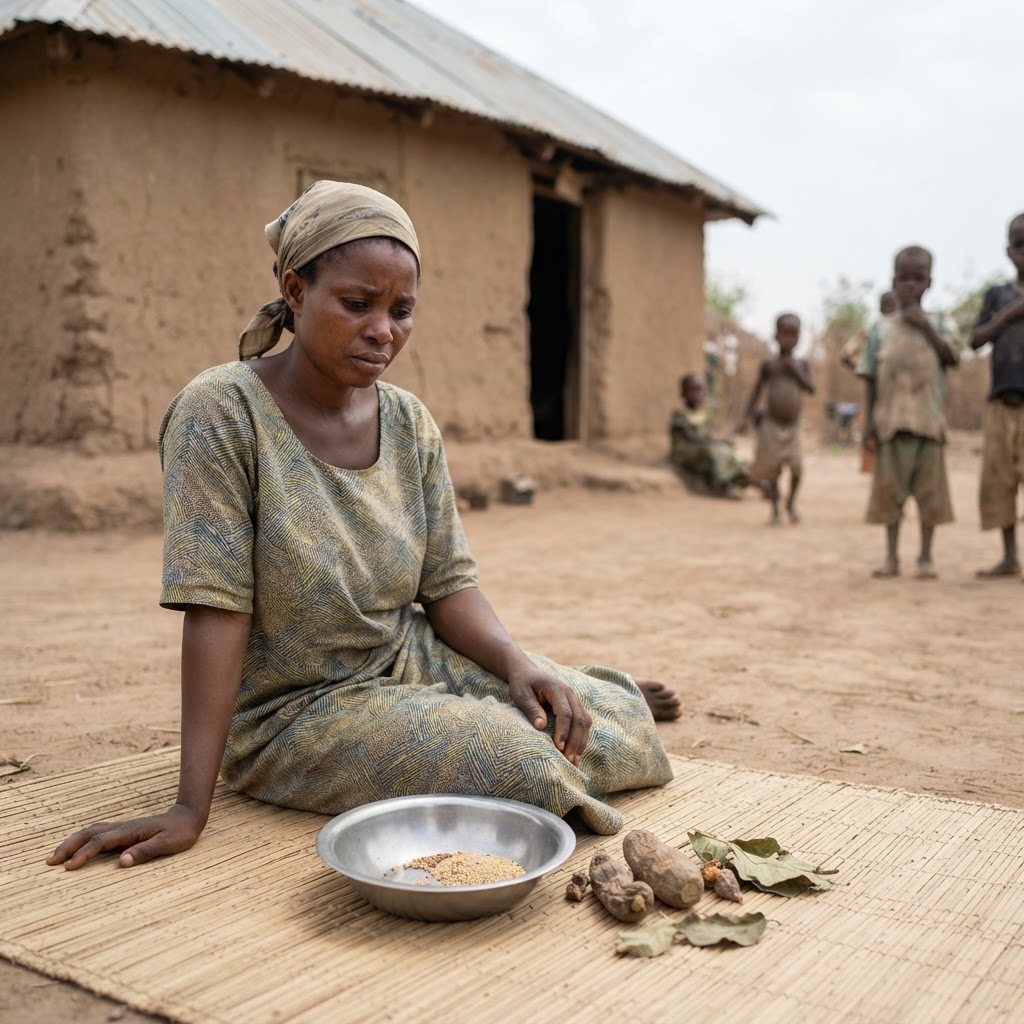
36.3 Million Nigerians Face Acute Food Crisis
Hunger is spreading faster than many expected across Nigeria this year. New humanitarian data reveals that 36.3 Million Nigerians Face Acute Food Crisis conditions, a number that should alarm every family, policymaker, and community leader. This is not a distant statistic. It is a lived reality shap...

Obi-Mbieri Mourns Engr. Vitalis Opara: Questions Emerge Over Community’s Silence
Engr. Vitalis Opara is identified as President General on the signature page of the Obi-Mbieri Autonomous Community Constitution 2020 as amended.

Seplat Aku-01 Discovery: Benefits for Obi-Mbieri
Imagine a small Imo State community suddenly linked to a 157-billion-cubic-feet gas discovery. That is the reality facing Obi-Mbieri today. This piece on Seplat's Aku-01 Discovery: What Concrete Benefits Should Obi-Mbieri Expect? breaks down what this find could mean for everyday residents, local bu...
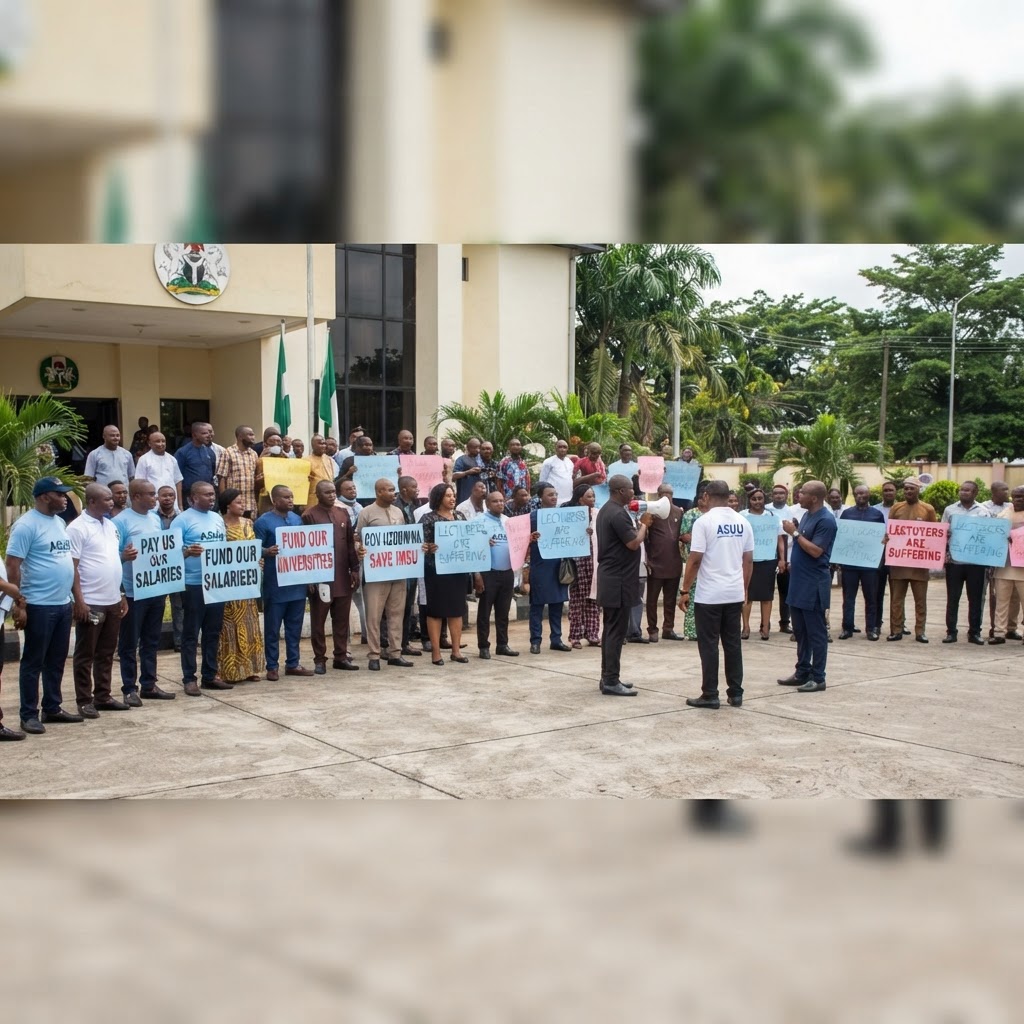
IMSU Lecturers Protest in Owerri, Appeal to Uzodimma to End
The streets of Owerri turned into a sea of white lab coats and placards this week. Hundreds of university lecturers walked out of their offices, choosing protest over silence. The IMSU Lecturers Protest in Owerri, Appeal to Uzodimma to End Months-Long Strike has become a defining moment for Imo Stat...

JAMB Candidates Can Now Change Course and Institution Online
Admission season often brings long queues and costly transport for Nigerian families. That burden has just eased. JAMB candidates can now change their institutions and courses from home, as the board announces a new digital correction service, giving students and parents fresh control over their aca...

House Summons NAFDAC and DSS Over Fake Drug Deaths
Four people are dead, eleven more are fighting for their lives, and a federal lawmaker wants answers now. Fake Drug deaths linked to a suspicious herbal concoction have pushed the House of Representatives to move decisively, summoning NAFDAC and the DSS in a case that is no longer a distant headline...

Prevent Kidney Disease With Regular Health Checks
Kidney health rarely makes headlines until a crisis hits a family. Yet understanding Kidney Disease: Why Regular Health Checks Can Help Prevent Serious Complications can save lives, protect household income, and strengthen community wellbeing across Nigeria. Kidney Disease often develops quietly ove...

Budget-Friendly Healthy Meal Prepping for Nigerians
Modern Nigerian families face the dual pressure of rising food prices and the need for better health outcomes. Learning how Nigerian families can(/article/nigerian-family-guide-to-reversing-type-2-diabetes) use meal prepping with local ingredients to eat healthy on a tight budget is a vital skill fo...

Beyond Degrees: Bridging Nigeria's Digital Skills Gap
Nigeria's graduates are flooding the job market faster than employers can absorb them. Yet many arrive with certificates but no practical digital competence. This is the heart of Digital Skills and Youth Employment: Why Nigerian Graduates Need More Than University Certificates.—a gap that is reshapi...

Senate Sends State Police Bill to Tinubu for Approval
Nigeria's security architecture is entering a new chapter. The headline development, State Police Bill: Senate Transmits Constitutional Amendment to Tinubu for Presidential Assent, signals a historic shift toward decentralized policing. For Nigerian families, entrepreneurs, and community leaders, th...