Powered by Obi Mbieri Independent Media Ltd.
$1 = ₦1,353€1 = ₦1,486£1 = ₦1,775How to Find Vocational Training in Nigeria
Nigeria's job market is shifting fast, and millions of young people are hunting for practical skills that pay. Knowing how to find Vocational Training in Nigeria can open doors to steady income, entrepreneurship, and real community impact. This guide walks you through every step, from government pro...

Nigeria's job market is shifting fast, and millions of young people are hunting for practical skills that pay. Knowing how to find Vocational Training in Nigeria can open doors to steady income, entrepreneurship, and real community impact. This guide walks you through every step, from government programs to accredited centers near you, so you can make a confident, informed decision about your next move into Vocational Training.
Why Choose Vocational Training Today?
Nigeria is moving away from pure white-collar dependency. The "Practical Prosperity" model now favors skilled trades that build real economic stability. Plumbers, welders, solar technicians, and fashion designers are earning steady incomes without waiting for scarce office jobs. This is precisely why Vocational Training has become one of the most searched and sought-after pathways for young Nigerians today.
The numbers tell a clear story. Nigeria's youth unemployment rate stood at 53.40% among those aged 15–24, according to the National Bureau of Statistics. Vocational training directly addresses this gap by equipping young Nigerians with marketable, hands-on skills that employers and clients actually need.
This shift also fosters self-reliance. Graduates of technical programs can start businesses instead of chasing limited salaried positions. Many go on to train apprentices themselves, multiplying the economic benefit across entire communities. One certified welder, for example, can train five more within two years, creating a ripple effect that no single office job could replicate.
At Eziokwubundu, this aligns perfectly with our mission to bridge health, wealth, and community development. A trained electrician earns income, supports family health needs, and strengthens local infrastructure. This is the health-wealth-community triangle in action, and it is a direct product of accessible Vocational Training opportunities across the country.
Vocational education also reduces rural-to-urban migration pressure. When skills are available locally, young people stay, build businesses, and reinvest in their hometowns. For entrepreneurs considering a skilled trade business, pairing training with guidance from How to Start a Small Business in Nigeria creates a strong foundation for long-term success. Families who understand the value of Vocational Training early often guide their children toward trades that match both local demand and personal interest, rather than defaulting to degrees that may not lead to employment.
What Is The TVET Initiative?
The Federal Ministry of Education runs a flagship program called the Technical and Vocational Education and Training (TVET) Initiative. It targets practical skills development and entrepreneurship for Nigerian youth. The program is designed to close the gap between classroom theory and workplace reality, making it one of the most structured entry points into formal Vocational Training in Nigeria.
Participants enjoy several concrete benefits. Training is tuition-free, removing the financial barrier that keeps many Nigerians from pursuing skilled trades. Many centers also provide monthly stipends to cover transportation and basic living costs during training.
Start-up support is another major advantage. Graduates receive guidance, and sometimes tools or seed funding, to launch their own ventures after certification. This bridges the gap between learning a skill and actually earning from it, which is often the missing link in traditional education.
The TVET Initiative offers two main structures:
- Short-Term Certificate (STC): A 6-month intensive program focused on a single trade skill.
- Vocational Education & Innovation (VEI): A 1-year program combining deeper technical training with entrepreneurship modules.
- Stipend support: Monthly allowances to reduce financial strain during training.
- Start-up toolkits: Equipment or funding support for graduates launching businesses.
Learners choose based on their goals and available time. Someone needing quick employment might prefer the STC, while those building a long-term trade career often choose the VEI. Full program details are available through the Federal Ministry of Education.
This initiative reflects a broader global trend. The International Labour Organization has repeatedly emphasized that strong TVET systems reduce youth unemployment and boost national productivity, something Nigeria urgently needs. Investing in structured Vocational Training at a national level is now widely recognized as one of the fastest ways to lift household income across developing economies.
How Do I Find Accredited Centers?
Accreditation matters enormously. The National Board for Technical Education (NBTE) regulates and accredits vocational institutions across Nigeria. Without this accreditation, your certificate may not be recognized by employers or government bodies, no matter how good the actual training was.
The NBTE maintains an official directory of approved polytechnics, technical colleges, and vocational centers. This directory is the safest starting point for anyone serious about finding quality Vocational Training. You can search by state, trade area, or institution type, which makes narrowing down your options far easier than relying on word of mouth alone.
Using this directory protects you from fraudulent training centers that have multiplied in recent years. Many unaccredited centers charge fees but offer worthless certificates. Always verify an institution's status on the NBTE official website before enrolling or paying any fees.
Accredited centers also tend to have better equipment, qualified instructors, and stronger industry connections. This increases your chances of securing employment or attracting customers after graduation. Choosing wisely here protects both your time and your money, and ensures your investment in Vocational Training actually pays off down the line.
Featured Products
Reverse Type 2 Diabetes & other associated Metabolic Issues using Dr. Jason Fung's Evidence-Based Approach— FMD program for Type 2 Diabetes
A practical fasting and fasting-mimicking programme built on Dr Jason Fung's insulin-resistance principles and ow-glycemic recipes.
₦19,950
Join NowChukwu Abiama Tee
Bold black-and-gold Igbo-pride T-shirt featuring 'Chukwu Abiama' in premium streetwear typography.
₦15,000
Buy NowỤmụ Igbo Tee
Classic black T-shirt with bold white 'Ụmụ Igbo' typography — a proud statement of Igbo heritage.
₦15,000
Buy NowNwanne Tee
Washed khaki vintage tee with a faded rust-orange 'Nwanne' stamp badge and palm leaf motif — a nod to kinship and heritage.
₦18,000
Buy NowObodo Tee
Faded denim-blue washed tee with a cream 'Obodo' stamp badge and sun motif, celebrating community roots.
₦18,000
Buy NowEkwe Heritage Tee
Deep indigo tee featuring a fine line-art illustration of a traditional Igbo ekwe drum, inspired by Igbo-Ukwu bronze artistry.
₦18,000
Buy NowIkenga Figure Tee
Forest green tee with a fine line-art illustration of a stylized Ikenga figure.
₦18,000
Buy NowCommunity organizations can also play a role. Local development associations sometimes partner with accredited centers to subsidize training costs for residents. This is where community-first thinking directly supports individual advancement. In areas prone to seasonal disruptions, understanding broader community preparedness, such as the guidance offered in How to Prepare for Flooding in Nigerian Communities, can also help trainees protect their new tools and workspaces from damage.
What Are The Entry Requirements?
Vocational training in Nigeria is intentionally inclusive. Many programs accept applicants with only the First School Leaving Certificate (FSLC). This removes barriers for those who couldn't complete secondary education, ensuring that Vocational Training remains accessible rather than exclusive.
Non-formal education backgrounds are also welcomed. People who learned skills through informal apprenticeships, without any formal certificates, still qualify for many programs. This openness reflects Nigeria's practical approach to skills development and acknowledges that real competence often matters more than paper qualifications.
The Recognition of Prior Learning (RPL) process formalizes this inclusivity. RPL allows experienced artisans, mechanics, tailors, and other informally trained workers to have their existing skills assessed and certified. This saves time and validates years of hands-on experience that might otherwise go unrecognized.
This flexible system directly supports our "Knowledge for Everyday Nigerians" pillar. It means a self-taught carpenter in a rural village has the same path to certification as someone trained in a formal classroom through structured Vocational Training. Skills, not paperwork, become the real currency.
For families guiding young relatives toward stable careers, this flexibility is reassuring. Even students who struggled academically can thrive through hands-on vocational pathways. Combining this with financial literacy resources like How to Access Small Business Loans in Nigeria creates a complete roadmap from training to business ownership. Trainees who also prioritize their wellbeing during intensive courses may benefit from reviewing Nigeria Health Insurance: How to Enroll, since consistent health coverage keeps training schedules uninterrupted.
How Does The NSQF Work?
The Nigerian Skills Qualifications Framework (NSQF) organizes and standardizes competency levels across all trades. It functions similarly to academic grading systems, but for practical skills. This framework helps employers quickly understand what a certificate actually represents, giving genuine value to every certificate earned through recognized Vocational Training programs.
Artisans and technicians benefit significantly from this standardization. Instead of relying on informal reputation alone, workers can now present official licensing that proves their skill level. This builds trust with clients and employers alike, which is especially important for younger graduates still building a reputation.
The NSQF typically organizes skills into multiple levels, from basic competency to advanced mastery. Each level corresponds to specific job responsibilities and expected earning potential. A Level 3 electrician, for example, may qualify for more complex residential projects than a Level 1 trainee.
Standardized qualification brings tangible benefits:
- Access to better-paying job opportunities with formal companies.
- Eligibility for professional toolkits and equipment grants.
- Recognition across different Nigerian states, not just locally.
- Improved credibility when bidding for contracts or client work.
Organizations like UNESCO-UNEVOC have documented how qualification frameworks like the NSQF improve labor mobility and economic outcomes across developing economies. Nigeria's adoption of this model positions local artisans to compete more effectively, even internationally, further proving that structured Vocational Training is not a lesser path, but a legitimate and respected career route.
How Can I Start My Journey?
Starting is simpler than many people expect. Follow these steps to begin your journey into Vocational Training:
- Create an account on the official TVET or NBTE portal using valid identification.
- Select a trade that matches your interests and local market demand.
- Choose an accredited training center near your location.
- Confirm entry requirements and, if applicable, apply for Recognition of Prior Learning.
Community-based training centers deserve special attention. Many local development initiatives partner with accredited institutions to offer discounted or sponsored training slots. Checking with community leaders or local government offices can reveal these hidden opportunities, especially in areas where formal advertising for Vocational Training programs is limited.
Vocational training offers more than personal income. It strengthens families, creates jobs for others, and builds community infrastructure one skilled worker at a time. For readers also focused on home resilience, pairing a trade like solar installation with insights from Solar Power Versus Generators for Nigerian Homes can reveal profitable niches, since demand for reliable alternative power continues to grow across Nigerian households.
Health considerations also matter during any intensive training period. Long hours on-site, whether in welding workshops or construction sites, can affect physical wellbeing over time. Reviewing resources such as How to Reduce High Blood Pressure Risk and 5 Essential Ways to Prevent Malaria in Nigeria can help trainees stay healthy and consistent throughout their Vocational Training journey, ensuring that a promising skill-building period isn't interrupted by preventable illness.
Ultimately, learning how to find Vocational Training in Nigeria is the first step toward lasting personal and collective prosperity. Start today, choose an accredited path, verify your options carefully, and build a future rooted in real, marketable skills that serve both you and your community for years to come.
Stay Informed
Get New Articles in Your Inbox
Subscribe to receive the latest community development, health, and wealth insights from Eziokwubundu.
Newsletter
Practical insights on health, wealth, and community — delivered weekly.
Community Discussion(0)
Leave a Comment
More to Read
You May Also Like
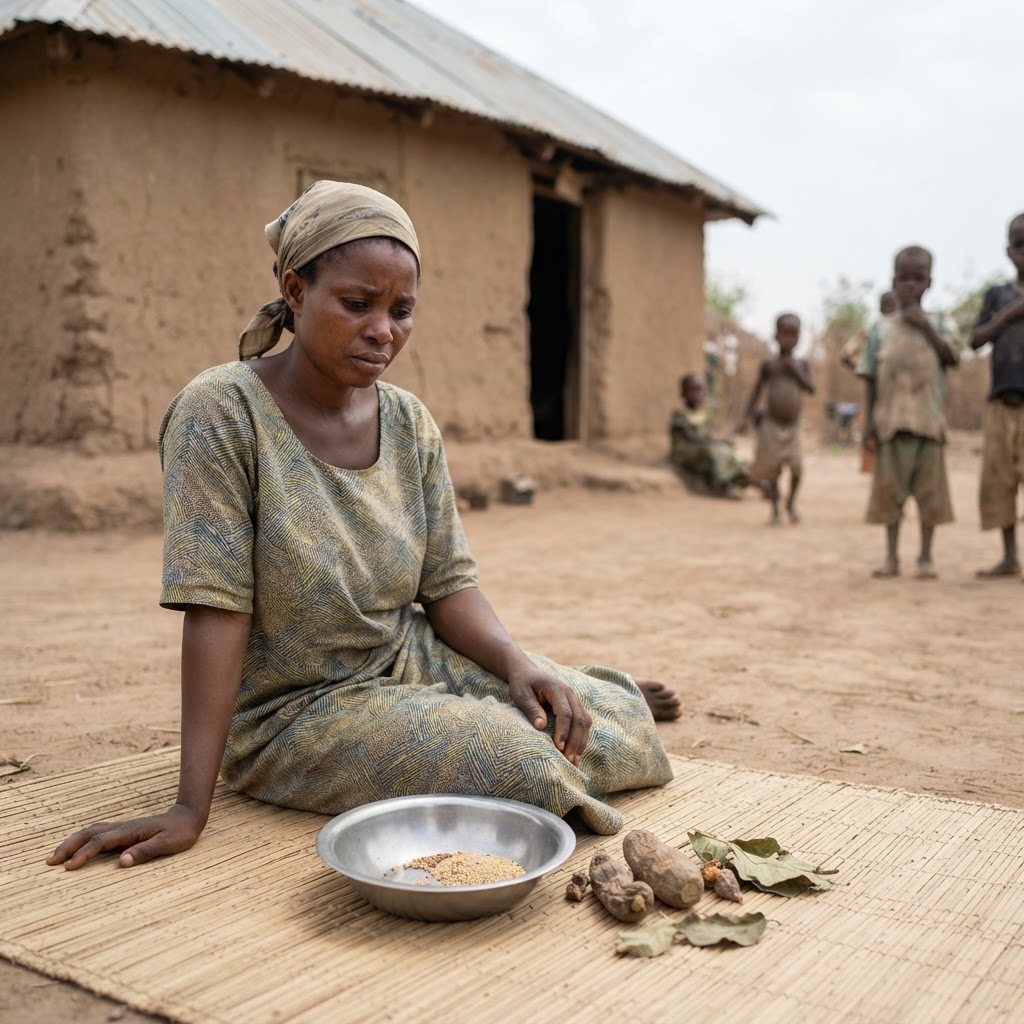
36.3 Million Nigerians Face Acute Food Crisis
Hunger is spreading faster than many expected across Nigeria this year. New humanitarian data reveals that 36.3 Million Nigerians Face Acute Food Crisis conditions, a number that should alarm every family, policymaker, and community leader. This is not a distant statistic. It is a lived reality shap...

Obi-Mbieri Mourns Engr. Vitalis Opara: Questions Emerge Over Community’s Silence
Engr. Vitalis Opara is identified as President General on the signature page of the Obi-Mbieri Autonomous Community Constitution 2020 as amended.

Seplat Aku-01 Discovery: Benefits for Obi-Mbieri
Imagine a small Imo State community suddenly linked to a 157-billion-cubic-feet gas discovery. That is the reality facing Obi-Mbieri today. This piece on Seplat's Aku-01 Discovery: What Concrete Benefits Should Obi-Mbieri Expect? breaks down what this find could mean for everyday residents, local bu...
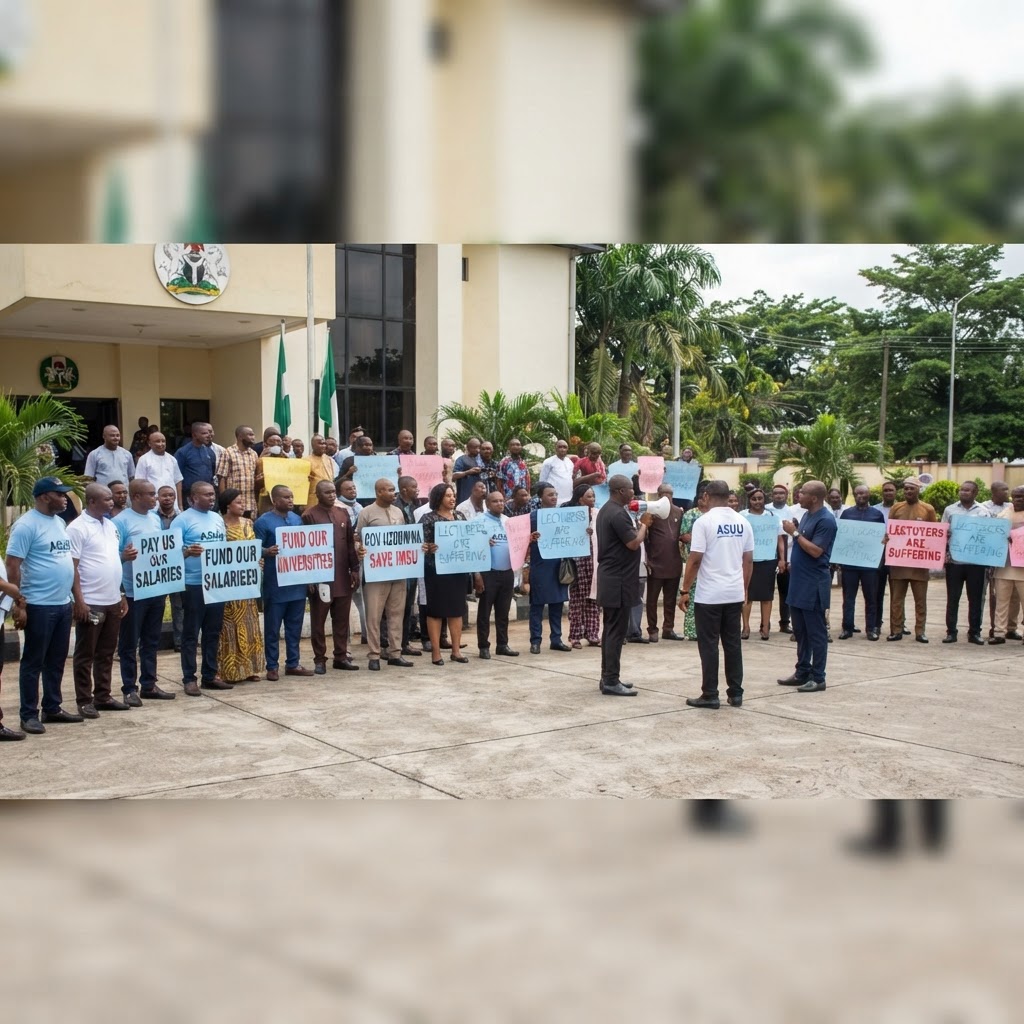
IMSU Lecturers Protest in Owerri, Appeal to Uzodimma to End
The streets of Owerri turned into a sea of white lab coats and placards this week. Hundreds of university lecturers walked out of their offices, choosing protest over silence. The IMSU Lecturers Protest in Owerri, Appeal to Uzodimma to End Months-Long Strike has become a defining moment for Imo Stat...

JAMB Candidates Can Now Change Course and Institution Online
Admission season often brings long queues and costly transport for Nigerian families. That burden has just eased. JAMB candidates can now change their institutions and courses from home, as the board announces a new digital correction service, giving students and parents fresh control over their aca...
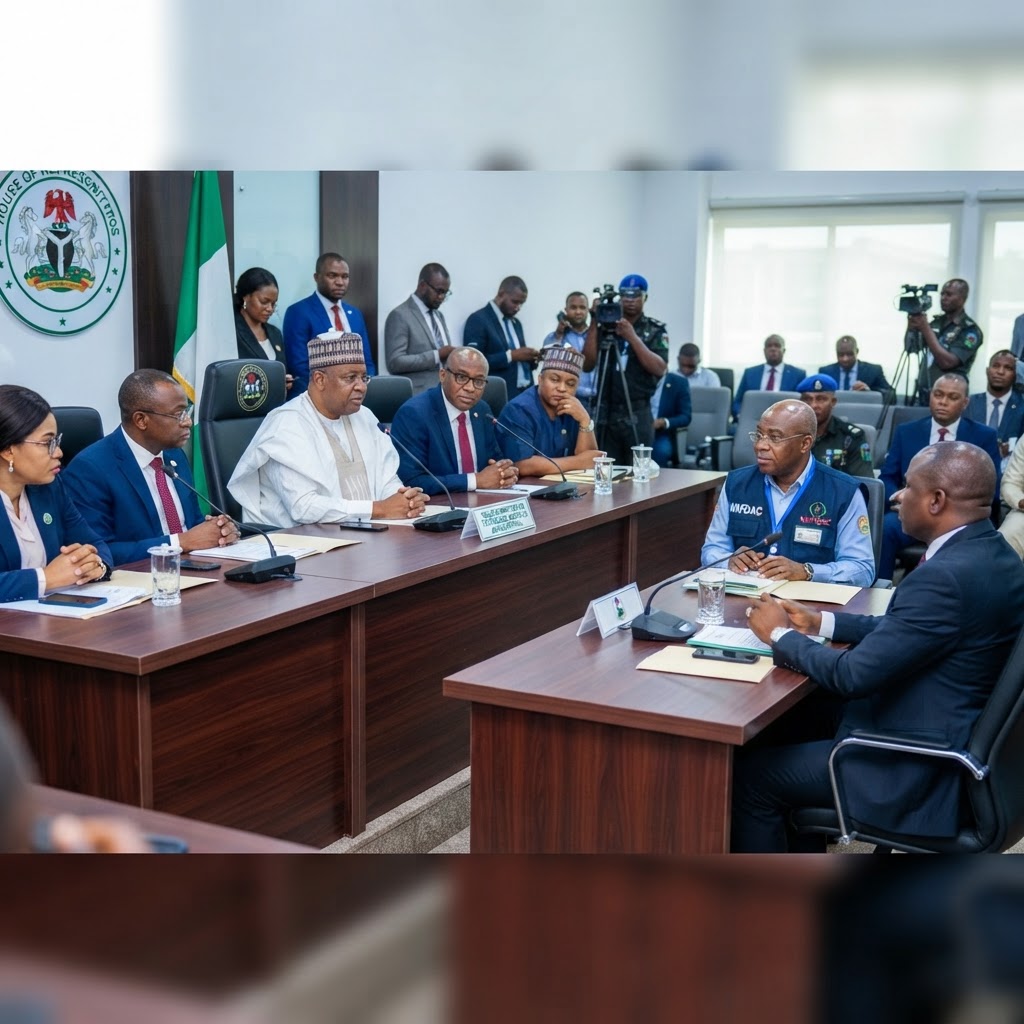
House Summons NAFDAC and DSS Over Fake Drug Deaths
Four people are dead, eleven more are fighting for their lives, and a federal lawmaker wants answers now. Fake Drug deaths linked to a suspicious herbal concoction have pushed the House of Representatives to move decisively, summoning NAFDAC and the DSS in a case that is no longer a distant headline...

Prevent Kidney Disease With Regular Health Checks
Kidney health rarely makes headlines until a crisis hits a family. Yet understanding Kidney Disease: Why Regular Health Checks Can Help Prevent Serious Complications can save lives, protect household income, and strengthen community wellbeing across Nigeria. Kidney Disease often develops quietly ove...

Budget-Friendly Healthy Meal Prepping for Nigerians
Modern Nigerian families face the dual pressure of rising food prices and the need for better health outcomes. Learning how Nigerian families can(/article/nigerian-family-guide-to-reversing-type-2-diabetes) use meal prepping with local ingredients to eat healthy on a tight budget is a vital skill fo...

Beyond Degrees: Bridging Nigeria's Digital Skills Gap
Nigeria's graduates are flooding the job market faster than employers can absorb them. Yet many arrive with certificates but no practical digital competence. This is the heart of Digital Skills and Youth Employment: Why Nigerian Graduates Need More Than University Certificates.—a gap that is reshapi...
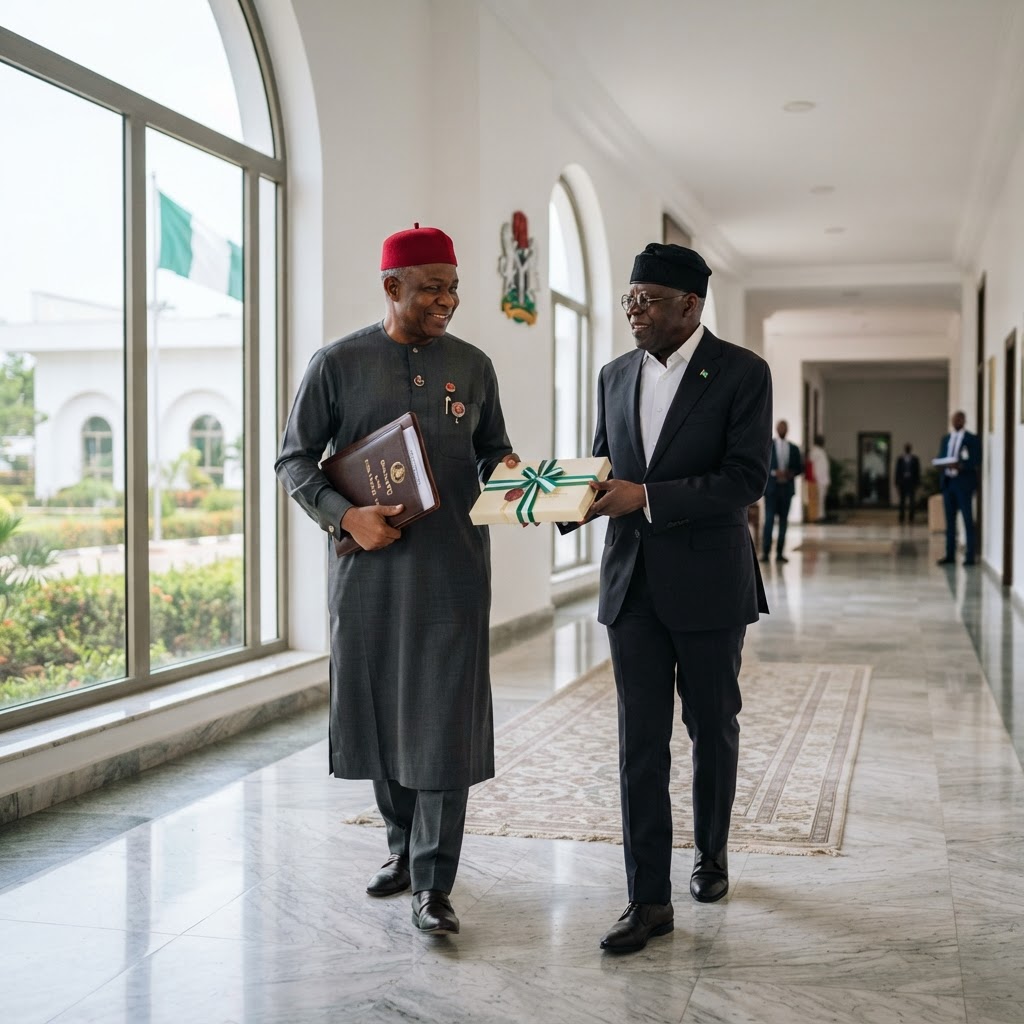
Senate Sends State Police Bill to Tinubu for Approval
Nigeria's security architecture is entering a new chapter. The headline development, State Police Bill: Senate Transmits Constitutional Amendment to Tinubu for Presidential Assent, signals a historic shift toward decentralized policing. For Nigerian families, entrepreneurs, and community leaders, th...