Powered by Obi Mbieri Independent Media Ltd.
$1 = ₦1,353€1 = ₦1,486£1 = ₦1,775Solar Power Versus Generators for Nigerian Homes
Nigerian homeowners spend more on backup power than many spend on groceries each month. The ongoing debate around Solar Power Versus Generators for Nigerian Homes has become one of the most urgent financial and health decisions a family can make. As fuel prices climb and the national grid continues ...
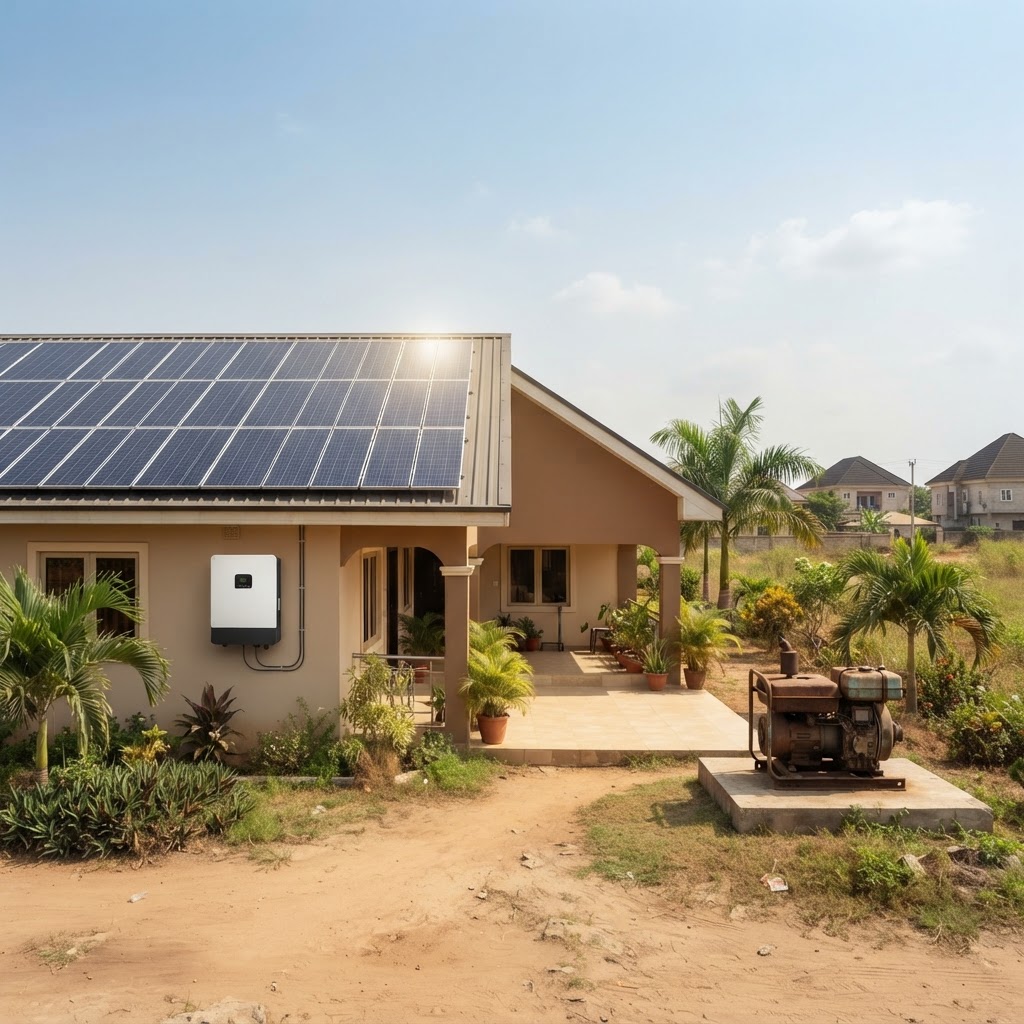
Nigerian homeowners spend more on backup power than many spend on groceries each month. The ongoing debate around Solar Power Versus Generators for Nigerian Homes has become one of the most urgent financial and health decisions a family can make. As fuel prices climb and the national grid continues to disappoint, more households are asking whether Solar Power can realistically replace the generator sitting outside their gate.
This article breaks down the real costs, health implications, and future outlook of both energy sources, offering practical guidance for households navigating Nigeria's power crisis. We also look at financing options, technical requirements, and the broader community impact of choosing Solar Power over fossil-fuel generators.
Why Is Energy Independence Crucial?
Nigeria's power sector remains unreliable despite decades of reform attempts. Roughly 84% of urban households depend on backup power systems just to maintain basic daily life. This statistic alone shows how deeply energy insecurity shapes everyday Nigerian experience.
The financial burden has worsened dramatically. Diesel prices have quadrupled since 2021, squeezing household budgets and small business margins alike. Petrol generator owners face similar price shocks, with fuel scarcity adding unpredictability to already strained finances. In this environment, Solar Power has shifted from a niche lifestyle choice to a mainstream survival strategy for many Nigerian families.
For families and entrepreneurs, energy independence is no longer optional. A shop without steady power loses customers. A home without electricity struggles with food storage, security, and children's schoolwork. This connects directly to the Eziokwubundu mission of community prosperity, since stable power supports both household stability and business resilience.
Energy decisions also ripple outward into community life. When businesses fail due to power costs, local economies weaken. When families overspend on fuel, savings and investment opportunities shrink. According to the World Bank, unreliable electricity costs Nigerian businesses billions annually in lost productivity. Many of these businesses are now exploring Solar Power as a way to stabilize operating costs and protect profit margins.
Choosing between Solar Power Versus Generators for Nigerian Homes is therefore not just a technical question. It is a decision about long-term financial health, family wellbeing, and community strength. The right choice can free up income for investment, education, and healthcare. Families that have experienced disruption from natural disasters understand this urgency even more; those affected by seasonal flooding, for instance, can review How to Prepare for Flooding in Nigerian Communities to see how resilient energy planning fits into broader household preparedness.
How Do Generators Compare To Solar?
Generators and solar systems operate on fundamentally different cost models. Generators have low purchase prices but high ongoing operational expenditure, commonly called OPEX. Solar systems demand a larger upfront investment, known as capital expenditure, or CAPEX, but cost far less to run over their lifetime.
Nigeria illustrates this contrast vividly. The country is the world's largest importer of generators, according to International Energy Agency data. Millions of households rely on them daily, spending heavily on fuel, maintenance, and frequent replacement parts. This cycle of spending often traps families in a loop where income earned is immediately consumed by fuel costs, leaving little room for savings or investment.
Solar Power tells a different story over time. Equipment costs have fallen steadily worldwide, making solar increasingly competitive against diesel and petrol alternatives. Once installed, sunlight is free, and maintenance needs are minimal compared to combustion engines. Unlike generators, which depend on volatile fuel markets, Solar Power systems are largely insulated from price shocks once the initial investment is made.
Understanding "Total Cost of Ownership" helps families make smarter decisions. This concept adds purchase price, fuel, maintenance, and replacement costs over several years. When Nigerian families calculate true lifetime expenses, Solar Power often becomes the more economical choice despite higher initial costs.
Consider these key comparison points:
- Generators require constant fuel purchases, which rise with inflation and scarcity.
- Solar systems need minimal maintenance after installation.
- Generator engines typically last 3-5 years under heavy residential use.
- Quality solar panels can function efficiently for 20-25 years.
- Solar batteries, while needing eventual replacement, generally outlast multiple generator engine overhauls.
Entrepreneurs exploring this decision can also review guidance on How to Start a Small Business in Nigeria to understand how energy costs factor into overall business planning. For many small business owners, switching to Solar Power has become a defining factor in whether their enterprise remains profitable during periods of fuel scarcity.
What Are The Health Impacts?
Beyond finances, health consequences separate these two energy sources sharply. Millions of petrol and diesel generators operating across Nigerian neighborhoods create serious noise and air pollution. This pollution affects both physical and mental wellbeing, often in ways families do not immediately recognize.
Generator exhaust contains carbon monoxide, nitrogen oxides, and fine particulate matter. The World Health Organization links these pollutants to respiratory illness, cardiovascular disease, and reduced life expectancy. Prolonged exposure in densely populated areas compounds these risks significantly, particularly for children, the elderly, and people with pre-existing conditions.
Noise pollution adds another layer of harm. Constant generator hum disrupts sleep, raises stress hormones, and contributes to irritability. Families living near multiple generators often report chronic fatigue and difficulty concentrating, especially among children and elderly relatives. Poor sleep and chronic stress are also linked to broader health complications, including conditions discussed in 5 Essential Ways to Prevent Malaria in Nigeria, since stagnant fuel storage and disrupted household routines can inadvertently create conditions favorable to mosquito breeding.
Featured Products
Reverse Type 2 Diabetes & other associated Metabolic Issues using Dr. Jason Fung's Evidence-Based Approach— FMD program for Type 2 Diabetes
A practical fasting and fasting-mimicking programme built on Dr Jason Fung's insulin-resistance principles and ow-glycemic recipes.
₦19,950
Join NowChukwu Abiama Tee
Bold black-and-gold Igbo-pride T-shirt featuring 'Chukwu Abiama' in premium streetwear typography.
₦15,000
Buy NowỤmụ Igbo Tee
Classic black T-shirt with bold white 'Ụmụ Igbo' typography — a proud statement of Igbo heritage.
₦15,000
Buy NowNwanne Tee
Washed khaki vintage tee with a faded rust-orange 'Nwanne' stamp badge and palm leaf motif — a nod to kinship and heritage.
₦18,000
Buy NowObodo Tee
Faded denim-blue washed tee with a cream 'Obodo' stamp badge and sun motif, celebrating community roots.
₦18,000
Buy NowEkwe Heritage Tee
Deep indigo tee featuring a fine line-art illustration of a traditional Igbo ekwe drum, inspired by Igbo-Ukwu bronze artistry.
₦18,000
Buy NowIkenga Figure Tee
Forest green tee with a fine line-art illustration of a stylized Ikenga figure.
₦18,000
Buy NowSolar Power eliminates these concerns entirely. Panels operate silently, producing zero emissions during use. Transitioning to Solar Power supports cleaner air, quieter homes, and reduced respiratory strain, aligning closely with preventive healthcare principles. Households that switch often report noticeable improvements in sleep quality and general comfort within weeks of installation.
This health dimension matters deeply for community wellbeing. Readers focused on long-term wellness may also benefit from reviewing strategies on How to Reduce High Blood Pressure Risk, since stress and pollution exposure both influence cardiovascular health. Choosing cleaner energy supports the broader Eziokwubundu commitment to healthier, more resilient Nigerian communities. Even everyday concerns like food safety connect to this picture; households relying on inconsistent power often struggle to properly store perishables, a risk explored further in Garri safety, cassava cyanide, food poisoning prevention, where stable refrigeration plays a quiet but important preventive role.
Can Solar Power Your Entire Home?
Modern solar systems can realistically power an entire Nigerian household when properly designed. Three core components make this possible: solar panels, inverters, and battery storage systems working together efficiently to deliver consistent Solar Power throughout the day and night.
Solar panels capture sunlight and convert it into direct current electricity. Inverters then transform this into usable alternating current for household appliances. Battery storage ensures power remains available at night or during cloudy periods, smoothing out Nigeria's inconsistent sunlight patterns and ensuring Solar Power remains available even when the sun isn't shining.
Many families find hybrid systems particularly practical. These setups combine Solar Power with existing grid connections or generators, providing backup flexibility. A hybrid system reduces generator usage significantly while maintaining reliability during extended low-sunlight periods, offering a gentle transition path for households not yet ready to go fully off-grid.
Sizing a system correctly matters enormously. Underestimating household energy needs leads to frustration when appliances like refrigerators, fans, or air conditioners strain an undersized setup. Many installers now offer energy audits to calculate exact daily consumption before recommending panel and battery capacity, ensuring the resulting Solar Power system genuinely matches a family's lifestyle rather than a generic estimate.
Nigeria's solar potential remains largely untapped. According to International Renewable Energy Agency assessments, Nigeria holds potential for 427 gigawatts of solar capacity. This figure dramatically exceeds current national electricity generation, highlighting enormous room for growth in Solar Power adoption nationwide.
For households previously affected by flooding or extreme weather, resilient energy systems matter even more. Readers can explore related preparedness guidance in How to Prepare for Flooding in Nigerian Communities, since reliable power often becomes critical during emergencies, when fuel supply chains are disrupted but sunlight remains constant.
How Can You Finance Solar Adoption?
High upfront costs remain the biggest barrier to Solar Power adoption for many Nigerian families. Fortunately, innovative financing models are emerging to make renewable energy more accessible across income levels.
Pay-As-You-Go, or PAYG, models allow households to pay smaller installments over time rather than one large sum. This approach mirrors mobile airtime purchasing, making solar feel more manageable within monthly budgets. Results-based financing programs, often supported by development partners, further reduce costs by rewarding successful installations. These models have been especially important in expanding Solar Power access to lower-income households who previously assumed renewable energy was out of reach.
Government and private sector collaboration continues expanding access. The Rural Electrification Agency has supported numerous solar mini-grid projects nationwide, particularly in underserved communities. Private solar companies increasingly offer flexible payment plans tailored to Nigerian income patterns, recognizing that widespread Solar Power adoption depends on affordability as much as technology.
Middle-class families can take practical steps toward adoption. Consider these budgeting strategies:
- Start with a smaller solar setup covering essential appliances first.
- Redirect monthly generator fuel savings into solar installment payments.
- Research PAYG providers offering transparent pricing structures.
- Compare financing terms across multiple solar companies before committing.
- Ask installers for maintenance guarantees to protect your long-term investment.
Entrepreneurs seeking capital for larger installations may find useful guidance in How to Access Small Business Loans in Nigeria. Families prioritizing holistic financial planning might also review Nigeria Health Insurance: How to Enroll, since reducing energy costs frees resources for healthcare investment too. Every naira saved by switching away from diesel can be redirected toward health coverage, education, or further investment in reliable Solar Power capacity.
What Is The Future Of Energy?
Nigeria's energy future increasingly points toward decentralized, community-focused solutions. Mini-grids powered by Solar Power are expanding across rural and semi-urban areas, reducing dependence on an overstretched national grid and giving communities greater control over their own electricity supply.
Individual household choices matter significantly within this larger shift. Every family that adopts Solar Power reduces collective reliance on imported fuel and strengthens local energy resilience. These choices collectively build what Eziokwubundu describes as a sustainable Nigerian prosperity ecosystem, where energy decisions made at the household level contribute to national stability over time.
Moving away from fossil fuel dependency offers substantial long-term benefits. Families gain financial predictability, cleaner air, and quieter homes. Communities gain economic stability and reduced vulnerability to global fuel price shocks. As more Nigerian households make this shift, the cumulative effect of widespread Solar Power adoption could meaningfully reduce the country's dependence on imported fuel and strained grid infrastructure.
The choice between Solar Power Versus Generators for Nigerian Homes ultimately reflects a broader decision about the kind of future Nigerian families want to build. Practical, informed energy decisions today create healthier, wealthier, and more resilient communities tomorrow. Whether a family starts small with a basic panel-and-battery setup or invests in a full hybrid system, every step toward Solar Power represents meaningful progress toward lasting energy independence.
Stay Informed
Get New Articles in Your Inbox
Subscribe to receive the latest community development, health, and wealth insights from Eziokwubundu.
Newsletter
Practical insights on health, wealth, and community — delivered weekly.
Community Discussion(0)
Leave a Comment
More to Read
You May Also Like
36.3 Million Nigerians Face Acute Food Crisis
Hunger is spreading faster than many expected across Nigeria this year. New humanitarian data reveals that 36.3 Million Nigerians Face Acute Food Crisis conditions, a number that should alarm every family, policymaker, and community leader. This is not a distant statistic. It is a lived reality shap...
Seplat Aku-01 Discovery: Benefits for Obi-Mbieri
Imagine a small Imo State community suddenly linked to a 157-billion-cubic-feet gas discovery. That is the reality facing Obi-Mbieri today. This piece on Seplat's Aku-01 Discovery: What Concrete Benefits Should Obi-Mbieri Expect? breaks down what this find could mean for everyday residents, local bu...

Budget-Friendly Healthy Meal Prepping for Nigerians
Modern Nigerian families face the dual pressure of rising food prices and the need for better health outcomes. Learning how Nigerian families can(/article/nigerian-family-guide-to-reversing-type-2-diabetes) use meal prepping with local ingredients to eat healthy on a tight budget is a vital skill fo...
Beyond Degrees: Bridging Nigeria's Digital Skills Gap
Nigeria's graduates are flooding the job market faster than employers can absorb them. Yet many arrive with certificates but no practical digital competence. This is the heart of Digital Skills and Youth Employment: Why Nigerian Graduates Need More Than University Certificates.—a gap that is reshapi...
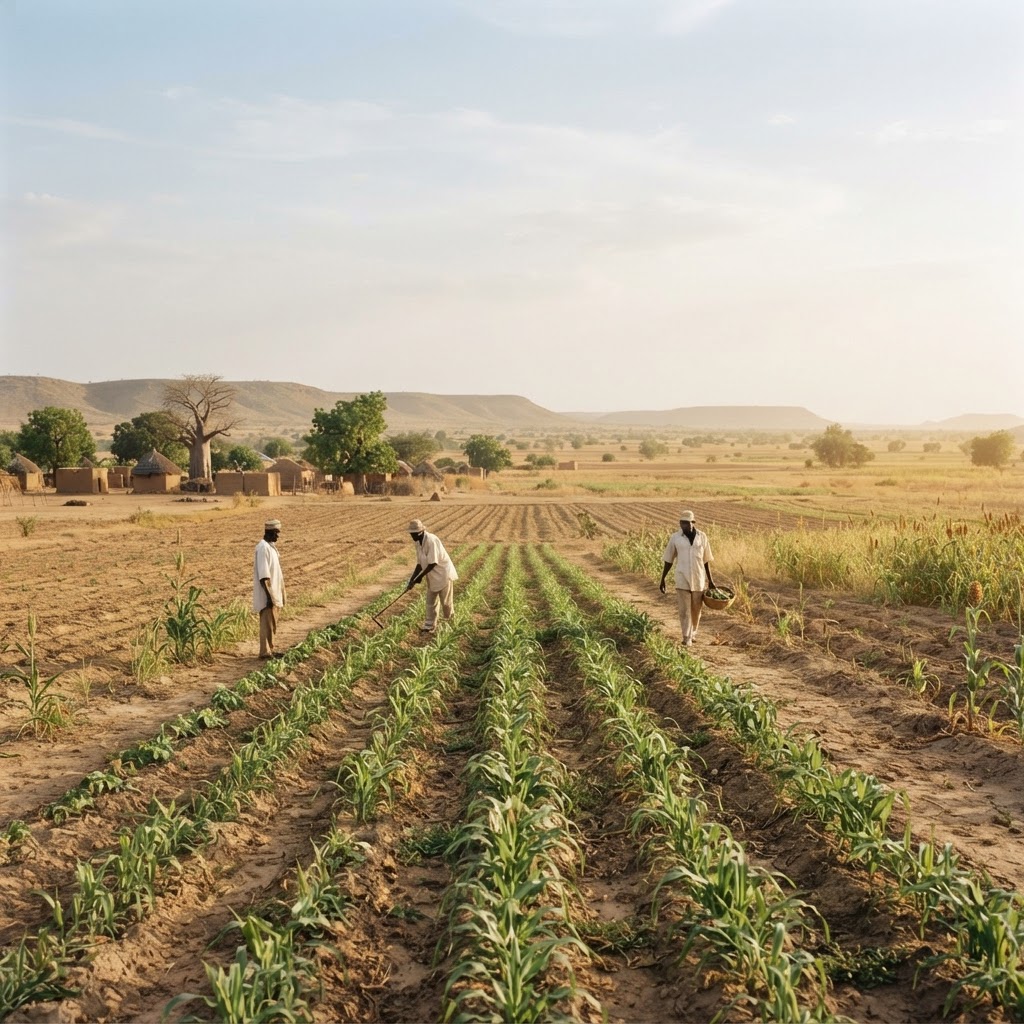
Nigeria Must Prepare for 2027 Global Food Crisis
Nigerian dinner tables could look very different in just a few years. Rising global commodity prices, climate shocks, and conflict-driven disruptions are converging at once to create the conditions for a full-blown global food crisis. Experts Warn Nigeria to Prepare for Potential Global Food Crisis ...
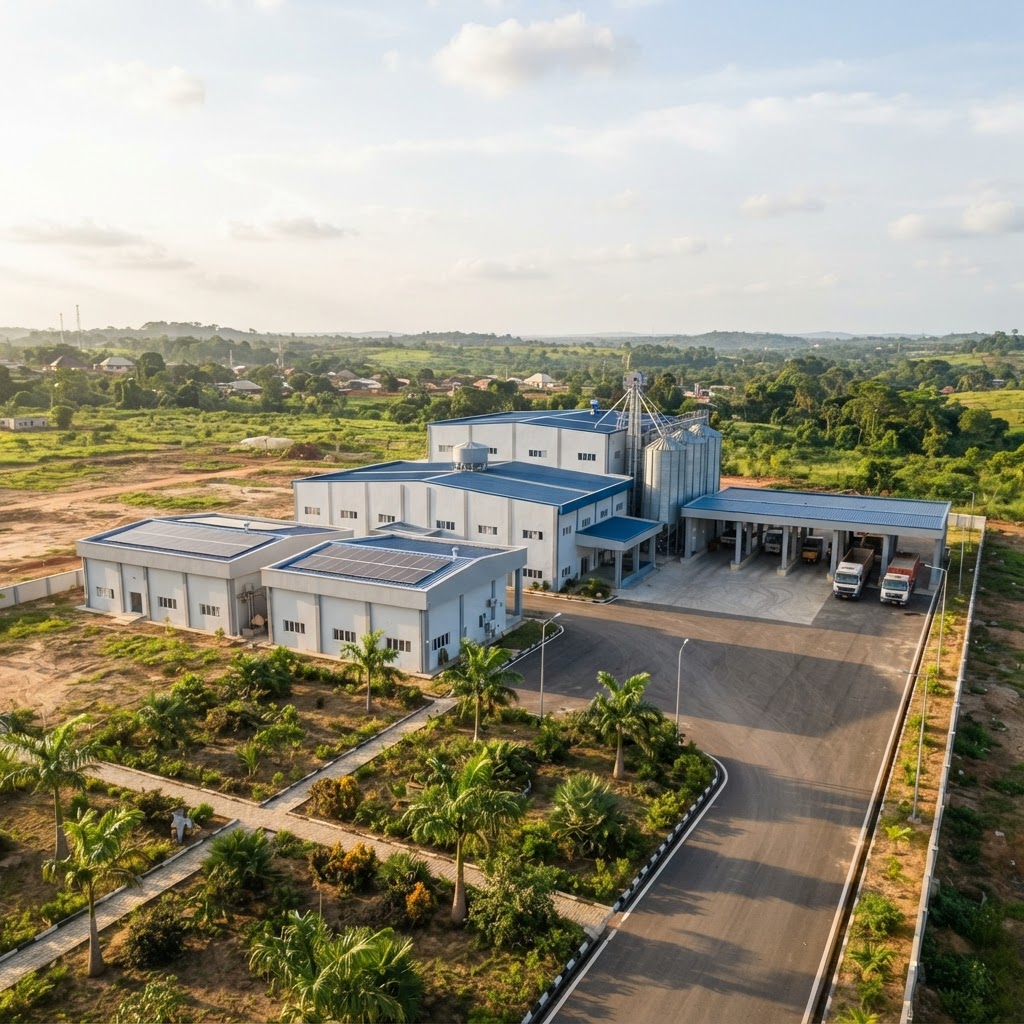
Industrial Investment in Obazu-Mbieri Sparks Economic Growth
Imo State is witnessing a new wave of private-sector confidence that could reshape its economic future. Industrial Investment in Obazu-Mbieri Raises Hopes for Jobs and Local Economic Growth after Marvico Group commissioned a landmark industrial complex in Mbaitoli Local Government Area. For many res...
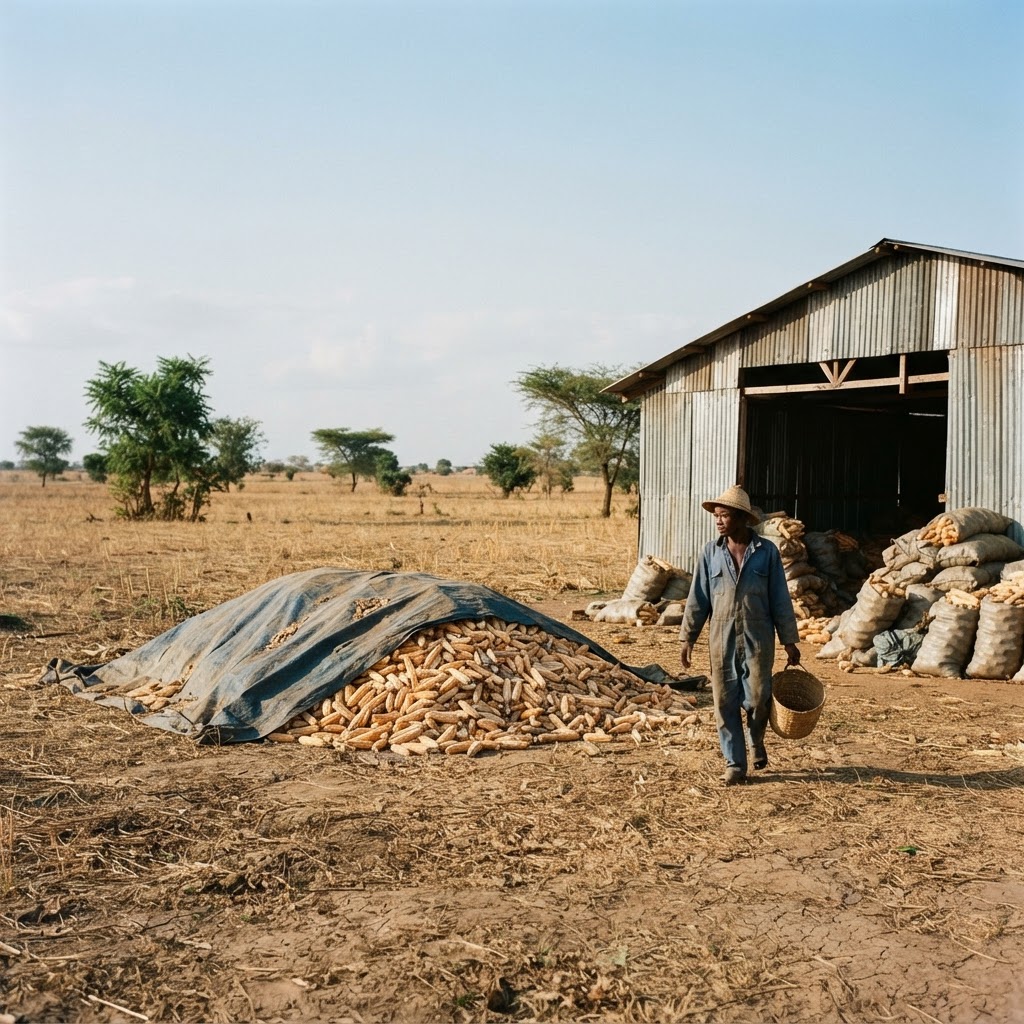
Nigeria Risks Billions in Farm Losses Without Better Storage
Nigeria's farms produce enough food to feed millions, yet much of it rots before reaching a dinner table. This paradox costs the nation dearly every single year. Nigeria Risks Losing Billions in Farm Produce Without Better Storage and Transport, and the numbers behind this crisis demand urgent atten...
FG seeks fresh $500m World Bank loan
Nigeria's infrastructure gap keeps widening every year, and families feel it in blackouts, bad roads, and scarce clean water. Fresh reports confirm that the FG seeks fresh $500m World Bank loan to fund a new infrastructure financing platform. This move could reshape how power, transport, and water p...
Nigeria to Drive Half of West Africa Power Demand by 2035
Nigerians know the frustration of a sudden blackout mid-conversation or mid-business transaction. It is a daily reality that shapes how families live and how entrepreneurs plan their futures across West Africa, and nowhere is this more visible than in Nigeria, the region's largest economy. According...