Powered by Obi Mbieri Independent Media Ltd.
$1 = ₦1,353€1 = ₦1,486£1 = ₦1,775Imo Government Challenges NJC Over Chief Judge Appointment
Imo State is facing a judicial standoff that has left many residents worried about justice delivery. At the center of this standoff is a disagreement over who should lead the state's highest court. The Imo Judiciary Crisis: Government Challenges NJC Over Appointment of Substantive Chief Judge has be...
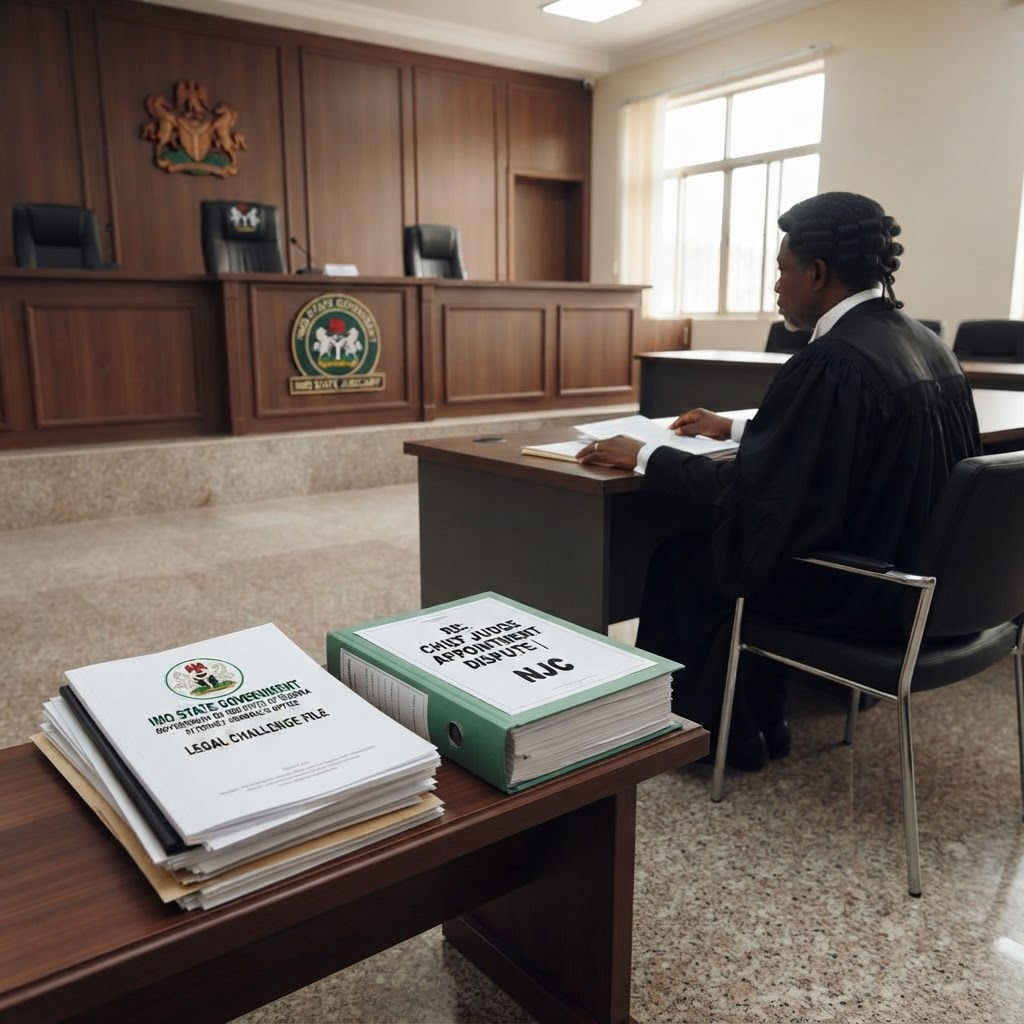
Imo State is facing a judicial standoff that has left many residents worried about justice delivery. At the center of this standoff is a disagreement over who should lead the state's highest court. The Imo Judiciary Crisis: Government Challenges NJC Over Appointment of Substantive Chief Judge has become a defining test of federal-state relations in Nigeria's justice sector, and the resolution of this dispute will likely influence how similar appointments are handled across the country for years to come.
What Is The Imo Judiciary Crisis?
The Imo State High Court has operated without a substantive Chief Judge for an extended period. This leadership vacuum has created administrative uncertainty across multiple court divisions. Judges, lawyers, and litigants have all felt the ripple effects of not having a confirmed Chief Judge steering policy, case allocation, and administrative reforms.
At the heart of the matter is a disagreement between the Imo State Government and the National Judicial Council (NJC). The NJC oversees judicial appointments nationwide and insists on strict adherence to seniority rules when selecting a new Chief Judge. The state government, however, has pushed for a different candidate outside the expected hierarchy, setting up a confrontation that has dragged on far longer than anyone anticipated.
This disagreement has delayed confirmations, stalled promotions, and slowed case management reforms. Legal practitioners in Owerri report growing frustration with unresolved procedural bottlenecks that trace directly back to the absence of a substantive Chief Judge. Public confidence in the judiciary's independence has also taken a hit, as many residents question why such a basic administrative matter has become a prolonged standoff.
According to Premium Times, the NJC formally rejected attempts to exclude the sitting Acting Chief Judge from consideration. This rejection intensified the standoff and drew national attention to Imo's judicial governance. For many families and businesses relying on timely court decisions, the stakes are high, and uncertainty surrounding the Chief Judge position has only compounded existing delays in the justice system.
Community leaders now watch closely as both sides negotiate a path forward. The outcome will shape judicial administration in Imo for years. It may also set precedent for similar disputes in other states, particularly regarding how seniority and merit are weighed when appointing a new Chief Judge. Interestingly, judicial delays are not the only infrastructure concern affecting Imo residents this season; separately, travelers have had to adjust plans following the FAAN Extends Owerri Airport Runway Closure to November 25, a reminder that institutional bottlenecks—whether in aviation or the judiciary—tend to affect ordinary citizens the most.
Why Is The NJC Challenging Imo?
The NJC's position rests on a clear directive: Hon. Justice Ijeoma Agugua, as the most senior judge in Imo State, must be included in any shortlist for substantive Chief Judge. This is not a discretionary preference. It reflects a long-standing constitutional principle guiding judicial succession across Nigeria, one that has governed Chief Judge appointments in virtually every state for decades.
Section 271(4) of the 1999 Constitution (as amended) outlines the process for appointing a state Chief Judge. The provision requires recommendations that respect established judicial hierarchy, subject to NJC review. This constitutional anchor gives the NJC its authority to intervene when seniority appears bypassed in the selection of a Chief Judge.
The dispute traces back to an earlier controversy involving Justice Theophilus Nzeukwu. He ranked fourth in Imo's judicial hierarchy at the time of his proposed appointment as Chief Judge. The NJC rejected this nomination, citing the clear seniority gap between him and more senior judges, including Justice Agugua, who many argue has the strongest claim to the Chief Judge position.
This rejection was not an isolated administrative decision. It reflected the NJC's broader mandate to safeguard judicial independence nationwide, as detailed on the National Judicial Council's official website. The council has consistently emphasized that merit and seniority should guide Chief Judge appointments, not political convenience, and it has reiterated this stance in multiple public statements since the controversy began.
Legal analysts note that similar seniority disputes have occurred in other states over the past decade. Each time, the NJC has leaned toward protecting established hierarchy when determining who should become Chief Judge. This consistency reinforces the council's institutional credibility, even when state governments disagree with specific outcomes or push for alternative candidates to lead as Chief Judge.
For readers following related judicial matters, the ongoing Imo Court Sets December 16 for NYSC Abduction Judgment case illustrates how leadership gaps can affect case scheduling and judicial efficiency across the state. Without a confirmed Chief Judge, high-profile cases like this one risk administrative delays that extend beyond the courtroom and into public perception of justice delivery.
What Are The Government's Arguments?
The Imo State Government maintains that the NJC's directive oversteps constitutional boundaries. Officials argue that recommending specific nominees for the Chief Judge position falls outside the council's proper advisory role. They insist that final appointment decisions should remain within the state's discretion, guided by its own judicial processes.
The state Attorney-General has publicly distinguished between the functions of the State Judicial Service Commission (JSC) and the NJC. According to this argument, the JSC holds primary responsibility for nominating candidates for gubernatorial consideration ahead of any Chief Judge confirmation. The NJC's role, officials contend, should be limited to confirming compliance with constitutional procedure rather than dictating specific names for the Chief Judge role.
This position raises a broader concern about federal versus state autonomy in judicial administration. Imo officials worry that allowing the NJC to effectively select nominees could weaken state-level decision-making power, particularly regarding who ultimately becomes Chief Judge. Such concerns are not unique to Imo; several states have historically debated the proper scope of federal judicial oversight in Chief Judge appointments.
Supporters of the government's position point to a few recurring arguments:
Featured Products
Reverse Type 2 Diabetes & other associated Metabolic Issues using Dr. Jason Fung's Evidence-Based Approach— FMD program for Type 2 Diabetes
A practical fasting and fasting-mimicking programme built on Dr Jason Fung's insulin-resistance principles and ow-glycemic recipes.
₦19,950
Join NowChukwu Abiama Tee
Bold black-and-gold Igbo-pride T-shirt featuring 'Chukwu Abiama' in premium streetwear typography.
₦15,000
Buy NowỤmụ Igbo Tee
Classic black T-shirt with bold white 'Ụmụ Igbo' typography — a proud statement of Igbo heritage.
₦15,000
Buy NowNwanne Tee
Washed khaki vintage tee with a faded rust-orange 'Nwanne' stamp badge and palm leaf motif — a nod to kinship and heritage.
₦18,000
Buy NowObodo Tee
Faded denim-blue washed tee with a cream 'Obodo' stamp badge and sun motif, celebrating community roots.
₦18,000
Buy NowEkwe Heritage Tee
Deep indigo tee featuring a fine line-art illustration of a traditional Igbo ekwe drum, inspired by Igbo-Ukwu bronze artistry.
₦18,000
Buy NowIkenga Figure Tee
Forest green tee with a fine line-art illustration of a stylized Ikenga figure.
₦18,000
Buy Now- States should retain primary control over internal judicial appointments, including the selection of a Chief Judge.
- The NJC's role should focus on confirming constitutional compliance, not candidate selection for the Chief Judge position.
- Excessive federal intervention could set a precedent affecting other states' judicial independence.
- Political and administrative considerations at the state level deserve weight alongside seniority when choosing a Chief Judge.
Critics counter that these arguments risk undermining the very seniority principle designed to prevent favoritism in Chief Judge selections. For more context on this specific confrontation, see Imo Government Challenges NJC Over Chief Judge Appointment, which outlines the government's formal position in greater detail.
Who Is Justice Ijeoma Agugua?
Justice Ijeoma Agugua has served the Imo State Judiciary for an impressive 33 years. Her tenure spans multiple administrations and significant reforms within the state's court system. This extensive experience positions her as a figure of institutional stability and a leading contender for the substantive Chief Judge position.
She currently serves as Acting Chief Judge, a role the NJC has repeatedly extended. These extensions were not routine formalities. They reflected the council's deliberate effort to maintain judicial continuity amid the unresolved substantive Chief Judge appointment dispute.
Her seniority within the Imo judicial hierarchy is not in question. Colleagues and legal observers widely recognize her standing as the most senior judge eligible for the substantive Chief Judge role. This recognition forms the foundation of the NJC's insistence on her inclusion in the shortlist for Chief Judge.
Institutional memory matters significantly in judicial administration. Justice Agugua's decades of service have given her deep familiarity with case backlogs, administrative procedures, and staff management within Imo's courts. Removing such experience from leadership consideration, critics argue, risks disrupting hard-won operational stability that a seasoned Chief Judge would otherwise preserve.
Her continued presence as Acting Chief Judge has, for now, prevented a complete leadership collapse. However, prolonged uncertainty about her substantive status creates its own administrative strain. Clarity on her appointment as the confirmed Chief Judge remains a central demand from legal stakeholders across the state, many of whom argue that further delay only deepens the crisis.
How Does This Affect Our Community?
A functioning judiciary is not an abstract concern reserved for lawyers and politicians. It directly shapes everyday life for families, entrepreneurs, and local organizations. Property disputes, contract enforcement, and family law matters all depend on timely, credible court decisions guided by a properly appointed Chief Judge.
At Eziokwubundu, we view this crisis through our "Community First" lens. A stable judiciary, led by a confirmed Chief Judge, protects the rights of ordinary Nigerians navigating business registrations, land transactions, and inheritance matters. Without reliable court leadership, these processes risk delays that ripple through household economies.
Entrepreneurs particularly feel these effects. Business owners exploring growth opportunities, such as those outlined in How to Start a Small Business in Nigeria, rely on predictable contract enforcement that only a properly functioning court system under a substantive Chief Judge can guarantee. Judicial uncertainty can discourage investment and slow dispute resolution for small enterprises.
Access to credit also depends partly on judicial confidence. Entrepreneurs seeking support through resources like How to Access Small Business Loans in Nigeria need assurance that loan agreements and collateral disputes will be resolved fairly by a court system with clear leadership. A weakened judiciary, lacking a substantive Chief Judge, undermines this confidence at a foundational level.
Families, too, feel the strain in less obvious ways. Just as households must plan ahead for practical challenges—such as those addressed in How to Prepare for Flooding in Nigerian Communities or decisions around Solar Power Versus Generators for Nigerian Homes—they also need confidence that disputes over land, inheritance, or compensation will be resolved efficiently by a judiciary with steady leadership. A protracted vacancy at the Chief Judge level makes such planning harder, as case backlogs grow and resolution timelines become unpredictable.
Education-related matters are not exempt either. With reports such as the Federal Government Reports ₦372.62 Billion in Student-Loan scheme highlighting the scale of financial commitments tied to education, any contractual or regulatory disputes arising from such programs would ultimately depend on a judiciary capable of timely adjudication—another reason why resolving the Chief Judge standoff matters beyond Imo's borders.
Beyond economics, the rule of law underpins social trust. Communities function better when citizens believe disputes will be resolved impartially under the guidance of a credible Chief Judge. The Imo Judiciary Crisis, therefore, touches not just legal professionals but the broader social fabric that holds families and local institutions together. Even young people seeking skills development, such as those exploring options in How to Find Vocational Training in Nigeria, benefit indirectly from a stable judiciary that protects contracts, licensing agreements, and institutional accountability.
What Is The Path To Resolution?
Resolving this standoff requires strict adherence to constitutional procedure. Both the Imo State Government and the NJC must recognize their respective roles without overstepping established boundaries. Mutual respect between state and federal institutions remains essential for a lasting resolution to the Chief Judge dispute.
The NJC's position as the ultimate arbiter of judicial standards should guide next steps. The State JSC must align its nomination process with NJC directives to avoid further rejections of proposed Chief Judge candidates. This alignment does not eliminate state input but ensures consistency with constitutional seniority principles, as reinforced by The Guardian Nigeria's coverage of similar judicial disputes nationwide.
Institutional integrity must take precedence over political considerations. Restoring public trust in Imo's legal system depends on transparent, merit-based appointment processes for the Chief Judge position. Residents and legal practitioners alike deserve clarity on who will lead their courts as the next substantive Chief Judge.
Ultimately, this crisis offers an opportunity. Imo State can demonstrate commitment to judicial independence by resolving the Chief Judge dispute through established constitutional channels. Doing so would strengthen confidence not only in Imo's courts but in Nigeria's broader judicial framework, benefiting families, businesses, and communities for years to come. Just as Nigerians nationwide celebrated unity and resilience during events like the Nigeria Flamingos vs Japan U-17 World Cup Final, Imo State now has the chance to show similar resolve in strengthening its institutions—starting with a timely, transparent appointment of its next substantive Chief Judge.
Stay Informed
Get New Articles in Your Inbox
Subscribe to receive the latest community development, health, and wealth insights from Eziokwubundu.
Newsletter
Practical insights on health, wealth, and community — delivered weekly.
Community Discussion(0)
Leave a Comment
More to Read
You May Also Like

Obi-Mbieri Mourns Engr. Vitalis Opara: Questions Emerge Over Community’s Silence
Engr. Vitalis Opara is identified as President General on the signature page of the Obi-Mbieri Autonomous Community Constitution 2020 as amended.
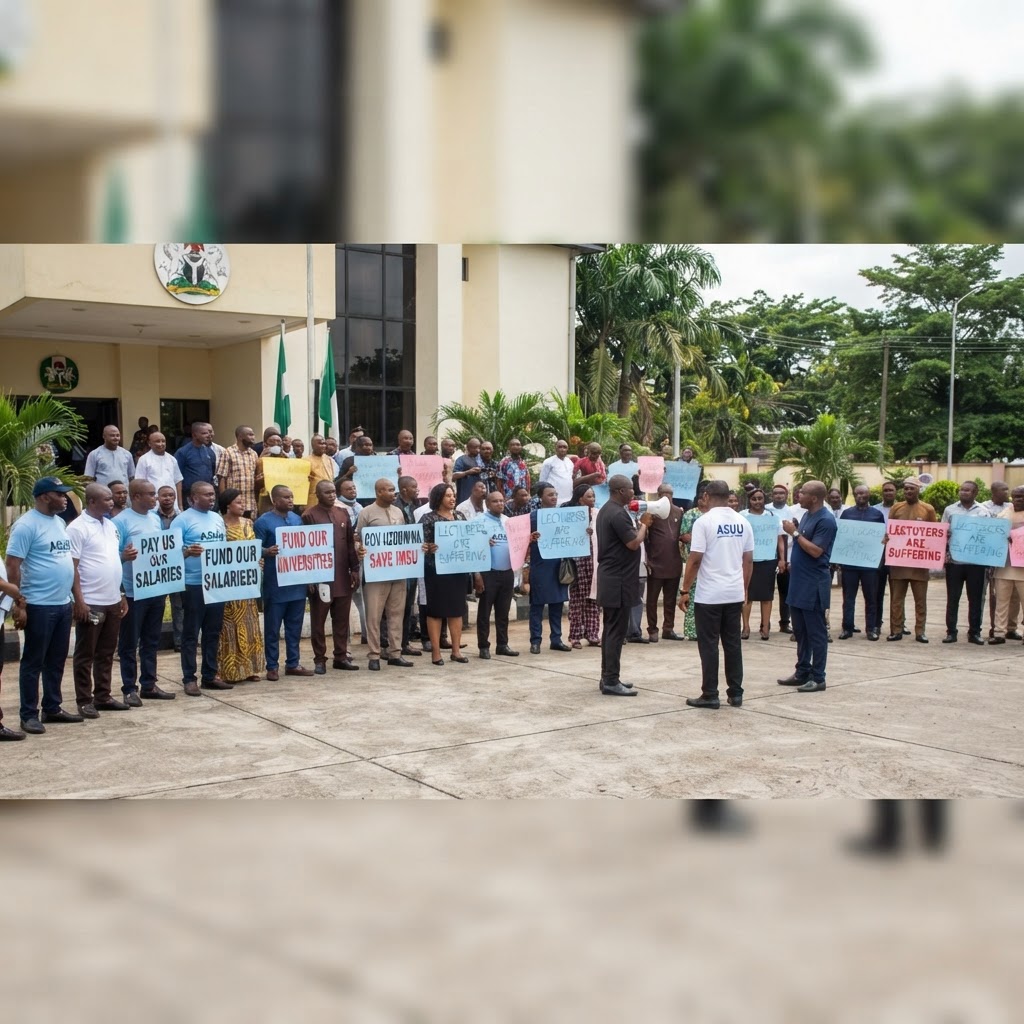
IMSU Lecturers Protest in Owerri, Appeal to Uzodimma to End
The streets of Owerri turned into a sea of white lab coats and placards this week. Hundreds of university lecturers walked out of their offices, choosing protest over silence. The IMSU Lecturers Protest in Owerri, Appeal to Uzodimma to End Months-Long Strike has become a defining moment for Imo Stat...

JAMB Candidates Can Now Change Course and Institution Online
Admission season often brings long queues and costly transport for Nigerian families. That burden has just eased. JAMB candidates can now change their institutions and courses from home, as the board announces a new digital correction service, giving students and parents fresh control over their aca...
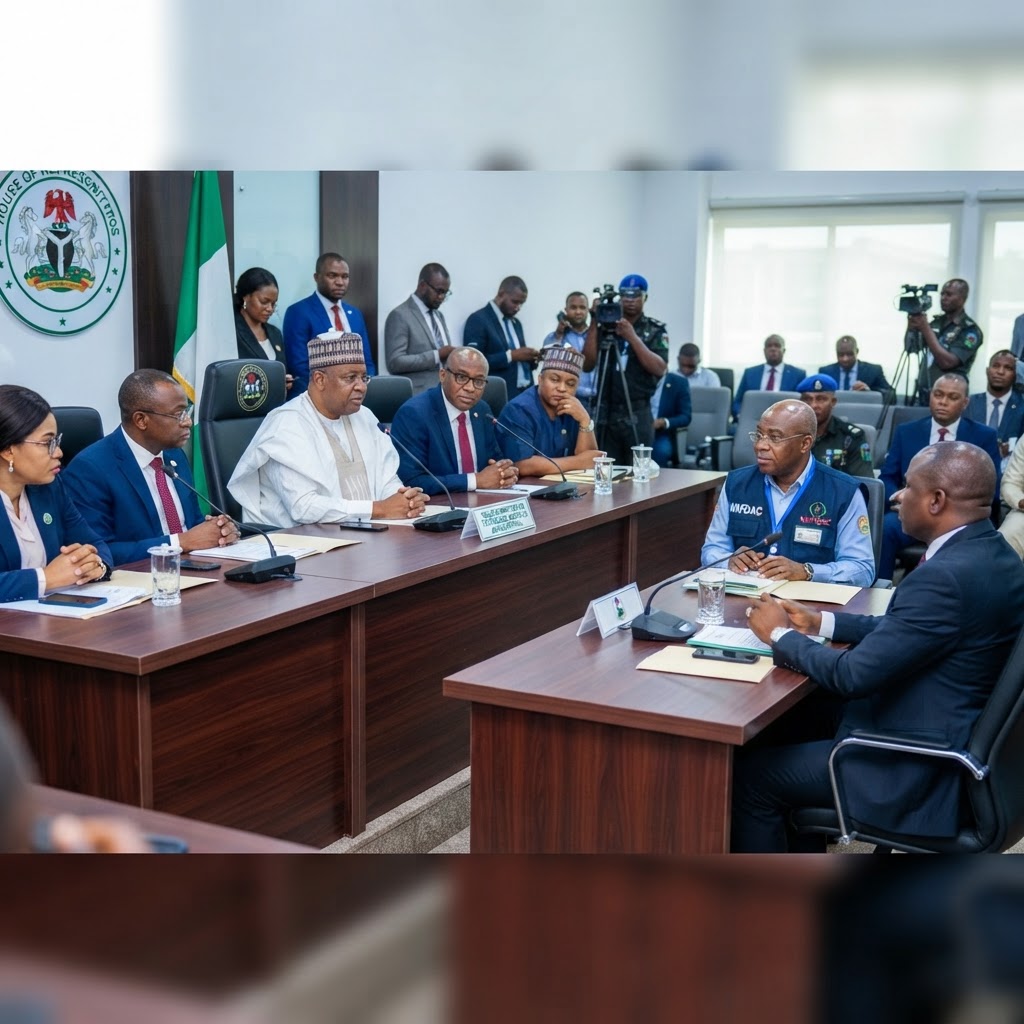
House Summons NAFDAC and DSS Over Fake Drug Deaths
Four people are dead, eleven more are fighting for their lives, and a federal lawmaker wants answers now. Fake Drug deaths linked to a suspicious herbal concoction have pushed the House of Representatives to move decisively, summoning NAFDAC and the DSS in a case that is no longer a distant headline...

Prevent Kidney Disease With Regular Health Checks
Kidney health rarely makes headlines until a crisis hits a family. Yet understanding Kidney Disease: Why Regular Health Checks Can Help Prevent Serious Complications can save lives, protect household income, and strengthen community wellbeing across Nigeria. Kidney Disease often develops quietly ove...

Budget-Friendly Healthy Meal Prepping for Nigerians
Modern Nigerian families face the dual pressure of rising food prices and the need for better health outcomes. Learning how Nigerian families can(/article/nigerian-family-guide-to-reversing-type-2-diabetes) use meal prepping with local ingredients to eat healthy on a tight budget is a vital skill fo...

Beyond Degrees: Bridging Nigeria's Digital Skills Gap
Nigeria's graduates are flooding the job market faster than employers can absorb them. Yet many arrive with certificates but no practical digital competence. This is the heart of Digital Skills and Youth Employment: Why Nigerian Graduates Need More Than University Certificates.—a gap that is reshapi...
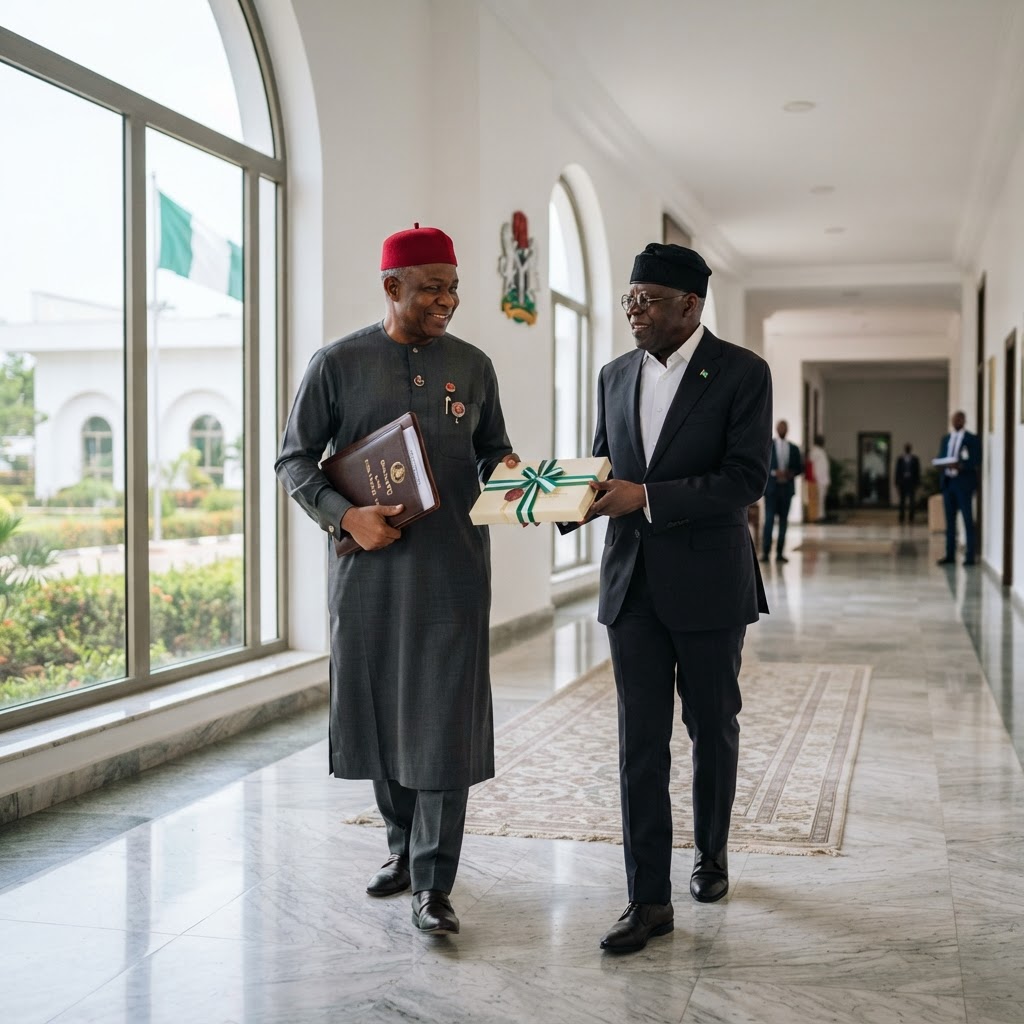
Senate Sends State Police Bill to Tinubu for Approval
Nigeria's security architecture is entering a new chapter. The headline development, State Police Bill: Senate Transmits Constitutional Amendment to Tinubu for Presidential Assent, signals a historic shift toward decentralized policing. For Nigerian families, entrepreneurs, and community leaders, th...

Imo LG Election Disputes Put ISIEC Under Scrutiny
Nigeria's local government elections rarely make national headlines, but Imo State has become an exception. Residents, political parties, and traditional institutions are all watching closely as legal battles and shifting timelines dominate the conversation. The Imo LG Election: Legal Disputes and P...

Diabetes in Africa: Why Routine Screening Is Vital
Imagine a disease that silently damages organs for years before anyone notices. That is the reality for millions living in Africa today. According to the latest report, Diabetes: Three Out of Four Africans Living With the Condition May Be Unaware – Why Screening Matters, and this gap in knowledge is...