Powered by Obi Mbieri Independent Media Ltd · eziokwubundu.com
$1 = ₦1,331€1 = ₦1,491£1 = ₦1,761Public Workers Plan October 2 Strike Over Wages and Fuel
Nigeria stands at another economic crossroads as labour unions signal a nationwide showdown. Families are bracing for disruption, businesses are recalculating budgets, and communities are asking hard questions about survival. This is the story behind why the October 2 strike is dominating national c...
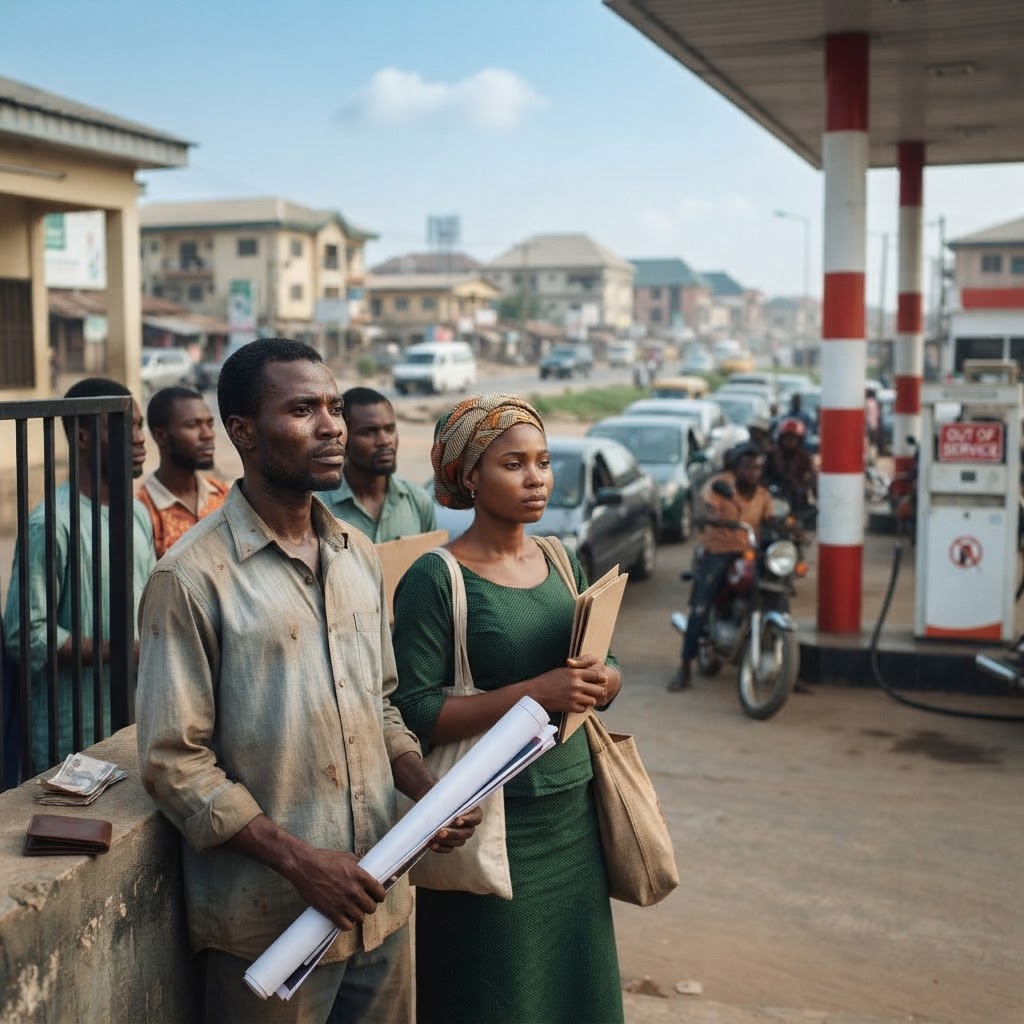
Nigeria stands at another economic crossroads as labour unions signal a nationwide showdown. Families are bracing for disruption, businesses are recalculating budgets, and communities are asking hard questions about survival. This is the story behind why the October 2 strike is dominating national conversation, and what it means for everyday Nigerians who depend on public services, stable wages, and affordable fuel.
Why Are Public Servants Striking?
The Joint National Public Service Negotiating Council (JNPSNC) has issued a three-day warning strike notice tied directly to the looming October 2 strike. It begins October 2, 2026, and the council cites severe economic hardship pressing on workers nationwide. The timing of the October 2 strike is not accidental — it follows months of failed dialogue between labour representatives and government negotiators.
Core grievances centre on the skyrocketing cost of Premium Motor Spirit (PMS). Prices have climbed to between N1,450 and N2,500 per litre across different regions. This variation reflects logistics costs, regional taxes, and supply inconsistencies. For many workers, the planned October 2 strike is less about ideology and more about arithmetic — salaries simply no longer stretch far enough to cover basic transportation and household needs.
The strike is a direct response to government inaction. A September 30 ultimatum expired without meaningful concessions, effectively locking in the October 2 strike as the next major flashpoint. According to Punch Nigeria, workers say the cost-of-living crisis has become unbearable for ordinary civil servants.
Public sector workers argue that salaries have not kept pace with inflation. Many households now spend over half their income on transportation and food. This imbalance has pushed unions toward direct industrial action, culminating in the organised October 2 strike now dominating headlines across the country.
The JNPSNC represents multiple unions across federal and state civil service structures. Their coordinated stance signals a broader dissatisfaction beyond a single sector. It reflects frustration shared by teachers, health workers, and administrative staff alike — a dynamic visible even in localised employment stories like Imo Teacher Recruitment: Mbaitoli School Allocation, where public sector staffing and welfare concerns intersect with broader national labour tensions.
For families already stretched thin, the October 2 strike adds another layer of uncertainty. It also raises questions about how long government negotiations can continue without triggering real disruption to schools, hospitals, and administrative offices nationwide.
What Are The Union Demands?
Union leaders have outlined three central demands ahead of the October 2 strike. Understanding these demands helps clarify the scope of the dispute and its potential resolution pathways before the October 2 strike takes effect.
- Immediate reduction of petrol pump prices to N500 per litre nationwide.
- An immediate wage award to cushion workers during ongoing negotiations.
- Formal commencement of talks for a new national minimum wage, benchmarked at N500,000 from 2027.
The demand for a N500 petrol price reflects concerns about transportation and food inflation. Fuel costs ripple through nearly every sector of the economy. Lower pump prices, unions argue, would ease pressure on households instantly and could even remove the need for the October 2 strike altogether if addressed swiftly.
The wage award request is distinct from long-term minimum wage negotiations. It functions as a stopgap measure. Unions want temporary financial relief while broader wage talks continue, and they insist that failure to act guarantees the October 2 strike proceeds as planned.
The proposed N500,000 minimum wage benchmark is significant. It represents more than seven times the current N70,000 minimum wage. Unions argue this reflects the real cost of living, not just symbolic increases — a point they intend to press hard during any last-minute talks before the October 2 strike.
Negotiators point to global comparisons for context. The International Labour Organization has repeatedly emphasized wage adequacy relative to living costs. Nigerian unions are using similar frameworks to justify their position, framing the October 2 strike as a rational response rather than a purely political manoeuvre.
Government representatives, meanwhile, have expressed concern about fiscal sustainability. Balancing these competing pressures remains the central challenge of ongoing negotiations. Both sides appear far from consensus as the October 2 strike deadline approaches, with little indication that a breakthrough is imminent.
How Does This Impact Families?
Rising fuel costs rarely stay contained to transportation alone. They spread quickly into food prices, school fees, and healthcare access. Middle-class and low-income households feel this impact most acutely, and the threat of the October 2 strike only intensifies existing anxieties.
Transport fares have already risen sharply in major cities. Commuters in Lagos and Abuja report fare increases of 30 to 50 percent since early 2025. These increases strain household budgets already stretched by inflation, making the stakes of the October 2 strike especially high for daily wage earners and commuters alike.
Food inflation compounds the problem. According to the National Bureau of Statistics, food inflation remained above 30 percent through much of 2025. Every naira spent on fuel indirectly raises the cost of transporting goods to market, reinforcing why unions consider the October 2 strike a necessary pressure tactic rather than an optional protest.
A potential three-day shutdown of government services carries its own risks. Essential public administration could stall during the October 2 strike. Healthcare access in public hospitals may slow. Educational support systems, including school administration, could face temporary disruption — a concern that echoes broader public sector staffing issues discussed in Imo Teacher Recruitment: Mbaitoli School Allocation.
Families dependent on government services for documentation, healthcare referrals, or school registration should plan ahead of the October 2 strike. Practical prosperity means preparing before disruption occurs, not reacting afterward. This includes budgeting for essential services and identifying alternative support channels well before the October 2 strike begins.
Community-based support networks become especially valuable during periods surrounding the October 2 strike. Extended family systems, cooperative societies, and local trade groups can help absorb short-term shocks. This reflects the broader Eziokwubundu philosophy of blending personal resilience with collective support.
Readers interested in how public institutions manage disruption may find Unity Colleges Reopen as Workers Suspend Strike a useful reference point. It illustrates how previous strikes were eventually resolved through negotiation, offering a hopeful precedent for how the October 2 strike might ultimately be settled.
Featured Products
Chukwu Abiama Tee
Bold black-and-gold Igbo-pride T-shirt featuring 'Chukwu Abiama' in premium streetwear typography.
₦15,000
Buy NowReverse Type 2 Diabetes & other associated Metabolic Issues using Dr. Jason Fung's Evidence-Based Approach— FMD program for Type 2 Diabetes
A practical fasting and fasting-mimicking programme built on Dr Jason Fung's insulin-resistance principles and ow-glycemic recipes.
₦19,950
Join NowỤmụ Igbo Tee
Classic black T-shirt with bold white 'Ụmụ Igbo' typography — a proud statement of Igbo heritage.
₦15,000
Buy NowNwanne Tee
Washed khaki vintage tee with a faded rust-orange 'Nwanne' stamp badge and palm leaf motif — a nod to kinship and heritage.
₦18,000
Buy NowObodo Tee
Faded denim-blue washed tee with a cream 'Obodo' stamp badge and sun motif, celebrating community roots.
₦18,000
Buy NowEkwe Heritage Tee
Deep indigo tee featuring a fine line-art illustration of a traditional Igbo ekwe drum, inspired by Igbo-Ukwu bronze artistry.
₦18,000
Buy NowIkenga Figure Tee
Forest green tee with a fine line-art illustration of a stylized Ikenga figure.
₦18,000
Buy NowWhat Is The Economic Context?
To understand this standoff, it helps to look back. The N70,000 minimum wage agreement was reached in 2024 after months of negotiation. At the time, it was seen as a meaningful step forward, yet its limitations are precisely what have fuelled momentum toward the October 2 strike.
However, inflation quickly eroded its impact. Nigeria's inflation rate reached 34.1 percent in mid-2024, according to data reported by the National Bureau of Statistics. This erosion left many workers feeling the raise arrived too late or fell too short, setting the stage for renewed labour action culminating in the October 2 strike.
The removal of fuel subsidies in 2023 remains a pivotal turning point. Petrol prices surged almost overnight. Currency devaluation followed shortly after, weakening the naira against major currencies. Together, these shifts triggered a compounding inflationary cycle that many economists now link directly to the frustrations driving the October 2 strike.
The Central Bank of Nigeria has since adjusted monetary policy multiple times to manage inflation. Interest rate decisions, including recent adjustments, reflect ongoing efforts to stabilize the economy. Readers can explore related analysis in CBN Cuts Interest Rate to 23%: Impact on Nigerians for deeper context on monetary strategy and how it intersects with the pressures behind the October 2 strike.
Government fiscal capacity remains a genuine constraint. Public revenue depends heavily on oil earnings, which fluctuate with global markets. Meeting wage demands at scale requires careful fiscal planning, not just political will — a balancing act made more complicated by ongoing legal and financial scrutiny of major economic actors, as seen in Court Seizes Lagos, Abuja Firm's Assets Over $40m Oil Debt.
Accountability concerns also shape public trust in how wage and fuel policy decisions are made. Ongoing investigations, such as those detailed in CCB Investigates Assets of 50 Top Nigerian Officials and the renewed pursuit outlined in EFCC Declares Ex-Pension Boss Maina Wanted Again, feed into public scepticism about whether savings from subsidy removal are being managed transparently. This scepticism, in turn, strengthens union resolve ahead of the October 2 strike.
This tension between fiscal sustainability and living wage adequacy defines the current standoff. Unions argue workers cannot wait indefinitely for gradual adjustments. Government officials argue abrupt wage increases risk destabilizing broader economic stability, even as pressure mounts for a resolution before the October 2 strike disrupts public services nationwide.
Finding middle ground requires transparent dialogue. Historical precedent suggests negotiated settlements are possible, even after strike threats escalate. The outcome will likely depend on how quickly both sides can identify shared priorities before the October 2 strike takes full effect.
How Does This Fit Into Nigeria's Broader Development Picture?
The October 2 strike does not exist in isolation. It arrives at a moment when Nigeria is simultaneously pursuing ambitious development and diplomatic goals. As the country prepares to engage global partners, discussions highlighted in Nigeria to Address UN General Assembly Today underscore how domestic labour unrest can shape international perceptions of economic stability.
At the same time, regional development planning continues, as explored in FG Seeks Unified Master Plans for Regional Development. Coordinated infrastructure and economic planning could, over time, reduce the recurring wage-and-fuel disputes that make events like the October 2 strike almost cyclical in nature.
Innovation and technology also offer long-term pathways toward economic resilience. Events such as Owerri Hosts Interswitch TechConnect 6.0 Today highlight how digital infrastructure investment can create new income streams that reduce dependence on single-source government wages — a relevant consideration for workers weighing the risks and costs of participating in the October 2 strike.
Talent retention and recognition also matter in this broader context. Nigeria's continued ability to produce globally recognised expertise, as seen in Nigerian Scientist Wins 2026 Schlumberger Impact Prize, suggests that human capital remains strong even amid economic strain. Retaining and fairly compensating that talent, however, requires addressing the very wage concerns fuelling the October 2 strike.
How Can Communities Stay Resilient?
Economic uncertainty tests community strength, and the approach of the October 2 strike is a clear test case. The Eziokwubundu philosophy of Community First becomes especially relevant now. Local networks can share resources and support vulnerable members during industrial action tied to the October 2 strike.
Neighbourhood associations, faith-based groups, and cooperative societies have historically stepped in during past disruptions. These structures allow families to pool resources temporarily. They also provide emotional and logistical support when formal systems slow down because of events like the October 2 strike.
Practical prosperity also means diversifying income sources. Skill acquisition remains one of the most effective long-term strategies. Digital literacy, vocational training, and small business development reduce dependence on a single income stream, offering a buffer against disruptions such as the October 2 strike.
Consider these practical steps for households preparing for potential disruption from the October 2 strike:
- Build a small emergency fund covering at least two weeks of essential expenses.
- Identify local cooperative societies offering short-term financial support.
- Explore flexible income options such as freelance work or trading.
- Stay informed through credible local news sources for real-time updates on the October 2 strike.
- Confirm in advance which government offices, schools, or hospitals may operate on reduced capacity during the October 2 strike.
Civic participation also matters. Constructive dialogue with local leaders can influence how communities respond to policy changes. Community leaders who engage government representatives directly often achieve more sustainable outcomes than isolated protest alone, particularly as the October 2 strike approaches and public anxiety grows.
Entrepreneurs and youth professionals should view this period as an opportunity to strengthen adaptability. Diaspora Nigerians can also play a role by supporting family networks financially during short-term shocks linked to the October 2 strike. Every contribution, however small, strengthens collective resilience.
For broader context on how regional development plans intersect with economic policy, readers may find FG Seeks Unified Master Plans for Regional Development insightful. It highlights how coordinated planning can reduce vulnerability to future shocks, including disruptions similar to the October 2 strike.
Ultimately, the strength of Nigerian communities lies in their ability to adapt collectively. Wage disputes and fuel price hikes are recurring challenges. But structured, community-first responses can soften the impact of events like the October 2 strike significantly.
As negotiations continue ahead of October 2, families, entrepreneurs, and community leaders alike must stay informed and prepared. Understanding the full scope of the October 2 strike empowers readers to make practical decisions. Knowledge remains the first step toward stability, even amid uncertainty, and whether the October 2 strike proceeds as planned or is averted through last-minute talks, its ripple effects will likely shape Nigeria's labour and economic conversations for months to come.
Stay Informed
Get New Articles in Your Inbox
Subscribe to receive the latest community development, health, and wealth insights from Eziokwubundu.
Newsletter
Practical insights on health, wealth, and community — delivered weekly.
Community Discussion(0)
Leave a Comment
More to Read
You May Also Like

NYSC Abduction: Serving Nigeria at What Cost? Fresh Safety Questions
The Umunoha abduction of prospective NYSC members has renewed concerns over the safety of graduates travelling across Nigeria for national service.

Military Aircraft With 32 Aboard Crashes in Ondo, Rescue Underway
Igbokoda crash: Nigerian Air Force ATR-42 was travelling from Benin to Lagos when contact was lost
Nwanegwo Hands Over Mbaitoli LGA Affairs, Ends Tenure
Hon. Ifunanya Nwanegwo JP has formally handed over the affairs of Mbaitoli Local Government Area to the Director of Administration and General Services (DAGS), marking the conclusion of his tenure as Executive Chairman.
Umunoha NYSC Kidnap: Hideout Located as IED Threat Delays Rescue
Imo security agencies have located the suspected hideout of prospective NYSC members abducted along the Owerri–Onitsha Road, but an alleged improvised explosive device (IED) threat has delayed the planned rescue operation.

Mbaitoli Kidnapping: Why Is the Owerri–Onitsha Road Still Vulnerable?
The latest kidnapping incident along the Owerri–Onitsha Road in Mbaitoli Local Government Area of Imo State has renewed concerns about the safety of one of the major transportation routes connecting communities in Imo and neighbouring states.

Nigeria’s Maternal Death Crisis: Why Are Mothers Dying?
Every day, Nigerian households wait for news from the maternity ward with hope and quiet dread. Too often, that news is heartbreaking. This is the reality behind Nigeria's Maternal Death Crisis: Why Are So Many Mothers Still Dying? — a question every family, community leader, and policymaker must co...

Kidnappers Demand 1 Billion Naira for 20 Corps Members
A chilling ultimatum has gripped Nigerian families this week. Armed abductors are demanding an enormous ransom for the safe return of young graduates travelling to serve their nation. The incident, now widely known as "Kidnappers Give 20 Prospective Corps Members' Families 24 Hours to Pay ₦1bn Ranso...

Can Fasting Help Lower High Blood Pressure? What Experts Say
High blood pressure quietly affects millions of Nigerian adults, often with no obvious warning signs. Many families are now turning to fasting as a natural way to manage it. This article explores the question many are asking: Can Fasting Help Lower High Blood Pressure? What Experts Say reveals surpr...

NNPC Faces Efficiency Scrutiny Over ₦27.76 Trillion Expenses
Nigeria's state oil giant is back in the headlines, and not for a new discovery. NNPC's ₦27.76 Trillion Operating Expenses Raise Efficiency Questions among citizens, analysts, and policymakers alike. The figure is so large it has sparked fresh debate about how national wealth is managed, and the num...

Police Rescue 10 After Gunmen Attack Two Buses in Mbaitoli
Early morning violence on a major Imo State highway sent shockwaves through communities nationwide this week. Families woke up to disturbing news of commuters trapped in a terrifying ordeal after gunmen struck in Mbaitoli, targeting two commercial buses in the hours before dawn. The headline "Police...