Powered by Obi Mbieri Independent Media Ltd · eziokwubundu.com
$1 = ₦1,328€1 = ₦1,521£1 = ₦1,773UK Blocks Nigerian and Ghanaian Teachers From QTS
UK immigration and education policy just delivered a major blow to thousands of Nigerian and Ghanaian classroom professionals. The UK Bars Nigeria-, Ghana-Trained Teachers From QTS Applications, and the ripple effects will touch families, schools, and career plans across West Africa. This shift dema...

UK immigration and education policy just delivered a major blow to thousands of Nigerian and Ghanaian classroom professionals. The UK Bars Nigeria-, Ghana-Trained Teachers From QTS Applications, and the ripple effects will touch families, schools, and career plans across West Africa. This shift demands urgent attention from every Nigerian educator eyeing a UK teaching career, and it also raises fresh questions about how quickly Teachers From emerging economies can adapt when the rules of international recruitment shift overnight.
What Changed for Nigerian Teachers?
The UK government has announced a sweeping policy change affecting international educators. Teachers trained in Nigeria, Ghana, and India will lose access to the streamlined Qualified Teacher Status (QTS) application route. This change takes effect on September 9, 2026, giving affected applicants a narrow window to act before the door closes.
This is not a minor administrative tweak. It marks a significant shift in how the UK Teaching Regulation Agency (TRA) processes international teaching credentials. Previously, qualified teachers from these countries could apply through a relatively simple assessment-only route, one that many Teachers From Lagos to Accra had already begun preparing for.
According to SaharaReporters, the decision follows growing concerns about verifying professional standing and work history references from these regions. UK authorities say the current system left too much room for unverifiable claims. That gap has now triggered a policy overhaul that specifically targets Teachers From countries lacking centralized, digitized verification systems.
For Nigerian teachers who spent years building careers in public and private schools, this news arrives as a serious setback. Many had viewed the QTS route as a realistic pathway to international career growth. That door is now closing, at least in its previous, simplified form, and Teachers From across the country are left recalculating their timelines.
This policy shift sits alongside other economic pressures facing Nigerian households, similar to how How Rising Petrol Prices Impact Nigerian Households and SMEs has reshaped domestic financial planning. Career mobility abroad has long served as a pressure valve for economic uncertainty at home. This new restriction narrows that valve considerably, leaving Teachers From smaller towns with fewer viable emigration options than their urban counterparts.
Why Did the UK Update Rules?
The UK government did not make this decision lightly. Data released alongside the policy change revealed a troubling pattern. Over 70% of applications from Nigeria and Ghana included work history references using personal email addresses rather than official institutional domains, a red flag that regulators say disproportionately affected Teachers From smaller or rural institutions without formal digital infrastructure.
This statistic alarmed regulators. Personal email references are far harder to verify than those tied to a recognized school or ministry system. The UK's Department for Education and the TRA concluded that this created unacceptable risk in the credentialing process, particularly for Teachers From regions where record-keeping remains largely manual.
New eligibility requirements now mandate that a country must have a national regulator. That regulator must be capable of confirming a teacher's professional standing. It must also provide verified, official references directly to UK authorities. Until such systems mature, Teachers From Nigeria and Ghana will remain excluded from the assessment-only route.
This is a structural demand, not a punitive one aimed at individual teachers. The UK wants a standardized, verifiable level of professional quality across all applicant countries. Nigeria and Ghana currently lack a centralized, digitized system that meets this bar consistently, which is precisely why Teachers From these nations are being redirected toward alternative, slower pathways.
Several factors are driving this tightening:
- Rising cases of unverifiable employment history in visa and credential applications.
- Increased scrutiny following broader UK immigration reforms in recent years.
- A push for parity between international and domestically trained teachers.
- Growing reliance on data verification technology within UK regulatory bodies.
Official guidance from GOV.UK on Qualified Teacher Status confirms that eligibility criteria are reviewed periodically based on data quality and regulatory partnerships. This latest change reflects that ongoing review process. It is a data-driven decision, not an arbitrary one, though it will still be felt most acutely by Teachers From the two affected West African nations.
For Nigerian professionals, this underscores a broader lesson. Systems built on personal networks and informal verification struggle to meet international scrutiny. Just as Economic Pressure Drives Employers Toward Commission-Based Pay reflects shifting employer expectations at home, this policy reflects shifting expectations abroad. Verification, documentation, and institutional credibility now matter more than ever for Teachers From any country hoping to work internationally.
What Is QTS and Why Matters?
Qualified Teacher Status, commonly known as QTS, is the professional teaching qualification required to teach in most state-maintained schools in England. Without it, career progression in the UK education system stalls quickly. It is the gold standard for classroom professionals, and it remains the benchmark that Teachers From every corner of the globe must eventually meet if they want long-term stability in English classrooms.
Importantly, teachers can work in England for up to four years without QTS. This grace period allows international educators some flexibility. However, obtaining QTS remains essential for long-term career progression and salary advancement, a reality that Teachers From Nigeria and Ghana must now plan around more carefully than before.
QTS is distinct from a visa. Many Nigerian applicants confuse the two, assuming that immigration status and professional certification are the same thing. They are not. QTS is a professional certification confirming that a teacher meets English pedagogical standards, regardless of immigration status.
This distinction matters enormously for planning purposes. A teacher could theoretically hold a valid work visa but lack QTS, limiting their pay grade and promotion prospects. Conversely, holding QTS without proper immigration status still bars someone from legally working in the UK. This dual-track reality is especially important for Teachers From countries newly excluded from the assessment-only route, since they may need to rely more heavily on visa sponsorship while pursuing certification separately.
Featured Products
Chukwu Abiama Tee
Bold black-and-gold Igbo-pride T-shirt featuring 'Chukwu Abiama' in premium streetwear typography.
₦15,000
Buy NowReverse Type 2 Diabetes & other associated Metabolic Issues using Dr. Jason Fung's Evidence-Based Approach— FMD program for Type 2 Diabetes
A practical fasting and fasting-mimicking programme built on Dr Jason Fung's insulin-resistance principles and ow-glycemic recipes.
₦19,950
Join NowỤmụ Igbo Tee
Classic black T-shirt with bold white 'Ụmụ Igbo' typography — a proud statement of Igbo heritage.
₦15,000
Buy NowNwanne Tee
Washed khaki vintage tee with a faded rust-orange 'Nwanne' stamp badge and palm leaf motif — a nod to kinship and heritage.
₦18,000
Buy NowObodo Tee
Faded denim-blue washed tee with a cream 'Obodo' stamp badge and sun motif, celebrating community roots.
₦18,000
Buy NowEkwe Heritage Tee
Deep indigo tee featuring a fine line-art illustration of a traditional Igbo ekwe drum, inspired by Igbo-Ukwu bronze artistry.
₦18,000
Buy NowIkenga Figure Tee
Forest green tee with a fine line-art illustration of a stylized Ikenga figure.
₦18,000
Buy NowFor Nigerian families considering this career path for their children, understanding this dual requirement is critical. Just as financial literacy underpins guides like Imo's ₦61bn Question: Tracking Agricultural Funding, understanding regulatory literacy is now essential for international career planning. Both immigration compliance and professional certification must be pursued in parallel, not confused as one process, and this applies equally to Teachers From urban centers and rural communities alike.
Are There Alternative Routes Available?
Despite this setback, all is not lost for ambitious Nigerian educators. Teachers can still explore the International Qualified Teacher Status, known as iQTS. This program allows individuals to train to teach while living and working in their home country, offering a lifeline to Teachers From Nigeria and Ghana who cannot immediately relocate.
The International QTS route is equivalent to English QTS. Crucially, it does not require a visit to England to complete the training. This makes it far more accessible for teachers who cannot easily relocate during the qualification process, and it is quickly becoming the preferred route for Teachers From affected countries navigating the new restrictions.
Eligibility requirements are specific but achievable for many qualified Nigerian educators:
- A bachelor's degree from a recognized institution.
- English qualification standards equivalent to UK requirements.
- Mathematics qualification standards equivalent to UK requirements.
- Demonstrated classroom teaching experience in a relevant subject area.
This pathway offers real hope. It allows Nigerian teachers to build UK-recognized credentials without uprooting their families or careers prematurely. It also sidesteps the specific documentation gaps that triggered the new QTS restrictions, giving Teachers From smaller schools a fairer chance at eventual recognition.
Teachers pursuing iQTS should treat the process with the same seriousness as any major professional investment. This mirrors advice found in Apply Now: $10,000 African AI Drug Discovery Fellowships, where structured application processes reward thorough preparation. Gathering documentation early, understanding assessment criteria, and seeking mentorship from those who have completed the program can significantly improve success rates for Teachers From any background.
Nigerian teacher training colleges and professional associations should also consider partnering with UK-recognized bodies. Building institutional credibility now could smooth future pathways for an entire generation of educators. Community-level advocacy could accelerate the kind of regulatory recognition that individual applicants cannot achieve alone, ultimately benefiting Teachers From every state and region who hope to pursue international careers in the years ahead.
How Can Teachers Plan Ahead?
Strategic planning is now non-negotiable for anyone pursuing a UK teaching career. Prospective applicants should focus on securing official documentation immediately. Verifying that Nigeria's regulatory bodies can provide necessary professional standing confirmations should be a top priority for Teachers From every subject area, not just those in shortage disciplines.
This means engaging directly with institutions like the Teachers Registration Council of Nigeria. Teachers should request official, verifiable employment records rather than relying on personal references. Institutional email correspondence and formal letters carry far more weight under the new rules, and this shift in documentation standards will likely affect Teachers From other African nations facing similar scrutiny in the coming years.
For those still determined to move to the UK directly, the Skilled Worker visa remains a viable pathway. This route requires securing a job offer from a school holding a valid sponsor license. Details on eligibility appear on the official UK Skilled Worker visa guidance page.
Teachers should also prioritize professional development continuously. Academic qualifications must be verified by UK ENIC, the UK's national agency for recognizing international qualifications. This verification step is often overlooked but proves essential for maintaining competitiveness in the global job market, particularly for Teachers From countries where credential fraud concerns have previously drawn regulatory attention.
Consider these practical steps before applying:
- Confirm your degree and teaching certificate are verifiable through official channels.
- Request UK ENIC assessment of your academic qualifications early.
- Research schools with active sponsor licenses before job hunting.
- Document all professional development and classroom experience formally.
This disciplined approach mirrors broader lessons in financial and career resilience. Much like households navigating N2tn Unsold Goods: Is Imo Facing a Spending Slump?, teachers must adapt quickly to shifting external conditions. Preparation today prevents costly delays tomorrow, and this is especially true for Teachers From regions where bureaucratic processes move slowly and documentation can take months to assemble.
It is also worth noting that career disruption of this kind can carry hidden personal costs. Just as sudden financial strain can affect long-term wellbeing, the way 48 Months Without Full Pension Payments: Imo Pensioners has shown how prolonged uncertainty erodes household stability, prolonged professional uncertainty can weigh heavily on Teachers From families depending on a single income stream. Planning ahead is not simply a bureaucratic exercise; it is a matter of protecting family stability during a turbulent transition period.
What Is the Future Outlook?
The UK education sector continues facing recruitment challenges, particularly in STEM subjects and modern foreign languages. This suggests international talent remains highly valued, despite tightened entry routes. Demand has not disappeared; only the pathway has changed, and Teachers From Nigeria and Ghana who adapt quickly to the new requirements may still find strong long-term prospects.
Nigerian educators should focus on building verifiable professional portfolios that align with international standards. This proactive approach will help navigate evolving immigration and qualification landscapes far more effectively than reactive scrambling. Teachers From other African countries watching this situation unfold would do well to draw the same lesson, since regulatory tightening rarely remains isolated to a single nation for long.
Eziokwubundu remains committed to guiding Nigerian professionals through these transitions. Balancing global career aspirations with community-focused growth remains central to our mission, connecting personal advancement with collective progress across the diaspora and at home. As policies evolve, our goal is to ensure that Teachers From Nigeria, Ghana, and beyond have access to clear, accurate, and timely guidance so they can make informed decisions about their futures, wherever those futures may lead them.
Stay Informed
Get New Articles in Your Inbox
Subscribe to receive the latest community development, health, and wealth insights from Eziokwubundu.
Newsletter
Practical insights on health, wealth, and community — delivered weekly.
Community Discussion(0)
Leave a Comment
More to Read
You May Also Like
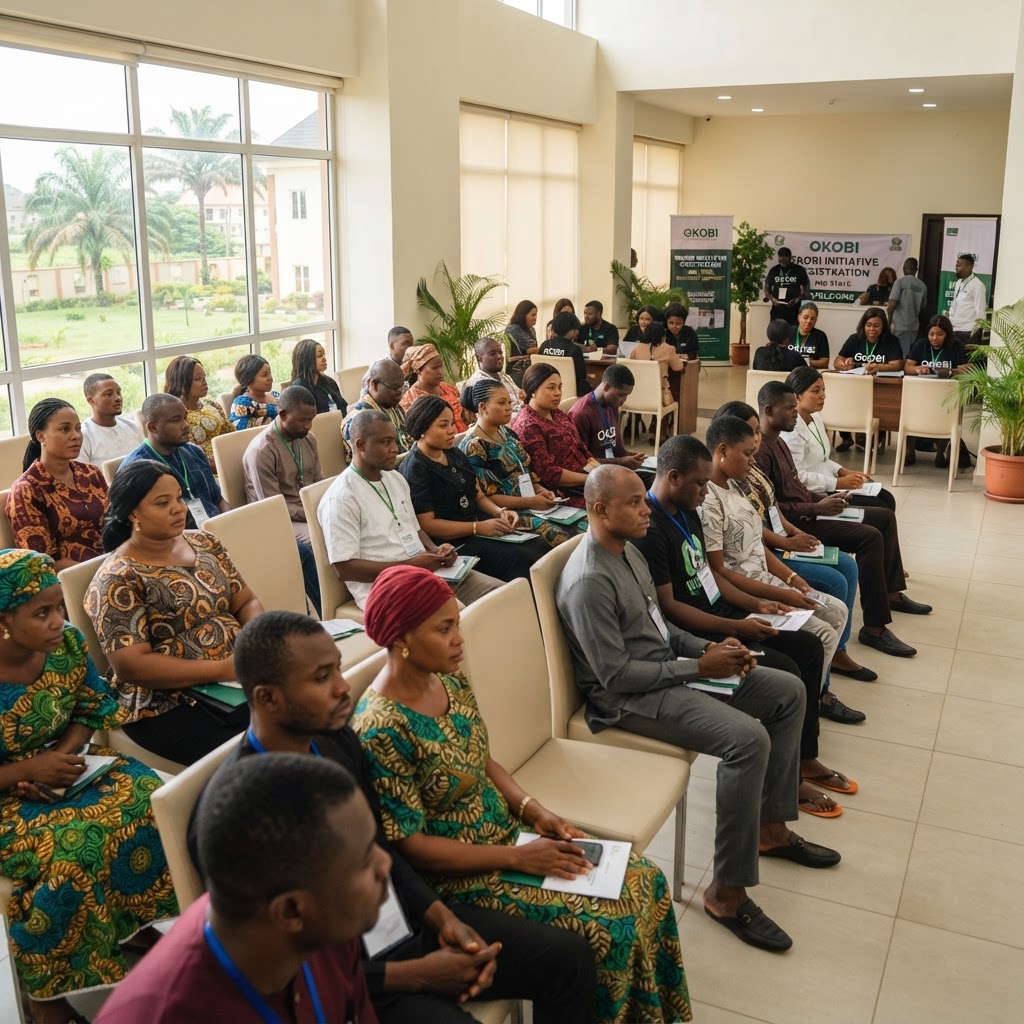
65 Imo Businesses Await OKOBI Initiative Registration
Imagine 65 kindred-owned businesses across Imo State, each waiting for one final document to unlock full legal status. That single step—Corporate Affairs Commission registration—now defines the next chapter in Imo's OKOBI Initiative: 65 Community Businesses Await CAC Registration. For families, entr...
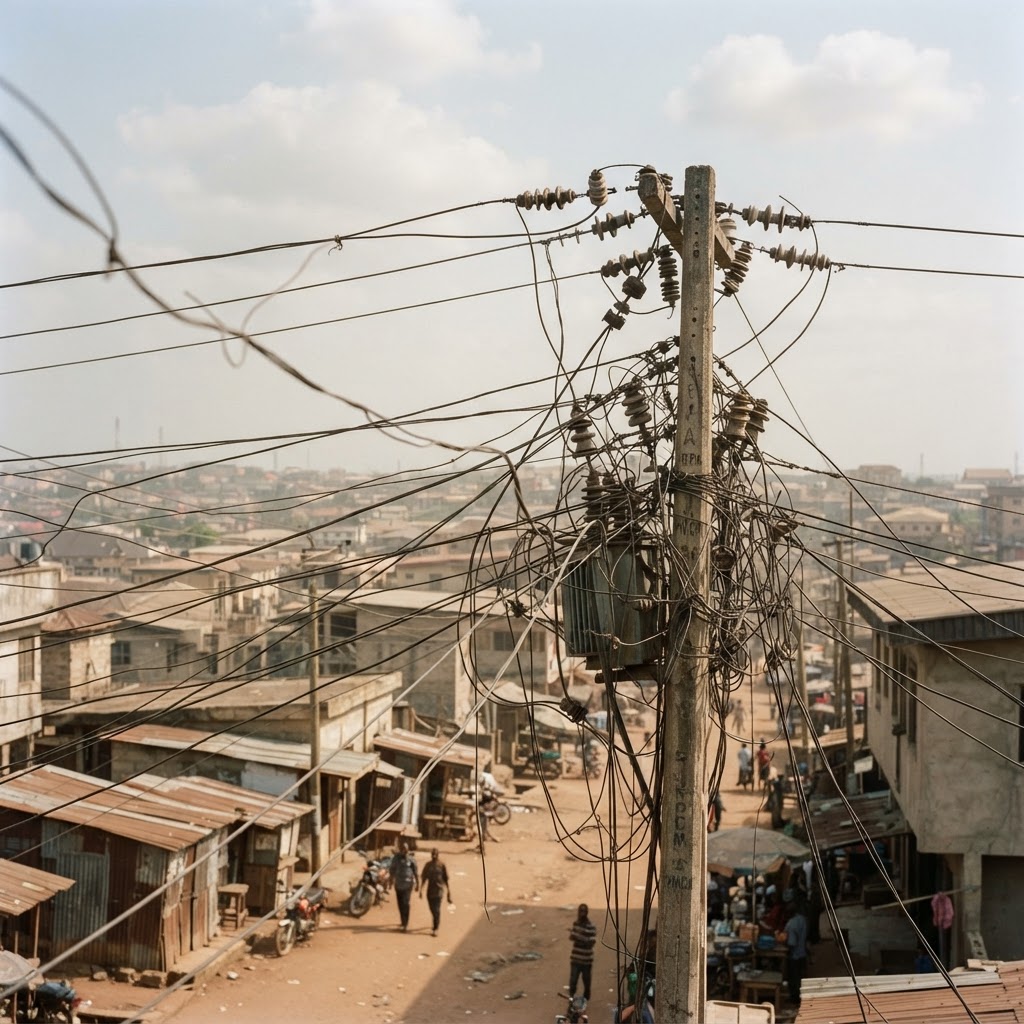
Why Nigeria Faces an Ongoing Power Supply Crisis
Nigerian households lose power multiple times a day, and the frustration never seems to fade. Behind every flickering bulb and silent refrigerator lies a deeper story about Nigeria's fragile power supply system — one that touches nearly every aspect of daily life across the country. Businesses stall...

61 Nigerian Officials Tied to $271M US Properties
Nigeria's corridors of power just faced a fresh spotlight. A newly released investigation, titled 61 Nigerian Officials Linked to $271m US Property Holdings — Report, has reignited public debate over wealth, accountability, and trust in leadership. For families budgeting daily expenses, the numbers ...

Imo Flood Crisis: Which Communities Are Most Vulnerable?
The rains have returned to Imo State, and so has fear. Families in low-lying communities are already counting losses, while roads turn into rivers overnight. The Imo Flood Crisis: Which Communities Are Most Vulnerable? question is no longer theoretical — it is a daily reality for thousands of Ndi Im...

Imo Insecurity: Seven Communities Face Renewed Kidnap Threat
Fear has returned to parts of Imo State as criminal gangs target unsuspecting residents. Imo Insecurity: Seven Communities Face Renewed Kidnap Threat is more than a headline—it reflects a lived reality for thousands of families who now measure daily life against the possibility of sudden violence. U...

How to Register a Business in Imo
Starting a business in Imo State is one of the most impactful decisions you can make — not just for your personal financial future, but for the broader prosperity of your community. From the bustling markets of Owerri to the agricultural enterprises of Orlu and Okigwe, Imo entrepreneurs are driving ...

5 Signs Your Blood Pressure May Be Too High
Imagine feeling completely fine while your arteries are quietly under siege. That is the reality for millions of Nigerians living with undiagnosed hypertension. Recognizing 5 Signs Your Blood Pressure May Be Too High could be the difference between early intervention and a medical emergency. Underst...

Can Insulin Help You Lose Weight? Risks and Medical Facts
Insulin often gets blamed for weight struggles among Nigerian families managing diabetes. But the science is more nuanced than blind blame suggests. This article, Can Insulin Help You Lose Weight? Risks and Medical Facts, examines what research actually shows. It looks at this essential hormone and ...

Can Nigeria's New Plan Solve the Child Labour Crisis?
Nigeria's child labour crisis is no longer a hidden issue—it is now a national emergency demanding urgent solutions. Millions of children are missing school to work in farms, markets, and mines instead. This raises a pressing question that many Nigerian families are asking today: Nigeria's Child Lab...

N2tn Unsold Goods: Is Imo Facing a Spending Slump?
Nigerian shelves are groaning under unsold stock, and the numbers are staggering. N2tn Goods Unsold: Is Imo's Consumer Market Also Feeling the Spending Slump? This is the question traders in Owerri and beyond are asking every single day. Families are tightening belts, and the ripple effects are visi...