Powered by Obi Mbieri Independent Media Ltd · eziokwubundu.com
$1 = ₦1,327€1 = ₦1,512£1 = ₦1,759Owerri Hosts Interswitch TechConnect 6.0 Today
Nigeria's fintech landscape is entering a bold new phase of regional expansion. Owerri Hosts Interswitch TechConnect 6.0 Today, marking a historic milestone for South-East Nigeria's digital economy. This landmark gathering brings together innovators, policymakers, and entrepreneurs to reshape the na...
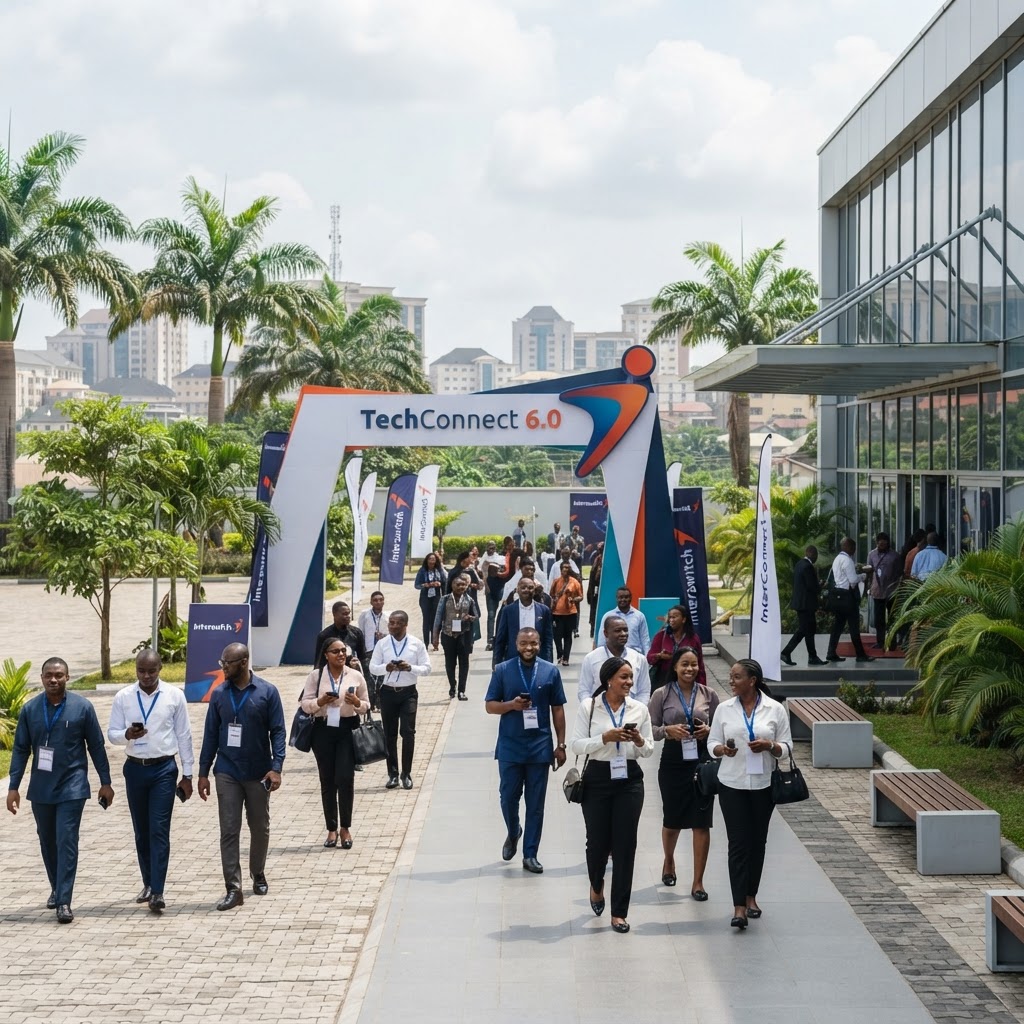
Nigeria's fintech landscape is entering a bold new phase of regional expansion. Owerri Hosts Interswitch TechConnect 6.0 Today, marking a historic milestone for South-East Nigeria's digital economy. This landmark gathering brings together innovators, policymakers, and entrepreneurs to reshape the nation's financial future, and it signals that prosperity conversations are no longer confined to Lagos boardrooms. TechConnect 6.0 arrives at a moment when Nigerian consumers, small businesses, and regulators are all demanding faster, safer, and more inclusive digital finance tools, making the timing of this event especially significant for communities that have historically been left out of national innovation conversations.
For readers of eziokwubundu.com, this event fits perfectly into our belief that health, wealth, and community progress move together. Today's coverage explores what TechConnect 6.0 means for everyday Nigerians, local businesses, and the broader South-East region. We also examine how this single-day gathering connects to wider governance, infrastructure, and economic realities shaping Imo State and Nigeria as a whole, because no fintech conversation happens in isolation from the political and social environment surrounding it.
What Is Interswitch TechConnect 6.0?
Interswitch TechConnect 6.0 is a premier industry engagement series hosted by Interswitch, one of Africa's leading payments and digital commerce companies. The initiative brings public and private sector stakeholders into direct conversation about the future of Nigeria's financial ecosystem. According to the Guardian Nigeria, this year's edition specifically targets "adaptive financial infrastructure" as its central theme.
This focus reflects growing pressure on Nigerian financial systems to keep pace with rapid technological change. Customers now expect instant transactions, airtight security, and seamless digital experiences. Static payment systems built years ago simply cannot meet these evolving demands, and TechConnect 6.0 was designed specifically to address that widening gap between customer expectation and system capability.
TechConnect 6.0 gathers bankers, fintech founders, regulators, and business owners under one roof. Attendees discuss practical solutions rather than abstract theory. This approach aligns closely with Eziokwubundu's own commitment to actionable knowledge over generic advice. Panel sessions at TechConnect 6.0 typically move beyond keynote speeches into structured problem-solving, where participants leave with frameworks they can apply directly to their own organizations rather than vague inspirational takeaways.
The series has grown significantly since its earlier editions. Interswitch reportedly processes over 1 billion transactions annually across its network, according to industry estimates cited by Interswitch's official platform. That scale demonstrates why infrastructure conversations matter deeply to millions of Nigerian consumers and businesses alike. Every edition of TechConnect 6.0 builds on lessons from previous years, incorporating new regulatory realities, emerging cyber threats, and shifting consumer behavior into its agenda, which is why the theme of adaptive infrastructure feels so timely for this particular installment.
Why Is Owerri Hosting This Event?
Owerri, the capital of Imo State, was announced as the kickoff location for the four-city TechConnect 6.0 series, with the flagship event taking place on September 24, 2026. This decision carries significant weight for South-East Nigeria's economic narrative. For decades, major tech and finance conversations concentrated almost exclusively in Lagos and Abuja, leaving cities like Owerri, Enugu, Aba, and Port Harcourt largely absent from national innovation calendars despite their growing commercial relevance.
Choosing Owerri signals a deliberate shift toward decentralizing innovation. Regional hubs like Owerri, Enugu, and Port Harcourt have grown steadily as commercial centers. Hosting TechConnect 6.0 here validates that growth and positions Imo State as a serious player in Nigeria's digital transformation story. It also sends a message to investors watching South-East Nigeria that the region is not merely a market to sell into, but a location capable of hosting serious industry dialogue.
Local community stakeholders now have a rare opportunity to engage directly with national fintech leaders. Entrepreneurs, cooperative groups, and small business owners across the South-East can absorb practical insights without traveling to distant cities. This mirrors efforts highlighted in 65 Imo Businesses Await OKOBI Initiative Registration, where regional economic empowerment programs continue expanding and giving local entrepreneurs structured pathways into formal, tech-enabled commerce.
Community leaders should see this as more than a single-day conference. It represents ongoing momentum that could attract further investment. Similar regional development efforts appear in Imo Government to Support 100 More Communities, reinforcing that Imo State's growth strategy extends well beyond one sector. When infrastructure, education, and financial technology investments arrive together, as they appear to be doing around TechConnect 6.0, the cumulative effect on regional development can be far greater than any single intervention alone.
It is also worth noting that hosting national-scale events like TechConnect 6.0 requires a stable governance environment. Recent developments such as Contempt Proceedings Against Ohohia General Assembly remind residents that institutional accountability remains an ongoing process across Imo State, even as the state simultaneously pursues ambitious economic milestones like this fintech gathering.
What Is Adaptive Infrastructure?
Adaptive financial infrastructure refers to systems built for flexibility rather than rigidity. These systems must be scalable, interconnected, secure, and responsive to shifting market conditions. Unlike older banking infrastructure, adaptive systems adjust quickly when customer needs or regulatory rules change, a principle sitting at the heart of every discussion planned for TechConnect 6.0.
Modern Nigerian businesses cannot afford static technology anymore. Digital commerce now moves at extraordinary speed. A payment platform that cannot scale during high-traffic periods, such as festive seasons, risks losing customers and revenue permanently.
Consider these core characteristics of adaptive infrastructure:
- Scalability to handle sudden transaction surges without failure
- Interoperability across banks, fintechs, and mobile money platforms
- Advanced security protocols that evolve alongside emerging cyber threats
- Real-time data processing for faster decision-making and customer service
- Flexible compliance frameworks that can adjust quickly to new Central Bank directives without disrupting service delivery
This concept connects directly to Eziokwubundu's "Practical Prosperity" philosophy. Wealth creation today depends heavily on digital readiness. Entrepreneurs who adopt adaptive tools position themselves to capture new markets faster than competitors relying on outdated systems. TechConnect 6.0 organizers appear to understand this reality, structuring sessions specifically around how small and mid-sized businesses can adopt adaptive infrastructure without overwhelming costs.
Nigeria's financial inclusion rate currently stands near 64 percent, according to data referenced by the World Bank. Closing that remaining gap requires infrastructure capable of reaching underserved communities, including rural areas across Imo State and the wider South-East. Adaptive systems make that expansion economically feasible for providers, and events like TechConnect 6.0 help accelerate awareness of these tools among the very communities that stand to benefit most.
Featured Products
Chukwu Abiama Tee
Bold black-and-gold Igbo-pride T-shirt featuring 'Chukwu Abiama' in premium streetwear typography.
₦15,000
Buy NowReverse Type 2 Diabetes & other associated Metabolic Issues using Dr. Jason Fung's Evidence-Based Approach— FMD program for Type 2 Diabetes
A practical fasting and fasting-mimicking programme built on Dr Jason Fung's insulin-resistance principles and ow-glycemic recipes.
₦19,950
Join NowỤmụ Igbo Tee
Classic black T-shirt with bold white 'Ụmụ Igbo' typography — a proud statement of Igbo heritage.
₦15,000
Buy NowNwanne Tee
Washed khaki vintage tee with a faded rust-orange 'Nwanne' stamp badge and palm leaf motif — a nod to kinship and heritage.
₦18,000
Buy NowObodo Tee
Faded denim-blue washed tee with a cream 'Obodo' stamp badge and sun motif, celebrating community roots.
₦18,000
Buy NowEkwe Heritage Tee
Deep indigo tee featuring a fine line-art illustration of a traditional Igbo ekwe drum, inspired by Igbo-Ukwu bronze artistry.
₦18,000
Buy NowIkenga Figure Tee
Forest green tee with a fine line-art illustration of a stylized Ikenga figure.
₦18,000
Buy NowMacroeconomic conditions also shape how quickly adaptive infrastructure can spread. Borrowing costs, inflation, and monetary policy all influence whether fintech providers can afford to expand into smaller markets, a topic explored in depth in CBN Cuts Interest Rate to 23%: Impact on Nigerians. Lower rates could make it easier for fintech companies attending TechConnect 6.0 to justify expanding their infrastructure investments into South-East Nigeria.
How Does This Impact Local Businesses?
Small and medium enterprises stand to gain significantly from adaptive financial infrastructure. Simplified digital payment tools reduce friction for merchants selling goods and services daily. A market trader in Owerri, for instance, can now accept mobile payments without expensive equipment or complicated setup processes, and many of the vendors expected to attend TechConnect 6.0 will be looking for exactly these kinds of low-cost, high-impact solutions.
Enhanced security solutions also protect vulnerable businesses from fraud. Cyber threats against Nigerian financial platforms have increased substantially in recent years. Robust infrastructure reduces exposure to these risks while building customer trust in digital transactions. This matters even more in regions currently navigating security concerns, as highlighted in Imo Insecurity: Seven Communities Face Renewed Kidnap Threat, where trust and stability remain essential for economic activity to flourish alongside technological progress.
Technology increasingly bridges traditional business values with modern economic opportunity. Nigerian entrepreneurs have long relied on trust-based systems like esusu and cooperative savings groups. Digital platforms can strengthen, rather than replace, these community-rooted financial structures by adding transparency and record-keeping. TechConnect 6.0 discussions on interoperability are particularly relevant here, since many cooperative groups operate across multiple banks and mobile money providers that do not always communicate smoothly with one another.
Evidence-based adoption matters here. Secure payment infrastructure demonstrably reduces operational risks for entrepreneurs managing daily cash flow. This connects meaningfully to broader financial stability discussions found in CBN Cuts Interest Rate to 23%: Impact on Nigerians, where monetary policy directly shapes business borrowing costs and investment decisions.
Reliable infrastructure also indirectly supports issues like power access. Businesses relying on digital payment terminals need consistent electricity. Readers exploring related constraints can review Why Nigeria Faces an Ongoing Power Supply Crisis for deeper context on infrastructure challenges affecting digital adoption nationwide. It is difficult to imagine the full promise of TechConnect 6.0 being realized in communities without dependable electricity, which is why power sector reform remains a quiet but essential companion conversation to any fintech expansion strategy.
Environmental and geographic realities also shape how businesses adopt new technology. Flooding remains a persistent concern in several parts of Imo State, and merchants in affected areas face additional operational hurdles beyond typical urban challenges. Coverage in Imo Flood Crisis: Which Communities Are Most Vulnerable? illustrates why infrastructure resilience, whether financial or physical, must be considered together when planning digital expansion into rural and flood-prone communities.
How Can You Build Future-Ready Systems?
Entrepreneurs attending or following TechConnect 6.0 can take concrete steps toward digital readiness immediately. Integration does not require massive capital investment upfront. Many Nigerian fintech providers now offer affordable point-of-sale devices, mobile wallets, and API integrations suited for small operations.
Start by auditing current payment methods and identifying gaps. Businesses should prioritize compliance with regulatory standards set by the Central Bank of Nigeria. Compliance protects businesses legally while building customer confidence in transaction security. Many sessions planned around TechConnect 6.0 are expected to address exactly this balance, helping business owners understand which regulatory requirements apply to their scale of operation.
Innovation and compliance must work together for lasting resilience. A business that innovates without regulatory alignment risks penalties or service disruptions. One that complies without innovating risks falling behind competitors offering faster, more convenient services. Attendees of TechConnect 6.0 are encouraged to treat both priorities as equally important rather than choosing one over the other.
This directly reflects Eziokwubundu's "Health + Wealth + Community" triangle. Financial stability reduces stress, supporting better mental and physical health outcomes for business owners and their families. Stable businesses also create local jobs, strengthening entire communities across Imo State and beyond. Educational investment amplifies this effect, and initiatives like Imo Approves Recruitment of 6,030 Teachers Across 27 LGAs show how human capital development runs alongside economic and technological progress across the state.
Practical readiness also means staying informed about broader governance trends that could affect business operations. Policy shifts around security, such as those discussed in Osun Assembly Approves State Police Bill, demonstrate how state-level governance decisions in different parts of Nigeria continue to shape the environment in which businesses, including those inspired by TechConnect 6.0, ultimately operate and grow.
What Is The Future Of Finance?
TechConnect 6.0 has evolved considerably since its earlier editions, moving from broad industry discussions toward focused themes like adaptive infrastructure. This progression mirrors Nigeria's own financial maturity. Collaboration between policymakers, tech innovators, and local business owners remains essential for building resilient systems, and each new edition of TechConnect 6.0 seems to sharpen that collaborative focus rather than diluting it.
Programs like Imo Approves Recruitment of 6,030 Teachers Across 27 LGAs show that regional development requires coordinated investment across multiple sectors, not finance alone. The GSMA's mobile money reports further confirm that African financial inclusion depends on sustained multi-sector cooperation, a lesson that appears well understood by the organizers behind TechConnect 6.0.
Accountability and transparency also matter for long-term trust in Nigeria's financial future. Reports such as 61 Nigerian Officials Tied to $271M US Properties underscore why transparent financial systems, the very kind that adaptive infrastructure and events like TechConnect 6.0 aim to promote, remain critical for restoring public confidence in how money moves through Nigerian institutions, both public and private.
Readers should stay engaged with local development opportunities like TechConnect 6.0. Collective progress depends on informed participation from families, entrepreneurs, and community leaders alike. Whether through attending future editions, adopting new payment tools, or simply staying informed about regional economic policy, every stakeholder has a role to play in translating the promise of TechConnect 6.0 into tangible outcomes for South-East Nigeria.
Eziokwubundu will continue tracking these developments as part of our commitment to practical prosperity for Nigerian communities everywhere. As TechConnect 6.0 moves through its remaining stops across the four-city series, we will keep monitoring how adaptive infrastructure conversations translate into real-world tools for Imo State entrepreneurs, families, and community organizations navigating an increasingly digital economy.
Stay Informed
Get New Articles in Your Inbox
Subscribe to receive the latest community development, health, and wealth insights from Eziokwubundu.
Newsletter
Practical insights on health, wealth, and community — delivered weekly.
Community Discussion(0)
Leave a Comment
More to Read
You May Also Like
CCB Investigates Assets of 50 Top Nigerian Officials
A quiet compliance exercise inside a government agency rarely makes headlines, yet this one does. Nigerians are watching closely as the Code of Conduct Bureau digs into the Assets of the country's most powerful public servants, and the scrutiny is reshaping conversations about integrity in public of...

EFCC Declares Ex-Pension Boss Maina Wanted Again
The name Abdulrasheed Maina has resurfaced in Nigeria's anti-corruption headlines once again. In a fresh development that has caught public attention, EFCC Declares Ex-Pension Boss Maina Wanted Again, reigniting a saga that has spanned over a decade. For Nigerian families who depend on pension syste...

Imo Government to Support 100 More Communities
OKOBI is reshaping how everyday Imo residents build wealth from their own villages. The latest expansion, tagged OKOBI: 100 More Imo Communities Set to Receive Government Support, signals a new chapter in Governor Hope Uzodimma's push for grassroots prosperity. For Nigerian families and community le...
Osun Assembly Approves State Police Bill
The security conversation in Nigeria has taken a decisive turn. Lawmakers across the country are now voting on a reform that could reshape how communities are protected, starting from the grassroots. The Osun Assembly Approves State Police Bill, joining a growing list of states pushing for decentral...

Imo Approves Recruitment of 6,030 Teachers Across 27 LGAs
Imo State has taken a bold step toward transforming its public education system. Governor Hope Uzodimma has approved the recruitment of 6,030 teachers across the state's 27 Local Government Areas, a move many residents have awaited for years. This decision, widely reported by Vanguard(https://www.va...

CBN Cuts Interest Rate to 23%: Impact on Nigerians
Nigerians woke up to significant financial news this week. The Central Bank of Nigeria has made a bold move that could reshape household budgets and business plans alike. This shift, widely covered as CBN Cuts Interest Rate to 23% — What It Means for Nigerians and Businesses, deserves a closer look ...
65 Imo Businesses Await OKOBI Initiative Registration
Imagine 65 kindred-owned businesses across Imo State, each waiting for one final document to unlock full legal status. That single step—Corporate Affairs Commission registration—now defines the next chapter in Imo's OKOBI Initiative: 65 Community Businesses Await CAC Registration. For families, entr...
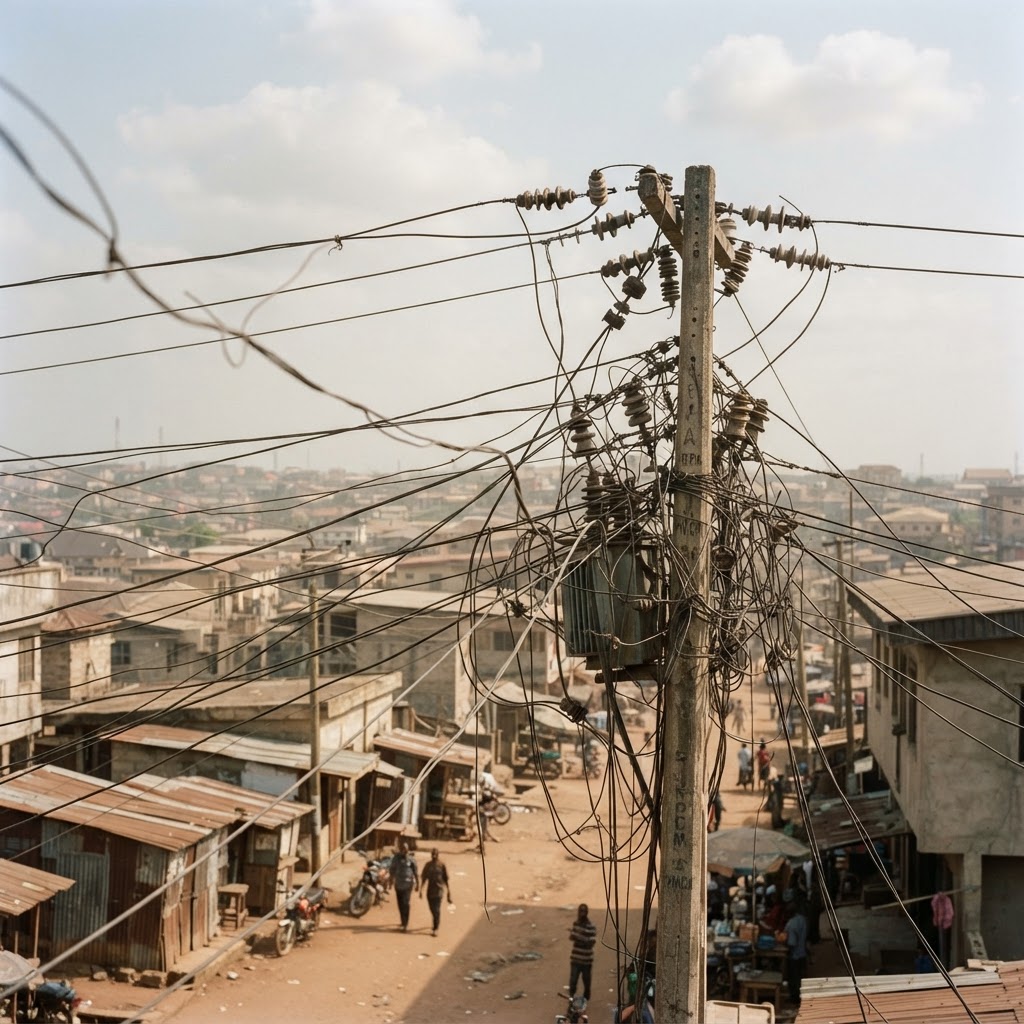
Why Nigeria Faces an Ongoing Power Supply Crisis
Nigerian households lose power multiple times a day, and the frustration never seems to fade. Behind every flickering bulb and silent refrigerator lies a deeper story about Nigeria's fragile power supply system — one that touches nearly every aspect of daily life across the country. Businesses stall...

61 Nigerian Officials Tied to $271M US Properties
Nigeria's corridors of power just faced a fresh spotlight. A newly released investigation, titled 61 Nigerian Officials Linked to $271m US Property Holdings — Report, has reignited public debate over wealth, accountability, and trust in leadership. For families budgeting daily expenses, the numbers ...
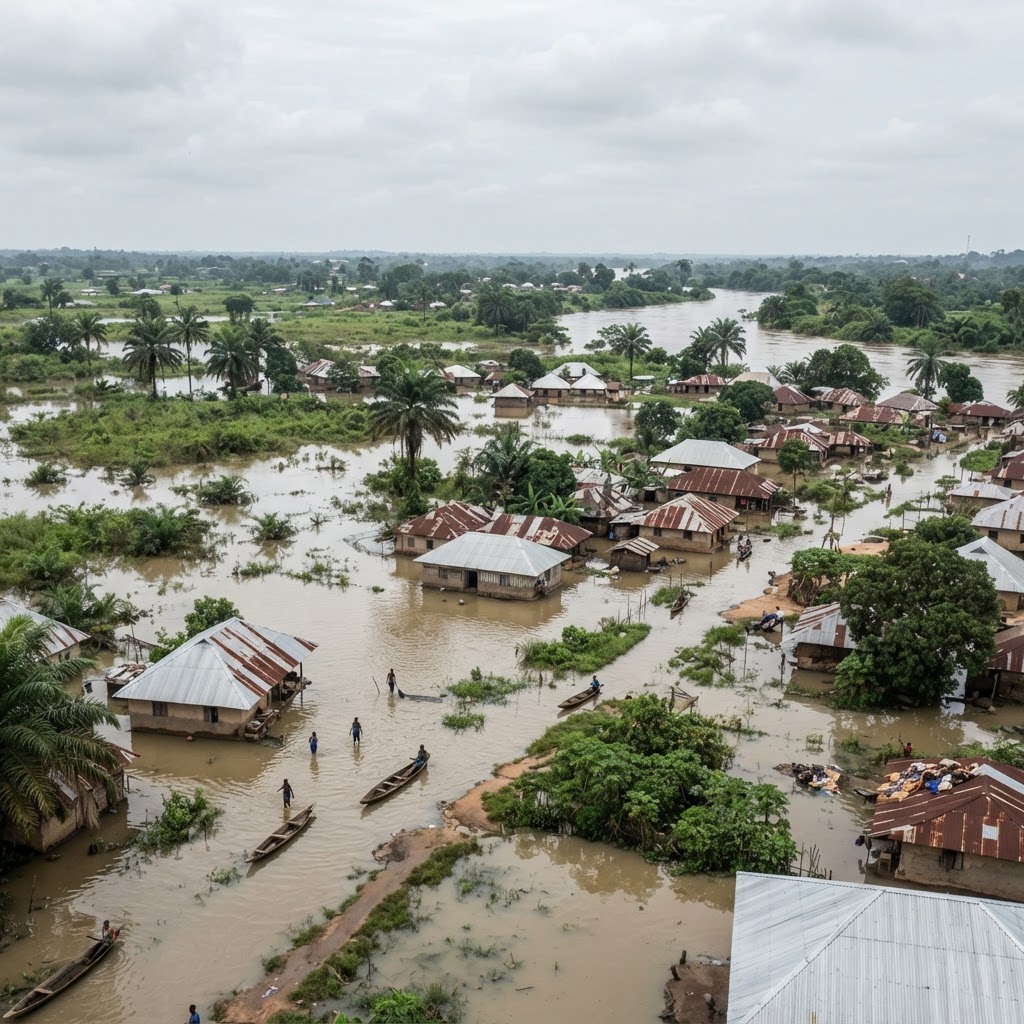
Imo Flood Crisis: Which Communities Are Most Vulnerable?
The rains have returned to Imo State, and so has fear. Families in low-lying communities are already counting losses, while roads turn into rivers overnight. The Imo Flood Crisis: Which Communities Are Most Vulnerable? question is no longer theoretical — it is a daily reality for thousands of Ndi Im...