Powered by Obi Mbieri Independent Media Ltd.
$1 = ₦1,377€1 = ₦1,511£1 = ₦1,803The naira is approaching ₦1,400 to the dollar
Nigerian households are feeling the pinch as currency markets shift ahead of the holidays. The naira is approaching ₦1,400 to the dollar, a milestone that has traders, families, and businesses watching closely. Understanding why this matters can help you plan smarter for the months ahead, whether yo...
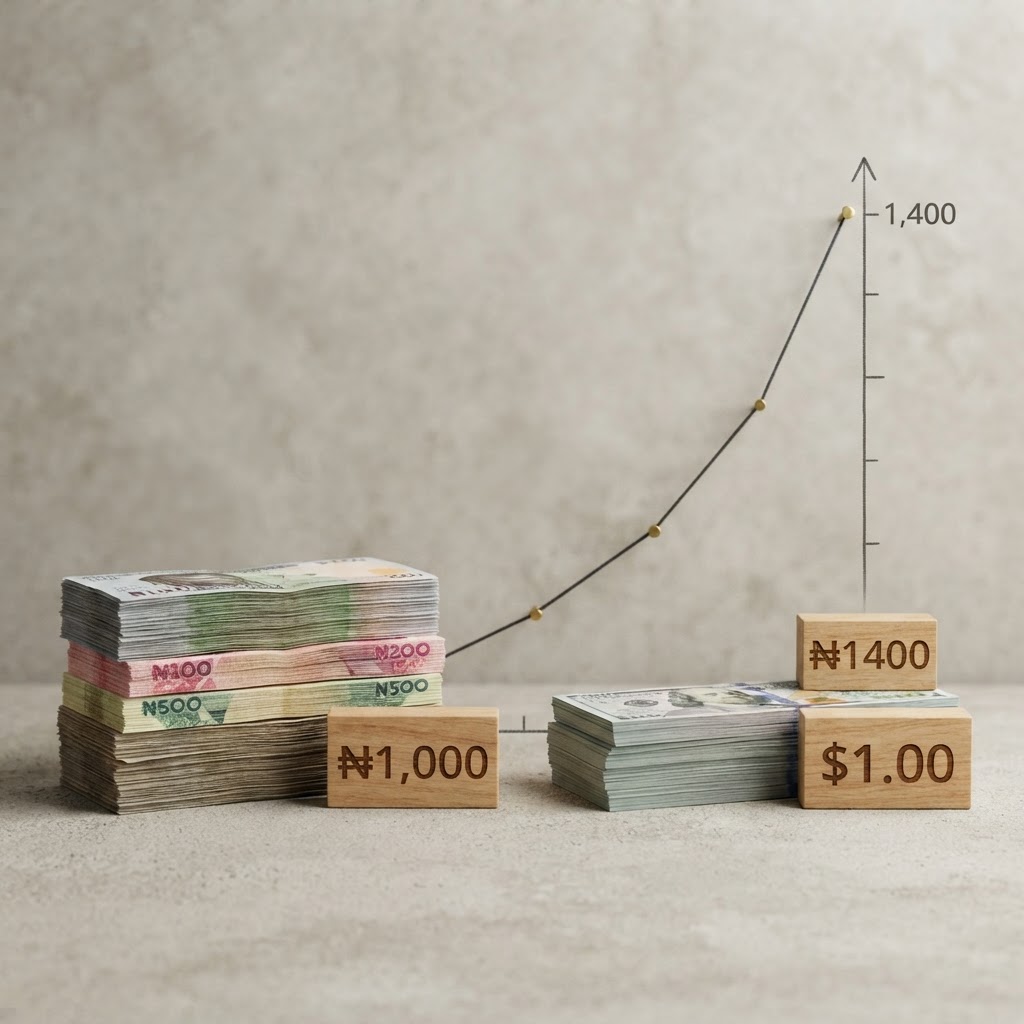
Nigerian households are feeling the pinch as currency markets shift ahead of the holidays. The naira is approaching ₦1,400 to the dollar, a milestone that has traders, families, and businesses watching closely. Understanding why this matters can help you plan smarter for the months ahead, whether you run a small shop in Owerri, send remittances from abroad, or simply budget for school fees and groceries.
This movement is not happening in isolation. It reflects seasonal pressures, reserve dynamics, and global trade flows that touch every Nigerian pocket. At Eziokwubundu, we believe informed families make resilient families, so let's break down what is really going on, and why the naira's trajectory deserves more attention than a single headline figure can offer.
Why Is The Naira Fluctuating?
The official exchange rate stood at ₦1,389.23 to the dollar as of November 20, 2026, according to Central Bank of Nigeria data. That figure already signals pressure building across the foreign exchange market, and it explains why so many analysts are now openly discussing whether the naira will cross the psychologically important ₦1,400 line before year-end.
Festive season demand is a major driver. Businesses need dollars to import goods for Christmas and New Year sales, from electronics to packaged foods. Families traveling abroad also need foreign currency for flights, tuition, and medical trips, adding to demand at precisely the time supply tends to tighten.
This seasonal squeeze typically tightens liquidity every November and December. Importers compete for limited dollar supply, pushing rates upward on both official and unofficial channels. The naira, in effect, becomes the shock absorber for a surge in demand that supply struggles to match in real time.
Official vs Parallel Market Rates
There is a noticeable gap between the official NAFEM rate and the parallel market. Street rates have hovered around ₦1,405 per dollar in recent weeks, according to Fellow Press.
This gap matters because many small businesses and individuals still rely on parallel market access. When the gap widens, it signals underlying stress in formal FX channels. Monitoring both rates gives a fuller picture than watching the official figure alone, since the naira's informal valuation often moves faster than its official counterpart, serving as an early warning signal for policymakers and households alike.
How Do Reserves Affect The Naira?
Nigeria's external reserves recently climbed to an 18-year high, surpassing $55 billion. This is a significant buffer that strengthens the Central Bank's ability to intervene in the market whenever the naira faces acute pressure.
Higher reserves mean the CBN can supply dollars when shortages threaten to destabilize the naira. Think of reserves as a financial cushion. The thicker the cushion, the more shock absorption the economy has during volatile periods, and the less likely a sudden, disorderly depreciation becomes.
Two factors have supported this reserve growth. First, steady crude oil output has kept export earnings flowing. Second, diaspora remittances have remained strong, with Nigerians abroad sending significant sums home through formal channels tracked by the World Bank.
Oil-sector developments also contribute directly to this liquidity. Projects like those detailed in Seplat Aku-01 Discovery: Benefits for Obi-Mbieri illustrate how new output adds to national earnings. More barrels produced domestically means fewer disruptions to export revenue, which ultimately supports reserve accumulation and gives the naira a sturdier foundation during periods of global uncertainty.
Strong reserves do not eliminate volatility, but they reduce the risk of a sudden currency collapse. This is why economists watch reserve figures as closely as they watch the exchange rate itself, treating the two as complementary indicators of how much pressure the naira can realistically absorb before intervention becomes necessary.
Does A Stronger Naira Lower Prices?
Here is a question many Nigerian families ask: if the naira firms up, will prices at the market fall immediately? The honest answer is usually no, at least not right away.
Inflation eased to 14.63% in September 2026, according to National Bureau of Statistics figures reported by Reuters Africa. Yet many households report that food and transport costs have not dropped proportionately. This gap is what economists call the "household dividend" shortfall, and it is one reason many Nigerians remain skeptical whenever officials announce that the naira has stabilized.
Businesses tend to raise prices quickly when the naira weakens, but they are slow to reduce them when it strengthens. This is known as the price accumulation effect. Once a price increase sticks, sellers rarely reverse it, even when their input costs fall, because consumers have already adjusted their expectations and competitors have little incentive to undercut each other aggressively.
Several hidden costs also keep retail prices elevated even when the naira shows signs of recovery:
- Distribution and logistics expenses remain high due to fuel and transport costs.
- Freight charges on imported goods often lag behind currency movements.
- Financing costs for businesses that borrowed at high interest rates persist regardless of FX changes.
- Storage and warehousing fees add another layer of cost before goods reach consumers.
This explains why families continue to struggle even when headline numbers look encouraging. The pressure on household budgets connects directly to broader food security concerns highlighted in 36.3 Million Nigerians Face Acute Food Crisis. A stable exchange rate helps, but it is only one piece of a larger affordability puzzle, and families should not expect the naira alone to solve the cost-of-living crisis overnight.
What Is The Reality Of Projections?
Political promises about the naira often clash with economic fundamentals. Targets like ₦500 to the dollar sound appealing, but current market realities make such numbers unrealistic in the near term, and repeating them without a credible structural plan can erode public trust rather than build confidence.
Featured Products
Reverse Type 2 Diabetes & other associated Metabolic Issues using Dr. Jason Fung's Evidence-Based Approach— FMD program for Type 2 Diabetes
A practical fasting and fasting-mimicking programme built on Dr Jason Fung's insulin-resistance principles and ow-glycemic recipes.
₦19,950
Join NowChukwu Abiama Tee
Bold black-and-gold Igbo-pride T-shirt featuring 'Chukwu Abiama' in premium streetwear typography.
₦15,000
Buy NowỤmụ Igbo Tee
Classic black T-shirt with bold white 'Ụmụ Igbo' typography — a proud statement of Igbo heritage.
₦15,000
Buy NowNwanne Tee
Washed khaki vintage tee with a faded rust-orange 'Nwanne' stamp badge and palm leaf motif — a nod to kinship and heritage.
₦18,000
Buy NowObodo Tee
Faded denim-blue washed tee with a cream 'Obodo' stamp badge and sun motif, celebrating community roots.
₦18,000
Buy NowEkwe Heritage Tee
Deep indigo tee featuring a fine line-art illustration of a traditional Igbo ekwe drum, inspired by Igbo-Ukwu bronze artistry.
₦18,000
Buy NowIkenga Figure Tee
Forest green tee with a fine line-art illustration of a stylized Ikenga figure.
₦18,000
Buy NowEconomists frequently reference the Balassa-Samuelson hypothesis to explain this gap. This theory holds that countries with lower productivity in tradable sectors tend to have weaker currencies in real terms, even when domestic prices seem comparable. In plain terms, until Nigeria produces more of what it consumes and exports more of what it produces, the naira will continue to face structural headwinds regardless of short-term interventions.
Purchasing power parity, or PPP, measures what money can buy locally. It differs sharply from the market exchange rate, which reflects actual trading activity and investor confidence. A currency can look "cheap" on paper while remaining weak in real trading conditions, which is exactly the tension many observers see when comparing the naira's domestic purchasing power to its international trading value.
Sustainable currency strength comes from productivity, not political statements. Nigeria would need to boost manufacturing output, diversify exports, and improve infrastructure to see lasting naira appreciation. The International Monetary Fund has repeatedly emphasized structural reform over short-term currency targets in its Nigeria assessments, noting that durable gains for the naira will depend on deeper reforms rather than periodic market interventions.
Families should treat political exchange rate promises with healthy skepticism. Real strength is built through production, not proclamation, and the naira's long-term trajectory will ultimately mirror the productivity of the economy behind it.
Wider Ripple Effects Across Health, Education, and Public Trust
Currency pressure does not stay confined to foreign exchange desks. It filters into classrooms, hospitals, and government offices in ways many families do not immediately connect to the naira's movement.
Nigerian universities, for instance, often rely on imported laboratory equipment, textbooks, and research materials priced in dollars. When the naira weakens, procurement costs rise, straining already tight budgets. This dynamic feeds into tensions like those described in IMSU Lecturers Protest in Owerri, Appeal to Uzodimma to End, where funding shortfalls add to academic disruptions. Even as institutions expand, such as the new facility covered in NUC Approves New Medical University in Anambra: Institution, the cost of sustaining quality education remains tightly linked to how far the naira stretches against imported inputs.
Students themselves must adapt quickly to shifting economic realities. Tools like the one described in JAMB Candidates Can Now Change Course and Institution Online give young Nigerians more flexibility to choose affordable, realistic academic paths, an increasingly important option when household budgets are squeezed by currency swings tied to the naira.
Healthcare is similarly exposed. Many essential drugs and medical devices are imported, and a weaker naira raises the landed cost of legitimate pharmaceuticals, sometimes pushing desperate patients toward counterfeit alternatives. This concern sits at the heart of House Summons NAFDAC and DSS Over Fake Drug Deaths, where regulatory gaps and economic pressure intersect dangerously. Rising drug costs also complicate the fight against resistant infections, a challenge detailed in Antimicrobial Resistance: Why Nigeria Must Act Now, since patients who cannot afford full treatment courses often contribute to resistance by stopping medication early.
Preventive healthcare becomes even more important during periods of currency stress, since treating advanced illness is far costlier than catching problems early. This is why resources like Prevent Kidney Disease With Regular Health Checks matter: regular screening can catch conditions before they require expensive imported medication or equipment, costs that rise whenever the naira comes under pressure.
Emergency care access is another area where economic strain intersects with policy. The directive discussed in IGP: Treat Gunshot Victims Before Requesting Police Reports reflects a broader principle that should guide public institutions during tough economic times: essential services should not be delayed by bureaucracy or cost barriers, especially when households are already stretched thin by currency-driven price increases.
How Can Families Manage Shifts?
Currency volatility can feel overwhelming, but practical steps can soften its impact on your household. Financial literacy is your first line of defense against unpredictable markets, and understanding how the naira behaves gives families a real planning advantage.
Practical Steps for Households
Consider these actionable strategies for navigating the current environment:
- Prioritize essential spending on food, health, and education before discretionary purchases.
- Explore local alternatives to imported goods, especially for groceries and household items.
- Build a small emergency fund in naira savings instruments to cushion short-term shocks.
- Support community businesses that source materials locally, reducing exposure to FX swings.
- Schedule routine health checkups now, before rising costs make preventive care harder to afford later.
- Review family education plans in light of changing institutional costs, using available flexibility such as online course changes where applicable.
Financial literacy also means understanding how global trends reach your kitchen table. When oil prices shift or the dollar strengthens globally, those changes eventually show up in local transport fares and food costs. Recognizing this connection helps families plan rather than react, and it also helps explain why the naira's movements feel personal even to households with no direct involvement in currency trading.
Economic stress also affects physical health, often in ways people overlook. Rising living costs can trigger chronic stress, which is linked to conditions discussed in High Blood Pressure: The Silent Health Threat in Nigeria. Managing finances wisely is therefore also a form of preventive healthcare, since financial anxiety and physical health are more closely connected than many families realize.
Community-focused resilience matters too. When neighborhoods support local traders and cooperative savings groups, they collectively reduce dependence on imported goods. This is the essence of practical prosperity: small, consistent actions that build household and community strength over time, regardless of where the naira happens to be trading on any given week.
What Does The Future Hold?
Market analysts expect the naira to trade within a ₦1,290 to ₦1,400 range for the remainder of the year, barring major shocks. This range reflects a cautious but manageable outlook rather than a crisis scenario, and it suggests that while pressure persists, a disorderly collapse is not the base case among most forecasters.
The fact that the naira is approaching ₦1,400 to the dollar should not trigger panic. It is a reminder to plan wisely, not a signal of imminent collapse. Nigeria's reserve position and oil output provide meaningful stability underneath the headline numbers, even as seasonal demand keeps the naira under short-term pressure.
At Eziokwubundu, our mission remains grounded in blending traditional values with modern economic awareness. We believe collective prosperity grows when families understand the forces shaping their daily lives, from naira movements to nutrition choices, from school fees to hospital bills.
Focus on long-term wealth creation strategies that can withstand short-term market noise. Build skills, support local enterprise, and keep learning. These habits outlast any single exchange rate headline and position your family for lasting economic strength, no matter where the naira eventually settles in the months ahead.
Stay Informed
Get New Articles in Your Inbox
Subscribe to receive the latest community development, health, and wealth insights from Eziokwubundu.
Newsletter
Practical insights on health, wealth, and community — delivered weekly.
Community Discussion(0)
Leave a Comment
More to Read
You May Also Like

Uzodimma Addresses Hardship from Fuel Subsidy Removal
Nigeria's economic reforms rarely come without pain. Petrol subsidy removal has reshaped household budgets, business costs, and government revenue almost overnight. In a recent interview, Uzodimma Speaks Frankly on Hardship Caused by Subsidy Removal, offering Nigerians a rare moment of candid leader...

Court Orders INEC to Replace Uzodimma with Okorocha
The battle for Imo West's senatorial seat has taken a dramatic legal turn, shaking the foundations of Nigeria's ruling party ahead of 2027. In a landmark judgment, the Imo West Senatorial Crisis: Court Orders INEC to Replace Uzodimma with Okorocha has become the defining political story out of the S...
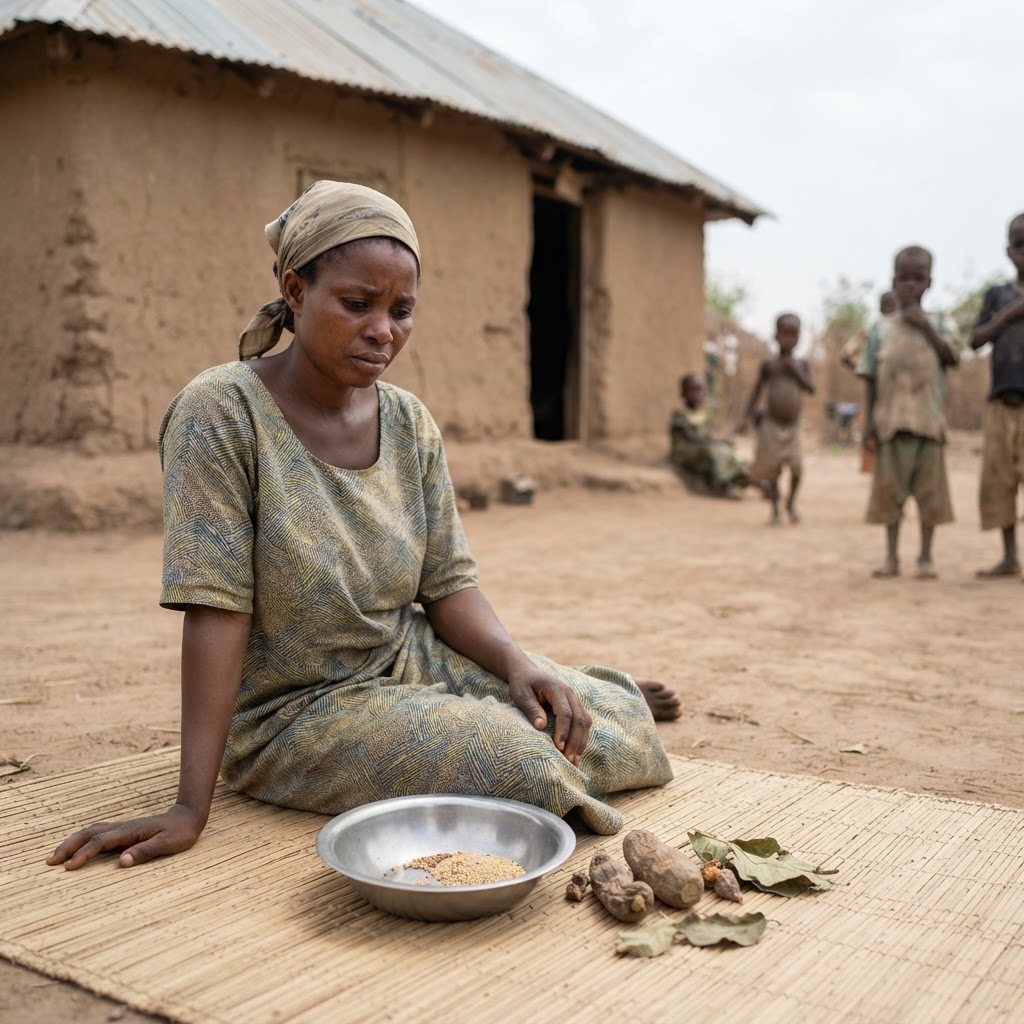
36.3 Million Nigerians Face Acute Food Crisis
Hunger is spreading faster than many expected across Nigeria this year. New humanitarian data reveals that 36.3 Million Nigerians Face Acute Food Crisis conditions, a number that should alarm every family, policymaker, and community leader. This is not a distant statistic. It is a lived reality shap...

Obi-Mbieri Mourns Engr. Vitalis Opara: Questions Emerge Over Community’s Silence
Engr. Vitalis Opara is identified as President General on the signature page of the Obi-Mbieri Autonomous Community Constitution 2020 as amended.

Seplat Aku-01 Discovery: Benefits for Obi-Mbieri
Imagine a small Imo State community suddenly linked to a 157-billion-cubic-feet gas discovery. That is the reality facing Obi-Mbieri today. This piece on Seplat's Aku-01 Discovery: What Concrete Benefits Should Obi-Mbieri Expect? breaks down what this find could mean for everyday residents, local bu...
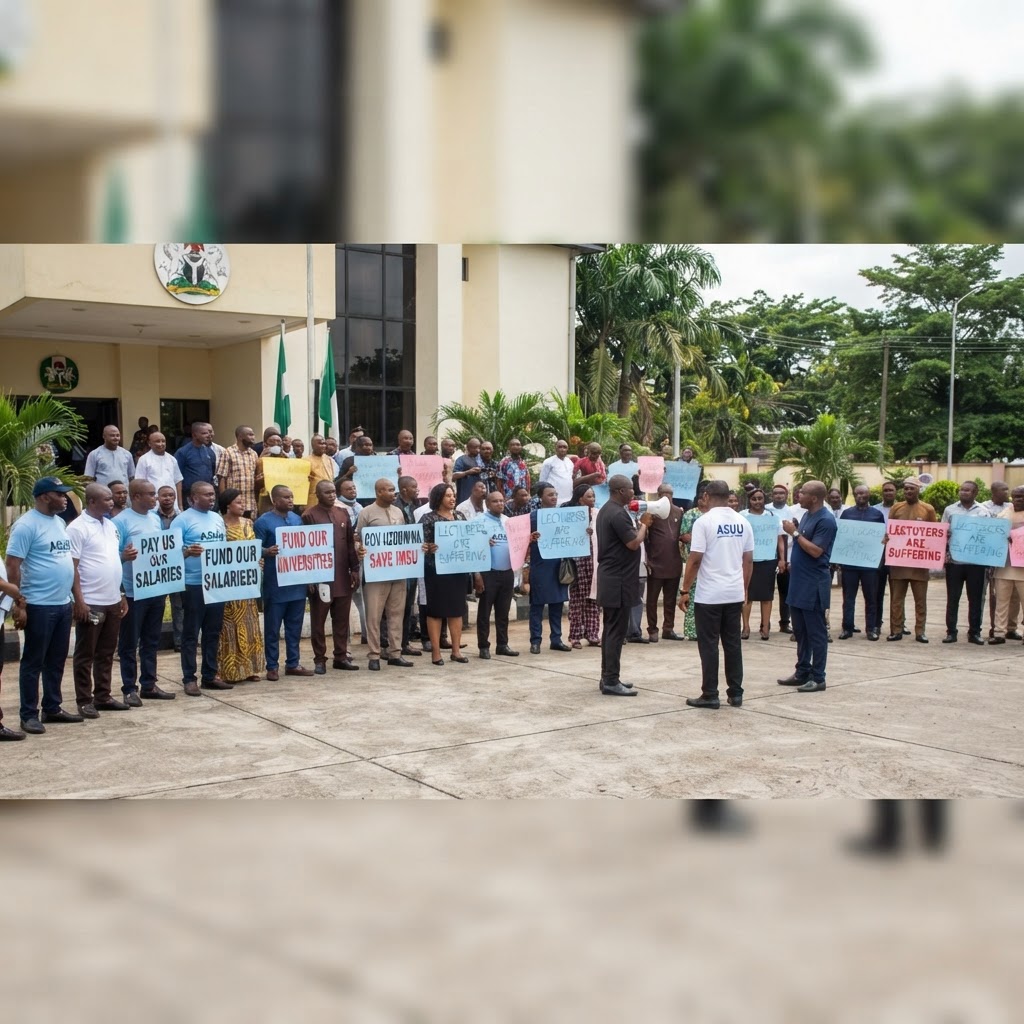
IMSU Lecturers Protest in Owerri, Appeal to Uzodimma to End
The streets of Owerri turned into a sea of white lab coats and placards this week. Hundreds of university lecturers walked out of their offices, choosing protest over silence. The IMSU Lecturers Protest in Owerri, Appeal to Uzodimma to End Months-Long Strike has become a defining moment for Imo Stat...

JAMB Candidates Can Now Change Course and Institution Online
Admission season often brings long queues and costly transport for Nigerian families. That burden has just eased. JAMB candidates can now change their institutions and courses from home, as the board announces a new digital correction service, giving students and parents fresh control over their aca...
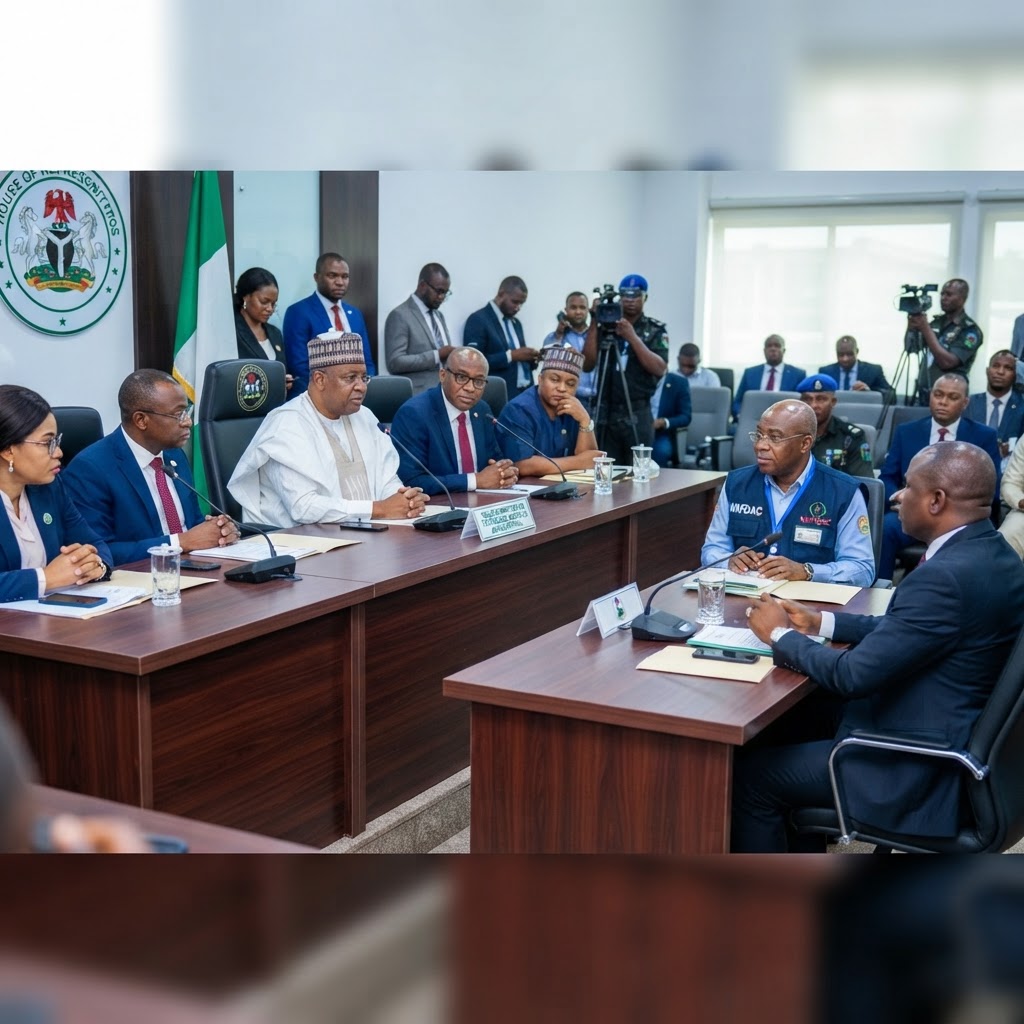
House Summons NAFDAC and DSS Over Fake Drug Deaths
Four people are dead, eleven more are fighting for their lives, and a federal lawmaker wants answers now. Fake Drug deaths linked to a suspicious herbal concoction have pushed the House of Representatives to move decisively, summoning NAFDAC and the DSS in a case that is no longer a distant headline...

Prevent Kidney Disease With Regular Health Checks
Kidney health rarely makes headlines until a crisis hits a family. Yet understanding Kidney Disease: Why Regular Health Checks Can Help Prevent Serious Complications can save lives, protect household income, and strengthen community wellbeing across Nigeria. Kidney Disease often develops quietly ove...

Budget-Friendly Healthy Meal Prepping for Nigerians
Modern Nigerian families face the dual pressure of rising food prices and the need for better health outcomes. Learning how Nigerian families can(/article/nigerian-family-guide-to-reversing-type-2-diabetes) use meal prepping with local ingredients to eat healthy on a tight budget is a vital skill fo...