Powered by Obi Mbieri Independent Media Ltd.
$1 = ₦1,353€1 = ₦1,488£1 = ₦1,786N2tn Unsold Goods: Is Imo Facing a Spending Slump?
Nigerian shelves are groaning under unsold stock, and the numbers are staggering. N2tn Goods Unsold: Is Imo's Consumer Market Also Feeling the Spending Slump? This is the question traders in Owerri and beyond are asking every single day. Families are tightening belts, and the ripple effects are visi...
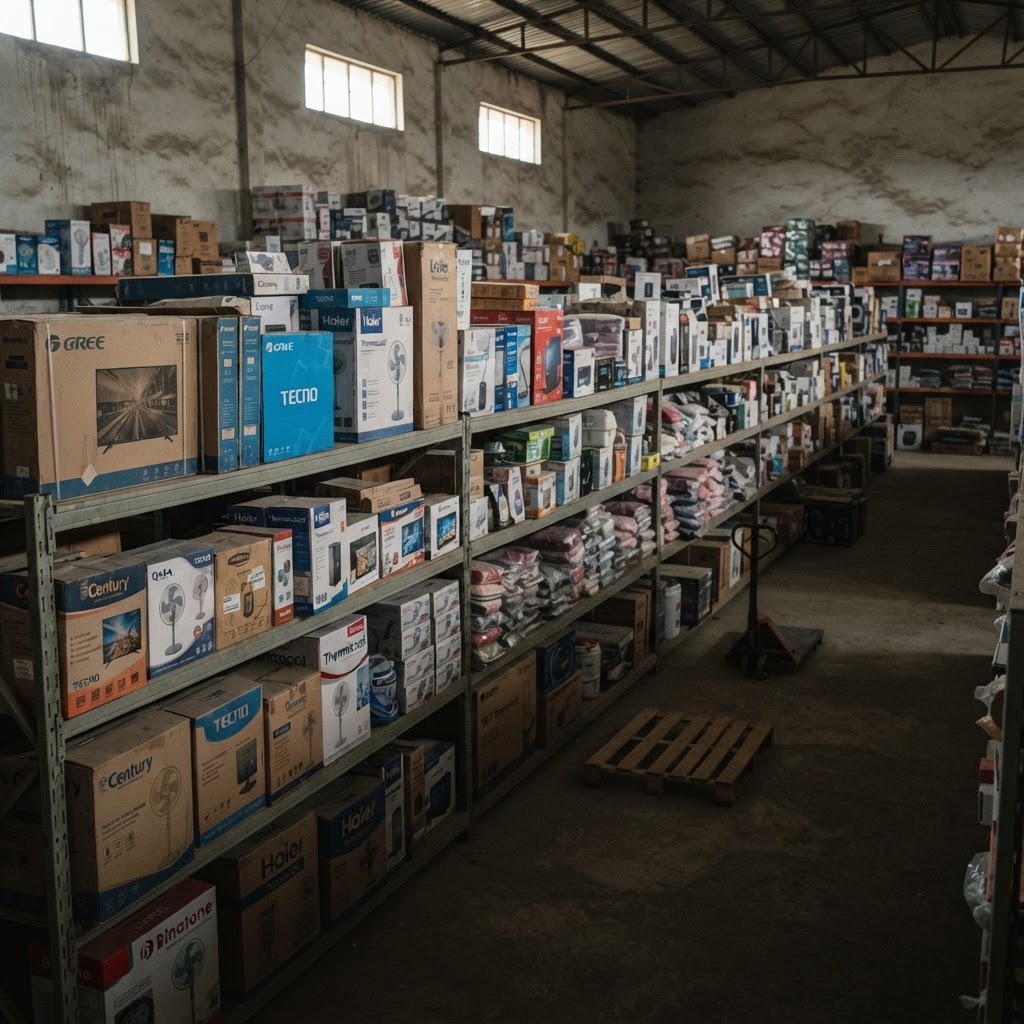
Nigerian shelves are groaning under unsold stock, and the numbers are staggering. N2tn Goods Unsold: Is Imo's Consumer Market Also Feeling the Spending Slump? This is the question traders in Owerri and beyond are asking every single day. Families are tightening belts, and the ripple effects are visible in every market stall from Douglas Road to Okigwe. Across the country, economists are debating whether this is a temporary dip or the beginning of a prolonged spending slump that could reshape how Nigerians buy, sell, and save for years to come.
Is Imo Feeling the Spending Slump?
A national report recently confirmed that goods worth N2tn now sit unsold across Nigerian markets, according to Punch Newspapers. This is not just a Lagos or Kano problem. It is showing up in Owerri, Mbaitoli, Orlu, and Okigwe too, and it is fueling growing concern that Imo State is caught in the same spending slump gripping the rest of the country.
Traders in these hubs report slower foot traffic and longer shelf times for products. Consumers who once bought freely are now rationing their spending. Many households are prioritizing rice, garri, and cooking oil over clothing, electronics, and other "ego boosters." This behavioral shift is one of the clearest signs of a spending slump taking root at the household level, where discretionary purchases are the first casualty.
This shift reflects a broader survival mindset. Families now ask whether a purchase delivers immediate return on investment before spending. In Imo, where average incomes remain modest, this caution is even more pronounced. Civil servants, traders, and artisans are all recalibrating what counts as a necessity, a clear symptom of the spending slump reshaping everyday decision-making.
The purchasing power of Imo families has clearly weakened. Rising transport costs, school fees, and food prices are squeezing disposable income. This local reality mirrors the national trend, proving that no state is fully insulated from the spending slump sweeping across Nigeria's consumer economy. Even sectors once considered recession-proof, such as fast-moving consumer goods, are now reporting sluggish turnover, a further indication that the spending slump is not confined to luxury items alone.
How Are Local Traders Coping?
Owerri's Relief Market and Eke Ukwu Owerri are barometers for the state's commercial health. Traders there describe a troubling pattern: goods arrive, but sales volumes keep shrinking. Inventory piles up in warehouses that were built for faster turnover, a visible symptom of the spending slump now affecting supply chains statewide.
Many shop owners now report weekly sales drops of between 20% and 40%, compared to figures recorded just two years ago. This decline is squeezing already thin margins. Rent, electricity from generators, and transport costs have not gone down, even as revenue has, leaving many traders trapped between rising overheads and a deepening spending slump that shows little sign of easing soon.
To survive, several businesses are making difficult adjustments. Below are some common coping strategies observed among traders in Owerri, Orlu, and Okigwe.
- Reducing staff hours or headcount to cut wage bills.
- Shifting from fixed salaries to commission-based pay structures.
- Shortening opening hours to save on fuel and lighting costs.
- Diversifying into cheaper, fast-moving essential goods.
This trend toward commission-based pay is not unique to Imo. It mirrors a nationwide pattern explored in Economic Pressure Drives Employers Toward Commission-Based Pay, where businesses across sectors are restructuring pay models in response to shrinking margins. Small-scale entrepreneurs, particularly women running provisions stores and boutiques, feel this pressure most acutely. Many now describe their businesses as "surviving," not "thriving," a sobering shift from just a few years ago and a direct consequence of the ongoing spending slump.
Some traders have also begun exploring alternative income streams outside retail entirely, from transport services to small-scale agro-processing, in an effort to cushion themselves against the unpredictability of a spending slump that has already outlasted many short-term coping strategies.
What Does the Data Reveal?
Numbers tell a sobering story. Major food and beverage manufacturers have reported a 4% decline in revenue, according to industry data cited in recent market analyses. This is not a small dip. It signals reduced household consumption at a national scale, and Imo is not exempt from this widening spending slump.
Nigeria's inflation figures, tracked by the National Bureau of Statistics, continue to squeeze household budgets. When inflation outpaces wage growth, families cut back on non-essential purchases first. This directly affects retailers stocking mid-range and premium goods in Imo's markets, deepening the spending slump felt most acutely by small and medium-sized businesses.
Underemployment compounds this problem. Many young graduates in Owerri and its environs work part-time or informal jobs that offer inconsistent income. This makes budgeting difficult and discretionary spending nearly impossible, reinforcing the cycle that keeps the spending slump firmly in place across generations of income earners.
Meanwhile, Imo State's 2025 budget stands at an ambitious N755.6 billion. Yet capital project delivery has lagged significantly behind this figure. The mismatch between budgetary ambition and actual implementation raises questions about how public spending translates into real economic activity for ordinary residents, and whether government intervention can meaningfully counteract the spending slump without faster execution.
This tension between fiscal targets and delivery is not new. Similar concerns have been raised around Imo's ₦61bn Question: Tracking Agricultural Funding, where allocated funds have not always matched visible outcomes on the ground. For families watching their spending power shrink, these gaps matter deeply, especially when agricultural funding shortfalls translate into higher food prices that worsen the very spending slump policymakers claim to be fighting.
Featured Products
Reverse Type 2 Diabetes & other associated Metabolic Issues using Dr. Jason Fung's Evidence-Based Approach— FMD program for Type 2 Diabetes
A practical fasting and fasting-mimicking programme built on Dr Jason Fung's insulin-resistance principles and ow-glycemic recipes.
₦19,950
Join NowChukwu Abiama Tee
Bold black-and-gold Igbo-pride T-shirt featuring 'Chukwu Abiama' in premium streetwear typography.
₦15,000
Buy NowỤmụ Igbo Tee
Classic black T-shirt with bold white 'Ụmụ Igbo' typography — a proud statement of Igbo heritage.
₦15,000
Buy NowNwanne Tee
Washed khaki vintage tee with a faded rust-orange 'Nwanne' stamp badge and palm leaf motif — a nod to kinship and heritage.
₦18,000
Buy NowObodo Tee
Faded denim-blue washed tee with a cream 'Obodo' stamp badge and sun motif, celebrating community roots.
₦18,000
Buy NowEkwe Heritage Tee
Deep indigo tee featuring a fine line-art illustration of a traditional Igbo ekwe drum, inspired by Igbo-Ukwu bronze artistry.
₦18,000
Buy NowIkenga Figure Tee
Forest green tee with a fine line-art illustration of a stylized Ikenga figure.
₦18,000
Buy NowEnergy costs add another layer to this equation. National conversations around NNPC Seeks Partnerships to Restart PH and Warri Refineries underline how fuel supply and pricing stability could either ease or worsen the transport-cost pressures currently feeding Imo's spending slump. Cheaper, locally refined fuel could lower distribution costs for traders, potentially easing some of the pain consumers currently feel at the checkout counter.
Are Government Policies Helping?
A 2026 performance review of Imo's budget execution paints a concerning picture. The state recorded only a 14.4% performance rate in the first half of the year. This is far below what is needed to stimulate meaningful economic activity at the grassroots level, and it raises legitimate doubts about the state's readiness to counter its own spending slump through public investment alone.
Procurement integrity has also come under scrutiny. Reports of "fraudulently delivered projects" raise serious questions about whether allocated funds are reaching intended beneficiaries. When capital projects exist only on paper, local businesses lose the multiplier effect that real infrastructure investment typically creates, a loss that only deepens the spending slump already weighing on ordinary households.
Security spending and infrastructure projects, including developments like the Owerri Mall, represent genuine efforts to stimulate commerce. However, these investments interact with a retail climate already under pressure. A shiny new mall means little if consumer purchasing power keeps declining, and without addressing the underlying spending slump, even well-intentioned infrastructure risks becoming an underused monument rather than an economic engine.
The state's broader governance context matters too. Imo recently hosted discussions around CARSPO 2026: Why Nigeria's Police Chiefs Are Converging on Owerri, highlighting security as a priority alongside economic recovery. Yet without corresponding improvements in household income, security gains alone cannot revive consumer confidence or reverse a persistent spending slump. Similar security concerns have been raised elsewhere in the country, including in the Oyo Kidnap Crisis: Monarch Demands Police Post Upgrade, a reminder that insecurity and economic anxiety often reinforce one another nationwide.
Public sector reliability also shapes spending behavior. Reports detailed in 48 Months Without Full Pension Payments: Imo Pensioners show how delayed payments erode trust and reduce disposable income for retirees who once supported local commerce. Policy effectiveness, therefore, cannot be measured by budget size alone. It must be measured by tangible improvements in people's daily purchasing capacity, and until that happens, the spending slump will likely persist regardless of how large the annual budget figures appear on paper.
Even national events unrelated to Imo's economy, such as Shettima to Open Editors' Conference in Enugu Thursday, often become platforms where journalists and policymakers discuss the economy's broader struggles, including the spending slump now affecting states well beyond Imo's borders.
How Can Families Build Resilience?
Despite these pressures, Imo families can take practical steps to protect their finances. Practical Prosperity is not about grand gestures. It is about consistent, small decisions that compound over time and help households weather a prolonged spending slump without falling into deeper financial distress.
Start with a written household budget. Track every naira spent for one month to identify unnecessary expenses. Many families discover they can redirect 10% to 15% of monthly spending toward savings once they see clear numbers, a small but meaningful buffer against the uncertainties of an ongoing spending slump.
Community-based support systems remain one of Imo's greatest assets. Traditional cooperative structures, known locally as "isusu" or "adashi," allow families to pool resources and access lump sums without high-interest loans. This reflects the "Health + Wealth + Community" triangle: financial resilience strengthens when individuals lean on collective structures rather than facing shocks alone, particularly during a spending slump that leaves many without access to formal credit.
Consider these practical strategies for building financial resilience during uncertain times:
- Join or form a savings cooperative with trusted neighbors or colleagues.
- Prioritize essential health and nutrition needs before discretionary spending.
- Support local Imo businesses to keep money circulating within the community.
- Diversify income through skills training or small-scale trading.
- Explore emerging opportunities, such as Apply Now: $10,000 African AI Drug Discovery Fellowships, which show how new sectors can offer income diversification even amid a broader spending slump.
Supporting indigenous businesses also strengthens the collective economic base. When families buy from local traders in Owerri, Orlu, or Okigwe, money stays within the state economy longer. This creates a multiplier effect that benefits everyone, from market women to transport operators, and slowly chips away at the grip of the spending slump on local commerce.
Health remains central to financial resilience too. Families who invest in preventive healthcare reduce the risk of sudden medical expenses that can derail household budgets. According to the World Health Organization, preventable illnesses account for a significant share of out-of-pocket health spending in low- and middle-income countries, including Nigeria. Awareness campaigns, such as those following the Ondo Alcohol Deaths: What Is Methanol and How Can Nigerians Avoid Poisoning? report, also underline how avoidable health crises can quietly worsen a family's financial position during an already difficult spending slump.
Community morale matters too, even in areas seemingly unrelated to economics. National moments of shared attention, such as coverage of Osimhen Out: What His Injury Means for Nigeria's 2027 AFCON Qualifiers, remind Nigerians that resilience and adaptation are themes playing out across sport, governance, and everyday economic life alike, all shaped in some way by the pressures of the current spending slump.
Ultimately, resilience is built through informed decisions, strong community bonds, and disciplined financial habits. Imo families who embrace these principles will be better positioned to weather economic slumps, regardless of how national trends unfold. The path forward requires patience, but it is achievable with consistent effort and community solidarity. As long as incomes remain squeezed and inflation outpaces wage growth, the spending slump will likely remain part of Imo's economic conversation. But with disciplined budgeting, stronger community cooperation, and more transparent public spending, the state has a real chance to soften the impact of this slump and rebuild the kind of consumer confidence that once defined its bustling markets.
Stay Informed
Get New Articles in Your Inbox
Subscribe to receive the latest community development, health, and wealth insights from Eziokwubundu.
Newsletter
Practical insights on health, wealth, and community — delivered weekly.
Community Discussion(0)
Leave a Comment
More to Read
You May Also Like
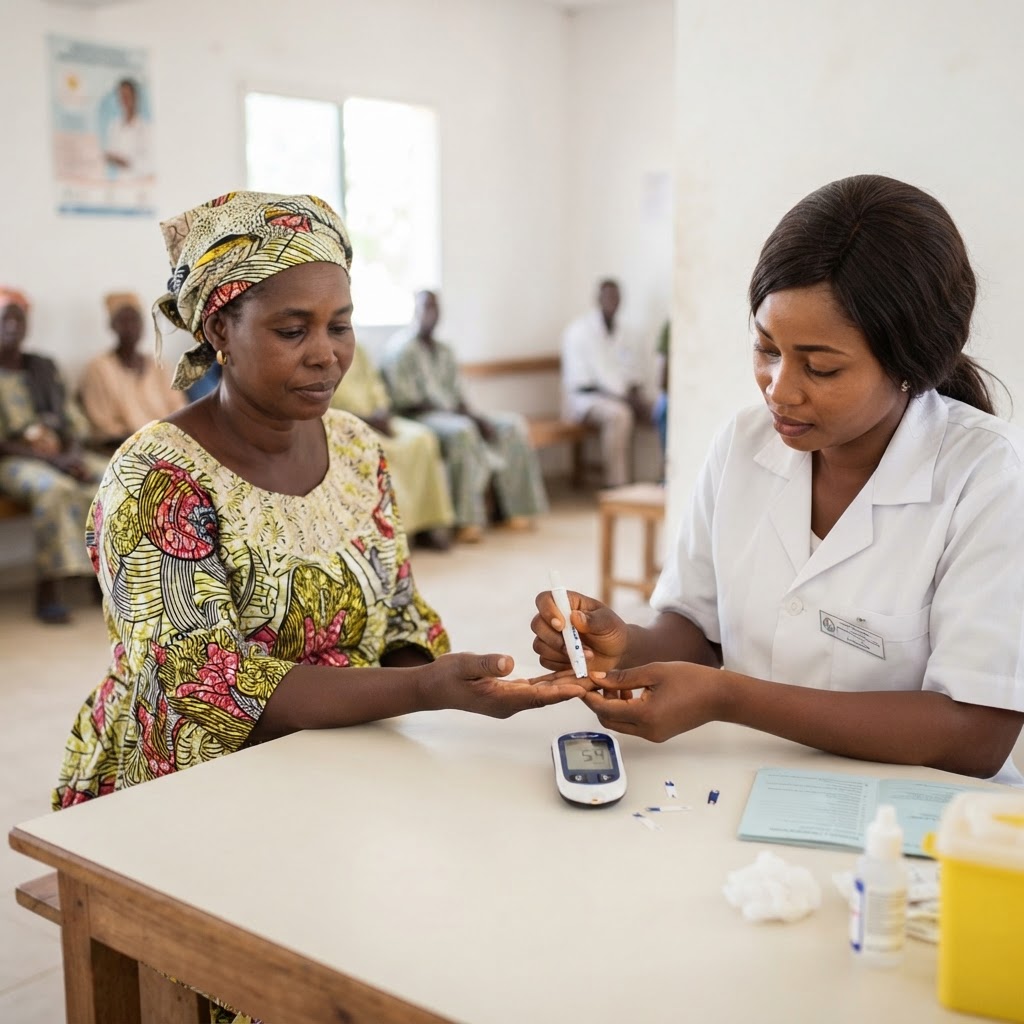
Diabetes in Africa: Why Routine Screening Is Vital
Imagine a disease that silently damages organs for years before anyone notices. That is the reality for millions living in Africa today. According to the latest report, Diabetes: Three Out of Four Africans Living With the Condition May Be Unaware – Why Screening Matters, and this gap in knowledge is...
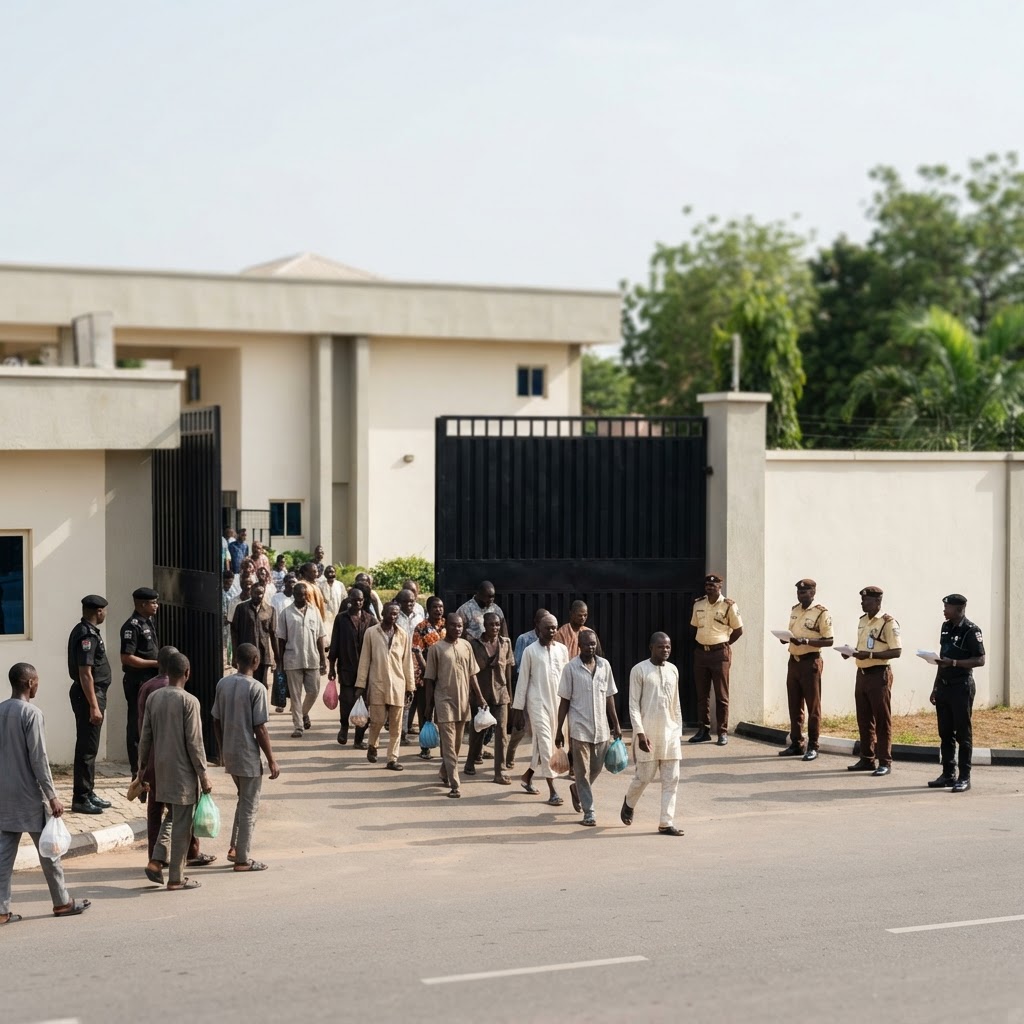
Tinubu Orders Release of 78 Suspects in Convoy Attack
A single Friday afternoon in Abuja turned into a national talking point. News that President Tinubu Orders Release of 78 Suspects Arrested Over Attack on His Convoy in Abuja quickly spread across radio, television, and social media. For many Nigerian families, the story raised fresh questions about ...
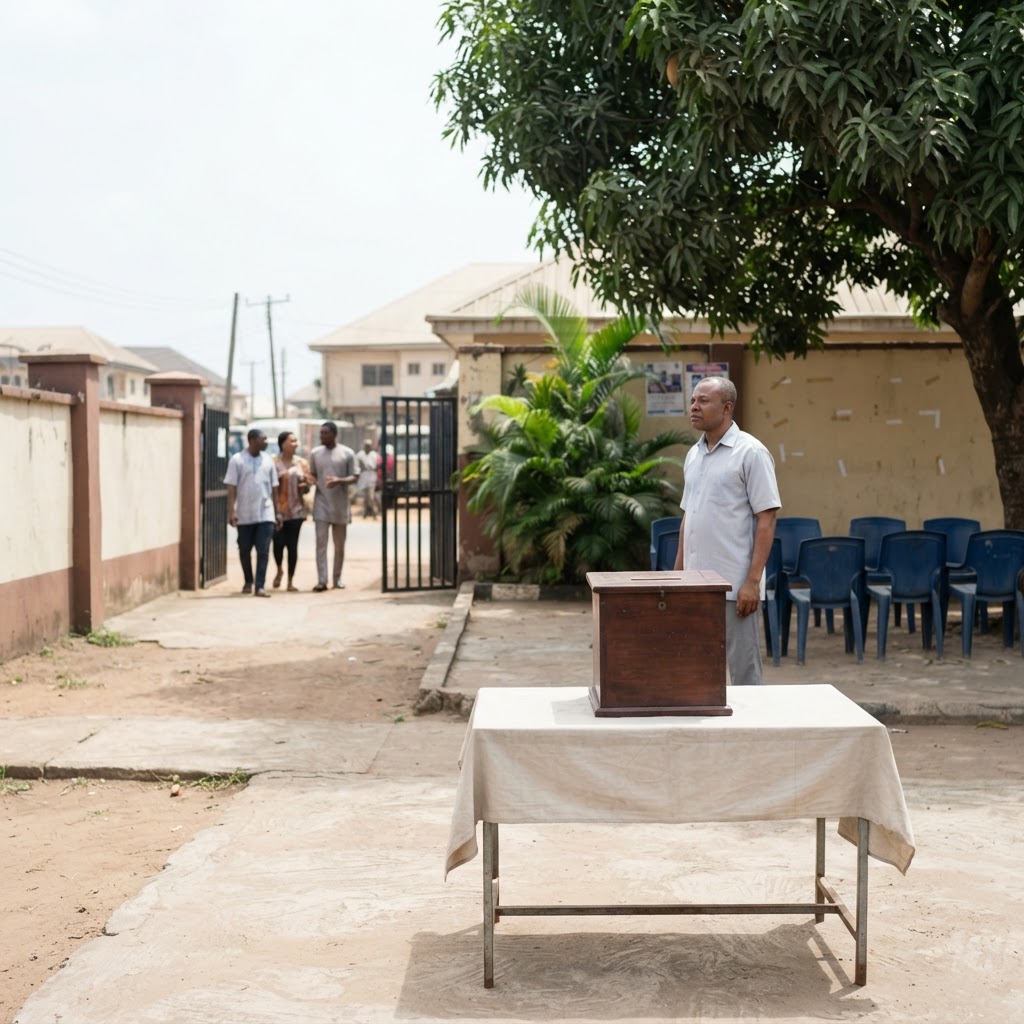
Imo LG Election Delays Spark Concerns for Democracy
Imo State's local government elections have been postponed again, leaving residents frustrated and confused. This latest delay raises urgent questions about the credibility of the entire Imo LG election cycle. Imo LG Elections Postponed Again: Why ISIEC's Repeated Changes Are Raising Questions About...

Can AI Tools Improve Student Exam Results in Nigeria?
Imagine a secondary school student in Benin City completing six weeks of guided digital practice and gaining two years' worth of learning. That scenario is not hypothetical anymore. Can AI Tools Improve Student Exam Results in Nigeria? Early evidence from classrooms across the country suggests the a...

Seplat and Obi-Mbieri: Five Questions the Community Needs Answers to After the Commissioner's Directive
The question of who legitimately represents Obi-Mbieri Autonomous Community in its dealings with Seplat Energy PLC has once again come into focus following a significant intervention by the Imo State Government.
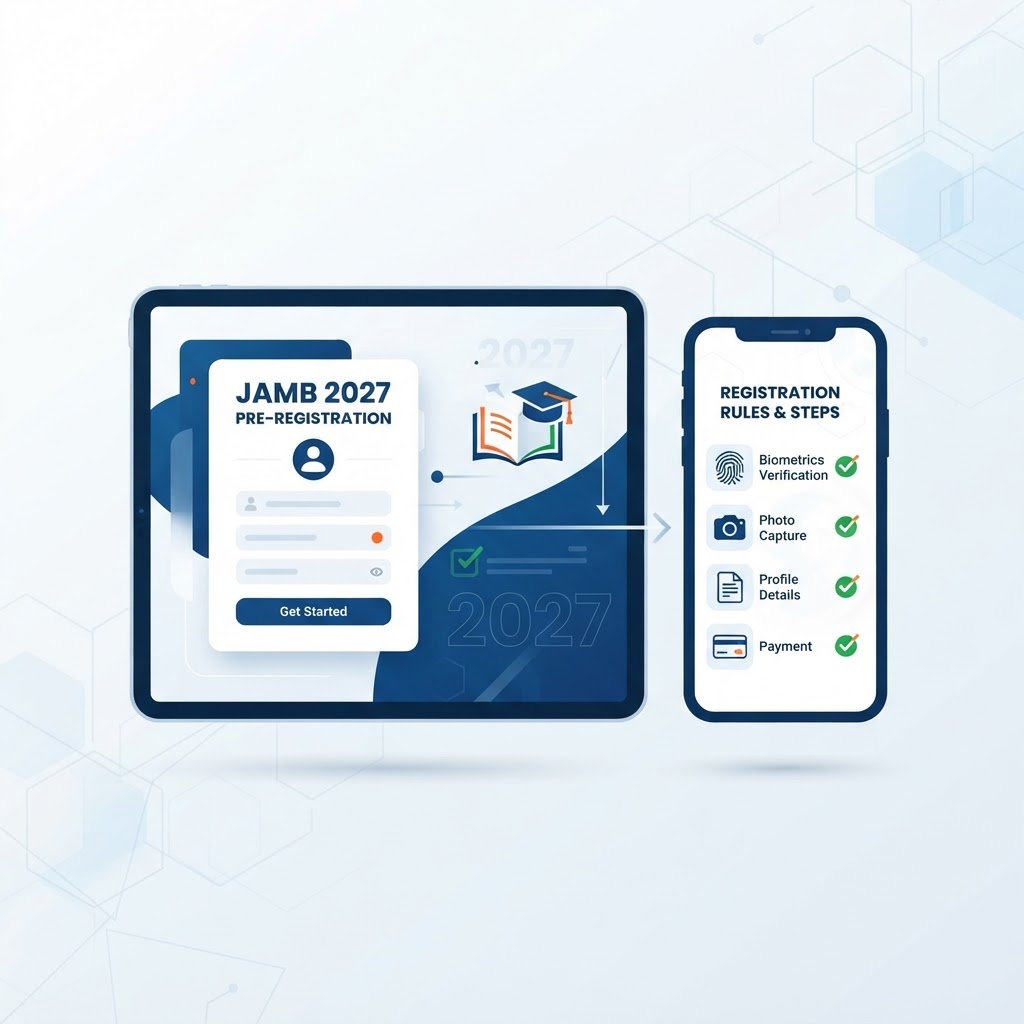
JAMB Unveils 2027 UTME Pre-Registration App and Rules
Nigerian households are bracing for one of the most significant exam reforms in recent memory. For years, UTME registration has meant long queues, biometric delays and confusion over subject combinations. That era is ending, and the shift begins in earnest with 2027 UTME. The 2027 UTME: JAMB Introdu...
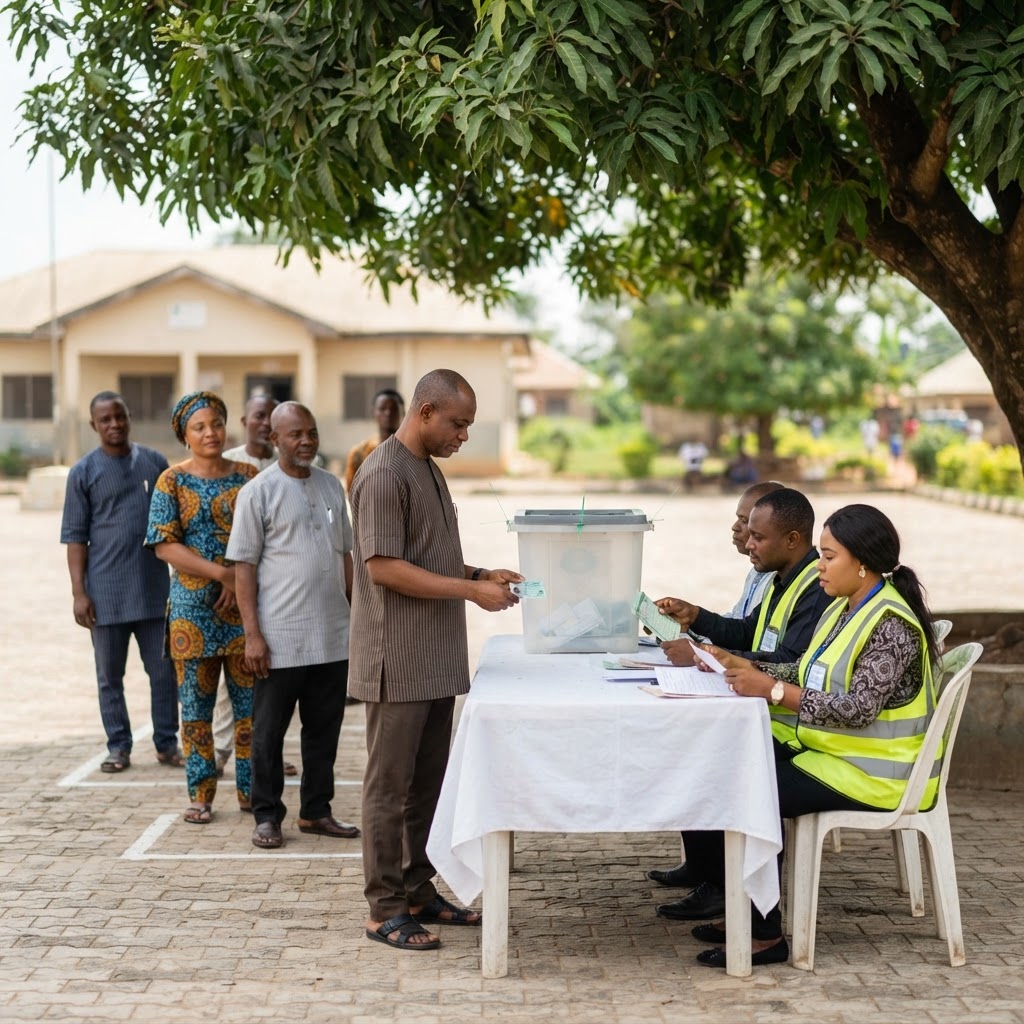
Imo Local Government Elections Set for Today
Imo State stands at a democratic crossroads this week. Residents across the state are heading to polling units with hope and renewed civic energy. The headline reads clearly: Imo Local Government Elections Hold Today: 27 LGAs, 305 Wards in Focus, and the outcome will shape grassroots governance for ...
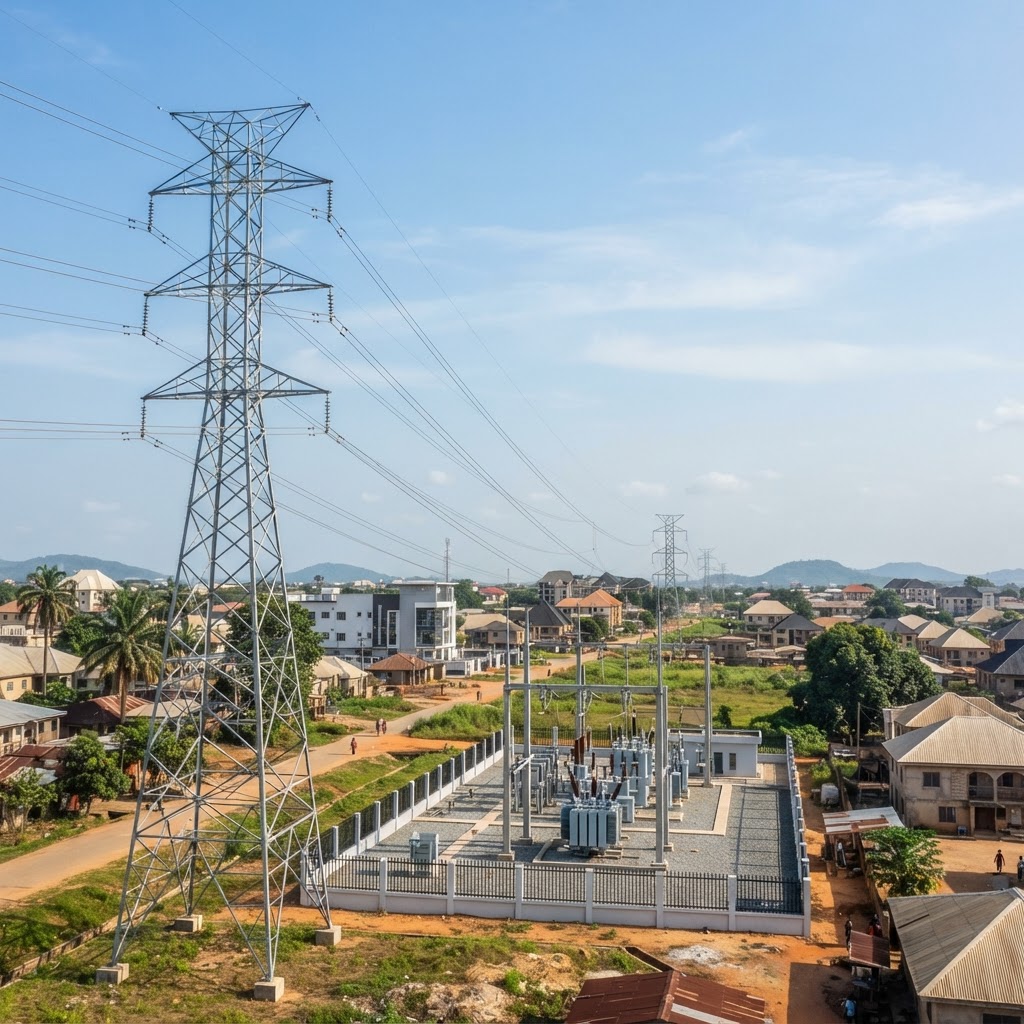
Nigeria Raises ₦1.2 Trillion to Clear Power Sector Debts
Nigeria's power sector is at a turning point. Nigeria's Electricity Sector: FG Raises ₦1.2 Trillion to Clear Power Generation Debts marks one of the boldest financial interventions in the industry's recent history. For families budgeting for electricity bills and entrepreneurs running small business...

Understanding Heart Health and Cardiovascular Disease
Hypertension and heart disease often work silently, yet they shape life expectancy across Nigeria. This feature on Heart Health Matters: Understanding Hypertension, High Cholesterol, Stroke and Heart Disease breaks down the science, the risks and the practical steps families can take today to protec...
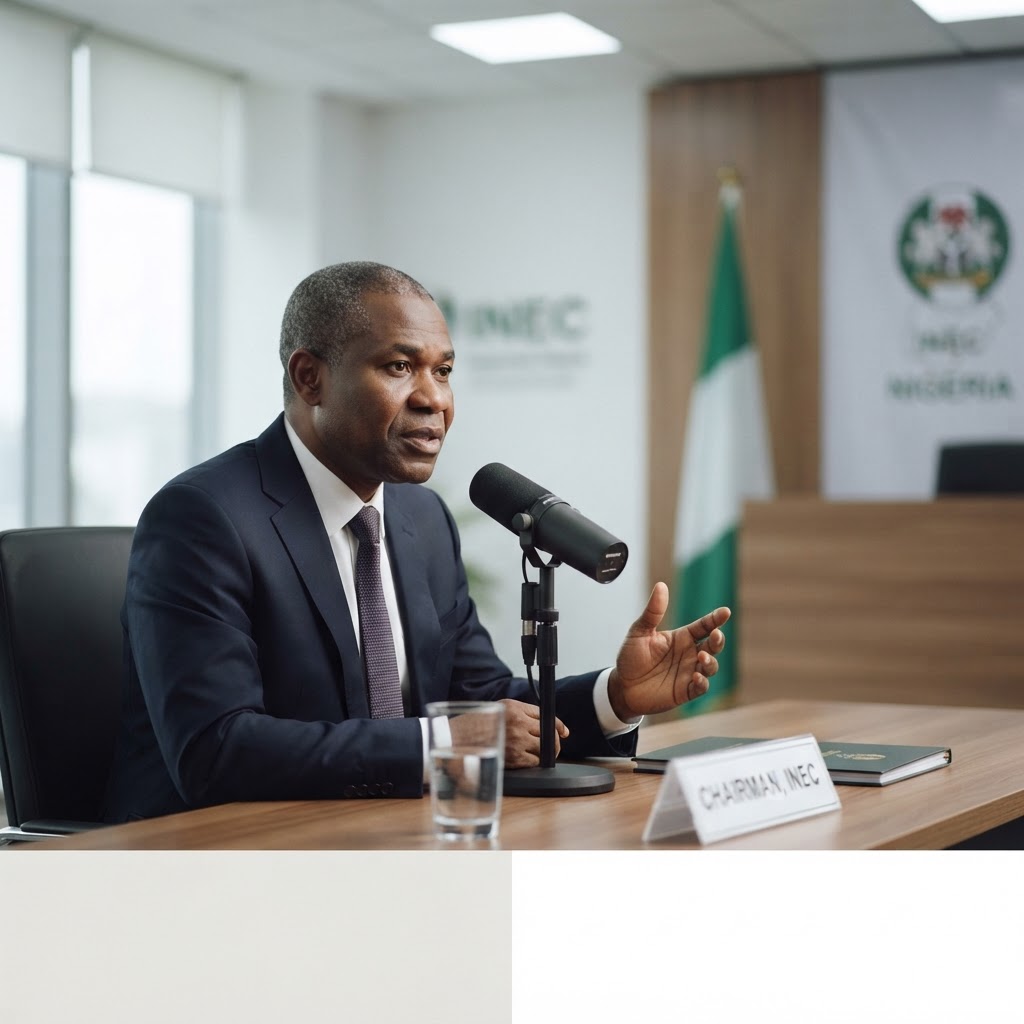
INEC Chairman Denies Running Pro-Tinubu Account
Nigerians are once again debating leadership credibility at the electoral commission. A fresh controversy has triggered widespread conversation across social media platforms and newsrooms nationwide. At the center of it all, INEC Chairman Amupitan Denies Operating Pro-Tinubu Social Media Account, a ...