Powered by Obi Mbieri Independent Media Ltd.
$1 = ₦1,377€1 = ₦1,511£1 = ₦1,803Uzodimma Addresses Hardship from Fuel Subsidy Removal
Nigeria's economic reforms rarely come without pain. Petrol subsidy removal has reshaped household budgets, business costs, and government revenue almost overnight. In a recent interview, Uzodimma Speaks Frankly on Hardship Caused by Subsidy Removal, offering Nigerians a rare moment of candid leader...

Nigeria's economic reforms rarely come without pain. Petrol subsidy removal has reshaped household budgets, business costs, and government revenue almost overnight. In a recent interview, Uzodimma Speaks Frankly on Hardship Caused by Subsidy Removal, offering Nigerians a rare moment of candid leadership on a painful but necessary policy shift.
This conversation matters to every Nigerian family trying to balance rising costs with daily survival. It also matters to entrepreneurs, students, and diaspora Nigerians watching the naira's value and national stability from afar. The ripple effects of subsidy removal now touch nearly every corner of national life — from fuel pumps and food markets to hospitals, schools, and state budgets. Below, Eziokwubundu breaks down what Governor Uzodimma said, what the data shows, and what it means for practical prosperity.
Why Was The Subsidy Removed?
Governor Hope Uzodimma defended the removal of Nigeria's petrol subsidy as a necessary step to protect the country's economic future. He argued that the old subsidy regime mostly benefited intermediaries, not ordinary citizens, according to his remarks reported by thewhistler.ng.
For years, subsidy payments consumed a massive share of Nigeria's national budget. Reports from the International Monetary Fund show subsidy spending once exceeded ₦4 trillion annually, crowding out investment in healthcare, education, and infrastructure. That scale of spending made subsidy removal almost unavoidable for any government serious about long-term fiscal survival.
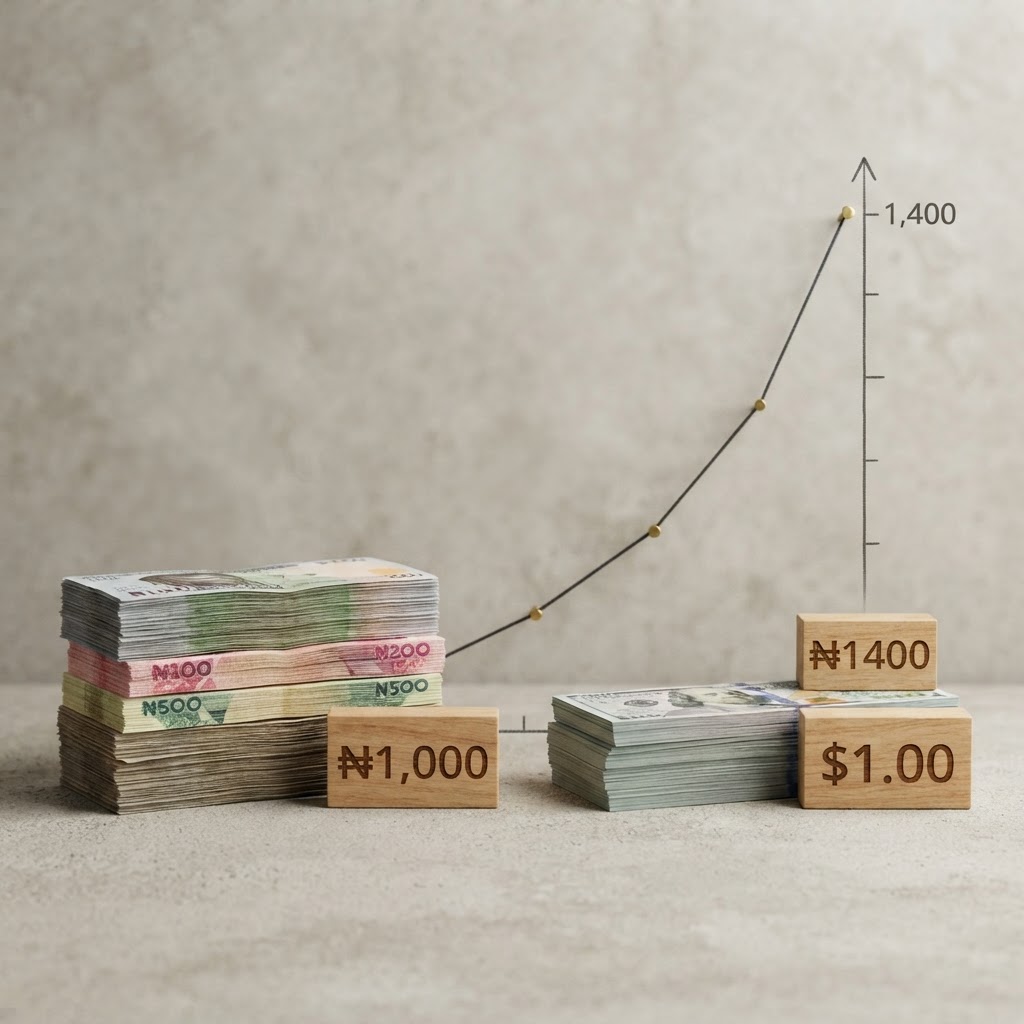
Uzodimma framed the policy as a critical intervention to prevent economic collapse. Continuing the subsidy, he suggested, would have deepened Nigeria's fiscal crisis and weakened the naira further. This concern echoes wider analysis found in The naira is approaching ₦1,400 to the dollar, which highlights how currency pressure and the costs tied to subsidy removal are closely linked.
The governor insisted the decision served the national interest, even though it created immediate financial strain. He acknowledged that short-term pain was unavoidable but necessary for long-term stability. This honesty is central to why Uzodimma Speaks Frankly on Hardship Caused by Subsidy Removal resonates with many Nigerians seeking straight talk from leadership, rather than political spin that ignores the lived reality of subsidy removal on the streets.
How Did Families Face Hardship?
Governor Uzodimma openly acknowledged that many Nigerian households struggled as prices adjusted upward. Transportation costs, food prices, and electricity tariffs all rose sharply after subsidy removal. These increases hit low-income families the hardest, forcing many to cut back on essentials just to keep up with transport fares and food bills.
He admitted that early reform phases often impose heavy burdens on households with limited income. This is consistent with findings in 36.3 Million Nigerians Face Acute Food Crisis, which documents worsening food insecurity linked to inflation and transport cost spikes that followed subsidy removal across several states.
National inflation figures support this reality. Nigeria's headline inflation rate climbed above 30% in parts of 2024, according to data tracked by the National Bureau of Statistics. Petrol prices themselves rose from roughly ₦200 per litre before removal to over ₦600–₦700 in many regions, a direct and visible consequence of subsidy removal that touched virtually every household budget in the country.
The hardship discussion also touched on government response measures. Several interventions followed the policy shift, including:
- Cash transfer programs for vulnerable households
- Transport palliatives in select states
- Minimum wage adjustments for public workers
- Targeted subsidies on selected food items
Uzodimma described this period as "temporary hardship," one requiring sustained government support. His candor reflects the broader theme of Uzodimma Speaks Frankly on Hardship Caused by Subsidy Removal — acknowledging pain without dismissing its seriousness, even as his administration works to cushion the worst effects of subsidy removal on ordinary residents.
Are States Seeing More Revenue?
Despite the hardship, Uzodimma pointed to a significant upside for state governments. He described subsidy removal as a "direct blessing" to Nigeria's 36 states and the Federal Capital Territory. Freed-up federal resources now flow more directly into state coffers, giving governors fiscal room they previously did not have.
Monthly allocations from the Federation Account Allocation Committee (FAAC) have increased noticeably since the policy change. Using Imo State as an example, Uzodimma noted a marked rise in monthly allocations compared to pre-reform levels. This extra revenue represents real fiscal capacity that previously didn't exist, and it is one of the clearest tangible outcomes of subsidy removal at the subnational level.
Nationally, FAAC disbursements to states and local governments have at times exceeded ₦1 trillion in a single month, according to figures reported through official federation account communications. That scale of funding was rare before subsidy removal, and it has reshaped how governors plan annual budgets and capital projects.
Governors across Nigeria now face pressure to convert this windfall into visible results. Infrastructure projects, healthcare upgrades, and social programs are the expected outcomes. Imo State's experience, as described by Uzodimma, illustrates how subnational governments can use the new fiscal space created by subsidy removal productively if managed transparently.
How Can Governments Build Trust?
Trust is the currency that determines whether painful reforms succeed politically. Uzodimma argued that responsible governance requires honest, consistent communication. Citizens need clear explanations for why difficult policies exist, not just announcements followed by silence — a lesson that applies directly to how leaders communicate the realities of subsidy removal.
He stressed that trust isn't built through a single press statement. Instead, it grows through continuous engagement until citizens actually see tangible benefits. This is a subtle but important distinction many governments overlook when managing the fallout of subsidy removal.
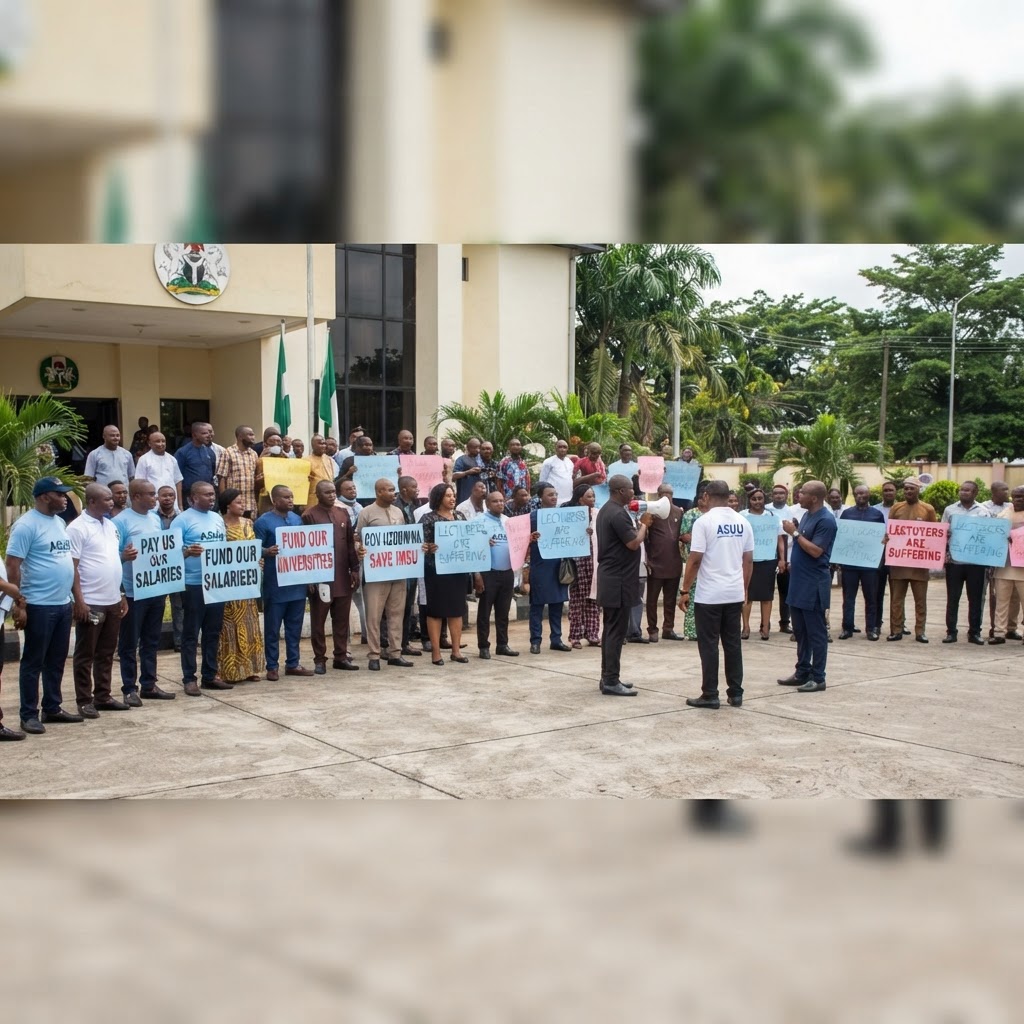
By explaining the reasoning behind decisions, leaders help citizens endure short-term pain while maintaining confidence in long-term goals. This approach mirrors lessons from IMSU Lecturers Protest in Owerri, Appeal to Uzodimma to End, where dialogue and sustained communication became essential tools for resolving tension that, in part, stemmed from economic pressures linked to subsidy removal.
Public trust also depends on consistency between words and action. If governments promise infrastructure improvements funded by subsidy savings, citizens expect to see roads, hospitals, and schools improve. Failure to deliver erodes credibility quickly, regardless of how well policies are explained, and it risks turning public patience over subsidy removal into public resentment.
Uzodimma's framing suggests that frankness itself is a trust-building tool. Admitting hardship, rather than denying it, can strengthen rather than weaken public confidence. This is precisely why Uzodimma Speaks Frankly on Hardship Caused by Subsidy Removal has drawn attention beyond Imo State's borders, and why observers in other states are watching closely to see whether such candor becomes a template for discussing subsidy removal nationwide.
Featured Products
Reverse Type 2 Diabetes & other associated Metabolic Issues using Dr. Jason Fung's Evidence-Based Approach— FMD program for Type 2 Diabetes
A practical fasting and fasting-mimicking programme built on Dr Jason Fung's insulin-resistance principles and ow-glycemic recipes.
₦19,950
Join NowChukwu Abiama Tee
Bold black-and-gold Igbo-pride T-shirt featuring 'Chukwu Abiama' in premium streetwear typography.
₦15,000
Buy NowỤmụ Igbo Tee
Classic black T-shirt with bold white 'Ụmụ Igbo' typography — a proud statement of Igbo heritage.
₦15,000
Buy NowNwanne Tee
Washed khaki vintage tee with a faded rust-orange 'Nwanne' stamp badge and palm leaf motif — a nod to kinship and heritage.
₦18,000
Buy NowObodo Tee
Faded denim-blue washed tee with a cream 'Obodo' stamp badge and sun motif, celebrating community roots.
₦18,000
Buy NowEkwe Heritage Tee
Deep indigo tee featuring a fine line-art illustration of a traditional Igbo ekwe drum, inspired by Igbo-Ukwu bronze artistry.
₦18,000
Buy NowIkenga Figure Tee
Forest green tee with a fine line-art illustration of a stylized Ikenga figure.
₦18,000
Buy NowQuestions of accountability extend beyond communication style. They also connect to the legitimacy of leadership itself, as seen in ongoing legal disputes like Court Orders INEC to Replace Uzodimma with Okorocha. Such cases remind citizens that governance credibility, especially during a period defined by subsidy removal and its aftershocks, cannot rest on economic messaging alone.
What Is The Path Forward?
Governor Uzodimma used a hypothetical transport policy scenario in Owerri to illustrate how governments must balance competing interests. Imagine a new public transport system designed to lower commuter costs. Commercial drivers currently earning a living through older transport models could lose income overnight.
Balancing Competing Interests
The governor's example shows why policy design matters as much as policy intention. Governments must identify alternative opportunities for those negatively affected by reform. Shuttle services, car hire businesses, or logistics roles could absorb displaced drivers, provided transition support exists. The same principle applies broadly to subsidy removal: every policy adjustment creates winners and losers, and good governance means actively managing that transition rather than ignoring it.
This balancing act reflects a broader national challenge. Economic shifts linked to subsidy removal have also affected sectors like oil and gas development, as seen in Seplat Aku-01 Discovery: Benefits for Obi-Mbieri, where new energy opportunities intersect with community economic needs shaped partly by the fiscal pressures of subsidy removal.
The ultimate test of subsidy removal lies in outcomes, not intentions. Citizens expect today's sacrifices to translate into better roads, healthcare access, and economic opportunity. According to the World Bank, successful subsidy reforms globally depend heavily on reinvestment transparency and targeted social protection — a standard against which Nigeria's own subsidy removal journey will eventually be measured.
Uzodimma's path forward requires sustained investment discipline. States must resist diverting new FAAC revenue into non-essential spending. Instead, resources should target measurable welfare improvements that citizens can verify directly, ensuring that the benefits of subsidy removal are not just theoretical but visible in everyday life.
What Does Subsidy Removal Mean for Health and Wellbeing?
The hardship tied to subsidy removal is not only economic — it is also deeply personal and physical. Rising transport costs mean many Nigerians delay hospital visits, skip routine checkups, or ration medication to save money. This quiet health crisis often goes unnoticed in broader economic discussions about subsidy removal.
Chronic conditions are particularly vulnerable to this kind of neglect. As detailed in High Blood Pressure: The Silent Health Threat in Nigeria, many Nigerians already struggle to manage hypertension consistently. When subsidy removal pushes transport and medication costs higher, patients are more likely to skip appointments or medication refills, worsening long-term health outcomes.
Healthcare system strain extends further still. Rising costs linked to subsidy removal also affect how quickly patients can access emergency care. This concern is echoed in IGP: Treat Gunshot Victims Before Requesting Police Reports, which highlights how bureaucratic and financial barriers can delay urgent treatment — a problem that becomes even more pressing when families are already financially stretched by the broader effects of subsidy removal.
There is also a quieter public health risk tied to economic hardship: the overuse and misuse of medication as families try to cut costs. As explained in Antimicrobial Resistance: Why Nigeria Must Act Now, self-medication and incomplete drug courses contribute to resistant infections. Economic pressure from subsidy removal can inadvertently worsen this trend, as households try to stretch limited resources by skipping doses or sharing prescriptions.
These health dimensions of subsidy removal deserve as much attention as inflation figures and FAAC allocations. A reform that strengthens state budgets but weakens household health outcomes is only half a success story.
How Is Subsidy Removal Affecting Education and Opportunity?
Education is another sector quietly shaped by the pressures of subsidy removal. Families facing tighter budgets must weigh school fees, transportation, and learning materials against rising food and fuel costs. For many students, especially those commuting long distances, subsidy removal has made the daily cost of staying in school noticeably heavier.
Despite these pressures, Nigeria continues to expand its higher education landscape. The announcement covered in NUC Approves New Medical University in Anambra: Institution shows that institutional growth continues even amid economic hardship linked to subsidy removal. New institutions promise long-term opportunity, but their success will depend partly on whether students can realistically afford to attend given current economic conditions.
Flexibility within the education system has become more important than ever. The update highlighted in JAMB Candidates Can Now Change Course and Institution Online gives students more control over their academic paths, which matters greatly when financial circumstances shaped by subsidy removal force families to reconsider costly choices like relocation for schooling or expensive course materials.
Taken together, these developments suggest that Nigeria's institutions are adapting, even as subsidy removal continues to test household budgets. The challenge going forward is ensuring that policy flexibility and institutional growth translate into real, affordable opportunity for students navigating a tougher economic landscape.
How Do We Achieve Prosperity?
Eziokwubundu's Health + Wealth + Community framework offers a practical lens for understanding Nigeria's subsidy transition. Individual financial stability, physical wellbeing, and community development are deeply interconnected. Reforms affecting household income directly affect nutrition, healthcare access, and stress levels — and subsidy removal has tested all three simultaneously.
Practical prosperity means citizens must actively hold leaders accountable for new state revenues. Increased FAAC allocations only matter if they produce visible community benefits. Tracking local government spending, demanding budget transparency, and engaging town hall discussions are concrete accountability tools available to residents who want to see the gains of subsidy removal reach their own streets and schools.
Community vigilance also connects to broader governance accountability efforts, including cases like Court Orders INEC to Replace Uzodimma with Okorocha, which shows how legal and civic mechanisms shape political accountability in Imo State, even as the state continues to manage the practical consequences of subsidy removal.
Blending traditional values with modern economic realities strengthens resilience during difficult transitions. Extended family support systems, community cooperatives, and traditional savings groups like esusu remain relevant tools for cushioning subsidy-related hardship. These structures complement formal government interventions rather than replace them, offering a buffer while the broader economic adjustments tied to subsidy removal continue to unfold.
Ultimately, prosperity requires both individual discipline and collective oversight. Families can adopt practical budgeting strategies to manage rising costs, while communities push for responsible use of increased state revenue. This dual approach reflects Eziokwubundu's broader mission: transforming personal resilience into collective progress, even in a climate shaped heavily by subsidy removal.
Governor Uzodimma's candid remarks offer a useful case study in honest governance communication. Whether that honesty translates into measurable welfare improvements remains the real test ahead. For now, Uzodimma Speaks Frankly on Hardship Caused by Subsidy Removal stands as a reminder that acknowledging pain is often the first step toward building lasting economic trust — and that the true measure of subsidy removal's success will be written in hospitals, schools, markets, and household budgets across Nigeria in the years to come.
Stay Informed
Get New Articles in Your Inbox
Subscribe to receive the latest community development, health, and wealth insights from Eziokwubundu.
Newsletter
Practical insights on health, wealth, and community — delivered weekly.
Community Discussion(0)
Leave a Comment
More to Read
You May Also Like

Court Orders INEC to Replace Uzodimma with Okorocha
The battle for Imo West's senatorial seat has taken a dramatic legal turn, shaking the foundations of Nigeria's ruling party ahead of 2027. In a landmark judgment, the Imo West Senatorial Crisis: Court Orders INEC to Replace Uzodimma with Okorocha has become the defining political story out of the S...
The naira is approaching ₦1,400 to the dollar
Nigerian households are feeling the pinch as currency markets shift ahead of the holidays. The naira is approaching ₦1,400 to the dollar, a milestone that has traders, families, and businesses watching closely. Understanding why this matters can help you plan smarter for the months ahead, whether yo...

Obi-Mbieri Mourns Engr. Vitalis Opara: Questions Emerge Over Community’s Silence
Engr. Vitalis Opara is identified as President General on the signature page of the Obi-Mbieri Autonomous Community Constitution 2020 as amended.
IMSU Lecturers Protest in Owerri, Appeal to Uzodimma to End
The streets of Owerri turned into a sea of white lab coats and placards this week. Hundreds of university lecturers walked out of their offices, choosing protest over silence. The IMSU Lecturers Protest in Owerri, Appeal to Uzodimma to End Months-Long Strike has become a defining moment for Imo Stat...

JAMB Candidates Can Now Change Course and Institution Online
Admission season often brings long queues and costly transport for Nigerian families. That burden has just eased. JAMB candidates can now change their institutions and courses from home, as the board announces a new digital correction service, giving students and parents fresh control over their aca...
House Summons NAFDAC and DSS Over Fake Drug Deaths
Four people are dead, eleven more are fighting for their lives, and a federal lawmaker wants answers now. Fake Drug deaths linked to a suspicious herbal concoction have pushed the House of Representatives to move decisively, summoning NAFDAC and the DSS in a case that is no longer a distant headline...

Prevent Kidney Disease With Regular Health Checks
Kidney health rarely makes headlines until a crisis hits a family. Yet understanding Kidney Disease: Why Regular Health Checks Can Help Prevent Serious Complications can save lives, protect household income, and strengthen community wellbeing across Nigeria. Kidney Disease often develops quietly ove...

Budget-Friendly Healthy Meal Prepping for Nigerians
Modern Nigerian families face the dual pressure of rising food prices and the need for better health outcomes. Learning how Nigerian families can(/article/nigerian-family-guide-to-reversing-type-2-diabetes) use meal prepping with local ingredients to eat healthy on a tight budget is a vital skill fo...

Beyond Degrees: Bridging Nigeria's Digital Skills Gap
Nigeria's graduates are flooding the job market faster than employers can absorb them. Yet many arrive with certificates but no practical digital competence. This is the heart of Digital Skills and Youth Employment: Why Nigerian Graduates Need More Than University Certificates.—a gap that is reshapi...
Senate Sends State Police Bill to Tinubu for Approval
Nigeria's security architecture is entering a new chapter. The headline development, State Police Bill: Senate Transmits Constitutional Amendment to Tinubu for Presidential Assent, signals a historic shift toward decentralized policing. For Nigerian families, entrepreneurs, and community leaders, th...