Powered by Obi Mbieri Independent Media Ltd · eziokwubundu.com
$1 = ₦1,328€1 = ₦1,511£1 = ₦1,755History of Obi-Mbieri, Imo State
Obi-Mbieri stands as one of the most historically layered autonomous communities in southeastern Nigeria. Nested within the ancient Mbieri clan of Mbaitoli Local Government Area, it carries within its soil the memory of pre-colonial Igbo governance, the disruptions of colonialism, the trauma and res...
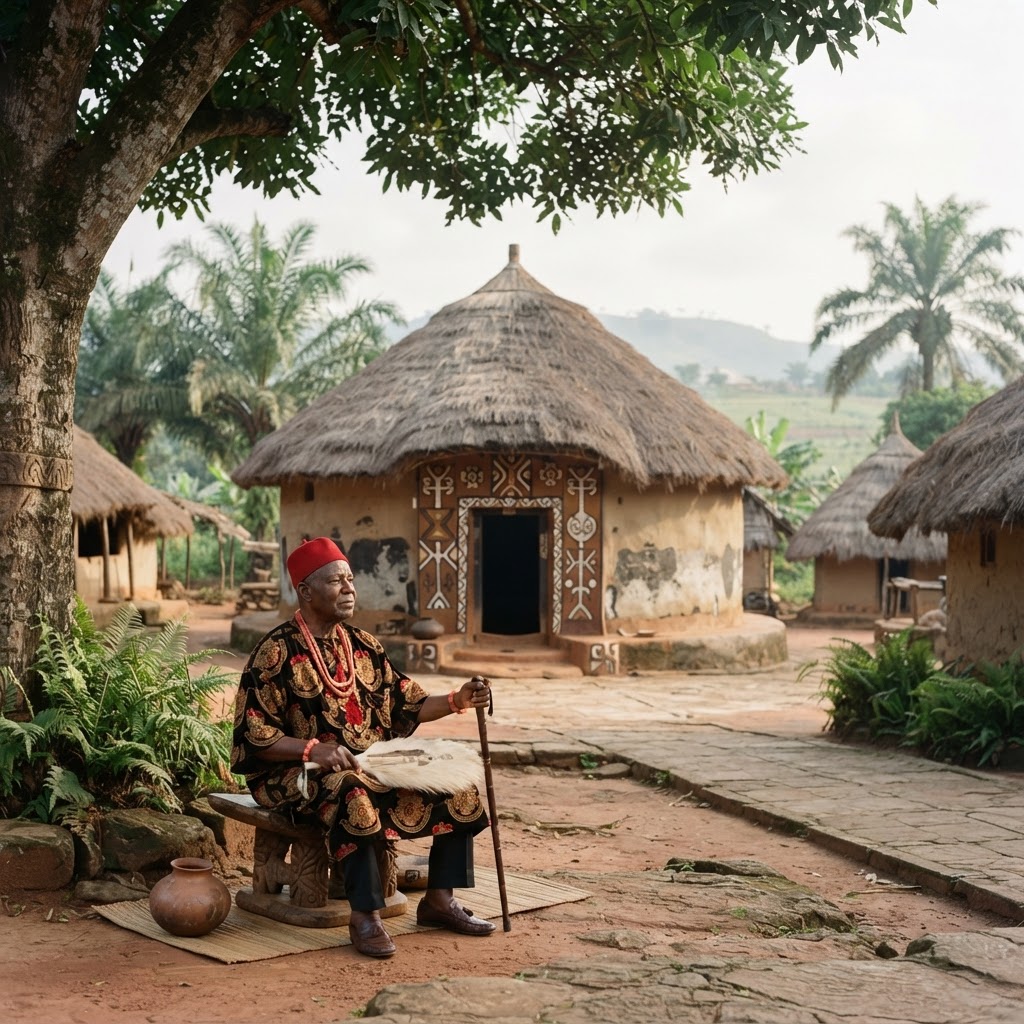
Obi-Mbieri stands as one of the most historically layered autonomous communities in southeastern Nigeria. Nested within the ancient Mbieri clan of Mbaitoli Local Government Area, it carries within its soil the memory of pre-colonial Igbo governance, the disruptions of colonialism, the trauma and resilience of civil war, and the ambitions of a modern Nigerian community determined to chart its own development path. Understanding the history of Obi-Mbieri, Imo State is not merely an academic exercise — it is an act of cultural recovery, community identity, and forward-looking development planning.
What Is Obi-Mbieri's Historical Significance?
Identity Within the Mbieri Autonomous Community Structure
Obi-Mbieri is a recognised autonomous community located within the historic Mbieri town in Mbaitoli Local Government Area of Imo State, Nigeria. Mbaitoli is widely regarded as the most densely structured district in the LGA, encompassing 12 INEC wards and dozens of autonomous communities, of which Mbieri alone accounts for seven. Obi-Mbieri is one of those seven, sitting alongside Amaike-Mbieri, Awo-Mbieri, Ezi-Mbieri, Ihitte Isi-Mbieri, Obazu Mbieri, and Umueze-Mbieri.
What makes Obi-Mbieri's identity unique is its layered nature. A resident of the community may simultaneously and correctly identify as belonging to Obi-Mbieri, the broader Mbieri clan, the Mbaitoli district, and Imo State. Each layer speaks to a different dimension of political, cultural, and geographic belonging. For a fuller picture of how Obi-Mbieri sits within this administrative structure, see the Complete Guide to Mbaitoli Local Government Area Imo State.
From the Eziokwubundu perspective of Health + Wealth + Community, this history is not ornamental. A community that knows where it comes from is better equipped to organise collective resources, invest in shared infrastructure, and cultivate the social trust that underpins both economic development and public health outcomes.
Where Do the Obi-Mbieri People's Roots Begin?
Tracing the Mbaeri Ancestral Lineage
The ancestral origin of Obi-Mbieri lies in the ancient settlement known as Mbaeri — the indigenous Igbo clan that established itself in what is now central Imo State and eventually became known by its contemporary name, Mbieri. According to historical records, Mbieri is the largest of the original nine major communities that constitute Mbaitoli, with traditional territory stretching to borders shared with Owerri North, Owerri Municipal, and Ikeduru.
A historical publication produced by the Mbieri community in the United States describes the town as "Mbieri Nwaotuoke," a designation that connects the people to a shared ancestral narrative of migration, voluntary merging of lineages, and the gradual consolidation of a larger number of settlements into the 18 to 19 traditional villages referenced in oral and documentary records. This process was not a sudden reorganisation but a centuries-long evolution of kinship, land occupation, and communal identity.
Obi-Mbieri emerged from this broader Mbieri structure. Its constituent villages — including Eboru, Umuduru, Umuahii, Ohohia, Umuagwu, and Obokwe — are specifically referenced in contemporary Imo State government planning documents, confirming their administrative reality within the modern development framework. These are not merely names on a map; they are living communities whose residents trace their lineage to the ancient Mbaeri settlers.
To understand the full breadth of communities that share this heritage, consult the List of Autonomous Communities in Mbaitoli LGA.
How Was Obi-Mbieri Governed Before Colonial Rule?
Kinship, Elders, and the Decentralised Igbo Model
Before British colonial administration arrived in southeastern Nigeria, political authority in Igbo communities was deliberately decentralised. There were no kings in the European sense. Instead, governance rested with a constellation of institutions: the family head (the senior male of a kindred), titled men who had earned social recognition through demonstrated service and achievement, age grades responsible for communal labour and security, and the village assembly — the Oha — where collective decisions were deliberated openly.
Obi-Mbieri followed this established pattern. Land allocation, dispute resolution, marriage negotiations, and the management of communal festivals were all governed through customary authority. The community assembly space — the equivalent of what today survives as the civic centre — was the physical expression of this democratic tradition.
A modern reflection of this tradition is visible in Okwuoba Hall, Umuahii, Obi-Mbieri, which serves as a community gathering and civic infrastructure point. It represents the evolution of the ancestral village assembly into a formal institution.
Cultural traditions including the Okorosha Festival and the Mbari art complex, both deeply rooted in Owerri-area Igbo culture, reinforced communal bonds and spiritual identity. The Mbari tradition — the construction of elaborate sculptural shrines under the direction of a deity — drew entire communities together in collective creative labour. These are not historical relics; they are living markers of a 'Traditional Values, Modern Progress' philosophy that Obi-Mbieri continues to embody.
How Did Colonial Rule Transform Obi-Mbieri?
Education, Christianity, and the 1929 Women's War
The arrival of British colonial administration in the late nineteenth and early twentieth centuries introduced structural changes that permanently altered the social fabric of communities such as Obi-Mbieri. The Church Missionary Society (CMS) and the Roman Catholic Mission (RCM) established footholds across the Owerri province, and their mission schools became the primary avenue through which a new generation of Igbo people accessed formal education.
This transformation was profound. Sons and daughters of Mbieri farming families became teachers, clerks, civil servants, and eventually lawyers, doctors, and engineers. The economic profile of the community diversified in ways that would have been unimaginable two generations earlier. Education became — and remains — the single most powerful engine of intergenerational wealth creation for Obi-Mbieri families.
However, colonial rule was not received passively. The 1929 Women's War (Ogu Umunwanyi), one of the most significant anti-colonial uprisings in Nigerian history, swept through the Owerri province and its surrounding communities. Women from across the region organised mass protests against threatened taxation and the erosion of customary rights, demonstrating a deep political consciousness that colonial records consistently underestimated. This regional episode of resistance speaks directly to the character of the population from which Obi-Mbieri emerged — communities that engaged with external power on their own terms, blending adaptation with assertion.
For context on Igbo language and educational heritage in this region, see 200 Students to Benefit as Ohanaeze Approves Igbo Language Bursaries — How to Apply.
What Was the Civil War's Impact on Obi-Mbieri?
Resilience, Reconstruction, and Diaspora Formation
The Nigerian Civil War of 1967 to 1970 was a defining rupture for every community in southeastern Nigeria. As part of the broader Owerri area, Obi-Mbieri and the surrounding Mbieri communities endured the material and psychological devastation of conflict. Homes were destroyed, farms abandoned, businesses shuttered, and family networks violently disrupted during the three years of fighting.
The post-war reconstruction period demanded extraordinary community resilience. Families rebuilt their homes with limited government support, farmers recultivated their land, and town unions — the community development associations that had operated before the war — resumed their coordination role with renewed urgency. This period illustrates, perhaps more clearly than any other, the 'Practical Prosperity' principle that drives Eziokwubundu's mission: when institutional frameworks fail, communities that invest in knowledge, mutual aid, and organised collective action survive and recover.
The war also accelerated a diaspora migration that would reshape Obi-Mbieri's development trajectory. Residents moved to Lagos, Port Harcourt, Owerri, and eventually to the United Kingdom, the United States, and Canada. This diaspora network became a vital source of remittances, educational sponsorships, and town union funding that continues to supplement local development initiatives in ways that government budgets alone cannot achieve.
Featured Products
Chukwu Abiama Tee
Bold black-and-gold Igbo-pride T-shirt featuring 'Chukwu Abiama' in premium streetwear typography.
₦15,000
Buy NowReverse Type 2 Diabetes & other associated Metabolic Issues using Dr. Jason Fung's Evidence-Based Approach— FMD program for Type 2 Diabetes
A practical fasting and fasting-mimicking programme built on Dr Jason Fung's insulin-resistance principles and ow-glycemic recipes.
₦19,950
Join NowỤmụ Igbo Tee
Classic black T-shirt with bold white 'Ụmụ Igbo' typography — a proud statement of Igbo heritage.
₦15,000
Buy NowNwanne Tee
Washed khaki vintage tee with a faded rust-orange 'Nwanne' stamp badge and palm leaf motif — a nod to kinship and heritage.
₦18,000
Buy NowObodo Tee
Faded denim-blue washed tee with a cream 'Obodo' stamp badge and sun motif, celebrating community roots.
₦18,000
Buy NowEkwe Heritage Tee
Deep indigo tee featuring a fine line-art illustration of a traditional Igbo ekwe drum, inspired by Igbo-Ukwu bronze artistry.
₦18,000
Buy NowIkenga Figure Tee
Forest green tee with a fine line-art illustration of a stylized Ikenga figure.
₦18,000
Buy NowWhen Did Obi-Mbieri Gain Its Modern Administrative Identity?
The 1989 Mbaitoli LGA Creation
The most significant administrative milestone in Obi-Mbieri's modern history is directly tied to events at the federal level. On 11 May 1989, General Ibrahim Babangida's Federal Military Government formally carved Mbaitoli Local Government Area out of the former Mbaitoli/Ikeduru joint structure, establishing its headquarters at Nwaorieubi. This act of administrative reorganisation placed the historic Mbieri communities, including Obi-Mbieri, within a clearly defined modern governance framework.
The autonomous community system in Imo State, which developed alongside and after this restructuring, allowed individual settlements within Mbieri to seek formal recognition, establish their own traditional leadership (the Eze stool), and engage directly with state government planning processes. Obi-Mbieri's recognition within this system did not dissolve its connection to the larger Mbieri identity. Rather, it created a dual structure: an autonomous administrative unit nested within a living cultural community.
It is important to understand that the drawing of these modern boundaries did not erase older kinship ties. The villages of Obi-Mbieri retain their genealogical memory and customary relationships with neighbouring communities across the broader Mbieri landscape. For a deeper history of these administrative changes, see History of Mbaitoli LGA, Imo State: Origins, Communities and Development.
Why Is Obi-Mbieri Strategically Important Economically?
Hydrocarbons, Wealth Distribution, and Community Wellness
Obi-Mbieri's economic significance extends beyond its agricultural heritage. The community sits within a broader oil-producing corridor in Imo State, with hydrocarbon deposits traversing the Umuagwu axis and neighbouring villages. This resource endowment places Obi-Mbieri within a category of communities whose development trajectory is directly influenced by the politics of oil revenue distribution under Nigeria's Niger Delta Development Commission (NDDC) and host-community frameworks.
The Health + Wealth implications of resource extraction are inseparable. Oil-bearing communities frequently face the paradox of underground wealth coexisting with inadequate surface infrastructure — poor roads, limited clean water access, and underfunded schools. This is precisely why the 2020 Imo State priority-project programme's specific identification of Obi-Mbieri for interventions — including borehole provision, toilet facilities and fencing for the civic centre, and renovation of classroom blocks in Eboru, Umuduru, Umuahii, Ohohia, Umuagwu, and Obokwe — carries developmental weight. These are not minor line items; they are indicators of chronic underinvestment in a community with strategic resource value.
Understanding the legal framework governing oil communities in Imo State is essential for community stakeholders. The analysis in Seplat and Imo Host Communities: What Nigerian Law Says About Oil Revenue, Development and Accountability provides actionable guidance on the rights and entitlements of communities in precisely this situation. For entrepreneurs looking to leverage Imo State's economic landscape, How to Start a Business in Imo State offers a practical complement to this community history.
What Development Hurdles Does Obi-Mbieri Face Today?
The Eze Vacancy and Village Creation Disputes
Contemporary Obi-Mbieri confronts governance challenges that are simultaneously local and deeply structural. Reports indicate that the community has gone without a formally recognised traditional ruler — the Eze — for more than six years, creating a leadership vacuum with practical consequences. The Eze institution in Imo State communities is not ceremonial alone; it serves as a conduit between the community and state government, a mediator of land and family disputes, and a symbol of collective continuity. Its prolonged vacancy weakens this entire chain.
Compounding this challenge are legal and administrative controversies surrounding the attempted creation of new villages within the Obi-Mbieri structure. The Imo State government's declaration that such creations were "null and void" reflects the broader tension between organic community growth and the fixed administrative categories that state governance requires. New families, new kindreds, and expanding populations will always generate pressure to reorganise — but doing so outside the established legal framework invites disputes that consume community energy and resources.
For community stakeholders, the path forward lies in what might be called 'Knowledge for Everyday Nigerians': structured mediation processes, adherence to the community's existing constitution, transparent consultation with all kindred heads, and formal engagement with the Imo State Ministry of Local Government. These are not abstract recommendations. They are the practical mechanisms through which communities resolve internal conflict without sacrificing development momentum.
How Can Obi-Mbieri Balance Tradition with Modern Progress?
A Vision for Collective Prosperity
The future of Obi-Mbieri depends on a conscious decision to treat its history not as nostalgia but as infrastructure. The oral histories held by community elders — family genealogies, land agreements, records of age-grade achievements, and accounts of communal ceremonies — are primary sources of identity for a generation of young people growing up between Owerri and London, between Lagos and Houston. Preserving these accounts is an act of mental health care as much as it is historical scholarship. Young people who know their community's story carry a psychological anchor that sustains them through displacement and uncertainty.
The 'Community-First' development model that Obi-Mbieri needs is one that brings the diaspora's accumulated financial capital into productive partnership with the local population's land, agricultural knowledge, and cultural networks. Town unions, women's organisations, and youth associations are not relics — they are the framework for a Nigerian Self-Improvement Ecosystem that can fund clinics, renovate schools, and support local entrepreneurs without waiting for government allocations.
The Eziokwubundu philosophy applies here with full force: individual success is only complete when it actively strengthens the collective health and wealth of the community. For Obi-Mbieri, that means every son and daughter who prospers abroad has a responsibility — and an opportunity — to invest in the community's future. The history reviewed in this article is the foundation. What is built upon it is the work of this generation.
Frequently Asked Questions
Is Obi-Mbieri the same as Mbieri? No. Mbieri is the larger historic town and clan identity, while Obi-Mbieri is one of seven modern autonomous communities within it.
Where exactly is Obi-Mbieri located? Obi-Mbieri is located in Mbaitoli Local Government Area of Imo State, within the larger Mbieri area of central Imo State, Nigeria.
What villages make up Obi-Mbieri? Government development records identify Eboru, Umuduru, Umuahii, Ohohia, Umuagwu, and Obokwe among the villages within the Obi-Mbieri autonomous community structure.
When was Mbaitoli LGA created? Mbaitoli Local Government Area was formally created on 11 May 1989 by the Federal Military Government under General Ibrahim Babangida, with its headquarters at Nwaorieubi.
What is the relationship between Obi-Mbieri and Mbaitoli LGA? Obi-Mbieri is an autonomous community within historic Mbieri, and Mbieri is one of the largest communities within Mbaitoli Local Government Area.
Conclusion
The history of Obi-Mbieri, Imo State is ultimately the history of a people who have consistently adapted without losing themselves. From the ancient Mbaeri settlements and the decentralised governance of pre-colonial Igbo society, through the disruptions of colonialism and civil war, to the modern administrative identity forged in 1989 and the development challenges of the twenty-first century, Obi-Mbieri represents a community whose depth and resilience deserve both scholarly attention and practical investment.
The most important next step is one that no external article can fully accomplish: the systematic collection of oral histories from Obi-Mbieri elders, the digitisation of town union and community constitution records, and the engagement of the diaspora in a structured development conversation. The framework exists. The heritage is intact. The opportunity for a community-driven prosperity story — one that honours the past while building a healthier, wealthier future — is entirely within reach.
Sources and further reading: Mbaitoli Local Government Area — Imo State Government; National Population Commission of Nigeria; Independent National Electoral Commission — Imo State; Nigerian Civil War historical documentation — University of Nigeria; Niger Delta Development Commission.
Stay Informed
Get New Articles in Your Inbox
Subscribe to receive the latest community development, health, and wealth insights from Eziokwubundu.
Newsletter
Practical insights on health, wealth, and community — delivered weekly.
Community Discussion(0)
Leave a Comment
More to Read
You May Also Like

Imo Government to Support 100 More Communities
OKOBI is reshaping how everyday Imo residents build wealth from their own villages. The latest expansion, tagged OKOBI: 100 More Imo Communities Set to Receive Government Support, signals a new chapter in Governor Hope Uzodimma's push for grassroots prosperity. For Nigerian families and community le...
How Rising Petrol Prices Impact Nigerian Households and SMEs
Petrol prices have crossed a psychological line that many Nigerians once thought impossible. At ₦1,400 per litre in several states, rising petrol prices are reshaping how households spend, how businesses operate, and how communities survive. What was once an occasional headline about fuel scarcity h...
48 Months Without Full Pension Payments: Imo Pensioners
Retirement should bring peace, not financial anxiety. Yet across Imo State, thousands of elderly civil servants say their golden years have turned into a struggle for survival. The situation described in "48 Months Without Full Pension Payments: Imo Pensioners Demand Answers" reflects a deepening cr...
How Igbo communities fund development projects
Across southeastern Nigeria, roads are tarred, schools are built, and boreholes are sunk — not by government contractors, but by communities pooling resources together. This phenomenon is neither accidental nor recent. It is the product of centuries-old cultural philosophy, refined institutional str...
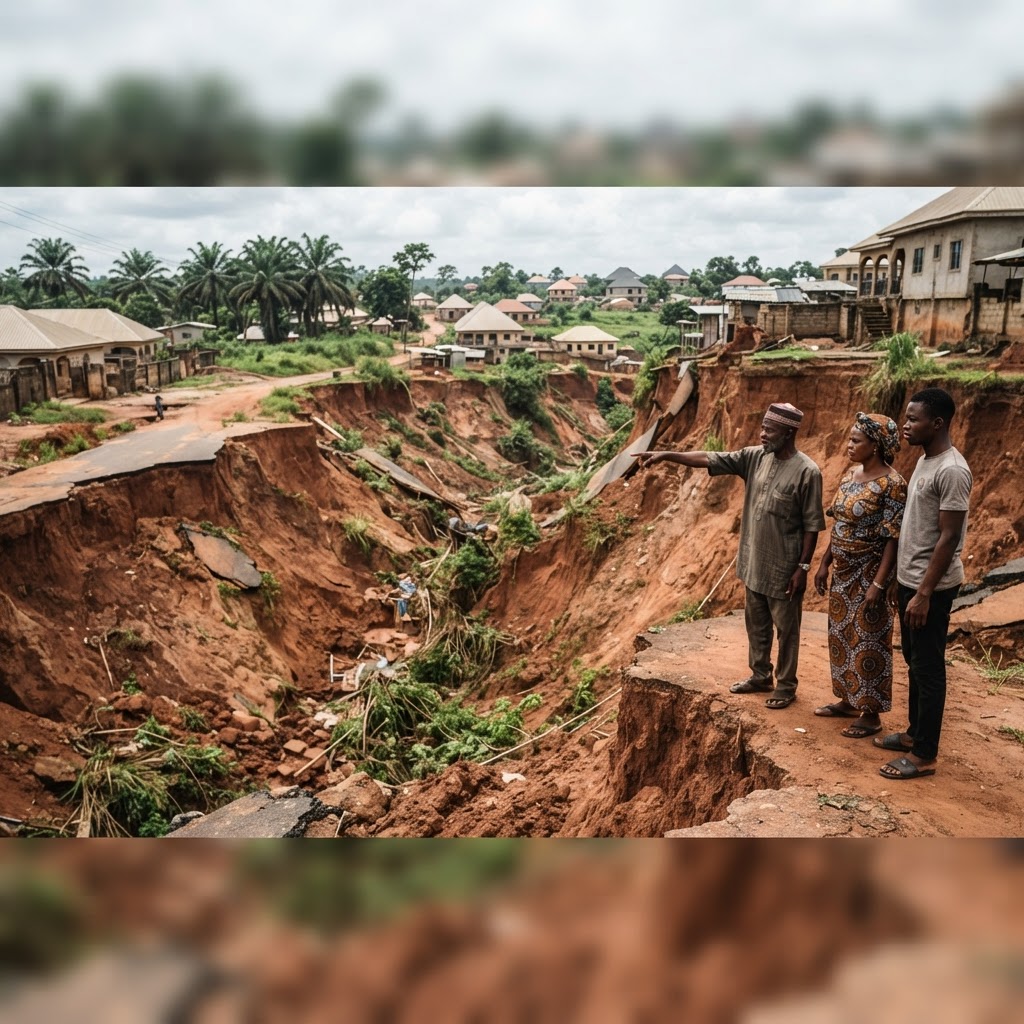
Imo Erosion Crisis: Mbieri Communities Demand Urgent Government Action
The ground beneath Mbieri is literally disappearing. In Mbaitoli Local Government Area of Imo State, advancing gullies are swallowing roads, threatening homes, and pushing one of southeastern Nigeria's most resilient communities toward an environmental breaking point. Residents are no longer waiting...

Imo State Emergency Contacts Directory
Emergencies do not send advance notice. Whether it is a road traffic accident along the Owerri-Onitsha expressway, a fire outbreak in a densely populated neighbourhood, or a sudden medical crisis in one of Imo State's rural local government areas, the difference between life and death often comes do...
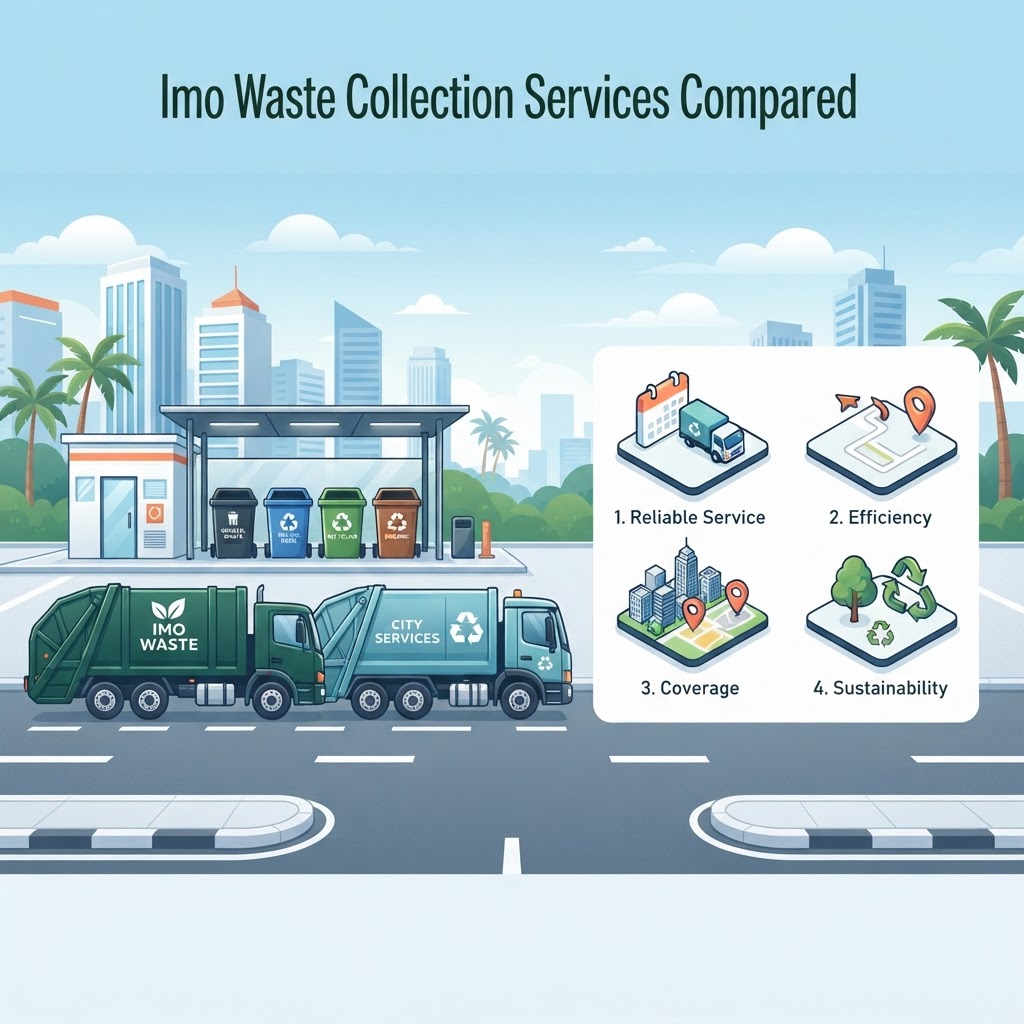
Imo Waste Collection Services Compared
Waste management sits at the intersection of public health, economic productivity, and community dignity. For residents of Imo State, particularly those living in the expanding urban corridors of Owerri, the question of who collects refuse — and how reliably they do it — is not a minor administrativ...