Powered by Obi Mbieri Independent Media Ltd · eziokwubundu.com
$1 = ₦1,327€1 = ₦1,506£1 = ₦1,756Complete Guide to Mbaitoli Local Government Area Imo State
Mbaitoli Local Government Area stands as one of the most strategically positioned among the 27 local government areas in Imo State, Nigeria. Sitting at the intersection of traditional Igbo community life and the rapid urban expansion radiating from Owerri, Mbaitoli represents a living example of sou...
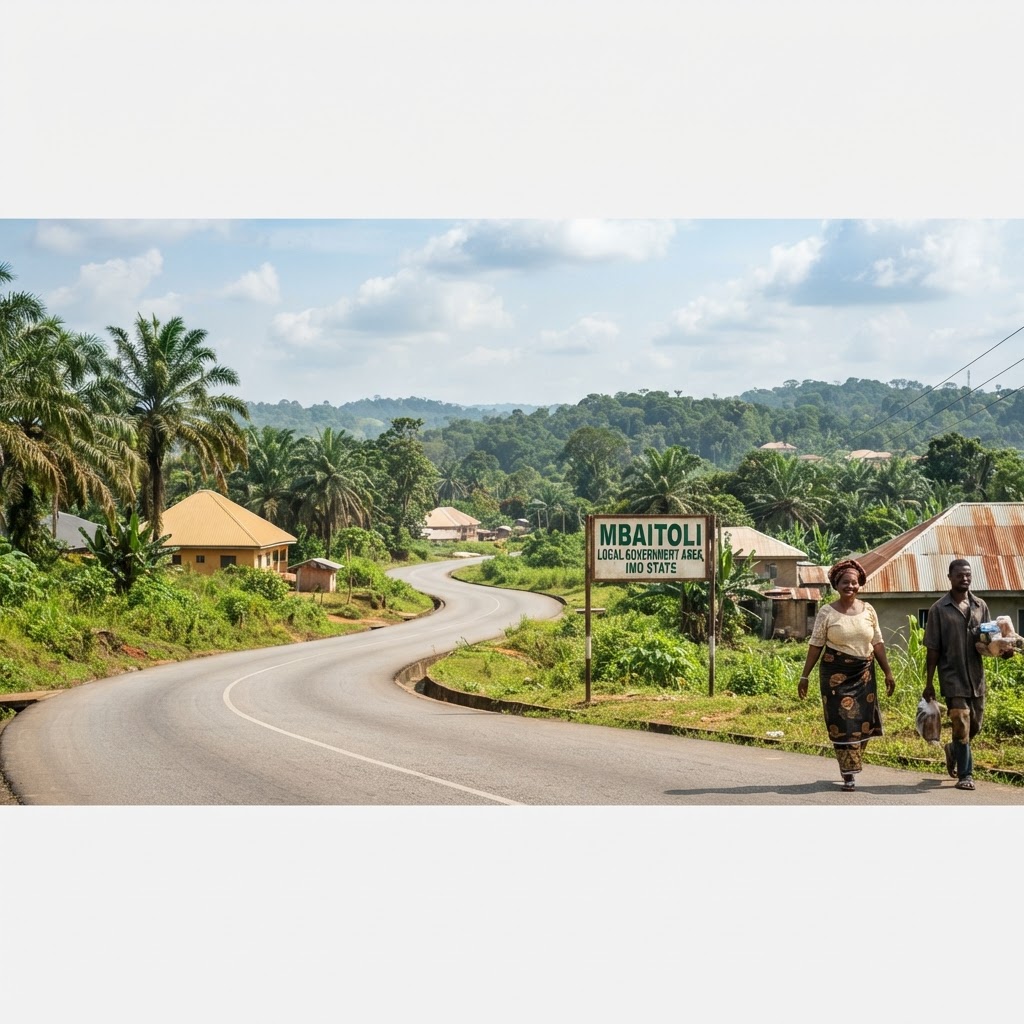
Mbaitoli Local Government Area stands as one of the most strategically positioned among the 27 local government areas in Imo State, Nigeria. Sitting at the intersection of traditional Igbo community life and the rapid urban expansion radiating from Owerri, Mbaitoli represents a living example of southeastern Nigeria's complex social, economic and cultural development. Whether you are a resident, a diaspora Nigerian reconnecting with your roots, an entrepreneur assessing investment opportunities, or a community stakeholder planning development initiatives, understanding Mbaitoli in depth is essential. This complete guide covers the LGA's history, geography, wards, population, economy, healthcare, culture and development outlook.
What Defines Mbaitoli LGA in Imo State?
Mbaitoli Local Government Area is one of Imo State's 27 LGAs and functions as a critical administrative and economic bridge between the state capital, Owerri, and the interior communities of southeastern Nigeria. Its administrative headquarters is located at Nwaorieubi, a commercially active settlement positioned directly along the Owerri–Orlu Federal Road. This placement is not incidental — it gives the local government direct access to one of the most important road corridors in Imo State, connecting residents to both the state capital and communities farther west toward Orlu.
What makes Mbaitoli particularly significant is how it embodies the Health + Wealth + Community triangle that defines purposeful development in this region. Agricultural productivity anchors the economy, while expanding residential zones and proximity to Owerri's professional economy are reshaping livelihoods. At the same time, deeply rooted traditional governance structures — through town unions, age grades and autonomous communities — continue to anchor social life. Mbaitoli is, in every sense, a local government area in active transformation.
Where Exactly is Mbaitoli Located?
Mbaitoli occupies a central position within Imo State in southeastern Nigeria. Its boundaries connect it to a broad range of neighbouring local government areas, making it a geographical hub within the state. To the north, Mbaitoli shares boundaries with Oru, Njaba and Isu. To the south, it borders Owerri North and Owerri West. Oguta lies to the west, while Isiala Mbano and Ikeduru mark the eastern boundary.
The LGA covers approximately 204 square kilometres, and its positioning within this corridor has profound economic consequences. Many Mbaitoli residents commute daily to Owerri for employment, education, healthcare and commerce, effectively participating in the capital's economy while maintaining homes and community ties within the LGA. According to the Wikipedia entry on Mbaitoli, this proximity to the urban centre has reshaped residential patterns significantly over recent decades.
The Owerri–Orlu Federal Road is the primary transportation artery for the entire region. Running through Nwaorieubi, it enables the flow of agricultural produce, trading goods, commuter traffic and public services. Communities along this corridor benefit from comparatively better access to markets and services than those on rural feeder roads deeper within the LGA. For businesses and logistics, this road remains the economic lifeline of Mbaitoli.
How Did Mbaitoli LGA Evolve Over Time?
Mbaitoli's institutional history predates its current administrative form by several decades. Historical records indicate that the area functioned as a rural district council as far back as 1955, with Nwaorieubi already serving as its administrative base during that period. Over subsequent decades, as Nigeria's administrative structures evolved through independence, military governance and political restructuring, the area gradually transitioned from a district council framework toward a more formalised local government structure.
The watershed moment came on May 11, 1989, when General Ibrahim Babangida's military administration formally created Mbaitoli as a distinct local government area by dividing the former Mbaitoli/Ikeduru Local Government. This separation gave Mbaitoli its own administrative identity, budget structure, and headquarters. The decision reflected both the population growth of the area and its distinct community identity, separate from Ikeduru's communities to the east.
Since 1989, Mbaitoli has evolved from a primarily rural settlement cluster into a hybrid landscape. Traditional autonomous communities continue to function alongside expanding residential developments, small commercial zones and public infrastructure driven partly by spillover from Owerri's urban growth. This layered history — from traditional institutions to colonial district councils to post-independence LGA — is essential context for anyone studying governance, land rights or community development in the area.
Which Wards and Communities Make Up Mbaitoli?
Mbaitoli Local Government Area is structured around 12 electoral registration areas, as recorded in the Independent National Electoral Commission (INEC) polling unit directory. These wards are the formal units through which political representation and elections are organised. They are:
- Afara/Eziama
- Ogbaku
- Umunoha/Azara
- Ubomiri
- Ifakala
- Ogwa I
- Ogwa II
- Orodo A
- Orodo B
- Umunwoha/Umuawu
- Amaike Mbieri
- Ezinihittie Mbieri
- Awo Mbieri
- Obi Mbieri
- Umueze Mbieri
- Obazu Mbieri
- Eziama-Obiato
Across these registration areas, INEC records identify 209 polling units, underlining the scale of electoral participation within the LGA. Ogwa, for instance, is represented by two separate registration areas with a combined 40 polling units, reflecting its population density. Orodo A and Orodo B together account for 34 polling units.
Beyond the electoral framework, Mbaitoli is also home to 9 major towns — Ifakala, Ogwa, Mbieri, Orodo, Ubomiri, Umunoha, Afara, Eziama and Ogbaku — and 31 autonomous communities that form a distinct traditional governance layer, as documented on the official Mbaitoli towns page. Understanding the difference between an electoral ward, an autonomous community, a town, a village and a kindred is critical for anyone working on development, legal or administrative matters in the LGA. These are overlapping but legally distinct categories, and conflating them can create significant confusion in community governance and resource allocation.
Who Lives in Mbaitoli and What is the Population?
The most reliable population baseline for Mbaitoli comes from the 2006 National Population Census, which recorded a total population of 237,474 people — comprising 118,959 males and 118,515 females. This figure, published by the National Bureau of Statistics, remains the official census benchmark. Subsequent projections placed the population at approximately 269,902 in 2010, and more recent health research studies, such as those accessing ResearchGate's scientific data on Mbaitoli LGA demographics, estimated the population at around 258,212 in 2018.
Given that Nigeria has not conducted a new national census since 2006, all figures beyond that date should be treated as projections or estimates rather than verified counts. Claims of populations exceeding 400,000 should be approached cautiously unless backed by an identified methodology.
Culturally, Mbaitoli's residents are predominantly Igbo-speaking, sharing the language, customs and institutional frameworks common across southeastern Nigeria. Agriculture historically defined the livelihoods of most families, but today the population includes a growing number of civil servants, professionals, entrepreneurs and students. The diaspora community — Mbaitoli indigenes living in Lagos, Abuja, Port Harcourt, the United Kingdom, the United States and beyond — also plays an increasingly important role in local development, particularly through hometown associations, festival attendance and remittances.
What Drives the Economy of Mbaitoli?
The economic foundation of Mbaitoli remains agrarian, with cassava, yam, palm oil and plantain among the most widely cultivated crops. Major markets in Mbieri, Orodo and Ubomiri serve as commercial hubs where agricultural produce is traded locally and distributed to Owerri and beyond. Traditional handicrafts, including basket weaving and broom making, continue to provide supplementary income for households in rural communities, preserving both economic value and cultural heritage.
Beyond agriculture, the economy is increasingly diversified. A growing number of residents are engaged in civil service, professional employment, retail trade, transportation, construction and private business. The LGA's proximity to Owerri amplifies these opportunities significantly — traders access Owerri's larger consumer market, professionals commute to the capital for work, and entrepreneurs benefit from Owerri's infrastructure and customer base. For those looking to formalise or scale a business, the practical advice covered in our guide on how to start a business in Imo State provides a relevant starting point.
The petroleum sector adds another dimension to Mbaitoli's economic landscape, particularly in communities within the Mbieri area. Oil and gas operations have introduced Host Community Development Trust (HCDT) frameworks, which legally obligate petroleum operating companies to invest in affected communities. However, the distribution and management of these funds is governed by complex regulatory requirements. For a detailed analysis of how these legal structures work in Imo State, see our coverage of Seplat and Imo host communities. Real estate development, driven by Owerri's urban sprawl, and agro-processing represent two additional high-potential sectors for forward-looking investors.
How is Healthcare Delivered in Mbaitoli?
Healthcare in Mbaitoli is delivered through a combination of public primary care facilities and private medical institutions. The Mbaitoli East Mbieri Primary Health Centre, located in Nwaorieubi, is among the public facilities serving the local population, providing essential maternal, child and preventive health services. In Orodo, Nwavalogu Hospital and Medical Services on Eke-Ubaha Road offers private clinical care that supplements public provision.
Featured Products
Chukwu Abiama Tee
Bold black-and-gold Igbo-pride T-shirt featuring 'Chukwu Abiama' in premium streetwear typography.
₦15,000
Buy NowReverse Type 2 Diabetes & other associated Metabolic Issues using Dr. Jason Fung's Evidence-Based Approach— FMD program for Type 2 Diabetes
A practical fasting and fasting-mimicking programme built on Dr Jason Fung's insulin-resistance principles and ow-glycemic recipes.
₦19,950
Join NowỤmụ Igbo Tee
Classic black T-shirt with bold white 'Ụmụ Igbo' typography — a proud statement of Igbo heritage.
₦15,000
Buy NowNwanne Tee
Washed khaki vintage tee with a faded rust-orange 'Nwanne' stamp badge and palm leaf motif — a nod to kinship and heritage.
₦18,000
Buy NowObodo Tee
Faded denim-blue washed tee with a cream 'Obodo' stamp badge and sun motif, celebrating community roots.
₦18,000
Buy NowEkwe Heritage Tee
Deep indigo tee featuring a fine line-art illustration of a traditional Igbo ekwe drum, inspired by Igbo-Ukwu bronze artistry.
₦18,000
Buy NowIkenga Figure Tee
Forest green tee with a fine line-art illustration of a stylized Ikenga figure.
₦18,000
Buy NowDespite this infrastructure, significant challenges remain. Rural communities far from Nwaorieubi or Orodo often face barriers to accessing care — poor road conditions, transportation costs and distance all influence whether residents seek timely treatment. Specialist healthcare typically requires travel to Owerri, placing an additional burden on low-income households. The recent development of the Imo State Cancer Centre is a positive step for the broader region, potentially improving specialist access for Mbaitoli residents.
One specific public health concern documented in academic literature is urinary schistosomiasis, a parasitic infection linked to freshwater exposure. Research studies have recorded its endemicity in Mbaitoli, highlighting the need for preventive healthcare education, water safety awareness and community health interventions alongside curative services. Addressing preventable diseases through information remains one of the most cost-effective health investments available to community organisations and health authorities alike.
What Are the Cultural Traditions of Mbaitoli?
Mbaitoli's cultural life is rich and deeply rooted in Igbo tradition. Among the most significant cultural celebrations are the Mmanwu (masquerade) and Okorosha festivals, traditionally held during the December holiday season. These festivals serve a dual purpose: they preserve ancestral customs and provide a powerful draw for diaspora Nigerians returning home, reinforcing community bonds across generations and geographies. For many indigenes living abroad, the December festivals represent the most direct connection to their ancestral communities.
The Ekeleke Dancing Group of Orodo is a notable cultural institution within the LGA, actively preserving traditional performing arts and representing Mbaitoli's artistic heritage at community and regional events. Such groups are important not only as cultural custodians but as community anchors that give young people a structured connection to their heritage.
Traditional governance institutions — including Town Unions, Age Grades, Women's Organisations and Youth Associations — remain central to social organisation across all major communities. These bodies participate in dispute resolution, community development projects, land-related matters and engagement with both government and corporate entities. Understanding this layer of governance is essential for anyone working with communities in Mbaitoli, because formal political administration and traditional authority operate in parallel and often interdependently. The cultural fabric of Mbaitoli is therefore not merely ceremonial — it is a functional governance and development infrastructure.
What Are the Major Development Challenges?
Mbaitoli's strategic location and human capital create significant development potential, but several structural challenges constrain progress. Road infrastructure remains the most critical bottleneck — deteriorating roads increase the cost of agricultural logistics, reduce access to healthcare and education, and slow residential development. Inadequate drainage systems compound this problem, as urban expansion without proper planning increases flooding risk during rainy seasons.
Youth unemployment is another pressing concern. The LGA's growing young population needs access to skills training, entrepreneurship pathways and digital economy opportunities. Agro-processing — converting locally grown cassava, palm produce and food crops into higher-value products — represents a practical prosperity strategy that could simultaneously address unemployment and agricultural underutilisation. Digital services, construction, and hospitality offer additional avenues for youth-led enterprise.
Transparency in the management of community development funds — whether from government allocations, corporate social responsibility projects, or HCDT structures — is equally important. Accountability frameworks, proper documentation, and community-level financial reporting are non-negotiable prerequisites for sustainable development. Without them, even well-intentioned investment fails to deliver lasting impact. Ohanaeze-led initiatives such as the Igbo Language Bursary programme offer useful models of community-driven educational investment that Mbaitoli organisations could study and adapt.
Frequently Asked Questions About Mbaitoli
What state is Mbaitoli LGA in? Mbaitoli is in Imo State, southeastern Nigeria.
What is the headquarters of Mbaitoli LGA? The headquarters is Nwaorieubi, located along the Owerri–Orlu Federal Road.
How many wards does Mbaitoli have? INEC recognises 12 electoral registration areas in Mbaitoli.
What is the postal code for Mbaitoli? The postal code for the area is 461.
What was Mbaitoli's population in the 2006 census? The official figure is 237,474 people.
When was Mbaitoli LGA created? It was formally created on May 11, 1989.
Is Mbieri in Mbaitoli LGA? Yes. Mbieri is one of Mbaitoli's most significant areas, represented across three electoral registration areas: Umunwoha/Mbieri/Umuawu, Amaike Mbieri and Ezinihittie Mbieri.
Who are notable individuals from Mbaitoli? The LGA has produced prominent figures including actor Osita Iheme (widely known as Pawpaw) and the late Nollywood actor Saint Obi, both of whom highlight the remarkable human capital that Mbaitoli communities have contributed to Nigerian public life.
Conclusion: Why Mbaitoli Matters to Imo's Future
Mbaitoli Local Government Area is far more than an administrative unit on a map. It is a living community of over 237,000 people — and by current projections considerably more — whose daily realities encompass farming, commerce, education, culture and an increasingly complex engagement with Nigeria's petroleum economy and urban development dynamics.
Its 12 electoral wards and 31 autonomous communities represent a governance landscape where traditional institutions and modern administration must work in tandem. Its proximity to Owerri gives it economic advantages that few interior LGAs in Imo can match. And its cultural institutions — from masquerade festivals to town unions and age grades — provide the social infrastructure that development, if managed wisely, can build upon rather than displace.
The path forward for Mbaitoli lies in the convergence of better infrastructure, accountable community governance, investment in agriculture and youth enterprise, and sustained engagement between residents at home and in the diaspora. For community leaders, entrepreneurs, health workers, students and families across the LGA, the opportunity is real — and the foundation is already there. Understanding Mbaitoli fully, as this guide has aimed to do, is the essential first step toward building the future it deserves.
Sources consulted include the official Mbaitoli LGA website, the Wikipedia article on Mbaitoli, ResearchGate scientific publications, INEC polling unit directories, and National Bureau of Statistics census data.
Stay Informed
Get New Articles in Your Inbox
Subscribe to receive the latest community development, health, and wealth insights from Eziokwubundu.
Newsletter
Practical insights on health, wealth, and community — delivered weekly.
Community Discussion(0)
Leave a Comment
More to Read
You May Also Like
Imo Government to Support 100 More Communities
OKOBI is reshaping how everyday Imo residents build wealth from their own villages. The latest expansion, tagged OKOBI: 100 More Imo Communities Set to Receive Government Support, signals a new chapter in Governor Hope Uzodimma's push for grassroots prosperity. For Nigerian families and community le...
How Rising Petrol Prices Impact Nigerian Households and SMEs
Petrol prices have crossed a psychological line that many Nigerians once thought impossible. At ₦1,400 per litre in several states, rising petrol prices are reshaping how households spend, how businesses operate, and how communities survive. What was once an occasional headline about fuel scarcity h...
48 Months Without Full Pension Payments: Imo Pensioners
Retirement should bring peace, not financial anxiety. Yet across Imo State, thousands of elderly civil servants say their golden years have turned into a struggle for survival. The situation described in "48 Months Without Full Pension Payments: Imo Pensioners Demand Answers" reflects a deepening cr...
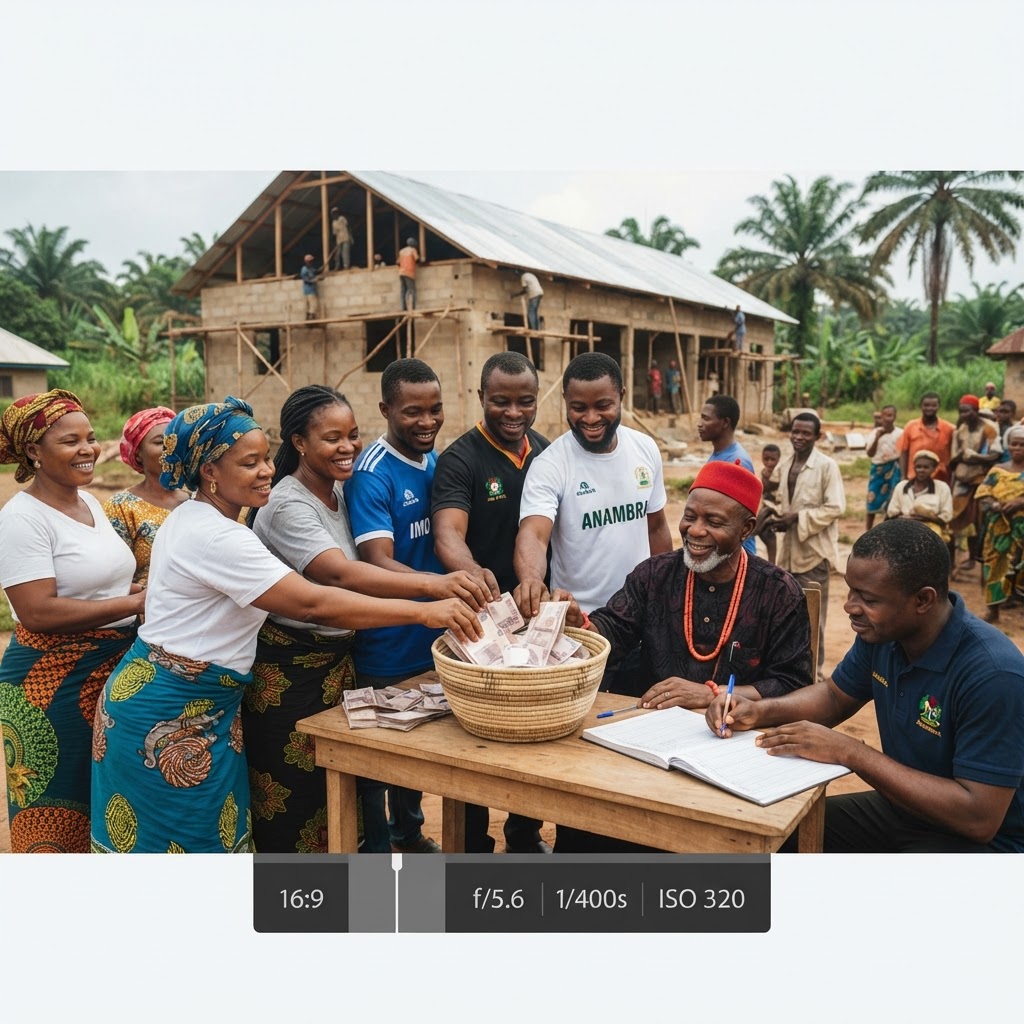
How Igbo communities fund development projects
Across southeastern Nigeria, roads are tarred, schools are built, and boreholes are sunk — not by government contractors, but by communities pooling resources together. This phenomenon is neither accidental nor recent. It is the product of centuries-old cultural philosophy, refined institutional str...
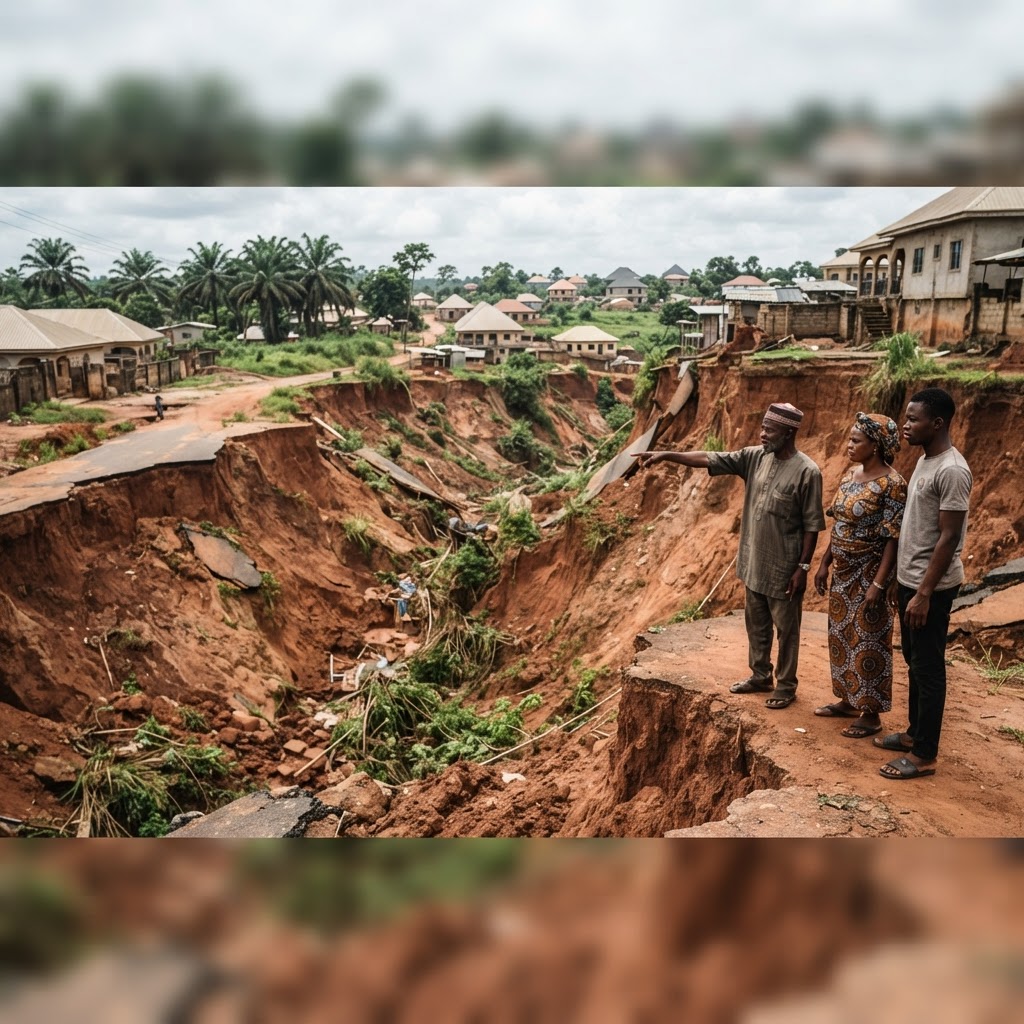
Imo Erosion Crisis: Mbieri Communities Demand Urgent Government Action
The ground beneath Mbieri is literally disappearing. In Mbaitoli Local Government Area of Imo State, advancing gullies are swallowing roads, threatening homes, and pushing one of southeastern Nigeria's most resilient communities toward an environmental breaking point. Residents are no longer waiting...

Imo State Emergency Contacts Directory
Emergencies do not send advance notice. Whether it is a road traffic accident along the Owerri-Onitsha expressway, a fire outbreak in a densely populated neighbourhood, or a sudden medical crisis in one of Imo State's rural local government areas, the difference between life and death often comes do...