Powered by Obi Mbieri Independent Media Ltd.
$1 = ₦1,353€1 = ₦1,486£1 = ₦1,775High Blood Pressure: The Silent Health Threat in Nigeria
Imagine a condition that quietly damages your heart, brain, and kidneys while you feel completely fine. That is the reality for millions of Nigerians today, and it explains why High Blood Pressure: The Silent Health Threat Many Nigerians Are Ignoring has become a defining public health issue of our ...
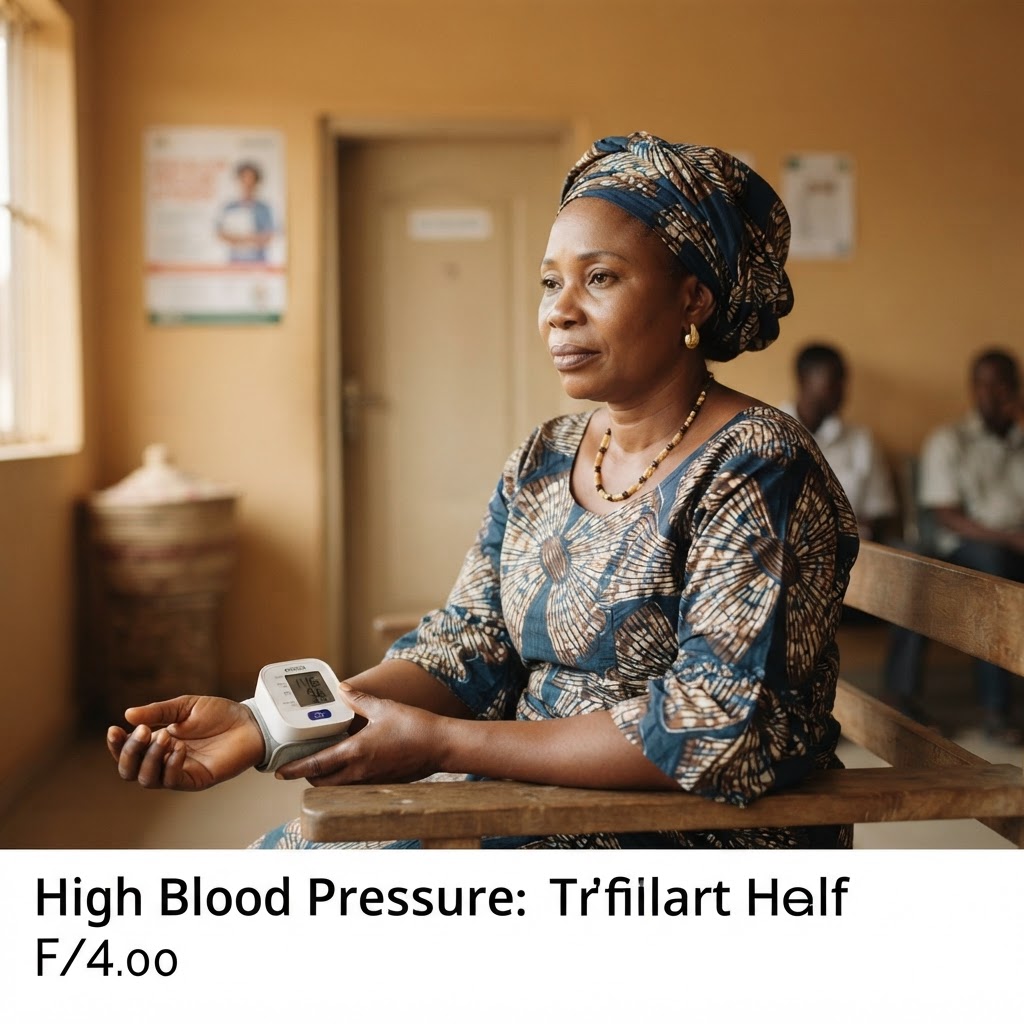
Imagine a condition that quietly damages your heart, brain, and kidneys while you feel completely fine. That is the reality for millions of Nigerians today, and it explains why High Blood Pressure: The Silent Health Threat Many Nigerians Are Ignoring has become a defining public health issue of our time.
At Eziokwubundu, we believe informed families build stronger communities. This article breaks down why high blood pressure deserves urgent attention, how widespread it really is, and what practical steps you can take starting today to protect yourself and the people who depend on you.
Why Is Hypertension A Silent Threat?
High blood pressure earns its nickname, the "silent killer," for a simple reason. It rarely produces symptoms until serious damage has already occurred deep inside the body.
Many people walk around with dangerously elevated blood pressure for years without knowing it. By the time symptoms appear, such as stroke, heart failure, or kidney disease, the damage is often irreversible. This is precisely what makes high blood pressure so dangerous compared to illnesses that announce themselves early with pain or discomfort.
According to the World Health Organization, hypertension is a leading cause of premature death worldwide. In Nigeria, the situation is particularly concerning because over 65% of people living with high blood pressure are completely unaware of their condition. This delayed awareness means treatment often starts too late, long after irreversible organ damage has set in.
The consequences ripple far beyond the individual. When a breadwinner suffers a stroke or heart attack linked to uncontrolled high blood pressure, the family loses income, savings get depleted on medical bills, and children's education may suffer. This is the "Health + Wealth + Community" connection that Eziokwubundu emphasizes constantly, because no family exists in isolation from the health outcomes of its members.
Premature deaths from preventable diseases like high blood pressure directly affect progress toward Sustainable Development Goal target 3.4, which aims to reduce premature mortality from non-communicable diseases. Every avoidable death represents lost productivity, weakened households, and a community robbed of a contributing member. These losses also echo through the broader economy, in much the same way that disruptions highlighted in reports like IMSU lecturers' protest and appeal to Uzodimma show how systemic neglect, whether in education or health, slows down national progress.
Understanding this silent threat is the first step toward protecting yourself and the people who depend on you. Awareness alone can save lives, families, and local economies, especially when it leads to early detection of high blood pressure before complications arise.
How Common Is Hypertension In Nigeria?
The numbers are staggering. Recent studies estimate that between 32% and 40% of Nigerian adults live with high blood pressure. That means roughly one in every three adults you meet, whether at church, in the market, or at your workplace, is affected.
Even more alarming is the speed of this rise. Research published through global health databases shows a 540% increase in hypertension cases in Nigeria between 1995 and 2020, pushing the total above 28 million affected individuals. This is not a slow-moving trend. It is an accelerating crisis that demands urgent national attention, much like the scrutiny applied to governance issues such as those raised in the Imo LG election disputes and ISIEC oversight.
Many Nigerians still believe high blood pressure only affects city dwellers or the elderly. The data tells a different story. Prevalence rises from about 6.8% in adults under 30 to a staggering 63% in those over 70, but younger Nigerians are increasingly affected too, often due to lifestyle changes that begin early in life.
Consider these figures that challenge common assumptions:
- Rural communities now show nearly comparable rates to urban areas.
- Young professionals in their 20s and 30s are being diagnosed with high blood pressure more frequently.
- Women and men are affected at similar rates once past age 45.
- Students and youth professionals are not exempt from risk.
This widespread reach means high blood pressure is not a distant problem affecting only "old people" or the wealthy. It affects families across every region, income level, and age bracket in Nigeria today, making it a shared national concern rather than an isolated medical issue.
What Are The Hidden Risk Factors?
Modern Nigerian lifestyles have shifted dramatically in just one generation. Many people now spend their days sitting in offices, commuting in cars or buses, and relaxing in front of screens rather than engaging in physical activity that once came naturally through farming, walking, or manual labor.
This sedentary shift matters. Reduced physical movement contributes directly to weight gain, poor circulation, and elevated blood pressure over time. Occupational sitting, once rare, is now the daily reality for millions of urban workers, including those building careers in the digital economy discussed in Beyond Degrees: Bridging Nigeria's Digital Skills Gap, where long hours at a computer can quietly contribute to rising blood pressure levels if not balanced with movement.
Diet plays an equally significant role. The popularity of processed foods and "fry-fry" street snacks has introduced excessive sodium into everyday meals. The American Heart Association recommends limiting sodium intake to around 5 grams of salt per day, yet many Nigerian diets far exceed this threshold through seasoning cubes, canned foods, and preserved snacks, all of which are strongly linked to high blood pressure development.
Socioeconomic pressures compound these dietary risks. Rapid urbanization has created environments where fast, cheap, salty food is often more accessible than fresh produce. This normalizes unhealthy eating patterns, making individual prevention efforts difficult without broader community support systems and stronger public health messaging around high blood pressure prevention.
Stress from economic uncertainty, long work hours, and entrepreneurial pressures also elevates blood pressure over time. These hidden risk factors rarely act alone. They combine to create a perfect storm that silently pushes blood pressure upward for years before detection, often without the individual realizing that ordinary daily stress is contributing to a serious medical condition.
Featured Products
Reverse Type 2 Diabetes & other associated Metabolic Issues using Dr. Jason Fung's Evidence-Based Approach— FMD program for Type 2 Diabetes
A practical fasting and fasting-mimicking programme built on Dr Jason Fung's insulin-resistance principles and ow-glycemic recipes.
₦19,950
Join NowChukwu Abiama Tee
Bold black-and-gold Igbo-pride T-shirt featuring 'Chukwu Abiama' in premium streetwear typography.
₦15,000
Buy NowỤmụ Igbo Tee
Classic black T-shirt with bold white 'Ụmụ Igbo' typography — a proud statement of Igbo heritage.
₦15,000
Buy NowNwanne Tee
Washed khaki vintage tee with a faded rust-orange 'Nwanne' stamp badge and palm leaf motif — a nod to kinship and heritage.
₦18,000
Buy NowObodo Tee
Faded denim-blue washed tee with a cream 'Obodo' stamp badge and sun motif, celebrating community roots.
₦18,000
Buy NowEkwe Heritage Tee
Deep indigo tee featuring a fine line-art illustration of a traditional Igbo ekwe drum, inspired by Igbo-Ukwu bronze artistry.
₦18,000
Buy NowIkenga Figure Tee
Forest green tee with a fine line-art illustration of a stylized Ikenga figure.
₦18,000
Buy NowHow Can You Manage Your Health?
The good news is that high blood pressure is highly manageable with consistent effort and the right information. Diet remains one of the most powerful tools available to Nigerian families seeking to control their blood pressure naturally.
Prioritizing local, potassium-rich vegetables like ugu, ewedu, and bitter leaf can naturally help regulate blood pressure. Fresh fruits such as oranges, watermelon, and bananas also support heart health far better than heavily processed seasonings and bouillon cubes loaded with sodium, which are known contributors to high blood pressure across Nigerian households.
Regular screening remains absolutely essential. Since high blood pressure typically shows no symptoms, the only reliable detection method is professional blood pressure measurement. Community pharmacies, clinics, and health centers across Nigeria now offer affordable screening services that take just minutes, yet many people still avoid checking their numbers out of fear or simple neglect.
For those already diagnosed, medication adherence is critical yet often overlooked. Current data suggests only about 8% to 13% of hypertensive Nigerians have their condition properly under control. This gap represents a massive opportunity for improvement through consistent treatment and follow-up care, and it underscores why managing high blood pressure requires more than a single visit to the doctor.
Consider adopting these practical habits for better blood pressure management:
- Schedule blood pressure checks at least twice yearly.
- Reduce added salt and processed seasoning gradually.
- Incorporate 30 minutes of walking most days.
- Take prescribed medications exactly as directed.
- Monitor your weight and waist circumference regularly.
- Limit alcohol intake and avoid tobacco products entirely.
Readers managing related chronic conditions may also benefit from understanding how to prevent kidney disease with regular health checks, since high blood pressure and kidney health are closely connected, with each condition capable of worsening the other if left unmanaged.
Why Does Community Action Matter?
Individual health choices matter, but they work far better within supportive community structures. A healthy population is a more economically productive one, capable of building businesses, raising stable families, and contributing to local development free from the drag of preventable illness.
When high blood pressure strikes a household unexpectedly, the effects spread outward. Medical expenses drain family savings, reduce investment in children's education, and limit entrepreneurial activity. Community-wide health improvements therefore translate directly into economic resilience and shared prosperity, much like the long-term benefits anticipated from infrastructure and resource projects such as the Seplat Aku-01 Discovery and its benefits for Obi-Mbieri.
Local organizations and traditional institutions have a powerful role to play here. Community-led health awareness campaigns, workplace screening programs, and peer support groups for people managing chronic conditions can dramatically improve early detection rates for high blood pressure. These initiatives cost far less than treating advanced disease and save far more lives in the long run.
Churches, market associations, and community development unions across Nigeria are well-positioned to host screening days and health talks. Such grassroots efforts align closely with the kind of local development coverage highlighted in pieces like the IMSU lecturers' call for institutional support, demonstrating how organized community voices can drive meaningful change, whether in education, governance, or public health.
This reflects the core Eziokwubundu philosophy: individual success and health strengthen the collective. Wellness is not purely a personal matter. It is a shared community responsibility that determines whether neighborhoods thrive or struggle, and tackling high blood pressure collectively is one of the clearest examples of this principle in action.
What Is The Path To Progress?
Nigeria's high blood pressure crisis demands a shift from reactive treatment toward proactive, evidence-based lifestyle management. Waiting for symptoms before acting has proven costly in both lives and resources, and it places unnecessary strain on an already stretched healthcare system.
Every reader can start by taking ownership of their own numbers. Know your blood pressure reading. Track it consistently. Small, sustainable changes, like reducing salt intake or walking daily, compound into significant long-term benefits for your cardiovascular health and overall wellbeing.
Organizations addressing drug safety, such as those discussed in coverage of NAFDAC and DSS accountability over fake drug deaths, remind us that medication quality and access also shape health outcomes nationwide. Trustworthy healthcare systems matter alongside personal discipline, because even the best intentions to manage high blood pressure can be undermined by counterfeit or substandard medication.
Improving awareness and treatment control rates across Nigeria could prevent thousands of premature deaths annually linked to high blood pressure. This single change would secure more stable, prosperous futures for countless families and strengthen entire communities economically, much as broader policy reforms, such as those explored in the Senate's state police bill sent to Tinubu for approval, aim to strengthen governance structures that ultimately support public welfare.
Readers interested in broader preventive healthcare should also explore how diabetes screening remains vital across Africa, since high blood pressure and diabetes frequently occur together and compound health risks significantly, making combined screening programs especially valuable for Nigerian communities.
Additional guidance from the Centers for Disease Control and Prevention and global research published through the Lancet Global Health confirms that sustained lifestyle change, combined with consistent screening, remains the most effective path forward in reducing the burden of high blood pressure worldwide.
The journey toward better health is gradual but achievable. By combining personal responsibility with community support, Nigerians can transform this silent threat into a manageable condition, protecting families, strengthening communities, and securing a healthier, more prosperous future for generations to come. Just as young Nigerians now have more flexibility to shape their futures, as seen in reforms like JAMB candidates now being able to change course and institution online, every individual also has the power to reshape their health trajectory by taking high blood pressure seriously today rather than waiting for a crisis to force action tomorrow.
Stay Informed
Get New Articles in Your Inbox
Subscribe to receive the latest community development, health, and wealth insights from Eziokwubundu.
Newsletter
Practical insights on health, wealth, and community — delivered weekly.
Community Discussion(0)
Leave a Comment
More to Read
You May Also Like

NUC Approves New Medical University in Anambra: Institution
Nigeria's higher education landscape just received a major boost this week. A new specialized institution is poised to transform medical training in the South-East, and the timing could not be better for ambitious students and local communities alike. NUC Approves New Medical University in Anambra: ...

Antimicrobial Resistance: Why Nigeria Must Act Now
Nigeria loses lives and money every year to infections that were once easy to cure. Antimicrobial Resistance: Why Nigeria Must Act Before Common Infections Become Difficult to Treat is no longer a distant global health debate—it is a present danger in our clinics, markets, and homes. Every single da...

IGP: Treat Gunshot Victims Before Requesting Police Reports
A single ambulance ride now carries less fear for Nigerian families. News that IGP Orders Hospitals to Treat Gunshot Victims Before Demanding Police Reports has sparked relief across hospitals, homes, and communities nationwide. For years, bureaucratic delays cost lives that timely care could have s...

Prevent Kidney Disease With Regular Health Checks
Kidney health rarely makes headlines until a crisis hits a family. Yet understanding Kidney Disease: Why Regular Health Checks Can Help Prevent Serious Complications can save lives, protect household income, and strengthen community wellbeing across Nigeria. Kidney Disease often develops quietly ove...
Only 3% of PHCs Meet Staffing Standards: What Is the Situation in Imo?
Nigeria's primary healthcare system is facing a quiet catastrophe. Across the country, thousands of Primary Healthcare Centres (PHCs) stand as hollow structures — buildings without sufficient doctors, midwives, or community health workers to serve the millions of Nigerians who depend on them. A rece...
Diabetes in Africa: Why Routine Screening Is Vital
Imagine a disease that silently damages organs for years before anyone notices. That is the reality for millions living in Africa today. According to the latest report, Diabetes: Three Out of Four Africans Living With the Condition May Be Unaware – Why Screening Matters, and this gap in knowledge is...

Five Health Problems Nigerian Men Often Ignore
Nigerian men often carry the weight of family, business, and community without pausing to check their own well-being. This silence has a cost, and understanding the Five Health Problems Nigerian Men Often Ignore is the first step toward reversing it. Across Lagos boardrooms, Kano trading posts, Port...

How KoboTutor Uses AI to Expand Quality Education in Nigeria
Nigeria's classrooms are changing faster than many parents realize, and technology is driving much of that change. The Future of Learning in Nigeria: How KoboTutor Is Making Quality Education More Accessible Through AI is not a distant idea anymore; it is already reshaping how students study, revise...