Powered by Obi Mbieri Independent Media Ltd · eziokwubundu.com
$1 = ₦1,330€1 = ₦1,526£1 = ₦1,778Wike–Uzodimma Dispute: Imo Lawyers Respond to FCT Minister's Attacks
Political tensions between Nigeria's FCT Minister Nyesom Wike and Imo State Governor Hope Uzodimma have escalated to a point where legal professionals feel compelled to intervene. The Imo Lawyers for the Defence of Democracy has formally called out what it describes as dangerous personal attacks ema...

Political tensions between Nigeria's FCT Minister Nyesom Wike and Imo State Governor Hope Uzodimma have escalated to a point where legal professionals feel compelled to intervene. The Imo Lawyers for the Defence of Democracy has formally called out what it describes as dangerous personal attacks emanating from the Minister's camp, urging President Bola Tinubu to step in before the dispute causes irreparable damage to national cohesion. For ordinary Nigerian families, the spectacle of two powerful political figures locked in open warfare raises a critical question: who is minding the store while leaders fight?
This article examines the roots of the conflict, the specific concerns raised by Imo's legal community, the controversy surrounding the revocation of land allocations in Abuja, and what the path forward looks like for a nation that desperately needs focused, purposeful governance.
What Are the Roots of This Wike–Uzodimma Conflict?
From Regional Rivalry to National Friction
The friction between Nyesom Wike and Hope Uzodimma did not emerge overnight. It is the product of layered political calculations, competing interests within the ruling All Progressives Congress (APC), and a Rivers State political crisis that has redrawn alliances across Nigeria's political landscape.
At the heart of the current tensions is Governor Uzodimma's leadership of the Progressive Governors' Forum (PGF), a body that coordinates APC governors and influences party strategy at the federal level. Wike, though a former Peoples Democratic Party (PDP) stalwart who crossed over to support the APC's federal architecture, operates largely outside the formal structures of the PGF. His role as FCT Minister gives him enormous administrative leverage in Abuja, and critics argue he has not been shy about deploying that leverage in ways that serve his political interests.
The Rivers State political crisis has been the most explosive flashpoint. Governor Siminalayi Fubara, Wike's political godson turned adversary, has found himself at the center of a brutal power struggle. Governor Uzodimma and other APC governors have been perceived as aligning against Wike's preferred political outcomes in Rivers State, a position that deepened the rift considerably.
The so-called "Rainbow Coalition" controversy added further fuel. The coalition — a loose alignment of political figures seen as opposing certain federal and ministerial overreach — became a direct flashpoint between the FCT Minister and APC governors. Wike publicly criticised what he viewed as interference and political grandstanding, while Uzodimma's allies framed the coalition as a legitimate democratic response to consolidating ministerial power.
What makes this dispute particularly significant is that it is no longer just a personal rivalry. It has become a proxy battle for competing visions of how power should be distributed between elected governors and appointed ministers — a constitutional question with real consequences for Nigeria's federal structure and democratic health.
Why Have Imo Lawyers Opposed the FCT Minister?
Legal and Democratic Concerns About Public Rhetoric
The intervention of the Imo Lawyers for the Defence of Democracy marks a significant escalation in how this conflict is being perceived beyond the political class. Legal professionals, who have a vested interest in the integrity of democratic institutions, have raised pointed objections to the tone and content of the Minister's public statements directed at Governor Uzodimma.
According to reporting by The Guardian Nigeria, the group formally demanded that Wike stop what they characterised as personal attacks on the Imo governor. The lawyers described the Minister's rhetoric as unbecoming of a public official of his stature and argued that such language erodes the dignity of public office and undermines the culture of democratic accountability.
The group's concerns are grounded in a broader legal and democratic principle: that high-level political discourse must be conducted with a standard of decorum that protects the integrity of the institutions those leaders represent. When a serving minister engages in personalised attacks against an elected governor, the lawyers argue, it blurs the line between political competition and institutional destabilisation. Nigeria's democracy, still maturing by many metrics, cannot afford that kind of precedent.
Crucially, the Imo Lawyers for the Defence of Democracy went beyond mere condemnation. They formally called on President Bola Tinubu to intervene — a step that signals how serious the legal community views the dispute. By petitioning the President, the group is invoking the highest available authority to arbitrate between two of his most powerful political allies. This is not a casual call; it is a structured democratic demand for executive responsibility.
The lawyers framed the dispute as a distraction from governance. Imo State, like many South-East states, faces significant developmental challenges — from infrastructure deficits to security concerns — that require coordinated attention from both state and federal authorities. As noted in our coverage of the Imo Erosion Crisis: Mbieri Communities Demand Urgent Government Action, the state's communities are grappling with environmental emergencies that cannot wait while political leaders exchange public blows. When Imo's senior political figures are consumed by personal conflict, the development agenda suffers tangibly.
The legal community's position reflects a mature civic instinct: that the people's business must come before personal political warfare. Their intervention deserves to be taken seriously not only by the parties involved but by every Nigerian who pays taxes and expects results.
How Do the Revoked Land Allocations Fit the Narrative?
Administrative Action or Political Signal?
In January 2025, FCT Minister Nyesom Wike announced the revocation of land allocations for 568 individuals and corporate entities in Abuja, citing non-payment of Certificate of Occupancy (C-of-O) bills. Governor Hope Uzodimma was among those whose allocations were revoked — a detail that did not escape public notice given the well-documented tensions between the two leaders.
Featured Products
Chukwu Abiama Tee
Bold black-and-gold Igbo-pride T-shirt featuring 'Chukwu Abiama' in premium streetwear typography.
₦15,000
Buy NowReverse Type 2 Diabetes & other associated Metabolic Issues using Dr. Jason Fung's Evidence-Based Approach— FMD program for Type 2 Diabetes
A practical fasting and fasting-mimicking programme built on Dr Jason Fung's insulin-resistance principles and ow-glycemic recipes.
₦19,950
Join NowỤmụ Igbo Tee
Classic black T-shirt with bold white 'Ụmụ Igbo' typography — a proud statement of Igbo heritage.
₦15,000
Buy NowNwanne Tee
Washed khaki vintage tee with a faded rust-orange 'Nwanne' stamp badge and palm leaf motif — a nod to kinship and heritage.
₦18,000
Buy NowObodo Tee
Faded denim-blue washed tee with a cream 'Obodo' stamp badge and sun motif, celebrating community roots.
₦18,000
Buy NowEkwe Heritage Tee
Deep indigo tee featuring a fine line-art illustration of a traditional Igbo ekwe drum, inspired by Igbo-Ukwu bronze artistry.
₦18,000
Buy NowIkenga Figure Tee
Forest green tee with a fine line-art illustration of a stylized Ikenga figure.
₦18,000
Buy NowThe official justification for the revocation was straightforward: the FCT Administration has a legal mandate to recover land from title holders who have failed to fulfil their financial obligations under Nigerian land tenure law. The Land Use Act of 1978, which vests all land in state governors and by extension the FCT Minister in Abuja, gives wide administrative powers for such actions. On paper, the exercise was a routine enforcement of existing law.
However, the political timing proved impossible to ignore. Coming in the midst of heightened public friction between Wike and Uzodimma, the revocation of a sitting governor's land allocation in Abuja was interpreted by many analysts and commentators as a deliberate political signal — or at minimum, a statement made in the language of administrative power.
This perception matters because it speaks to a broader concern about the weaponisation of federal administrative machinery in partisan disputes. When citizens observe that powerful officials can use regulatory and administrative tools to target political adversaries, it corrodes trust in public institutions. The line between legitimate governance and political retaliation becomes dangerously blurred.
The implications extend beyond Wike and Uzodimma. Nigeria's Imo 2028 Succession Debate Intensifies in a political environment shaped partly by who controls the levers of federal power. When administrative actions are perceived as politically motivated, they distort the calculations of every political actor in the country, not just the immediate parties.
For the 568 individuals affected — many of whom are private citizens with no involvement in national politics — the revocation has real economic consequences. Loss of land titles in the FCT represents a significant financial setback, regardless of the political drama surrounding the announcement. Their situation is a reminder that political battles fought at the highest levels invariably have collateral damage among ordinary Nigerians.
What Is the Path Forward for Stability and Progress?
Prioritising People Over Political Warfare
The Wike–Uzodimma dispute is, at its core, a failure of leadership priorities. Both men hold positions of enormous public trust. Governor Uzodimma is responsible for the welfare of more than four million Imo residents. Minister Wike oversees the administration of Nigeria's capital city, shaping the daily lives of millions of FCT residents and setting the tone for how federal administrative power is exercised across the country. When men in these positions turn their energies toward personal political combat, the cost is borne by the public they were appointed to serve.
At eziokwubundu.com, our mission is grounded in the belief that health, wealth, and community development are not abstract goals — they are the practical inheritance that good governance is supposed to deliver. The energy expended on political theatrics could instead be directed toward grassroots economic empowerment, infrastructure delivery, and the kind of community investment that generates lasting prosperity. As we explore in our coverage of how Igbo communities fund development projects, the South-East has a remarkable tradition of community-driven progress — a tradition that thrives when political leaders support rather than undermine it.
Nigerian families watching this dispute unfold are not passive observers. They are voters, taxpayers, and citizens with legitimate expectations of government performance. When those expectations are consistently disappointed by political infighting, the damage is not merely civic — it is economic. Investment hesitates. Community projects stall. Young professionals lose faith in the system and seek opportunities elsewhere. The diaspora, watching from abroad, grows more cynical about returning home to contribute.
The Imo Lawyers for the Defence of Democracy have shown the kind of civic courage that this moment demands. Their call for decorum, institutional respect, and presidential intervention is not partisan — it is democratic. It reflects an understanding that sustainable governance requires leaders who can disagree without descending into personal warfare.
The path forward requires three things. First, President Tinubu must exercise his executive authority to broker a visible de-escalation between the two leaders. His silence on the matter has been read by many as implicit tolerance of the friction. Second, Governor Uzodimma and Minister Wike must each demonstrate the leadership maturity that their offices demand — engaging on policy disagreements through legitimate channels rather than public attacks. Third, Nigeria's legal and civil society community must continue to hold public officials accountable through structured, formal interventions like the one demonstrated by the Imo lawyers.
For communities like those documented in our reporting on Imo Markets: What Fees Are Traders Paying and Who Collects Them?, the stakes of governance failures are immediate and material. Traders, families, and small business owners need functional governance, not spectacle. Their prosperity — and Nigeria's collective progress — depends on leaders who are capable of putting the country first.
Conclusion
The Wike–Uzodimma dispute is a test of Nigeria's democratic maturity. The intervention of Imo's legal community represents an important democratic check — a signal that civil society will not remain silent while political leaders reduce governance to personal combat. The revocation of land allocations, the Rainbow Coalition controversy, and the competing pressures of the Rivers State crisis have all combined to create a volatile political environment that demands responsible leadership.
Nigeria's citizens deserve better. The nation's families, entrepreneurs, community leaders, and youth professionals are building futures in the middle of political instability that they did not create and cannot afford. The time for political grandstanding is over. The time for constructive, community-centred governance is now.
Sources: The Guardian Nigeria — Stop Personal Attacks on Uzodinma, Imo Lawyers Tell Wike | Nigeria's Land Use Act Overview — World Bank Nigeria Policy Resources | Progressive Governors' Forum — APC Nigeria
Stay Informed
Get New Articles in Your Inbox
Subscribe to receive the latest community development, health, and wealth insights from Eziokwubundu.
Newsletter
Practical insights on health, wealth, and community — delivered weekly.
Community Discussion(0)
Leave a Comment
More to Read
You May Also Like
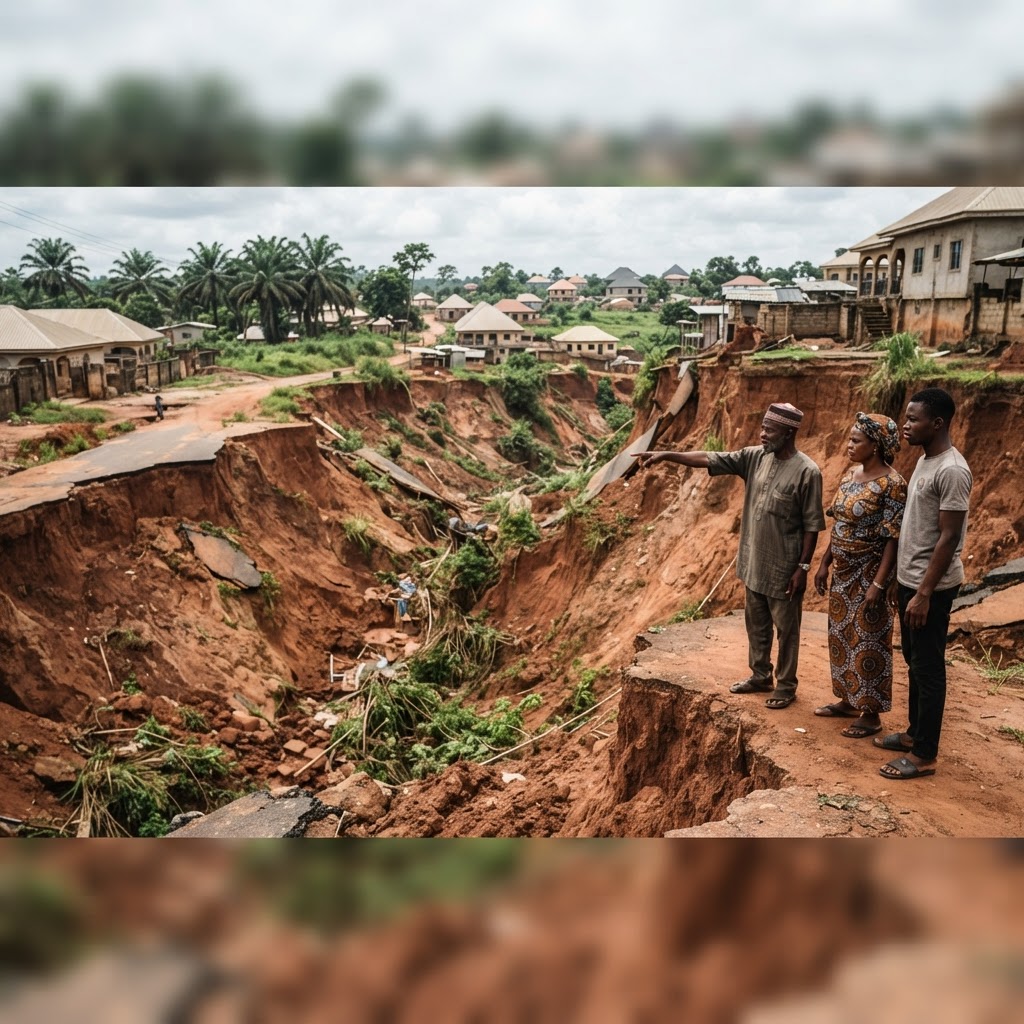
Imo Erosion Crisis: Mbieri Communities Demand Urgent Government Action
The ground beneath Mbieri is literally disappearing. In Mbaitoli Local Government Area of Imo State, advancing gullies are swallowing roads, threatening homes, and pushing one of southeastern Nigeria's most resilient communities toward an environmental breaking point. Residents are no longer waiting...
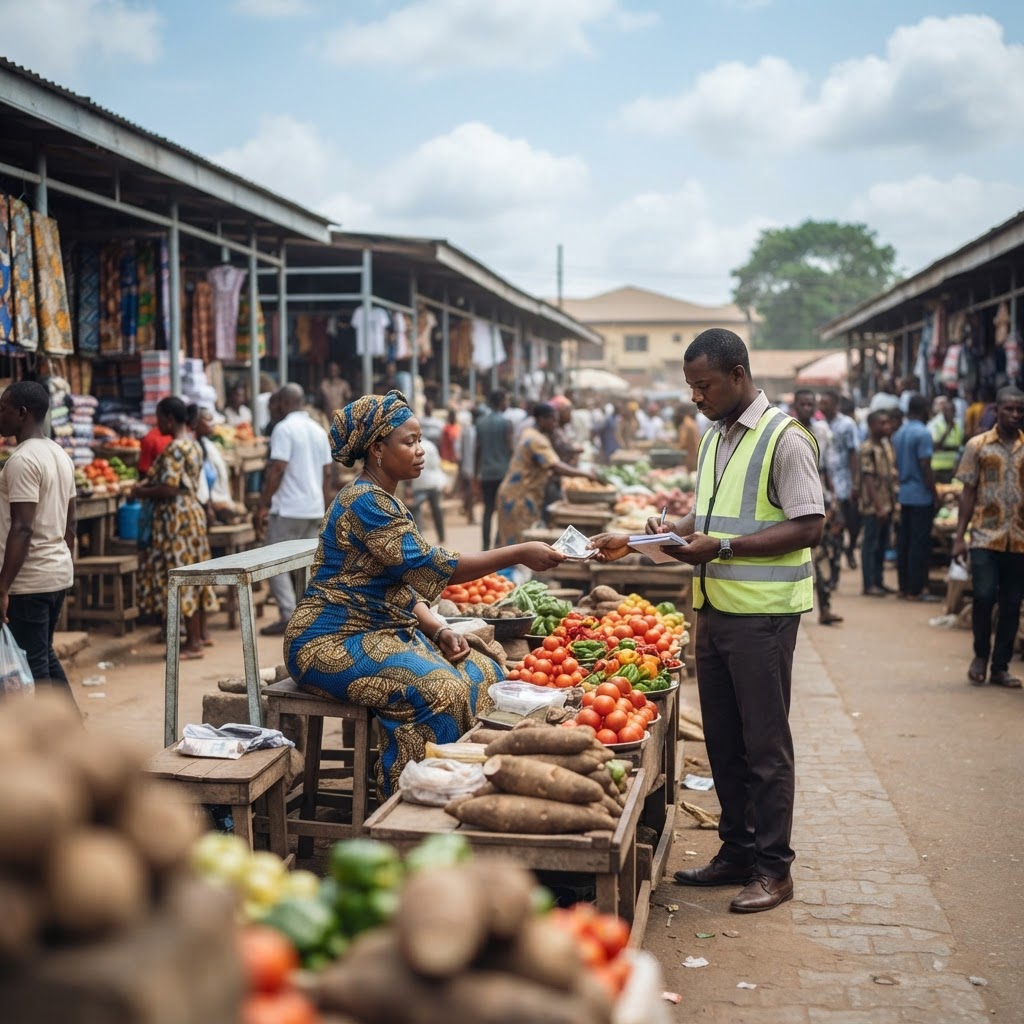
Imo Markets: What Fees Are Traders Paying and Who Collects Them?
For thousands of traders operating daily across Imo State's bustling markets — from Relief Market in Owerri to the Naze Timber and Allied Traders Market — paying levies is an unavoidable cost of doing business. But in 2026, a more urgent question is emerging from beneath the noise of commerce: exact...

Donor Health Funds Under Scrutiny: Why a Civil Society Group Wants FBI, EFCC to Widen Probe
International health aid is only as effective as the integrity of those who manage it. When billions of naira in donor-funded resources meant to combat HIV and tuberculosis go missing or are misappropriated, the consequences are not abstract — they are measured in lives lost, treatments missed, and ...
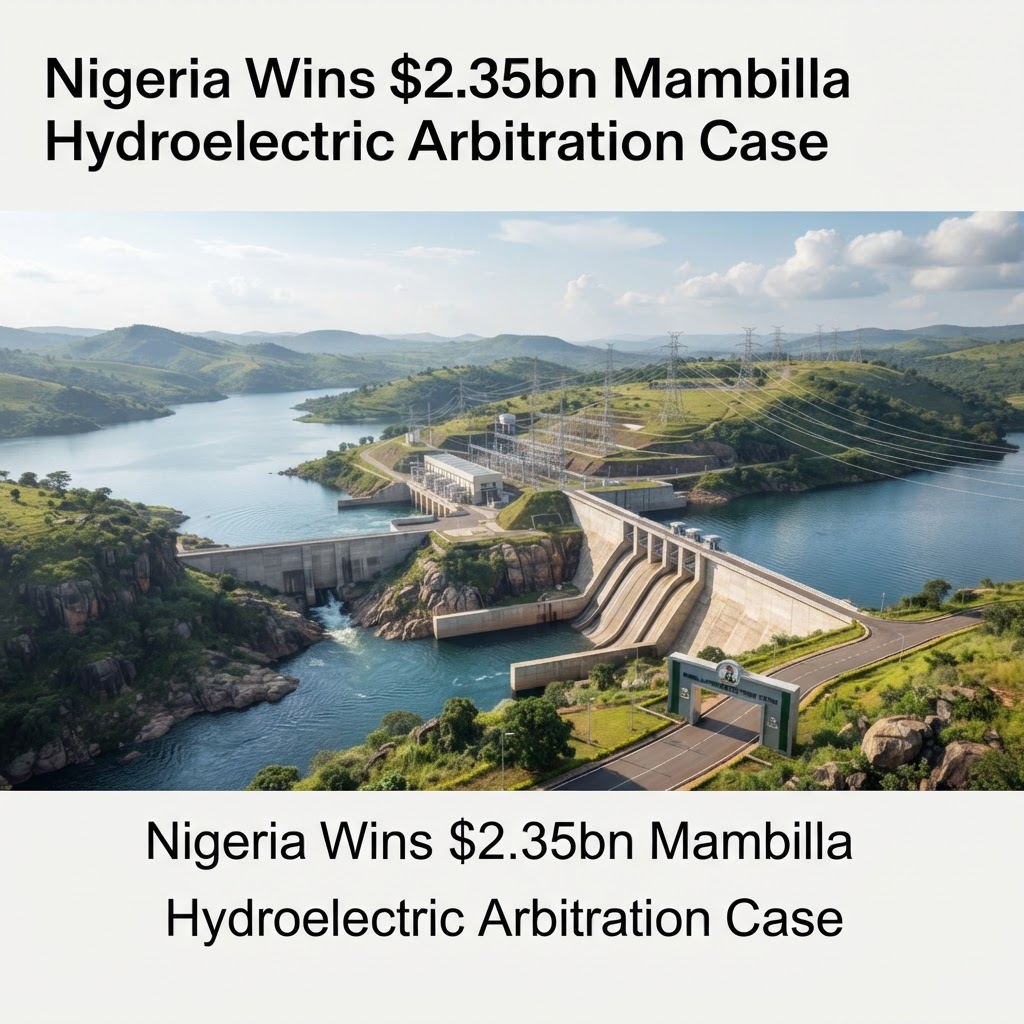
Nigeria Wins $2.35bn Mambilla Hydroelectric Arbitration Case
Nigeria has secured a landmark legal victory that could reshape the country's energy landscape for generations. An International Chamber of Commerce (ICC) arbitration tribunal sitting in Paris has ruled in favour of the Federal Government of Nigeria, rejecting a staggering $2.35 billion claim brough...
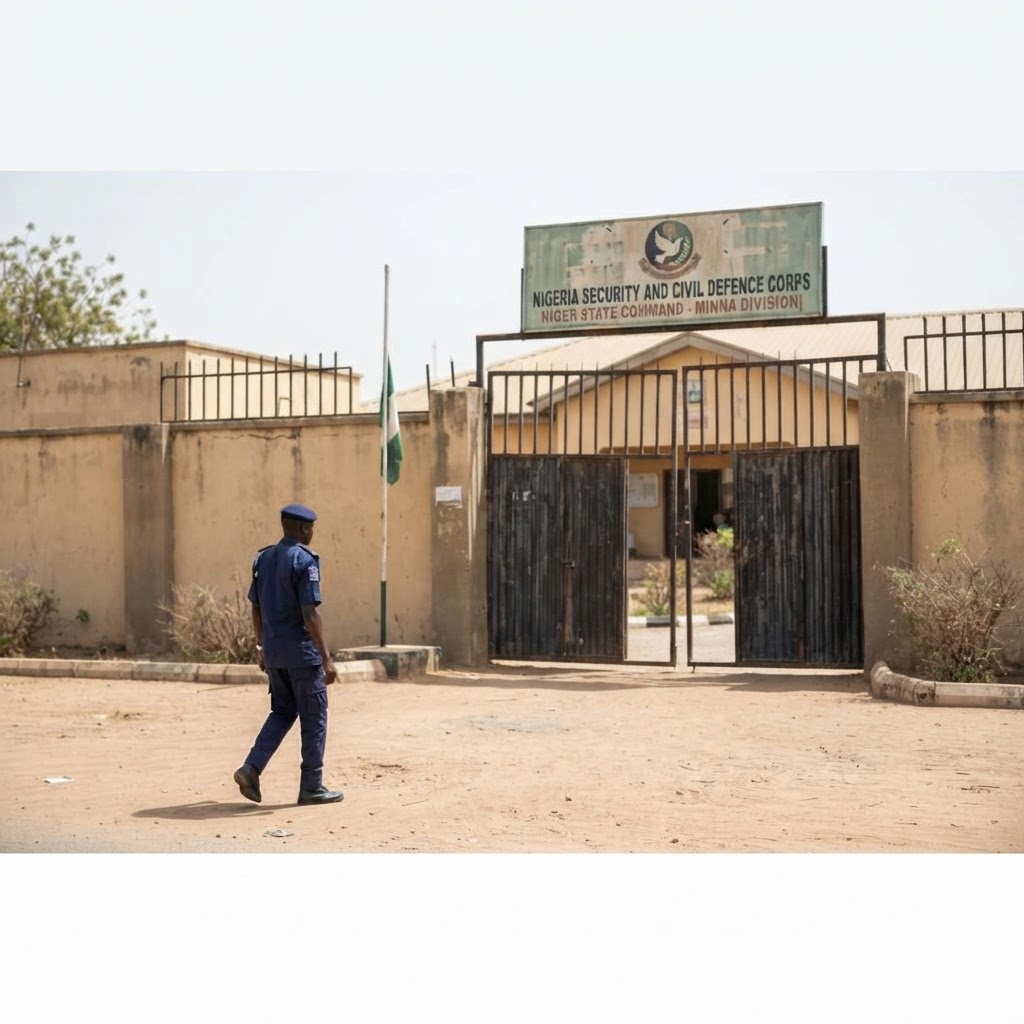
37 Suspected Illegal Miners Die in NSCDC Custody in Niger State
The deaths of 37 human beings in state custody should never be reduced to a statistic. Yet on a deeply troubling day in September 2026, that is precisely what happened in Niger State, Nigeria, when 37 suspected illegal miners died while detained by the Nigeria Security and Civil Defence Corps (NSCDC...
Imo 2028 Succession Debate Intensifies
The political temperature in Imo State has risen sharply as stakeholders, party insiders, and community leaders begin the complex arithmetic of who governs the state after January 2028. What began as quiet backroom conversations has evolved into a full-throated public debate, touching on constitutio...

Police Inspector Killed at Imo Commissioner’s Residence
A deadly security breach at the residence of a senior Imo State government official has once again drawn attention to the fragile security situation in southeastern Nigeria. According to a report by TheCable(https://www.thecable.ng/gunmen-kill-police-inspector-at-commissioners-residence-in-imo/), gu...

Best Hospitals in Imo State Compared
Imo State sits at a crossroads of ambition and infrastructure challenge. For the millions of families, entrepreneurs, and young professionals who call this southeastern Nigerian state home, healthcare access is not merely a welfare concern — it is a direct determinant of economic stability and commu...

Imo State Emergency Contacts Directory
Emergencies do not send advance notice. Whether it is a road traffic accident along the Owerri-Onitsha expressway, a fire outbreak in a densely populated neighbourhood, or a sudden medical crisis in one of Imo State's rural local government areas, the difference between life and death often comes do...

Imo Waste Collection Services Compared
Waste management sits at the intersection of public health, economic productivity, and community dignity. For residents of Imo State, particularly those living in the expanding urban corridors of Owerri, the question of who collects refuse — and how reliably they do it — is not a minor administrativ...