Powered by Obi Mbieri Independent Media Ltd · eziokwubundu.com
$1 = ₦1,328€1 = ₦1,511£1 = ₦1,755Vetting Nigerian Agrotech: A Guide for Diaspora Investors
For many Nigerians living abroad, the pull of the homeland remains a powerful force that often translates into a desire for impactful investment.
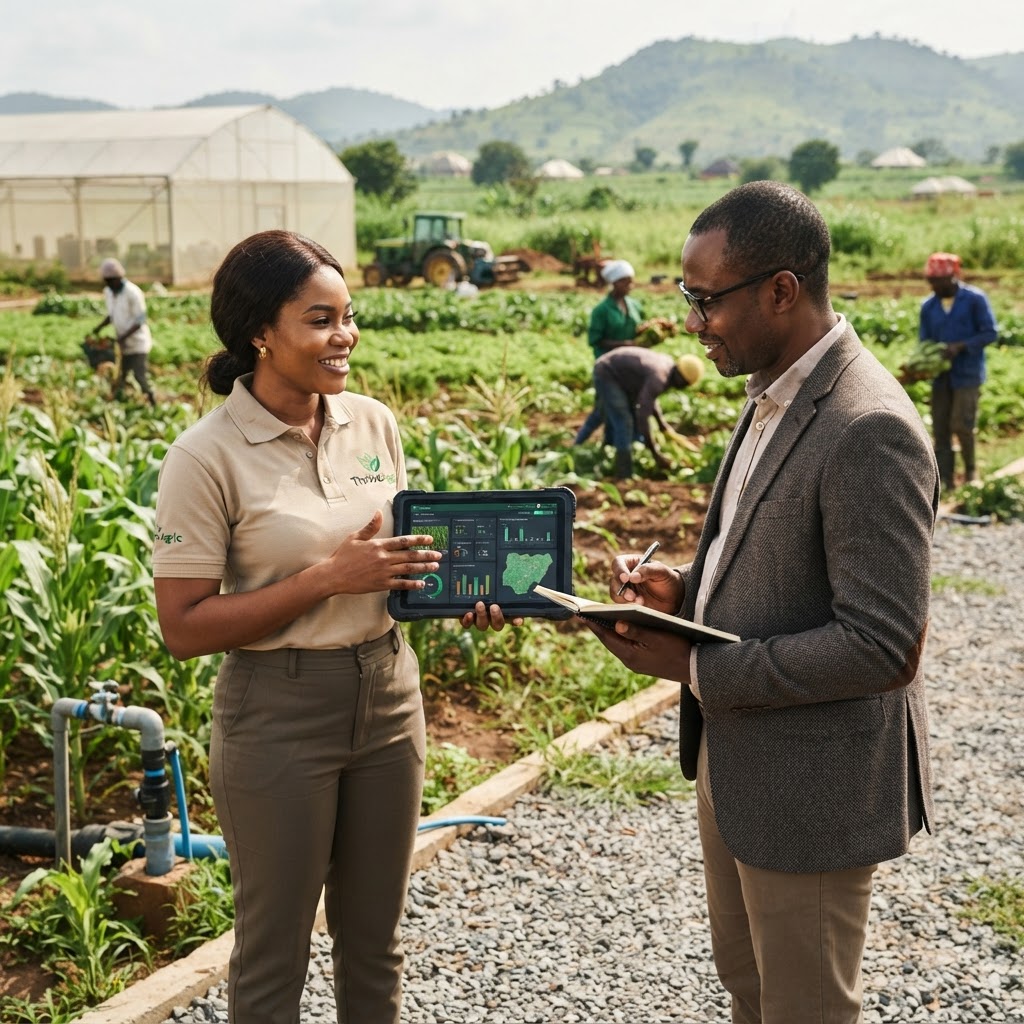
For many Nigerians living abroad, the pull of the homeland remains a powerful force that often translates into a desire for impactful investment. Agrotech partnerships have emerged as a primary vehicle for this ambition, promising to bridge the gap between capital in the diaspora and the fertile potential of local soil. However, securing sustainable passive income in this sector requires more than just patriotism; it demands a rigorous, evidence-based approach to due diligence.
The allure of agricultural technology is rooted in its ability to solve two problems at once: food insecurity and wealth creation. By leveraging digital platforms, diaspora investors can fund poultry farms, maize plantations, or greenhouse ventures without needing to handle a hoe or manage local labor personally. This model of practical prosperity allows for wealth to grow while simultaneously strengthening the economic backbone of Nigerian rural communities.
Yet, the Nigerian market has seen a rise in digital platforms that range from highly professional to outright fraudulent. To protect your hard-earned foreign exchange, you must look beyond sleek user interfaces and celebrity endorsements. True vetting involves analyzing the underlying legal structures, operational realities, and financial health of these agrotech companies before any funds are committed.
Understanding the Nigerian Agrotech Landscape
Nigeria's agrotech sector is a diverse ecosystem comprising startups that facilitate crowdfunding, logistics, and data-driven farming. These companies essentially act as intermediaries between the investor and the actual farming activities taking place in states like Oyo, Kaduna, or Benue. Understanding where your money sits in this chain is the first step toward securing your passive income.
Most platforms offer 'farm units' or 'investment cycles' that typically last between six to twenty-four months. The returns are often higher than traditional savings accounts in the West, which is why they are so attractive to the diaspora. However, these higher returns reflect the significant risks associated with Nigerian agriculture, including climate variability, pest infestations, and supply chain bottlenecks.
Investing in this sector is not just about personal gain; it is about community development. When you fund a farm, you are providing local employment and stabilizing food prices for Nigerian families. This aligns with the Eziokwubundu philosophy of health, wealth, and community being inextricably linked.
Before diving in, consider these four pillars of agrotech evaluation:
- The platform's regulatory compliance with Nigerian authorities.
- The physical existence and productivity of the farm sites.
- The insurance coverage provided for the underlying biological assets.
- The transparency of their financial reporting and payout history.
Assessing Legal and Regulatory Compliance
In recent years, the Securities and Exchange Commission (SEC) of Nigeria has tightened regulations surrounding crowdfunding and investment platforms. This is a positive development for diaspora investors, as it provides a framework for identifying legitimate businesses. A company that operates outside these regulations is a significant risk regardless of their historical performance.
Verify that the agrotech partner is registered with the Corporate Affairs Commission (CAC) as a limited liability company. More importantly, check if they have the specific 'Crowdfunding Intermediary' license if they are pooling funds from the public. You can verify the status of investment firms directly on the Securities and Exchange Commission Nigeria website to ensure they are authorized to handle investor funds.
Beyond financial regulations, if the agrotech company is involved in processing or packaging, they must adhere to food safety standards. For instance, if you are investing in a venture that mills grains, you should Verify NAFDAC Codes for Nigerian Grains and Spices to ensure their products are legally marketable. Compliance in one area often indicates a broader culture of corporate responsibility and legal adherence.
Legal vetting also involves examining the terms and conditions of the investment contract. Ensure that the agreement clearly outlines the dispute resolution process and the jurisdiction in which it will be handled. As a diaspora investor, you want to know that you have legal recourse that does not necessarily require your physical presence in Nigeria for every small hurdle.
Verifying Operational Transparency and Presence
One of the biggest pitfalls for diaspora investors is the 'ghost farm' syndrome, where a platform claims to have thousands of hectares that do not exist. To avoid this, you must demand operational transparency that goes beyond monthly email newsletters. Legitimate companies should provide GPS coordinates for their farm locations and offer virtual tours or live feeds where possible.
If you have trusted relatives or partners in Nigeria, it is highly recommended to commission a physical site visit. A representative can verify the scale of the operation, the presence of actual crops or livestock, and the quality of the infrastructure. Professionalism on the ground is often a more accurate predictor of success than a high-end mobile application.
Transparency also extends to the people leading the organization. Research the profiles of the founders and the management team to see if they have actual experience in agriculture or finance. Avoid platforms where the leadership has no track record or where the board of directors is entirely composed of marketing experts rather than agronomists.
To ensure your representative knows what to look for during a visit, consider these indicators:
Featured Products
Chukwu Abiama Tee
Bold black-and-gold Igbo-pride T-shirt featuring 'Chukwu Abiama' in premium streetwear typography.
₦15,000
Buy NowReverse Type 2 Diabetes & other associated Metabolic Issues using Dr. Jason Fung's Evidence-Based Approach— FMD program for Type 2 Diabetes
A practical fasting and fasting-mimicking programme built on Dr Jason Fung's insulin-resistance principles and ow-glycemic recipes.
₦19,950
Join NowỤmụ Igbo Tee
Classic black T-shirt with bold white 'Ụmụ Igbo' typography — a proud statement of Igbo heritage.
₦15,000
Buy NowNwanne Tee
Washed khaki vintage tee with a faded rust-orange 'Nwanne' stamp badge and palm leaf motif — a nod to kinship and heritage.
₦18,000
Buy NowObodo Tee
Faded denim-blue washed tee with a cream 'Obodo' stamp badge and sun motif, celebrating community roots.
₦18,000
Buy NowEkwe Heritage Tee
Deep indigo tee featuring a fine line-art illustration of a traditional Igbo ekwe drum, inspired by Igbo-Ukwu bronze artistry.
₦18,000
Buy NowIkenga Figure Tee
Forest green tee with a fine line-art illustration of a stylized Ikenga figure.
₦18,000
Buy Now- Modern irrigation systems that protect crops against drought.
- Robust security measures to prevent theft and grazing incursions.
- Organized record-keeping systems visible at the farm office.
- Healthy-looking livestock or crops consistent with the current season.
Financial Health and Risk Management
Passive income is only sustainable if the company managing your investment is financially solvent. Many agrotech startups fail because they use new investor funds to pay off old investors, a practice known as a Ponzi scheme. To avoid this, ask for audited financial statements or evidence of their revenue-generating activities outside of capital raises.
Insurance is a non-negotiable component of agrotech vetting in the Nigerian context. The platform must have comprehensive insurance coverage from reputable firms like the Nigerian Agricultural Insurance Corporation (NAIC). This insurance should cover the 'biological assets'—the actual plants or animals—against fire, lightning, windstorm, flood, and pests.
While building wealth through agrotech, it is also wise to diversify your risk by exploring other community-focused financial tools. For example, understanding the Guide to Community Health Savings Groups can provide insights into how local pools of capital are managed with high levels of accountability. Diversification ensures that a single bad harvest does not wipe out your entire Nigerian investment portfolio.
Consider the following financial red flags when reviewing a partnership:
- Returns that are significantly higher than the industry average (e.g., 50% in 3 months).
- Lack of clarity on how the profits are split between the farmer and the platform.
- Delays in payouts that are excused by 'technical glitches' rather than market conditions.
- Absence of a third-party escrow service for handling large investment sums.
Leveraging Technology for Remote Monitoring
For the diaspora investor, technology is the ultimate equalizer. Modern agrotech platforms often integrate satellite imagery and IoT (Internet of Things) sensors to monitor soil moisture, crop health, and weather patterns. Ask your potential partner what specific technologies they use to provide real-time updates to their investors.
There are third-party services that allow you to monitor agricultural progress across Nigeria using publicly available satellite data. By correlating these images with the coordinates provided by the agrotech company, you can verify if planting and harvesting are actually occurring on schedule. This level of independent verification is crucial for maintaining peace of mind from thousands of miles away.
Furthermore, utilize the Nigerian Investment Promotion Commission resources to understand the broader trends in the sector. Knowing which regions are currently facing logistics challenges or where the government is providing subsidies can help you ask the right questions. Informed investors are far less likely to be misled by generic progress reports.
Effective remote monitoring tools should include:
- Satellite imagery updates provided at least once per quarter.
- Access to a dashboard showing live inventory or livestock counts.
- Regular video updates featuring the actual farm manager on-site.
- Integration with weather station data local to the farm project.
Community Impact and Long-term Growth
Practical prosperity means that your investment should leave the community better than it found it. Partnerships that prioritize 'Outgrower Schemes'—where the company empowers local smallholder farmers rather than just operating massive corporate estates—often have better long-term survival rates. This is because they have local buy-in and are less susceptible to community-related disruptions.
When vetting a partner, ask about their CSR (Corporate Social Responsibility) initiatives and their relationship with the traditional leaders in their area of operation. A company that is respected by the local community is a safer bet for your capital. This grassroots connection ensures that the farm is protected and supported by the people who live around it.
If you are looking for Alternatives to Crowdfunding for Health or other essential services, you will notice that the most successful models are those that integrate deeply with local structures. The same principle applies to agriculture. The most resilient agrotech companies are those that view the local farmers as partners rather than just labor.
Ask about these community engagement factors:
- Percentage of local workers employed from the immediate host community.
- Training programs provided to smallholder farmers in the surrounding area.
- Contributions to local infrastructure like boreholes or rural roads.
- Collaboration with local agricultural cooperatives for market access.
Finalizing Your Investment Decision
Once you have gathered all the data, conducted your site visits, and verified the legal standing, it is time to make an informed decision. Start with a small 'test' investment to see how the platform handles the entire cycle from payment to payout. Observe the quality of their communication and the punctuality of their returns before committing larger sums.
Investing in Nigeria is a journey of both financial growth and cultural reconnection. By applying the Eziokwubundu principles of evidence-based health and wealth creation, you can ensure that your contributions to the Nigerian economy are both safe and impactful. The agrotech sector offers a unique opportunity to grow your wealth while feeding the nation, provided you approach it with a professional and critical eye.
Remember that passive income is a marathon, not a sprint. The goal is to build a portfolio of vetted, reliable partnerships that provide steady returns for years to come. By doing the hard work of vetting today, you are securing a more prosperous and stable future for yourself and your community back home.
Stay Informed
Get New Articles in Your Inbox
Subscribe to receive the latest community development, health, and wealth insights from Eziokwubundu.
Newsletter
Practical insights on health, wealth, and community — delivered weekly.
Community Discussion(0)
Leave a Comment
More to Read
You May Also Like

Imo Approves Recruitment of 6,030 Teachers Across 27 LGAs
Imo State has taken a bold step toward transforming its public education system. Governor Hope Uzodimma has approved the recruitment of 6,030 teachers across the state's 27 Local Government Areas, a move many residents have awaited for years. This decision, widely reported by Vanguard(https://www.va...

Health and Wealth Creation for Nigerians: Empowerment Hub
In an increasingly complex global landscape, the pursuit of a fulfilling life necessitates a balanced approach to physical well-being, financial stability, and social connectivity. For Nigerians at home and in the diaspora, navigating these paths requires more than just effort; it requires access to...
65 Imo Businesses Await OKOBI Initiative Registration
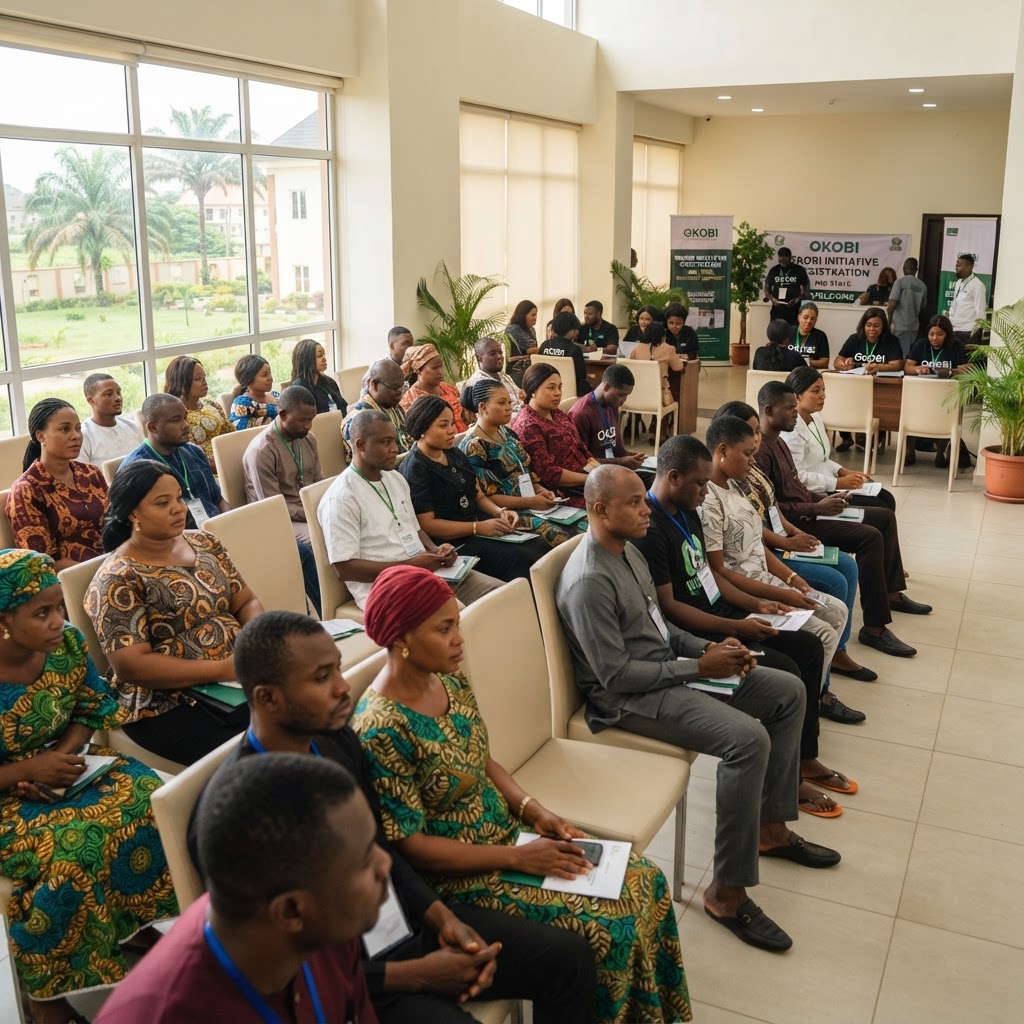
Imagine 65 kindred-owned businesses across Imo State, each waiting for one final document to unlock full legal status. That single step—Corporate Affairs Commission registration—now defines the next chapter in Imo's OKOBI Initiative: 65 Community Businesses Await CAC Registration. For families, entr...

How to Register a Business in Imo
Starting a business in Imo State is one of the most impactful decisions you can make — not just for your personal financial future, but for the broader prosperity of your community. From the bustling markets of Owerri to the agricultural enterprises of Orlu and Okigwe, Imo entrepreneurs are driving ...
Imo’s ₦61bn Question: Tracking Agricultural Funding
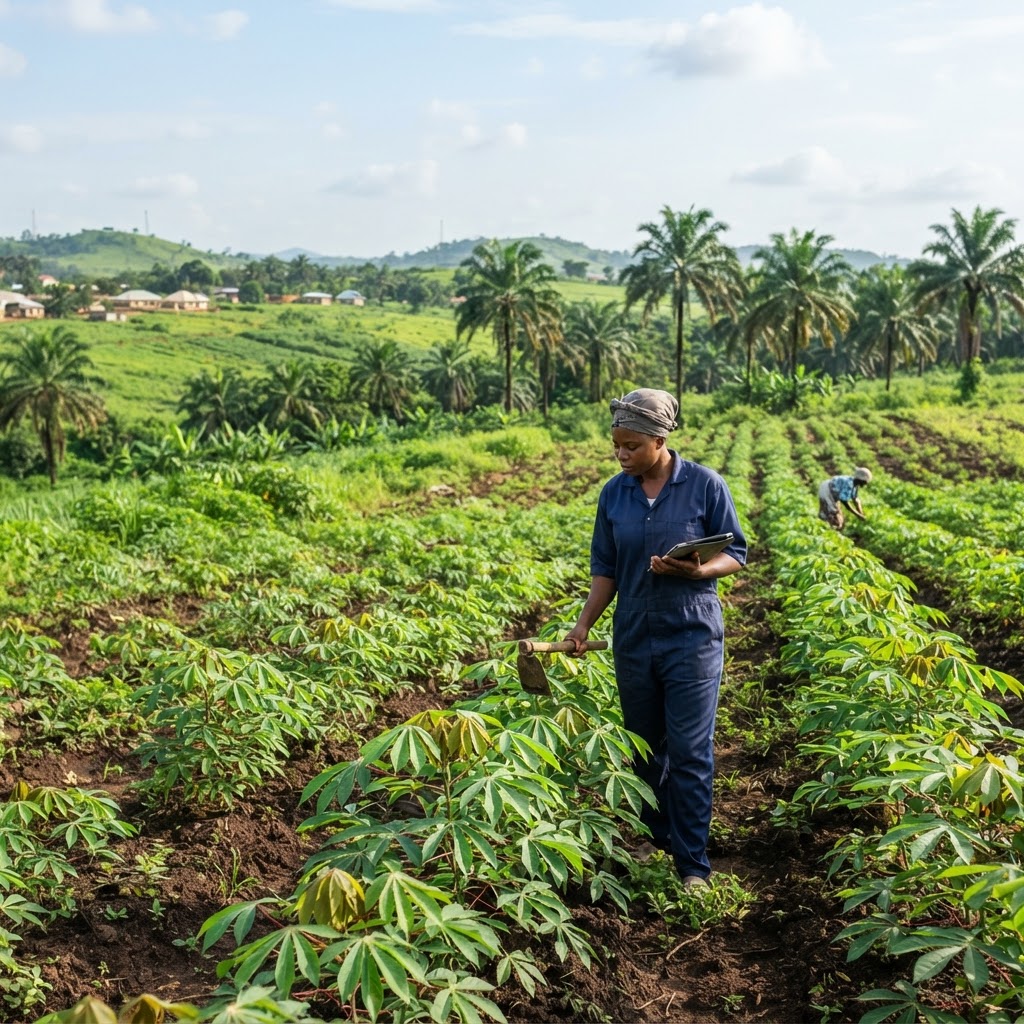
Nigeria's farmers just received a fresh reason to hope—and to ask hard questions about agricultural funding. A new Germany-funded agricultural project has disbursed ₦61bn nationwide, and it reignites Imo's ₦61bn Question: How Much of Nigeria's Agricultural Financing Is Reaching Imo. For families in ...

Economic Pressure Drives Employers Toward Commission-Based Pay
Nigeria's labor market is undergoing a quiet but profound transformation. Across Lagos boardrooms, Abuja offices, and Aba trading floors, a growing number of employers are restructuring compensation packages — moving away from the predictability of fixed monthly salaries toward commission-based pay ...
48 Months Without Full Pension Payments: Imo Pensioners
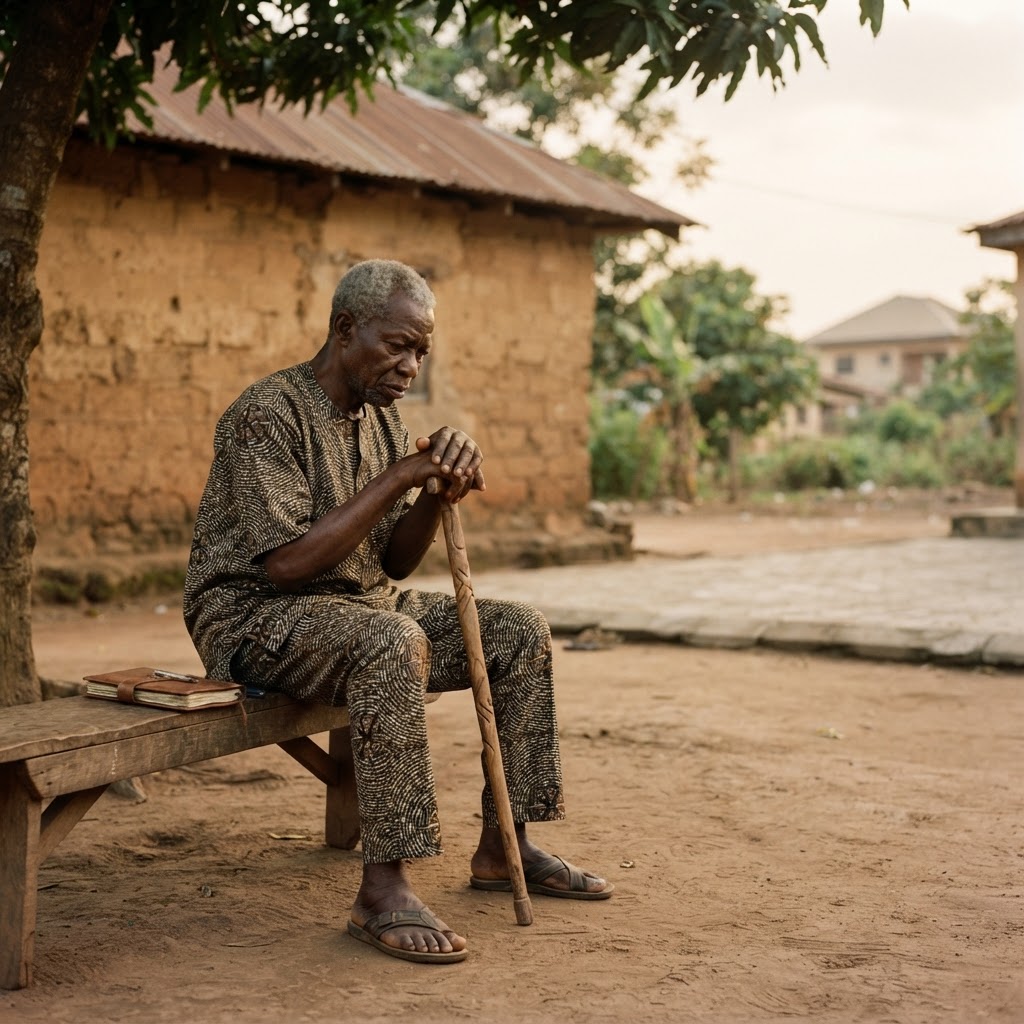
Retirement should bring peace, not financial anxiety. Yet across Imo State, thousands of elderly civil servants say their golden years have turned into a struggle for survival. The situation described in "48 Months Without Full Pension Payments: Imo Pensioners Demand Answers" reflects a deepening cr...
Imo Markets: What Fees Are Traders Paying and Who Collects Them?
For thousands of traders operating daily across Imo State's bustling markets — from Relief Market in Owerri to the Naze Timber and Allied Traders Market — paying levies is an unavoidable cost of doing business. But in 2026, a more urgent question is emerging from beneath the noise of commerce: exact...

Unapproved Orphanages in Nigeria: How Safe Are Children in Private Care Homes?
Across Nigeria, thousands of children live in private care homes that operate outside the law. Some are run by well-meaning individuals overwhelmed by the scale of child poverty. Others are driven by profit, exploiting the image of vulnerable children to attract foreign donations while providing sub...

How to Access CBN Small Business Loans
Access to affordable financing remains one of the most persistent barriers to entrepreneurial growth in Nigeria. For millions of small business owners operating in a landscape defined by high commercial lending rates — often ranging between 25% and 30% per annum — the Central Bank of Nigeria's inter...