Powered by Obi Mbieri Independent Media Ltd · eziokwubundu.com
$1 = ₦1,332€1 = ₦1,498£1 = ₦1,775Verify NAFDAC Codes for Nigerian Grains and Spices
Ensuring the safety of what ends up on your dinner table is the first step toward a healthier family.
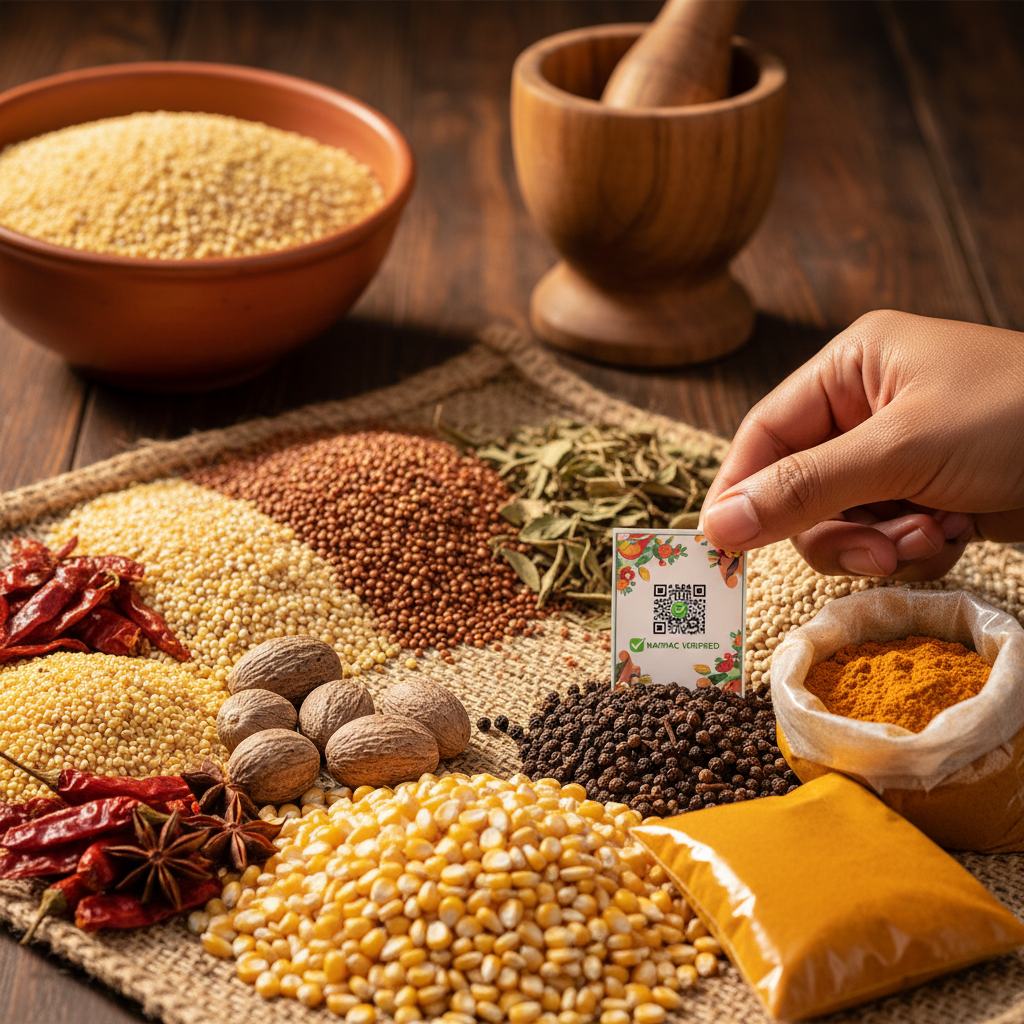
Ensuring the safety of what ends up on your dinner table is the first step toward a healthier family. With the rise of locally processed foods, knowing how to distinguish genuine products from counterfeits is a vital skill for every Nigerian household. This guide provides certified food advice on how to verify NAFDAC registration codes for locally processed grains and spices to protect your health.
Food safety remains a critical pillar of community wellbeing and individual prosperity. When we consume unverified products, we risk exposure to harmful chemicals, heavy metals, and substandard processing conditions. By taking a few moments to check for a valid NAFDAC number, you are making a proactive choice for preventive healthcare.
The Role of NAFDAC in Nigeria
The National Agency for Food and Drug Administration and Control (NAFDAC) serves as the primary watchdog for public health in Nigeria. Their mandate involves the regulation and control of the manufacture, importation, and distribution of food and drugs. For local producers of grains and spices, NAFDAC certification is a badge of quality and safety.
Every registered product undergoes rigorous laboratory testing before it hits the market shelves. These tests ensure that the moisture content in grains is low enough to prevent mold and that spices are free from illegal dyes. Following these standards is essential for maintaining a healthy lifestyle and avoiding long-term organ damage.
Why Grain and Spice Verification Matters
Grains like maize, beans, and rice are the foundation of the Nigerian diet. Spices such as ginger, garlic, and 'yaji' add flavor but can also be vehicles for harmful additives if not properly regulated. Unscrupulous vendors sometimes add dangerous coloring agents to make spices look fresher than they actually are.
Consuming these adulterated products can lead to acute poisoning or chronic conditions like kidney failure and liver disease. Investing in certified products reduces the likelihood of medical emergencies that drain family finances. For those planning for the future, utilizing a Guide to Community Health Savings Groups can help manage costs, but prevention remains the best economic strategy.
Identifying Genuine NAFDAC Registration Numbers
A valid NAFDAC registration number is usually found on the back or side of the packaging. For locally manufactured food products, these numbers typically follow a specific alphanumeric format that is easy to recognize. It is important to look closely at the printing quality of these numbers, as fakes often look blurry or stamped on haphazardly.
Do not just assume a number is real because it is printed on the bag. Fraudsters often copy legitimate numbers from one product and place them on another completely different item. True verification requires checking the number against the official database maintained by the NAFDAC website.
Step-by-Step Guide to Online Verification
The most reliable way to confirm a product's status is through the NAFDAC Registered Products Search portal. This online database is accessible to anyone with a smartphone or computer and provides instant results. Simply type the registration number found on the packaging into the search bar to see if it matches the product in your hand.
If the search results show a different company name or a different product category, you are likely holding a counterfeit. For example, a number registered for bottled water should never appear on a bag of processed bean flour. Consistency between the database and the physical product is the hallmark of a genuine certification.
Using the NAFDAC Green Book
The NAFDAC Green Book is a comprehensive list of all products currently approved for sale in Nigeria. While historically a physical book, it is now largely integrated into digital platforms for easier access by the public. It serves as a secondary reference for consumers who want to dive deeper into product histories.
Checking the Green Book can help you identify if a product's registration has expired or if it has been delisted for safety violations. Staying updated with these records ensures that you are only bringing the safest options into your home. This level of diligence is what differentiates a health-conscious consumer from an uninformed one.
Physical Packaging Red Flags to Watch
While the registration number is crucial, the physical state of the packaging can tell you a lot about the product's quality. High-quality local processors invest in professional packaging that protects the contents from pests and humidity. If the packaging looks flimsy or is not properly sealed, the NAFDAC number might be fraudulent.
Featured Products
Chukwu Abiama Tee
Bold black-and-gold Igbo-pride T-shirt featuring 'Chukwu Abiama' in premium streetwear typography.
₦15,000
Buy NowReverse Type 2 Diabetes & other associated Metabolic Issues using Dr. Jason Fung's Evidence-Based Approach— FMD program for Type 2 Diabetes
A practical fasting and fasting-mimicking programme built on Dr Jason Fung's insulin-resistance principles and ow-glycemic recipes.
₦19,950
Join NowỤmụ Igbo Tee
Classic black T-shirt with bold white 'Ụmụ Igbo' typography — a proud statement of Igbo heritage.
₦15,000
Buy NowNwanne Tee
Washed khaki vintage tee with a faded rust-orange 'Nwanne' stamp badge and palm leaf motif — a nod to kinship and heritage.
₦18,000
Buy NowObodo Tee
Faded denim-blue washed tee with a cream 'Obodo' stamp badge and sun motif, celebrating community roots.
₦18,000
Buy NowEkwe Heritage Tee
Deep indigo tee featuring a fine line-art illustration of a traditional Igbo ekwe drum, inspired by Igbo-Ukwu bronze artistry.
₦18,000
Buy NowIkenga Figure Tee
Forest green tee with a fine line-art illustration of a stylized Ikenga figure.
₦18,000
Buy NowThere are several visual cues that suggest a product may not be safe for consumption. Be especially wary of any grains or spices that exhibit the following characteristics:
- Faded or smudged ink on the manufacturer’s address.
- Absence of a clear manufacturing and expiry date.
- Visible signs of pest infestation inside clear bags.
- Spices that leave an unnatural stain on the packaging material.
Economic Benefits of Choosing Certified Goods
Choosing NAFDAC-certified grains and spices is an investment in both personal health and the local economy. It supports ethical Nigerian entrepreneurs who have taken the time and expense to follow government regulations. These businesses create jobs and contribute to the overall wealth of our communities.
By refusing to buy unverified products, we drive the market toward higher standards and better quality. This collective action forces substandard producers to either improve their processes or exit the market entirely. Stronger local businesses lead to a more resilient national economy and better public health outcomes for everyone.
Risks of Consuming Unverified Local Spices
Local spices like chili powder and turmeric are often targeted by counterfeiters due to their high demand. Some vendors add sawdust, flour, or even industrial dyes to increase the volume and enhance the color of their spices. These additives can cause severe allergic reactions and long-term toxicity.
Unverified spices may also be processed in unhygienic environments where cross-contamination occurs. This increases the risk of foodborne illnesses such as salmonella or E. coli, which can be particularly dangerous for children and the elderly. Protecting your family starts with verifying the source of every ingredient in your pantry.
Impact of Food Safety on Insurance
Maintaining a healthy diet through verified food sources can actually lower your long-term healthcare costs. Many people do not realize that preventive health measures can influence their interaction with the healthcare system. Those with Top Community Health Insurers in Nigeria often find that staying healthy reduces out-of-pocket expenses for chronic illnesses.
When we look at Community Health Insurance Models Explained, the focus is often on collective risk and wellness. By ensuring the food we eat is safe, we contribute to the overall health of the insurance pool. This makes healthcare more affordable and accessible for every member of the community over time.
How to Report Suspicious Products
If you encounter a product with a fake NAFDAC number or one that appears contaminated, you have a duty to report it. Reporting helps the agency track down illegal factories and remove dangerous goods from the market. You can submit reports through the NAFDAC 'Report a Product' portal or visit their local offices.
Community vigilance is the most effective tool we have against the spread of fake foods. When one person reports a suspicious bag of grains, they may be saving hundreds of others from potential poisoning. This 'Community First' approach is essential for building a safer and more prosperous Nigeria for the next generation.
Building a Culture of Food Safety
Education is the most powerful weapon we have in the fight against uncertified food products. Sharing this knowledge with neighbors, family members, and local market groups can create a ripple effect of safety. When every Nigerian knows how to verify a NAFDAC code, the market for fake goods will disappear.
We must encourage our local spice grinders and grain processors to seek official registration and follow the guidelines set by the World Health Organization. Professionalism in food handling is not just a legal requirement; it is a moral obligation to our neighbors. Let us prioritize quality over low prices to ensure our collective longevity.
Securing the Future of Nigerian Food
Integrating food safety into our daily routines is a simple yet profound way to improve our quality of life. As we navigate the challenges of modern living, the health of our bodies remains our most valuable asset. Verifying NAFDAC codes is a practical step that anyone can take to safeguard their family's future.
By following this certified food advice, you are taking control of your health and supporting a more transparent food system. Always remember that a genuine NAFDAC registration number is a promise of safety and quality from the producer to you. Stay informed, stay vigilant, and continue to prioritize the wellness of your community through every purchase you make.
Stay Informed
Get New Articles in Your Inbox
Subscribe to receive the latest community development, health, and wealth insights from Eziokwubundu.
Newsletter
Practical insights on health, wealth, and community — delivered weekly.
Community Discussion(0)
Leave a Comment
More to Read
You May Also Like
Affordable Home Preventive Health for Nigerian Families
The Hidden Cost of Reactive Healthcare in Nigeria In the heart of many Nigerian households, the approach to healthcare is often reactive. We wait for a fever to become debilitating or a cough to persist for weeks before seeking medical attention. This reactive cycle is not only dangerous for our phy...

Can Fasting Help Lower High Blood Pressure? What Experts Say
High blood pressure quietly affects millions of Nigerian adults, often with no obvious warning signs. Many families are now turning to fasting as a natural way to manage it. This article explores the question many are asking: Can Fasting Help Lower High Blood Pressure? What Experts Say reveals surpr...

Why Antibiotics Fail: Understanding Antimicrobial Resistance
Picture a child in Lagos battling pneumonia, given antibiotics that simply don't work anymore. This is no longer a distant fear—it's a documented reality shaping healthcare across Nigeria. Why Antibiotics May Stop Working: Understanding Antimicrobial Resistance is the question every Nigerian family,...

Strategic Wellness and Fiscal Growth for Nigerians
Achieving a state of total well-being requires more than just physical health or financial stability alone. For the modern Nigerian, success is a multi-dimensional pursuit that bridges the gap between traditional values and global opportunities. By integrating science-based natural health solutions ...

5 Signs Your Blood Pressure May Be Too High
Imagine feeling completely fine while your arteries are quietly under siege. That is the reality for millions of Nigerians living with undiagnosed hypertension. Recognizing 5 Signs Your Blood Pressure May Be Too High could be the difference between early intervention and a medical emergency. Underst...