Powered by Obi Mbieri Independent Media Ltd · eziokwubundu.com
$1 = ₦1,327€1 = ₦1,511£1 = ₦1,757Transforming Meals With Certified Nutrition Science
Nigerian cuisine is celebrated globally for its bold spices and rich textures, yet many traditional preparation methods inadvertently deplete essential nutrients. Achieving true wellness requires more than just choosing local ingredients; it demands applying certified dietary principles to every pot...
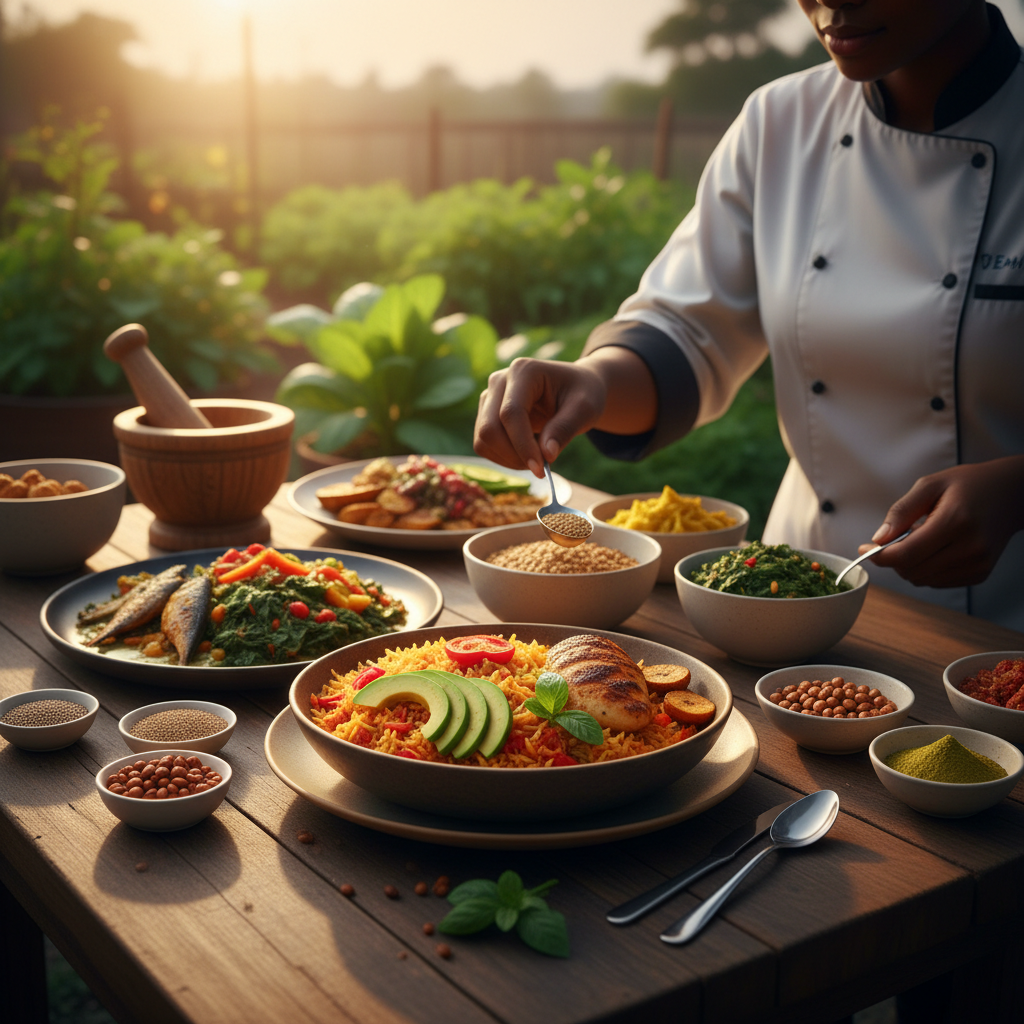
Nigerian cuisine is celebrated globally for its bold spices and rich textures, yet many traditional preparation methods inadvertently deplete essential nutrients. Achieving true wellness requires more than just choosing local ingredients; it demands applying certified dietary principles to every pot of soup and plate of rice. By understanding the common pitfalls in our kitchens, we can protect our families from the rising tide of lifestyle-related health conditions.
Many household cooks assume that because they use fresh market produce, their meals are inherently healthy. However, the process of transformation from raw ingredient to finished dish often involves high heat and excessive processing. Why Most Nigerian Healthy Recipes Fail the Nutrition Test — And How to Fix Yours With Certified Dietary Principles starts with recognizing that nutrition is as much about technique as it is about ingredients.
Evidence-based nutrition suggests that the way we heat, chop, and season our food dictates its ultimate impact on our longevity. When we move beyond traditional habits and embrace science-backed cooking methods, we empower ourselves to build stronger, more resilient communities. This guide provides the practical information needed to bridge the gap between cultural heritage and modern nutritional requirements.
Nutritional Pitfalls in Local Recipe Preparation
A primary reason Nigerian recipes lose their nutritional value is the tendency to overcook vegetables until they lose their vibrant color. Green leafy vegetables like Ugu, Shoko, and Tete are packed with Vitamin C and folate, which are highly sensitive to heat. When these greens are boiled for extended periods, these vital nutrients leach into the water and are often discarded.
To preserve the integrity of your vegetables, consider steaming them briefly or adding them to the pot only in the final moments of cooking. This technique ensures that the cellular structure of the leaf remains intact, providing the fiber and antioxidants your body needs. Maintaining the crunch and color of your vegetables is a visual cue that the nutrients are still present.
According to the Harvard T.H. Chan School of Public Health, a healthy plate should be half-filled with colorful vegetables and fruits. In many Nigerian homes, the vegetable portion is often treated as a small garnish rather than the main event. Shifting this balance is the first step toward correcting the nutritional deficiencies found in many local diets.
Certified dietary principles emphasize that the variety of vegetables used also impacts the micronutrient profile of the meal. Relying solely on one type of leaf limits the range of phytochemicals available to the immune system. Incorporating a rainbow of colors ensures a broader spectrum of protection against chronic diseases.
Sodium Management in Traditional Kitchens
The reliance on industrially processed bouillon cubes has introduced dangerously high levels of sodium into the average Nigerian diet. While these seasonings provide an instant depth of flavor, they also contribute to the high rates of hypertension seen in urban and rural populations alike. Excess salt intake causes the body to retain water, putting unnecessary strain on the heart and blood vessels.
Research from the World Health Organization indicates that reducing sodium intake significantly lowers the risk of cardiovascular events. Many cooks use multiple seasoning cubes alongside additional table salt, easily exceeding the recommended daily limit of five grams. This habit creates a sensory dependency on salt that masks the natural flavors of the food.
To fix your recipes, transition toward using natural flavor enhancers that do not carry the sodium burden. Fresh ginger, garlic, scent leaves, and local locust beans (iru/dawadawa) provide intense savory notes without compromising blood pressure. These indigenous ingredients also offer their own unique medicinal properties, such as anti-inflammatory and probiotic benefits.
Effective health management also involves being mindful of the salt hidden in processed snacks and bread. For those already managing health conditions, following Safe Medication Guidelines for Nigerian Families is vital for holistic wellness. Reducing salt is a simple yet profound way to support the effectiveness of any prescribed medical treatment.
Balancing Starches for Better Metabolic Health
The traditional Nigerian plate is frequently dominated by large portions of refined carbohydrates like white rice, yam, or fufu. These foods have a high glycemic index, meaning they cause rapid spikes in blood glucose levels shortly after consumption. Consistent spikes can lead to insulin resistance, a precursor to the development of Type 2 diabetes.
Fixing the starch-heavy ratio involves treating carbohydrates as a side dish rather than the foundation of the meal. Increasing the portion of lean protein and fiber-rich vegetables helps slow the digestion of sugars. This simple adjustment provides sustained energy throughout the day and prevents the post-meal fatigue many experience.
For families concerned about metabolic issues, looking at the Nigerian Family Guide to Reversing Type 2 Diabetes offers deeper insights into carbohydrate management. Choosing whole-grain alternatives like local brown rice or whole-wheat flour can also improve fiber intake significantly. Fiber is essential for digestive health and helps in maintaining a healthy weight by promoting satiety.
Consider the following strategies to improve the quality of your family's carbohydrate intake:
- Mix white rice with beans or lentils to increase protein and fiber content.
- Use smaller serving spoons for swallows like eba or pounded yam.
- Incorporate high-fiber swallows made from oats or unripe plantain.
- Ensure that every starch-heavy meal is accompanied by a double portion of vegetables.
Impact of High-Heat Cooking Oils
Palm oil and refined vegetable oils are staples in Nigerian cooking, but their use often leads to excessive caloric intake and inflammation. When oils are heated to their smoke point during frying, they undergo chemical changes that produce harmful free radicals. These compounds can damage cells and contribute to long-term health issues like heart disease and cancer.
Bleaching palm oil for stews is a common practice that destroys its natural Vitamin A and Vitamin E content. While the resulting clear oil might be aesthetically pleasing for some recipes, it removes the very nutrients that make palm oil valuable. Using the oil in its natural, unbleached state preserves these antioxidants and provides a richer flavor profile.
Featured Products
Chukwu Abiama Tee
Bold black-and-gold Igbo-pride T-shirt featuring 'Chukwu Abiama' in premium streetwear typography.
₦15,000
Buy NowReverse Type 2 Diabetes & other associated Metabolic Issues using Dr. Jason Fung's Evidence-Based Approach— FMD program for Type 2 Diabetes
A practical fasting and fasting-mimicking programme built on Dr Jason Fung's insulin-resistance principles and ow-glycemic recipes.
₦19,950
Join NowỤmụ Igbo Tee
Classic black T-shirt with bold white 'Ụmụ Igbo' typography — a proud statement of Igbo heritage.
₦15,000
Buy NowNwanne Tee
Washed khaki vintage tee with a faded rust-orange 'Nwanne' stamp badge and palm leaf motif — a nod to kinship and heritage.
₦18,000
Buy NowObodo Tee
Faded denim-blue washed tee with a cream 'Obodo' stamp badge and sun motif, celebrating community roots.
₦18,000
Buy NowEkwe Heritage Tee
Deep indigo tee featuring a fine line-art illustration of a traditional Igbo ekwe drum, inspired by Igbo-Ukwu bronze artistry.
₦18,000
Buy NowIkenga Figure Tee
Forest green tee with a fine line-art illustration of a stylized Ikenga figure.
₦18,000
Buy NowCertified dietary principles suggest moving away from deep-frying toward methods like sautéing, grilling, or boiling. For example, instead of frying fish or meat before adding it to soup, try poaching it directly in the broth. This reduces the total fat content of the dish and keeps the proteins tender and nutrient-dense.
Finding high-quality ingredients shouldn't be a financial burden if you know where to look. You can find Affordable Superfoods at Every Nigerian Market that provide healthy fats, such as avocado and local seeds. These whole-food sources of fat are much easier for the body to process than highly refined oils.
Vegetable Handling for Maximum Nutrient Retention
The preparation stage is where most nutrient loss occurs even before the stove is turned on. Chopping vegetables into very small pieces increases the surface area exposed to oxygen, leading to the oxidation of vitamins. To maximize health benefits, keep vegetable pieces larger and chop them just before they are ready to go into the pot.
Washing vegetables after they have been sliced can also result in the loss of water-soluble minerals. It is far better to wash the whole leaves or tubers thoroughly first and then perform the necessary cutting. This minor change in the kitchen routine ensures that the nutritional value stays within the food rather than going down the drain.
Different vegetables require specific handling to unlock their full nutritional potential for the human body. Consider these tips for better nutrient retention:
- Soak hard vegetables like carrots in cold water to maintain crispness.
- Blanch green leaves in hot water for sixty seconds then move to cold water.
- Use the cooking liquid from steamed vegetables as a base for soups.
- Avoid using potash (kaun) as it destroys Vitamin B and softens fiber too much.
Healthier Approaches to Nigerian Soup Bases
Traditional soups are the heart of our diet, but they are often overloaded with heavy fats and animal proteins. Egusi soup, for instance, is naturally high in protein but becomes problematic when combined with large amounts of oil and fatty meats. By reducing the added oil and opting for leaner protein sources like smoked fish or skinless chicken, you create a heart-healthy version.
Okra and Ogbono soups provide excellent mucilage which is beneficial for gut health and digestion. To keep these soups healthy, avoid adding excess salt and focus on the flavors of the seafood and spices. The natural thickening properties of these vegetables mean you can use less oil while still achieving a satisfying consistency.
According to the American Heart Association, using oils with monounsaturated fats is better for long-term cardiovascular health. While palm oil is a cultural staple, balancing it with other healthy fats is essential for a modern Nigerian diet. Small changes in how we build our soup bases can lead to significant improvements in community health outcomes.
Practical Strategies for Family Meal Planning
Consistency is the biggest challenge when trying to fix the nutritional gaps in a household diet. Busy professionals and parents often fall back on quick, less nutritious options when they are tired or unprepared. Effective meal planning allows you to apply dietary principles even during the most hectic weeks of the year.
Developing a routine for Budget-Friendly Healthy Meal Prepping for Nigerians can save both time and money. By preparing healthy soup bases and pre-chopping vegetables on weekends, you remove the friction of healthy cooking. This proactive approach ensures that nutritious meals are the easiest choice rather than a difficult chore.
Involving the whole family in the meal planning process helps build a culture of health within the home. When children understand why certain cooking methods are used, they are more likely to carry those healthy habits into adulthood. Nutrition is a legacy that we pass down through the recipes we share and the way we prepare them.
To ensure your meal planning remains sustainable, follow these simple organizational steps:
- Create a weekly menu based on seasonal market produce availability.
- Batch-cook healthy proteins and freeze them in portion-sized containers.
- Pre-wash and dry leafy greens so they are ready for quick additions.
- Keep a stock of natural spices to avoid the temptation of bouillon cubes.
Better Living Through Nutritional Knowledge
Empowerment begins with information, and the ability to cook healthy meals is a vital skill for every Nigerian. We do not need to abandon our cultural heritage to be healthy; we only need to refine our techniques. Applying certified dietary principles is an act of love for ourselves and our community members.
By fixing our recipes, we reduce the burden of disease on our healthcare system and increase our collective productivity. A healthy nation is a wealthy nation, and that wealth starts in the kitchen of every household. Every small adjustment, from reducing salt to steaming vegetables, contributes to a larger shift in national wellbeing.
We encourage every reader to take one recipe this week and apply the principles discussed in this guide. Observe the difference in how you feel and the energy levels of your family members after eating. Transformation is a journey of many small steps, and today is the perfect time to take the first one.
Final Steps for Healthy Kitchens
Moving forward, make it a priority to stay informed about the evolving science of nutrition and food safety. The National Institutes of Health provide regular updates on dietary guidelines that can be adapted to our local context. Knowledge is the most powerful tool we have in the fight against preventable lifestyle diseases.
Share these insights with your neighbors, friends, and community groups to spread the culture of wellness. When we all cook better, we all live better, creating a ripple effect of health across the country. Let our traditional recipes be a source of strength and vitality for generations to come.
Continue to explore resources that connect your health with your financial and community growth for a truly holistic life. By integrating better nutrition with smart economic choices, we build a foundation for lasting Nigerian prosperity. Your journey to a healthier kitchen is the start of a more empowered and vibrant future for everyone.
Stay Informed
Get New Articles in Your Inbox
Subscribe to receive the latest community development, health, and wealth insights from Eziokwubundu.
Newsletter
Practical insights on health, wealth, and community — delivered weekly.
Community Discussion(0)
Leave a Comment
More to Read
You May Also Like

Strategic Wellness and Fiscal Growth for Nigerians
Achieving a state of total well-being requires more than just physical health or financial stability alone. For the modern Nigerian, success is a multi-dimensional pursuit that bridges the gap between traditional values and global opportunities. By integrating science-based natural health solutions ...

5 Signs Your Blood Pressure May Be Too High
Imagine feeling completely fine while your arteries are quietly under siege. That is the reality for millions of Nigerians living with undiagnosed hypertension. Recognizing 5 Signs Your Blood Pressure May Be Too High could be the difference between early intervention and a medical emergency. Underst...

Can Insulin Help You Lose Weight? Risks and Medical Facts
Insulin often gets blamed for weight struggles among Nigerian families managing diabetes. But the science is more nuanced than blind blame suggests. This article, Can Insulin Help You Lose Weight? Risks and Medical Facts, examines what research actually shows. It looks at this essential hormone and ...

Apply Now: $10,000 African AI Drug Discovery Fellowships
AI is no longer a distant Silicon Valley dream — it is now shaping how Africa fights disease. That is why the Apply Now: $10,000 African AI Drug Discovery Fellowships program deserves attention from every Nigerian family, student, and entrepreneur who cares about the future of healthcare on this con...

Fermented Nigerian Foods That Heal Your Gut
Your grandmother never called it a probiotic — but she knew exactly what she was doing when she prepared a warm bowl of akamu for a sick child or served ugba at a family gathering. Fermented Nigerian foods have sustained communities for centuries, and modern nutrition science is now confirming what ...

Ondo Alcohol Deaths: What Is Methanol and How Can Nigerians Avoid Poisoning?
The deaths in Ondo State have sent shockwaves across Nigeria. At least 48 people lost their lives after consuming what appeared to be ordinary local alcoholic drinks. Hundreds more were hospitalised, some permanently blinded, others left fighting for their organs. The National Agency for Food and Dr...

Affordable healthcare options for rural Nigerians
Access to quality medical care remains one of the most pressing challenges facing millions of Nigerians living outside major cities. For rural families, a single illness can mean a long journey to the nearest clinic, an unaffordable hospital bill, or worse — no treatment at all. Understanding and ac...

Unapproved Orphanages in Nigeria: How Safe Are Children in Private Care Homes?
Across Nigeria, thousands of children live in private care homes that operate outside the law. Some are run by well-meaning individuals overwhelmed by the scale of child poverty. Others are driven by profit, exploiting the image of vulnerable children to attract foreign donations while providing sub...
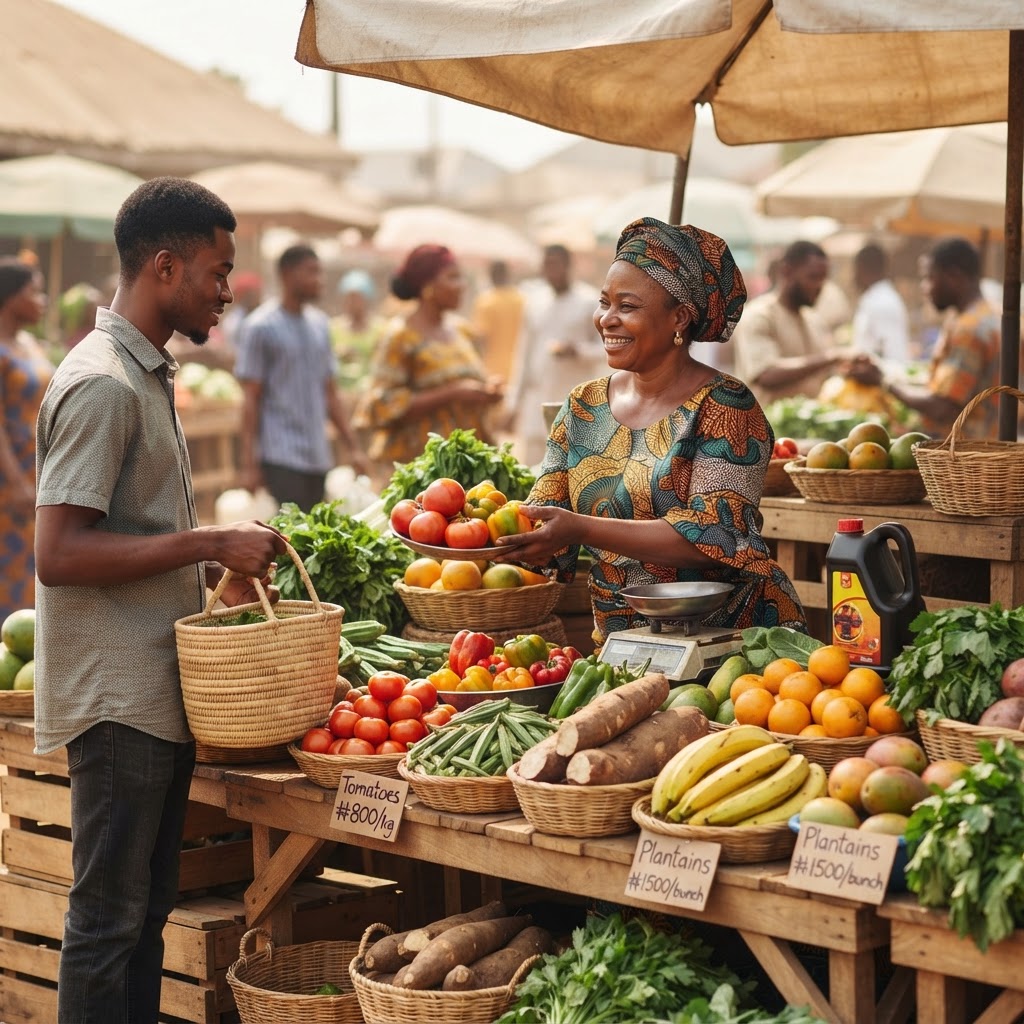
Imo State Farmers’ Market Price Guide
Every trip to Eke Ukwu Owerri or any neighbourhood market in Imo State has become a quiet economic reckoning. Families that once budgeted confidently for monthly groceries now find that the same naira stretches considerably less than it did a year ago. This Imo State Farmers' Market Price Guide is d...