Powered by Obi Mbieri Independent Media Ltd · eziokwubundu.com
$1 = ₦1,332€1 = ₦1,498£1 = ₦1,775Nigerian Superfoods for Natural Blood Sugar Control
Managing blood sugar levels often feels like an expensive uphill battle against imported pharmaceuticals and restrictive, unfamiliar diets. However, the secret to metabolic stability lies right within the vibrant markets of our local Nigerian communities. By reclaiming our indigenous food wisdom, fa...
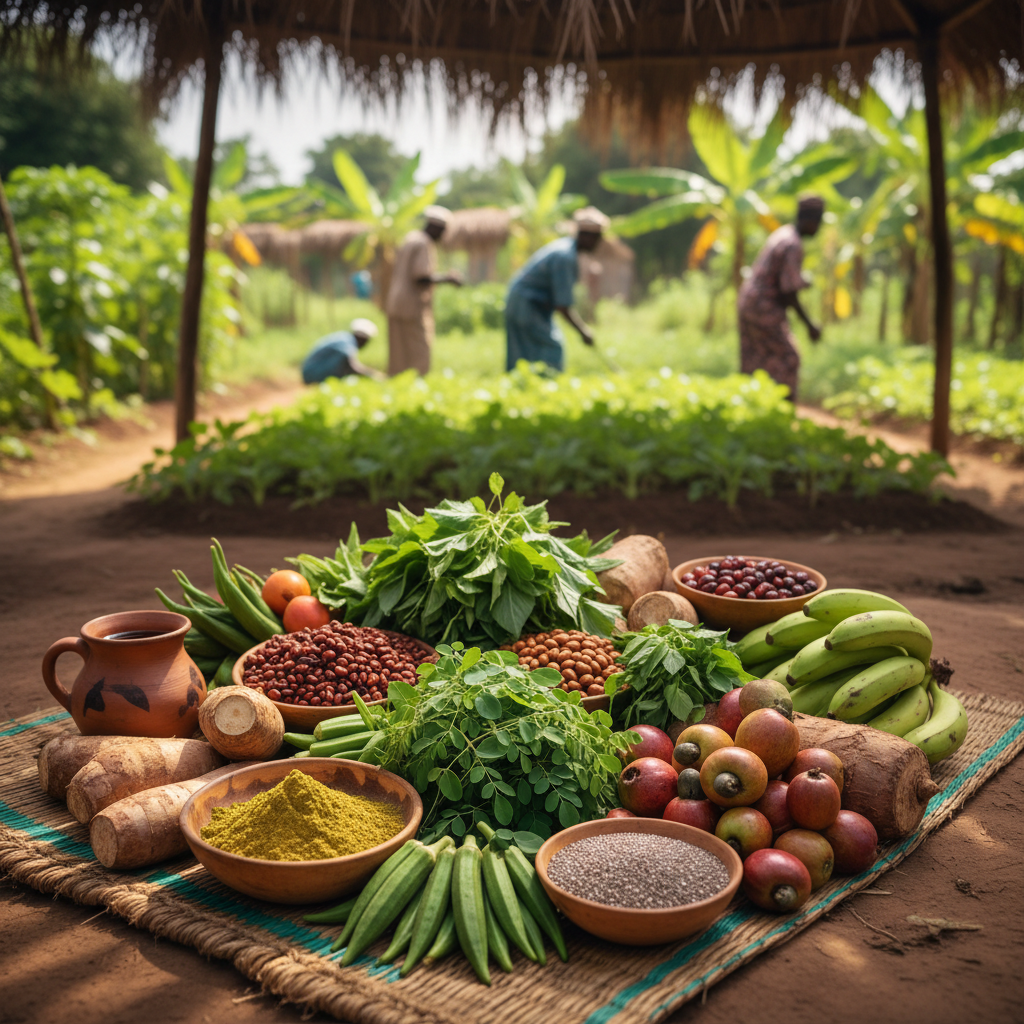
Managing blood sugar levels often feels like an expensive uphill battle against imported pharmaceuticals and restrictive, unfamiliar diets. However, the secret to metabolic stability lies right within the vibrant markets of our local Nigerian communities. By reclaiming our indigenous food wisdom, families can foster both physical health and economic resilience.
Modern lifestyle shifts have led to an increase in sedentary habits and the consumption of highly processed flours. These changes contribute significantly to the rising cases of type 2 diabetes across various socio-economic classes in Nigeria. Returning to our roots provides a practical path toward long-term wellness and community prosperity.
True wealth begins with a body that is capable of pursuing opportunities and sustaining a household. When a family prioritizes nutrient-dense local foods, they reduce the financial burden of chronic disease management. This approach aligns perfectly with the goal of Affordable Home Preventive Health for Nigerian Families to ensure longevity.
Reclaiming Our Ancestral Health Heritage
Our ancestors relied on diverse plant-based diets that naturally regulated glucose levels through high fiber and complex nutrients. These traditional staples were not just food but served as preventive medicine for the entire village. Today, we must bridge this ancient knowledge with modern scientific validation to protect our future.
By focusing on local produce, we also support the small-scale farmers who are the backbone of our economy. Choosing indigenous grains and herbs keeps wealth circulating within our own neighborhoods rather than flowing out to foreign corporations. This cycle of health and commerce builds a stronger foundation for every Nigerian professional.
Moringa: The Green Glucose Fighter
Moringa oleifera, known locally as Zogale or Ewe Iye, is a nutritional powerhouse that grows effortlessly in our climate. Scientific studies indexed by the National Center for Biotechnology Information highlight its ability to lower post-meal blood sugar levels. It contains essential polyphenols that improve how our cells respond to insulin.
For a busy professional, adding dried moringa powder to a morning smoothie or pap is a quick health win. The leaves are also rich in vitamin C and iron, which boost overall energy levels and immune function. It is a cost-effective way to access Affordable Superfoods at Every Nigerian Market without breaking the bank.
Incorporating this miracle plant into your family’s routine is simple and culturally relevant. You can prepare it in various ways to suit different age groups in the household:
- Steep fresh leaves in hot water to create a potent herbal tea.
- Stir dried powder into soups like Ogbono or Egusi for a nutrient boost.
- Garnish your rice dishes with finely chopped fresh leaves.
- Mix the powder into homemade flour blends for healthier swallow options.
Ofada Rice for Sustained Energy
Unlike polished white rice, Ofada rice retains its bran and germ layers, which are packed with dietary fiber. This fiber slows down the conversion of carbohydrates into sugar, preventing the dangerous spikes often seen after eating processed grains. It is a premier choice for those following a Nigerian Family Guide to Reversing Type 2 Diabetes through diet.
The distinct aroma and nutty flavor of Ofada rice make it a favorite for weekend family gatherings and celebrations. It provides the satiety needed to prevent overeating, which is a common trigger for weight gain and insulin resistance. Choosing this local grain supports Nigerian rice millers and strengthens our national agricultural sector.
Why Local Rice Beats Polished
Polished rice is often stripped of over 60% of its nutrients during the intensive milling process. In contrast, our indigenous brown and red rice varieties provide essential B vitamins and minerals like magnesium. Magnesium plays a critical role in over 300 biochemical reactions, including the regulation of insulin.
Featured Products
Chukwu Abiama Tee
Bold black-and-gold Igbo-pride T-shirt featuring 'Chukwu Abiama' in premium streetwear typography.
₦15,000
Buy NowReverse Type 2 Diabetes & other associated Metabolic Issues using Dr. Jason Fung's Evidence-Based Approach— FMD program for Type 2 Diabetes
A practical fasting and fasting-mimicking programme built on Dr Jason Fung's insulin-resistance principles and ow-glycemic recipes.
₦19,950
Join NowỤmụ Igbo Tee
Classic black T-shirt with bold white 'Ụmụ Igbo' typography — a proud statement of Igbo heritage.
₦15,000
Buy NowNwanne Tee
Washed khaki vintage tee with a faded rust-orange 'Nwanne' stamp badge and palm leaf motif — a nod to kinship and heritage.
₦18,000
Buy NowObodo Tee
Faded denim-blue washed tee with a cream 'Obodo' stamp badge and sun motif, celebrating community roots.
₦18,000
Buy NowEkwe Heritage Tee
Deep indigo tee featuring a fine line-art illustration of a traditional Igbo ekwe drum, inspired by Igbo-Ukwu bronze artistry.
₦18,000
Buy NowIkenga Figure Tee
Forest green tee with a fine line-art illustration of a stylized Ikenga figure.
₦18,000
Buy NowSwapping imported grains for local varieties is a strategic move for your health and your wallet. While the price of imported goods fluctuates with foreign exchange rates, local produce remains more accessible and reliable. This stability is essential for maintaining a consistent and healthy dietary regimen over many years.
Uda Seeds for Metabolic Health
Uda seeds, also known as Negro pepper, are a staple spice in many traditional Nigerian soups and medicinal preparations. They possess potent anti-inflammatory properties that help reduce the internal stress associated with high blood sugar. Many nursing mothers use Uda to aid recovery, showcasing its deep-rooted connection to restorative health.
According to the World Health Organization, managing chronic inflammation is key to preventing the complications of diabetes. Uda seeds contain phytochemicals that help cleanse the blood and support the liver's role in glucose metabolism. Adding a few crushed seeds to your daily meals can have a profound impact on long-term wellness.
Using these spices is an art that has been passed down through generations of Nigerian cooks. You can easily integrate them into modern recipes to enhance both flavor and health benefits:
- Use crushed Uda seeds in pepper soup for an earthy, medicinal kick.
- Add whole seeds to boiling water for a refreshing traditional infusion.
- Grind seeds into spice rubs for grilled fish or lean meats.
- Incorporate them into stews to balance the richness of palm oil.
Integrating Spices into Daily Cooking
Our local spices like ginger, garlic, and Uda are far more than just flavor enhancers in the pot. They act as natural bio-enhancers that help the body absorb nutrients more efficiently while protecting against oxidative damage. A well-spiced meal is a form of daily preventive care that supports every family member.
Teaching the younger generation to appreciate these flavors ensures that our cultural identity remains vibrant. It also equips them with the knowledge to make better food choices as they enter adulthood and start their own families. This transfer of wisdom is a vital part of building community resilience and health.
Sourcing Local Foods for Prosperity
When we buy our superfoods from local market women, we are investing in the economic empowerment of our neighbors. This grassroots support creates a ripple effect of prosperity that benefits the entire community. It ensures that the funds used for health remain within the local ecosystem, fostering growth and stability.
Maintaining health through local nutrition also safeguards your family’s financial future by reducing medical expenses. High hospital bills for managed conditions can quickly drain a household's savings and stop wealth creation in its tracks. You can further protect your assets by Protecting Family Wealth Through Nigerian Health Insurance alongside a healthy diet.
Combining Traditional Wisdom with Science
While indigenous foods are powerful, they should complement professional medical advice rather than replace it entirely. It is essential to monitor your blood sugar levels regularly to see how your body responds to different local ingredients. Organizations like the International Diabetes Federation emphasize the importance of regular screening and personalized care plans.
Consulting with a healthcare provider allows you to integrate these superfoods safely into your existing treatment plan. This balanced approach ensures you get the best of both worlds: modern precision and ancestral nutrition. By being proactive, you lead your family toward a future of holistic prosperity and vibrant health.
Embracing Moringa, Ofada rice, and Uda seeds is a declaration of pride in our Nigerian heritage and a commitment to our collective wellbeing. As we nourish our bodies with what the earth provides locally, we grow stronger as individuals and as a nation. Let us continue to share this knowledge and build a healthier, wealthier Nigeria for the generations to come.
Stay Informed
Get New Articles in Your Inbox
Subscribe to receive the latest community development, health, and wealth insights from Eziokwubundu.
Newsletter
Practical insights on health, wealth, and community — delivered weekly.