Powered by Obi Mbieri Independent Media Ltd · eziokwubundu.com
$1 = ₦1,328€1 = ₦1,511£1 = ₦1,755Guide to Reversing Type 2 Diabetes
Managing Type 2 diabetes requires a deliberate shift in how Nigerian families approach their daily meals and physical routines. By focusing on indigenous nutrition and consistent lifestyle adjustments, it is possible to stabilize blood sugar and even achieve remission. This guide provides a cultural...

Managing Type 2 diabetes requires a deliberate shift in how Nigerian families approach their daily meals and physical routines. By focusing on indigenous nutrition and consistent lifestyle adjustments, it is possible to stabilize blood sugar and even achieve remission. This guide provides a culturally relevant roadmap for families navigating the complexities of metabolic health in a modern environment.
Type 2 diabetes is no longer a disease reserved for the elderly or the wealthy in our communities. Recent shifts in urban diets and sedentary lifestyles have made it a common challenge for many Nigerian households today. Reversing this condition is feasible when the entire family commits to evidence-based changes in nutrition.
By integrating traditional wisdom with modern medical advice, families can reclaim their vitality and reduce long-term healthcare costs. This proactive approach ensures that every member of the household understands the importance of preventive care. Successful management begins with awareness and ends with sustainable daily habits.
Diagnosing Diabetes in Nigerian Context
Identifying the early signs of high blood sugar is the first step toward effective management within the family. Many Nigerians ignore subtle symptoms like frequent urination or persistent thirst until complications arise. Recognizing these red flags allows for early intervention before permanent organ damage occurs.
Professional diagnosis through a fasting blood glucose test or an HbA1c screening is essential. According to the World Health Organization, early detection significantly improves the chances of successful lifestyle-based reversal. Families should schedule regular checkups to ensure everyone remains within a healthy metabolic range.
Home monitoring tools are also vital for those already managing the condition. According to the International Diabetes Federation, consistent tracking helps patients understand how specific Nigerian foods affect their blood sugar. Empowering families with these tools fosters a sense of control over their collective health journey.
High Fiber Local Grain Substitutes
White rice and processed flour have become staples in the Nigerian diet, but they often lead to rapid blood sugar spikes. Switching to indigenous grains provides the necessary fiber to slow down glucose absorption in the bloodstream. These local alternatives are often more nutrient-dense than their imported counterparts.
Foundational grains like millet and sorghum are excellent choices for creating healthy meals. These grains contain complex carbohydrates that provide steady energy throughout the day without crashing. Incorporating these into breakfast porridges or lunch dishes can transform a family's metabolic profile.
Local markets offer several options for high-fiber grains:
- Acha also known as Fonio
- Stone-ground local brown rice
- Whole grain sorghum flour
- Pearl millet for pap
Many of these items are readily available as affordable superfoods at every Nigerian market across the country. Transitioning to these grains does not mean giving up the flavors we love. It simply means choosing ingredients that support the body's natural ability to regulate insulin.
Mastering Portion Control with Swallows
Traditional Nigerian meals often center around heavy swallows like pounded yam or eba, which are high in simple starches. While these foods are culturally significant, their high glycemic index can be problematic for diabetic patients. Learning to adjust the ratio of swallow to soup is a critical skill for blood sugar management.
Families should aim for a plate where the swallow takes up only a small fraction of the space. The majority of the meal should consist of fiber-rich vegetable soups and lean protein sources. This shift reduces the overall carbohydrate load while keeping the meal satisfying and culturally authentic.
Alternative swallows can be made from vegetables like cauliflower or cabbage mixed with a small amount of psyllium husk. These low-carb versions mimic the texture of traditional amala or fufu without the massive sugar impact. Experimenting with these recipes can make the transition easier for the whole family.
Healing Power of Indigenous Vegetables
Nigeria is home to a vast array of green leafy vegetables that possess medicinal properties for glucose control. Vegetables like Ugu, Bitter leaf, and Scent leaf are not just food; they are functional medicines. Regular consumption of these greens helps improve insulin sensitivity and reduces systemic inflammation.
Bitter leaf is particularly renowned for its ability to lower blood glucose levels naturally. Many families incorporate the juice or the leaves into their daily cooking to manage high sugar. When combined with a low-starch diet, these herbs provide a powerful defense against diabetic complications.
Specific local vegetables offer unique health benefits:
Featured Products
Chukwu Abiama Tee
Bold black-and-gold Igbo-pride T-shirt featuring 'Chukwu Abiama' in premium streetwear typography.
₦15,000
Buy NowReverse Type 2 Diabetes & other associated Metabolic Issues using Dr. Jason Fung's Evidence-Based Approach— FMD program for Type 2 Diabetes
A practical fasting and fasting-mimicking programme built on Dr Jason Fung's insulin-resistance principles and ow-glycemic recipes.
₦19,950
Join NowỤmụ Igbo Tee
Classic black T-shirt with bold white 'Ụmụ Igbo' typography — a proud statement of Igbo heritage.
₦15,000
Buy NowNwanne Tee
Washed khaki vintage tee with a faded rust-orange 'Nwanne' stamp badge and palm leaf motif — a nod to kinship and heritage.
₦18,000
Buy NowObodo Tee
Faded denim-blue washed tee with a cream 'Obodo' stamp badge and sun motif, celebrating community roots.
₦18,000
Buy NowEkwe Heritage Tee
Deep indigo tee featuring a fine line-art illustration of a traditional Igbo ekwe drum, inspired by Igbo-Ukwu bronze artistry.
₦18,000
Buy NowIkenga Figure Tee
Forest green tee with a fine line-art illustration of a stylized Ikenga figure.
₦18,000
Buy Now- Waterleaf for hydration and fiber
- Okra for slowing sugar absorption
- Garden eggs for low-calorie snacks
- Utazi for digestive and metabolic health
Adding these to every meal ensures that the family receives a high dose of micronutrients. These vegetables are easily grown in backyard gardens, promoting both health and self-sufficiency. Utilizing our local biodiversity is a key strategy for long-term wellness.
Effective Activity for Urban Families
Physical activity is a non-negotiable pillar of reversing Type 2 diabetes in the Nigerian setting. In many urban centers, the reliance on cars and sedentary office work has diminished our natural movement. Finding ways to integrate exercise into a busy schedule is vital for burning excess glucose.
Simple activities like brisk walking after dinner can significantly improve how the body processes sugar. Families can also engage in household chores or traditional dancing to keep their heart rates up. Consistency is more important than intensity when trying to manage a chronic condition through movement.
Developing a home morning fitness guide for Nigerians can provide a structured way to stay active. These routines do not require expensive gym memberships or specialized equipment. Movement should be viewed as a family activity that strengthens bonds while improving physical health.
Reducing Sugar in Domestic Drinks
Sweetened beverages and soft drinks are major contributors to the diabetes epidemic in Nigeria. Many families serve these drinks during celebrations or as a standard accompaniment to meals. Transitioning to water, zobo, or ginger infusions can eliminate a significant source of hidden sugars.
Zobo made with hibiscus petals is a refreshing alternative that offers cardiovascular benefits as well. When prepared without added sugar or artificial sweeteners, it becomes a healthy beverage for all ages. Adding cloves and ginger provides natural flavor and anti-inflammatory properties.
Consider these healthy beverage options for the home:
- Unsweetened ginger and lemon tea
- Natural coconut water in moderation
- Infused water with cucumber slices
- Freshly brewed hibiscus tea (Zobo)
Reducing sugar intake is one of the 10 simple healthy habits for busy professionals who need to maintain high energy. This single change can lead to rapid improvements in weight management and blood sugar stability. It sets a positive example for children, preventing the development of future metabolic issues.
Financial Planning for Chronic Care
Managing diabetes can be financially draining if a family is not adequately prepared for the costs. From medication to regular testing supplies, the expenses can accumulate and threaten household stability. Integrating health management into the family's broader financial strategy is a wise move for long-term security.
One effective way to manage these costs is through protecting family wealth through Nigerian health insurance plans. These policies often cover routine checkups and provide discounts on essential medications. Shifting from out-of-pocket payments to a structured insurance model prevents medical emergencies from depleting savings.
Families should also consider creating a dedicated health fund within their monthly budget. This ensures that money is always available for quality nutrition and medical consultations. Treating health as a financial asset encourages more disciplined spending and investment in wellness.
Sustaining Health Through Community Action
Diabetes management is more successful when supported by a strong community and family network. Sharing recipes, exercise tips, and emotional support within the extended family creates a culture of health. When the community prioritizes wellness, individual members find it easier to stick to their goals.
Local organizations and religious groups can play a role by hosting health awareness workshops. These gatherings provide a platform for healthcare professionals to educate the public on affordable home preventive health for Nigerian families in a familiar setting. Community-led initiatives often have a greater impact than top-down medical directives.
Encouraging accountability partners within the neighborhood can help maintain motivation for lifestyle changes. Whether it is a walking group or a healthy cooking club, these social structures reinforce positive behaviors. A collective commitment to health ensures that the next generation grows up in a thrive-oriented environment.
Maintaining Progress for Future Generations
Reversing Type 2 diabetes is a marathon that requires patience and persistent effort from every family member. The journey involves unlearning harmful dietary habits and embracing a lifestyle rooted in our traditional values. By making these changes, we not only heal ourselves but also protect our children's future.
Education is the most powerful tool we have in the fight against metabolic diseases. According to the Mayo Clinic, education on carbohydrate counting and physical activity is fundamental for remission. Knowledge empowers us to make better choices at the dining table and in our daily routines.
As we move forward, let us remember that health is the foundation of all forms of prosperity. A healthy family is better equipped to pursue education, career growth, and community development. By mastering our metabolic health, we secure the legacy of vitality and success for all Nigerians.
Stay Informed
Get New Articles in Your Inbox
Subscribe to receive the latest community development, health, and wealth insights from Eziokwubundu.
Newsletter
Practical insights on health, wealth, and community — delivered weekly.
Community Discussion(0)
Leave a Comment
More to Read
You May Also Like

Strategic Wellness and Fiscal Growth for Nigerians
Achieving a state of total well-being requires more than just physical health or financial stability alone. For the modern Nigerian, success is a multi-dimensional pursuit that bridges the gap between traditional values and global opportunities. By integrating science-based natural health solutions ...

5 Signs Your Blood Pressure May Be Too High
Imagine feeling completely fine while your arteries are quietly under siege. That is the reality for millions of Nigerians living with undiagnosed hypertension. Recognizing 5 Signs Your Blood Pressure May Be Too High could be the difference between early intervention and a medical emergency. Underst...

Can Insulin Help You Lose Weight? Risks and Medical Facts
Insulin often gets blamed for weight struggles among Nigerian families managing diabetes. But the science is more nuanced than blind blame suggests. This article, Can Insulin Help You Lose Weight? Risks and Medical Facts, examines what research actually shows. It looks at this essential hormone and ...

Apply Now: $10,000 African AI Drug Discovery Fellowships
AI is no longer a distant Silicon Valley dream — it is now shaping how Africa fights disease. That is why the Apply Now: $10,000 African AI Drug Discovery Fellowships program deserves attention from every Nigerian family, student, and entrepreneur who cares about the future of healthcare on this con...

Fermented Nigerian Foods That Heal Your Gut
Your grandmother never called it a probiotic — but she knew exactly what she was doing when she prepared a warm bowl of akamu for a sick child or served ugba at a family gathering. Fermented Nigerian foods have sustained communities for centuries, and modern nutrition science is now confirming what ...

Ondo Alcohol Deaths: What Is Methanol and How Can Nigerians Avoid Poisoning?
The deaths in Ondo State have sent shockwaves across Nigeria. At least 48 people lost their lives after consuming what appeared to be ordinary local alcoholic drinks. Hundreds more were hospitalised, some permanently blinded, others left fighting for their organs. The National Agency for Food and Dr...
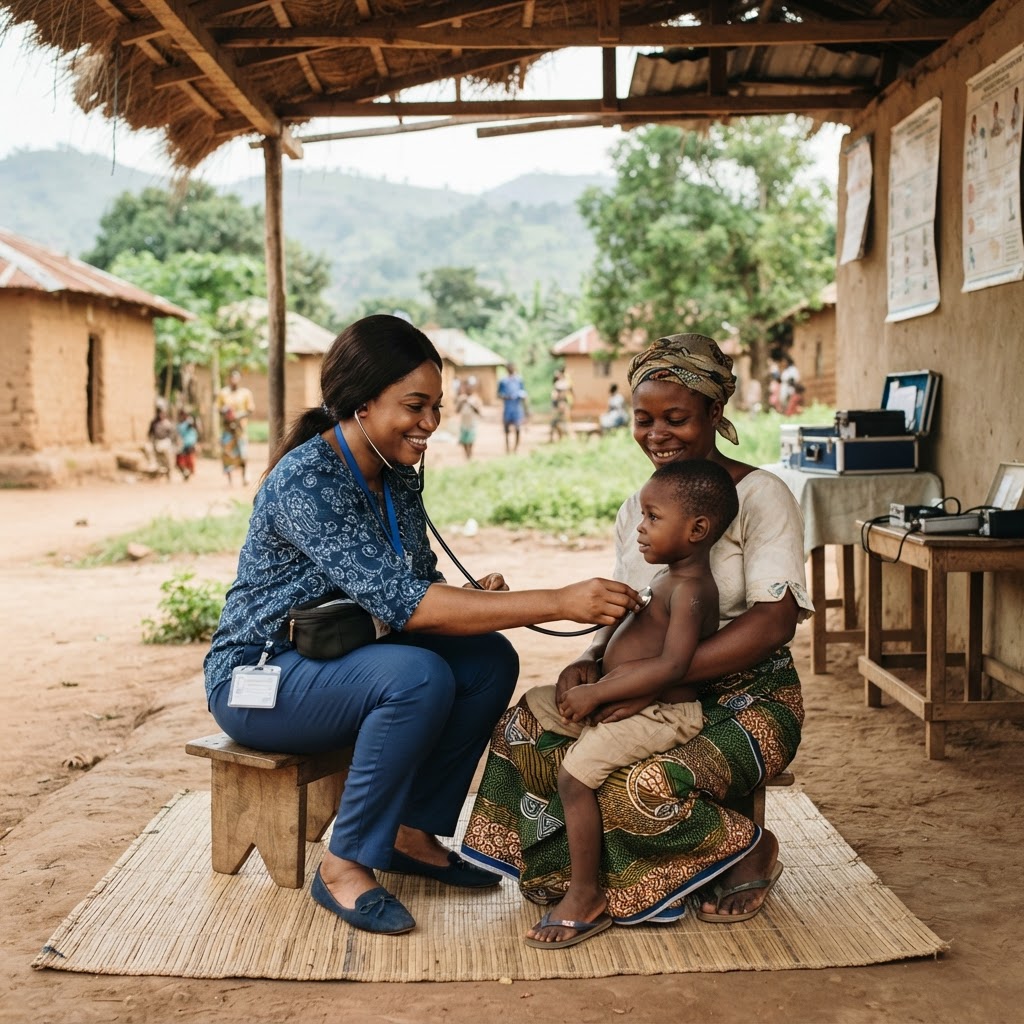
Affordable healthcare options for rural Nigerians
Access to quality medical care remains one of the most pressing challenges facing millions of Nigerians living outside major cities. For rural families, a single illness can mean a long journey to the nearest clinic, an unaffordable hospital bill, or worse — no treatment at all. Understanding and ac...

Unapproved Orphanages in Nigeria: How Safe Are Children in Private Care Homes?
Across Nigeria, thousands of children live in private care homes that operate outside the law. Some are run by well-meaning individuals overwhelmed by the scale of child poverty. Others are driven by profit, exploiting the image of vulnerable children to attract foreign donations while providing sub...
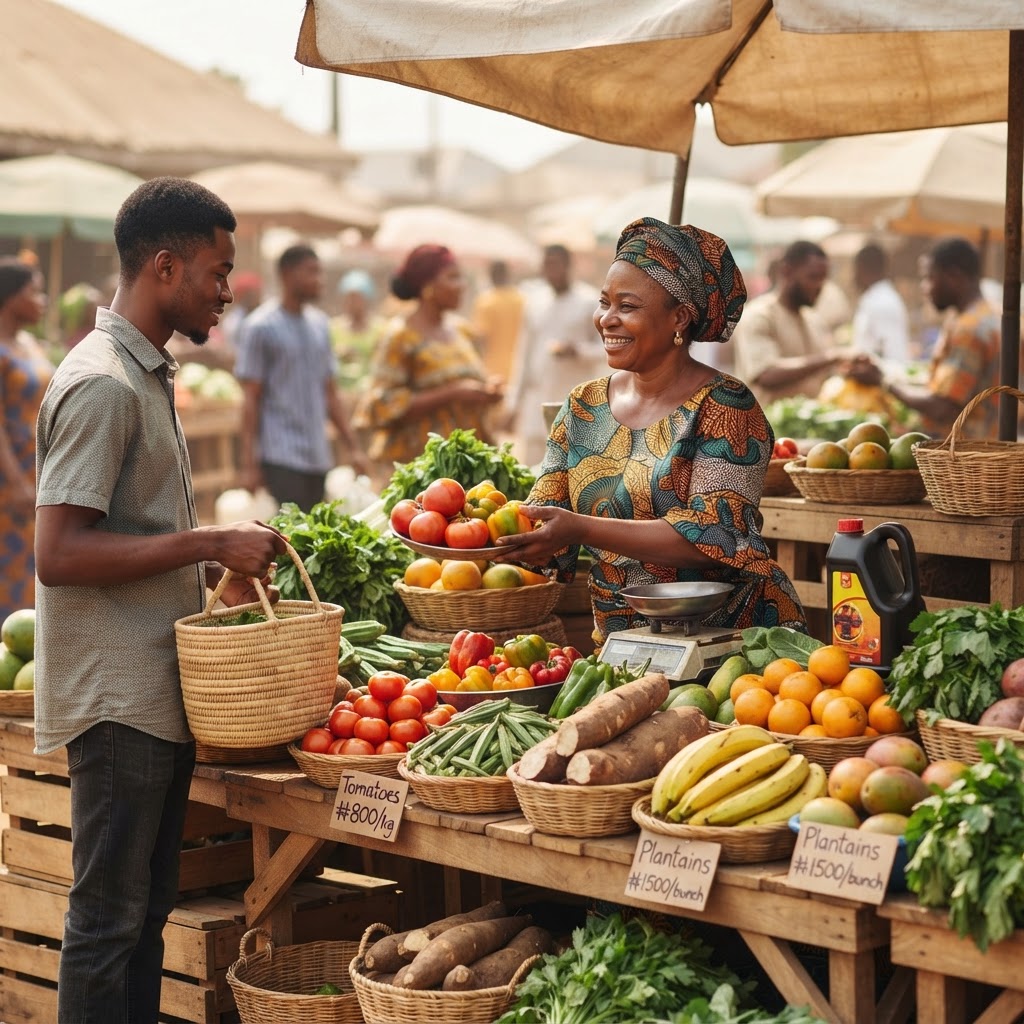
Imo State Farmers’ Market Price Guide
Every trip to Eke Ukwu Owerri or any neighbourhood market in Imo State has become a quiet economic reckoning. Families that once budgeted confidently for monthly groceries now find that the same naira stretches considerably less than it did a year ago. This Imo State Farmers' Market Price Guide is d...