Powered by Obi Mbieri Independent Media Ltd · eziokwubundu.com
$1 = ₦1,331€1 = ₦1,492£1 = ₦1,759Mbaitoli Kidnapping: Why Is the Owerri–Onitsha Road Still Vulnerable?
The latest kidnapping incident along the Owerri–Onitsha Road in Mbaitoli Local Government Area of Imo State has renewed concerns about the safety of one of the major transportation routes connecting communities in Imo and neighbouring states.

On October 1, 2026, gunmen attacked two buses near Umunoha, Mbaitoli, while they were travelling from Ibadan towards destinations in the South-East and South-South. Prospective National Youth Service Corps (NYSC) members were among the passengers.
The Imo State Police Command confirmed the attack and said 10 victims were rescued after security agencies recovered the two buses. Police subsequently intensified efforts to locate those still being held.
By October 4, the police said drone surveillance had helped locate the suspected kidnappers' camp. However, officers said intelligence indicated that the area had been planted with improvised explosive devices (IEDs), delaying a direct assault on the location.
The Inspector-General of Police also deployed additional senior officers and operational resources to Imo to strengthen the rescue operation.
The incident raises a bigger question for residents and regular users of the route:
Why does the Owerri–Onitsha corridor remain vulnerable to kidnapping despite repeated security operations?
A Route With Strategic Importance
The Owerri–Onitsha Road is an important transportation corridor linking Imo with Anambra and providing access to several communities and commercial centres.
Thousands of people use the route for business, work, education, religious activities and interstate travel.
This level of movement makes security along the corridor particularly important. Any prolonged security challenge can affect not only individual travellers but also businesses, farmers, students and communities that depend on the road.
Bushes and Hard-to-Monitor Areas
One of the challenges repeatedly raised in security discussions around parts of Mbaitoli is the presence of extensive bushland close to roads and communities.
Following the latest attack, security agencies reportedly tracked the abductors into a bush location before drone surveillance helped identify their suspected camp.
The police have not publicly established that poor vegetation management caused the attack. However, the ability of armed groups to move from the highway into surrounding bushland presents an obvious challenge for conventional road patrols.
The question therefore goes beyond policing the highway itself.
How effectively are surrounding bush paths, forested areas and escape routes being monitored?
Previous Security Concerns in Mbaitoli
The Umunoha incident did not occur in isolation.
In September, residents of Nsokpo community in Ogbaku, also in Mbaitoli LGA, publicly raised concerns about repeated kidnappings and armed attacks in surrounding areas.
The Nsokpo Dynamic Association called for sustained security patrols and a coordinated operation to search the Nwaogwugwu land and bush axis between Ogbaku and Umunoha, as well as surrounding bush areas.
The group also linked its security concerns to poor road conditions and inadequate lighting in parts of the area.
These are community claims and should not be treated as proof that every reported security incident in the area has the same perpetrators or cause. But they demonstrate that concerns about insecurity around the wider Ogbaku–Umunoha area existed before the latest highway attack.
Do Poor Roads Contribute to the Security Challenge?
Road conditions are another issue requiring attention.
Residents have previously complained about deteriorating roads connecting communities around Mbaitoli. Poorly maintained roads can slow traffic, reduce visibility and make emergency response more difficult.
Dark sections of roads can also create additional risks for motorists and passengers, particularly during early morning or night travel.
However, poor road conditions alone cannot explain kidnapping incidents. Establishing a connection would require specific security and incident data showing how road conditions affect criminal activity and response times.
What is clear is that residents have asked for better roads and street lighting alongside stronger security measures.
Security Response Is Improving, But Prevention Matters
The latest response shows that security agencies are capable of deploying significant resources when a major incident occurs.
Featured Products
Chukwu Abiama Tee
Bold black-and-gold Igbo-pride T-shirt featuring 'Chukwu Abiama' in premium streetwear typography.
₦15,000
Buy NowReverse Type 2 Diabetes & other associated Metabolic Issues using Dr. Jason Fung's Evidence-Based Approach— FMD program for Type 2 Diabetes
A practical fasting and fasting-mimicking programme built on Dr Jason Fung's insulin-resistance principles and ow-glycemic recipes.
₦19,950
Join NowỤmụ Igbo Tee
Classic black T-shirt with bold white 'Ụmụ Igbo' typography — a proud statement of Igbo heritage.
₦15,000
Buy NowNwanne Tee
Washed khaki vintage tee with a faded rust-orange 'Nwanne' stamp badge and palm leaf motif — a nod to kinship and heritage.
₦18,000
Buy NowObodo Tee
Faded denim-blue washed tee with a cream 'Obodo' stamp badge and sun motif, celebrating community roots.
₦18,000
Buy NowEkwe Heritage Tee
Deep indigo tee featuring a fine line-art illustration of a traditional Igbo ekwe drum, inspired by Igbo-Ukwu bronze artistry.
₦18,000
Buy NowIkenga Figure Tee
Forest green tee with a fine line-art illustration of a stylized Ikenga figure.
₦18,000
Buy NowPolice recovered the buses and rescued 10 victims. Tactical teams were deployed, while drone surveillance was used to locate the suspected kidnappers' camp.
The police have also brought in additional senior commanders and equipment to support the rescue effort.
But the incident raises an important distinction between responding to kidnapping and preventing kidnapping.
Once passengers have been taken into the bush, the security operation becomes more complicated. Locating the victims is only one part of the problem; rescuers must also consider the safety of the hostages and security personnel.
The reported presence of IEDs around the suspected camp illustrates how difficult such operations can become.
For residents, the bigger question is whether intelligence-led patrols, surveillance and community-based information systems can identify threats before attackers reach the highway.
What Can Be Done?
Several measures deserve consideration by government and security agencies.
1. Increase Intelligence-Led Patrols
Security patrols should not be limited to visible highway presence. Intelligence gathering around known escape routes, bush paths and vulnerable communities could help identify criminal movements earlier.
2. Improve Surveillance
The use of drones in the current rescue operation demonstrates the potential value of aerial surveillance.
Regular surveillance of identified high-risk areas could complement conventional patrols.
3. Improve Road Lighting
Streetlights and other forms of illumination could improve visibility at identified vulnerable sections, particularly around settlements and areas where vehicles frequently slow down.
4. Strengthen Community-Security Cooperation
Residents are often the first to notice unusual movements around their communities.
A structured system for reporting suspicious activity to security agencies, while protecting informants, could improve early warning.
5. Address Vulnerable Bush Corridors
Security planning should look beyond the highway itself.
Where communities have identified particular bush corridors as potential security concerns, authorities could assess those locations and determine whether regular patrols, surveillance or other interventions are necessary.
6. Improve Emergency Response
Response time matters during kidnapping incidents.
Strategically positioned security personnel and rapid-response units could potentially reduce the time between an attack and the arrival of security forces.
The Bigger Question for Mbaitoli
The latest Umunoha attack has once again placed Mbaitoli's security situation under scrutiny.
But the long-term solution is unlikely to depend on one security operation or one rescue mission.
The area requires a broader approach combining intelligence gathering, highway security, community cooperation, infrastructure improvement and sustained surveillance.
For travellers, the immediate concern is straightforward: Can they use the Owerri–Onitsha Road without fear of being attacked or abducted?
For authorities, the more difficult question is whether security measures can move from reacting to attacks to preventing them.
The rescue of those still missing remains the immediate priority.
But once the current operation is concluded, authorities and community leaders will need to examine the circumstances surrounding the attack, identify security gaps and determine what can be done to prevent another Umunoha-type incident.
For the people of Mbaitoli, the issue is no longer simply about one kidnapping incident.
It is about whether a major highway and the communities surrounding it can be made consistently safe for the people who depend on them.
Stay Informed
Get New Articles in Your Inbox
Subscribe to receive the latest community development, health, and wealth insights from Eziokwubundu.
Newsletter
Practical insights on health, wealth, and community — delivered weekly.
Community Discussion(0)
Leave a Comment
More to Read
You May Also Like

Military Aircraft With 32 Aboard Crashes in Ondo, Rescue Underway
Igbokoda crash: Nigerian Air Force ATR-42 was travelling from Benin to Lagos when contact was lost
Nwanegwo Hands Over Mbaitoli LGA Affairs, Ends Tenure
Hon. Ifunanya Nwanegwo JP has formally handed over the affairs of Mbaitoli Local Government Area to the Director of Administration and General Services (DAGS), marking the conclusion of his tenure as Executive Chairman.

Umunoha NYSC Kidnap: Hideout Located as IED Threat Delays Rescue
Imo security agencies have located the suspected hideout of prospective NYSC members abducted along the Owerri–Onitsha Road, but an alleged improvised explosive device (IED) threat has delayed the planned rescue operation.

Ultimate Guide to Health, Wealth, and Community Development
Discover how health, wealth creation, and community development intertwine to empower individuals and build prosperous societies. This ultimate guide provides actionable insights and strategies to enhance your well-being and financial stability while fostering a vibrant community, ensuring you make ...

Nigeria’s Maternal Death Crisis: Why Are Mothers Dying?
Every day, Nigerian households wait for news from the maternity ward with hope and quiet dread. Too often, that news is heartbreaking. This is the reality behind Nigeria's Maternal Death Crisis: Why Are So Many Mothers Still Dying? — a question every family, community leader, and policymaker must co...

Kidnappers Demand 1 Billion Naira for 20 Corps Members
A chilling ultimatum has gripped Nigerian families this week. Armed abductors are demanding an enormous ransom for the safe return of young graduates travelling to serve their nation. The incident, now widely known as "Kidnappers Give 20 Prospective Corps Members' Families 24 Hours to Pay ₦1bn Ranso...

Can Fasting Help Lower High Blood Pressure? What Experts Say
High blood pressure quietly affects millions of Nigerian adults, often with no obvious warning signs. Many families are now turning to fasting as a natural way to manage it. This article explores the question many are asking: Can Fasting Help Lower High Blood Pressure? What Experts Say reveals surpr...

NNPC Faces Efficiency Scrutiny Over ₦27.76 Trillion Expenses
Nigeria's state oil giant is back in the headlines, and not for a new discovery. NNPC's ₦27.76 Trillion Operating Expenses Raise Efficiency Questions among citizens, analysts, and policymakers alike. The figure is so large it has sparked fresh debate about how national wealth is managed, and the num...
Police Rescue 10 After Gunmen Attack Two Buses in Mbaitoli
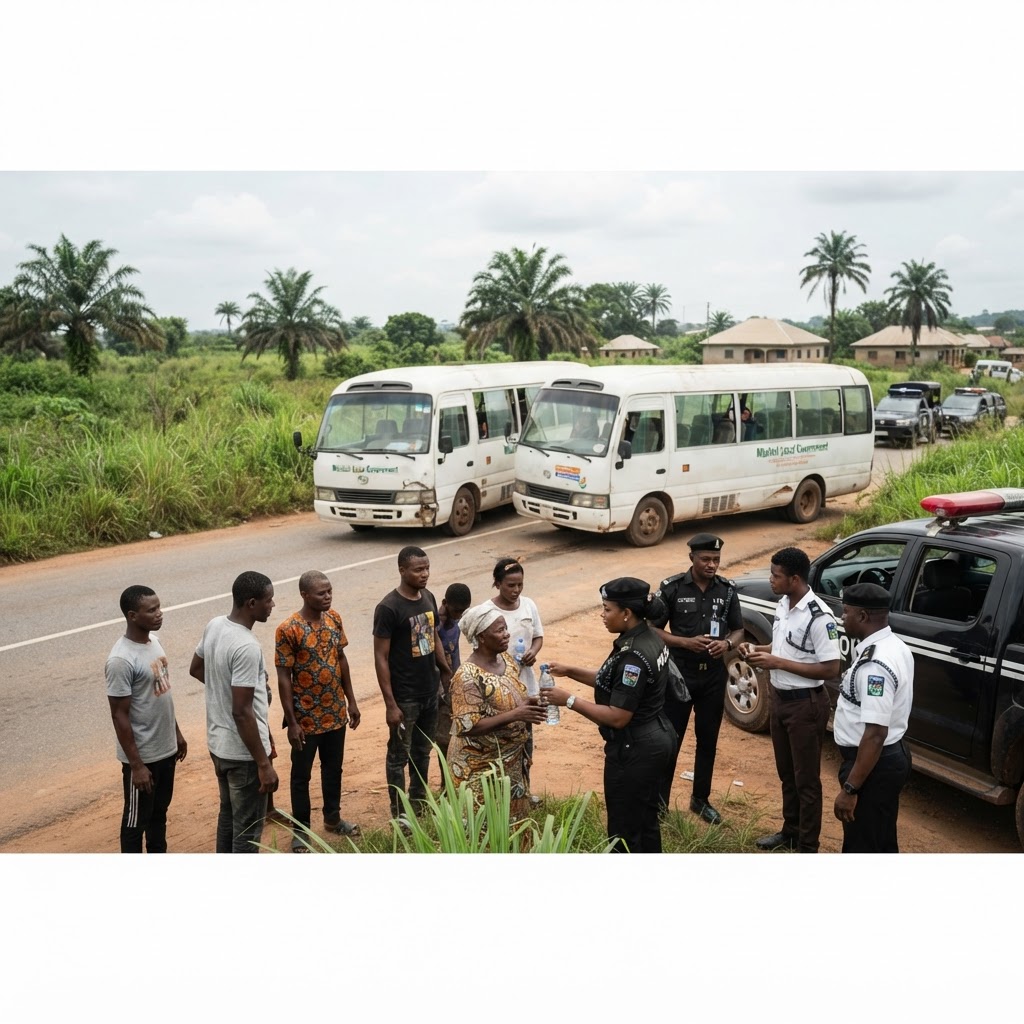
Early morning violence on a major Imo State highway sent shockwaves through communities nationwide this week. Families woke up to disturbing news of commuters trapped in a terrifying ordeal after gunmen struck in Mbaitoli, targeting two commercial buses in the hours before dawn. The headline "Police...
Mbaitoli Security: Are Farmers Returning to Their Farms?
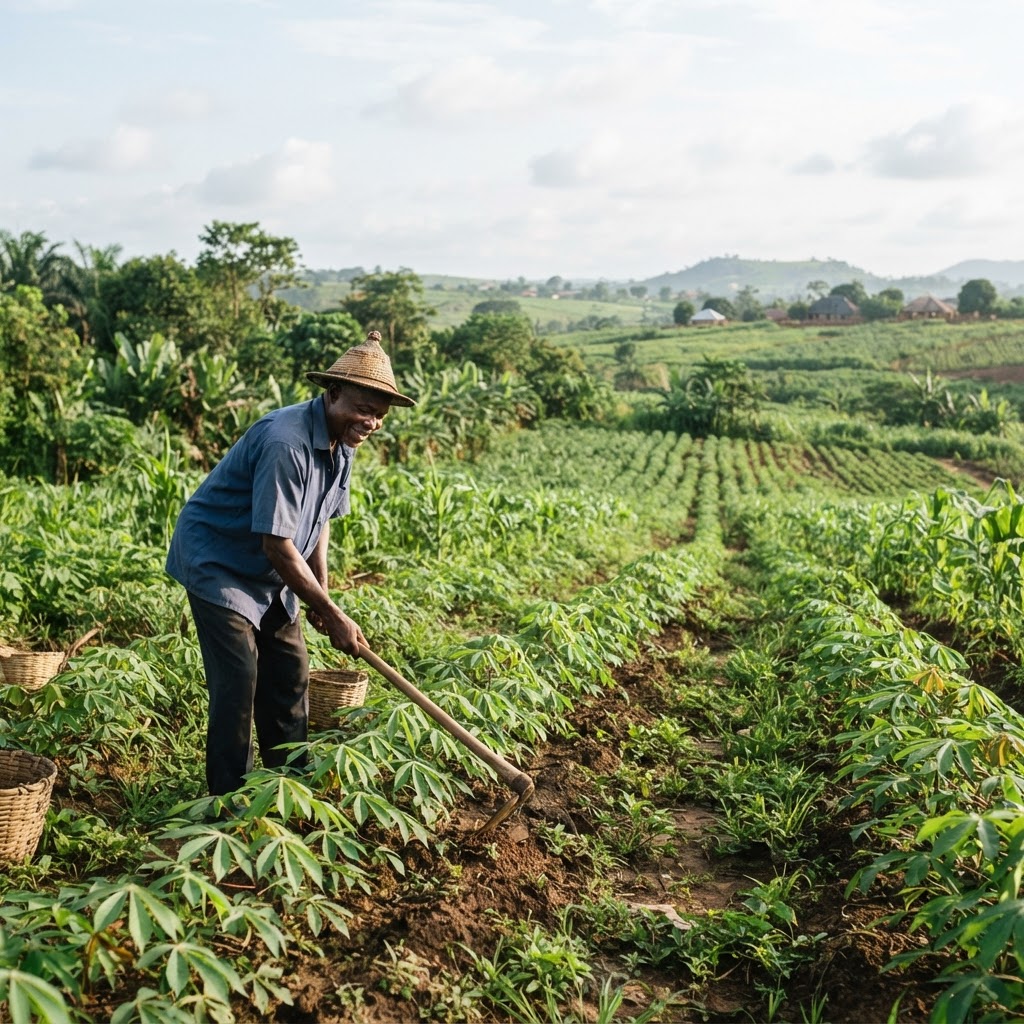
Dust settles slowly over Mbaitoli's farmlands, but the questions linger louder than ever. Families across Imo State whisper the same worry: will their fields ever feel safe again? Mbaitoli Security: Are Farmers Returning to Their Farms? remains one of the most urgent questions facing this agrarian c...