Powered by Obi Mbieri Independent Media Ltd · eziokwubundu.com
$1 = ₦1,328€1 = ₦1,511£1 = ₦1,755Rising Kidney Failure Among Young Nigerians: What's Really Behind It?
Something alarming is happening in Nigerian hospitals. Nephrologists across the country are reporting an unsettling trend: younger and younger patients — university students, young professionals, entrepreneurs in their 30s — are walking through clinic doors with kidneys that have already failed. Thi...

Something alarming is happening in Nigerian hospitals. Nephrologists across the country are reporting an unsettling trend: younger and younger patients — university students, young professionals, entrepreneurs in their 30s — are walking through clinic doors with kidneys that have already failed. This is not the story of an ageing population quietly succumbing to chronic illness. This is a silent epidemic striking Nigerians in the prime of their lives, and the causes are hiding in plain sight — in the food on our plates, the painkillers in our medicine cabinets, and the cultural habits we have normalised for generations.
This article draws on statements from the Nigerian Association of Nephrology, peer-reviewed medical research, public health reporting as of 2026, and the metabolic medicine teachings of Dr. Jason Fung to give Nigerian families, health-conscious readers, and community leaders a clear, evidence-based picture of what is driving the rise of kidney failure among young Nigerians — and, critically, what can be done about it.
Why Is Kidney Failure Rising Among Young Nigerians?
The numbers are stark. Community-based studies in South-South Nigeria have reported Chronic Kidney Disease (CKD) prevalence rates as high as 27.2% among adults — a figure that would be alarming in any high-income country but is catastrophic in a setting where dialysis machines are scarce and transplant infrastructure is almost non-existent. According to research published on PubMed Central examining CKD epidemiology in sub-Saharan Africa, the disease burden is growing rapidly and is no longer confined to older populations.
The Nigerian Association of Nephrology has raised repeated alarms about the increasing number of young professionals and students presenting with End-Stage Renal Disease (ESRD). CKD and its complications now account for approximately 8% of all medical admissions in Nigeria — a proportion that reflects both the scale of the crisis and the failure of preventive infrastructure to catch it early.
What makes this particularly dangerous is the disease's silent nature. The kidneys can lose up to 60 to 70 percent of their functional capacity before a person experiences noticeable symptoms. There is no sharp pain, no obvious warning. Young Nigerians — conditioned by culture to associate serious illness with age — frequently dismiss fatigue, mild swelling, or changes in urination as stress-related. By the time a diagnosis is made, the damage is often irreversible. As Vanguard News reported in its 2026 coverage of Nigeria's kidney crisis, hidden toxins, poor lifestyle habits, and contaminated water sources are accelerating this decline across multiple demographics.
How Do Diet and Insulin Resistance Damage the Kidneys?
One of the most important — and least discussed — drivers of kidney failure in Nigeria is the metabolic crisis unfolding quietly in millions of Nigerian bodies. Dr. Jason Fung, a Canadian nephrologist and metabolic medicine expert whose clinical work focuses on reversing Type 2 Diabetes and its complications, has extensively documented how hyperinsulinemia — chronically elevated insulin levels — directly damages the kidneys. When blood sugar remains persistently high, the kidneys are forced to work under tremendous filtration pressure, progressively scarring the delicate glomerular structures responsible for cleaning the blood.
The Nigerian dietary landscape has shifted dramatically in the past two decades. Traditional diets rich in whole grains, legumes, leafy vegetables, and fermented foods are being replaced at alarming speed by ultra-processed alternatives — white bread, soft drinks, instant noodles, sugary breakfast cereals, and fast food. This Westernized diet fuels obesity and hypertension, both of which are ranked among the primary risk factors for CKD in Nigerian communities, as confirmed by PMC research examining lifestyle risk factors for kidney disease in South-West Nigeria.
The consequences are now measurable in the clinic. Diabetic Kidney Disease — the form of CKD directly caused by poorly managed Type 2 Diabetes — is among the fastest-growing diagnoses in Nigerian nephrology wards. Once diabetic nephropathy takes hold, disease progression is difficult to slow without aggressive metabolic management. Our earlier deep-dive on Diabetic Kidney Disease covers the mechanisms and early warning signs that every Nigerian adult should understand. The critical insight from Dr. Fung's framework is this: addressing insulin resistance through dietary change is not merely a weight-loss strategy — it is a primary kidney-protective intervention. Managing blood sugar is the first line of defence for renal health, and waiting until a diabetes diagnosis arrives is waiting too long.
What Environmental Toxins and Self-Medication Do to Kidneys
Beyond diet and metabolic dysfunction, Nigerian kidneys face a daily assault from environmental and behavioural sources that rarely receive adequate public health attention.
Heavy metals present in popular Nigerian foods pose a direct nephrotoxic threat. Lead and cadmium — metals known to accumulate in kidney tissue and cause irreversible damage over time — are found at concerning levels in smoked meats and smoked fish prepared using traditional methods involving direct combustion and prolonged exposure to smoke. Our detailed guide on avoiding heavy metals in suya and smoked fish outlines practical steps for reducing this exposure without abandoning beloved cultural foods entirely. The danger is not occasional consumption — it is the daily, accumulated dose that builds silently in kidney tissue over years.
Self-medication, however, may be the single most underappreciated cause of kidney damage in Nigeria. NSAIDs — non-steroidal anti-inflammatory drugs such as ibuprofen and diclofenac — are sold over the counter at every pharmacy and roadside stall across the country. Many Nigerians take these drugs routinely for headaches, back pain, and general body pain, often at doses far exceeding safe limits and for durations that clinicians consider dangerous. NSAIDs reduce blood flow to the kidneys and, with chronic use, cause a specific pattern of damage known as analgesic nephropathy. The 2026 Vanguard investigation into Nigeria's kidney crisis confirmed this as a major and growing contributor to ESRD presentations.
Equally dangerous is the widespread use of unregulated herbal concoctions — many of which contain undisclosed botanical compounds with known nephrotoxic profiles. The challenge here is nuanced: traditional plant medicine holds genuine therapeutic value within African wellness culture, but preparation and dosage matter enormously. As explored in our article on safely combining Metformin and bitter leaf supplements, the interaction between pharmaceutical drugs and herbal remedies can produce dangerous outcomes when not properly supervised by qualified practitioners.
Why Is Late Diagnosis Still the Norm in Nigeria?
Even when kidney disease is progressing, the majority of Nigerians will not seek medical attention until the situation has become critical. Research published in a landmark PMC study titled Chronic Kidney Disease in Nigeria: Late Presentation Is Still the Norm found that the overwhelming majority of CKD patients arrive at specialist clinics only in advanced stages — when meaningful intervention options are already severely limited.
A Lancet report on children with kidney disease in Nigeria noted that over 90% of certain kidney conditions are diagnosed at advanced stages, reflecting a systemic failure of screening infrastructure combined with deeply ingrained cultural resistance to preventive healthcare engagement.
Featured Products
Chukwu Abiama Tee
Bold black-and-gold Igbo-pride T-shirt featuring 'Chukwu Abiama' in premium streetwear typography.
₦15,000
Buy NowReverse Type 2 Diabetes & other associated Metabolic Issues using Dr. Jason Fung's Evidence-Based Approach— FMD program for Type 2 Diabetes
A practical fasting and fasting-mimicking programme built on Dr Jason Fung's insulin-resistance principles and ow-glycemic recipes.
₦19,950
Join NowỤmụ Igbo Tee
Classic black T-shirt with bold white 'Ụmụ Igbo' typography — a proud statement of Igbo heritage.
₦15,000
Buy NowNwanne Tee
Washed khaki vintage tee with a faded rust-orange 'Nwanne' stamp badge and palm leaf motif — a nod to kinship and heritage.
₦18,000
Buy NowObodo Tee
Faded denim-blue washed tee with a cream 'Obodo' stamp badge and sun motif, celebrating community roots.
₦18,000
Buy NowEkwe Heritage Tee
Deep indigo tee featuring a fine line-art illustration of a traditional Igbo ekwe drum, inspired by Igbo-Ukwu bronze artistry.
₦18,000
Buy NowIkenga Figure Tee
Forest green tee with a fine line-art illustration of a stylized Ikenga figure.
₦18,000
Buy NowYoung Nigerians are particularly vulnerable to this delay. The belief that chronic illness belongs to older people creates a dangerous cognitive blind spot. A 25-year-old with swollen ankles and fatigue is far more likely to attribute those symptoms to stress, overwork, or spiritual attack than to declining kidney function. Compounding this is the widespread cultural badge of honour attached to "avoiding hospitals" — as though enduring illness without medical intervention is a sign of strength rather than a pathway to preventable death. Medical experts have urged Nigerians, as covered by The Guardian Nigeria's health reporting, to treat regular blood pressure checks and kidney function screening as non-negotiable health maintenance — not as admissions of weakness.
Can Intermittent Fasting Help Protect Nigerian Kidneys?
The good news in this otherwise sobering picture is that the primary drivers of kidney failure — insulin resistance, hypertension, obesity, and metabolic dysfunction — are largely modifiable through lifestyle intervention. This is where the evidence-based teachings of Dr. Jason Fung become directly relevant to the Nigerian context.
Dr. Fung's clinical research demonstrates that intermittent fasting is one of the most effective tools available for reversing insulin resistance — the metabolic root cause of diabetic kidney disease. By creating structured periods of fasting, the body reduces circulating insulin levels, triggers cellular repair mechanisms (including a process called autophagy), and reduces the inflammatory load that accelerates kidney scarring. Discussions hosted on Mayo Clinic Connect around intermittent fasting and CKD reflect the growing clinical conversation about fasting protocols being explored alongside traditional kidney care.
For Nigerian readers considering which fasting approach suits their lifestyle, our comparative guide on dry fasting versus water fasting for Nigerians provides a practical, culturally grounded breakdown. It is important to note that individuals already diagnosed with CKD should approach any fasting protocol only under medical supervision, as protein intake and hydration requirements shift significantly with declining kidney function.
Beyond fasting, a practical transition toward a low-carbohydrate, high-fibre dietary pattern — emphasising unprocessed vegetables, legumes, lean proteins, and healthy fats — directly supports kidney health by reducing blood pressure, lowering blood sugar, and decreasing the metabolic filtration burden on the kidneys. Swapping refined white rice and white bread for local alternatives like unprocessed guinea corn, millet, and high-fibre vegetable-based meals can produce measurable metabolic improvement within weeks.
Adequate hydration with clean water remains fundamental. The kidney's filtration system depends on consistent water intake to flush metabolic waste. Drinking contaminated borehole water or consistently under-hydrating — both common realities in many Nigerian communities — further stresses kidney function.
What Does Kidney Failure Cost Nigerian Families?
The human and economic consequences of ESRD reaching a young breadwinner are devastating in ways that statistics alone cannot capture. A single session of haemodialysis — the life-sustaining blood-cleaning procedure required when kidneys fail — costs between ₦25,000 and ₦60,000 in most Nigerian cities. ESRD patients typically require two to three sessions per week, indefinitely, until a transplant is possible. For most Nigerian families, this expenditure is catastrophic.
The 2026 Vanguard investigation documented a pattern repeated across Nigeria: a young family's business collapses under the weight of dialysis costs, children are withdrawn from school to reduce household expenses, and entire communities bear the economic ripple effects of one preventable illness. This is not an abstraction. It is the concrete reality documented by the ISN Global Kidney Health Atlas data on Nigeria, which reflects the limited metrics and infrastructure available to support ESRD care at scale.
This is the core "Health + Wealth" connection that defines Eziokwubundu's perspective on wellness. Preventive healthcare is wealth preservation. Every naira invested in routine blood pressure monitoring, annual kidney function tests, and dietary improvement is a naira that may never need to be spent on dialysis, hospitalisation, or emergency interventions. For the Nigerian middle class — entrepreneurs, professionals, and community leaders — understanding this arithmetic is not merely a health matter. It is a financial survival strategy. The grassroots principle that understanding community realities is essential to building a complete picture of national challenges applies with full force here: kidney failure is both a public health emergency and an economic development crisis.
How Do We Build a Kidney-Healthy Future?
The path forward requires action at the individual, family, and community level simultaneously. Every Nigerian adult — starting from age 18 — should commit to a Kidney Health Checklist as a non-negotiable part of annual wellness maintenance:
Regular blood pressure monitoring is the single most actionable step available to every Nigerian regardless of income level, since uncontrolled hypertension is the leading cause of CKD in the country. Annual fasting blood sugar tests screen for the insulin resistance and pre-diabetes that precede diabetic kidney disease. Urinalysis for proteinuria — protein in the urine — is an early marker of kidney damage that can be detected cheaply and reversed if caught early. Avoiding unregulated herbal concoctions and limiting routine NSAID use protects kidney tissue from avoidable chemical assault. Drinking clean, adequate water daily and transitioning toward a low-processed-food diet reduces the metabolic burden on the kidneys year after year.
Community leaders, traditional institutions, and local organisations have a critical role to play in normalising these behaviours — integrating kidney health awareness into community meetings, town hall gatherings, and school health programs. An African-centred wellness model that blends the communal care traditions of our culture with the evidence base of modern metabolic science is not a compromise. It is the most intelligent and contextually appropriate path available to us.
If you are reading this and cannot recall the last time your blood pressure or kidney function was checked, that is the most important message this article can deliver: schedule that screening today. Early detection does not merely slow kidney disease — it can stop and reverse it entirely. The rise of kidney failure among young Nigerians is not inevitable. It is preventable. But prevention requires knowledge, action, and community will — and all three begin with the decision to prioritise your health before it becomes a crisis.
This article is based on statements and data from the Nigerian Association of Nephrology, peer-reviewed medical literature, and public health coverage of Nigeria's chronic kidney disease crisis as of 2026. It is intended for general health awareness and does not substitute professional medical advice. Readers with concerns about their kidney health should consult a qualified doctor immediately.
Stay Informed
Get New Articles in Your Inbox
Subscribe to receive the latest community development, health, and wealth insights from Eziokwubundu.
Newsletter
Practical insights on health, wealth, and community — delivered weekly.
Community Discussion(0)
Leave a Comment
More to Read
You May Also Like

Strategic Wellness and Fiscal Growth for Nigerians
Achieving a state of total well-being requires more than just physical health or financial stability alone. For the modern Nigerian, success is a multi-dimensional pursuit that bridges the gap between traditional values and global opportunities. By integrating science-based natural health solutions ...

5 Signs Your Blood Pressure May Be Too High
Imagine feeling completely fine while your arteries are quietly under siege. That is the reality for millions of Nigerians living with undiagnosed hypertension. Recognizing 5 Signs Your Blood Pressure May Be Too High could be the difference between early intervention and a medical emergency. Underst...

Can Insulin Help You Lose Weight? Risks and Medical Facts
Insulin often gets blamed for weight struggles among Nigerian families managing diabetes. But the science is more nuanced than blind blame suggests. This article, Can Insulin Help You Lose Weight? Risks and Medical Facts, examines what research actually shows. It looks at this essential hormone and ...

Apply Now: $10,000 African AI Drug Discovery Fellowships
AI is no longer a distant Silicon Valley dream — it is now shaping how Africa fights disease. That is why the Apply Now: $10,000 African AI Drug Discovery Fellowships program deserves attention from every Nigerian family, student, and entrepreneur who cares about the future of healthcare on this con...

Fermented Nigerian Foods That Heal Your Gut
Your grandmother never called it a probiotic — but she knew exactly what she was doing when she prepared a warm bowl of akamu for a sick child or served ugba at a family gathering. Fermented Nigerian foods have sustained communities for centuries, and modern nutrition science is now confirming what ...

Ondo Alcohol Deaths: What Is Methanol and How Can Nigerians Avoid Poisoning?
The deaths in Ondo State have sent shockwaves across Nigeria. At least 48 people lost their lives after consuming what appeared to be ordinary local alcoholic drinks. Hundreds more were hospitalised, some permanently blinded, others left fighting for their organs. The National Agency for Food and Dr...

Affordable healthcare options for rural Nigerians
Access to quality medical care remains one of the most pressing challenges facing millions of Nigerians living outside major cities. For rural families, a single illness can mean a long journey to the nearest clinic, an unaffordable hospital bill, or worse — no treatment at all. Understanding and ac...

Unapproved Orphanages in Nigeria: How Safe Are Children in Private Care Homes?
Across Nigeria, thousands of children live in private care homes that operate outside the law. Some are run by well-meaning individuals overwhelmed by the scale of child poverty. Others are driven by profit, exploiting the image of vulnerable children to attract foreign donations while providing sub...
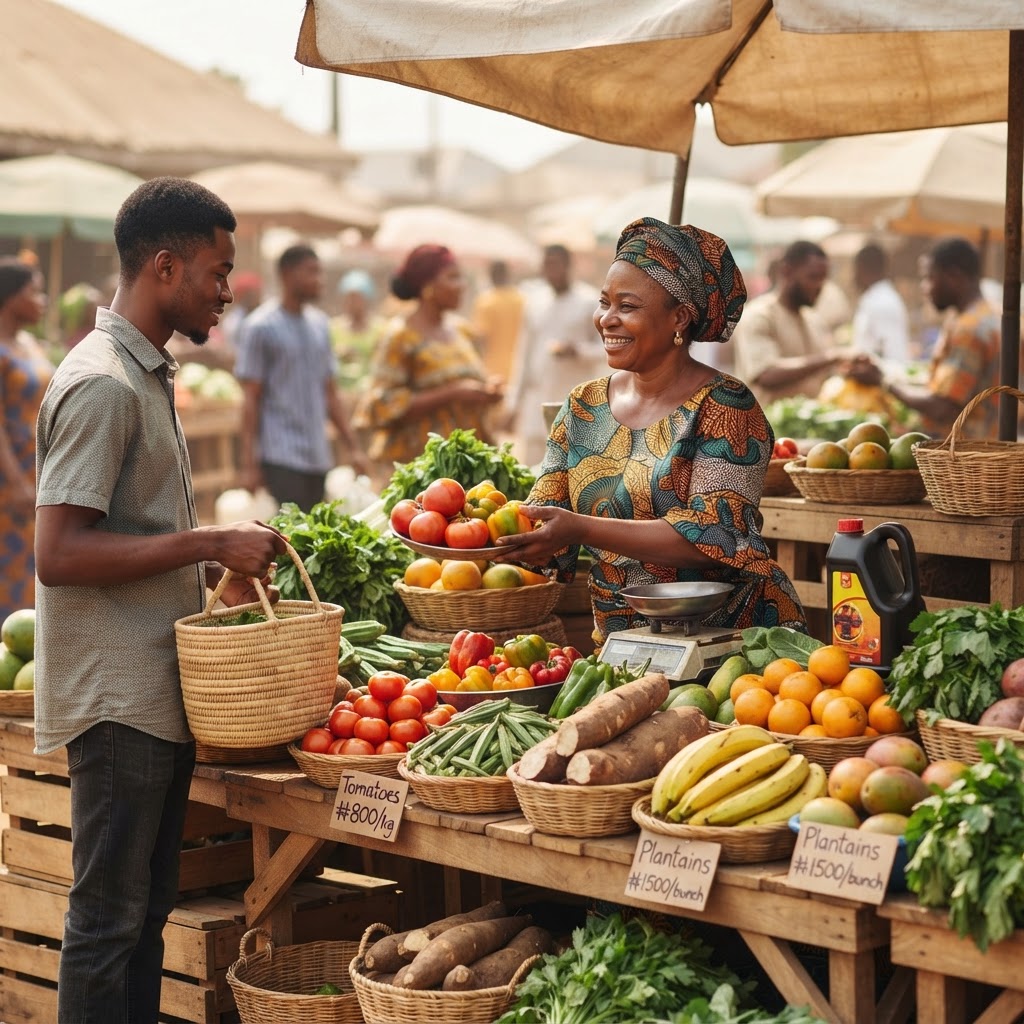
Imo State Farmers’ Market Price Guide
Every trip to Eke Ukwu Owerri or any neighbourhood market in Imo State has become a quiet economic reckoning. Families that once budgeted confidently for monthly groceries now find that the same naira stretches considerably less than it did a year ago. This Imo State Farmers' Market Price Guide is d...