Powered by Obi Mbieri Independent Media Ltd · eziokwubundu.com
$1 = ₦1,328€1 = ₦1,511£1 = ₦1,755Dry Fasting vs Water Fasting: Which Is Right for Nigerians
--- Why Are Nigerians Turning to Fasting for Health? Fasting is not new to Nigerians. From the rigorous daily fasts observed during Ramadan in the predominantly Muslim North to the Christian Lenten season practiced widely across the South, millions of Nigerians already possess a deep cultural and s...
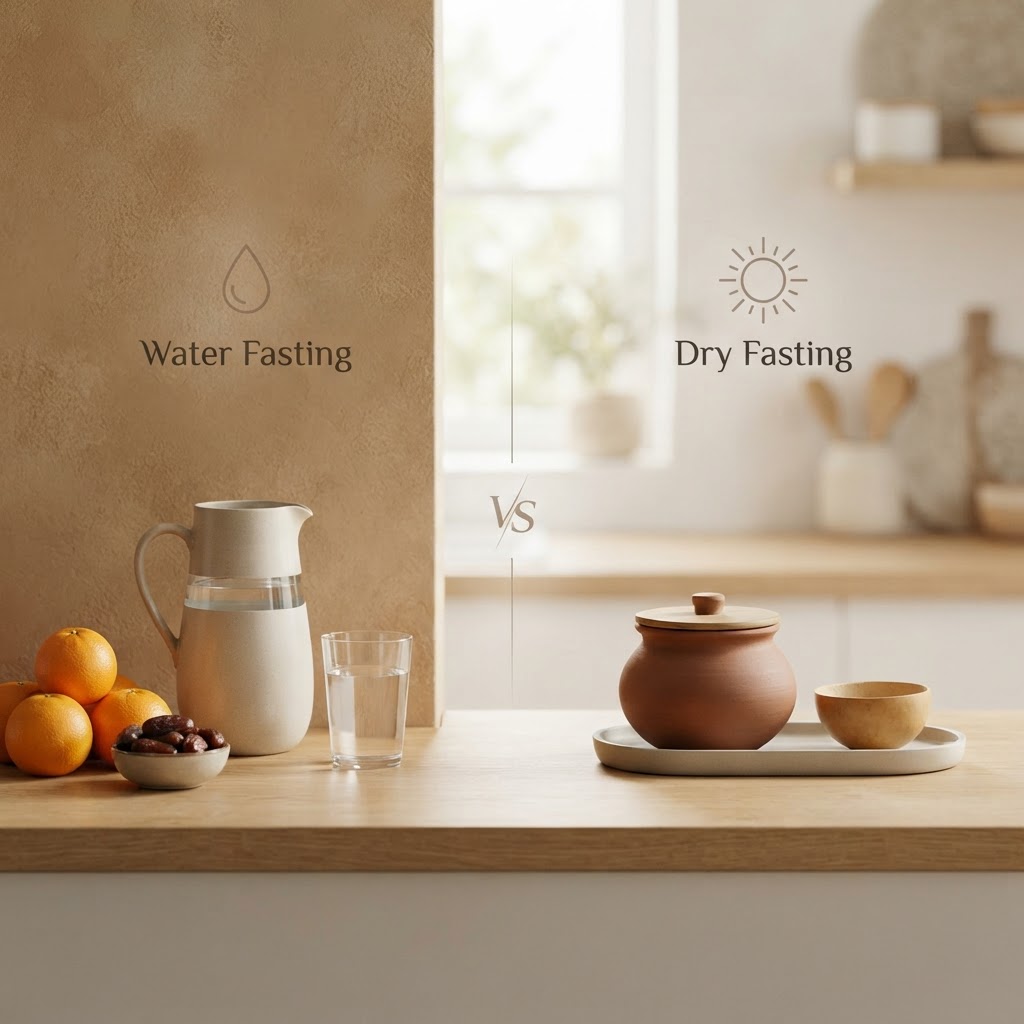
Why Are Nigerians Turning to Fasting for Health?
Fasting is not new to Nigerians. From the rigorous daily fasts observed during Ramadan in the predominantly Muslim North to the Christian Lenten season practiced widely across the South, millions of Nigerians already possess a deep cultural and spiritual familiarity with voluntary food abstinence. What is changing, however, is the motivation. Increasingly, health-conscious Nigerians are layering metabolic goals onto spiritual practice, transforming fasting from a religious obligation into a powerful wellness tool.
This shift carries real economic weight. Improved metabolic health reduces long-term healthcare costs — a critical factor for Nigerian entrepreneurs who cannot afford to lose productive days to preventable illness. Nigeria is simultaneously grappling with a steep rise in Type 2 diabetes and hypertension, driven largely by a diet increasingly dominated by processed carbohydrates, refined sugars, and ultra-processed snacks. Fasting offers a corrective reset.
But not all fasting is equal. This article compares two contrasting methods — dry fasting and water fasting — within the specific context of Nigeria's climate, cuisine, and daily lifestyle demands, to help you determine which approach is truly safe and sustainable for you.
What Is Dry Fasting, and How Extreme Is It?
Dry fasting is, simply put, the complete abstention from both food and water. Within this category, practitioners distinguish between two levels of intensity. Soft dry fasting prohibits drinking any fluid but permits external contact with water — showering, brushing teeth, or swimming. Hard dry fasting, the most extreme form, eliminates all water contact entirely, including bathing.
Proponents of dry fasting frequently cite the biological process of metabolic water production as its defining advantage. When the body is denied external water, it compensates by oxidising fat cells to generate endogenous water — a process that allegedly produces a more aggressive form of cellular autophagy, the body's built-in cellular cleanup mechanism. Advocates claim that 24 hours of dry fasting is metabolically equivalent to approximately 72 hours of water fasting in terms of triggering deep cellular repair and detoxification.
While these claims circulate widely in wellness communities, mainstream scientific validation remains limited. What is acknowledged is that the physiological stress imposed by dry fasting is significantly higher than water fasting, which demands careful consideration before any Nigerian considers attempting it.
How Does Water Fasting Support Long-Term Wellness?
Water fasting involves the complete abstention from all caloric intake while maintaining consistent hydration throughout the fasting period. This method represents what many clinical nutritionists and researchers consider the gold standard of therapeutic fasting, with a far more robust body of peer-reviewed evidence supporting its use.
The core mechanism is straightforward: without incoming calories, the body progressively depletes glycogen stores, transitions into ketosis, and begins utilising fat for fuel — all while the continuous intake of water supports kidney filtration, toxin dilution, and cellular waste removal through the urinary system.
For Nigerians, a critical consideration is electrolyte management. In high-temperature environments, the body loses sodium, potassium, and magnesium through perspiration at accelerated rates. During extended water fasts, replenishing electrolytes — either through mineral-rich water or supplementation — can mean the difference between a productive fast and a dangerous collapse. This is especially relevant for middle-aged Nigerian professionals who may be unknowingly managing subclinical hypertension or insulin resistance.
Research published in Cell Metabolism confirms that water fasting significantly improves insulin sensitivity, making it a clinically relevant intervention for managing the metabolic syndrome increasingly prevalent among sedentary urban Nigerians.
What Are the Core Metabolic Differences Between Both Methods?
Understanding the metabolic distinctions between dry fasting and water fasting is essential for making an informed choice. The most significant difference lies in the speed of ketosis induction. Because dry fasting withholds external hydration, the body is compelled to accelerate fat oxidation to produce metabolic water — pushing the system into fat-burning mode markedly faster than water fasting alone achieves.
Both methods reduce systemic inflammation, as evidenced by declining levels of C-reactive protein (CRP), a key biomarker of inflammatory disease. However, dry fasting imposes a more intense hormetic stress response — a short-term biological stressor that, in theory, triggers a stronger adaptive repair mechanism. The caveat is that this same intensity dramatically narrows the margin for error.
Water fasting, by contrast, supports detoxification through dilution: the liver and kidneys process and excrete metabolic waste products more efficiently when well-hydrated. Dry fasting operates on a fundamentally different principle — cellular competition. Without sufficient water, weaker or damaged cells are theoretically eliminated first as the body prioritises resources, leaving healthier cells to survive and regenerate.
For most Nigerians seeking measurable health improvements without extreme physiological risk, the dilution model of water fasting represents a more clinically defensible strategy. Dry fasting's cellular competition model, while theoretically compelling, remains underresearched in tropical populations. You can explore how community-level health infrastructure supports preventive care in this comprehensive guide to launching a community clinic in Nigeria.
How Does Nigeria's Climate Affect Fasting Safety?
Nigeria's geography creates fasting conditions that are fundamentally different from those experienced by practitioners in Europe or North America, where much of the existing fasting research was conducted. In coastal cities like Lagos, ambient humidity regularly exceeds 80%, causing the body to lose fluids through sweat even during rest. In Maiduguri and the arid North, temperatures can exceed 40°C, dramatically accelerating dehydration onset.
Under these conditions, dry fasting carries a measurably higher risk of acute electrolyte collapse — a state where sodium and potassium levels drop so precipitously that heart palpitations, muscle cramps, and fainting become genuine threats. This risk is compounded for individuals engaged in physical labour or lengthy commutes.
The contrast between a sedentary office worker in Abuja and an active market trader in Onitsha is illustrative. The desk worker, operating in an air-conditioned environment, faces a materially lower dehydration risk during a short dry fast than the entrepreneur navigating open-air markets under direct sunlight. Physical activity level, therefore, should function as a primary determinant of which fasting method is safe for any given individual.
Featured Products
Chukwu Abiama Tee
Bold black-and-gold Igbo-pride T-shirt featuring 'Chukwu Abiama' in premium streetwear typography.
₦15,000
Buy NowReverse Type 2 Diabetes & other associated Metabolic Issues using Dr. Jason Fung's Evidence-Based Approach— FMD program for Type 2 Diabetes
A practical fasting and fasting-mimicking programme built on Dr Jason Fung's insulin-resistance principles and ow-glycemic recipes.
₦19,950
Join NowỤmụ Igbo Tee
Classic black T-shirt with bold white 'Ụmụ Igbo' typography — a proud statement of Igbo heritage.
₦15,000
Buy NowNwanne Tee
Washed khaki vintage tee with a faded rust-orange 'Nwanne' stamp badge and palm leaf motif — a nod to kinship and heritage.
₦18,000
Buy NowObodo Tee
Faded denim-blue washed tee with a cream 'Obodo' stamp badge and sun motif, celebrating community roots.
₦18,000
Buy NowEkwe Heritage Tee
Deep indigo tee featuring a fine line-art illustration of a traditional Igbo ekwe drum, inspired by Igbo-Ukwu bronze artistry.
₦18,000
Buy NowIkenga Figure Tee
Forest green tee with a fine line-art illustration of a stylized Ikenga figure.
₦18,000
Buy NowAccording to WHO hydration guidelines, individuals in tropical climates require between 2.5 and 3.5 litres of water daily under normal conditions — a baseline that dry fasting entirely eliminates.
Which Method Works Better for Weight Loss and Metabolic Health?
For Nigerians whose diets are heavily anchored in starchy staples — Eba, Pounded Yam, Fufu, and Amala — visceral fat accumulation around the abdominal region is a common and clinically significant health outcome. Both fasting methods address this, but through different trajectories.
Dry fasting often produces dramatic short-term weight loss numbers, but a substantial portion of this reduction is water weight, which returns rapidly upon rehydration. This rebound effect can be psychologically discouraging and metabolically confusing for new practitioners.
Water fasting, when sustained over 24 to 72-hour periods with appropriate electrolyte support, promotes more durable fat-mass reduction and measurably improves blood pressure through natural diuresis — the increased excretion of sodium through urine. Given that hypertension affects an estimated 38% of Nigerian adults, according to data cited in the Nigerian Journal of Cardiology, the blood pressure benefits of water fasting carry particular public health significance in this population. Understanding broader food safety and nutritional quality concerns can further inform your approach; the market food safety audit guide for Nigerian communities provides a useful complementary framework.
What Are the Serious Health Risks Nigerians Must Know?
Fasting is not universally safe, and certain Nigerian population groups face elevated risks that make unsupervised fasting — particularly dry fasting — genuinely dangerous. Individuals living with sickle cell disease or sickle cell trait face acute crisis risk during dehydration, as reduced plasma volume increases blood viscosity and the likelihood of vaso-occlusive events. Similarly, those with chronic kidney disease depend on continuous hydration for residual nephron function; withholding water accelerates irreversible kidney damage.
Nigerians on antihypertensive medications — particularly diuretics and ACE inhibitors — must consult their physician before any extended fast, as these drugs alter fluid and electrolyte dynamics in ways that can be fatally compounded by prolonged dehydration.
A frequently overlooked risk is Refeeding Syndrome, which occurs when heavy meals are consumed immediately after extended water fasts. The rapid reintroduction of carbohydrates causes a surge in insulin secretion, pulling phosphate, magnesium, and potassium into cells and potentially precipitating dangerous electrolyte shifts, cardiac arrhythmia, and neurological symptoms.
Warning signs that demand immediate termination of any fast include extreme lethargy, severe dizziness, sudden mental confusion, rapid heartbeat, and inability to urinate. At this stage, the fast must end — beginning with small sips of water or electrolyte solution.
How Can Busy Nigerian Professionals Fast Safely?
For the working Nigerian professional, the 16:8 Intermittent Water Fasting model — eating within an eight-hour window and fasting for sixteen hours, including sleep — represents the most practical, sustainable entry point. It preserves cognitive performance during business hours, aligns with natural circadian rhythms, and requires no disruption to professional obligations.
If dry fasting is being considered at all, it should be reserved exclusively for weekends or scheduled rest days when physical exertion and sun exposure are minimal, and ideally during the harmattan season when temperatures are lower.
Socially, Nigerian culture presents unique challenges. Navigating the food abundance of an Owambe party or a family gathering during a fasting protocol requires clear, confident communication without alienating hosts. Framing your dietary approach as a health decision — rather than a rejection of hospitality — is almost always received respectfully. Access to telehealth resources can also help professionals monitor their health remotely; explore telemedicine options for rural and urban Nigerians as a support tool.
What Are the Best Nigerian Foods for Breaking a Fast?
Breaking a fast correctly is as important as the fast itself. The digestive system, having been dormant, requires a gradual and gentle reintroduction of nutrients. The ideal first foods are light, moist, and easily digestible: fresh coconut water provides natural electrolytes; warm bone broth prepared in the style of Nigerian pepper soup delivers collagen, minerals, and light protein; small servings of watermelon, papaya, or pineapple offer hydration alongside simple sugars that restore glycogen without overwhelming the gut.
Heavy swallow foods — Eba, Pounded Yam, or Fufu — should be avoided for at least two to four hours after breaking a fast. Similarly, fried and highly spiced foods like Jollof Rice with Dodo can trigger severe gastric cramping in a fasted digestive system.
Fermented local foods deserve special mention: Ugba (oil bean) and Pap (Ogi/Akamu) are excellent gut-restoration foods, as they naturally reintroduce beneficial bacteria to a microbiome that fasting has temporarily reset, supporting long-term digestive resilience. For further context on ensuring food quality in your local market, this Nigerian food safety guide from NAFDAC provides regulatory benchmarks worth knowing.
Which Fasting Method Is Right for Your Health?
The verdict is clear: water fasting is the sustainable marathon, suitable for the vast majority of Nigerians seeking improved metabolic health, weight management, and disease prevention. Dry fasting is a high-intensity sprint — potentially powerful for advanced practitioners operating under controlled, low-heat conditions, but carrying risks that are materially amplified in Nigeria's tropical climate.
At eziokwubundu.com, our philosophy is rooted in the conviction that personal health is the foundation of community wealth. A Nigerian professional who fasts wisely, preserves their kidney function, maintains their blood pressure, and returns to work clear-headed is better positioned to contribute to their family, their business, and their community.
The recommended path: Begin with a 16:8 intermittent water fast. Build tolerance over four to eight weeks. Only consider short-duration soft dry fasting — no longer than 16 to 20 hours — during cooler months and ideally under medical supervision. Your health is your most valuable asset. Protect it with knowledge.
This article is intended for informational purposes only and does not constitute medical advice. Consult a qualified healthcare provider before beginning any fasting protocol, especially if you manage a chronic health condition.
Stay Informed
Get New Articles in Your Inbox
Subscribe to receive the latest community development, health, and wealth insights from Eziokwubundu.
Newsletter
Practical insights on health, wealth, and community — delivered weekly.
Community Discussion(0)
Leave a Comment
More to Read
You May Also Like

Strategic Wellness and Fiscal Growth for Nigerians
Achieving a state of total well-being requires more than just physical health or financial stability alone. For the modern Nigerian, success is a multi-dimensional pursuit that bridges the gap between traditional values and global opportunities. By integrating science-based natural health solutions ...

5 Signs Your Blood Pressure May Be Too High
Imagine feeling completely fine while your arteries are quietly under siege. That is the reality for millions of Nigerians living with undiagnosed hypertension. Recognizing 5 Signs Your Blood Pressure May Be Too High could be the difference between early intervention and a medical emergency. Underst...

Can Insulin Help You Lose Weight? Risks and Medical Facts
Insulin often gets blamed for weight struggles among Nigerian families managing diabetes. But the science is more nuanced than blind blame suggests. This article, Can Insulin Help You Lose Weight? Risks and Medical Facts, examines what research actually shows. It looks at this essential hormone and ...

Apply Now: $10,000 African AI Drug Discovery Fellowships
AI is no longer a distant Silicon Valley dream — it is now shaping how Africa fights disease. That is why the Apply Now: $10,000 African AI Drug Discovery Fellowships program deserves attention from every Nigerian family, student, and entrepreneur who cares about the future of healthcare on this con...

Fermented Nigerian Foods That Heal Your Gut
Your grandmother never called it a probiotic — but she knew exactly what she was doing when she prepared a warm bowl of akamu for a sick child or served ugba at a family gathering. Fermented Nigerian foods have sustained communities for centuries, and modern nutrition science is now confirming what ...

Ondo Alcohol Deaths: What Is Methanol and How Can Nigerians Avoid Poisoning?
The deaths in Ondo State have sent shockwaves across Nigeria. At least 48 people lost their lives after consuming what appeared to be ordinary local alcoholic drinks. Hundreds more were hospitalised, some permanently blinded, others left fighting for their organs. The National Agency for Food and Dr...

Affordable healthcare options for rural Nigerians
Access to quality medical care remains one of the most pressing challenges facing millions of Nigerians living outside major cities. For rural families, a single illness can mean a long journey to the nearest clinic, an unaffordable hospital bill, or worse — no treatment at all. Understanding and ac...

Unapproved Orphanages in Nigeria: How Safe Are Children in Private Care Homes?
Across Nigeria, thousands of children live in private care homes that operate outside the law. Some are run by well-meaning individuals overwhelmed by the scale of child poverty. Others are driven by profit, exploiting the image of vulnerable children to attract foreign donations while providing sub...
Imo State Farmers’ Market Price Guide
Every trip to Eke Ukwu Owerri or any neighbourhood market in Imo State has become a quiet economic reckoning. Families that once budgeted confidently for monthly groceries now find that the same naira stretches considerably less than it did a year ago. This Imo State Farmers' Market Price Guide is d...