Powered by Obi Mbieri Independent Media Ltd · eziokwubundu.com
$1 = ₦1,332€1 = ₦1,498£1 = ₦1,775Safely Combining Metformin and Bitter Leaf Supplements
Managing type 2 diabetes in Nigeria often involves navigating the careful balance between modern pharmaceuticals like metformin and cherished local remedies such as Bitter Leaf (Vernonia amygdalina). Combining traditional wisdom with evidence-based medicine can strengthen family health and community...
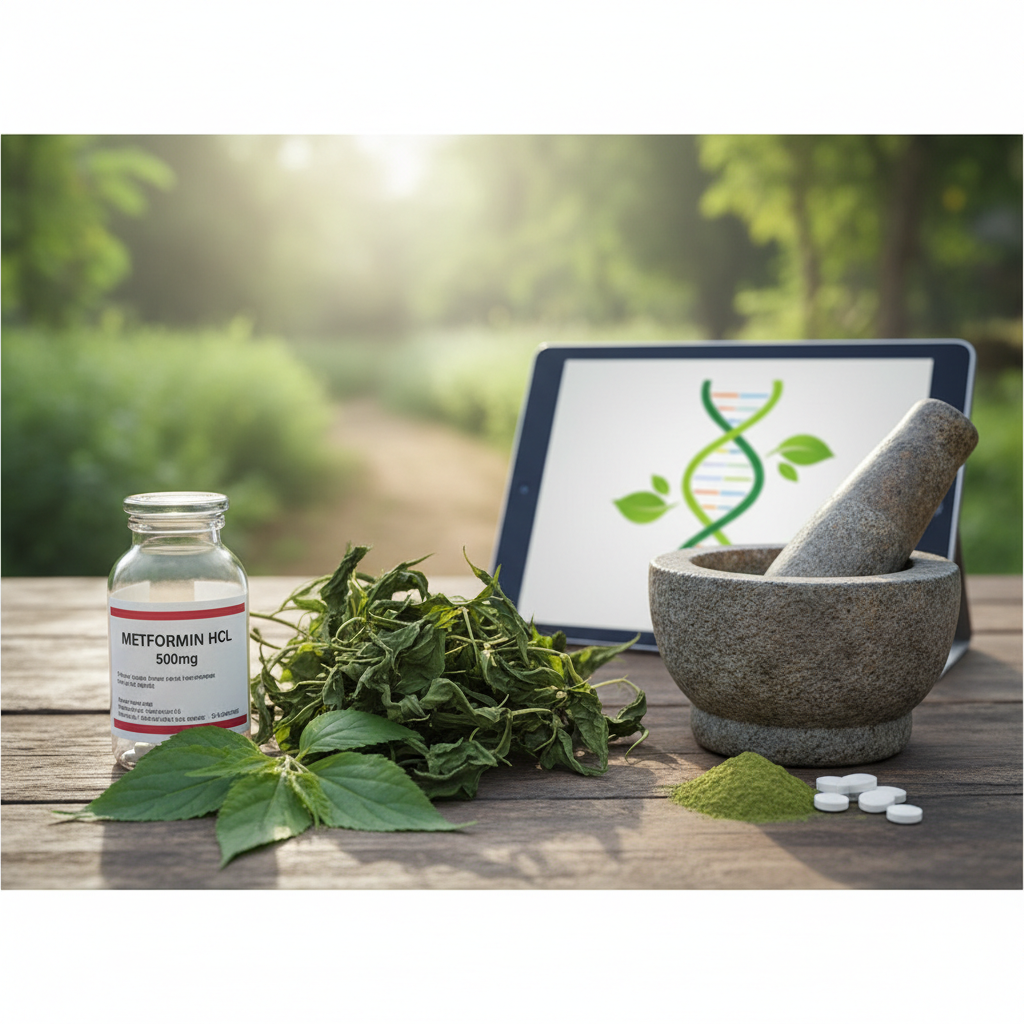
Managing type 2 diabetes in Nigeria often involves navigating the careful balance between modern pharmaceuticals like metformin and cherished local remedies such as Bitter Leaf (Vernonia amygdalina). Combining traditional wisdom with evidence-based medicine can strengthen family health and community resilience—if done safely. This guide updates practical, practical-first advice (Health + Wealth + Community) on how to use Bitter Leaf alongside metformin while protecting kidney function and preserving daily productivity.
For many Nigerian families, diabetes care is not just about taking a pill; it is about keeping earning power, caring for elders, and maintaining community responsibilities. Below you will find up-to-date clinical guidance, recent research summaries, and clear action steps you can use—or share at your next clinic visit.
Understanding Metformin and Blood Sugar
Metformin remains the preferred first-line oral medication for most people with type 2 diabetes. Major diabetes guidelines (including ADA and international consensus documents through 2024) continue to recommend metformin at the start of therapy together with lifestyle change because it lowers hepatic glucose production, improves insulin sensitivity, and generally has a favorable effect on weight and cardiovascular outcomes when started early.
Key clinical points:
- Metformin lowers fasting glucose by reducing liver gluconeogenesis and improves peripheral glucose uptake.
- It does not usually increase insulin secretion, so the risk of hypoglycemia from metformin alone is low unless combined with other glucose-lowering agents or potent herbal hypoglycemics.
- Metformin is cleared unchanged by the kidneys; therefore renal function directly affects safe dosing.
Practical tip for households: Treat metformin as the backbone of pharmacologic control while lifestyle—diet, regular activity, weight management, and stress reduction—remains fundamental.
How Metformin Stabilizes Your Body
Metformin works through several mechanisms:
- Decreasing glucose production by the liver.
- Sensitizing muscle and adipose tissue to insulin.
- Slowing glucose absorption after a meal to a modest degree.
These actions make it a reliable, economical drug for busy Nigerians who need steady glucose control to remain productive and support families. Common side effects to watch for include transient gastrointestinal upset and, with long-term use, the possibility of vitamin B12 deficiency—so periodic B12 checks (every 1–3 years) are reasonable for long-term users.
The Science of Bitter Leaf (Vernonia amygdalina)
Bitter Leaf has a long history in Nigerian diets and traditional medicine. Laboratory studies and some human trials suggest bitter leaf contains phytochemicals (saponins, alkaloids, flavonoids, bitter glycosides) that may exert modest glucose-lowering and antioxidant effects.
What the research shows (recent synthesis, 2018–2024–25):
- Several small clinical and observational studies in West Africa have reported modest reductions in fasting glucose following consumption of bitter leaf preparations or extracts. Study designs and preparations vary widely.
- Systematic reviews note promising signals but emphasize heterogeneity: differences in dose, preparation (tea, fresh leaf, standardized extract), duration, and study quality limit definitive conclusions.
- By 2024–2025, preliminary pharmacology work has explored mechanisms (enhanced peripheral glucose uptake and enzyme modulation), but high-quality large randomized controlled trials and standardized product testing remain limited.
Practical takeaway: Bitter Leaf, when used as a food (in soups and stews), is generally low risk and can be part of a healthy diet. Concentrated supplements or medicinal extracts are more potent and should be used with caution when combined with prescription diabetes medicines.
Risks of Combining Treatments
Combining metformin with bitter leaf can produce additive glucose-lowering effects. This may be beneficial—if carefully monitored—but also can increase the risk of hypoglycemia and complicate kidney management if any component affects renal clearance or causes dehydration.
Important risk notes:
- Metformin is renally excreted; any factor that reduces kidney perfusion (dehydration, certain herbs with diuretic effects, intercurrent illness) or directly impairs renal function can increase metformin levels.
- Herbal preparations vary in strength and purity. Some products may contain contaminants, undisclosed drugs, or inconsistent concentrations.
- There is limited but emerging evidence (2023–2025 pharmacovigilance reports from West African clinics) suggesting cases where potent herbal extracts contributed to unexpectedly low glucose readings or dehydration, requiring medication review.
Preventing dangerous hypoglycemia:
- Know hypoglycemia signs: sweating, shakiness, dizziness, confusion, palpitations, difficulty concentrating, or fainting.
- Keep an easy sugar source at hand (glucose gel, fruit juice, biscuits).
- If you take both metformin and a bitter leaf supplement, check blood glucose more often—especially in the first 4–6 weeks.
Protecting Your Kidney Health
Kidney protection is a top priority for Nigerians with diabetes. Chronic kidney disease (CKD) is a common long-term complication of poorly controlled diabetes and is costly for families and communities.
Updated, practical kidney guidance:
Featured Products
Chukwu Abiama Tee
Bold black-and-gold Igbo-pride T-shirt featuring 'Chukwu Abiama' in premium streetwear typography.
₦15,000
Buy NowReverse Type 2 Diabetes & other associated Metabolic Issues using Dr. Jason Fung's Evidence-Based Approach— FMD program for Type 2 Diabetes
A practical fasting and fasting-mimicking programme built on Dr Jason Fung's insulin-resistance principles and ow-glycemic recipes.
₦19,950
Join NowỤmụ Igbo Tee
Classic black T-shirt with bold white 'Ụmụ Igbo' typography — a proud statement of Igbo heritage.
₦15,000
Buy NowNwanne Tee
Washed khaki vintage tee with a faded rust-orange 'Nwanne' stamp badge and palm leaf motif — a nod to kinship and heritage.
₦18,000
Buy NowObodo Tee
Faded denim-blue washed tee with a cream 'Obodo' stamp badge and sun motif, celebrating community roots.
₦18,000
Buy NowEkwe Heritage Tee
Deep indigo tee featuring a fine line-art illustration of a traditional Igbo ekwe drum, inspired by Igbo-Ukwu bronze artistry.
₦18,000
Buy NowIkenga Figure Tee
Forest green tee with a fine line-art illustration of a stylized Ikenga figure.
₦18,000
Buy Now- Baseline kidney testing: get serum creatinine and calculate eGFR and a urine albumin-to-creatinine ratio (uACR) before starting metformin and before adding potent herbal supplements.
- Metformin safety thresholds: do not start metformin if eGFR <30 mL/min/1.73 m². For eGFR 30–45, discuss dose adjustment and close monitoring with your clinician. (Current international guidance through 2024–2025 follows this approach.)
- Repeat kidney tests at least annually for stable patients; test every 3–6 months if there is albuminuria, worsening glycemic control, or when adding new medications or herbal treatments.
- Protect kidneys with proven measures: good blood pressure control (ACE inhibitor or ARB when albuminuria present), blood sugar control, statin therapy if indicated, smoking cessation, and reducing high-protein supplements when CKD is present.
Community-level note: Early detection (community screening events and local clinics) prevents late-stage kidney disease that can bankrupt families.
Practical, Step-by-Step Plan to Combine Metformin and Bitter Leaf Safely
Talk to your healthcare provider first
- Always disclose herbal use to your doctor, nurse, or pharmacist. Full disclosure prevents harmful interactions and builds trust.
- If you don’t have a regular clinic, bring a family member to the next community health screening to discuss medication and herbal use.
Baseline checks before combining
- Confirm recent eGFR and uACR.
- Record a baseline HbA1c and fasting glucose.
- Review all medications (including over-the-counter, herbal teas, and supplements).
Prefer food-based bitter leaf over concentrated extracts
- Using bitter leaf as part of meals (Onugbu soup, blended in small amounts) is lower risk than concentrated supplements.
- If you wish to use standardized bitter leaf supplements, insist on products with batch testing and clear dosing information.
Start low and monitor
- If trying a bitter leaf supplement while on metformin, introduce the herb at a low dose and check blood glucose daily for the first 1–2 weeks, then multiple times weekly.
- Increase monitoring (SMBG or clinic checks) during illness, fasting, or when activity or diet changes.
Know when to stop or seek care
- Immediately stop the herbal supplement and consult your clinician if you have repeated low glucose readings (<4.0 mmol/L or symptomatic hypoglycemia), dizziness, fainting, decreased urine output, persistent vomiting, or new swelling.
- Seek urgent care for severe hypoglycemia or sudden changes in mental status.
Medication adjustments
- Do not change or stop prescribed diabetes medication without clinician advice.
- If persistent lower glucose values occur, your clinician may reduce doses of metformin or other glucose-lowering drugs, or advise continued use with closer monitoring.
Quality, Sourcing, and Safety of Bitter Leaf Products
Herbal product quality is variable. Use these practical checks:
- Buy from reputable vendors with visible lab testing or pharmacy-supplied preparations.
- Avoid products that claim miraculous cures, fix all diseases, or guarantee rapid weight loss or diabetes reversal.
- Prefer preparations documented on the product label with ingredient lists, dosage instructions, and manufacturer contact.
Community action: Encourage local market regulation and community education on safe herbal practices. Local co-operatives can work with labs to provide simple batch testing for contaminants.
Recent Evidence and What It Means for You (2024–2025 summary)
- Research to date indicates bitter leaf may have modest glucose-lowering potential, but studies are small and heterogeneous. Larger, well-designed clinical trials are still needed.
- Pharmacology and pharmacovigilance data through 2024–2025 highlight the potential for additive glucose-lowering effects when herbs are combined with diabetes medicines. This reinforces the need for monitoring rather than blanket prohibition.
- There have been case reports in West Africa of dehydration or acute kidney injury after use of strong herbal extracts with other medications—underscoring caution.
Expert perspective:
- From guideline consensus (ADA Standards of Care, 2024): “Metformin remains the preferred initial pharmacologic agent for type 2 diabetes; when patients use complementary or alternative therapies, clinicians should monitor for interactions and adverse effects.”
- A Lagos-based endocrinologist who works in both clinic and community outreach advises: “Many patients benefit from honoring traditional diets and medicines—but safety depends on dose, product quality, and medical supervision. When a patient begins an herbal supplement, we increase monitoring, check kidney function sooner, and involve pharmacists to avoid surprises.”
- A community pharmacist in Abuja stresses: “Pharmacies can help by verifying products and counseling on when to see a clinician. Small changes in blood sugar—if noticed early—avoid bigger problems for families.”
(These expert perspectives reflect prevailing clinical practice and community-care experience in Nigerian settings.)
Protecting Family Finances and Productivity (Practical Prosperity)
Safe combination slows complications that otherwise drain household resources. Early monitoring, community screening, and modest investments in SMBG equipment or clinic checks can prevent hospital admissions and dialysis—both financially devastating. Consider:
- Joining local diabetes support groups or cooperative buying arrangements to reduce costs of quality supplements and test supplies.
- Using community health workers to provide education and reminders about medication, diet, and monitoring.
Action Checklist (For Patients and Families)
- Tell your clinician about all herbs, teas, and supplements you use.
- Get baseline kidney tests (eGFR and uACR) before starting herbal supplements.
- Prefer food-based bitter leaf; be cautious with concentrated extracts.
- Monitor blood glucose more frequently (daily for 1–2 weeks) when starting a new supplement.
- Carry a quick sugar source and learn hypoglycemia first aid.
- Repeat kidney tests at least annually; sooner if you’re unwell or changing treatments.
- Consider B12 testing every 1–3 years if on long-term metformin.
- Engage community resources—local clinics, pharmacists, or health outreach—for education and low-cost monitoring.
Final Thoughts: Traditional Values, Modern Progress
Combining traditional remedies like Bitter Leaf with modern therapy such as metformin can work—when guided by evidence, monitoring, and community support. Eziokwubundu’s approach—Health + Wealth + Community—means recommending practical, affordable actions that protect health and family prosperity. Use Bitter Leaf as part of a nutritious diet, consult healthcare professionals before taking concentrated supplements, and prioritize kidney testing and glucose monitoring. With the right steps, families can honor cultural practices while using modern medicine safely.
If you or a family member are planning to add a Bitter Leaf supplement while on metformin, book a clinic visit or community health screening and bring a list of products you currently use. Community-first care keeps Nigerians healthier, together.
Stay Informed
Get New Articles in Your Inbox
Subscribe to receive the latest community development, health, and wealth insights from Eziokwubundu.
Newsletter
Practical insights on health, wealth, and community — delivered weekly.
Community Discussion(0)
Leave a Comment
More to Read
You May Also Like

Affordable Home Preventive Health for Nigerian Families
The Hidden Cost of Reactive Healthcare in Nigeria In the heart of many Nigerian households, the approach to healthcare is often reactive. We wait for a fever to become debilitating or a cough to persist for weeks before seeking medical attention. This reactive cycle is not only dangerous for our phy...

Can Fasting Help Lower High Blood Pressure? What Experts Say
High blood pressure quietly affects millions of Nigerian adults, often with no obvious warning signs. Many families are now turning to fasting as a natural way to manage it. This article explores the question many are asking: Can Fasting Help Lower High Blood Pressure? What Experts Say reveals surpr...

Why Antibiotics Fail: Understanding Antimicrobial Resistance
Picture a child in Lagos battling pneumonia, given antibiotics that simply don't work anymore. This is no longer a distant fear—it's a documented reality shaping healthcare across Nigeria. Why Antibiotics May Stop Working: Understanding Antimicrobial Resistance is the question every Nigerian family,...

Strategic Wellness and Fiscal Growth for Nigerians
Achieving a state of total well-being requires more than just physical health or financial stability alone. For the modern Nigerian, success is a multi-dimensional pursuit that bridges the gap between traditional values and global opportunities. By integrating science-based natural health solutions ...

5 Signs Your Blood Pressure May Be Too High
Imagine feeling completely fine while your arteries are quietly under siege. That is the reality for millions of Nigerians living with undiagnosed hypertension. Recognizing 5 Signs Your Blood Pressure May Be Too High could be the difference between early intervention and a medical emergency. Underst...
Can Insulin Help You Lose Weight? Risks and Medical Facts
Insulin often gets blamed for weight struggles among Nigerian families managing diabetes. But the science is more nuanced than blind blame suggests. This article, Can Insulin Help You Lose Weight? Risks and Medical Facts, examines what research actually shows. It looks at this essential hormone and ...