Powered by Obi Mbieri Independent Media Ltd · eziokwubundu.com
$1 = ₦1,329€1 = ₦1,514£1 = ₦1,760Obi-Mbieri Seplat Dispute: 10 Documents That Could Reveal Where the Money Went
The Obi-Mbieri Autonomous Community in Imo State sits atop one of Nigeria's most strategically significant oil-producing corridors, yet the roads remain broken, the primary health centres underfunded, and the boreholes few and far between. For a community whose land generates billions in petroleum r...

The Obi-Mbieri Autonomous Community in Imo State sits atop one of Nigeria's most strategically significant oil-producing corridors, yet the roads remain broken, the primary health centres underfunded, and the boreholes few and far between. For a community whose land generates billions in petroleum revenue, this paradox is not accidental — it is the direct consequence of financial opacity, institutional failure, and a paper trail that has never been fully examined in public. This article maps the ten documents that could finally answer the question Nigerian families, diaspora stakeholders, and community leaders are urgently asking: where did the money go?
Why Is the Obi-Mbieri Seplat Dispute Critical for Community Wealth?
Understanding the Economic Stakes of Local Resource Management
The relationship between Seplat Energy PLC and the Obi-Mbieri Autonomous Community did not begin with Seplat. It began decades earlier, under Shell Petroleum Development Company's stewardship of Oil Mining Leases (OMLs) in the South-East geopolitical zone. When Seplat acquired key assets from Shell in a landmark divestment — part of the international oil majors' broader withdrawal from onshore Nigeria — host communities expected a fresh start, improved communication, and more transparent benefit-sharing. What many communities received instead was a transition period that left existing agreements in legal limbo and community trust accounts understated.
Industry benchmarks suggest that oil-producing communities in the Niger Delta and South-East corridors should be accessing, at minimum, infrastructure investments equivalent to hundreds of millions of naira annually from a mid-sized operational block. A comparative review of communities hosting similar-scale Seplat operations against Obi-Mbieri's current infrastructure deficit reveals a staggering gap — one that cannot be explained by geography or logistics alone.
The health dimension of this wealth gap is direct and measurable. When community development funds disappear or are misallocated, the first casualties are functional primary healthcare centres and clean water infrastructure. Water-borne diseases — typhoid, cholera, and chronic gastrointestinal illness — become endemic. Maternal mortality rates remain elevated. Families bear preventive healthcare costs that properly funded community clinics would have absorbed. This is the health-wealth connection that the Obi-Mbieri Women Wing Annual Meeting has long raised as a foundational community concern.
At eziokwubundu.com, our mission is to translate corporate jargon into actionable community knowledge. The Seplat dispute is not an abstract legal matter — it is a public health emergency, an economic justice issue, and a test of whether Nigerian communities can demand and receive the practical prosperity their resources rightfully generate.
What Are the 10 Documents That Could Reveal the Truth?
The Paper Trail Required for Financial Transparency
Transparency begins with documentation. Below are the ten specific records that, if produced and verified, would provide a complete financial picture of what Seplat Energy PLC has paid, what the community trust has received, and where every naira has been directed.
Document 1: The Global Memorandum of Understanding (GMoU)
The GMoU is the foundational legal instrument that governed the relationship between oil operators and host communities under the pre-PIA framework. For Obi-Mbieri, this document establishes the baseline obligations Shell originally committed to — and which Seplat, as asset acquirer, may have inherited or renegotiated. Reviewing the GMoU would clarify the annual contribution commitments, project categories, and dispute resolution mechanisms that were in place before the Petroleum Industry Act (PIA) reformed the entire framework. A copy of this document should be held by both Seplat's legal department and the community's elected trust committee.
Document 2: The Host Community Development Trust (HCDT) Deed
Under the PIA 2021, oil companies are now legally required to establish a Host Community Development Trust. The HCDT Deed replaces the informal GMoU architecture with a regulated, auditable structure. For Obi-Mbieri, the existence, registration status, and content of this deed is the single most important document in the dispute. If the deed has not been constituted and registered with the Nigerian Upstream Petroleum Regulatory Commission (NUPRC), Seplat is already in statutory non-compliance.
Document 3: Verified Bank Statements of the Community Trust Account
These statements would show, month by month, every credit from Seplat and every debit authorised by trust administrators. Cross-referencing inflows against Seplat's declared contributions would instantly reveal whether promised funds were transferred in full or withheld. Community leaders should request certified bank statements from the account-holding institution under a formal board resolution.
Document 4: Annual Financial Audits of the Trust Fund
Beyond bank statements, independent annual audits provide a higher-order view of how funds were categorised, what was classified as administrative overhead versus project expenditure, and whether audit qualifications or disclaimers were issued. In many host community disputes across the Niger Delta, audits have revealed that over 40% of declared project expenditure was absorbed by administrative costs — a red flag that warrants forensic review.
Document 5: Project Verification Reports
For every infrastructure project claimed as completed — boreholes, school blocks, health posts — a project verification report should exist, signed by an independent engineer and a community representative. These reports confirm physical completion, cost-to-budget variance, and quality certification. Their absence, or their existence without accompanying photographic and geo-tagged evidence, is a critical accountability gap.
Featured Products
Chukwu Abiama Tee
Bold black-and-gold Igbo-pride T-shirt featuring 'Chukwu Abiama' in premium streetwear typography.
₦15,000
Buy NowReverse Type 2 Diabetes & other associated Metabolic Issues using Dr. Jason Fung's Evidence-Based Approach— FMD program for Type 2 Diabetes
A practical fasting and fasting-mimicking programme built on Dr Jason Fung's insulin-resistance principles and ow-glycemic recipes.
₦19,950
Join NowỤmụ Igbo Tee
Classic black T-shirt with bold white 'Ụmụ Igbo' typography — a proud statement of Igbo heritage.
₦15,000
Buy NowNwanne Tee
Washed khaki vintage tee with a faded rust-orange 'Nwanne' stamp badge and palm leaf motif — a nod to kinship and heritage.
₦18,000
Buy NowObodo Tee
Faded denim-blue washed tee with a cream 'Obodo' stamp badge and sun motif, celebrating community roots.
₦18,000
Buy NowEkwe Heritage Tee
Deep indigo tee featuring a fine line-art illustration of a traditional Igbo ekwe drum, inspired by Igbo-Ukwu bronze artistry.
₦18,000
Buy NowIkenga Figure Tee
Forest green tee with a fine line-art illustration of a stylized Ikenga figure.
₦18,000
Buy NowDocument 6: Environmental Impact Assessment (EIA) Compensation Records
Oil spills, gas flaring, and soil degradation have measurable economic costs for farming and fishing communities. EIA compensation records detail the amounts assessed, awarded, and paid to affected landowners and community co-operatives. Comparing these figures against the documented environmental incidents on Seplat's operational corridors near Mbieri would confirm whether remediation funds were paid directly to affected families or absorbed elsewhere.
Documents 7 Through 10: The Operational Paper Trail
The final four documents drill into the operational mechanics of spending. Surface Rights Payment Vouchers (Document 7) record every payment made for land access and identify the signatories — revealing whether legitimate landowners or proxy claimants received compensation. Minutes of Community-Stakeholder Meetings (Document 8) provide a chronological record of what was promised, debated, and agreed — making verbal commitments traceable. CSR Budget Allocation Sheets (Document 9) disaggregate Seplat's declared community investment by project type and contractor, exposing whether funds were channelled to affiliated shell companies. Finally, Tax Clearance Certificates for Local Contractors (Document 10) confirm whether contractors who received community project payments are legitimate, tax-compliant businesses registered with the Federal Inland Revenue Service (FIRS) — or fictitious entities created solely to extract funds.
Together, these ten documents form a complete accountability matrix. Any attempt to withhold or delay their production should itself be treated as evidence of financial misconduct.
How Does the PIA Redefine These Financial Obligations?
Navigating the New Legal Framework for Host Communities
The Petroleum Industry Act 2021 represents the most significant restructuring of Nigeria's oil governance in sixty years. For host communities like Obi-Mbieri, its most consequential provision is the mandatory 3% of annual operating expenditure (OPEX) contribution — not the discretionary CSR grants of the previous era, but a legally enforceable allocation monitored by the NUPRC.
This shift fundamentally changes the nature of the Obi-Mbieri dispute. Under the old GMoU model, communities negotiated contributions through informal power dynamics where oil companies held most of the leverage. Under the HCDT model, the law sets the floor. Non-compliance carries penalties including production licence review and reputational sanctions under Nigeria's growing ESG regulatory environment.
The danger the Obi-Mbieri community faces is a transition gap: the period between when the GMoU expired and when a fully constituted HCDT was established. During this window, financial obligations may have been discharged informally, incompletely, or not at all. Community leaders, supported by legal counsel familiar with NUPRC regulations, can file a formal compliance complaint demanding an audited account of all disbursements in this transition period. This is not confrontation — it is law.
Where Should Missing Funds Have Been Allocated?
Rebuilding Community Health and Infrastructure
Modelling what 3% of a mid-scale Seplat operational block's annual OPEX could deliver is both instructive and sobering. Conservative industry estimates place average OPEX for a producing block at ₦8–12 billion naira annually. Three percent of that figure — ₦240 million to ₦360 million per year — would be sufficient to construct and equip two modern primary health care centres with maternal delivery suites, sink twelve industrial-grade boreholes providing clean water to over 10,000 residents, fund 200 university scholarships annually for Obi-Mbieri youth, and establish an agricultural micro-grant programme supporting smallholder farmers displaced by oil infrastructure.
The contrast with current reality is stark. Water-borne diseases remain among the leading causes of child mortality in Mbieri communities. Families that cannot access affordable clean water face compounding health costs — a dynamic explored in our guide on 10 Nigerian Foods That Quietly Fight Diabetes, where nutritional health is shown to be inseparable from access to safe water and clean environments.
A community-first development model would use resource wealth as the foundation of shared infrastructure — not as a source of elite capture. Individual prosperity, in this framework, rises only when collective systems are maintained and expanded.
What Steps Can Stakeholders Take to Access These Records?
A Practical Guide to Grassroots Accountability
Nigerian community leaders have legal tools available that are underutilised. The Freedom of Information (FOI) Act 2011 grants citizens and organisations the right to request specific public records from government agencies, including the NUPRC and the Department of Petroleum Resources. A well-drafted FOI request, citing the specific document categories listed above and referencing the PIA's host community provisions, must receive a response within seven working days.
For local youth professionals and community journalists, the accountability process begins with documentation. Photograph every completed — and every uncompleted — project. Log GPS coordinates. Record dates. Build a visual archive that can be cross-referenced against declared project expenditure. Digital platforms, including community WhatsApp groups, YouTube channels, and social media pages, can amplify verified findings to diaspora audiences, journalists, and regulatory bodies. The Obi-Mbieri Palace Desperation incident demonstrates that information control remains a contested battleground in Mbieri — which is precisely why grassroots documentation is essential.
The Eze-in-council and traditional institution leadership carry moral and legal standing in these matters. Formal engagement through the traditional authority structure — requesting a forensic audit through a letter co-signed by the Eze, the community development committee, and legal counsel — is a measured, peace-preserving path that oil companies find difficult to dismiss without public consequence. This dispute should also be considered in the context of the broader political landscape, as detailed in our analysis of Mbaitoli 2027: What Are the Issues That Could Decide the Next Election?, where resource management accountability is emerging as a defining electoral issue.
How Does Accountability Benefit Both Community and Corporation?
Securing a Sustainable Future for Obi-Mbieri
The business case for Seplat to embrace full transparency is compelling. Every production shutdown caused by community protests costs an operator an estimated $500,000 to $2 million per day in lost revenue and remediation costs, according to industry risk assessments. Resolving the Obi-Mbieri dispute through verifiable financial disclosure eliminates this social risk, improves Seplat's Environmental, Social, and Governance (ESG) rating — increasingly scrutinised by international investors — and protects long-term licence renewal prospects.
For Obi-Mbieri, the path to self-improvement begins with information. Eziokwubundu's core belief is that knowledge is the first form of preventive medicine — for bodies and for communities. By demanding the ten documents, by insisting on audited accounts, and by leveraging the full weight of the PIA's legal protections, Obi-Mbieri can begin the journey from resource-rich-but-poor to genuinely prosperous. Diaspora Nigerians from Mbieri carry unique leverage: professional networks, financial literacy, and international visibility that can amplify accountability demands in ways that are difficult to ignore. The time to act is now — for the families living with broken infrastructure today, and for the generation that will inherit whatever legacy this dispute leaves behind.
This article is published by eziokwubundu.com as part of our commitment to community-centred journalism, transparent governance advocacy, and evidence-based development reporting for Nigerian families and stakeholders.
Stay Informed
Get New Articles in Your Inbox
Subscribe to receive the latest community development, health, and wealth insights from Eziokwubundu.
Newsletter
Practical insights on health, wealth, and community — delivered weekly.
Community Discussion(0)
Leave a Comment
More to Read
You May Also Like

CCB Investigates Assets of 50 Top Nigerian Officials
A quiet compliance exercise inside a government agency rarely makes headlines, yet this one does. Nigerians are watching closely as the Code of Conduct Bureau digs into the Assets of the country's most powerful public servants, and the scrutiny is reshaping conversations about integrity in public of...

Owerri Hosts Interswitch TechConnect 6.0 Today
Nigeria's fintech landscape is entering a bold new phase of regional expansion. Owerri Hosts Interswitch TechConnect 6.0 Today, marking a historic milestone for South-East Nigeria's digital economy. This landmark gathering brings together innovators, policymakers, and entrepreneurs to reshape the na...

EFCC Declares Ex-Pension Boss Maina Wanted Again
The name Abdulrasheed Maina has resurfaced in Nigeria's anti-corruption headlines once again. In a fresh development that has caught public attention, EFCC Declares Ex-Pension Boss Maina Wanted Again, reigniting a saga that has spanned over a decade. For Nigerian families who depend on pension syste...

Imo Government to Support 100 More Communities
OKOBI is reshaping how everyday Imo residents build wealth from their own villages. The latest expansion, tagged OKOBI: 100 More Imo Communities Set to Receive Government Support, signals a new chapter in Governor Hope Uzodimma's push for grassroots prosperity. For Nigerian families and community le...

Osun Assembly Approves State Police Bill
The security conversation in Nigeria has taken a decisive turn. Lawmakers across the country are now voting on a reform that could reshape how communities are protected, starting from the grassroots. The Osun Assembly Approves State Police Bill, joining a growing list of states pushing for decentral...

Imo Approves Recruitment of 6,030 Teachers Across 27 LGAs
Imo State has taken a bold step toward transforming its public education system. Governor Hope Uzodimma has approved the recruitment of 6,030 teachers across the state's 27 Local Government Areas, a move many residents have awaited for years. This decision, widely reported by Vanguard(https://www.va...

CBN Cuts Interest Rate to 23%: Impact on Nigerians
Nigerians woke up to significant financial news this week. The Central Bank of Nigeria has made a bold move that could reshape household budgets and business plans alike. This shift, widely covered as CBN Cuts Interest Rate to 23% — What It Means for Nigerians and Businesses, deserves a closer look ...
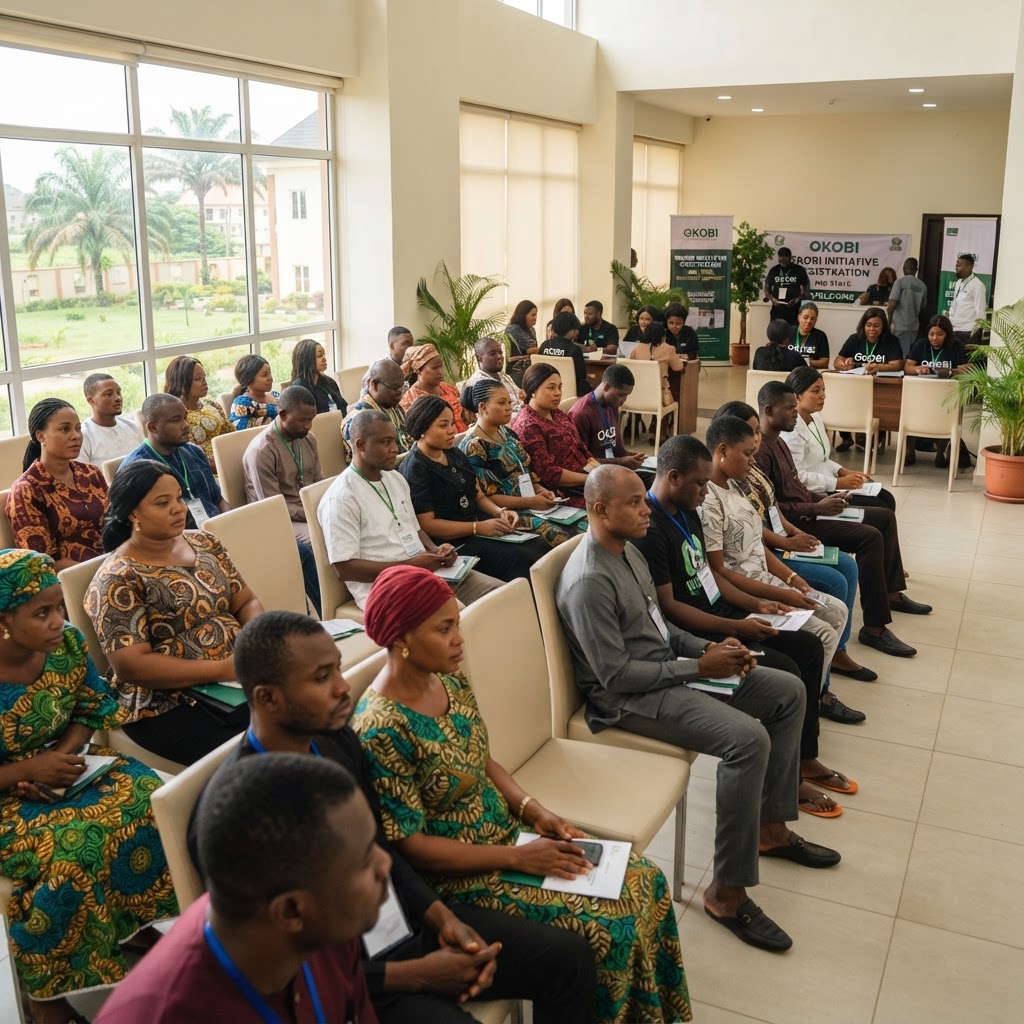
65 Imo Businesses Await OKOBI Initiative Registration
Imagine 65 kindred-owned businesses across Imo State, each waiting for one final document to unlock full legal status. That single step—Corporate Affairs Commission registration—now defines the next chapter in Imo's OKOBI Initiative: 65 Community Businesses Await CAC Registration. For families, entr...
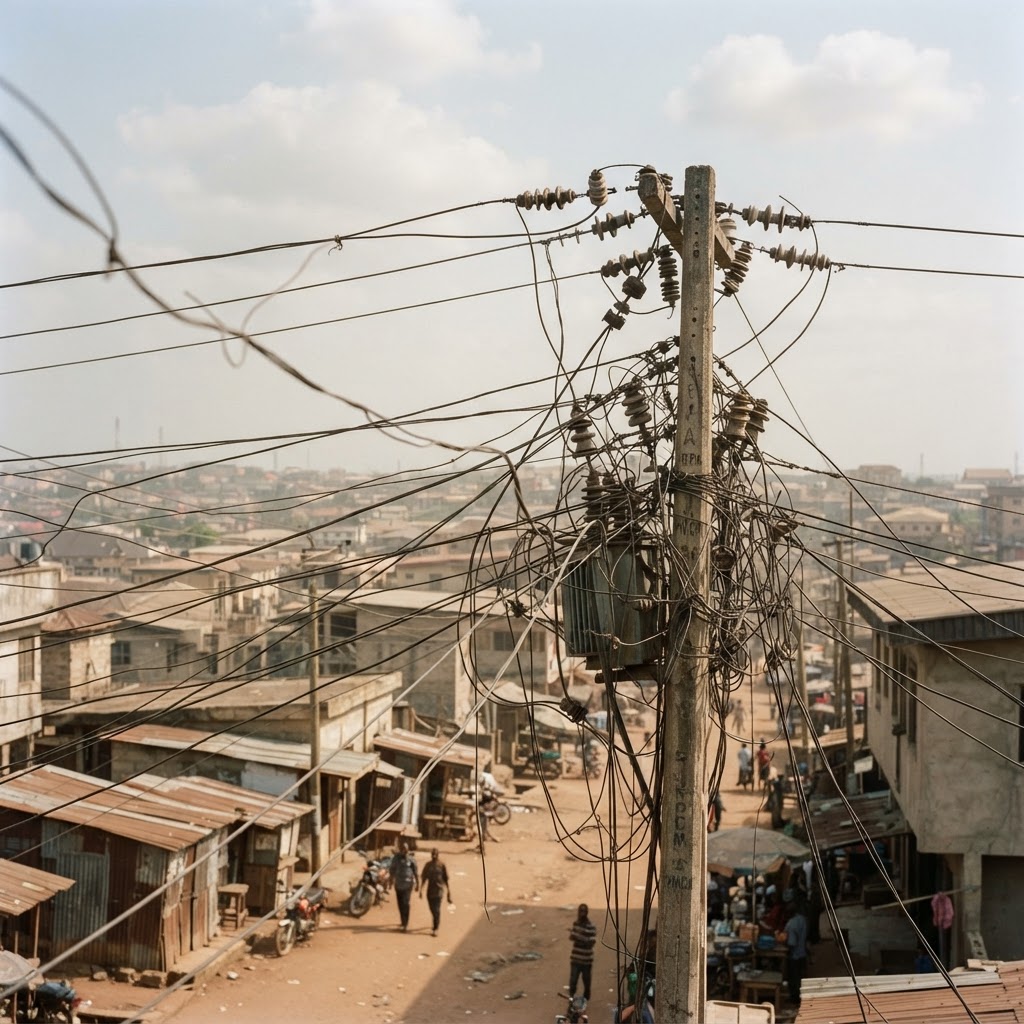
Why Nigeria Faces an Ongoing Power Supply Crisis
Nigerian households lose power multiple times a day, and the frustration never seems to fade. Behind every flickering bulb and silent refrigerator lies a deeper story about Nigeria's fragile power supply system — one that touches nearly every aspect of daily life across the country. Businesses stall...

61 Nigerian Officials Tied to $271M US Properties
Nigeria's corridors of power just faced a fresh spotlight. A newly released investigation, titled 61 Nigerian Officials Linked to $271m US Property Holdings — Report, has reignited public debate over wealth, accountability, and trust in leadership. For families budgeting daily expenses, the numbers ...