Powered by Obi Mbieri Independent Media Ltd · eziokwubundu.com
$1 = ₦1,327€1 = ₦1,511£1 = ₦1,75710 Nigerian Foods That Quietly Fight Diabete
Diabetes is no longer a distant, foreign disease. Across Nigerian cities and villages alike, more people are being diagnosed with Type 2 diabetes than ever before — a quiet epidemic reshaping families, draining household incomes, and placing enormous pressure on an already stretched healthcare syste...
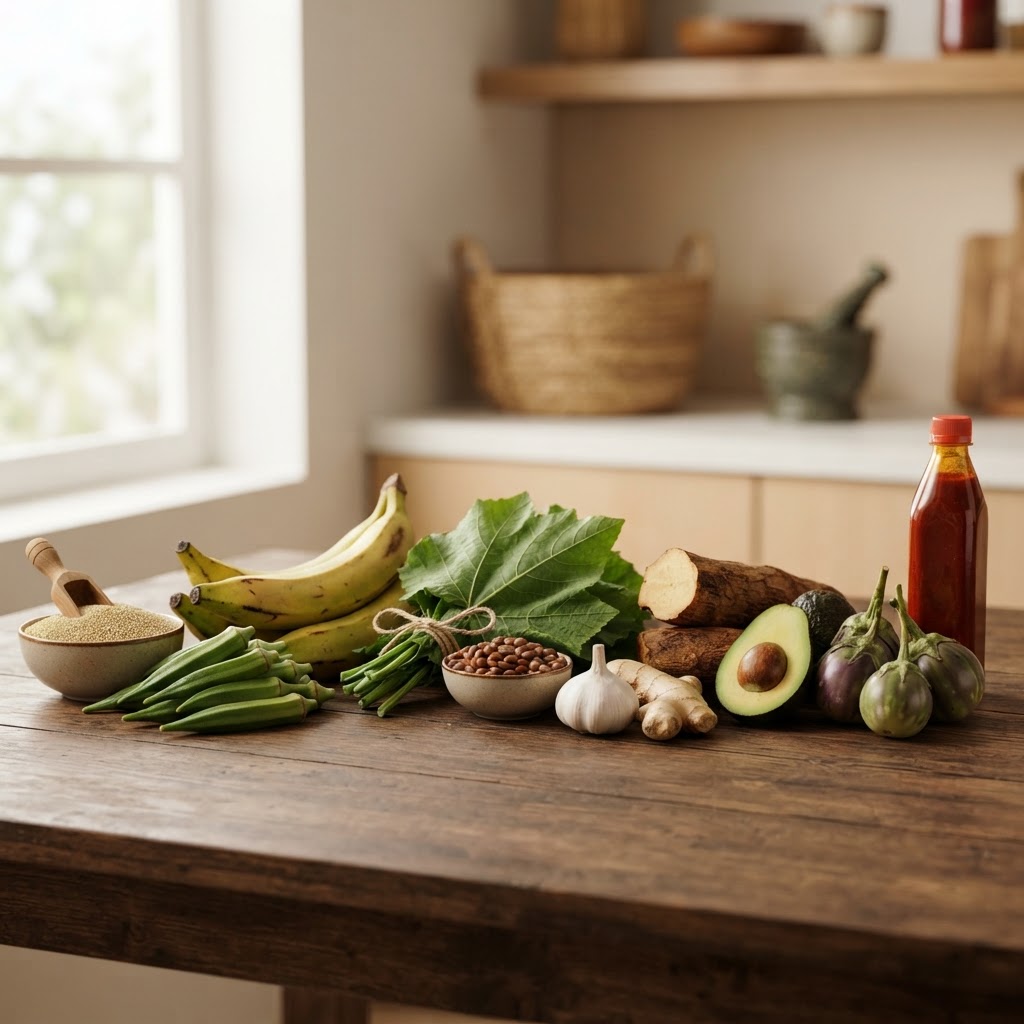
Diabetes is no longer a distant, foreign disease. Across Nigerian cities and villages alike, more people are being diagnosed with Type 2 diabetes than ever before — a quiet epidemic reshaping families, draining household incomes, and placing enormous pressure on an already stretched healthcare system. The causes are well-documented: the slow erosion of traditional eating habits, the rise of processed and sugary foods, and increasingly sedentary urban lifestyles.
But here is the good news that does not get told often enough. Some of the most powerful tools against diabetes are not locked behind a pharmacy counter. They are already in your local market, sitting in your mother's kitchen, and floating in your soup pot. Nigerian cuisine, at its most traditional and least adulterated, was already engineered — long before laboratory research confirmed it — to support metabolic health. This article identifies 10 everyday Nigerian foods that quietly help regulate blood sugar, backed by evidence and rooted in cultural wisdom.
Please note: this article provides general nutrition information, not medical advice. If you have diabetes or are at risk, work with a qualified doctor or dietitian to build a personalised management plan.
Why Is Diabetes a Silent Crisis in Nigerian Homes?
The Shift from Traditional Nutrition to Modern Health Challenges
The statistics are alarming. The International Diabetes Federation estimates that approximately 5.8% of Nigerian adults now live with diabetes, with millions more undiagnosed and at risk. The transition from fibre-rich traditional diets — built around legumes, leafy greens, unprocessed grains, and root vegetables — to heavily processed, Westernised convenience foods has accelerated this trend at a devastating pace. White rice now dominates plates where millet and fonio once sat. Soft drinks replace water. Fried snacks replace roasted corn and garden egg.
At Eziokwubundu, health is understood as the foundational pillar of community wealth. A population battling preventable chronic disease cannot build thriving businesses, raise resilient children, or contribute meaningfully to community development. The economic cost of diabetes — through lost productivity, hospitalisation, and medication — is a burden that falls disproportionately on Nigerian families.
The first step toward reversing this trend begins, as it often does, in the local market and the home kitchen. As Hopkins Medicine's guide to Nigerian cuisine and diabetes confirms, many traditional Nigerian foods are inherently supportive of blood sugar management. The knowledge was always there. It simply needed to be reclaimed.
What Is the Glycemic Index and Why Does It Matter?
Understanding the Science of Slow-Release Energy
The Glycemic Index, or GI, is a numerical scale from 0 to 100 that measures how quickly a carbohydrate-containing food raises blood glucose after consumption. Foods with a GI under 55 are classified as low GI — they release sugar into the bloodstream gradually, preventing the dangerous insulin spikes that damage blood vessels and overwhelm the pancreas over time. High-GI foods (above 70) cause rapid glucose surges, which, repeated daily across years, are a primary driver of Type 2 diabetes progression.
For context, white rice — a dominant staple on Nigerian tables — carries a GI of approximately 72. Pounded yam sits even higher. In contrast, brown beans have a GI of around 44, unripe plantain falls between 40 and 55, and millet-based foods hover in a similarly protective range. As CalorieNaija's analysis of Type 2 diabetes and Nigerian food shows, swapping high-GI staples for lower-GI alternatives within familiar Nigerian food culture is both practical and highly effective.
Soluble fibre is the key mechanism here. It forms a gel-like substance in the digestive tract, slowing down the absorption of sugar and preventing post-meal glucose spikes. The more soluble fibre a meal contains, the more it acts as a natural buffer against metabolic disruption.
Can Bitter Leaf and Ugu Really Regulate Insulin?
The Anti-Diabetic Power of Traditional Green Vegetables
Bitter Leaf, known as Onugbu in Igbo, is far more than a soup ingredient. Research published in peer-reviewed literature, including a study on awareness and belief regarding bitter leaf use, suggests that its bioactive compounds — including saponins and flavonoids — may improve insulin sensitivity and lower fasting blood sugar levels. The very bitterness that makes children reluctant to eat it is a signal of these powerful phytochemicals at work.
Ugu (Fluted Pumpkin Leaves), a cornerstone of soups like Edikang Ikong and Afang, complements bitter leaf as a diabetes-fighting vegetable. Ugu is exceptionally low in digestible carbohydrates, rich in antioxidants, and contains compounds that may help protect pancreatic beta cells — the cells responsible for producing insulin — from oxidative stress. Together, these two greens represent centuries of nutritional wisdom that modern science is steadily validating.
For practical preparation, bitter leaf should be washed thoroughly but not excessively — you want to reduce harshness without stripping the protective compounds. Adding either vegetable generously to soups ensures that the overall carbohydrate load of a meal is significantly reduced, turning a pot of soup into a quiet, powerful ally against blood sugar imbalance.
How Does Okra's Slimy Texture Protect Your Health?
Soluble Fibre, Mucilage, and Blood Sugar Control
Okra's infamous sliminess is, in fact, its greatest nutritional asset. The mucilage — that viscous gel produced when okra is cooked — is a form of soluble fibre that binds to excess sugars in the digestive tract, physically slowing their absorption into the bloodstream. According to research reviewed by News Medical on okra and diabetes, this mechanism has been shown in multiple studies to contribute to improved postprandial blood glucose control.
The traditional Nigerian practice of drinking okra water — soaking whole pods overnight and consuming the liquid in the morning — is not mere folklore. Modern research is beginning to explain the biochemical rationale for this habit, lending scientific legitimacy to a practice that rural Nigerian households have maintained for generations.
For maximum benefit, pair okra soup with a modest portion of a low-GI swallow — amala or oat-based eba, for instance — rather than a large mound of pounded yam. This pairing preserves the cultural experience of eating swallow while significantly reducing the glycemic impact of the meal.
Why Choose Unripe Plantain Over Ripe Varieties?
Managing Carbohydrates Without Abandoning Local Favorites
The distinction between ripe and unripe plantain is nutritionally significant, especially for anyone managing blood sugar. Ripe, yellow plantain is high in simple sugars and should be consumed with care and in small portions. Unripe green plantain, however, contains primarily resistant starch — a type of carbohydrate that resists digestion in the small intestine, behaves more like dietary fibre, and results in a markedly lower GI, typically between 40 and 55. This slow-release energy profile is precisely what the body needs to maintain steady glucose levels.
Boiled or roasted unripe plantain is a genuinely smarter swap for white rice or wheat bread at any meal. It is filling, affordable, and deeply embedded in Nigerian food culture — meaning there is no cultural sacrifice required to make this health-positive swap.
From an Eziokwubundu "Practical Prosperity" perspective, this choice is doubly intelligent. Unripe plantain is consistently cheaper than processed starch alternatives and is available year-round in local markets across Nigeria. Protecting your health and reducing your grocery bill simultaneously is exactly the kind of integrated decision this platform champions. If you are thinking about how everyday financial and health choices connect to broader wellbeing, our article on what rising costs mean for Nigerians planning ahead offers additional context.
Featured Products
Chukwu Abiama Tee
Bold black-and-gold Igbo-pride T-shirt featuring 'Chukwu Abiama' in premium streetwear typography.
₦15,000
Buy NowReverse Type 2 Diabetes & other associated Metabolic Issues using Dr. Jason Fung's Evidence-Based Approach— FMD program for Type 2 Diabetes
A practical fasting and fasting-mimicking programme built on Dr Jason Fung's insulin-resistance principles and ow-glycemic recipes.
₦19,950
Join NowỤmụ Igbo Tee
Classic black T-shirt with bold white 'Ụmụ Igbo' typography — a proud statement of Igbo heritage.
₦15,000
Buy NowNwanne Tee
Washed khaki vintage tee with a faded rust-orange 'Nwanne' stamp badge and palm leaf motif — a nod to kinship and heritage.
₦18,000
Buy NowObodo Tee
Faded denim-blue washed tee with a cream 'Obodo' stamp badge and sun motif, celebrating community roots.
₦18,000
Buy NowEkwe Heritage Tee
Deep indigo tee featuring a fine line-art illustration of a traditional Igbo ekwe drum, inspired by Igbo-Ukwu bronze artistry.
₦18,000
Buy NowIkenga Figure Tee
Forest green tee with a fine line-art illustration of a stylized Ikenga figure.
₦18,000
Buy NowAre Beans and Soybeans the Best Protein for Diabetics?
Stabilizing Blood Sugar with Legumes and Plant Proteins
Beans may be Nigeria's most underappreciated diabetes-fighting food. With a glycemic index ranging from approximately 44 to 56 depending on variety, and a robust combination of dietary fibre and plant protein, beans digest slowly and keep blood sugar remarkably stable compared to refined carbohydrate staples. As BusinessDay's review of health benefits of Nigerian traditional diets notes, the fibre-to-protein ratio in legumes creates a satiety effect that reduces overeating — an important benefit for weight management, which is directly tied to Type 2 diabetes risk.
Brown beans and Oloyin beans are both excellent choices. Moimoi — steamed bean pudding — is a particularly diabetes-friendly preparation because it uses minimal oil and preserves the full nutritional profile of the legume. Akara (bean cakes) can also be included, provided deep-frying is replaced or minimised in favour of baking or shallow-frying in a small quantity of healthy oil.
Soybeans extend this benefit further. As a plant protein with a very low glycemic index, soybeans help manage both blood glucose and LDL cholesterol simultaneously — a critical advantage given that diabetic patients carry elevated cardiovascular risk.
Can Garden Egg and Bitter Kola Be Medicinal Snacks?
Small Bites with Surprising Health Impacts
Garden egg — the small, egg-shaped vegetable served at Nigerian social gatherings with groundnut paste — is a nutritionally dense, low-calorie snack that deserves more attention as a diabetes-friendly food. It is high in dietary fibre, low in digestible carbohydrates, and contains phytonutrients, including chlorogenic acid and nasunin, that are believed to support healthy glucose metabolism and protect cells from oxidative damage. Replacing pastries or sugary drinks at parties with a plate of garden egg and a modest portion of groundnut paste is one of the simplest, most culturally natural dietary upgrades a Nigerian family can make.
Bitter Kola occupies a different but equally fascinating place in this conversation. Chewed in small quantities as a traditional stimulant and digestive aid, bitter kola contains compounds — notably kolaviron — that some preliminary research suggests may support insulin function and blood glucose regulation. It is not a primary dietary food, and excess consumption should be avoided, but its occasional use as a traditional habit carries more scientific merit than many people realise.
Together, these two foods represent a broader principle: the snacking habits of our grandparents were not accidental. They were practical expressions of nutritional wisdom accumulated over generations.
Which Ancient Grains Beat White Rice for Blood Sugar?
The Resurgence of Fonio and Millet
Long before imported white rice colonised Nigerian plates, grains like Fonio (Acha) and Millet were everyday staples across the northern and central belts of the country. Both carry a significantly lower glycemic index than white rice, are rich in dietary fibre, and provide a slower, steadier release of energy that supports blood sugar stability. Millet, in particular, is the base for Tuwo Gero — a traditional "swallow" that allows Nigerians to participate fully in the cultural ritual of eating swallow with soup without the glycaemic consequences of pounded yam or semolina.
For practical guidance on incorporating these grains into daily cooking, our article on 5 Acha and Millet recipes for diabetes management provides step-by-step meal ideas that are both family-friendly and blood-sugar-conscious.
There is also a community dimension here that Eziokwubundu actively champions. Choosing locally grown fonio and millet over imported white rice supports smallholder farmers, strengthens local food systems, and keeps money circulating within Nigerian agricultural communities — an alignment of personal health choices with collective economic development.
Is Amala the Safest Swallow for Diabetic Diets?
Comparing Traditional Flours for Better Glucose Control
For Nigerians who will not surrender their swallow — and understandably so — amala deserves a central place in any diabetes-management conversation. Research cited in a dietary approach study published in Diabetes & Metabolic Syndrome: Clinical Research & Reviews (accessible via ScienceDirect) identifies yam-based amala as having a relatively low GI of approximately 36.8% — making it among the most diabetes-friendly of all common Nigerian swallows.
By comparison, pounded yam has a GI that can exceed 65, and eba (garri-based) sits similarly high on the glycaemic scale. For a patient managing Type 2 diabetes, choosing amala over these alternatives at dinner can make a meaningful difference to overnight blood glucose levels.
Equally important is applying the plate method — a simple visual guide where half the plate is filled with vegetable-rich soup (bitter leaf, egusi with ugu, okra), one quarter with a protein source like beans or fish, and one quarter with the swallow. This structure ensures that the fibre and protein in the meal buffer the carbohydrate load of even a moderate amala portion.
If you are thinking holistically about lifestyle choices that affect long-term health, our article on intermittent fasting for Nigerians over 40 is a valuable companion read.
How Can You Build a Healthier Future for Your Family?
Integrating Health, Wealth, and Community Wisdom
The overarching lesson of these 10 foods is not that Nigerians need to adopt foreign dietary trends or expensive supplement regimens to fight diabetes. The lesson is precisely the opposite. Nigerian cuisine, in its most traditional, least processed form, was already a protective diet. Bitter leaf, ugu, okra, unripe plantain, beans, garden egg, tiger nuts, soybeans, bitter kola, and ancient grains like fonio and millet — these were not incidental foods. They were the building blocks of metabolic resilience, eaten daily by generations that had no name for the protection they were receiving.
Fighting diabetes in Nigeria begins with recovering this wisdom, adapting it to modern life, and making it accessible to every family — regardless of income or geography. At Eziokwubundu, we hold firmly to the belief that personal health is a form of wealth. When a family member avoids a diabetes diagnosis, the savings in medication, hospitalisation, and lost income are real and significant. When a community prioritises preventive nutrition, the collective becomes stronger.
Use these 10 foods as your starting point. Share this knowledge with your family, your neighbours, and your community. And always work alongside a qualified healthcare professional to build a personalised management plan that suits your specific health profile. The knowledge is yours. The kitchen is yours. The health is yours to protect.
For more evidence-based wellness content crafted specifically for Nigerian families and communities, continue exploring Eziokwubundu — your integrated platform for health, wealth, and community growth.
Stay Informed
Get New Articles in Your Inbox
Subscribe to receive the latest community development, health, and wealth insights from Eziokwubundu.
Newsletter
Practical insights on health, wealth, and community — delivered weekly.
Community Discussion(0)
Leave a Comment
More to Read
You May Also Like

Strategic Wellness and Fiscal Growth for Nigerians
Achieving a state of total well-being requires more than just physical health or financial stability alone. For the modern Nigerian, success is a multi-dimensional pursuit that bridges the gap between traditional values and global opportunities. By integrating science-based natural health solutions ...

5 Signs Your Blood Pressure May Be Too High
Imagine feeling completely fine while your arteries are quietly under siege. That is the reality for millions of Nigerians living with undiagnosed hypertension. Recognizing 5 Signs Your Blood Pressure May Be Too High could be the difference between early intervention and a medical emergency. Underst...

Can Insulin Help You Lose Weight? Risks and Medical Facts
Insulin often gets blamed for weight struggles among Nigerian families managing diabetes. But the science is more nuanced than blind blame suggests. This article, Can Insulin Help You Lose Weight? Risks and Medical Facts, examines what research actually shows. It looks at this essential hormone and ...

Apply Now: $10,000 African AI Drug Discovery Fellowships
AI is no longer a distant Silicon Valley dream — it is now shaping how Africa fights disease. That is why the Apply Now: $10,000 African AI Drug Discovery Fellowships program deserves attention from every Nigerian family, student, and entrepreneur who cares about the future of healthcare on this con...

Fermented Nigerian Foods That Heal Your Gut
Your grandmother never called it a probiotic — but she knew exactly what she was doing when she prepared a warm bowl of akamu for a sick child or served ugba at a family gathering. Fermented Nigerian foods have sustained communities for centuries, and modern nutrition science is now confirming what ...

Ondo Alcohol Deaths: What Is Methanol and How Can Nigerians Avoid Poisoning?
The deaths in Ondo State have sent shockwaves across Nigeria. At least 48 people lost their lives after consuming what appeared to be ordinary local alcoholic drinks. Hundreds more were hospitalised, some permanently blinded, others left fighting for their organs. The National Agency for Food and Dr...
Affordable healthcare options for rural Nigerians
Access to quality medical care remains one of the most pressing challenges facing millions of Nigerians living outside major cities. For rural families, a single illness can mean a long journey to the nearest clinic, an unaffordable hospital bill, or worse — no treatment at all. Understanding and ac...

Unapproved Orphanages in Nigeria: How Safe Are Children in Private Care Homes?
Across Nigeria, thousands of children live in private care homes that operate outside the law. Some are run by well-meaning individuals overwhelmed by the scale of child poverty. Others are driven by profit, exploiting the image of vulnerable children to attract foreign donations while providing sub...
Imo State Farmers’ Market Price Guide
Every trip to Eke Ukwu Owerri or any neighbourhood market in Imo State has become a quiet economic reckoning. Families that once budgeted confidently for monthly groceries now find that the same naira stretches considerably less than it did a year ago. This Imo State Farmers' Market Price Guide is d...