Powered by Obi Mbieri Independent Media Ltd · eziokwubundu.com
$1 = ₦1,331€1 = ₦1,492£1 = ₦1,759NNPC Faces Efficiency Scrutiny Over ₦27.76 Trillion Expenses
Nigeria's state oil giant is back in the headlines, and not for a new discovery. NNPC's ₦27.76 Trillion Operating Expenses Raise Efficiency Questions among citizens, analysts, and policymakers alike. The figure is so large it has sparked fresh debate about how national wealth is managed, and the num...

Nigeria's state oil giant is back in the headlines, and not for a new discovery. NNPC's ₦27.76 Trillion Operating Expenses Raise Efficiency Questions among citizens, analysts, and policymakers alike. The figure is so large it has sparked fresh debate about how national wealth is managed, and the number ₦27.76 trillion has quickly become shorthand for a much bigger conversation about accountability in Nigeria's energy sector.
Why Are NNPC Expenses Under Review?
The Nigerian National Petroleum Company (NNPC) recently disclosed operating expenditures of ₦27.76 trillion. This figure has triggered scrutiny from economists, journalists, and everyday Nigerians trying to make sense of their household budgets. Few numbers in recent memory have traveled so quickly from boardroom disclosures to kitchen-table conversations, but ₦27.76 trillion has done exactly that.
NNPC is not just another corporation. It is a central pillar of Nigeria's economy, historically contributing a significant share of government revenue. When its spending patterns come under question, the ripple effects touch every Nigerian family, from fuel prices to government funding for schools and hospitals. A figure as large as ₦27.76 trillion inevitably invites comparisons with national priorities that could have been funded instead.
At Eziokwubundu, we believe economic transparency is not an abstract policy issue. It is personal. Mismanagement at the national level can slow community development, reduce job creation, and limit the resources available for healthcare and education. The ₦27.76 trillion figure, in that sense, is not just an accounting entry; it is a reflection of choices that touch ordinary lives.
The Guardian has been tracking this unfolding fiscal story closely, offering context on how the Guardian's coverage frames the broader implications for Nigeria's energy sector and public finance. Understanding this discourse helps everyday Nigerians separate noise from substance, especially when a number like ₦27.76 trillion dominates headlines without sufficient context.
This is why we are breaking down the numbers, the context, and what it means for your personal and community prosperity.
What Do These Numbers Really Mean?
Let's put ₦27.76 trillion into perspective. Nigeria's entire 2024 national budget was approximately ₦28.7 trillion, according to figures published by the Budget Office of the Federation. That means NNPC's operating expenses alone, at ₦27.76 trillion, nearly match what the federal government planned to spend on the whole country in a single fiscal year.
Operating expenses, or OPEX, typically cover the day-to-day costs of running a business. For an oil enterprise like NNPC, this includes exploration costs, pipeline maintenance, refinery operations, staff salaries, logistics, and administrative overhead. When all of these line items are added together, they produce the headline figure of ₦27.76 trillion that has become the center of national debate.
Not all of these costs are avoidable. Oil production is capital intensive, and global energy companies routinely post high operating figures. However, the scale of ₦27.76 trillion demands careful review, particularly when weighed against the services and infrastructure that similar funds could otherwise support.
- Refining and distribution logistics
- Workforce and administrative costs
- Pipeline security and maintenance
- Equipment procurement and depreciation
The real question is not whether NNPC spends money, but whether every naira within that ₦27.76 trillion figure produces proportional value. Distinguishing between necessary costs and inefficiency is critical, especially when Nigerian households are grappling with inflation and currency pressures. Reports from NEITI, Nigeria's extractive industries transparency body, have long emphasized the need for clearer breakdowns of state oil company expenditure, so that figures like ₦27.76 trillion can be understood item by item rather than as a single opaque total.
For middle-class Nigerians already stretched thin, these figures are not just numbers on a page. They represent choices about how national wealth is allocated, and whether accountability keeps pace with spending. Every time the figure ₦27.76 trillion is cited in a report, it should prompt a follow-up question: what exactly was purchased, and was it worth the cost?
How Does This Impact Your Wealth?
National fiscal health is not separate from personal wealth. When a state enterprise like NNPC operates efficiently, more resources become available for infrastructure, healthcare, and education. When efficiency falters, as critics argue may be the case with the ₦27.76 trillion expenditure, the opportunity cost is real and measurable.
Consider this: if even 10 percent of NNPC's operating expenses were redirected through improved efficiency, that would free up roughly ₦2.7 trillion from the broader ₦27.76 trillion total. That amount could meaningfully expand healthcare access or fund thousands of small business loans for entrepreneurs across Nigeria. Even a modest percentage saved from a figure as large as ₦27.76 trillion could transform entire sectors.
This connects directly to our Wealth Creation pillar at Eziokwubundu. The investment climate for Nigerian entrepreneurs depends heavily on macroeconomic stability. High government spending, such as the ₦27.76 trillion recorded by NNPC, without proportional output can fuel inflation, weaken the naira, and raise borrowing costs for small businesses.
Community stakeholders should also pay attention. Local projects, from pharmaceutical hubs to infrastructure upgrades, often depend on federal allocations tied to oil revenue performance. For example, initiatives like the pharmaceutical hub planned for Mgbidi rely on consistent government backing, which in turn depends on efficient resource management upstream, far removed from headline figures like ₦27.76 trillion but directly affected by how that money is ultimately deployed.
Infrastructure safety is another area where efficiency and accountability intersect. Just as poor technical standards in solar installation wiring can create hidden risks despite large investments, poorly tracked spending within a figure like ₦27.76 trillion can hide inefficiencies that only surface later, often at great cost to the public.
So what can you do personally? Diversify your income streams rather than relying solely on sectors tied to oil revenue swings. Build an emergency fund that can absorb currency volatility. Track macroeconomic indicators, including inflation rates published by the National Bureau of Statistics, to inform your financial planning, keeping figures like ₦27.76 trillion in mind as a benchmark for how national spending compares to your own household budget.
Practical prosperity means adjusting your strategy based on reality, not waiting for perfect conditions. Nigerian families who understand these broader economic signals, including what a figure like ₦27.76 trillion really represents, can make smarter decisions about savings, investment, and business timing.
Featured Products
Chukwu Abiama Tee
Bold black-and-gold Igbo-pride T-shirt featuring 'Chukwu Abiama' in premium streetwear typography.
₦15,000
Buy NowReverse Type 2 Diabetes & other associated Metabolic Issues using Dr. Jason Fung's Evidence-Based Approach— FMD program for Type 2 Diabetes
A practical fasting and fasting-mimicking programme built on Dr Jason Fung's insulin-resistance principles and ow-glycemic recipes.
₦19,950
Join NowỤmụ Igbo Tee
Classic black T-shirt with bold white 'Ụmụ Igbo' typography — a proud statement of Igbo heritage.
₦15,000
Buy NowNwanne Tee
Washed khaki vintage tee with a faded rust-orange 'Nwanne' stamp badge and palm leaf motif — a nod to kinship and heritage.
₦18,000
Buy NowObodo Tee
Faded denim-blue washed tee with a cream 'Obodo' stamp badge and sun motif, celebrating community roots.
₦18,000
Buy NowEkwe Heritage Tee
Deep indigo tee featuring a fine line-art illustration of a traditional Igbo ekwe drum, inspired by Igbo-Ukwu bronze artistry.
₦18,000
Buy NowIkenga Figure Tee
Forest green tee with a fine line-art illustration of a stylized Ikenga figure.
₦18,000
Buy NowCan Efficiency Become the New Norm?
Globally, state-owned enterprises (SOEs) that succeed tend to share common traits: transparent reporting, independent audits, and digitized operations. Norway's Equinor and Malaysia's Petronas are frequently cited examples of oil companies that balance state ownership with corporate discipline, achieving far leaner operating ratios than the one implied by NNPC's ₦27.76 trillion disclosure.
Digitization in particular can reduce waste significantly. Automated procurement systems, real-time expenditure tracking, and blockchain-based supply chain verification have helped similar enterprises cut leakages by double-digit percentages in various case studies reviewed by the World Bank. If applied to a budget line as large as ₦27.76 trillion, even modest percentage savings could translate into trillions of naira redirected toward productive use.
For NNPC, adopting similar frameworks could mean integrating enterprise resource planning (ERP) systems across all subsidiaries. Independent audits, published quarterly rather than annually, would also build public trust and allow citizens to track how a figure like ₦27.76 trillion evolves over time rather than appearing as a single annual shock.
This mirrors our Practical Prosperity angle at Eziokwubundu. The same discipline required for household budgeting, tracking expenses, cutting waste, and planning ahead, applies at the corporate and national level. The Guardian's continued reporting on energy sector reforms highlights that structural changes are not optional but necessary for sustainable growth, particularly when the baseline spending figure stands at ₦27.76 trillion.
Community leaders and local organizations can also learn from this. Just as NNPC needs better financial discipline to justify a figure like ₦27.76 trillion, local institutions benefit from transparent record-keeping and community oversight. Efficiency is not a corporate luxury; it is a cultural practice worth embedding everywhere, from national oil accounts to local cooperative ledgers.
Where Does Accountability Begin?
Accountability starts with informed citizens. Nigerians cannot demand better fiscal management if they do not understand the reports being published. This is why financial literacy and civic education matter so much, especially when trying to interpret what a figure like ₦27.76 trillion actually means for the average household.
Community stakeholders have a role to play too. Town unions, professional associations, and diaspora groups can organize discussions around national fiscal reports, translating complex figures such as ₦27.76 trillion into relatable community impact. This aligns with our Community First philosophy, holding institutions accountable strengthens collective progress.
Civic participation also matters beyond fiscal literacy. Just as Nigerians engage with processes like PVC collection ahead of elections or respond to deadlines such as the JAMB admission acceptance extension, engaging with economic policy discussions is part of active citizenship. Both reflect a broader culture of accountability that should extend to how figures like ₦27.76 trillion are explained and justified.
Security and stability also underpin economic accountability. Communities that have faced disruption, such as those affected by the attack addressed in Police Rescue 10 After Gunmen Attack Two Buses in Mbaitoli, understand that national resources, including sums as large as ₦27.76 trillion, must ultimately translate into safety and development on the ground. Progress on this front is visible in follow-up assessments like Mbaitoli Security: Are Farmers Returning to Their Farms?, which shows how security investments connect to everyday livelihoods.
Political accountability is equally relevant. Statements from leaders, such as those captured in Wike Vows to Resign If Tinubu Loses FCT, Rivers, reflect a broader climate where public figures are expected to be answerable for outcomes, a standard that should apply equally to how a figure like ₦27.76 trillion is managed and explained to the public.
Here are practical ways to stay informed without falling into sensationalism:
- Follow verified financial reports from NNPC and NEITI directly
- Read established outlets like The Guardian for balanced analysis
- Join community forums discussing economic policy
- Encourage local leaders to request transparency from elected officials
Legislative oversight also plays a role. Changes like the recent Imo Assembly amendment to local government law show how governance structures evolve to improve accountability at every level, from local councils to national corporations managing figures as large as ₦27.76 trillion.
When Nigerians engage constructively rather than reactively, dialogue improves. Understanding precedes change, and change requires informed collective pressure, not outrage alone, especially when the subject is as significant as a ₦27.76 trillion expenditure line.
What Is The Path To Progress?
The path forward requires shifting from opaque, traditional management styles toward modern, data-driven systems. This does not mean abandoning Nigerian values. It means applying them with updated tools, so that spending as large as ₦27.76 trillion can be tracked with the same care Nigerian families apply to their own finances.
Our Traditional Values, Modern Progress angle captures this balance well. Just as Nigerian communities have long valued collective stewardship of resources, like communal farmland or market cooperatives, that same principle can apply to national oil wealth. Protecting the resource means managing it wisely, not just defending it rhetorically, particularly when the stakes involve a figure as substantial as ₦27.76 trillion.
Progress also depends on institutional continuity. Just as Nigeria reflects on its journey during milestones like Nigeria's 66th independence anniversary, fiscal responsibility should be viewed as part of nation-building, not a one-time fix. Even stories of international concern, such as the response detailed in Nigeria Condemns Deaths of Three Citizens in South Africa, remind us that national credibility abroad is shaped partly by how well Nigeria manages its resources at home, including sums like ₦27.76 trillion.
For readers, the takeaway is practical. Focus on what you can control: your household budget, your business decisions, your community contributions. Stay informed about national issues like NNPC's ₦27.76 Trillion Operating Expenses Raise Efficiency Questions, but channel that awareness into constructive action rather than anxiety.
Nigeria's prosperity will be built through both individual accountability and collective vigilance. Families who save wisely, entrepreneurs who plan strategically, and communities who demand transparency all contribute to a stronger national economy. Efficiency, whether in a household or a state oil company managing ₦27.76 trillion in expenses, is ultimately a shared responsibility.
As this fiscal story continues to develop, Eziokwubundu will keep tracking it through a lens that connects health, wealth, and community, because true national progress is measured not just in trillions spent, including the now widely discussed ₦27.76 trillion figure, but in lives genuinely improved.
Stay Informed
Get New Articles in Your Inbox
Subscribe to receive the latest community development, health, and wealth insights from Eziokwubundu.
Newsletter
Practical insights on health, wealth, and community — delivered weekly.
Community Discussion(0)
Leave a Comment
More to Read
You May Also Like

Military Aircraft With 32 Aboard Crashes in Ondo, Rescue Underway
Igbokoda crash: Nigerian Air Force ATR-42 was travelling from Benin to Lagos when contact was lost
Nwanegwo Hands Over Mbaitoli LGA Affairs, Ends Tenure
Hon. Ifunanya Nwanegwo JP has formally handed over the affairs of Mbaitoli Local Government Area to the Director of Administration and General Services (DAGS), marking the conclusion of his tenure as Executive Chairman.

Umunoha NYSC Kidnap: Hideout Located as IED Threat Delays Rescue
Imo security agencies have located the suspected hideout of prospective NYSC members abducted along the Owerri–Onitsha Road, but an alleged improvised explosive device (IED) threat has delayed the planned rescue operation.

Mbaitoli Kidnapping: Why Is the Owerri–Onitsha Road Still Vulnerable?
The latest kidnapping incident along the Owerri–Onitsha Road in Mbaitoli Local Government Area of Imo State has renewed concerns about the safety of one of the major transportation routes connecting communities in Imo and neighbouring states.

Nigeria’s Maternal Death Crisis: Why Are Mothers Dying?
Every day, Nigerian households wait for news from the maternity ward with hope and quiet dread. Too often, that news is heartbreaking. This is the reality behind Nigeria's Maternal Death Crisis: Why Are So Many Mothers Still Dying? — a question every family, community leader, and policymaker must co...

Kidnappers Demand 1 Billion Naira for 20 Corps Members
A chilling ultimatum has gripped Nigerian families this week. Armed abductors are demanding an enormous ransom for the safe return of young graduates travelling to serve their nation. The incident, now widely known as "Kidnappers Give 20 Prospective Corps Members' Families 24 Hours to Pay ₦1bn Ranso...

Can Fasting Help Lower High Blood Pressure? What Experts Say
High blood pressure quietly affects millions of Nigerian adults, often with no obvious warning signs. Many families are now turning to fasting as a natural way to manage it. This article explores the question many are asking: Can Fasting Help Lower High Blood Pressure? What Experts Say reveals surpr...
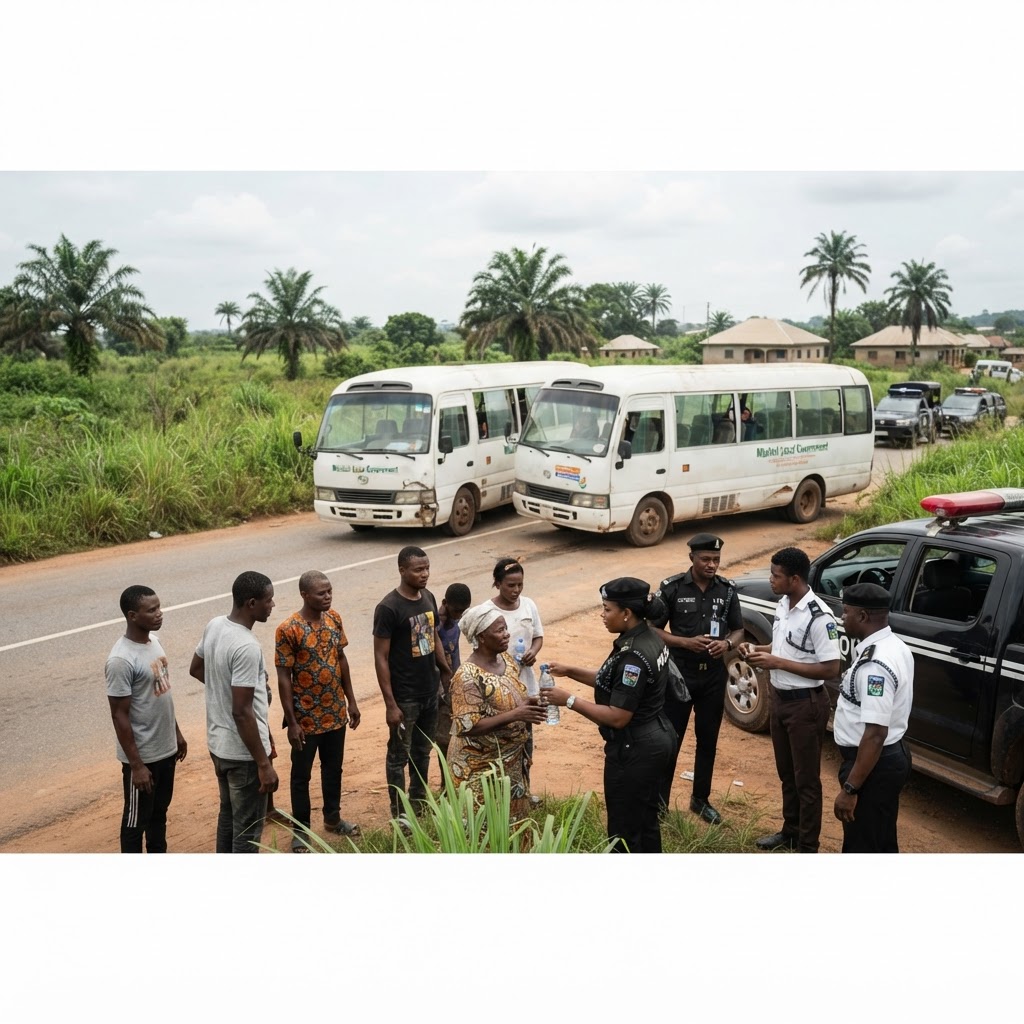
Police Rescue 10 After Gunmen Attack Two Buses in Mbaitoli
Early morning violence on a major Imo State highway sent shockwaves through communities nationwide this week. Families woke up to disturbing news of commuters trapped in a terrifying ordeal after gunmen struck in Mbaitoli, targeting two commercial buses in the hours before dawn. The headline "Police...

FG, Imo Back Pharmaceutical Hub Planned for Mgbidi
The Federal Government and Imo State Government have thrown their weight behind a bold new industrial project. FG, Imo Back Pharmaceutical Hub Planned for Mgbidi, signaling a fresh push toward local drug manufacturing and economic renewal in the South-East. The announcement positions the proposed fa...
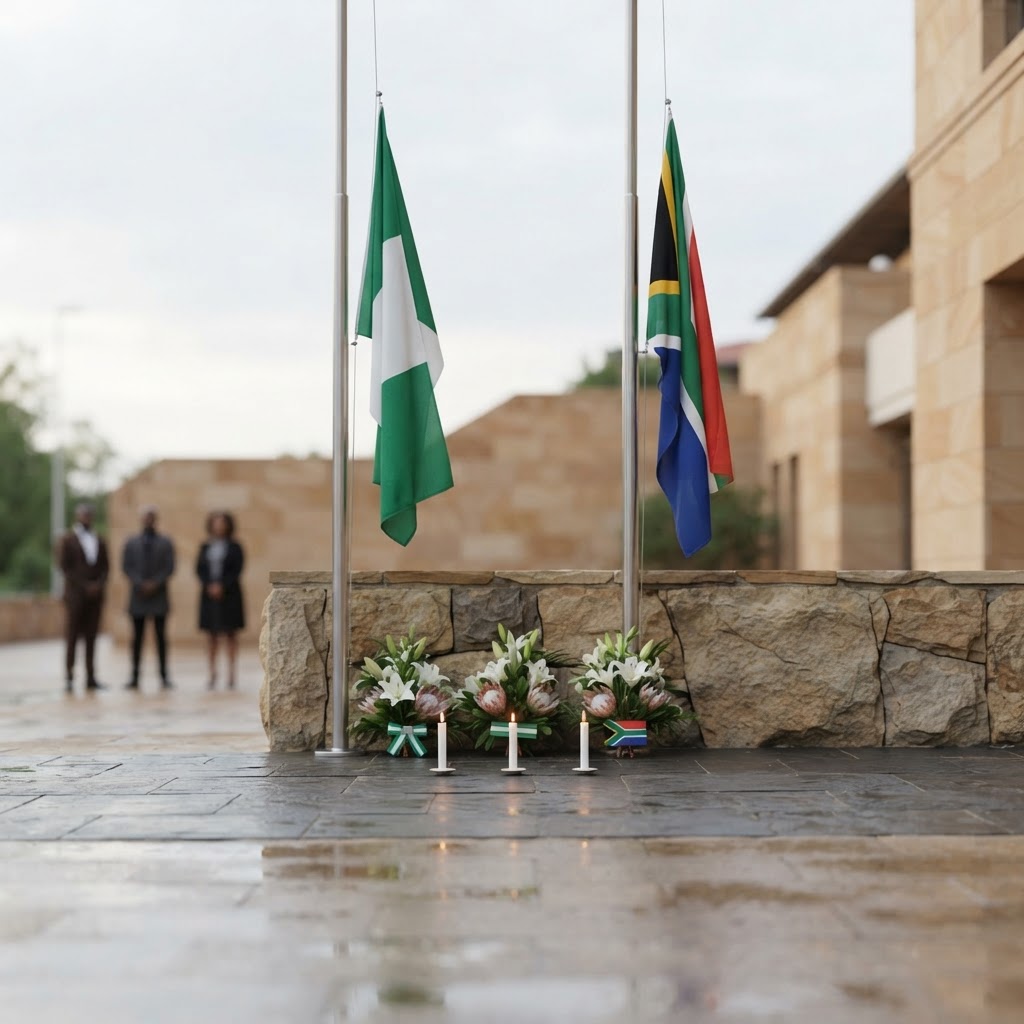
Nigeria Condemns Deaths of Three Citizens in South Africa
Nigerian families are mourning once again this week. Three citizens lost their lives in South Africa within a span of days. The tragedy has reignited calls for action, as Nigeria Condemns Deaths of Three Citizens in South Africa and demands accountability for the loss of its people abroad. For many ...