Powered by Obi Mbieri Independent Media Ltd · eziokwubundu.com
$1 = ₦1,332€1 = ₦1,489£1 = ₦1,761Nigeria Condemns Deaths of Three Citizens in South Africa
Nigerian families are mourning once again this week. Three citizens lost their lives in South Africa within a span of days. The tragedy has reignited calls for action, as Nigeria Condemns Deaths of Three Citizens in South Africa and demands accountability for the loss of its people abroad. For many ...
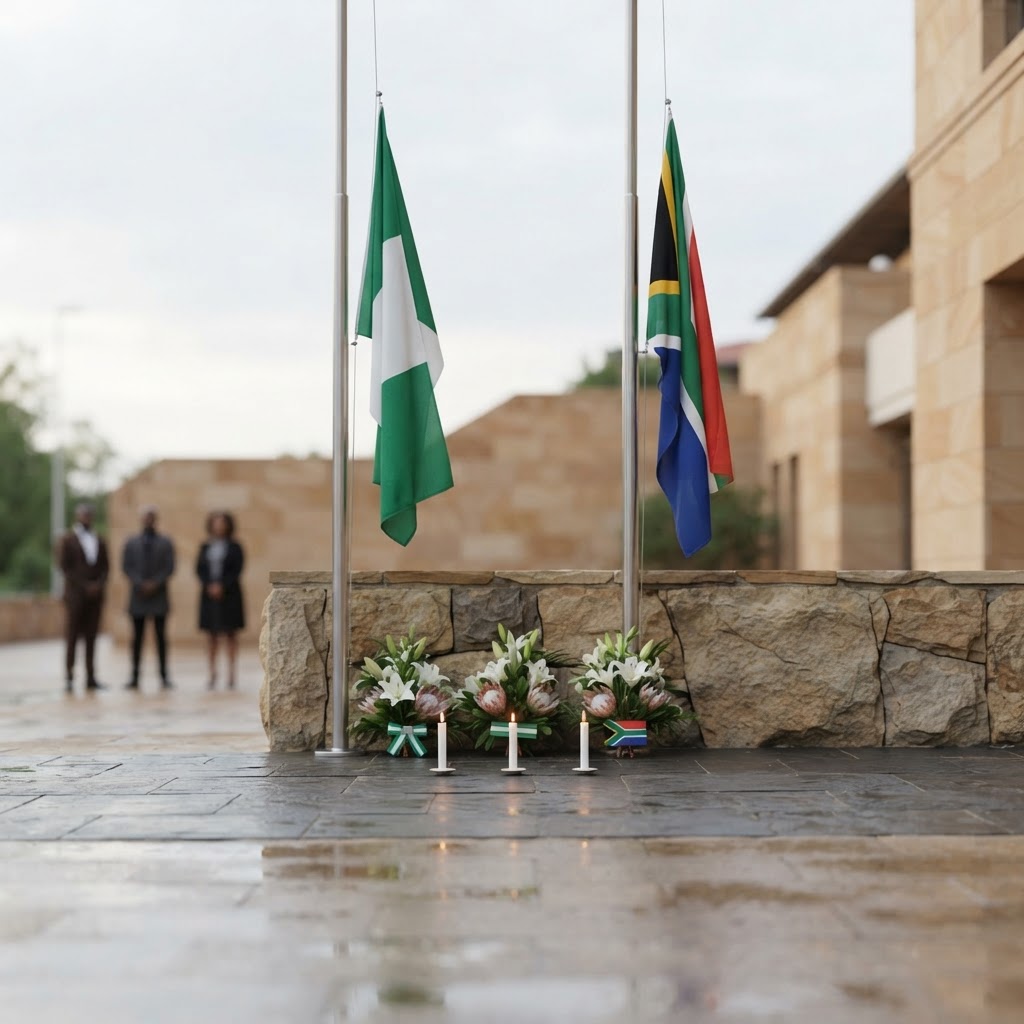
Nigerian families are mourning once again this week. Three citizens lost their lives in South Africa within a span of days. The tragedy has reignited calls for action, as Nigeria Condemns Deaths of Three Citizens in South Africa and demands accountability for the loss of its people abroad.
For many Nigerians at home and in the diaspora, this is not an isolated event. It is part of a troubling pattern that community leaders, families, and government officials can no longer ignore. The repeated loss of Nigerian lives in South Africa has become a national concern that transcends ordinary news cycles, touching families from Lagos to Owerri and beyond.
What Happened in South Africa?
The Nigerian Consulate in Johannesburg confirmed the deaths of three Nigerian nationals between September 18 and 21, 2026. These incidents occurred in separate locations across South Africa, within a matter of days.
The victims have been identified. Kenechukwu Christopher Igwemmadu died in Bloemfontein. Olaniyi Olaleye Olatunde was killed in Pretoria. Christian Hillary Nnaemeka lost his life in Primrose.
Each case involved different circumstances, yet the timing has raised serious concerns. Three deaths within four days suggest something more than coincidence. Community stakeholders and diplomatic officials are now asking whether these killings reflect a targeted pattern of violence against Nigerians living in South Africa.
According to Punch Newspapers, the Federal Government has already demanded formal investigations into all three incidents. This response underscores the seriousness with which Abuja is treating the matter, and it reflects a growing impatience with how such cases have historically been handled by authorities in South Africa.
For Nigerian families abroad, the news brings fresh anxiety. For those at home, it reinforces the need for stronger diplomatic engagement and accountability. The Nigerian government has made it clear that these deaths will not be treated as routine crime statistics, and that every life lost in South Africa deserves a thorough, transparent investigation.
How Serious Is the Situation?
The numbers paint a troubling picture. These three deaths bring the total number of Nigerians killed in South Africa in 2026 alone to 12. That is a significant toll for a single year, and the year is not yet over.
The broader trend is even more alarming. Since 2022, approximately 112 Nigerians have lost their lives in South Africa. Of these, 32 deaths allegedly involved South African security forces directly. This figure raises difficult questions about the role of state actors in some of these incidents, and whether existing oversight mechanisms within South Africa are sufficient to prevent further loss of life.
Perhaps most troubling is the lack of accountability. The Nigerian government has expressed deep concern that no perpetrators have been convicted in connection with these deaths. Justice has remained elusive for grieving families, year after year, even as the death toll in South Africa continues to climb.
This pattern mirrors broader challenges documented by international bodies. The International Organization for Migration has repeatedly flagged southern Africa as a region with rising risks for migrant communities. Nigerian nationals, as one of the largest African diaspora groups in South Africa, are particularly exposed to these risks, whether through random violence, xenophobic attacks, or disputes that escalate without proper mediation.
Community leaders in Nigeria have described the situation as a crisis requiring urgent diplomatic attention. Entrepreneurs and professionals who travel between both countries for business now face increased uncertainty. Families with relatives working or studying in South Africa are understandably on edge, often awaiting news with a mixture of hope and dread whenever reports of violence emerge from the region.
The scale of these numbers demands more than statements of condolence. It demands structural change, both in security cooperation and in diplomatic pressure applied by Abuja. Without sustained pressure, there is a real risk that the pattern of violence against Nigerians in South Africa will simply continue unchecked into another year.
Why Are Tensions Rising Now?
Several factors are converging to create a volatile environment for foreign nationals in South Africa. Understanding these dynamics helps explain why this moment feels different from previous periods of tension.
The region is currently experiencing a surge in anti-migrant protests. Xenophobic hostility has intensified in recent months, forcing thousands of foreign nationals, including many Nigerians, to leave certain areas of South Africa. This hostility is not new, but its current intensity has alarmed diplomatic observers who track patterns of violence throughout the country.
Adding to the pressure is a September 30 deadline affecting foreign nationals working in specific economic sectors within South Africa. This deadline has heightened anxiety across migrant communities. Many fear sudden displacement or loss of livelihood, which creates a volatile social atmosphere that disproportionately affects Nigerians trying to build stable lives in South Africa.
Diplomatic relations between Nigeria and South Africa have also suffered. The Nigerian parliament has taken the significant step of indefinitely suspending official visits and engagements with South Africa. This is a strong signal of displeasure at the diplomatic level, and it suggests that Nigeria is prepared to reconsider the broader relationship if concrete action is not taken.
Organizations such as Human Rights Watch have documented recurring waves of xenophobic violence in South Africa over the past decade. Their reporting suggests these tensions are cyclical, often tied to economic pressures and political rhetoric around immigration within South Africa's domestic politics.
For Nigerian communities abroad, this combination of factors creates genuine uncertainty. Business owners worry about safety. Students worry about continuing their studies. Families worry about loved ones simply going to work each day in a country where tensions can escalate with little warning.
What Is the Government Doing?
The Nigerian government has not stayed silent. Official channels have formally demanded thorough investigations into all three deaths. Abuja is also pressing for the prosecution of those responsible, wherever evidence leads, and has made clear that it expects full cooperation from authorities in South Africa.
Featured Products
Chukwu Abiama Tee
Bold black-and-gold Igbo-pride T-shirt featuring 'Chukwu Abiama' in premium streetwear typography.
₦15,000
Buy NowReverse Type 2 Diabetes & other associated Metabolic Issues using Dr. Jason Fung's Evidence-Based Approach— FMD program for Type 2 Diabetes
A practical fasting and fasting-mimicking programme built on Dr Jason Fung's insulin-resistance principles and ow-glycemic recipes.
₦19,950
Join NowỤmụ Igbo Tee
Classic black T-shirt with bold white 'Ụmụ Igbo' typography — a proud statement of Igbo heritage.
₦15,000
Buy NowNwanne Tee
Washed khaki vintage tee with a faded rust-orange 'Nwanne' stamp badge and palm leaf motif — a nod to kinship and heritage.
₦18,000
Buy NowObodo Tee
Faded denim-blue washed tee with a cream 'Obodo' stamp badge and sun motif, celebrating community roots.
₦18,000
Buy NowEkwe Heritage Tee
Deep indigo tee featuring a fine line-art illustration of a traditional Igbo ekwe drum, inspired by Igbo-Ukwu bronze artistry.
₦18,000
Buy NowIkenga Figure Tee
Forest green tee with a fine line-art illustration of a stylized Ikenga figure.
₦18,000
Buy NowConsul-General Ninikanwa Okey-Uche has been vocal on this issue. She has emphasized that no individual, regardless of grievance, should take the law into their own hands. This statement addresses both the perpetrators of violence and any retaliatory actions that could escalate tensions further between communities in South Africa.
Ambassador-designate Femi Fani-Kayode has also spoken publicly on the matter. He affirmed that Nigeria remains committed to protecting its nationals abroad, regardless of where they reside. This commitment reflects a broader diplomatic strategy aimed at strengthening consular protection services, particularly for the large Nigerian community living and working in South Africa.
The Nigerian Ministry of Foreign Affairs has historically worked alongside the South African Department of International Relations and Cooperation on bilateral matters. Renewed engagement through this channel is expected as investigations proceed, with Abuja signaling that any further delay in accountability from South Africa could result in additional diplomatic consequences.
Beyond diplomatic statements, there is a growing expectation that Nigeria will push for structural reforms. These may include:
- Stronger bilateral agreements on migrant worker protections
- Enhanced consular monitoring in high-risk areas
- Joint task forces to investigate cross-border violence cases
- Regular diplomatic briefings on the status of ongoing investigations
These steps mirror broader governance patterns seen domestically. Just as Nigeria has recently addressed administrative matters like the Imo Assembly amending local government law amid tenure expiry, the federal government is now applying similar structured urgency to this international crisis unfolding in South Africa.
The suspension of parliamentary visits, as covered under Nigeria Condemns Deaths of Three Citizens in South Africa, signals that diplomatic patience has limits. Nigeria's leadership appears determined to use every available tool, from formal protests to legislative action, to protect its citizens living and working in South Africa.
This renewed diplomatic posture also comes at a time when Nigeria's domestic political calendar is particularly active. With Tinubu returning to Nigeria after a 28-day working vacation, observers expect the administration to prioritize this matter alongside other pressing national issues, including ongoing conversations around public workers planning an October 2 strike over wages and fuel. The convergence of domestic and diplomatic pressures means the government's handling of the South Africa situation will be closely watched both at home and abroad.
How Can Nigerians Stay Safe?
While diplomatic efforts continue, Nigerian families and individuals living in South Africa need practical safety guidance. Community-first thinking matters here, just as it does in every pillar of national development.
Staying informed through official channels is the first line of defense. The Nigerian Consulate in Johannesburg regularly issues safety advisories specific to conditions in South Africa. Community networks, including church groups and professional associations, often share real-time information faster than mainstream news outlets, especially during periods of heightened unrest in South Africa.
Avoiding areas known for civil unrest is equally important. During periods of heightened xenophobic rhetoric, maintaining a low profile can reduce exposure to risk. This does not mean living in fear. It means exercising the same situational awareness that any responsible traveler or resident would apply in an unfamiliar environment, particularly in parts of South Africa where tensions have historically flared.
Collective vigilance plays a critical role as well. Nigerian communities abroad have historically relied on mutual support systems for safety and welfare. Reporting suspicious activity immediately to diplomatic missions can help authorities respond faster and potentially prevent further tragedies within the Nigerian community in South Africa.
Consider these practical steps for Nigerians currently residing in South Africa:
- Register with the Nigerian Consulate for emergency updates
- Join verified community WhatsApp or community-leader networks
- Avoid traveling alone in flagged high-risk zones after dark
- Keep emergency contact numbers for consular services readily accessible
Entrepreneurs and business owners operating in South Africa should also maintain contingency plans. This includes having alternative travel routes and backup communication methods during periods of unrest, as well as maintaining close contact with local Nigerian business associations that monitor conditions on the ground.
For families back in Nigeria, staying connected with relatives abroad through regular check-ins can provide both emotional reassurance and an early warning system if something feels wrong. Diaspora associations often coordinate welfare checks during tense periods, and joining these groups can strengthen collective safety nets for Nigerians across South Africa.
This crisis also offers a broader lesson for Nigerian communities everywhere. Just as citizens stay engaged with civic processes, such as tracking the INEC PVC collection schedule starting October 9, staying engaged with diaspora safety protocols requires the same level of consistent attention. Similarly, just as students and families closely monitor updates like the JAMB extension of the 2021–2025 admission acceptance deadline, Nigerians abroad must treat safety advisories from South Africa with the same seriousness and urgency.
Ultimately, government action and community vigilance must work together. Diplomatic pressure alone cannot guarantee safety on the ground. Nigerians abroad must remain proactive, informed, and connected to both official and grassroots support systems, particularly given the scale of violence that has affected Nigerian nationals in South Africa in recent years.
As investigations into these three deaths continue, the Nigerian government has signaled it will not relent until justice is served. For now, families mourn, communities organize, and diplomats negotiate. The hope remains that stronger bilateral cooperation, informed by frameworks like those discussed around FG seeking unified master plans for regional development, can eventually create safer conditions for Nigerians living, working, and building futures across South Africa.
The path forward requires patience, pressure, and partnership. Nigeria's response to these tragic losses will likely shape diplomatic relations with South Africa for years to come. Every Nigerian family watching this unfold deserves clarity, accountability, and above all, assurance that their loved ones abroad are protected.
As Nigeria continues to mark milestones at home, including recent reflections tied to Nigeria at 66 and the nation's 66th Independence Anniversary, the government faces a parallel challenge abroad: ensuring that the pride and progress celebrated domestically are matched by the safety and dignity afforded to citizens living in South Africa. National strength, after all, is measured not only by what happens within Nigeria's borders but also by how firmly the country stands behind its people wherever they may be, including those building lives, careers, and families in South Africa.
Local governance initiatives, such as the NILDS-hosted Imo State Democracy Quiz in Owerri and ongoing efforts around Imo teacher recruitment and school allocation in Mbaitoli, may seem distant from the crisis unfolding in South Africa, but they reflect the same underlying principle: that government institutions exist to serve and protect citizens, whether at home or in South Africa. As Nigeria pushes for justice and accountability on the international stage, these domestic efforts serve as a reminder that strong governance, wherever it is practiced, ultimately protects the Nigerian people, including the thousands who call South Africa home.
Stay Informed
Get New Articles in Your Inbox
Subscribe to receive the latest community development, health, and wealth insights from Eziokwubundu.
Newsletter
Practical insights on health, wealth, and community — delivered weekly.
Community Discussion(0)
Leave a Comment
More to Read
You May Also Like

FUTO Partners With Police to Boost Campus Security
Nigerian universities are grappling with growing security concerns, and the Federal University of Technology, Owerri (FUTO) is responding with urgency to protect its community. Campus security has become the defining priority for university leadership as recent incidents involving student safety pus...

Umuahii Day: Preserving Our Heritage, Rekindling Otu Obi
Every December, families across Imo State pause to celebrate something larger than a party. They celebrate belonging. This year, that celebration carries a clear purpose: Umuahii Day: Preserving Our Heritage, Rekindling Otu Obi invites every son and daughter of Umuahii to come home, in body or in sp...

2026 NNPC/Seplat Scholarship: Apply Now
The race for Nigeria's future workforce starts in the lecture hall, not the boardroom. If you are a Nigerian undergraduate looking for financial relief this academic year, the 2026 NNPC/Seplat Scholarship: Apply Now initiative offers a credible, well-funded pathway to ease tuition pressure and keep ...

NNPC Seeks Partnerships to Restart PH and Warri Refineries
Nigeria's refining sector is entering a decisive new chapter. As the nation searches for lasting solutions to decades-old fuel supply challenges, the news that NNPC Evaluates New Partnerships to Restart Warri and Port Harcourt Refineries signals a shift from patchwork repairs toward structured, long...

NYSC Abduction: Serving Nigeria at What Cost? Fresh Safety Questions
The Umunoha abduction of prospective NYSC members has renewed concerns over the safety of graduates travelling across Nigeria for national service.

Military Aircraft With 32 Aboard Crashes in Ondo, Rescue Underway
Igbokoda crash: Nigerian Air Force ATR-42 was travelling from Benin to Lagos when contact was lost
Nwanegwo Hands Over Mbaitoli LGA Affairs, Ends Tenure
Hon. Ifunanya Nwanegwo JP has formally handed over the affairs of Mbaitoli Local Government Area to the Director of Administration and General Services (DAGS), marking the conclusion of his tenure as Executive Chairman.
Umunoha NYSC Kidnap: Hideout Located as IED Threat Delays Rescue
Imo security agencies have located the suspected hideout of prospective NYSC members abducted along the Owerri–Onitsha Road, but an alleged improvised explosive device (IED) threat has delayed the planned rescue operation.

Mbaitoli Kidnapping: Why Is the Owerri–Onitsha Road Still Vulnerable?
The latest kidnapping incident along the Owerri–Onitsha Road in Mbaitoli Local Government Area of Imo State has renewed concerns about the safety of one of the major transportation routes connecting communities in Imo and neighbouring states.
Nigeria’s Maternal Death Crisis: Why Are Mothers Dying?
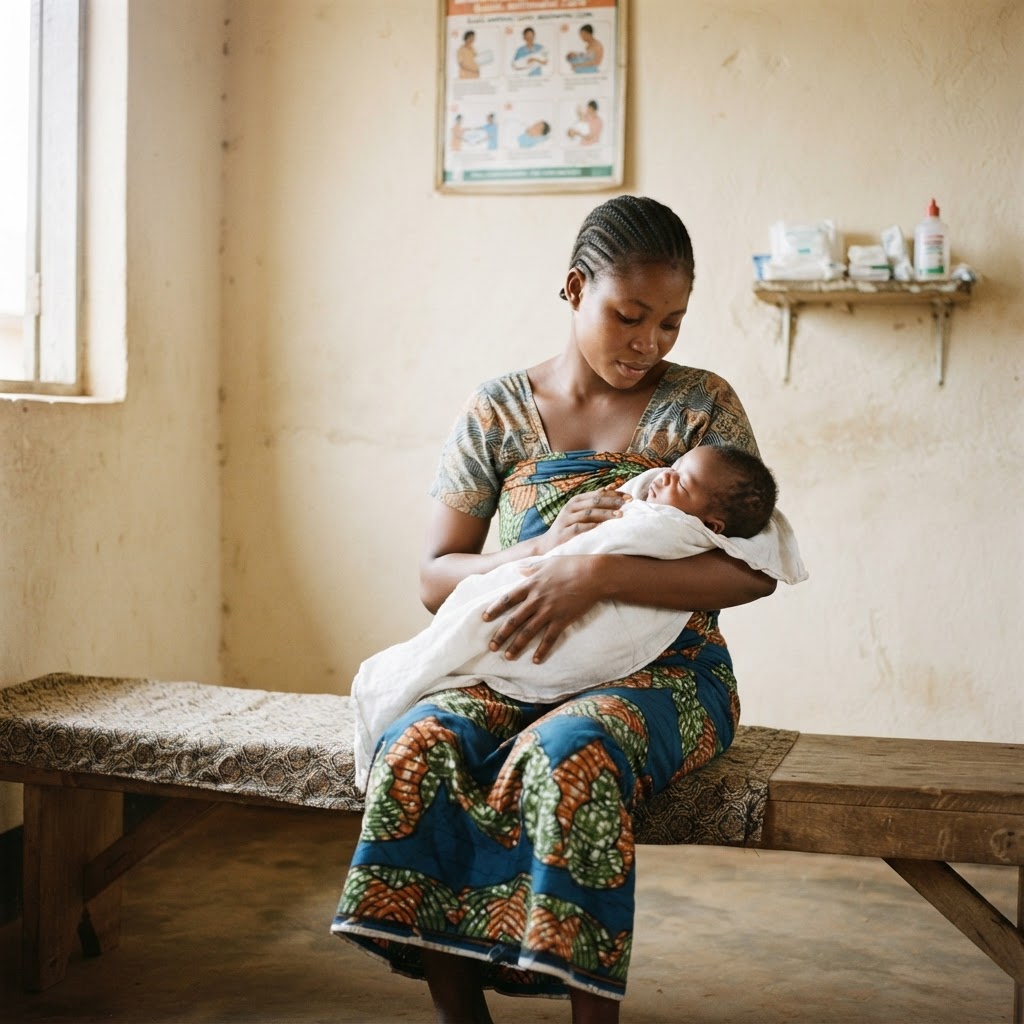
Every day, Nigerian households wait for news from the maternity ward with hope and quiet dread. Too often, that news is heartbreaking. This is the reality behind Nigeria's Maternal Death Crisis: Why Are So Many Mothers Still Dying? — a question every family, community leader, and policymaker must co...