Powered by Obi Mbieri Independent Media Ltd · eziokwubundu.com
$1 = ₦1,328€1 = ₦1,496£1 = ₦1,754Nigeria at 66: Nation Marks 66th Independence Anniversary
Nigeria stands at a defining moment, blending gratitude for decades of nationhood with determination to secure a brighter future. As the country celebrates Nigeria at 66: Nation Marks 66th Independence Anniversary, families, entrepreneurs, and community leaders are reflecting on how far the nation h...

Nigeria stands at a defining moment, blending gratitude for decades of nationhood with determination to secure a brighter future. As the country celebrates Nigeria at 66: Nation Marks 66th Independence Anniversary, families, entrepreneurs, and community leaders are reflecting on how far the nation has come and where it must go next. From bustling markets in Lagos to quiet farming communities in the Middle Belt, the spirit of Nigeria at 66 is visible in conversations about progress, patriotism, and shared responsibility.
This year's commemoration arrives amid economic recalibration, cultural pride, and renewed calls for unity. At eziokwubundu.com, we believe this milestone offers a timely opportunity to connect personal growth, financial wellness, and community development—the very pillars that define sustainable progress for everyday Nigerians. The story of Nigeria at 66 is not just about government ceremonies; it is about the millions of citizens whose daily resilience keeps the nation moving forward.
What Does Nigeria at 66 Mean?
Sixty-six years after independence in 1960, Nigeria's story remains one of transformation. The country moved from colonial administration to a federal republic with 36 states and a vibrant, diverse population exceeding 220 million people. Understanding Nigeria at 66 means appreciating both the distance travelled and the distance still ahead.
This anniversary is more than a date on the calendar. It represents a moment for honest reflection on resilience, sacrifice, and the pursuit of national greatness despite persistent challenges like insecurity, inflation, and infrastructure gaps. Each milestone in the Nigeria at 66 journey carries lessons—some celebratory, others cautionary—that shape how citizens engage with governance and community life today.
According to the Federal Ministry of Information and National Orientation, the Federal Government has declared October 1, 2026, a public holiday to mark the occasion. Officials have opted for a low-key, conservative celebration this year, prioritizing reflection over extravagance. This measured posture underscores how Nigeria at 66 is being framed less as a spectacle and more as a national checkpoint.
This approach honors the sacrifices of founding fathers and heroines who shaped Nigeria's independence movement. It also signals fiscal responsibility, a value many households are embracing amid tighter economic conditions. For community stakeholders, this measured tone reinforces a culturally grounded message: progress is built through consistency, not spectacle. In many ways, Nigeria at 66 reflects a maturing nation choosing substance over showmanship.
How Are We Marking This Day?
National commemorations this year combine tradition with modern storytelling. President Bola Tinubu is scheduled to deliver a nationwide broadcast, addressing citizens on governance priorities and the path ahead. His remarks are expected to touch on the broader significance of Nigeria at 66 as both a celebration and a call to renewed civic duty.
Notably, the President's recent re-engagement with domestic affairs, detailed in Tinubu Returns to Nigeria After 28-Day Working Vacation, has added fresh context to this year's independence commemorations. His return ahead of the anniversary signals renewed attention to governance priorities as Nigeria at 66 approaches, with expectations that leadership will match ceremonial reflection with concrete policy action.
The President is also expected to attend the premiere of a movie honoring MKO Abiola in Lagos, recognizing the democracy icon's enduring legacy. This cultural tribute reflects a broader effort to celebrate Nigerian heroes through storytelling and the arts, reminding citizens that Nigeria at 66 is built on the shoulders of those who fought for democratic ideals.
An Inter-Ministerial Committee has coordinated activities across the federation, ensuring consistency in programming. Special prayers were held in several states, including Kwara, symbolizing unity across religious and cultural lines. These coordinated efforts show that marking Nigeria at 66 is a shared national project rather than a purely federal exercise.
Beyond government-led events, grassroots initiatives are reshaping the independence narrative. The 'Nigeria @66' initiative by De Ambassadors Global Network stands out for its youth-focused approach. Key components of this initiative include:
- A nationwide youth talent challenge celebrating creativity and innovation.
- A global compendium recognizing 66 exceptional Nigerians making an impact locally and abroad.
- Community storytelling campaigns highlighting positive change beyond mainstream headlines.
Such programs align closely with Eziokwubundu's mission of showcasing authentic Nigerian narratives rooted in hope and progress. They also demonstrate that youth engagement is central to how Nigeria at 66 is being interpreted by a new generation less interested in nostalgia and more focused on measurable impact.
Readers interested in civic participation can also explore related coverage like Nigeria to Address UN General Assembly Today, which highlights Nigeria's growing diplomatic engagement. On the global stage, Nigeria at 66 is also a story of international positioning—how the country presents its priorities, partnerships, and ambitions to the world.
What Is the Current Economic State?
Nigeria's economic indicators reveal cautious optimism. Real GDP growth reached 4.43% in Q2 2026, up from 4.23% in Q2 2025, according to National Bureau of Statistics data. This growth signals improving productivity across agriculture, services, and industry, and offers a tangible economic backdrop against which Nigeria at 66 can be measured.
External reserves have also strengthened, climbing to $42.03 billion as of September 2026. This buffer, reported by the Central Bank of Nigeria, provides stability against global economic shocks, including currency volatility and commodity price fluctuations. For analysts tracking Nigeria at 66, these reserve figures offer a useful benchmark for assessing macroeconomic resilience.
The government continues prioritizing private sector growth, domestic refining capacity, and large-scale infrastructure. The Lagos-Calabar Coastal Highway remains a flagship project, aimed at boosting regional connectivity and trade efficiency. Infrastructure of this scale is often cited as evidence that Nigeria at 66 is entering a phase of more deliberate, long-term planning.
These developments mirror broader national efforts toward unified regional planning, as discussed in FG Seeks Unified Master Plans for Regional Development. Meanwhile, labor concerns persist, with workers advocating for better wages, as seen in Public Workers Plan October 2 Strike Over Wages and Fuel. These tensions illustrate that Nigeria at 66 is not without friction—economic gains at the macro level do not always translate immediately into relief at the household level.
Featured Products
Chukwu Abiama Tee
Bold black-and-gold Igbo-pride T-shirt featuring 'Chukwu Abiama' in premium streetwear typography.
₦15,000
Buy NowReverse Type 2 Diabetes & other associated Metabolic Issues using Dr. Jason Fung's Evidence-Based Approach— FMD program for Type 2 Diabetes
A practical fasting and fasting-mimicking programme built on Dr Jason Fung's insulin-resistance principles and ow-glycemic recipes.
₦19,950
Join NowỤmụ Igbo Tee
Classic black T-shirt with bold white 'Ụmụ Igbo' typography — a proud statement of Igbo heritage.
₦15,000
Buy NowNwanne Tee
Washed khaki vintage tee with a faded rust-orange 'Nwanne' stamp badge and palm leaf motif — a nod to kinship and heritage.
₦18,000
Buy NowObodo Tee
Faded denim-blue washed tee with a cream 'Obodo' stamp badge and sun motif, celebrating community roots.
₦18,000
Buy NowEkwe Heritage Tee
Deep indigo tee featuring a fine line-art illustration of a traditional Igbo ekwe drum, inspired by Igbo-Ukwu bronze artistry.
₦18,000
Buy NowIkenga Figure Tee
Forest green tee with a fine line-art illustration of a stylized Ikenga figure.
₦18,000
Buy NowAccountability in the economic space also matters. Legal actions such as the one reported in Court Seizes Lagos, Abuja Firm's Assets Over $40m Oil Debt signal a judiciary increasingly willing to enforce financial discipline within the oil and gas sector. For a nation marking Nigeria at 66, such enforcement actions matter because they reinforce the rule of law as a pillar of sustainable economic growth, rather than relying solely on headline GDP figures.
For entrepreneurs and middle-class Nigerians, these numbers matter. Rising reserves and GDP growth suggest expanding opportunities in manufacturing, agribusiness, and digital commerce. However, inflationary pressures mean families must plan strategically to protect purchasing power while investing in long-term wealth creation. The economic story of Nigeria at 66 is therefore one of cautious optimism tempered by the lived realities of everyday households.
How Can Families Build Prosperity?
Economic resilience begins at home. Eziokwubundu's signature "Health + Wealth + Community" triangle offers a practical framework for navigating today's realities. Prioritizing physical wellness alongside financial literacy strengthens a family's ability to adapt to economic shifts—an approach especially relevant as Nigeria at 66 invites households to reassess their financial foundations.
Digital opportunities are reshaping income generation across Nigeria. E-commerce, freelance services, and agritech platforms allow entrepreneurs to build sustainable revenue streams beyond traditional employment. According to the World Bank, Nigeria's digital economy continues expanding, driven by mobile penetration and youth innovation. This digital momentum is one of the clearest signs that Nigeria at 66 is being shaped as much by technology as by traditional policy.
Local enterprise remains equally vital. Supporting small businesses within one's community creates a multiplier effect, strengthening local economies while generating jobs. This is the essence of Practical Prosperity—applying actionable strategies rather than abstract motivation. As Nigeria at 66 is celebrated, many community leaders are using the occasion to encourage renewed investment in local commerce.
Consider these steps for sustainable financial growth:
- Build an emergency fund covering at least three months of expenses.
- Diversify income through side businesses or digital skills.
- Reinvest profits into community-based cooperatives or local initiatives.
- Prioritize preventive healthcare to reduce long-term financial strain.
When individual success is reinvested into community development, it reflects the African philosophy that collective growth strengthens everyone. This community-first approach remains central to Eziokwubundu's mission of blending personal advancement with shared prosperity, and it is a philosophy well suited to the collective challenges facing Nigeria at 66.
Why Is Community Unity Vital?
National cohesion remains essential for addressing socioeconomic disparities between urban and rural Nigeria. Many rural communities still lack adequate infrastructure, healthcare access, and educational resources, creating uneven development patterns. These disparities remain one of the most pressing issues as Nigeria at 66 is observed across both cities and villages.
Traditional institutions continue playing a crucial stabilizing role. Local community defense groups and traditional leaders often serve as first responders to security concerns, reinforcing social order where formal structures are stretched thin. This grassroots governance model complements national efforts and deserves greater recognition, particularly as discussions around Nigeria at 66 increasingly acknowledge the limits of centralized governance alone.
Civic education also strengthens unity. Initiatives like NILDS Hosts Imo State Democracy Quiz in Owerri demonstrate how engaging young people in democratic processes builds long-term civic responsibility. Similarly, legislative actions such as those covered in Imo Assembly Amends Local Government Law Amid Tenure Expiry show how local governance structures continue evolving to meet community needs. These localized efforts are quiet but essential contributors to the broader narrative of Nigeria at 66.
Nigerians must also take ownership of their national narrative. Moving beyond fragmented, negative headlines allows space for stories of innovation, creativity, and hope—values this platform consistently champions. Recognizing achievements like Nigerian Scientist Wins 2026 Schlumberger Impact Prize reinforces that Nigerian excellence thrives across sectors, from science to education to local governance. Such stories remind citizens that Nigeria at 66 is as much about individual brilliance as it is about collective policy outcomes.
What Role Does Leadership and Accountability Play?
Leadership transitions and accountability mechanisms also shape how Nigeria at 66 is experienced on the ground. Governance decisions at both federal and state levels—from executive broadcasts to local legislative amendments—signal how seriously institutions take the responsibility of steering the country forward.
The renewed domestic engagement highlighted in Tinubu Returns to Nigeria After 28-Day Working Vacation illustrates how executive presence and visibility matter during symbolic national moments like Nigeria at 66. Citizens often look to such moments as indicators of whether leadership priorities align with public expectations.
At the judicial level, enforcement actions such as those described in Court Seizes Lagos, Abuja Firm's Assets Over $40m Oil Debt reinforce that accountability structures are active even amid celebratory periods. This balance between celebration and continued institutional discipline is, in many respects, the hallmark of a maturing Nigeria at 66.
What Is the Path Forward?
Moving forward requires embracing "Better Living Through Information" as a guiding philosophy. Evidence-based decisions—whether in health, finance, or civic participation—empower Nigerians to make choices that improve both personal and community outcomes. This philosophy is particularly relevant as Nigeria at 66 challenges citizens to move from passive observation to active participation in national development.
Supporting youth-led initiatives and civic engagement strengthens long-term national development. Programs that reward talent and innovation, like those highlighted under Nigeria @66, demonstrate how young Nigerians are already shaping the country's future. Readers can also explore ongoing education reforms through Imo Teacher Recruitment: Mbaitoli School Allocation and the resumption of academic activities in Unity Colleges Reopen as Workers Suspend Strike. Education, in particular, remains a cornerstone of how Nigeria at 66 will translate into Nigeria at 76 and beyond.
As Nigeria at 66 unfolds, optimism remains justified. Economic indicators show measured growth, communities continue strengthening traditional support systems, and young Nigerians are redefining national identity through innovation. The journey toward collective prosperity continues—one informed decision, one strong community, and one resilient family at a time. Ultimately, the true measure of Nigeria at 66 will not be found solely in GDP figures or ceremonial broadcasts, but in the everyday choices citizens make to build healthier families, stronger businesses, and more united communities.
Stay Informed
Get New Articles in Your Inbox
Subscribe to receive the latest community development, health, and wealth insights from Eziokwubundu.
Newsletter
Practical insights on health, wealth, and community — delivered weekly.
Community Discussion(0)
Leave a Comment
More to Read
You May Also Like
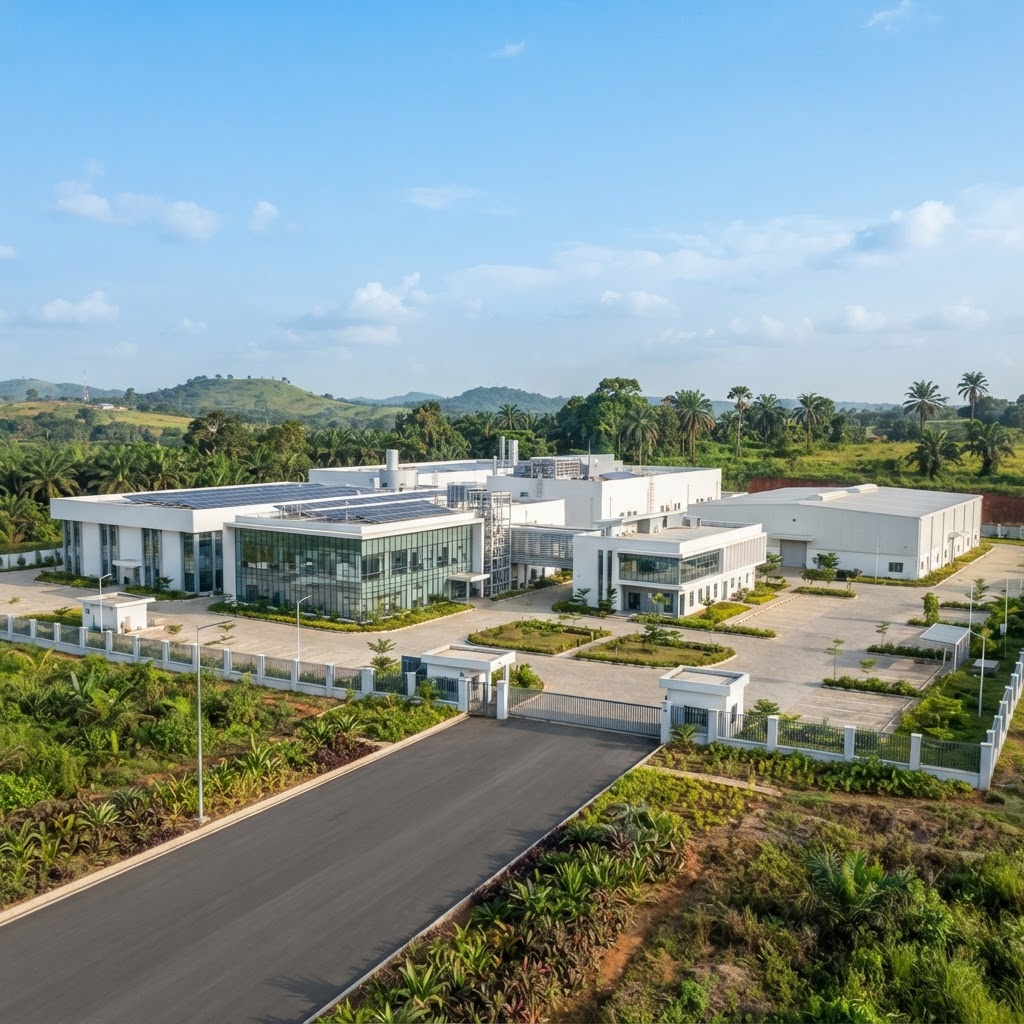
FG, Imo Back Pharmaceutical Hub Planned for Mgbidi
The Federal Government and Imo State Government have thrown their weight behind a bold new industrial project. FG, Imo Back Pharmaceutical Hub Planned for Mgbidi, signaling a fresh push toward local drug manufacturing and economic renewal in the South-East. The announcement positions the proposed fa...
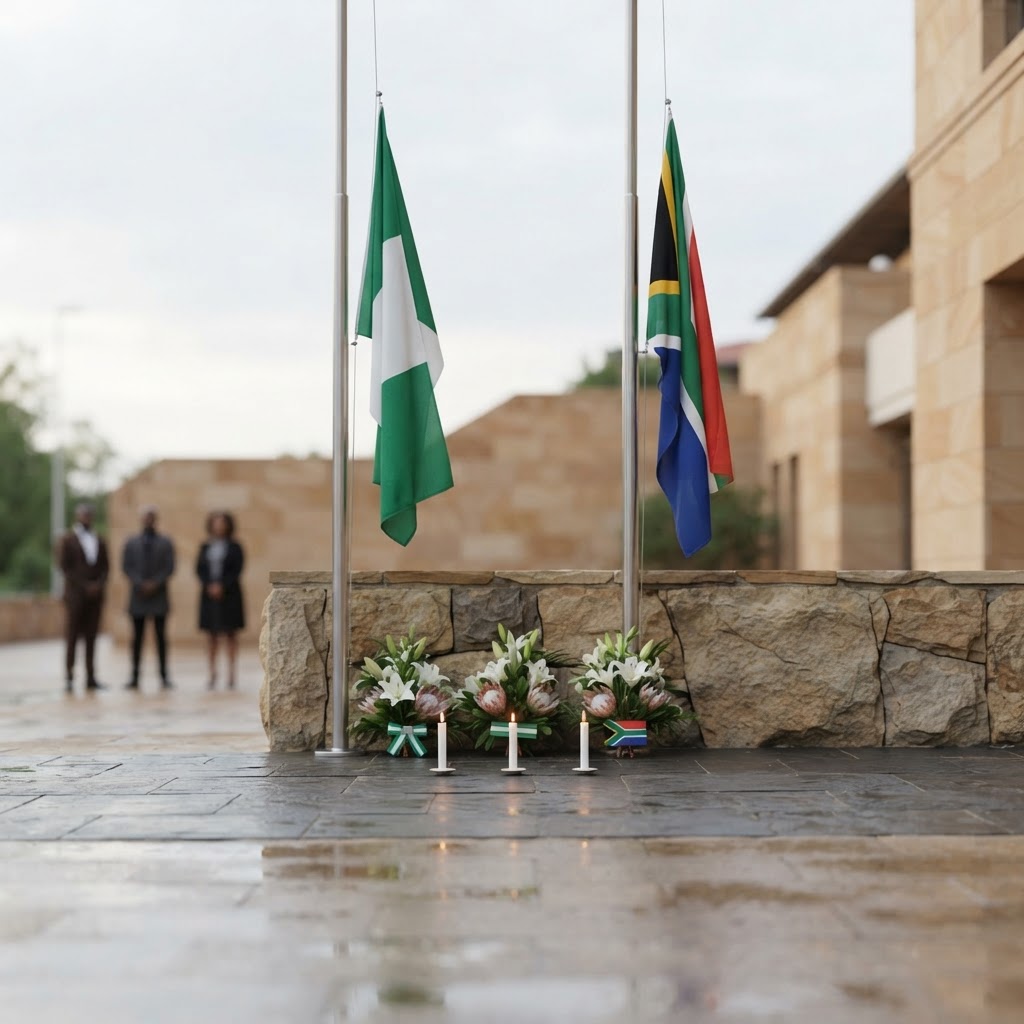
Nigeria Condemns Deaths of Three Citizens in South Africa
Nigerian families are mourning once again this week. Three citizens lost their lives in South Africa within a span of days. The tragedy has reignited calls for action, as Nigeria Condemns Deaths of Three Citizens in South Africa and demands accountability for the loss of its people abroad. For many ...
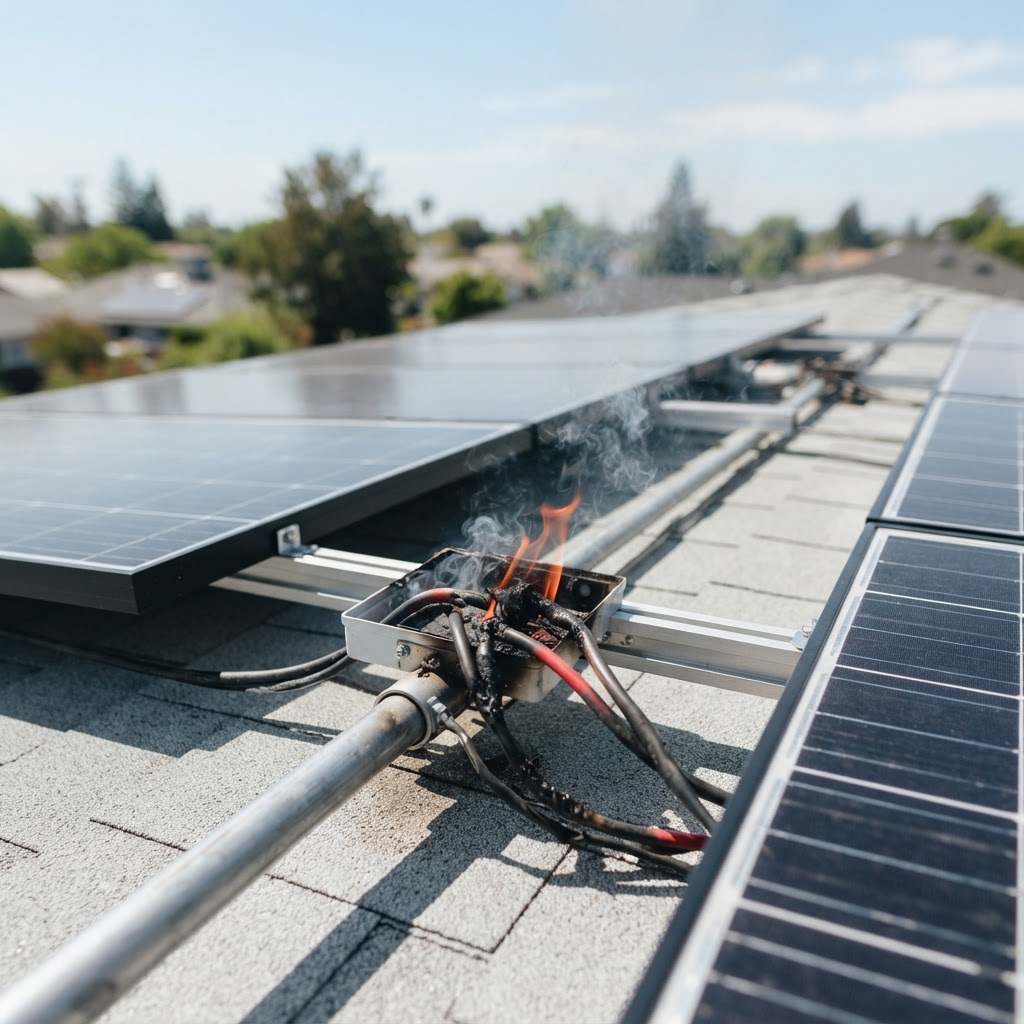
Solar Installation Safety: How Faulty Wiring Can Cause Fires
Nigeria's power crisis has pushed millions of families toward solar energy as a dependable alternative. Yet poor installation practices are quietly turning this clean energy solution into a serious hazard. Solar Installation Safety: How Faulty Wiring Can Cause Fires is becoming an urgent conversatio...
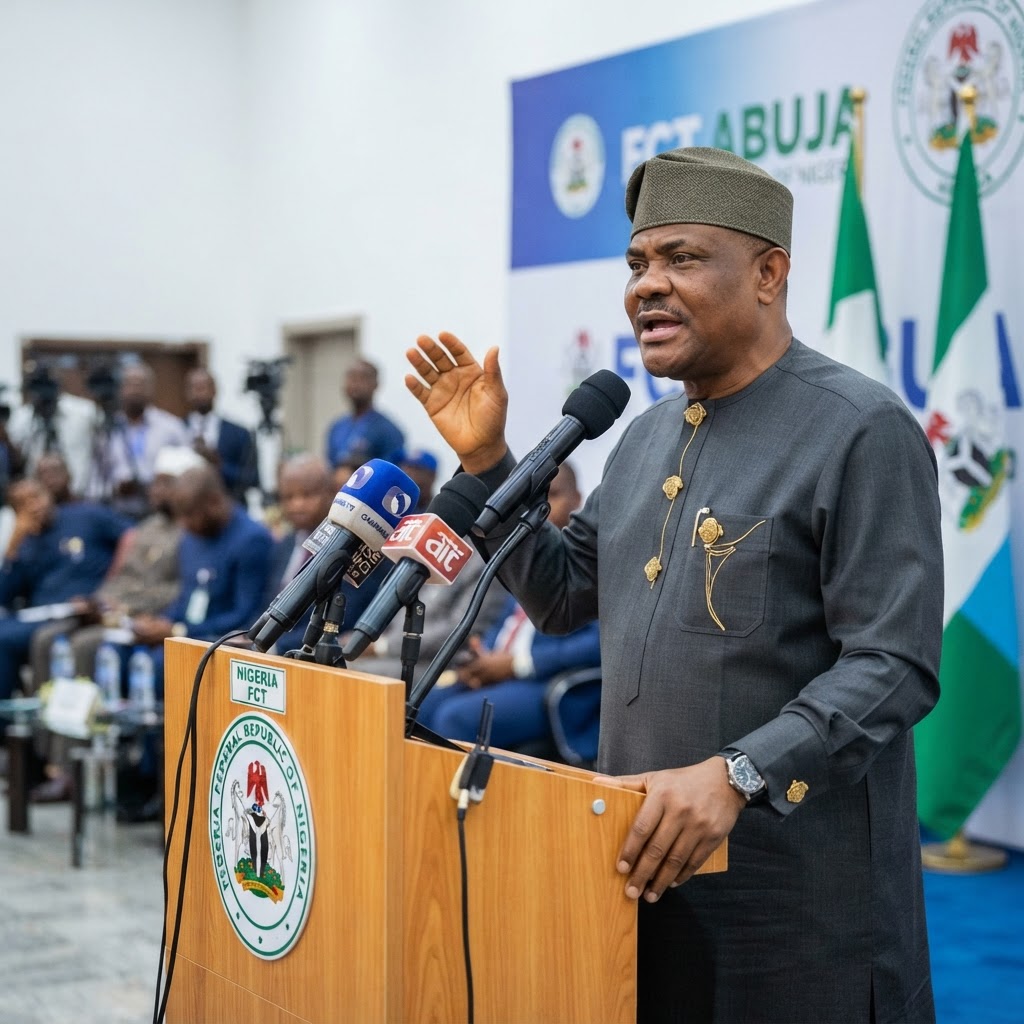
Wike Vows to Resign If Tinubu Loses FCT, Rivers
Nigeria's political temperature just rose by several degrees. A bold declaration from the Federal Capital Territory Minister has set tongues wagging across government circles and local communities alike. Wike Vows to Resign If Tinubu Loses FCT, Rivers, and that single pledge now dominates conversati...

JAMB Extends 2021–2025 Admission Acceptance Deadline
The clock is ticking for thousands of Nigerian students awaiting university placement. JAMB Extends 2021–2025 Admission Acceptance Deadline, giving candidates a crucial window to secure their academic future. For families across Nigeria and the diaspora, this update carries real weight for planning ...
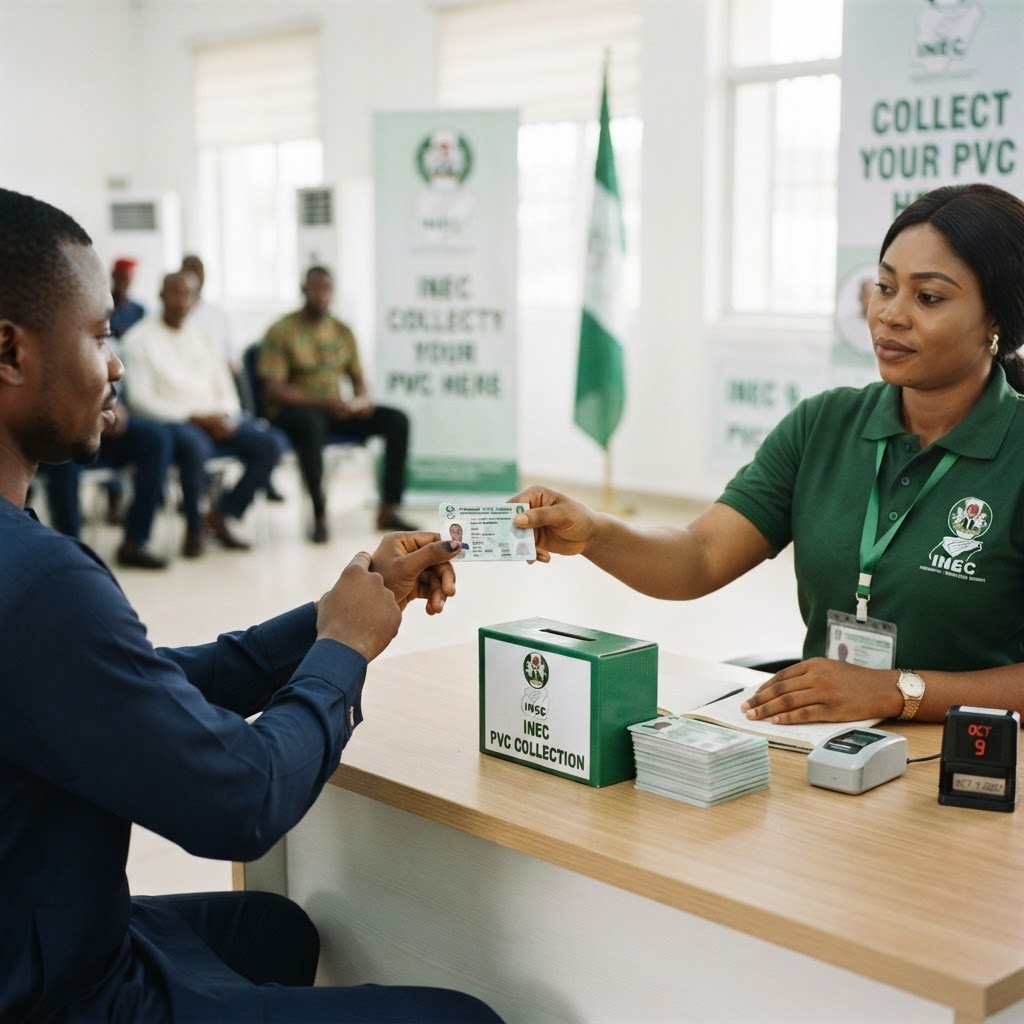
INEC Schedules PVC Collection Starting October 9
Nigeria's electoral calendar just got a major update, and millions of registered voters need to pay attention. INEC Sets October 9 for PVC Collection Ahead of 2027 Elections, marking a pivotal step toward the next general elections. This announcement affects families, students, entrepreneurs, and di...
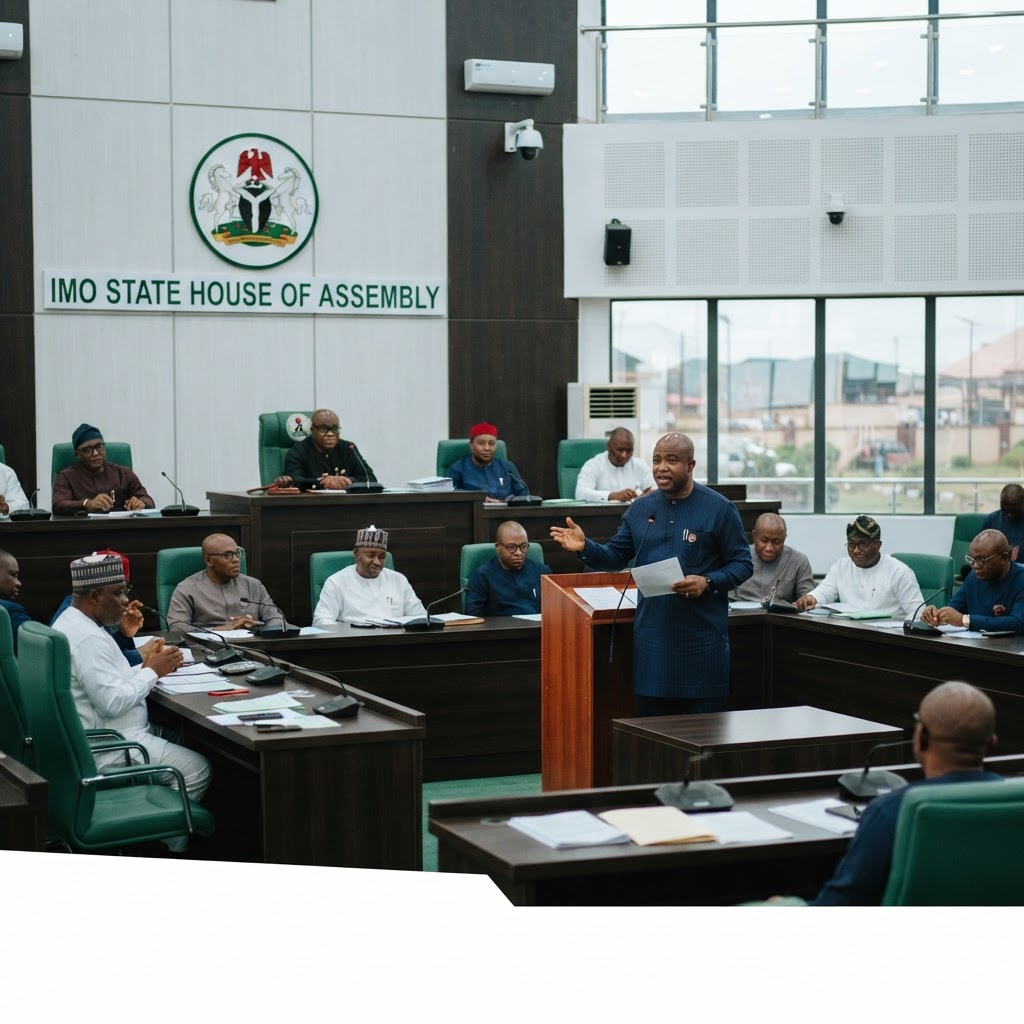
Imo Assembly Amends Local Government Law Amid Tenure Expiry
Local government administration in Imo State is entering a critical transition period, and lawmakers are moving quickly to keep governance stable. The Imo Assembly has amended the local government law governing council administration as tenures near their end, signaling a decisive shift in how the s...
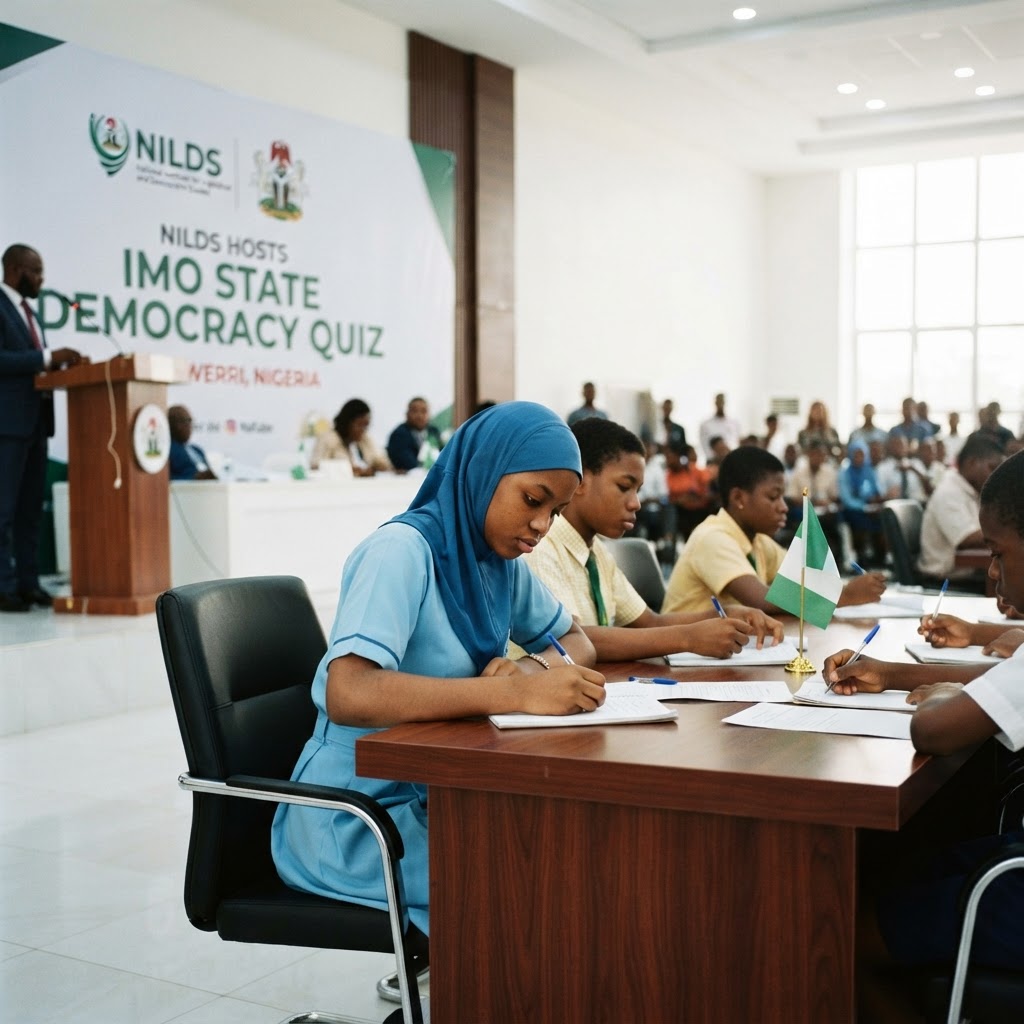
NILDS Hosts Imo State Democracy Quiz in Owerri
Nigerian classrooms rarely get a front-row seat to national lawmaking, but Owerri just changed that. NILDS Holds Imo Legislature and Democracy Quiz Competition in Owerri, giving secondary school students a rare, real-world lesson in governance and civic duty. The event drew attention from educators,...
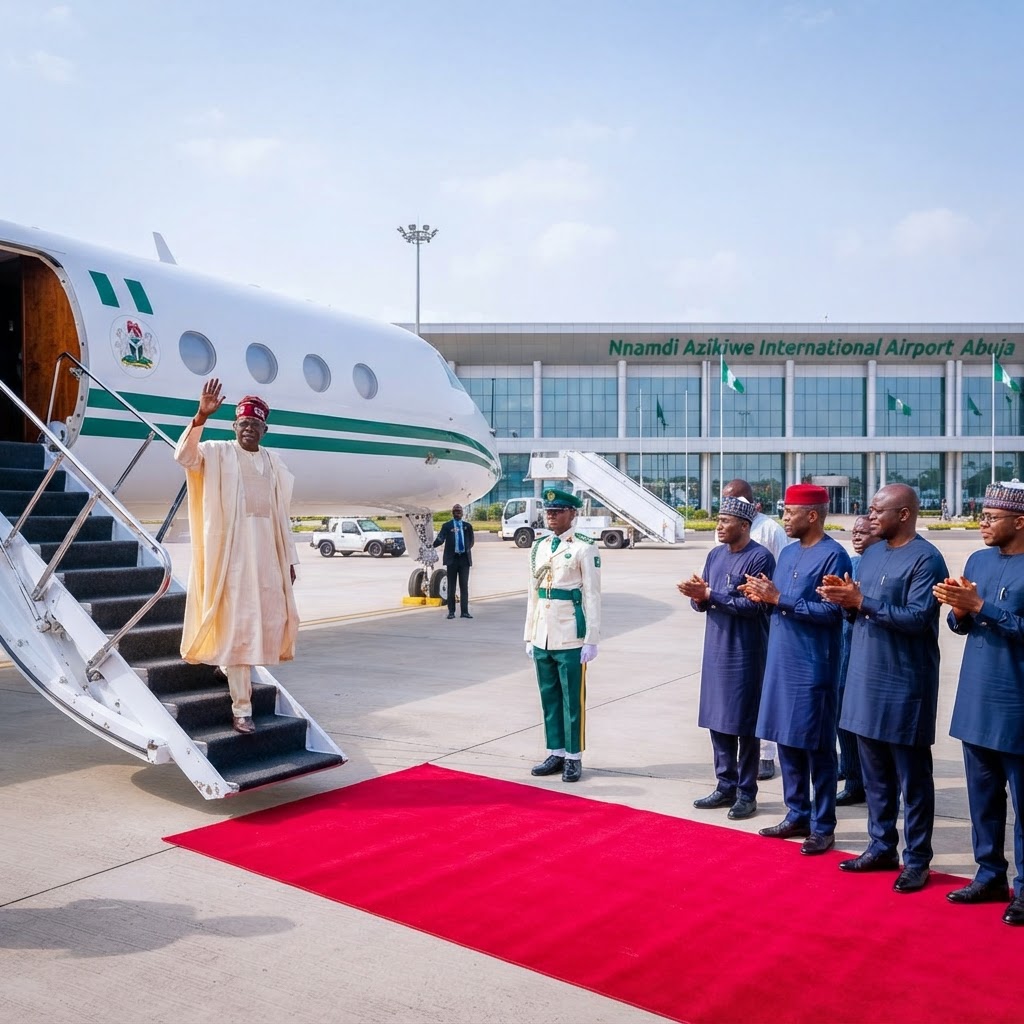
Tinubu Returns to Nigeria After 28-Day Working Vacation
Nigerians woke up to major headlines this week. Tinubu Returns to Nigeria After 28-Day Working Vacation, and the story is sparking conversations from Lagos to London about leadership, health, and governance. For families balancing daily hustle with national headlines, this update matters more than i...
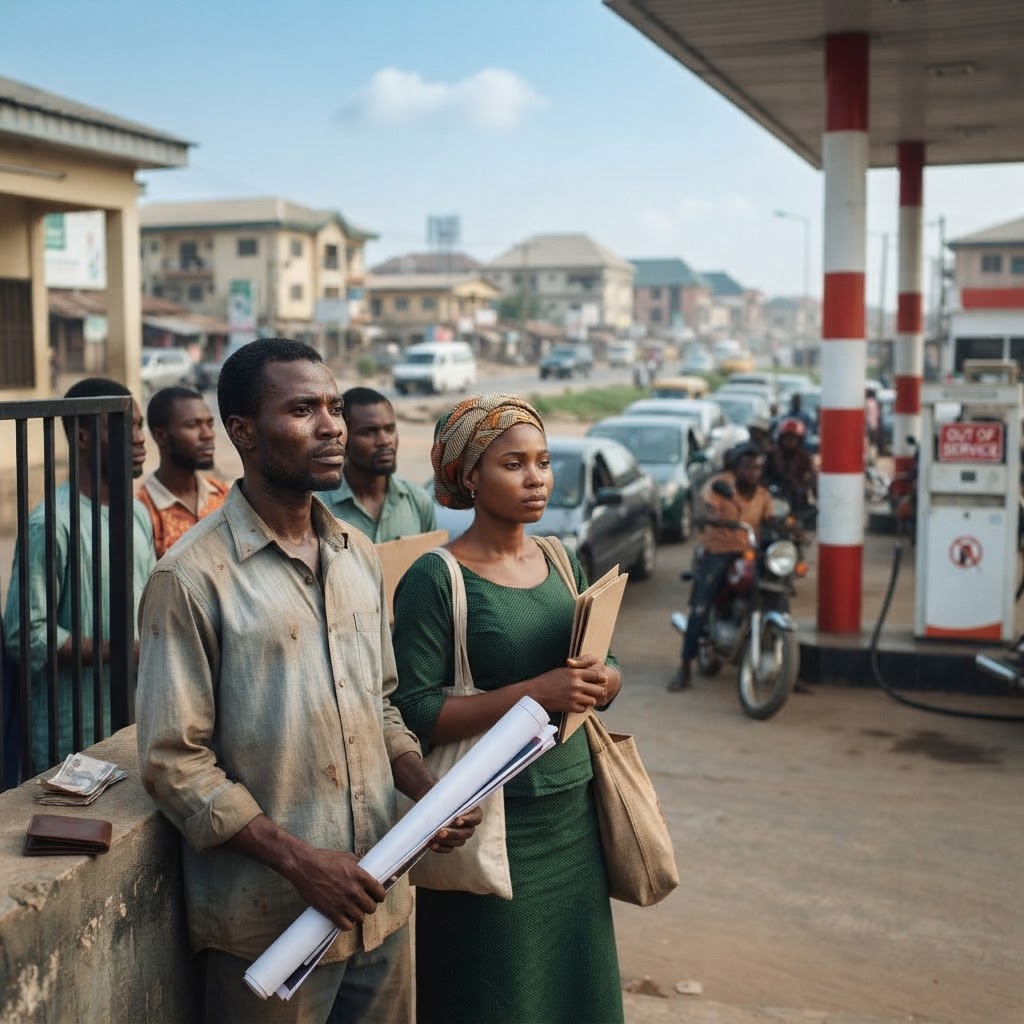
Public Workers Plan October 2 Strike Over Wages and Fuel
Nigeria stands at another economic crossroads as labour unions signal a nationwide showdown. Families are bracing for disruption, businesses are recalculating budgets, and communities are asking hard questions about survival. This is the story behind why the October 2 strike is dominating national c...