Powered by Obi Mbieri Independent Media Ltd · eziokwubundu.com
$1 = ₦1,331€1 = ₦1,492£1 = ₦1,759FG, Imo Back Pharmaceutical Hub Planned for Mgbidi
The Federal Government and Imo State Government have thrown their weight behind a bold new industrial project. FG, Imo Back Pharmaceutical Hub Planned for Mgbidi, signaling a fresh push toward local drug manufacturing and economic renewal in the South-East. The announcement positions the proposed fa...
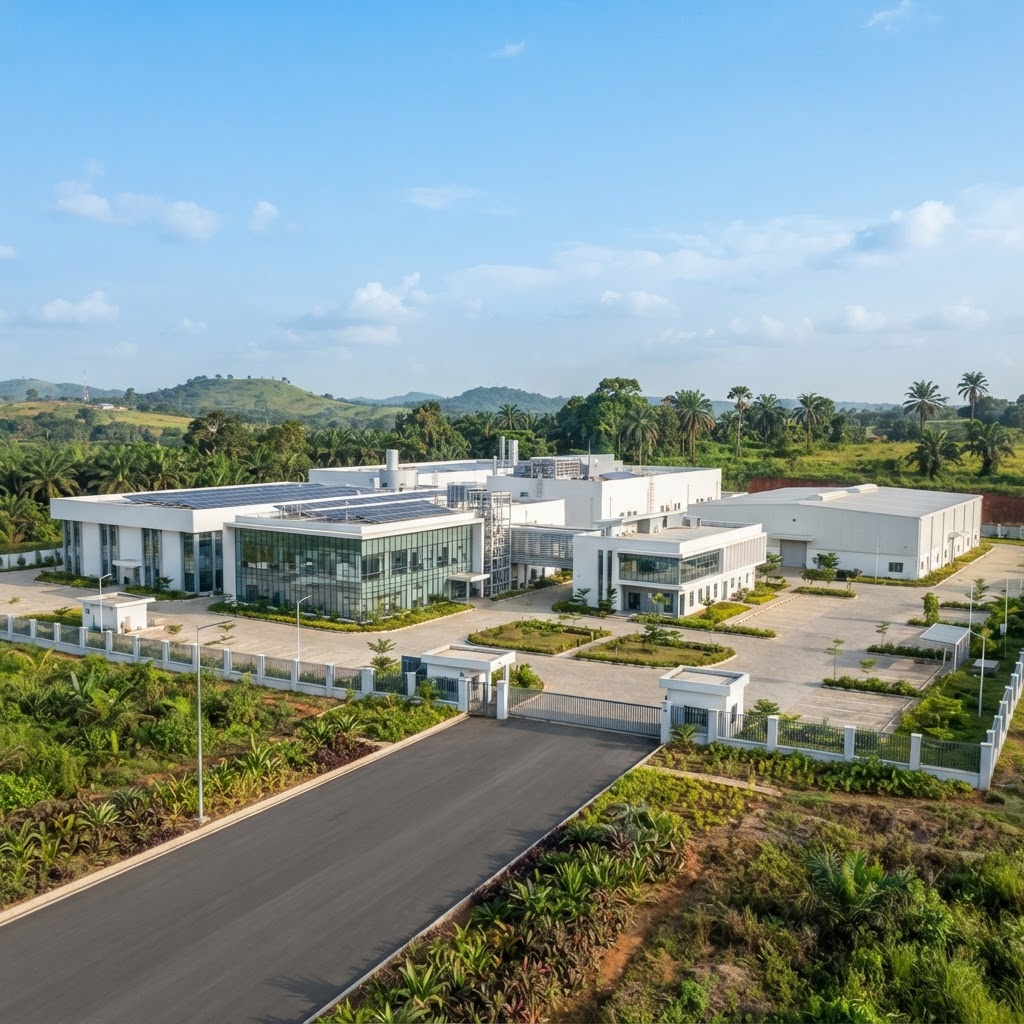
The Federal Government and Imo State Government have thrown their weight behind a bold new industrial project. FG, Imo Back Pharmaceutical Hub Planned for Mgbidi, signaling a fresh push toward local drug manufacturing and economic renewal in the South-East. The announcement positions the proposed facility as one of Nigeria's most ambitious state-federal collaborations in the health and manufacturing space in recent years.
For Nigerian families tired of expensive, imported medicines, this news carries real promise. A fully functional Pharmaceutical Hub in Imo State could reshape how medicines are produced, priced, and distributed across the South-East and beyond.
What Is the Mgbidi Pharmaceutical Hub?
The proposed Heartland Pharmaceutical and Allied Products Hub is set to rise in Mgbidi, Oru West Local Government Area, Imo State. According to recent reporting, land has reportedly been approved for the project, with both federal and state authorities offering support (The Sun Nigeria).
This collaboration matters. When the Federal Government and a state government align on an industrial initiative of this scale, it signals seriousness of intent. It also unlocks potential funding, policy support, and regulatory fast-tracking that a Pharmaceutical Hub of this magnitude requires to move from paper to production.
The hub is designed to house manufacturing plants, warehousing facilities, and distribution networks for pharmaceutical and allied products. It will not just produce medicine—it will build an entire ecosystem around drug production, storage, and distribution. In essence, the Mgbidi Pharmaceutical Hub is being conceived as a self-contained industrial zone rather than a single factory.
Nigeria currently imports a significant share of its pharmaceutical products, exposing the country to currency fluctuations and global supply shocks. A domestic Pharmaceutical Hub like this could reduce that dependency substantially, giving Nigeria more control over the medicines its citizens rely on daily.
Beyond economics, the Mgbidi project speaks to national health security. Reliable, local pharmaceutical production means fewer disruptions during crises. It means Nigerian families get consistent access to essential medicines, regardless of global trade tensions or shipping delays affecting import-dependent markets.
For context, Nigeria's pharmaceutical market remains heavily import-reliant, with industry estimates suggesting over 70% of medicines consumed locally are imported. Projects like the Mgbidi Pharmaceutical Hub aim to shift that balance over time, strengthening the nation's self-sufficiency in critical health commodities and reducing the foreign exchange pressure tied to drug importation.
Why Mgbidi for This Pharmaceutical Hub?
Location matters enormously in industrial planning. Mgbidi sits strategically within Imo State, offering accessible road networks connecting to major South-East and South-South commercial centers. This is one of the central reasons planners settled on Mgbidi as the site for the new Pharmaceutical Hub.
This positioning makes it ideal for pharmaceutical distribution. Products manufactured here can reach Owerri, Onitsha, Aba, and Port Harcourt relatively quickly. Efficient logistics reduce costs and shorten delivery timelines for essential medicines, which is precisely the kind of advantage a well-sited Pharmaceutical Hub is meant to provide.
The project also aligns with broader regional entrepreneurship goals. Research on entrepreneurship development in Imo State highlights how contextual factors—including infrastructure, policy support, and access to capital—shape business success in the region (RSIS International).
A Pharmaceutical Hub could directly address some of these contextual gaps. It provides infrastructure that smaller entrepreneurs typically cannot build alone, lowering the barrier to entry for local businesses that want to participate in the pharmaceutical value chain without constructing their own factories or warehouses.
Several factors make industrial clustering effective in locations like Mgbidi:
- Proximity to raw material suppliers and agricultural inputs used in pharmaceutical production
- Availability of relatively affordable land for large-scale facilities
- Growing local workforce eager for skilled employment opportunities
- Existing transport corridors linking Imo State to neighboring commercial hubs
When these elements combine, specialized industrial zones tend to thrive. Mgbidi appears positioned to benefit from exactly this kind of synergy, provided infrastructure investment keeps pace with ambition. If executed properly, the Mgbidi Pharmaceutical Hub could become a model for how mid-sized Nigerian towns attract large-scale industrial investment.
How Will This Pharmaceutical Hub Boost Local Health?
Localized pharmaceutical manufacturing directly affects everyday health outcomes. When medicines are produced closer to the point of consumption, prices tend to drop. Shorter supply chains mean fewer middlemen and lower transportation costs, and a functioning Pharmaceutical Hub is specifically designed to shorten those chains.
For Nigerian families managing tight budgets, this could translate into real savings on essential drugs. Chronic disease management, maternal health products, and basic antibiotics could all become more affordable once the Pharmaceutical Hub reaches full production capacity.
Supply chain efficiency is equally important. Rural communities often struggle with inconsistent medicine availability. A well-run Pharmaceutical Hub in Mgbidi could feed distribution networks reaching deep into underserved areas, not just urban centers, helping close the gap between city pharmacies and rural health posts.
This mirrors the ongoing conversation around Nigeria's healthcare infrastructure gaps, which the World Health Organization has repeatedly flagged as a continental concern. A domestically rooted Pharmaceutical Hub addresses one piece of that larger infrastructure puzzle.
Eziokwubundu's mission centers on preventive healthcare and practical wellness education. A Pharmaceutical Hub like this complements that mission directly. Access to affordable, quality medicine is foundational to any preventive health strategy, and no amount of wellness education can substitute for actual drug availability when illness strikes.
Without reliable medicine supply, even the best wellness advice falls short. Families need both knowledge and access. The Mgbidi Pharmaceutical Hub, if executed well, strengthens the access side of that equation while Eziokwubundu continues to strengthen the knowledge side.
Regulatory oversight will remain essential. Agencies like NAFDAC must ensure quality control standards are maintained as production scales up locally, so that the promise of a Pharmaceutical Hub does not come at the expense of medicine safety.
What Economic Gains Will the Pharmaceutical Hub Deliver?
Beyond health benefits, the economic ripple effects could be substantial. Large industrial projects typically generate direct and indirect employment across multiple sectors, and a Pharmaceutical Hub of this scale is no exception.
Youth professionals in Oru West LGA stand to gain the most immediate opportunities. Manufacturing roles, quality control positions, logistics coordination, and administrative jobs will likely emerge as the hub develops. Many of these roles will require the kind of technical training that feeds directly into a modern Pharmaceutical Hub's workforce needs.
Featured Products
Chukwu Abiama Tee
Bold black-and-gold Igbo-pride T-shirt featuring 'Chukwu Abiama' in premium streetwear typography.
₦15,000
Buy NowReverse Type 2 Diabetes & other associated Metabolic Issues using Dr. Jason Fung's Evidence-Based Approach— FMD program for Type 2 Diabetes
A practical fasting and fasting-mimicking programme built on Dr Jason Fung's insulin-resistance principles and ow-glycemic recipes.
₦19,950
Join NowỤmụ Igbo Tee
Classic black T-shirt with bold white 'Ụmụ Igbo' typography — a proud statement of Igbo heritage.
₦15,000
Buy NowNwanne Tee
Washed khaki vintage tee with a faded rust-orange 'Nwanne' stamp badge and palm leaf motif — a nod to kinship and heritage.
₦18,000
Buy NowObodo Tee
Faded denim-blue washed tee with a cream 'Obodo' stamp badge and sun motif, celebrating community roots.
₦18,000
Buy NowEkwe Heritage Tee
Deep indigo tee featuring a fine line-art illustration of a traditional Igbo ekwe drum, inspired by Igbo-Ukwu bronze artistry.
₦18,000
Buy NowIkenga Figure Tee
Forest green tee with a fine line-art illustration of a stylized Ikenga figure.
₦18,000
Buy NowEntrepreneurs also stand to benefit significantly. The pharmaceutical supply chain offers multiple entry points, from raw material supply to packaging services, cold chain logistics, and retail distribution networks. A Pharmaceutical Hub rarely operates in isolation—it tends to pull a web of smaller businesses into its orbit.
Consider the broader multiplier effect common in industrial zones:
- Direct jobs within manufacturing and warehousing operations
- Transport and logistics businesses supporting distribution
- Hospitality and retail services catering to workers and visitors
- Local supplier contracts for packaging, cleaning, and maintenance services
This kind of secondary business growth often outpaces the direct employment numbers. Industrial hubs elsewhere in Nigeria have shown similar patterns, where one major facility spawns dozens of smaller supporting enterprises. The hope is that the Mgbidi Pharmaceutical Hub follows that same trajectory, anchoring a cluster of allied businesses around it.
For Imo State specifically, this could mark a turning point. Diaspora Nigerians watching from abroad may find renewed reason to invest in hometown projects, strengthening ties between international remittances and local development. A credible Pharmaceutical Hub announcement often serves as a signal to diaspora investors that a state is serious about industrial growth.
Community leaders should begin preparing residents now. Skills training programs, vocational workshops, and small business support could position local entrepreneurs to capture these emerging opportunities before external investors dominate the space around the new Pharmaceutical Hub.
Can Nigeria Reach Pharmaceutical Self-Reliance Through Hubs Like This?
The bigger question extends beyond Mgbidi alone. Can Nigeria genuinely transition from import dependency to pharmaceutical self-reliance, with projects like this Pharmaceutical Hub leading the way?
Industry analysis from KPMG suggests this transition is both necessary and achievable, provided structural reforms accompany new infrastructure projects (KPMG Nigeria). The report frames this shift as a matter of national security, not just economic convenience—and a dedicated Pharmaceutical Hub is exactly the kind of infrastructure such reforms are meant to support.
Reliance on imported medicines leaves Nigeria vulnerable during global disruptions, as seen during recent pandemic-related supply chain breakdowns worldwide. Local production insulates the country from such shocks, and each new Pharmaceutical Hub reduces that exposure a little further.
Technology integration will prove critical. Digital supply chain architecture—tracking inventory, demand forecasting, and distribution in real time—can help the Mgbidi Pharmaceutical Hub avoid the inefficiencies that plague traditional pharmaceutical logistics in Nigeria.
Workforce development matters just as much as infrastructure. The KPMG report emphasizes university partnerships and professional certification programs as essential tools for building a skilled pharmaceutical workforce capable of running a modern Pharmaceutical Hub at scale.
Nigerian universities and polytechnics could play a direct role here, training pharmacists, chemical engineers, and quality assurance specialists. Without this talent pipeline, even the best facilities underperform, no matter how advanced the Pharmaceutical Hub's equipment or how generous its funding.
Self-reliance is not an overnight achievement. It requires sustained investment, consistent policy support, and patient capital. The Mgbidi Pharmaceutical Hub represents one meaningful step in a much longer journey toward pharmaceutical independence for Nigeria as a whole.
Pharmaceutical Hub Progress Amid Nigeria's Broader National Moment
It is worth noting that this Pharmaceutical Hub announcement arrives at a time of significant national activity. As Tinubu Returns to Nigeria After 28-Day Working Vacation, attention naturally turns to how federal priorities will shape economic initiatives like the one planned for Mgbidi.
Meanwhile, labor concerns remain active nationwide, with reports that Public Workers Plan October 2 Strike Over Wages and Fuel. Industrial projects such as a Pharmaceutical Hub cannot be insulated from these wider economic pressures; wage disputes and fuel costs directly affect construction timelines, workforce retention, and operating expenses for any large facility.
Civic participation is also in focus, with INEC Schedules PVC Collection Starting October 9 and students watching closely as JAMB Extends 2021–2025 Admission Acceptance Deadline. These developments matter because the same young Nigerians registering to vote or securing admission are the ones who will eventually staff facilities like the Mgbidi Pharmaceutical Hub, making civic and educational participation part of the same long-term development story.
Nigeria's international image also plays a role in attracting the kind of investment a Pharmaceutical Hub needs to succeed. Reports such as Nigeria Condemns Deaths of Three Citizens in South Africa and the related coverage (Nigeria Condemns Deaths of Three Citizens in South Africa) remind readers that Nigeria's diplomatic standing and domestic industrial ambitions are often discussed in the same breath, as both affect how outsiders perceive the country's readiness for serious economic partnership.
What Is the Path Forward for the Pharmaceutical Hub?
Success for this project depends on genuine collaboration. Community leaders, government agencies, and private investors must work together consistently, not just during the announcement phase. A Pharmaceutical Hub of this ambition cannot be built on political goodwill alone—it needs sustained follow-through.
Transparent land use agreements, clear timelines, and regular public updates will build trust among Mgbidi residents and broader Imo State stakeholders. Projects that lack this transparency often stall or face community resistance later, and a Pharmaceutical Hub that loses local trust early can struggle to recover momentum.
Eziokwubundu readers should actively monitor developments like this one. Community development projects directly shape local health access and economic opportunity. Staying informed helps families and entrepreneurs position themselves early, before the Pharmaceutical Hub becomes fully operational and competition for opportunities intensifies.
This project also reflects a broader pattern worth watching alongside other regional developments, including the Imo Assembly Amends Local Government Law Amid Tenure Expiry and ongoing civic engagement efforts like the NILDS Hosts Imo State Democracy Quiz in Owerri. Governance decisions ripple into economic outcomes, and the fate of the Pharmaceutical Hub will likely be tied to how well local institutions manage the surrounding policy environment.
Similarly, workforce readiness connects to education initiatives such as the Imo Teacher Recruitment: Mbaitoli School Allocation, reminding us that human capital development underpins every industrial ambition. A Pharmaceutical Hub is only as strong as the educated, trained workforce that feeds into it.
As Nigeria marks milestones like Nigeria at 66: Nation Marks 66th Independence Anniversary, projects like the Mgbidi Pharmaceutical Hub offer tangible proof that national progress requires grassroots investment, not just symbolic celebration. A nation's independence anniversary means little without concrete steps toward economic independence, and a functioning Pharmaceutical Hub is one such concrete step.
Ultimately, this initiative embodies the philosophy Eziokwubundu champions daily: blending traditional community values with modern industrial progress. When health, wealth, and community development intersect, collective prosperity becomes achievable—one project, one community, one informed decision at a time. The Mgbidi Pharmaceutical Hub, still in its early stages, carries the weight of that larger vision, and its progress deserves continued attention from policymakers, investors, and ordinary Nigerian families alike.
Stay Informed
Get New Articles in Your Inbox
Subscribe to receive the latest community development, health, and wealth insights from Eziokwubundu.
Newsletter
Practical insights on health, wealth, and community — delivered weekly.
Community Discussion(0)
Leave a Comment
More to Read
You May Also Like

NYSC Abduction: Serving Nigeria at What Cost? Fresh Safety Questions
The Umunoha abduction of prospective NYSC members has renewed concerns over the safety of graduates travelling across Nigeria for national service.

Military Aircraft With 32 Aboard Crashes in Ondo, Rescue Underway
Igbokoda crash: Nigerian Air Force ATR-42 was travelling from Benin to Lagos when contact was lost
Nwanegwo Hands Over Mbaitoli LGA Affairs, Ends Tenure
Hon. Ifunanya Nwanegwo JP has formally handed over the affairs of Mbaitoli Local Government Area to the Director of Administration and General Services (DAGS), marking the conclusion of his tenure as Executive Chairman.
Umunoha NYSC Kidnap: Hideout Located as IED Threat Delays Rescue
Imo security agencies have located the suspected hideout of prospective NYSC members abducted along the Owerri–Onitsha Road, but an alleged improvised explosive device (IED) threat has delayed the planned rescue operation.

Mbaitoli Kidnapping: Why Is the Owerri–Onitsha Road Still Vulnerable?
The latest kidnapping incident along the Owerri–Onitsha Road in Mbaitoli Local Government Area of Imo State has renewed concerns about the safety of one of the major transportation routes connecting communities in Imo and neighbouring states.
Nigeria’s Maternal Death Crisis: Why Are Mothers Dying?
Every day, Nigerian households wait for news from the maternity ward with hope and quiet dread. Too often, that news is heartbreaking. This is the reality behind Nigeria's Maternal Death Crisis: Why Are So Many Mothers Still Dying? — a question every family, community leader, and policymaker must co...

Kidnappers Demand 1 Billion Naira for 20 Corps Members
A chilling ultimatum has gripped Nigerian families this week. Armed abductors are demanding an enormous ransom for the safe return of young graduates travelling to serve their nation. The incident, now widely known as "Kidnappers Give 20 Prospective Corps Members' Families 24 Hours to Pay ₦1bn Ranso...

Can Fasting Help Lower High Blood Pressure? What Experts Say
High blood pressure quietly affects millions of Nigerian adults, often with no obvious warning signs. Many families are now turning to fasting as a natural way to manage it. This article explores the question many are asking: Can Fasting Help Lower High Blood Pressure? What Experts Say reveals surpr...

NNPC Faces Efficiency Scrutiny Over ₦27.76 Trillion Expenses
Nigeria's state oil giant is back in the headlines, and not for a new discovery. NNPC's ₦27.76 Trillion Operating Expenses Raise Efficiency Questions among citizens, analysts, and policymakers alike. The figure is so large it has sparked fresh debate about how national wealth is managed, and the num...

Police Rescue 10 After Gunmen Attack Two Buses in Mbaitoli
Early morning violence on a major Imo State highway sent shockwaves through communities nationwide this week. Families woke up to disturbing news of commuters trapped in a terrifying ordeal after gunmen struck in Mbaitoli, targeting two commercial buses in the hours before dawn. The headline "Police...