Powered by Obi Mbieri Independent Media Ltd · eziokwubundu.com
$1 = ₦1,331€1 = ₦1,492£1 = ₦1,759Nigeria’s Maternal Death Crisis: Why Are Mothers Dying?
Every day, Nigerian households wait for news from the maternity ward with hope and quiet dread. Too often, that news is heartbreaking. This is the reality behind Nigeria's Maternal Death Crisis: Why Are So Many Mothers Still Dying? — a question every family, community leader, and policymaker must co...
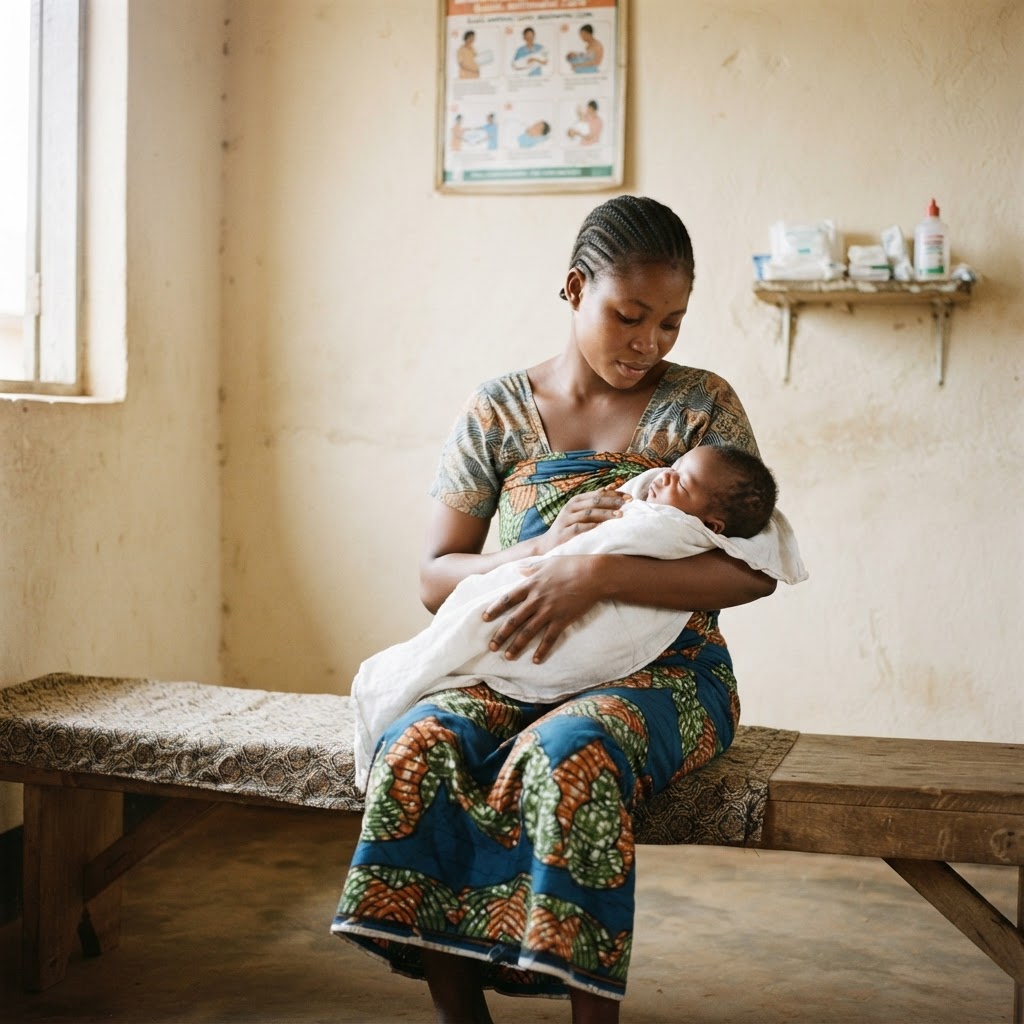
Every day, Nigerian households wait for news from the maternity ward with hope and quiet dread. Too often, that news is heartbreaking. This is the reality behind Nigeria's Maternal Death Crisis: Why Are So Many Mothers Still Dying? — a question every family, community leader, and policymaker must confront.
At eziokwubundu.com, we believe informed communities save lives. This article breaks down the data, the causes, and the practical steps families can take right now to reduce maternal death and protect the women who hold our communities together.
Across Nigeria, maternal death is no longer a rare tragedy whispered about in hushed tones — it is a recurring, preventable loss that touches nearly every community, from bustling cities to remote villages. Just as the nation grapples with the tragic deaths of three citizens in South Africa and demands accountability abroad, it must demand the same urgency at home, where maternal death claims far more lives every single day than most headline tragedies combined.
Why Is Maternal Mortality So High?
Nigeria carries a maternal mortality burden that is disproportionate to its population. The country accounts for approximately 20% of all global maternal deaths, yet it represents only about 3% of the world's population. That gap alone signals a deep systemic failure.
Recent estimates place Nigeria's maternal mortality ratio as high as 1,047 deaths per 100,000 live births. This figure has shown worrying increases over the past decade, according to punchng.com's investigation into Nigeria's maternal deaths. Compare this to the global average, which hovers near 223 per 100,000 live births, according to the World Health Organization.
Nigeria has remained trapped in what researchers call a "very high mortality phase" for over two decades. While many developing nations have made significant progress reducing maternal deaths, Nigeria has failed to keep pace with global and regional trends. Countries with similar economic profiles have cut their maternal mortality ratios by half or more in the same period.
This stagnation is not due to a lack of medical knowledge. It stems from systemic gaps in access, funding, and emergency response. Every statistic represents a mother who did not return home, and each percentage point in these figures hides thousands of individual cases of maternal death that could have been prevented with timely care. Understanding these gaps is the first step toward meaningful change for Nigerian families and communities.
What Are The Primary Medical Causes?
Medical evidence points to five dominant causes of maternal death in Nigeria. Over 70% of maternal deaths are linked to hemorrhage, infection, obstructed labor, unsafe abortion, and hypertensive diseases like eclampsia, according to clinical reviews cited by health researchers.
Postpartum hemorrhage remains the single largest killer. Severe bleeding after childbirth can claim a woman's life within hours if emergency blood transfusion and skilled intervention are unavailable. Infection, often from unsanitary delivery conditions, follows closely behind.
Uterine rupture is another critical warning sign. It typically occurs after prolonged, obstructed labor and indicates serious delays in accessing emergency obstetric care. When a woman experiences obstructed labor without timely surgical intervention, the uterus can tear, causing catastrophic internal bleeding.
Hypertensive disorders, particularly pre-eclampsia and eclampsia, also claim many lives. These conditions can be managed effectively with early detection and proper monitoring. For readers interested in understanding blood pressure management more broadly, our piece on Can Fasting Help Lower High Blood Pressure? What Experts Say offers useful context on hypertension control.
Behind many of these clinical causes lies a quieter, infrastructural problem: unreliable electricity in health facilities. Blood banks need constant refrigeration, operating theatres need dependable lighting, and newborn resuscitation equipment needs stable power. When facilities rely on faulty generators or unsafe wiring, the consequences can be as deadly as the medical emergency itself. Concerns raised in Solar Installation Safety: How Faulty Wiring Can Cause Fires are a reminder that electrical safety and reliability are not peripheral issues — they are directly tied to whether a hospital can respond fast enough to prevent maternal death during an obstetric emergency.
The scale of this crisis is staggering. In some regions, at least one woman loses her life for every 100 births. These are not distant statistics; they represent mothers, sisters, and daughters in our own communities.
How Do Delays Impact Survival Rates?
Public health researchers often describe maternal death through the "three delays" model. This framework identifies delay in deciding to seek care, delay in reaching a healthcare facility, and delay in receiving quality treatment once there. All three delays compound Nigeria's maternal death crisis.
The first delay often happens at home. Families may not recognize danger signs, or cultural beliefs may discourage early hospital visits. Many Nigerian women still deliver outside formal health systems, including at home or in faith-based centers. This choice is frequently driven by long distances to the nearest hospital and lack of affordable transport.
The second delay involves physically reaching help. In rural areas, a woman experiencing hemorrhage may need to travel hours on poor roads to reach a functional facility. By the time she arrives, it may be too late for simple interventions to work.
Insecurity adds another devastating layer to these delays. When roads are unsafe due to kidnapping and banditry, as seen in cases like Kidnappers Demand 1 Billion Naira for 20 Corps Members, pregnant women and their families may avoid traveling at night or along certain routes altogether, even during medical emergencies. Fear of attack can outweigh fear of complications, pushing families toward risky home deliveries instead of hospital care. Similarly, reports such as Mbaitoli Security: Are Farmers Returning to Their Farms? show how restored security can rebuild community confidence — the same principle applies to maternal health. When women feel safe traveling to clinics, timely care becomes possible, and the risk of maternal death declines accordingly.
Featured Products
Chukwu Abiama Tee
Bold black-and-gold Igbo-pride T-shirt featuring 'Chukwu Abiama' in premium streetwear typography.
₦15,000
Buy NowReverse Type 2 Diabetes & other associated Metabolic Issues using Dr. Jason Fung's Evidence-Based Approach— FMD program for Type 2 Diabetes
A practical fasting and fasting-mimicking programme built on Dr Jason Fung's insulin-resistance principles and ow-glycemic recipes.
₦19,950
Join NowỤmụ Igbo Tee
Classic black T-shirt with bold white 'Ụmụ Igbo' typography — a proud statement of Igbo heritage.
₦15,000
Buy NowNwanne Tee
Washed khaki vintage tee with a faded rust-orange 'Nwanne' stamp badge and palm leaf motif — a nod to kinship and heritage.
₦18,000
Buy NowObodo Tee
Faded denim-blue washed tee with a cream 'Obodo' stamp badge and sun motif, celebrating community roots.
₦18,000
Buy NowEkwe Heritage Tee
Deep indigo tee featuring a fine line-art illustration of a traditional Igbo ekwe drum, inspired by Igbo-Ukwu bronze artistry.
₦18,000
Buy NowIkenga Figure Tee
Forest green tee with a fine line-art illustration of a stylized Ikenga figure.
₦18,000
Buy NowThe third delay occurs inside the hospital itself. Weak referral systems, shortages of skilled personnel, and inadequate blood banks can turn a manageable complication into a fatal outcome. Even when women reach a facility, quality of care issues often determine whether they survive.
These layered delays explain why so many deaths are preventable in theory but devastating in practice. Addressing just one delay without fixing the others will not solve the crisis. Nigeria needs coordinated action across all three stages of the care-seeking journey.
Are Regional Disparities Widening?
Geography plays a decisive role in a Nigerian woman's chances of surviving childbirth. Northern Nigeria, particularly the North-west and North-east zones, experiences mortality rates 2 to 3 times higher than the national average. These regional gaps have widened rather than narrowed in recent years. In the most affected states, maternal death rates climb far above the already alarming national figures, revealing a crisis within a crisis.
The Boko Haram insurgency has severely disrupted health infrastructure across the North-east. Facilities that once served millions of people have been destroyed or abandoned. Communities affected by insecurity face compounding risks, as detailed in reports like Police Rescue 10 After Gunmen Attack Two Buses in Mbaitoli, which illustrates how insecurity disrupts basic services nationwide, including healthcare access.
Socio-economic factors deepen this divide. Limited female education, early marriage, and cultural barriers to seeking formal medical care all exacerbate risks for women in rural and conflict-affected communities. According to UNICEF Nigeria, girls with secondary education are significantly more likely to use skilled birth attendants than those without schooling.
Several factors consistently worsen outcomes in high-risk regions:
- Destroyed or non-functional health facilities due to conflict
- Low literacy rates affecting health-seeking behavior
- Poor road networks delaying emergency transport
- Shortage of trained midwives and obstetric specialists
- Limited electricity and cold-chain storage for essential blood and medicine supplies
Closing these regional gaps requires targeted investment, not just national averages that mask local suffering.
Can We Fix The Healthcare System?
Experts increasingly agree that Nigeria's response to maternal mortality has been too fragmented. Health policy specialists call for an end to siloed, project-based interventions. Instead, they advocate integrated, large-scale frameworks like the Maternal and Newborn Mortality Reduction Innovation Initiative, commonly known as MAMII.
MAMII brings together federal and state governments, development partners, and local health systems under one coordinated strategy. This approach targets the specific causes of death within each community rather than applying generic national solutions everywhere.
Strengthening governance and funding remains essential to any lasting fix. Nigeria has seen emergency budget releases aimed at maternal health in recent years, but sustainable, long-term investment is still lacking. Discussions around government spending efficiency, similar to concerns raised in NNPC Faces Efficiency Scrutiny Over ₦27.76 Trillion Expenses, highlight the broader need for accountability in how public funds reach frontline health services.
Political accountability also matters. Bold public commitments, such as those captured in Wike Vows to Resign If Tinubu Loses FCT, Rivers, demonstrate how political figures stake their careers on measurable outcomes. Maternal death reduction deserves the same level of political seriousness — leaders should be willing to be judged on whether maternal mortality ratios fall under their watch, not just on electoral promises.
Infrastructure investment matters too. Initiatives like FG, Imo Back Pharmaceutical Hub Planned for Mgbidi show how targeted development projects can strengthen local supply chains for essential medicines, including those needed for safe deliveries.
Community-informed maternal death reviews are also vital. These reviews involve local health workers and community members analyzing why specific deaths occurred. This process helps identify local barriers and ensures interventions remain culturally grounded. The World Bank's health data on Nigeria can help track whether these efforts translate into measurable progress over time.
How Can Families Protect Mothers?
While systemic reform takes time, families and communities can take immediate protective action. Early and consistent antenatal care remains the single most effective tool available. Regular checkups help detect hypertensive disorders, anemia, and other risks before they escalate into emergencies.
Community leaders and families should also create birth preparedness plans well before the due date. These plans should identify a specific transport method and set aside emergency funds. Knowing which hospital to go to, and how to get there quickly, saves precious time during a crisis.
Facility-based delivery with a skilled birth attendant should always be the goal. If complications arise during labor, professional medical intervention must be immediately available. Avoiding preventable infections also matters significantly, a topic explored further in Why Antibiotics Fail: Understanding Antimicrobial Resistance, which explains why proper medical protocols protect vulnerable patients, including new mothers.
Community health insurance schemes and ward-level emergency transport systems, where available, should be utilized fully. Families should also keep a record of blood type and any prior pregnancy complications, since this information can save critical minutes during an emergency. Every additional minute saved in an obstetric crisis reduces the risk of maternal death substantially, and every family that plans ahead strengthens the broader fight against preventable loss.
Nigeria's maternal death crisis is not inevitable. With informed families, stronger community systems, and accountable governance, survival rates can improve. Every family that plans ahead, every community that demands better facilities, and every leader who prioritizes funding contributes to turning this crisis around.
Stay Informed
Get New Articles in Your Inbox
Subscribe to receive the latest community development, health, and wealth insights from Eziokwubundu.
Newsletter
Practical insights on health, wealth, and community — delivered weekly.
Community Discussion(0)
Leave a Comment
More to Read
You May Also Like

Military Aircraft With 32 Aboard Crashes in Ondo, Rescue Underway
Igbokoda crash: Nigerian Air Force ATR-42 was travelling from Benin to Lagos when contact was lost
Nwanegwo Hands Over Mbaitoli LGA Affairs, Ends Tenure
Hon. Ifunanya Nwanegwo JP has formally handed over the affairs of Mbaitoli Local Government Area to the Director of Administration and General Services (DAGS), marking the conclusion of his tenure as Executive Chairman.

Umunoha NYSC Kidnap: Hideout Located as IED Threat Delays Rescue
Imo security agencies have located the suspected hideout of prospective NYSC members abducted along the Owerri–Onitsha Road, but an alleged improvised explosive device (IED) threat has delayed the planned rescue operation.

Mbaitoli Kidnapping: Why Is the Owerri–Onitsha Road Still Vulnerable?
The latest kidnapping incident along the Owerri–Onitsha Road in Mbaitoli Local Government Area of Imo State has renewed concerns about the safety of one of the major transportation routes connecting communities in Imo and neighbouring states.

Kidnappers Demand 1 Billion Naira for 20 Corps Members
A chilling ultimatum has gripped Nigerian families this week. Armed abductors are demanding an enormous ransom for the safe return of young graduates travelling to serve their nation. The incident, now widely known as "Kidnappers Give 20 Prospective Corps Members' Families 24 Hours to Pay ₦1bn Ranso...

Can Fasting Help Lower High Blood Pressure? What Experts Say
High blood pressure quietly affects millions of Nigerian adults, often with no obvious warning signs. Many families are now turning to fasting as a natural way to manage it. This article explores the question many are asking: Can Fasting Help Lower High Blood Pressure? What Experts Say reveals surpr...

NNPC Faces Efficiency Scrutiny Over ₦27.76 Trillion Expenses
Nigeria's state oil giant is back in the headlines, and not for a new discovery. NNPC's ₦27.76 Trillion Operating Expenses Raise Efficiency Questions among citizens, analysts, and policymakers alike. The figure is so large it has sparked fresh debate about how national wealth is managed, and the num...
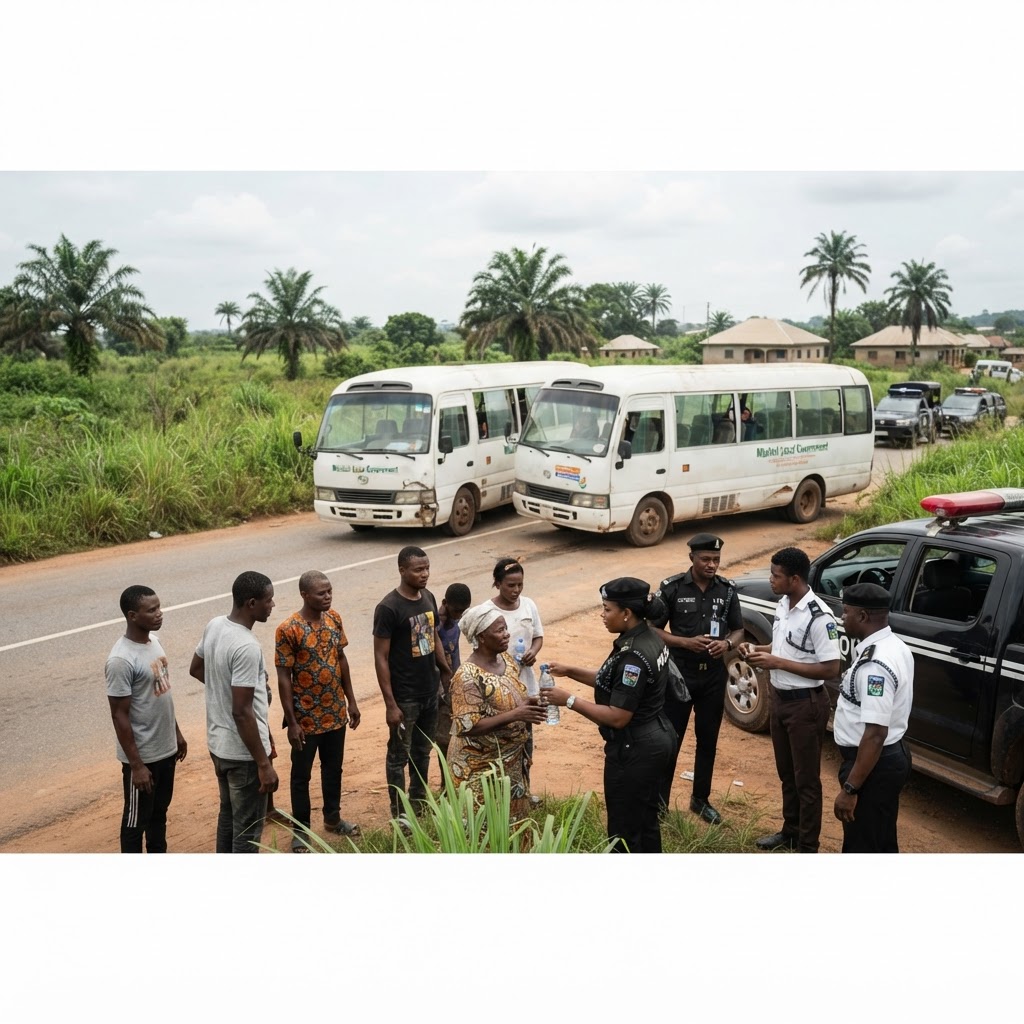
Police Rescue 10 After Gunmen Attack Two Buses in Mbaitoli
Early morning violence on a major Imo State highway sent shockwaves through communities nationwide this week. Families woke up to disturbing news of commuters trapped in a terrifying ordeal after gunmen struck in Mbaitoli, targeting two commercial buses in the hours before dawn. The headline "Police...

FG, Imo Back Pharmaceutical Hub Planned for Mgbidi
The Federal Government and Imo State Government have thrown their weight behind a bold new industrial project. FG, Imo Back Pharmaceutical Hub Planned for Mgbidi, signaling a fresh push toward local drug manufacturing and economic renewal in the South-East. The announcement positions the proposed fa...
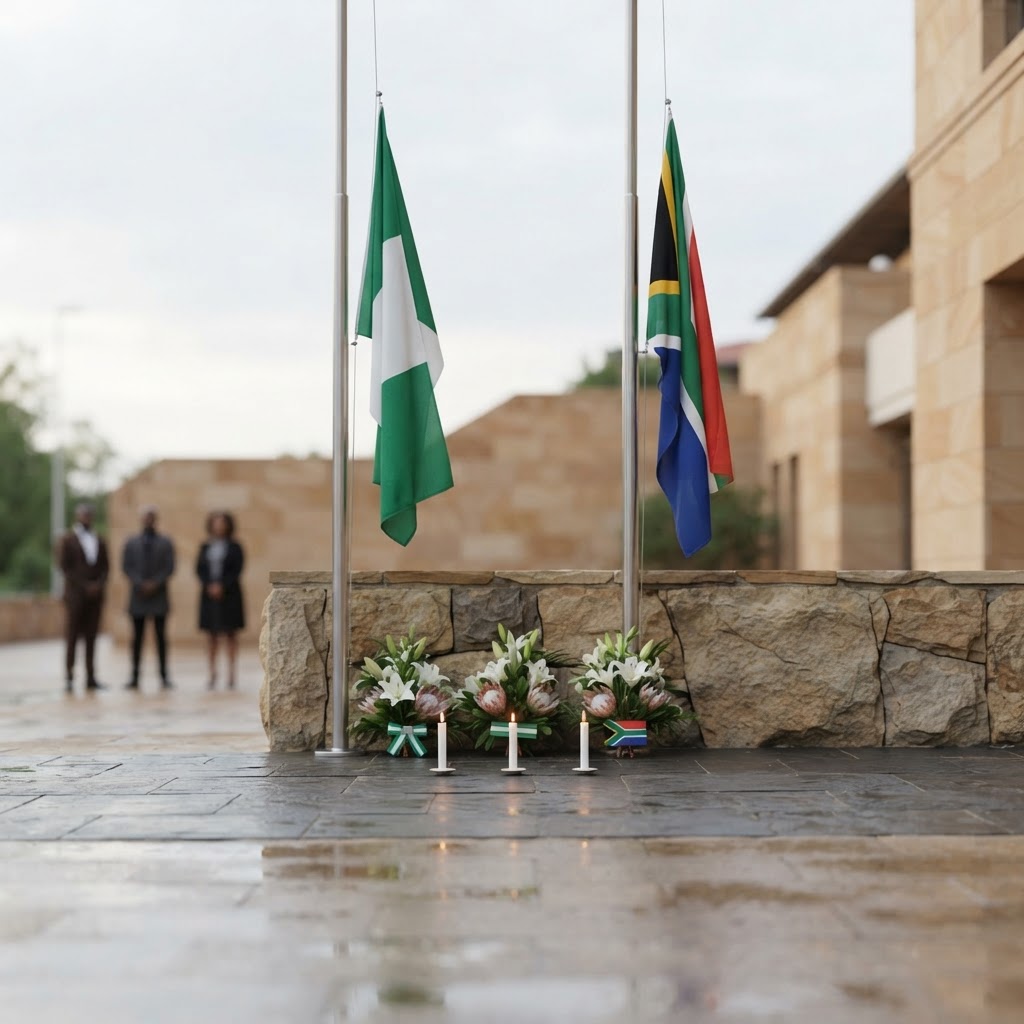
Nigeria Condemns Deaths of Three Citizens in South Africa
Nigerian families are mourning once again this week. Three citizens lost their lives in South Africa within a span of days. The tragedy has reignited calls for action, as Nigeria Condemns Deaths of Three Citizens in South Africa and demands accountability for the loss of its people abroad. For many ...