Powered by Obi Mbieri Independent Media Ltd · eziokwubundu.com
$1 = ₦1,324€1 = ₦1,538£1 = ₦1,790Nigeria’s Reserves Surge to $54.08bn: What Is Driving the Increase?
Nigeria's foreign exchange reserves have crossed a historic threshold, surging to $54.08 billion — the highest level recorded in 18 years and a milestone that signals a meaningful shift in the country's macroeconomic trajectory. This reserve level eclipses the $52.5 billion reported in mid-2026 and ...
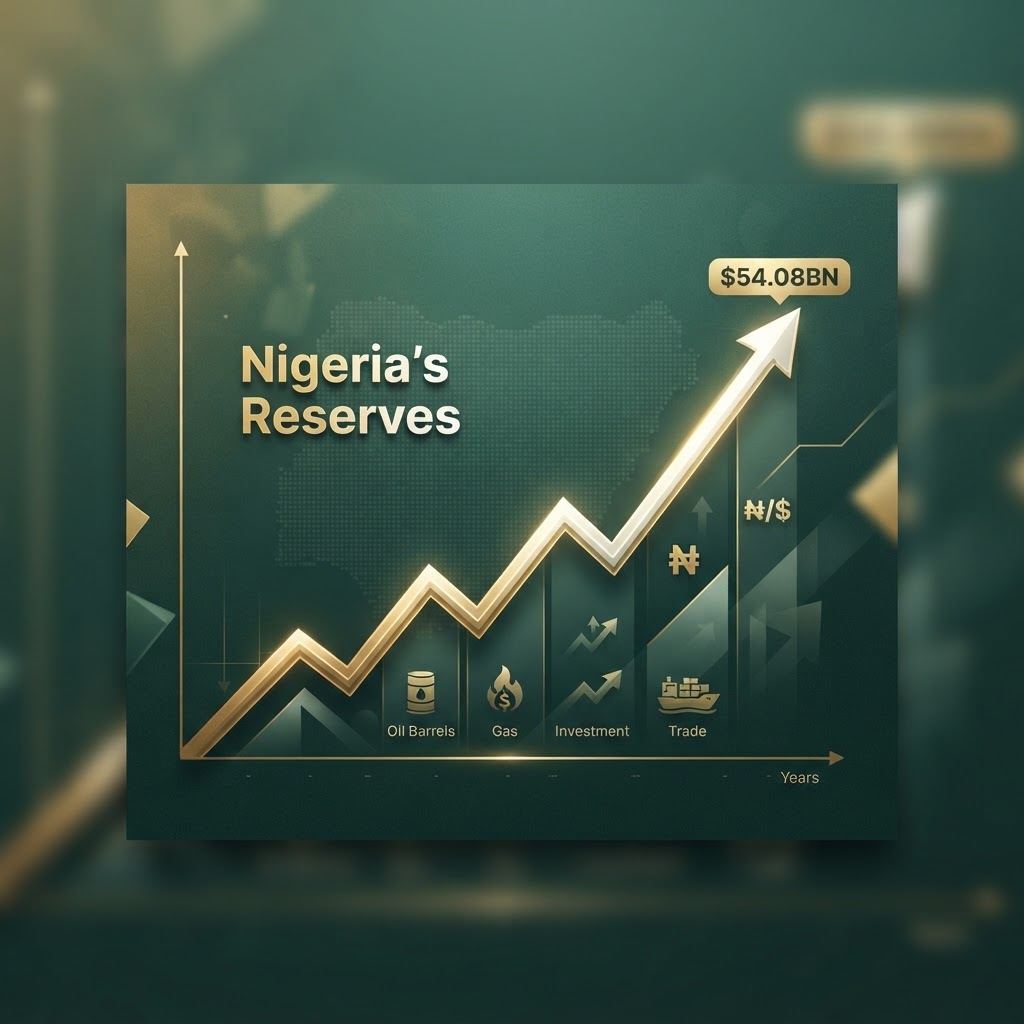
Nigeria's foreign exchange reserves have crossed a historic threshold, surging to $54.08 billion — the highest level recorded in 18 years and a milestone that signals a meaningful shift in the country's macroeconomic trajectory. This reserve level eclipses the $52.5 billion reported in mid-2026 and represents the strongest external buffer Nigeria has maintained since December 2008, when oil revenues were riding the crest of a global commodity supercycle.
For millions of Nigerian families, entrepreneurs, and community stakeholders, this headline figure may appear distant from daily realities — school fees, food prices, and business input costs. Yet the foreign exchange reserve position is one of the most consequential indicators in any open economy, directly shaping currency stability, inflation dynamics, and government capacity to fund critical imports. At eziokwubundu.com, we believe that understanding how national financial health connects to household wellbeing is not an abstract exercise — it is practical, actionable knowledge for everyday Nigerians committed to prospering in a complex economic environment.
This article breaks down exactly what is driving the surge, which structural reforms deserve credit, how communities and families can position themselves to benefit, and what must be protected to keep Nigeria on this upward path.
What Does Nigeria's $54.08bn Reserve Actually Mean?
Understanding an 18-Year FX High
The Central Bank of Nigeria's data confirming foreign exchange reserves at $54.08 billion marks more than a statistical milestone — it reflects a fundamental improvement in the country's external financial standing. According to reporting by The Cable and Vanguard, this figure surpasses previous recent benchmarks, including the $52.5 billion recorded in mid-2026, and restores Nigeria's reserves to levels not seen since the final months of 2008.
For everyday Nigerians, foreign exchange reserves are best understood as the country's collective savings account held in major international currencies — primarily US dollars, euros, and British pounds — as well as gold and Special Drawing Rights (SDRs) from the International Monetary Fund. These reserves perform three essential functions: they finance imports when domestic production falls short, they service sovereign debt obligations denominated in foreign currency, and they provide the liquidity buffer that prevents catastrophic currency collapses during external shocks.
At $54.08 billion, Nigeria's reserves now represent approximately 14 to 15 months of import cover — well above the three-month minimum threshold that international financial institutions consider the baseline for economic resilience. This buffer directly reduces the speculative pressure on the naira. When market participants, importers, and international investors trust that the CBN holds sufficient reserves to intervene if necessary, currency speculation diminishes. One visible consequence of this confidence has been the narrowing of the spread between the official and parallel market exchange windows to below 2 percent, a development that benefits importers, manufacturers, and consumers alike by reducing the opacity and arbitrage costs that have historically plagued Nigerian commerce.
Which CBN Reforms Are Fueling Capital Inflows?
Monetary Policy and Institutional Credibility
The reserve surge does not reflect a single event — it is the product of a deliberate and layered set of reforms implemented by the Central Bank of Nigeria over the preceding 24 months. Three interventions stand out as particularly significant in rekindling international confidence and channeling capital into Nigeria's financial system.
First, the launch of the Non-Resident Bank Verification Number (NRBVN) removed a long-standing structural barrier that prevented diaspora Nigerians from accessing the formal financial system digitally. By enabling non-resident Nigerians to obtain BVNs remotely, the CBN created a direct pipeline between diaspora capital and licensed Nigerian financial institutions — formalizing billions of naira in previously informal or untapped flows.
Second, the introduction of the B-Match FX trading mechanism transformed the dynamics of Nigeria's foreign exchange market. Rather than relying on administrative allocation, B-Match operates on a transparent price-discovery model, matching buyers and sellers at market-reflective rates. This mechanism has been instrumental in attracting foreign portfolio investment (FPI), as institutional investors — particularly emerging market funds — require credible, liquid, and transparent FX markets before committing capital.
Third, the ongoing banking sector recapitalization programme, which mandates higher minimum capital thresholds for Nigerian banks, has strengthened institutional balance sheets and signaled to international counterparts that Nigeria's financial intermediaries are capable of handling larger cross-border transactions. Together, these measures dismantled the backlog of unresolved forward contracts that had effectively frozen multinational confidence in Nigeria's financial system. As reported by Vanguard, clearing these obligations was a foundational step in rebuilding institutional trust. The result has been renewed foreign direct investment (FDI) commitments across telecoms, energy, and manufacturing sectors.
How Are Oil Revenue and Diaspora Flows Contributing?
Fiscal Cashflows and Remittance Pipelines
Nigeria's reserve accumulation is also being powered by strong inflows from its two most structurally significant revenue channels: hydrocarbon exports and diaspora remittances.
On the fiscal side, crude oil and gas earnings have performed robustly, with NNPC Federation Account remittances reaching approximately ₦7.9 trillion over a seven-month period — a significant improvement that reflects both higher production volumes and better NNPC internal accountability. Ongoing investments in domestic refining infrastructure, including progress at the Dangote Refinery and incremental improvements at the Port Harcourt refinery complex, are beginning to reduce the volume of refined petroleum imports that historically drained foreign exchange reserves. While Nigeria remains net import-dependent for refined fuel, every barrel processed domestically reduces the FX outflow pressure on the CBN.
Diaspora remittances represent an equally powerful and increasingly formalized pillar of reserve accumulation. Nigeria consistently ranks among the top five remittance-receiving countries in Africa, with annual inflows estimated between $20 billion and $25 billion. The strategic value of the CBN's unified FX policy lies precisely in its effect on remittance routing: when the official rate closely mirrors the market rate, diaspora Nigerians have a strong financial incentive to channel funds through licensed institutions and digital transfer platforms rather than informal grey market couriers. This formalization not only boosts reserve figures but also brings remittance flows within the CBN's regulatory oversight, reducing systemic risks.
Featured Products
Chukwu Abiama Tee
Bold black-and-gold Igbo-pride T-shirt featuring 'Chukwu Abiama' in premium streetwear typography.
₦15,000
Buy NowReverse Type 2 Diabetes & other associated Metabolic Issues using Dr. Jason Fung's Evidence-Based Approach— FMD program for Type 2 Diabetes
A practical fasting and fasting-mimicking programme built on Dr Jason Fung's insulin-resistance principles and ow-glycemic recipes.
₦19,950
Join NowỤmụ Igbo Tee
Classic black T-shirt with bold white 'Ụmụ Igbo' typography — a proud statement of Igbo heritage.
₦15,000
Buy NowNwanne Tee
Washed khaki vintage tee with a faded rust-orange 'Nwanne' stamp badge and palm leaf motif — a nod to kinship and heritage.
₦18,000
Buy NowObodo Tee
Faded denim-blue washed tee with a cream 'Obodo' stamp badge and sun motif, celebrating community roots.
₦18,000
Buy NowEkwe Heritage Tee
Deep indigo tee featuring a fine line-art illustration of a traditional Igbo ekwe drum, inspired by Igbo-Ukwu bronze artistry.
₦18,000
Buy NowIkenga Figure Tee
Forest green tee with a fine line-art illustration of a stylized Ikenga figure.
₦18,000
Buy NowBeyond hydrocarbons and remittances, bilateral funding arrangements and non-oil export incentive programmes are diversifying inflows from agricultural commodities, solid minerals, and creative economy exports — gradually building the trade balance resilience necessary to shield Nigeria against volatile global commodity cycles. This context is relevant to communities beyond Lagos; understanding how hydrocarbon mismanagement can cost lives is a reminder of why revenue accountability matters, as detailed in our coverage of the Rivers oil tragedy where 37 people died from toxic fumes at an illegal oil site in Okrika.
How Does a $54.08bn Reserve Affect Household Wealth?
From Macroeconomics to Kitchen-Table Finance
It is legitimate for Nigerian families to ask: if reserves have hit an 18-year high, why are bread and tomatoes still expensive? The answer lies in what economists call the transmission lag — the time required for macroeconomic stability to work its way through supply chains, import costs, production expenses, and ultimately retail prices.
Currency stabilization at approximately N1,315 per dollar is the most direct mechanism through which reserve growth reaches households. When the naira holds a predictable, competitive rate, importers of raw materials, pharmaceutical inputs, and processed foods can plan their procurement and pricing cycles with greater confidence. Over time, this reduces the inflation premium that vendors and retailers build into prices as a hedge against sudden naira depreciation. Food inflation, which has been the most acute source of economic pain for Nigerian families, is particularly sensitive to FX stability given the heavy import content of fertilizers, processing equipment, and packaging materials.
For Nigerian micro, small, and medium enterprises (MSMEs), a stable FX environment offers concrete operational advantages. Entrepreneurs who depend on imported raw materials or machinery can now engage in more accurate inventory planning and supplier negotiations, reducing the speculative stockpiling behavior that artificially inflates domestic prices. Sourcing locally produced substitutes — from agricultural inputs to packaging materials — becomes a more viable and financially rational strategy when currency risk diminishes.
For middle-class households, wealth preservation in this environment calls for a portfolio approach: maintaining productive domestic assets, including agricultural land, local equity positions, and cooperative membership, while gradually building inflation hedges such as dollar-denominated savings accounts within the formal banking system. For those exploring accessible financing options, learning how to get a microfinance loan in southeast Nigeria can open pathways to productive capital that builds local economic resilience.
Why Does National Finance Affect Community Wellbeing?
The Health + Wealth + Community Connection
At eziokwubundu.com, we ground financial analysis in a fundamental truth: economic instability is a public health crisis. Chronic currency volatility and persistent inflation do not merely erode purchasing power — they generate measurable physiological and psychological harm. Research from the World Health Organization and African public health scholars consistently links economic insecurity to elevated cortisol levels, hypertension, depression, and disrupted sleep patterns. For Nigerian parents managing household budgets under prolonged inflationary pressure, the mental health toll is real, pervasive, and underreported. Our article on mental health support for Nigerians in rural areas explores these pressures in depth.
Reserve growth creates the macroeconomic conditions for improved public health outcomes — but only if the gains are strategically deployed. Medical imports, including pharmaceutical ingredients, diagnostic equipment, and vaccines, are denominated in foreign currency. A robust reserve buffer reduces the risk of drug shortages caused by FX scarcity, one of the most damaging and least visible consequences of previous reserve depletion episodes. Sustaining $54 billion in reserves should translate into more predictable pharmaceutical supply chains and lower medicine prices at the community pharmacy level.
Beyond state infrastructure, community-first solidarity networks — traditional mutual aid systems like esusu, cooperative unions, and community development associations — serve as foundational wealth-protection mechanisms that complement national recovery. These grassroots structures absorb economic shocks at the household level, pool resources for healthcare, and invest collectively in local infrastructure. They represent the practical embodiment of the Eziokwubundu philosophy: that individual prosperity and community resilience are inseparable.
What Must Nigeria Do to Protect These Gains?
Strategic Imperatives for Lasting Prosperity
Reaching $54.08 billion in reserves is a significant achievement — but history cautions that Nigeria has reached comparable peaks before and allowed structural weaknesses to erode them. The most serious risks on the horizon include global oil market fluctuations, rising external debt service obligations, and the political temptation to defend an overvalued exchange rate by burning through reserves artificially.
The most durable path to protecting and growing these gains runs through domestic value addition. Agro-industrial manufacturing, local processing of agricultural commodities, and investment in grassroots commercial infrastructure must reduce Nigeria's chronic dependency on imported finished goods. Every dollar spent on a locally produced alternative is a dollar that stays within the economy rather than draining the reserve buffer.
Civic stakeholders, community leaders, and diaspora professionals have a vital role to play. Diaspora capital channeled into productive domestic enterprises — rather than purely into property speculation — generates employment, builds industrial capacity, and strengthens the non-oil export base. Transparency in public finance at every level is equally non-negotiable, as evidenced by ongoing accountability questions documented in our coverage of Mbaitoli LGA's ₦6.2 billion FAAC allocation and where the money went.
Nigeria's $54.08 billion reserve milestone is a foundation — not a destination. The collective responsibility of government, institutions, communities, and individual households is to ensure it becomes the launching pad for a more diversified, equitable, and resilient national prosperity. For additional context on how fiscal transparency connects to community development outcomes, readers can explore the ₦6.2 billion FAAC project tracking report on Mbaitoli Chairman Ifunanya Nwanegwo.
The knowledge exists. The macroeconomic window is open. What Nigeria does with both will define the next decade.
Sources: Vanguard Nigeria — Nigeria's Reserves Hit $54bn, Highest in 18 Years; Vanguard Nigeria — Nigeria's Foreign Reserves Hit 17-Year High at $52.5bn; Central Bank of Nigeria; World Bank — Nigeria Economic Update
Stay Informed
Get New Articles in Your Inbox
Subscribe to receive the latest community development, health, and wealth insights from Eziokwubundu.
Newsletter
Practical insights on health, wealth, and community — delivered weekly.
Community Discussion(0)
Leave a Comment
More to Read
You May Also Like
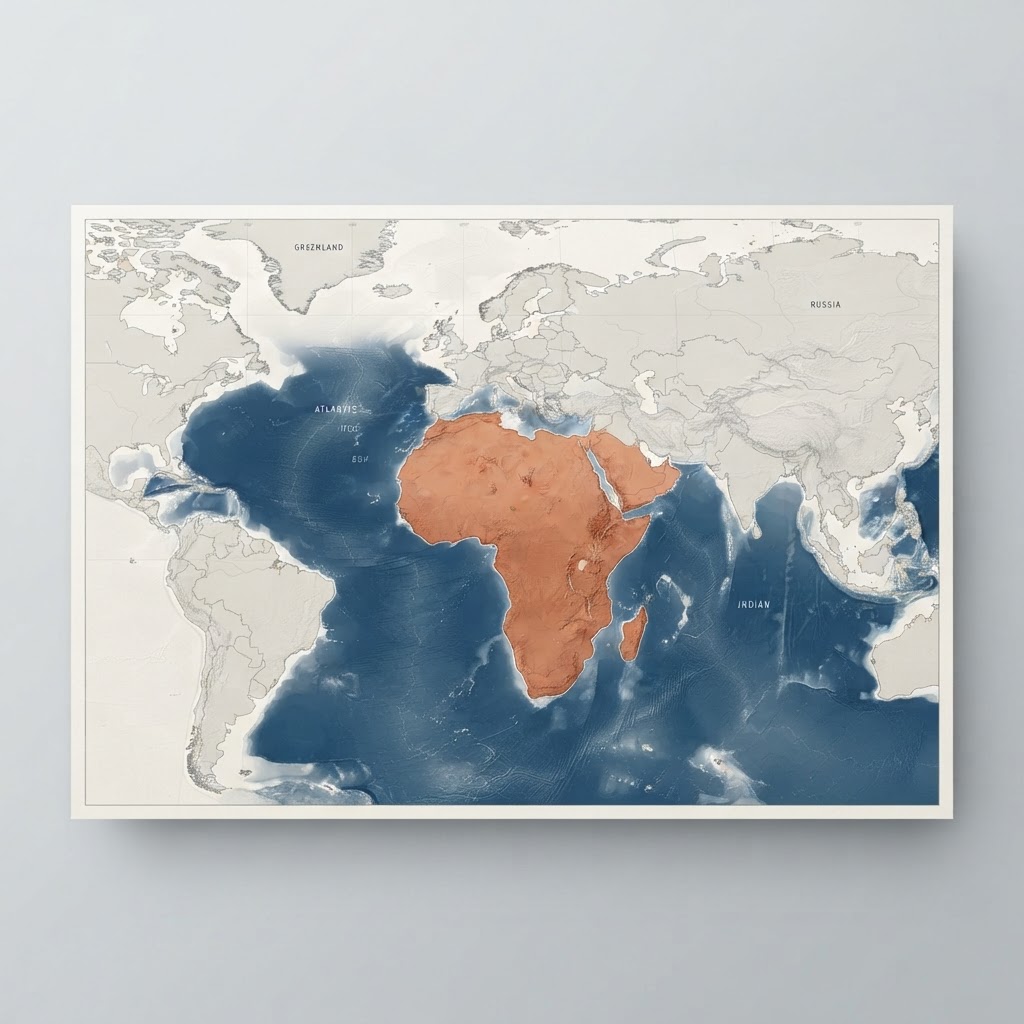
UN backs map showing Africa's true size
For generations, schoolchildren across Nigeria and the rest of the world have stared at classroom walls displaying a world map that quietly told a lie. Africa — the second-largest continent on Earth, stretching over 30.3 million square kilometres — appeared dwarfed by Greenland, squeezed beside an i...

NokVision: How a Nigerian Technology Company Is Transforming Estate Management and Security
Nigeria's residential estate sector is undergoing a quiet but consequential transformation. As gated communities multiply around Lagos, Abuja, Port Harcourt, and Enugu, the administrative systems holding them together are beginning to crack under pressure. Paper logbooks, fragmented WhatsApp communi...

How to get microfinance loan in southeast Nigeria
Access to affordable credit remains one of the most significant barriers facing small business owners, farmers, and traders across southeast Nigeria. Whether you operate a provisions stall in Onitsha, run a poultry farm on the outskirts of Enugu, or manage a tailoring workshop in Owerri, understandi...

Imo’s ₦350 Million NBA Controversy: What Happened to the Money and What the Government Must Explain?
A reported ₦350 million financial intervention by the Imo State Government for lawyers attending the 2026 Nigerian Bar Association Annual General Conference has ignited one of the most significant public finance controversies in the state's recent history. What began as an apparent act of government...
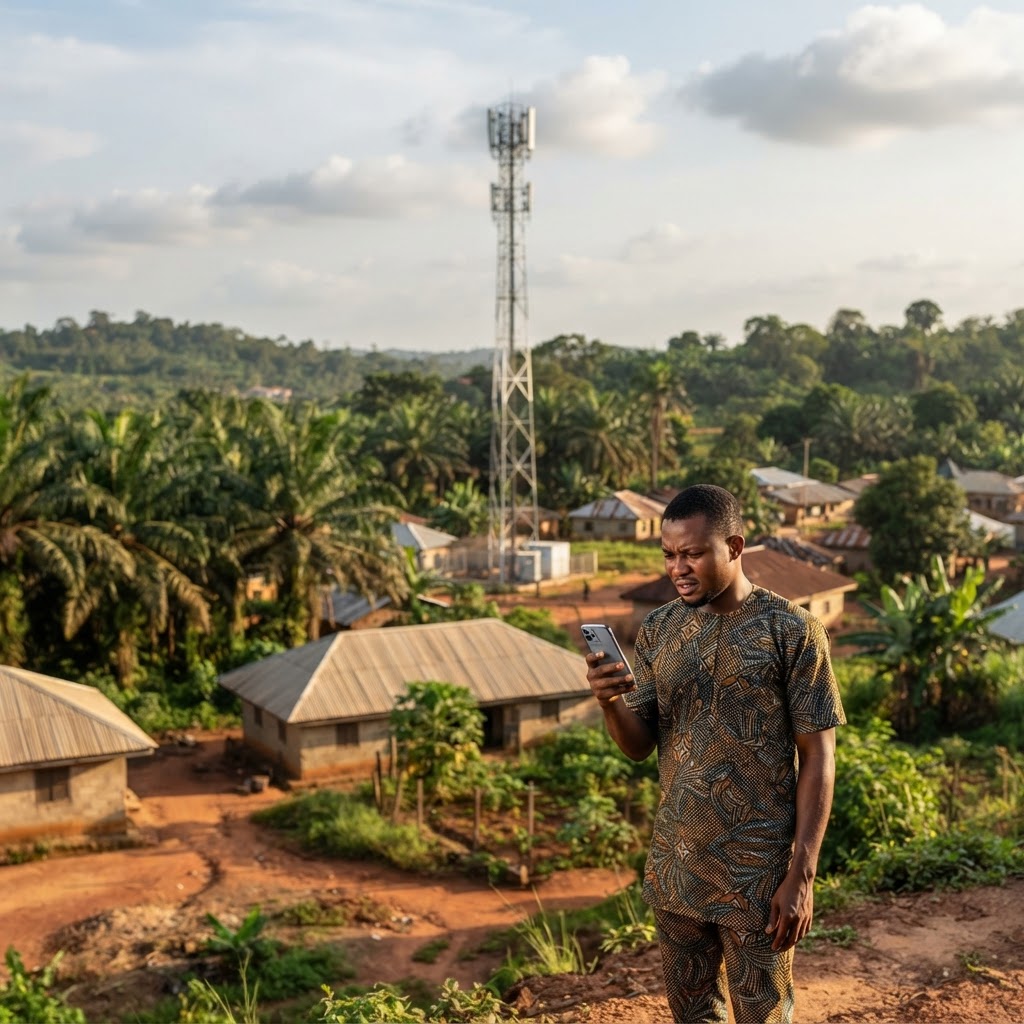
Umuahii–Obi-Mbieri GSM Network Crisis: Why Poor Connectivity Is Becoming a Private-Sector Emergency
Mobile telecommunications have long ceased to be a convenience in Nigerian communities. They are infrastructure — as essential to daily life as roads, water, or electricity. Yet for residents and businesses along the Umuahii–Obi-Mbieri axis in Mbaitoli Local Government Area of Imo State, basic conne...
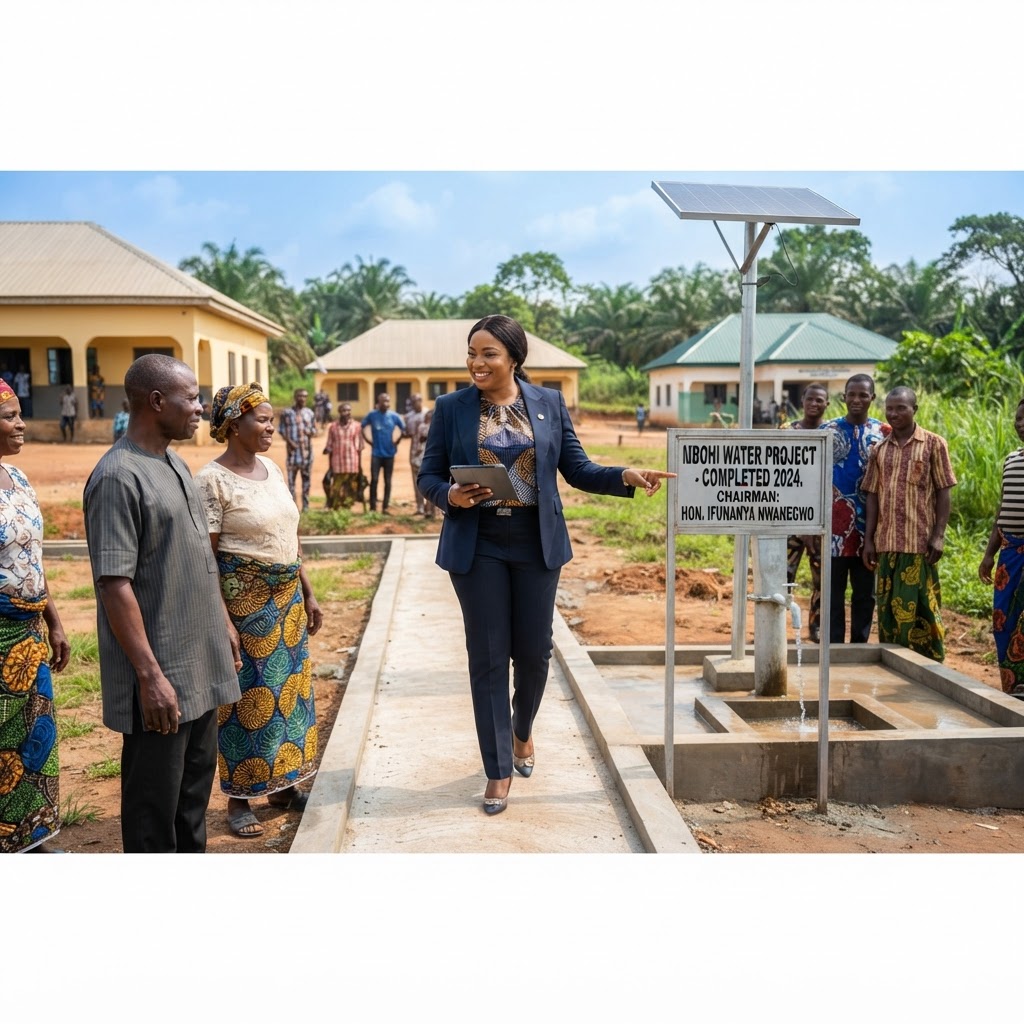
₦6.2 Billion FAAC: We Tracked Mbaitoli Chairman Ifunanya Nwanegwo’s Projects — What We Found
Between September 2025 and June 2026, Mbaitoli Local Government Area quietly accumulated one of the most significant revenue windfalls in its administrative history. A cumulative ₦6.218 billion in Federation Account Allocation Committee (FAAC) disbursements landed in council coffers during a period ...
Mbaitoli LGA Received Over ₦6.2 Billion in FAAC: Where Did the Money Go?
Official FAAC records show Mbaitoli received more than ₦6.2 billion between September 2025 and June 2026. But what can residents identify in projects and services delivered with the money? Public money flows into Mbaitoli Local Government Area every month. Federal allocation statements confirm it. I...

Rivers Oil Tragedy: 37 Die From Toxic Fumes at Illegal Oil Site in Okrika
At midnight, along the dark waterways of Okrika Mainland in Rivers State, a routine act of survival turned catastrophic. Dozens of young Nigerians, who had gathered at an illegal pipeline tapping point at Okari Jetty, were overcome by a sudden surge of toxic petroleum vapors. Within minutes, at leas...

Imo School for the Deaf: Children Living With Neglect and Insecurity
Students at the Imo State Secondary School for the Deaf in Ofekata, Orodo, Mbaitoli LGA, are facing serious challenges involving poor facilities, security, water, accommodation and learning resources. When a government establishes a school for children with disabilities, it makes an implicit covenan...
Dangote free fuel delivery expands to Imo
For decades, Nigerians in the South East have paid a silent tax on every litre of fuel they pump — not a government levy, but the invisible cost of distance, middlemen, and an inefficient distribution chain anchored hundreds of kilometres away on the Lagos coastline. That structural disadvantage has...