Powered by Obi Mbieri Independent Media Ltd · eziokwubundu.com
$1 = ₦1,324€1 = ₦1,538£1 = ₦1,790Imo School for the Deaf: Children Living With Neglect and Insecurity
Students at the Imo State Secondary School for the Deaf in Ofekata, Orodo, Mbaitoli LGA, are facing serious challenges involving poor facilities, security, water, accommodation and learning resources. When a government establishes a school for children with disabilities, it makes an implicit covenan...
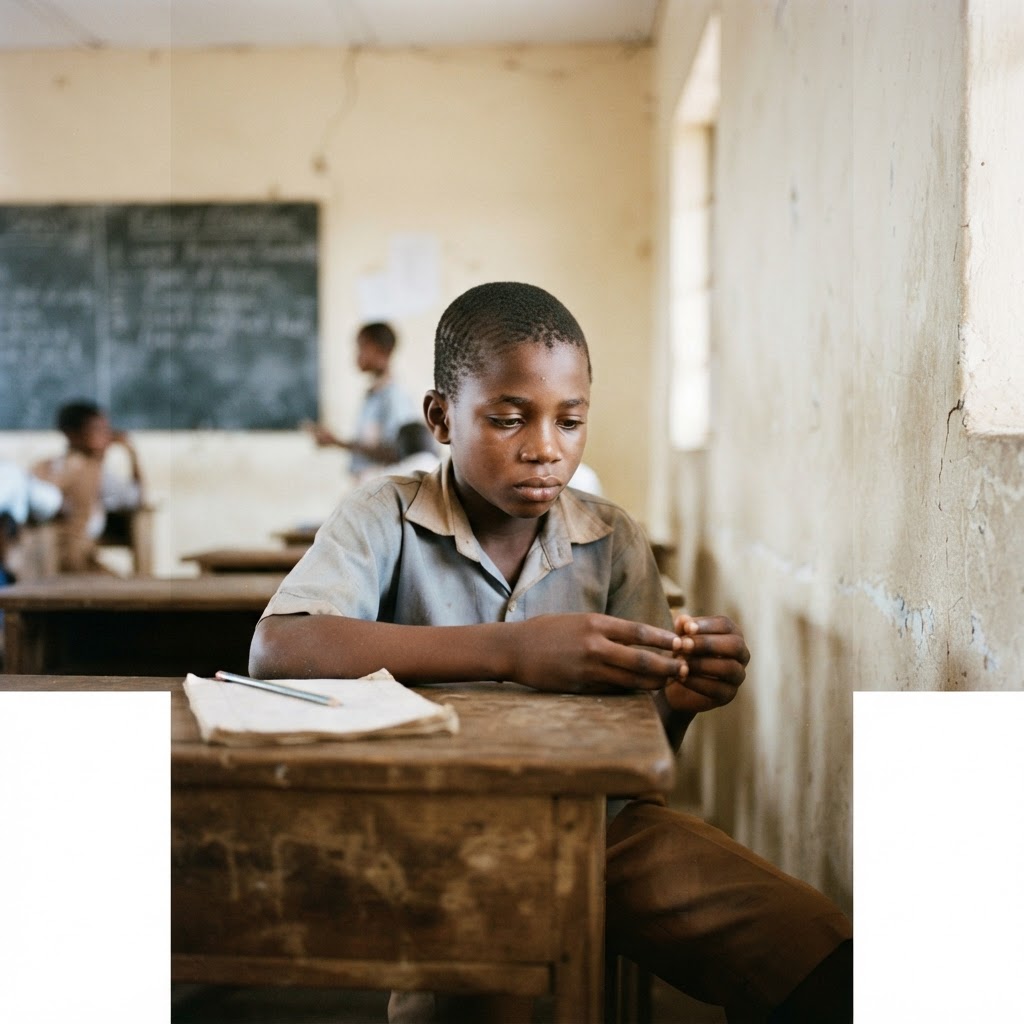
Students at the Imo State Secondary School for the Deaf in Ofekata, Orodo, Mbaitoli LGA, are facing serious challenges involving poor facilities, security, water, accommodation and learning resources.
When a government establishes a school for children with disabilities, it makes an implicit covenant with some of its most vulnerable citizens. That covenant is being broken, daily, at the Imo State Secondary School for the Deaf. A recent investigative report by PUNCH exposed conditions that shock the conscience — conditions that have persisted not for weeks, but for years. This article examines the reality inside that institution, the security dangers facing its students, the academic void created by institutional neglect, the fiscal evidence behind the crisis, and the pathways to genuine, lasting rehabilitation.
What Is the Reality Inside Imo School for the Deaf?
A Founding Vision Buried Under Decay
The Imo State Secondary School for the Deaf was established in 1984 in Ofekata, Orodo, within Mbaitoli Local Government Area. Its founding purpose was straightforward and noble: to provide specialised secondary education to children with hearing impairments, equipping them with the knowledge and skills to participate fully in Nigerian society. Nearly four decades later, the institution that was meant to open doors for deaf children has become a symbol of governmental indifference toward the most marginalised learners.
An investigation by PUNCH found close to 150 deaf boarding students living in conditions that fall far below any acceptable welfare standard. Among the most disturbing findings was the accommodation crisis: fewer than 20 functional beds were available for nearly 150 students. The practical consequence is that many children sleep on bare floors, broken bed frames, or improvised surfaces — a nightly indignity for young people who deserve structured care.
The WASH (water, sanitation, and hygiene) situation compounds the suffering at every level. There is no running water on the school premises. Caregivers are forced to trek to neighbouring communities to fetch water for cooking and bathing, a burden that distracts from their core responsibility to the students. Functional toilets are reportedly absent or non-operational. Electricity, compromised by vandalism to the school's infrastructure, cannot be relied upon. These are not minor inconveniences — they are failures of the most basic conditions required for human dignity, let alone effective learning. For families across Nigeria hoping that the public education system will provide equally for children with disabilities, the situation in Ofekata is a painful wake-up call.
Why Are Vulnerable Students Exposed to Dangerous Insecurity?
Broken Perimeters and the Trauma of Breached Sanctuaries
The physical insecurity at the Imo State Secondary School for the Deaf is not a peripheral concern — it is a crisis at the heart of this institution's failure. During a site visit documented by PUNCH, the school's main gate was found wide open, with no security guard or gatekeeper stationed at the entrance. This is not an isolated lapse. It reflects a systemic absence of even the most rudimentary security infrastructure. Classroom doors and hostel doors have been removed — whether through vandalism, theft, or simple neglect — leaving students with no physical barrier between themselves and potential intruders after dark.
The perimeter fence, which should form the first line of defense for any boarding institution, has been compromised. Hoodlums and trespassers have reportedly accessed the school premises on multiple occasions, taking advantage of the unguarded environment. Civil society organisations including the Virgin Heart Foundation have documented concerns about repeated break-ins and the sexual abuse of vulnerable female students. A caregiver interviewed during the investigation made a direct link between the lack of security and allegations of sexual assault against female students on the premises. These are grave allegations that demand urgent, transparent investigation by law enforcement and child protection authorities.
The psychological dimension of this insecurity deserves particular emphasis. Deaf students cannot vocally call out for help during a night-time attack. They cannot shout for a teacher, scream for assistance, or alert dormitory mates through sound. Their very disability makes them structurally more vulnerable in an environment where security has collapsed. The emotional and psychological toll of living in a space that has been violated repeatedly — where doors have been taken away and the gate stands permanently open — is difficult to quantify but impossible to ignore. Understanding the broader security infrastructure challenges facing communities in this region requires looking at what state police could mean for security in Mbaitoli and local communities and why local accountability in law enforcement matters so profoundly for institutions like this one.
How Has the Education System Failed Deaf Scholars Academically?
Staff Depletion, Missing Labs, and Lost Science
The academic deterioration at the school is as troubling as its physical decay. Specialist teachers — professionals trained in deaf education, Nigerian Sign Language (NSL), and adapted pedagogy — have retired over the years without adequate replacements being recruited. The remaining staff are reportedly stretched beyond capacity and, in some cases, unpaid or irregularly compensated. This is not a workforce that can deliver quality, specialised education. It is a skeleton crew managing a crisis.
The consequences for the curriculum are severe. Physics and Chemistry — two foundational STEM subjects that open pathways to science, technology, engineering, and medicine — have effectively been struck from the timetable. The reason cited is a combination of unqualified replacement teachers and the absence of functional science laboratories. For deaf students who are just as intellectually capable as their hearing peers, this is not a minor academic gap. It is a structural ceiling placed on their ambitions by institutional failure. A student who cannot study Physics or Chemistry at secondary school is foreclosed from entire categories of tertiary education and professional life before they have had a fair chance to compete.
What makes this situation particularly poignant is the resilience of the students themselves. Despite everything — the bare floors, the absent doors, the missing subjects — students at the school have continued to learn. The PUNCH investigation described them communicating fluently through sign language, maintaining strong bonds with each other and with the caregivers who remain, and showing up with determination day after day. Their perseverance is not an excuse for the state's inaction. If anything, it deepens the moral obligation of government to match their effort with the resources they deserve. The contrast between student resilience and institutional abandonment is one of the most powerful indictments of this situation.
Featured Products
Chukwu Abiama Tee
Bold black-and-gold Igbo-pride T-shirt featuring 'Chukwu Abiama' in premium streetwear typography.
₦15,000
Buy NowReverse Type 2 Diabetes & other associated Metabolic Issues using Dr. Jason Fung's Evidence-Based Approach— FMD program for Type 2 Diabetes
A practical fasting and fasting-mimicking programme built on Dr Jason Fung's insulin-resistance principles and ow-glycemic recipes.
₦19,950
Join NowỤmụ Igbo Tee
Classic black T-shirt with bold white 'Ụmụ Igbo' typography — a proud statement of Igbo heritage.
₦15,000
Buy NowNwanne Tee
Washed khaki vintage tee with a faded rust-orange 'Nwanne' stamp badge and palm leaf motif — a nod to kinship and heritage.
₦18,000
Buy NowObodo Tee
Faded denim-blue washed tee with a cream 'Obodo' stamp badge and sun motif, celebrating community roots.
₦18,000
Buy NowEkwe Heritage Tee
Deep indigo tee featuring a fine line-art illustration of a traditional Igbo ekwe drum, inspired by Igbo-Ukwu bronze artistry.
₦18,000
Buy NowIkenga Figure Tee
Forest green tee with a fine line-art illustration of a stylized Ikenga figure.
₦18,000
Buy NowWhat Do Budgets Reveal About Imo's Education Crisis?
Policy Inaction, Low Capital Releases, and Fiscal Neglect
The suffering at the Imo State Secondary School for the Deaf does not exist in a vacuum. It is the local expression of a systemic pattern of public education underinvestment that fiscal data makes impossible to deny. According to BudgIT Foundation, only 23.6% of Imo State's N49.46 billion capital education allocation was actually released in 2025. This followed an even more dismal performance in 2024, when the capital education budget implementation rate was recorded at just 3.9%. These figures mean that approved funds intended for schools, classrooms, laboratories, and student welfare are not reaching those destinations. The money is budgeted, announced, and then largely unspent.
For an institution as underfunded and structurally broken as the School for the Deaf, the gap between budget allocation and actual capital release is not an abstract accounting problem. It translates directly into the 20 beds serving 150 students, the absent laboratory equipment, and the unmanned gate.
Beyond the fiscal picture, there is a sociological dimension to this crisis that is rarely examined openly. Parental abandonment is a documented problem in special-needs residential schools across Nigeria. Societal stigma surrounding hearing disabilities sometimes leads families to treat these schools as long-term holding facilities rather than educational institutions, with some students reportedly not receiving family visits even during holiday periods. When parental engagement is low and government oversight is inadequate, institutional neglect becomes easier to sustain and harder to expose.
Administrative buck-passing between the Secondary Education Management Board (SEMB), the relevant line ministries, and Mbaitoli Local Government Authority has allowed problems to accumulate for years without resolution. Understanding how this accountability vacuum operates is central to changing it. Our coverage of community leadership in Imo and why villages and autonomous communities must demand accountability provides important context for why civic pressure from the grassroots is essential in forcing government responsiveness. Additionally, for those examining the broader question of institutional roles, community leadership in Imo: village head, town union or traditional ruler — who does what? helps clarify who bears responsibility for advocacy in local communities.
How Can Government and Communities Restore Safety and Dignity?
Legislative Mandates and Community-First Rehabilitation
Following the PUNCH exposé and subsequent public outcry, the Imo State House of Assembly took a formal legislative step. In July 2026, the Assembly passed a resolution directing relevant ministries and agencies — spanning Education, Works, Health, and Water Resources — to urgently upgrade the Imo State Secondary School for the Deaf. The motion was sponsored by Innocent Ikpamezie, the member representing Mbaitoli Local Government Area in the Assembly. According to PUNCH's follow-up reporting, the directive covered classroom rehabilitation, hostel reconstruction, water supply, electricity restoration, healthcare access, and other essential facilities.
This resolution is a meaningful step, but legislative directives without implementation timelines, budget releases, and monitoring mechanisms are easily shelved. The emergency actions required are well understood: deploying vetted, trained security personnel to man the school's perimeter around the clock; sinking solar-powered boreholes to provide sustainable, independent water supply; restoring electricity to dormitories, classrooms, and communal areas; and fully refurbishing residential and sanitary facilities to meet minimum boarding-school welfare standards. Specialist teacher recruitment — including professionals certified in Nigerian Sign Language instruction — must follow immediately.
However, government action alone is insufficient. A community-first approach, aligned with the Health + Wealth + Community philosophy that drives this platform, is essential for sustainable change. Imo diaspora networks, alumni associations of special education institutions, town unions in Orodo and Mbaitoli, and local philanthropists have the capacity to monitor state budget releases, fund assistive learning technologies, and advocate loudly when government commitments stall. Cooperative models that pool community resources have proven effective in Nigerian development contexts — as explored in our guide on how to form a youth cooperative in Nigeria. The same principles of collective mobilisation and shared accountability can be applied here, with organised citizen groups holding line ministries to the Assembly's directive on a quarterly basis.
The students of this school are not asking for extraordinary privileges. They are asking for beds, water, locked doors, teachers, and the right to study Chemistry. These are baseline entitlements that every Nigerian student deserves, regardless of their hearing ability.
Conclusion: The Measure of a Society
The Imo State Secondary School for the Deaf was built on a promise — that children with hearing impairments would have access to safe, specialised, quality secondary education. What the PUNCH investigation revealed is that this promise has been broken, systematically, over many years. Fewer than 20 beds for 150 students. No running water. No security. No Physics laboratory. No locked doors.
The Imo State House of Assembly has now ordered rehabilitation. That is a beginning, but the students at Ofekata, Orodo cannot afford for this to become another unfulfilled directive. The measure of any society is how it treats its most vulnerable members. Deaf children living in broken buildings, fetching water from neighboring communities, and sleeping on floors are not a footnote in Imo's education story. They are its clearest test. Government, community leaders, civil society, and the diaspora must act — not next year, but now.
Sources: PUNCH — Silenced voices: Imo school for the deaf where students battle neglect, rape | PUNCH — Imo Assembly orders upgrade of school for the deaf | BudgIT Foundation — State of States Report
Stay Informed
Get New Articles in Your Inbox
Subscribe to receive the latest community development, health, and wealth insights from Eziokwubundu.
Newsletter
Practical insights on health, wealth, and community — delivered weekly.
Community Discussion(0)
Leave a Comment
More to Read
You May Also Like
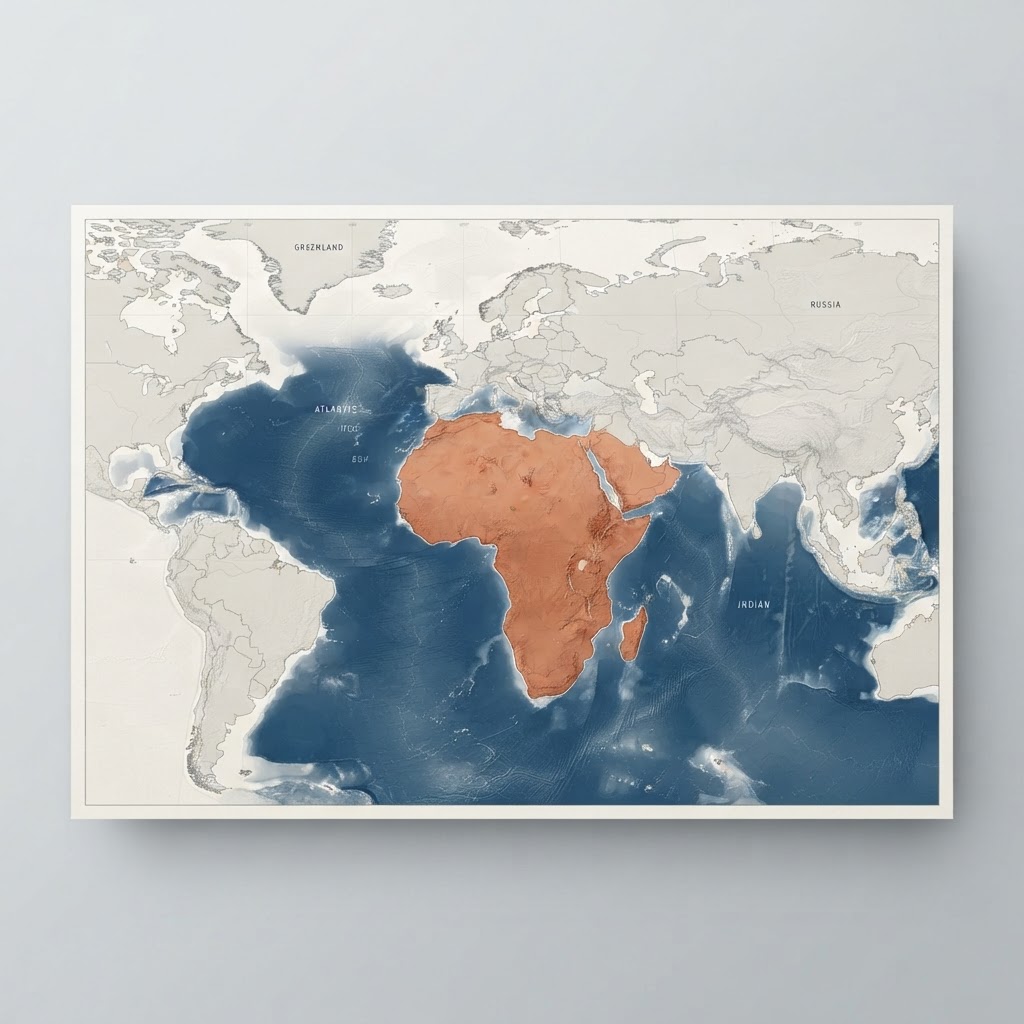
UN backs map showing Africa's true size
For generations, schoolchildren across Nigeria and the rest of the world have stared at classroom walls displaying a world map that quietly told a lie. Africa — the second-largest continent on Earth, stretching over 30.3 million square kilometres — appeared dwarfed by Greenland, squeezed beside an i...
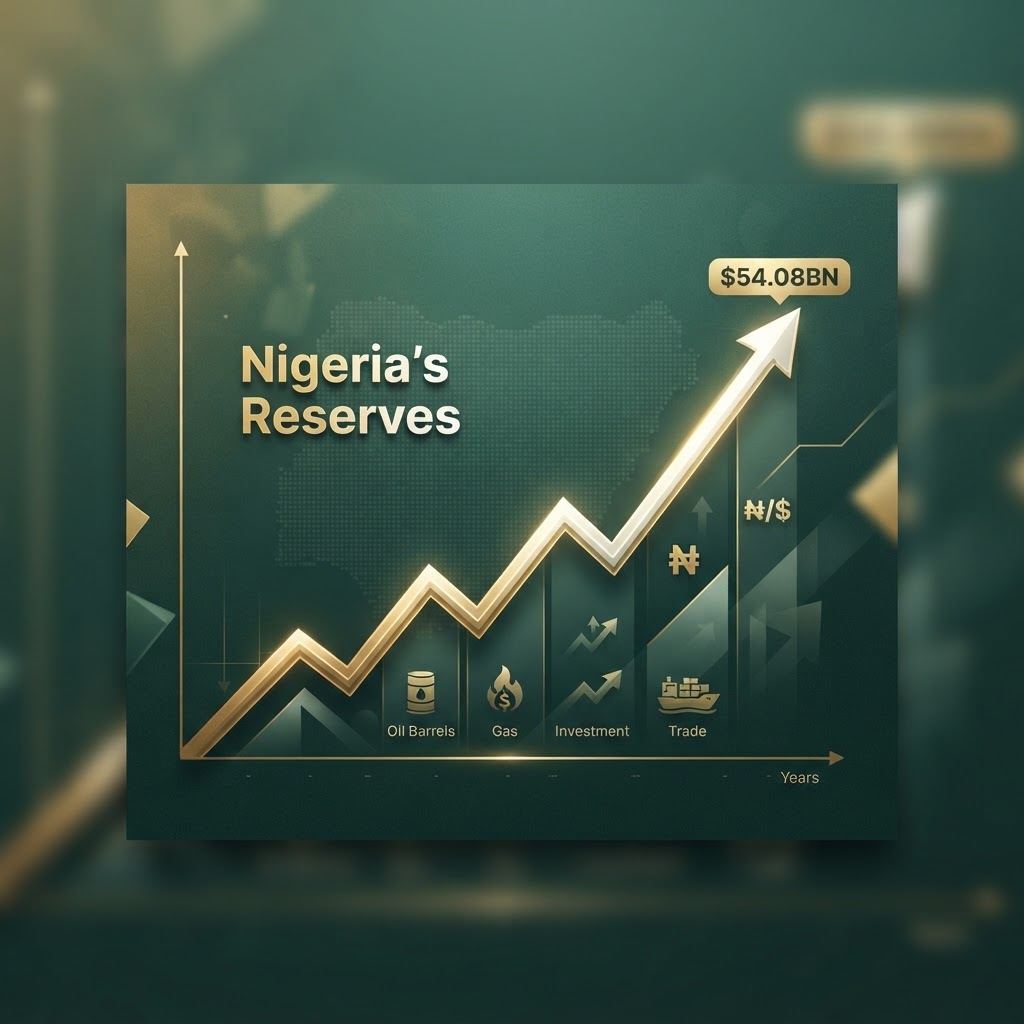
Nigeria’s Reserves Surge to $54.08bn: What Is Driving the Increase?
Nigeria's foreign exchange reserves have crossed a historic threshold, surging to $54.08 billion — the highest level recorded in 18 years and a milestone that signals a meaningful shift in the country's macroeconomic trajectory. This reserve level eclipses the $52.5 billion reported in mid-2026 and ...

NokVision: How a Nigerian Technology Company Is Transforming Estate Management and Security
Nigeria's residential estate sector is undergoing a quiet but consequential transformation. As gated communities multiply around Lagos, Abuja, Port Harcourt, and Enugu, the administrative systems holding them together are beginning to crack under pressure. Paper logbooks, fragmented WhatsApp communi...

How to get microfinance loan in southeast Nigeria
Access to affordable credit remains one of the most significant barriers facing small business owners, farmers, and traders across southeast Nigeria. Whether you operate a provisions stall in Onitsha, run a poultry farm on the outskirts of Enugu, or manage a tailoring workshop in Owerri, understandi...
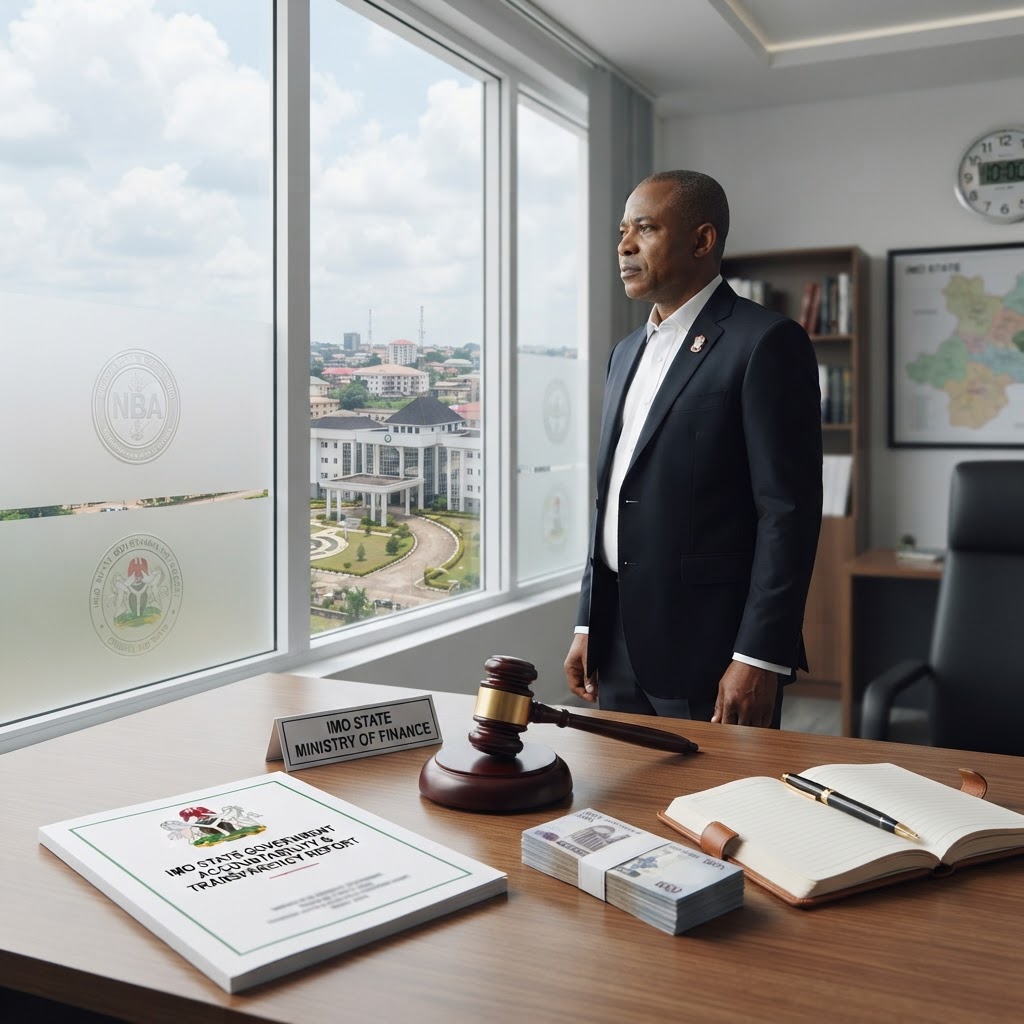
Imo’s ₦350 Million NBA Controversy: What Happened to the Money and What the Government Must Explain?
A reported ₦350 million financial intervention by the Imo State Government for lawyers attending the 2026 Nigerian Bar Association Annual General Conference has ignited one of the most significant public finance controversies in the state's recent history. What began as an apparent act of government...
Umuahii–Obi-Mbieri GSM Network Crisis: Why Poor Connectivity Is Becoming a Private-Sector Emergency
Mobile telecommunications have long ceased to be a convenience in Nigerian communities. They are infrastructure — as essential to daily life as roads, water, or electricity. Yet for residents and businesses along the Umuahii–Obi-Mbieri axis in Mbaitoli Local Government Area of Imo State, basic conne...
₦6.2 Billion FAAC: We Tracked Mbaitoli Chairman Ifunanya Nwanegwo’s Projects — What We Found
Between September 2025 and June 2026, Mbaitoli Local Government Area quietly accumulated one of the most significant revenue windfalls in its administrative history. A cumulative ₦6.218 billion in Federation Account Allocation Committee (FAAC) disbursements landed in council coffers during a period ...
Mbaitoli LGA Received Over ₦6.2 Billion in FAAC: Where Did the Money Go?
Official FAAC records show Mbaitoli received more than ₦6.2 billion between September 2025 and June 2026. But what can residents identify in projects and services delivered with the money? Public money flows into Mbaitoli Local Government Area every month. Federal allocation statements confirm it. I...
Rivers Oil Tragedy: 37 Die From Toxic Fumes at Illegal Oil Site in Okrika
At midnight, along the dark waterways of Okrika Mainland in Rivers State, a routine act of survival turned catastrophic. Dozens of young Nigerians, who had gathered at an illegal pipeline tapping point at Okari Jetty, were overcome by a sudden surge of toxic petroleum vapors. Within minutes, at leas...
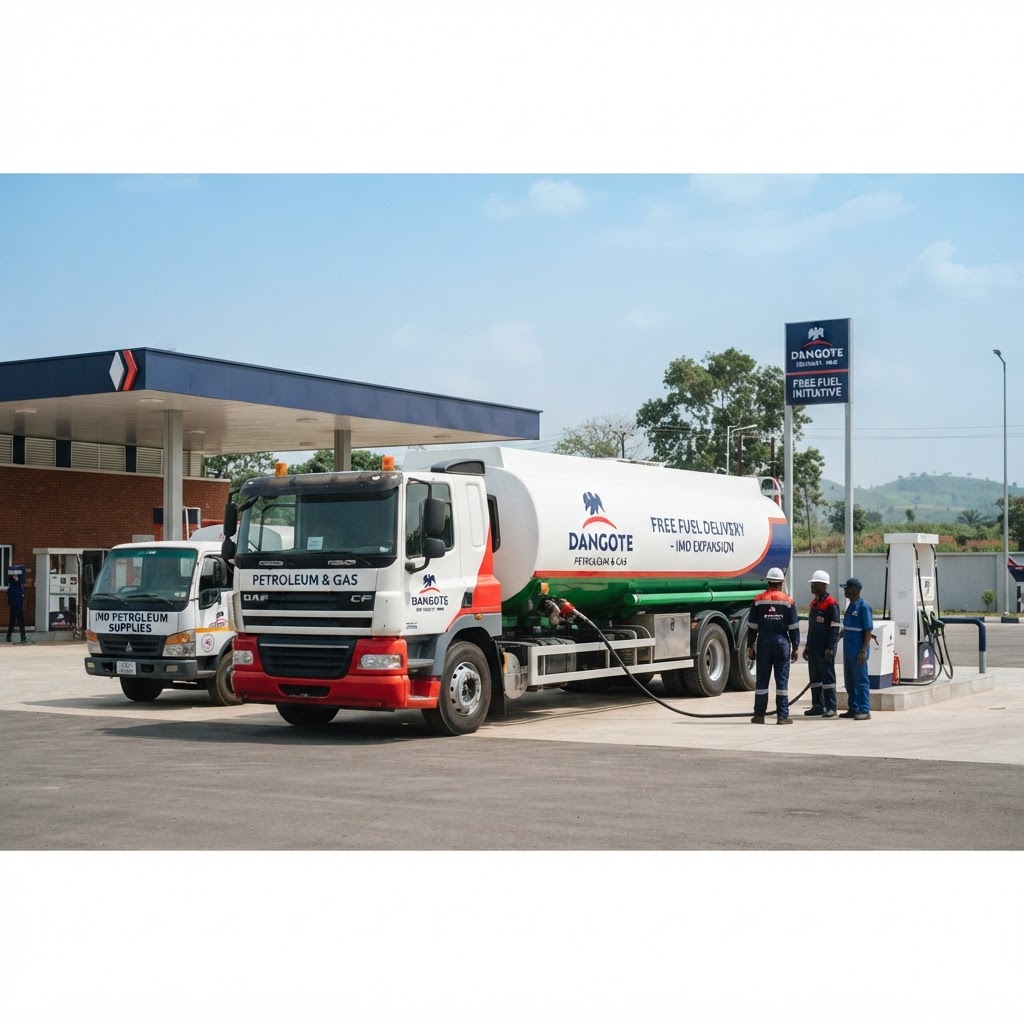
Dangote free fuel delivery expands to Imo
For decades, Nigerians in the South East have paid a silent tax on every litre of fuel they pump — not a government levy, but the invisible cost of distance, middlemen, and an inefficient distribution chain anchored hundreds of kilometres away on the Lagos coastline. That structural disadvantage has...