Powered by Obi Mbieri Independent Media Ltd · eziokwubundu.com
$1 = ₦1,331€1 = ₦1,526£1 = ₦1,780Family Wealth: Real Estate, Stocks, Agriculture
Financial security for the Nigerian family is not merely an individual achievement; it is a communal legacy that bridges traditional values with modern progress. In our journey toward practical prosperity, wealth creation must be viewed through the lens of the strategic(/article/strategic-remittance...

Financial security for the Nigerian family is not merely an individual achievement; it is a communal legacy that bridges traditional values with modern progress. In our journey toward practical prosperity, wealth creation must be viewed through the lens of the strategic triangle: Health, Wealth, and Community. A family that is financially empowered can afford better nutrition, preventive healthcare, and the ability to uplift their neighbors, creating a self-sustaining ecosystem of growth. By diversifying into real estate, stocks, and agriculture, Nigerian families can shield themselves from inflation while building a foundation that lasts for generations.
The Foundations of Family Prosperity
Building a long-term portfolio requires a shift in mindset from survival to strategic accumulation. Many Nigerians traditionally rely on savings, but in a fluctuating economy, cash alone loses value over time. We must embrace the concept of 'Practical Prosperity,' which means applying actionable knowledge to everyday financial decisions. This starts with a family agreement to prioritize assets over liabilities, ensuring that every naira spent is an investment in the family’s future wellness and stability.
Modern progress does not mean abandoning our roots; it means enhancing them. We combine the wisdom of our elders, who valued land and farming, with the digital tools of the 21st century. This blend of traditional values and modern economics is the hallmark of a healthy, wealthy Nigerian household. By involving every family member, from youth professionals to community leaders, we create a unified front against economic uncertainty.
Real Estate: The Concrete Foundation
Real estate remains the most trusted asset class for Nigerian families because it offers tangible security. In our culture, owning land is a symbol of belonging and permanent stability. Land banking—the practice of buying undeveloped land in growing corridors—is a powerful way to multiply wealth. Cities like Lagos, Abuja, and Port Harcourt continue to expand, and early entry into suburban areas often yields massive returns within a decade.
For families seeking immediate cash flow, residential rentals provide a consistent secondary income. Developing small multi-unit apartments or 'self-contain' units in university towns or commercial hubs can fund a family’s healthcare and educational needs. This is the 'Community First' approach to real estate; providing quality housing for others while securing your family's financial health. It turns the basic need for shelter into a tool for collective progress.
Real Estate Investment Trusts (REITs) offer a modern alternative for families who may not have the capital to buy physical land. These allow you to invest in large-scale commercial properties through the stock market. This accessibility ensures that even students and young professionals can start their real estate journey with small amounts. It is a practical way to participate in the property market without the complexities of land litigation or construction management.
Stocks: Growing With Modern Markets
The Nigerian Exchange (NGX) provides a platform for families to own a piece of the country's most successful corporations. Investing in stocks is not gambling; it is a disciplined approach to buying into the productivity of the nation. For long-term growth, families should focus on 'Blue Chip' companies—established firms with a history of stability and dividend payments. Dividends act as a recurring harvest, providing funds that can be reinvested to accelerate wealth building.
Diversification is the key to protecting the family portfolio from local market volatility. For diaspora Nigerians and local professionals, international stocks offer exposure to global technology and healthcare sectors. By holding assets in both local and foreign currencies, a family creates a hedge against naira devaluation. This dual-market approach ensures that your wealth remains robust, regardless of the local economic climate, supporting the 'Health + Wealth' connection by maintaining purchasing power for quality medical care.
Digital investment platforms have democratized access to the stock market for everyday Nigerians. These apps allow for fractional investing, meaning a family can start with as little as five thousand naira. Consistency is more important than the initial amount; setting up automated monthly investments creates a culture of discipline. Over twenty to thirty years, the power of compounding turns these small, regular contributions into a substantial endowment for the next generation.
Agriculture: Investing in the Future
Agriculture is the heartbeat of the Nigerian economy and a primary pillar of our traditional values. Beyond subsistence farming, commercial agriculture offers a path to significant wealth while ensuring food security for the community. Families can invest in high-value crops like cocoa, oil palm, or cashews, which have strong export potential. This aligns with the 'Better Living Through Information' angle, as families learn to transition from traditional methods to data-driven farming.
Featured Products
Chukwu Abiama Tee
Bold black-and-gold Igbo-pride T-shirt featuring 'Chukwu Abiama' in premium streetwear typography.
₦15,000
Buy NowReverse Type 2 Diabetes & other associated Metabolic Issues using Dr. Jason Fung's Evidence-Based Approach— FMD program for Type 2 Diabetes
A practical fasting and fasting-mimicking programme built on Dr Jason Fung's insulin-resistance principles and ow-glycemic recipes.
₦19,950
Join NowỤmụ Igbo Tee
Classic black T-shirt with bold white 'Ụmụ Igbo' typography — a proud statement of Igbo heritage.
₦15,000
Buy NowNwanne Tee
Washed khaki vintage tee with a faded rust-orange 'Nwanne' stamp badge and palm leaf motif — a nod to kinship and heritage.
₦18,000
Buy NowObodo Tee
Faded denim-blue washed tee with a cream 'Obodo' stamp badge and sun motif, celebrating community roots.
₦18,000
Buy NowEkwe Heritage Tee
Deep indigo tee featuring a fine line-art illustration of a traditional Igbo ekwe drum, inspired by Igbo-Ukwu bronze artistry.
₦18,000
Buy NowIkenga Figure Tee
Forest green tee with a fine line-art illustration of a stylized Ikenga figure.
₦18,000
Buy NowAgrotech platforms have revolutionized how urban families and the diaspora participate in farming. You no longer need to be on the field to benefit from the soil’s bounty. By funding organized farm clusters through reputable platforms, families can earn returns from the sale of poultry, maize, or cattle. This model supports local farmers and strengthens the community structure, embodying the 'Community First' ethos while generating profit for the investor.
Value-added processing is the next frontier for the wealthy Nigerian family. Instead of just selling raw produce, investing in small-scale processing—such as milling cassava into garri or processing tomatoes into paste—increases profit margins significantly. This creates local jobs and reduces post-harvest losses, contributing to the 'Nigerian Self-Improvement Ecosystem.' It turns agriculture into a sophisticated business venture that can be passed down through the family line.
Creating a Balanced Family Portfolio
A resilient portfolio is one that balances risk and liquidity. Real estate provides the long-term 'anchor,' stocks provide 'growth and liquidity,' and agriculture provides 'utility and community impact.' For a typical middle-class family, a 40-30-30 split across these sectors can provide a stable foundation. This balance ensures that the family is not over-exposed to a single market shock, maintaining the peace of mind necessary for mental and physical health.
Reviewing the portfolio annually is a vital family ritual. This is an opportunity to educate the youth on financial literacy and involve community stakeholders in legacy planning. When children see their parents discussing asset allocation and dividend yields, they learn that prosperity is a result of planning, not luck. This educational aspect is a core part of the Eziokwubundu mission—empowering the next generation with the tools to stay healthy and wealthy.
Risk management must include insurance and legal protections. Ensuring that land titles are 'C of O' verified and that stock portfolios are registered with the SEC protects the family from fraud. In the context of 'Practical Prosperity,' being careful is just as important as being ambitious. Protecting what you have built is the first rule of maintaining a multi-generational legacy in the Nigerian environment.
Practical Steps to Start Today
The journey to a multi-generational portfolio begins with a single, informed decision. First, clear all high-interest consumer debts that drain your family’s resources. Redirect those funds into a dedicated investment account. This is the 'Knowledge for Everyday Nigerians' approach—starting where you are with what you have. Even a small vegetable garden or a handful of shares in a telecom company is a step toward the triangle of success.
Seek out community investment clubs or cooperatives. These structures allow families to pool resources to buy larger tracts of land or invest in bulk agricultural projects. This 'Community First' strategy reduces individual risk and increases bargaining power. It also fosters a sense of collective accountability, ensuring that everyone in the circle moves toward a healthier, more prosperous lifestyle together.
Finally, stay informed through credible sources. The Nigerian economic landscape changes rapidly, and 'Better Living Through Information' means staying ahead of policy shifts and market trends. Subscribe to financial newsletters, attend agricultural seminars, and consult with professional advisors. Knowledge is the most valuable asset in your portfolio; it is the light that guides your family toward a future of health, wealth, and community impact.
The Vision of Perpetual Growth
Building wealth is a marathon, not a sprint. For the Nigerian family, this process is an act of love and a commitment to the future of our nation. When we invest in real estate, we claim our place in the land. When we buy stocks, we drive our industries. When we support agriculture, we feed our people. This is the 'Nigerian Self-Improvement Ecosystem' in action—a cycle of growth that benefits the individual, the family, and the wider community.
As you build your portfolio, remember that the ultimate goal is a better life. Wealth is a tool that should serve your health and your community. A truly prosperous family is one where members are physically fit, mentally resilient, and socially connected. By following these practical steps and staying true to our traditional values, every Nigerian family can create a legacy of abundance that survives the test of time and change.
Stay Informed
Get New Articles in Your Inbox
Subscribe to receive the latest community development, health, and wealth insights from Eziokwubundu.
Newsletter
Practical insights on health, wealth, and community — delivered weekly.
Community Discussion(0)
Leave a Comment
More to Read
You May Also Like
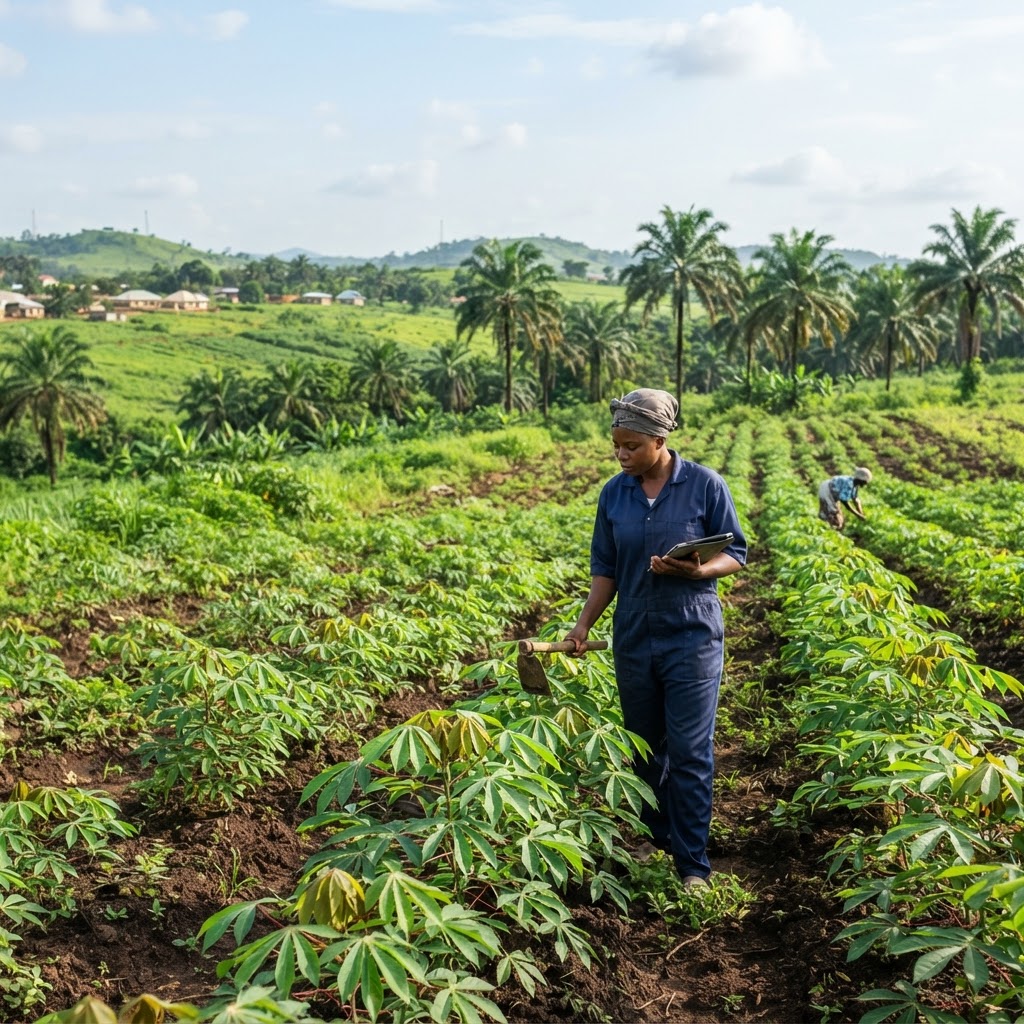
Imo’s ₦61bn Question: Tracking Agricultural Funding
Nigeria's farmers just received a fresh reason to hope—and to ask hard questions about agricultural funding. A new Germany-funded agricultural project has disbursed ₦61bn nationwide, and it reignites Imo's ₦61bn Question: How Much of Nigeria's Agricultural Financing Is Reaching Imo. For families in ...

Economic Pressure Drives Employers Toward Commission-Based Pay
Nigeria's labor market is undergoing a quiet but profound transformation. Across Lagos boardrooms, Abuja offices, and Aba trading floors, a growing number of employers are restructuring compensation packages — moving away from the predictability of fixed monthly salaries toward commission-based pay ...
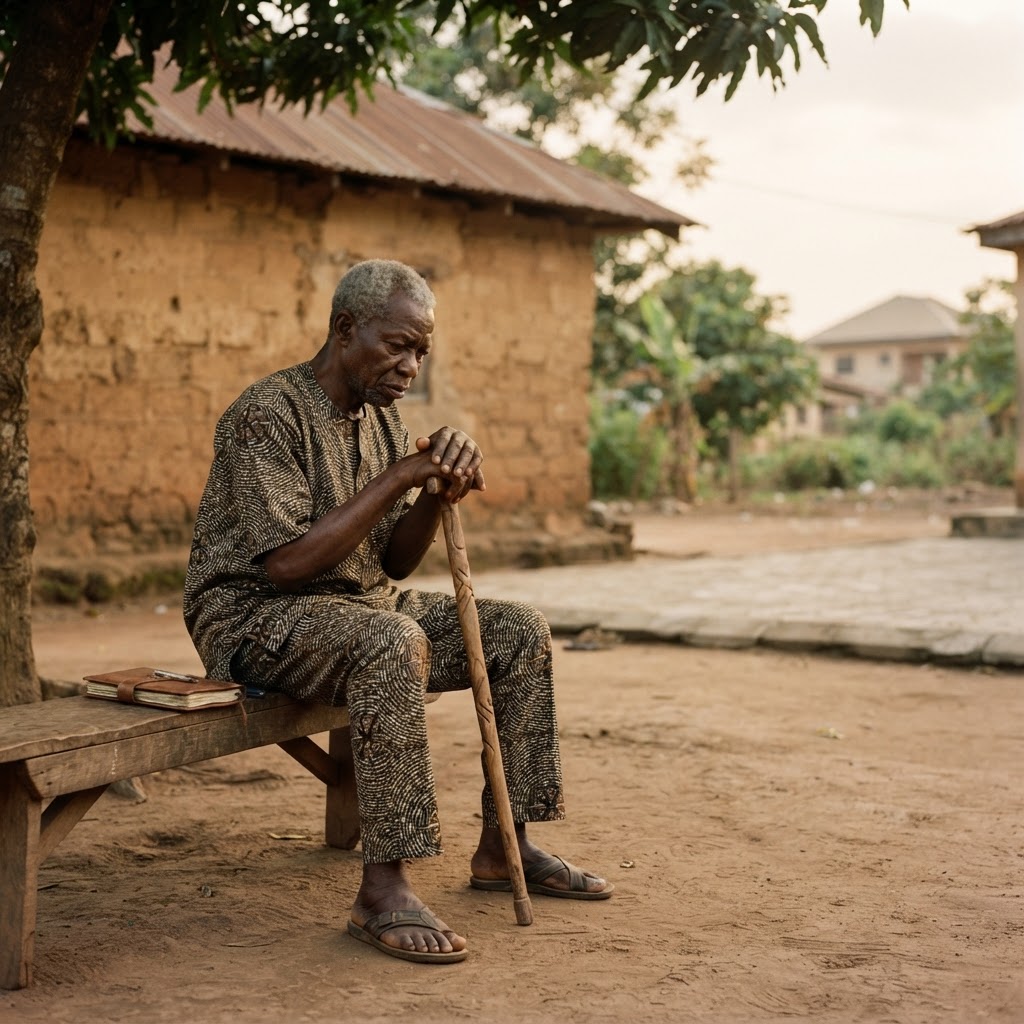
48 Months Without Full Pension Payments: Imo Pensioners
Retirement should bring peace, not financial anxiety. Yet across Imo State, thousands of elderly civil servants say their golden years have turned into a struggle for survival. The situation described in "48 Months Without Full Pension Payments: Imo Pensioners Demand Answers" reflects a deepening cr...
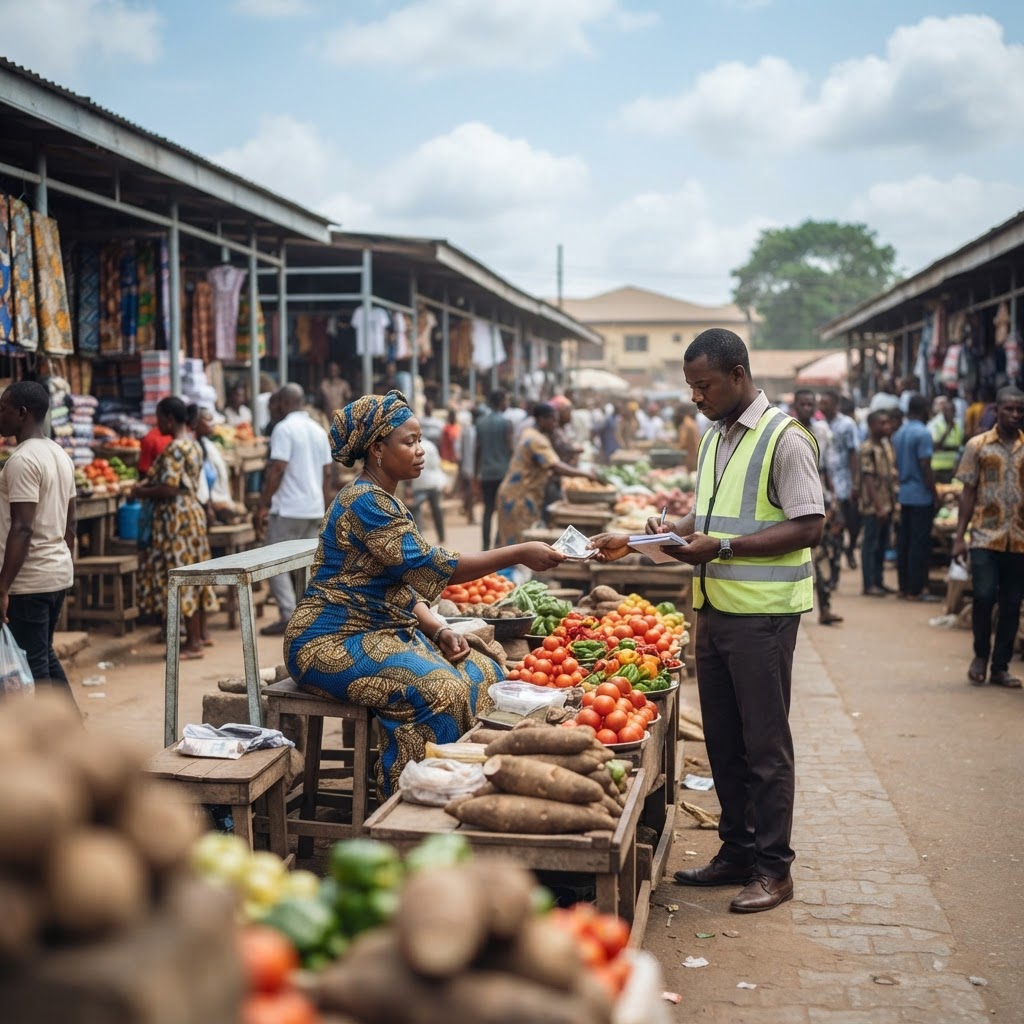
Imo Markets: What Fees Are Traders Paying and Who Collects Them?
For thousands of traders operating daily across Imo State's bustling markets — from Relief Market in Owerri to the Naze Timber and Allied Traders Market — paying levies is an unavoidable cost of doing business. But in 2026, a more urgent question is emerging from beneath the noise of commerce: exact...
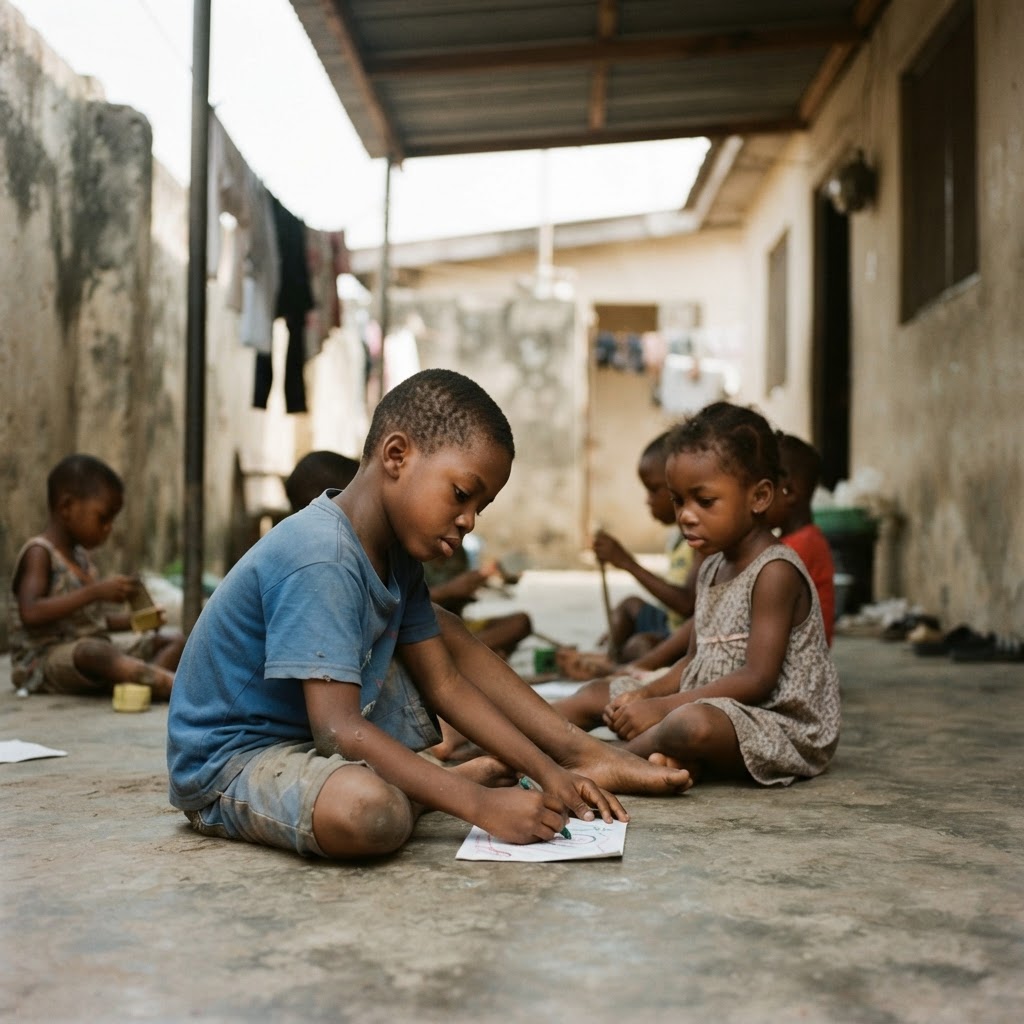
Unapproved Orphanages in Nigeria: How Safe Are Children in Private Care Homes?
Across Nigeria, thousands of children live in private care homes that operate outside the law. Some are run by well-meaning individuals overwhelmed by the scale of child poverty. Others are driven by profit, exploiting the image of vulnerable children to attract foreign donations while providing sub...
How to Access CBN Small Business Loans
Access to affordable financing remains one of the most persistent barriers to entrepreneurial growth in Nigeria. For millions of small business owners operating in a landscape defined by high commercial lending rates — often ranging between 25% and 30% per annum — the Central Bank of Nigeria's inter...
Imo State Tax Guide for Individuals
Taxation is one of the most direct ways that individuals participate in the development of their communities. Yet for many residents of Imo State, the process of understanding, registering, and filing taxes remains confusing, intimidating, or simply unfamiliar. This guide is designed to change that....
How to start vegetable farming with small capital Nigeria
Vegetable farming is one of the most accessible and consistently profitable agricultural ventures available to Nigerians today. Whether you are a young graduate seeking a sustainable livelihood, a household looking to reduce food costs, or an entrepreneur exploring low-risk entry points into agricul...
Building Wealth with Ajo and Esusu
The journey to financial independence in Nigeria does not always require a bank loan or a complex stock portfolio. For centuries, our ancestors utilized communal structures to fund life’s greatest milestones. From the bustling markets of Lagos to the quiet villages of the southeast, Ajo and Esusu ha...
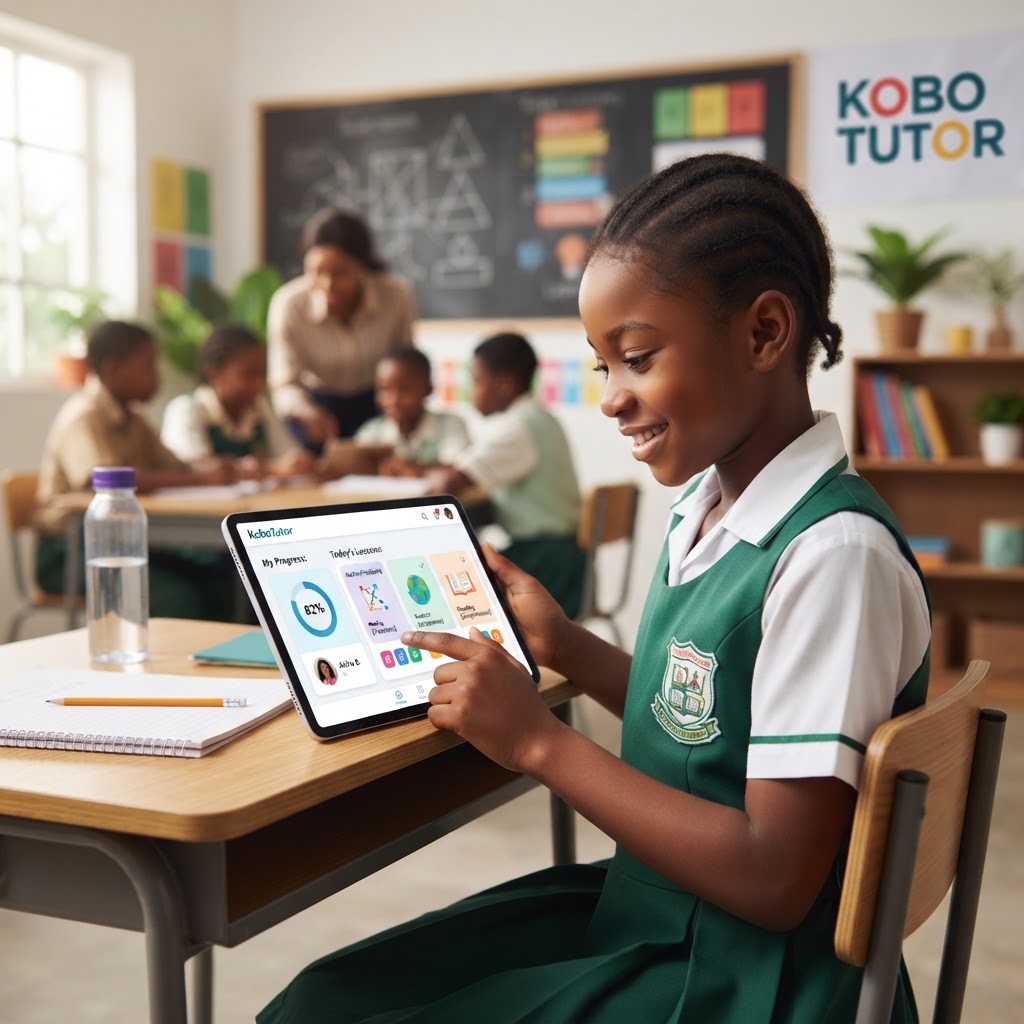
KoboTutor: How a Nigerian EdTech Platform Is Bringing Personalised Learning to Students
Nigeria's education sector stands at a crossroads. With over 13 million out-of-school children and chronic underfunding in public education, the pressure on students who do attend school is immense. For the millions sitting JAMB, WAEC, and NECO examinations each year, the stakes could not be higher....