Powered by Obi Mbieri Independent Media Ltd · eziokwubundu.com
$1 = ₦1,331€1 = ₦1,526£1 = ₦1,780Nigerian Blue-Chip Stocks for Child University Funds
If you're looking to secure your child's education, consider building a dividend portfolio with Nigerian blue-chip stocks. This financial roadmap not only offers a pathway to wealth accumulation but also ensures significant returns that can help fund university expenses. Start investing today for a ...

If you're looking to secure your child's education, consider building a dividend portfolio with Nigerian blue-chip stocks. This financial roadmap not only offers a pathway to wealth accumulation but also ensures significant returns that can help fund university expenses. Start investing today for a brighter future!
Securing a top-tier education for your child in Nigeria is a significant financial undertaking that requires more than simple monthly savings. By strategically building a dividend-focused portfolio of Nigerian blue-chip stocks, you can create a self-sustaining wealth engine that grows alongside your children.
This financial roadmap provides a practical path for parents and guardians to navigate the local equity market. By understanding the mechanics of dividend yields, capital appreciation, and local market dynamics, you can transform the dream of a debt-free university education into a tangible reality—grounded in the signature strategic triangle of Eziokwubundu: Health + Wealth + Community.
Understanding Dividend Investing in Nigeria
Dividend investing is a strategy where you purchase shares in profitable companies that regularly return a portion of their earnings to shareholders. For Nigerian families, this represents a steady stream of passive income that can be reinvested to accelerate portfolio growth over a ten- to fifteen-year horizon.
Unlike speculative trading, dividend investing focuses on the fundamental strength of a business and its ability to generate consistent cash flow. This approach is particularly effective for university funds because it prioritizes long-term stability, disciplined reinvestment, and protection against purchasing-power erosion over short-term market noise.
The Power of Blue-Chip Stocks on the Nigerian Exchange
Blue-chip stocks are shares of large, well-established, and financially sound companies listed on the Nigerian Exchange (NGX). These companies typically have proven management teams, deep consumer or industrial moats, and a track record of returning value to shareholders.
As of early 2026, investors continue to favour blue-chips such as Dangote Cement, Nestlé Nigeria, MTN Nigeria, Access Holdings, GTCO, and Zenith Bank for dividend-led portfolios. Dividend yields across these names vary by company and year, but many blue-chips deliver regular payouts that, combined with prudent reinvestment, compound into meaningful sums over a decade or more.
Why Education Funds Need Equities
Traditional savings accounts and fixed deposits in Nigeria often struggle to keep pace with persistent double-digit inflation and currency volatility. While fixed-income instruments offer safety, their real returns can be eroded when inflation is high.
Equities — especially high-quality blue-chips — tend to offer a better long-term hedge against inflation because company earnings and share prices can rise with the broader economy. Over a 10–15 year horizon, a disciplined dividend reinvestment strategy can preserve and grow real purchasing power for university tuition, living costs, and associated expenses.
Essential Criteria for Stock Selection
Choosing the right stocks for a child's education fund requires discipline and an emphasis on fundamentals rather than trends. Focus on companies that demonstrate:
- A consistent dividend record for at least 5 years (and preferably through economic cycles).
- Strong cash generation and healthy operating cash flows.
- Conservative leverage: debt-to-equity at or below industry norms.
- Transparent corporate governance and shareholder-friendly policies.
- Clear market leadership or essential-product status (consumer staples, important services, infrastructure).
Read the statement of cash flows and cash-return metrics when assessing payouts. Dividend-per-share and payout ratio are useful, but free-cash-flow coverage of dividends is often more reliable.
Leading Sectors for Dividend Growth
- Banking and Financial Services: Tier-1 banks and diversified financial groups remain major dividend payers. They distribute interim and final dividends, and some have introduced shareholder-friendly buyback programs in recent years.
- Consumer Staples and FMCG: Companies producing everyday household goods offer resilience and predictable cash flow, important for funding future education costs.
- Cement and Construction Materials: Key players such as Dangote Cement have historically been able to maintain margins and return capital, supporting dividends.
- Telecommunications and Utilities: Telecoms with stable cash generation and strong subscriber bases are important for diversification, though payout patterns can vary due to growth-capex cycles.
The Banking Sector Giants (and Other Blue-Chips)
Several blue-chip names dominate portfolios for dividend-focused Nigerian investors. As of early 2026, these companies feature prominently in long-term education portfolios:
Featured Products
Chukwu Abiama Tee
Bold black-and-gold Igbo-pride T-shirt featuring 'Chukwu Abiama' in premium streetwear typography.
₦15,000
Buy NowReverse Type 2 Diabetes & other associated Metabolic Issues using Dr. Jason Fung's Evidence-Based Approach— FMD program for Type 2 Diabetes
A practical fasting and fasting-mimicking programme built on Dr Jason Fung's insulin-resistance principles and ow-glycemic recipes.
₦19,950
Join NowỤmụ Igbo Tee
Classic black T-shirt with bold white 'Ụmụ Igbo' typography — a proud statement of Igbo heritage.
₦15,000
Buy NowNwanne Tee
Washed khaki vintage tee with a faded rust-orange 'Nwanne' stamp badge and palm leaf motif — a nod to kinship and heritage.
₦18,000
Buy NowObodo Tee
Faded denim-blue washed tee with a cream 'Obodo' stamp badge and sun motif, celebrating community roots.
₦18,000
Buy NowEkwe Heritage Tee
Deep indigo tee featuring a fine line-art illustration of a traditional Igbo ekwe drum, inspired by Igbo-Ukwu bronze artistry.
₦18,000
Buy NowIkenga Figure Tee
Forest green tee with a fine line-art illustration of a stylized Ikenga figure.
₦18,000
Buy Now- Dangote Cement – long-standing market leadership in cement across Nigeria and parts of West Africa; known for capital returns when earnings permit.
- Nestlé Nigeria – staple consumer products with steady local demand and a long history of shareholder payments.
- MTN Nigeria – large telecom operator with strong cash flows; payout policies may fluctuate depending on investment cycles.
- Access Holdings & GTCO (Guaranty Trust Holding Company) – significant players in banking/fintech; often seen as reliable dividend contributors.
- Zenith Bank – historically consistent dividends and conservative balance-sheet management.
(Note: dividend yields and payout policies change annually. Confirm current yields from company filings and your broker before making investment decisions.)
Practical Roadmap: How to Build Your Nigerian Blue-Chip Dividend Portfolio
Start with a timeline and funding target
- Determine the child's current age and the likely year tuition will be required.
- Estimate future education costs (tuition + living expenses), factoring in current inflation trends and a margin for currency volatility.
Set a target annual return and dividend yield
- Use conservative assumptions: for planning, many advisors model a long-term blended return of 8–12% per year (capital growth + dividends) and a dividend yield target of 3–7% for blue-chip portfolios.
- Adjust targets based on your risk tolerance and time horizon.
Choose the right accounts and custodial arrangements
- Open a brokerage account with a licensed Nigerian broker or an accredited digital brokerage that supports NGX trading.
- For minors, set up a custodial account or hold investments in the guardian's name with documented intent for the child's benefit. Check your broker's procedure and legal requirements.
Diversify across sectors and names
- Aim for 6–10 core blue-chip stocks across banking, consumer staples, telco, and industrials, or include a mix of direct stocks and unit trusts/mutual funds to diversify single-stock risk.
- Consider geographic or foreign-currency exposure where appropriate (e.g., multinational firms or offshore assets) as a hedge against naira volatility.
Reinvest dividends (DRIP) and use systematic contributions
- Enroll in dividend reinvestment where available, or manually reinvest dividends to compound growth.
- Make regular contributions (monthly or quarterly) to smooth entry risk and benefit from rupee-cost averaging.
Monitor and rebalance annually
- Review performance, payout trends, and sector exposures each year.
- Rebalance toward target allocation only after evaluating any major changes in company fundamentals.
Plan for taxes and fees
- Dividends in Nigeria can be subject to withholding tax (confirm current rate with your tax advisor or broker).
- Account for brokerage fees and custody charges when modelling net returns.
Case Studies: Nigerian Families Building University Funds with Dividend Portfolios
Case study 1 — Amaka, Lekki (Started 2016 → Goal met in 2026)
- Goal: N6,000,000 to fund a 4-year university plan beginning in 2026.
- Strategy: N300,000 initial investment in 2016, monthly contributions of N20,000, invested in a dividend-focused selection of blue-chips (consumer staples, banking, telecom).
- Assumptions used: average dividend yield of 4.5% (reinvested) and blended annual capital growth of 9%.
- Outcome: By early 2026 Amaka's portfolio had grown to cover the target tuition and living expenses with a conservative withdrawal plan, allowing the child to attend university locally debt-free.
- Testimonial: "We treated investing like caregiving: consistent, patient, and practical. Reinvesting dividends every year made the difference." — Amaka, Mother and Small Business Owner
Case study 2 — Yusuf, Kaduna (Started 2018 → Ongoing)
- Goal: Provide partial funding for a 2028 university start.
- Strategy: N500,000 lump sum plus N30,000 monthly. Portfolio mix: banks (GTCO, Access), industrials (cement), and FMCG.
- Outcome: By 2025 the portfolio produced an annual dividend stream sufficient to cover one semester's fees when paired with annual top-ups. The focus on dividend stability reduced the need to sell core holdings in weaker market years.
- Testimonial: "When markets wobble, dividends kept us calm. We never had to sell during dips." — Yusuf, Civil Servant
Case study 3 — Community Savings Group, Enugu (Collective approach)
- Goal: Pool resources from 12 families for shared educational grants and scholarships.
- Strategy: Each family contributed N50,000 quarterly into a pooled unit trust managed by a local asset manager with an explicit dividend-income mandate.
- Outcome: After five years of disciplined contributions and reinvestment, the group created a rotating scholarship fund that has supported 3 students with partial university grants.
- Testimonial: "Community-first investing turned individual small savings into real educational opportunities." — Leader, Enugu Savings Circle
Practical Example: Simple Projection (Conservative)
- Initial capital: N500,000
- Monthly contribution: N20,000
- Time horizon: 10 years
- Assumed blended return: 9% annually (4.5% dividend yield reinvested + 4.5% capital appreciation)
- Result: With compound reinvestment, this plan can grow into a lump sum that significantly offsets tuition costs in 10 years. (Work with a broker or financial planner to run exact numbers for your specific inputs and updated market assumptions.)
Risks and How to Manage Them
- Market volatility: Mitigate by diversification, long horizons, and avoiding forced sales during downturns.
- Company-specific risk: Avoid overconcentration; prefer 6–10 blue-chips instead of putting too much into one name.
- Inflation and currency risk: Include exporters or multinational firms and consider a small allocation to foreign-currency assets where feasible.
- Policy and economic shocks: Keep an emergency cash buffer and avoid relying solely on dividends for immediate liquidity.
Actionable Checklist to Start Building Your Child's University Fund Today
- Define the education target and timeline.
- Open a brokerage account or choose a reputable asset manager.
- Create a watchlist of 6–10 blue-chip candidates and verify dividend histories (5+ years ideally).
- Decide on allocation: equal-weight vs. value-weight; include a unit trust if you prefer professional management.
- Set up automatic contributions and a DRIP where possible.
- Review annually and adjust contributions or holdings based on changes in goals or company fundamentals.
- Document custodial arrangements and review tax implications with a local tax adviser.
Final Notes: Practical Prosperity for Nigerian Families
Building a dividend portfolio for a child's university fund is an applied, community-centered approach to prosperity: it combines financial discipline, long-term health of capital, and the shared values of Nigerian families. With a clear plan, regular contributions, and a focus on quality blue-chip stocks, many parents and community groups have already demonstrated how measured investing can meet real educational needs.
If you'd like, Eziokwubundu can help you:
- Review a sample watchlist of NGX blue-chips for dividend portfolios (updated to 2026),
- Build a simple 5- or 10-year projection tailored to your child's age,
- Share templates for custodial account documentation and community savings structures.
Investing for education is a journey best taken with clarity and community support—practical steps today can deliver a debt-free tomorrow for your child.
Stay Informed
Get New Articles in Your Inbox
Subscribe to receive the latest community development, health, and wealth insights from Eziokwubundu.
Newsletter
Practical insights on health, wealth, and community — delivered weekly.
Community Discussion(0)
Leave a Comment
More to Read
You May Also Like
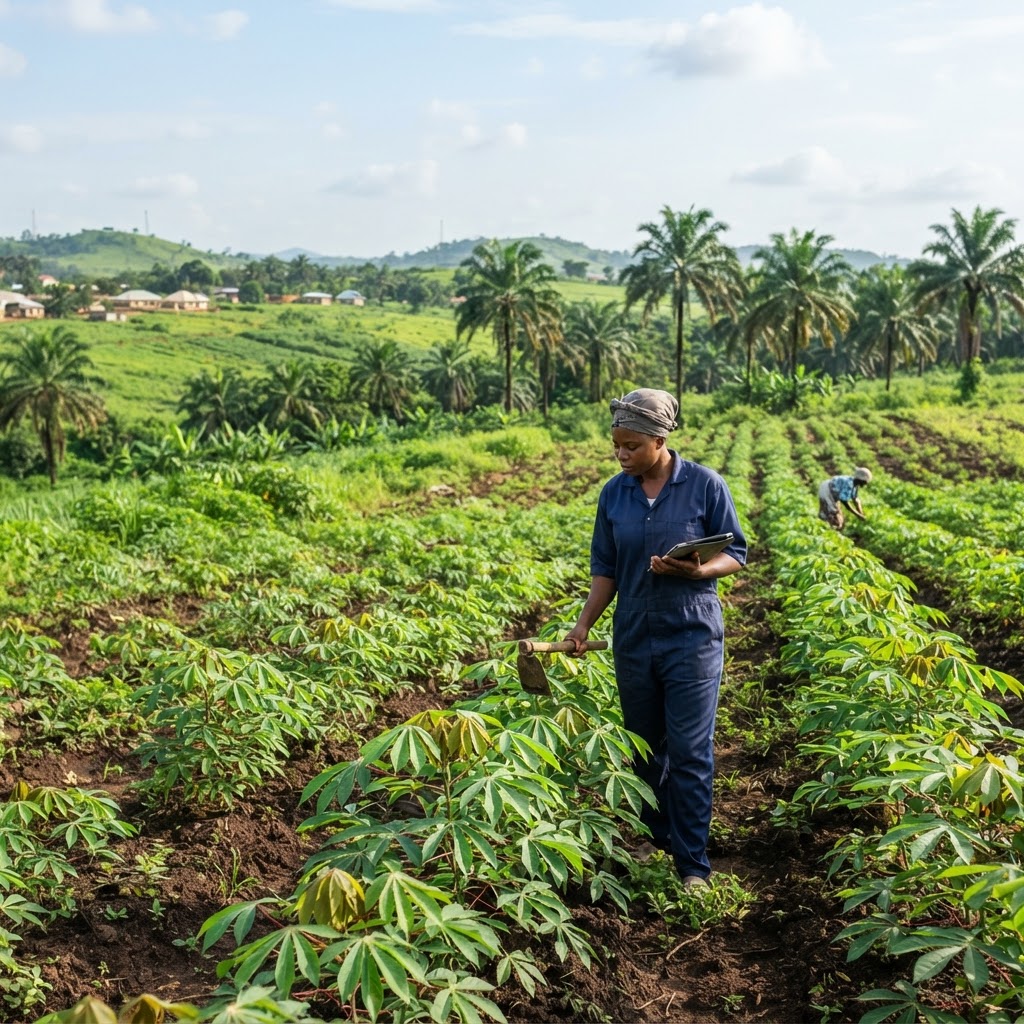
Imo’s ₦61bn Question: Tracking Agricultural Funding
Nigeria's farmers just received a fresh reason to hope—and to ask hard questions about agricultural funding. A new Germany-funded agricultural project has disbursed ₦61bn nationwide, and it reignites Imo's ₦61bn Question: How Much of Nigeria's Agricultural Financing Is Reaching Imo. For families in ...

Economic Pressure Drives Employers Toward Commission-Based Pay
Nigeria's labor market is undergoing a quiet but profound transformation. Across Lagos boardrooms, Abuja offices, and Aba trading floors, a growing number of employers are restructuring compensation packages — moving away from the predictability of fixed monthly salaries toward commission-based pay ...

48 Months Without Full Pension Payments: Imo Pensioners
Retirement should bring peace, not financial anxiety. Yet across Imo State, thousands of elderly civil servants say their golden years have turned into a struggle for survival. The situation described in "48 Months Without Full Pension Payments: Imo Pensioners Demand Answers" reflects a deepening cr...

Imo Markets: What Fees Are Traders Paying and Who Collects Them?
For thousands of traders operating daily across Imo State's bustling markets — from Relief Market in Owerri to the Naze Timber and Allied Traders Market — paying levies is an unavoidable cost of doing business. But in 2026, a more urgent question is emerging from beneath the noise of commerce: exact...

Unapproved Orphanages in Nigeria: How Safe Are Children in Private Care Homes?
Across Nigeria, thousands of children live in private care homes that operate outside the law. Some are run by well-meaning individuals overwhelmed by the scale of child poverty. Others are driven by profit, exploiting the image of vulnerable children to attract foreign donations while providing sub...

How to Access CBN Small Business Loans
Access to affordable financing remains one of the most persistent barriers to entrepreneurial growth in Nigeria. For millions of small business owners operating in a landscape defined by high commercial lending rates — often ranging between 25% and 30% per annum — the Central Bank of Nigeria's inter...
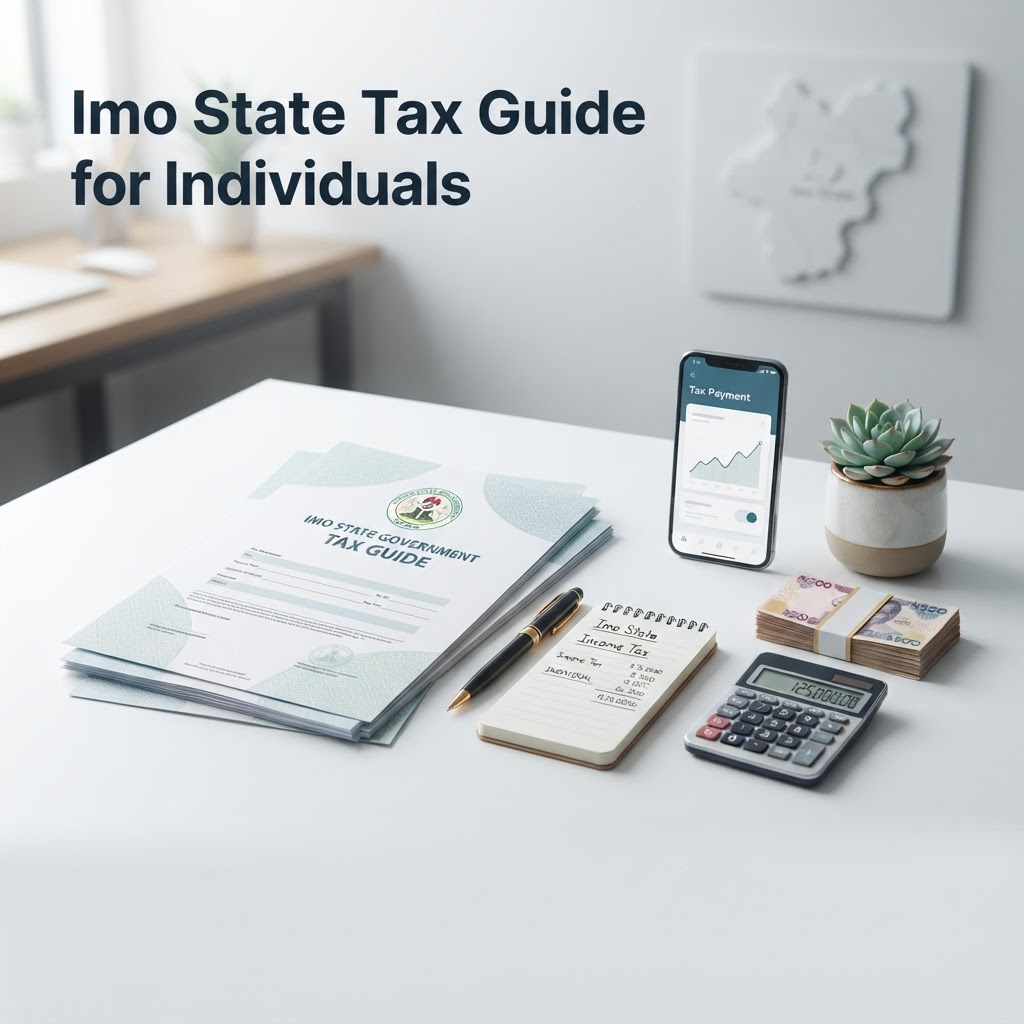
Imo State Tax Guide for Individuals
Taxation is one of the most direct ways that individuals participate in the development of their communities. Yet for many residents of Imo State, the process of understanding, registering, and filing taxes remains confusing, intimidating, or simply unfamiliar. This guide is designed to change that....

How to start vegetable farming with small capital Nigeria
Vegetable farming is one of the most accessible and consistently profitable agricultural ventures available to Nigerians today. Whether you are a young graduate seeking a sustainable livelihood, a household looking to reduce food costs, or an entrepreneur exploring low-risk entry points into agricul...

Building Wealth with Ajo and Esusu
The journey to financial independence in Nigeria does not always require a bank loan or a complex stock portfolio. For centuries, our ancestors utilized communal structures to fund life’s greatest milestones. From the bustling markets of Lagos to the quiet villages of the southeast, Ajo and Esusu ha...

KoboTutor: How a Nigerian EdTech Platform Is Bringing Personalised Learning to Students
Nigeria's education sector stands at a crossroads. With over 13 million out-of-school children and chronic underfunding in public education, the pressure on students who do attend school is immense. For the millions sitting JAMB, WAEC, and NECO examinations each year, the stakes could not be higher....