Powered by Obi Mbieri Independent Media Ltd.
$1 = ₦1,353€1 = ₦1,486£1 = ₦1,775Nigeria Raises ₦1.2 Trillion to Clear Power Sector Debts
Nigeria's power sector is at a turning point. Nigeria's Electricity Sector: FG Raises ₦1.2 Trillion to Clear Power Generation Debts marks one of the boldest financial interventions in the industry's recent history. For families budgeting for electricity bills and entrepreneurs running small business...
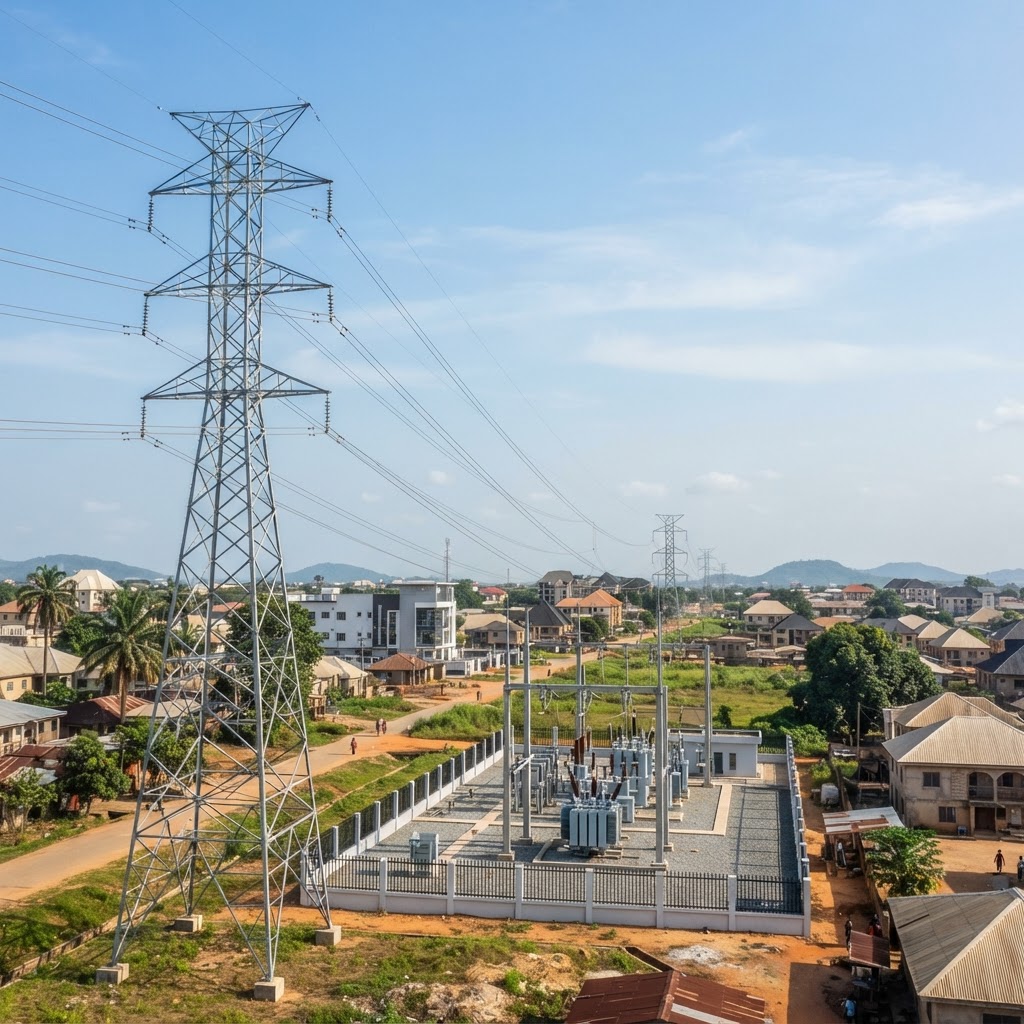
Nigeria's power sector is at a turning point. Nigeria's Electricity Sector: FG Raises ₦1.2 Trillion to Clear Power Generation Debts marks one of the boldest financial interventions in the industry's recent history. For families budgeting for electricity bills and entrepreneurs running small businesses, this development could reshape daily life. It also represents a significant test of whether Nigeria's power sector can finally break free from the debt spirals that have defined it for more than a decade.
This article breaks down what the debt settlement means, how the funds were raised, what the power sector reform roadmap looks like, and what Nigerians should expect next as the government attempts to rebuild trust in a sector that touches every household and business in the country.
Why Is The Power Sector Debt Significant?
Nigeria's electricity generation companies, known as GenCos, have struggled for years under a mountain of unpaid invoices. The Federal Government has now paid ₦1.23 trillion out of a verified ₦3.3 trillion legacy debt owed to these companies. This payment directly addresses the liquidity constraints that have paralyzed operations across the Nigerian Electricity Supply Industry and, more broadly, the entire power sector.
The intervention falls under the Presidential Power Sector Financial Reforms Programme (PPSFRP). This programme specifically targets debts accumulated between February 2015 and March 2025, a ten-year window that saw the financial health of the power sector deteriorate steadily. The choice of name itself signals how central this initiative is to the government's wider economic agenda, treating the power sector not as an isolated utility concern but as a foundational pillar of national development.
The consequences of unpaid debts have been severe. GenCos could not pay gas suppliers on time. They struggled to service loans from lenders. Contractors went unpaid for completed work. This created a vicious cycle: weak cash flow led to deferred maintenance, deferred maintenance led to equipment failure, and equipment failure led to reduced power generation. Each of these failures reinforced the perception that the power sector was fundamentally unbankable, discouraging the very investment needed to fix it.
Reduced generation then discouraged new investment. Investors are naturally cautious about pouring money into a sector where existing players cannot recover what they are owed. This is why the ₦1.23 trillion disbursement matters beyond its headline figure. It signals an attempt to break a cycle that has frustrated power sector growth for nearly a decade and restore some measure of confidence among operators who had grown accustomed to chronic non-payment.
For everyday Nigerians, this history explains why power supply has remained unreliable despite repeated government promises. Understanding the root causes helps readers appreciate why debt clearance alone, while necessary, is only one part of a much larger puzzle facing the power sector today. Many Nigerians have grown skeptical of reform announcements, having watched previous power sector interventions fail to deliver lasting change, which makes transparency around this latest effort especially important.
How Was The ₦1.2 Trillion Raised?
Raising ₦1.2 trillion required careful financial engineering. The government turned to the capital markets through two major bond issuances rather than relying solely on budgetary allocations, a strategic decision that reflects growing sophistication in how Nigeria finances power sector obligations.
The first was an inaugural ₦501 billion Series 1 transaction completed in January 2026. This early issuance tested market appetite for power sector debt instruments and established a framework for future transactions. Investors watched closely to see whether a debt instrument tied to a historically troubled sector could attract sufficient confidence.
Momentum built quickly. By September 2026, the government executed a larger ₦728.9 billion Series 2 issuance. Notably, this second round involved 11 GenCos, up from eight participants in the first series. This growth suggests rising confidence among power generation companies in the government's debt-settlement framework, and it indicates that the broader power sector ecosystem is beginning to view these bond programmes as credible rather than symbolic.
The structure of these transactions combined two approaches:
- Cash bonds that provided immediate liquidity to GenCos
- Non-cash instruments that settled verified obligations without requiring instant cash outlay
- A phased disbursement schedule tied to independent debt verification
- Market-based pricing that reflected prevailing interest rate conditions
This hybrid approach allowed the government to address a massive debt backlog without overwhelming fiscal space. According to the Debt Management Office of Nigeria, structured bond issuances of this kind are increasingly used to resolve sector-specific liabilities while maintaining macroeconomic stability. The strategy also mirrors approaches used in other emerging markets facing similar utility sector arrears, as documented by the World Bank's energy sector analyses. Observers note that if this model proves successful, it could become a template for how Nigeria manages future power sector liabilities, reducing the need for emergency fiscal interventions down the line.
What's The Plan For Grid Stability In The Power Sector?
Clearing debt is only the starting point. Minister of Power Joseph Tegbe has outlined a three-phase roadmap designed to stabilize, then scale, and eventually transform Nigeria's electricity grid and the wider power sector that depends on it.
Phase One: Stabilization
The stabilization phase runs from June 2026 to February 2027. During this period, the focus is on preventing further grid collapses and addressing the most urgent infrastructure weaknesses. This phase is widely regarded as the most delicate stage of the entire power sector reform process, since any missteps here could undermine confidence in later phases.
Phase Two: Scaling
The scaling phase covers March 2027 to June 2028. This stage involves expanding transmission capacity and bringing more generation online as stabilization efforts take hold. Analysts following the power sector closely suggest this is where tangible improvements in electricity availability should begin to reach ordinary households.
Phase Three: Transformation
From 2028 onwards, the transformation phase aims for long-term structural change, including modernized infrastructure and improved regulatory frameworks. Officials describe this as the point at which the power sector shifts from crisis management to sustainable growth.
To support this roadmap, the government is conducting a nationwide technical audit of power infrastructure. This audit identifies aging facilities and prioritizes upgrades based on actual need rather than political convenience. Officials have described this shift as moving away from "throwing money at wrong things," a phrase that has become something of a rallying cry for power sector reform advocates.
Nigeria has also been divided into three energy zones to guide targeted interventions: Lagos-Ogun, Benin-Edo-Port Harcourt, and Abuja-Kaduna-Kano. This zonal approach allows planners to match infrastructure investment with regional demand patterns, ensuring that power sector resources are not spread too thinly across the country. The government's target is ambitious: lifting transmission capacity from roughly 5,000MW to over 19,000MW. Achieving this would mark one of the most significant capacity expansions in the sector's history, according to recent reporting by New Telegraph Nigeria.
Featured Products
Reverse Type 2 Diabetes & other associated Metabolic Issues using Dr. Jason Fung's Evidence-Based Approach— FMD program for Type 2 Diabetes
A practical fasting and fasting-mimicking programme built on Dr Jason Fung's insulin-resistance principles and ow-glycemic recipes.
₦19,950
Join NowChukwu Abiama Tee
Bold black-and-gold Igbo-pride T-shirt featuring 'Chukwu Abiama' in premium streetwear typography.
₦15,000
Buy NowỤmụ Igbo Tee
Classic black T-shirt with bold white 'Ụmụ Igbo' typography — a proud statement of Igbo heritage.
₦15,000
Buy NowNwanne Tee
Washed khaki vintage tee with a faded rust-orange 'Nwanne' stamp badge and palm leaf motif — a nod to kinship and heritage.
₦18,000
Buy NowObodo Tee
Faded denim-blue washed tee with a cream 'Obodo' stamp badge and sun motif, celebrating community roots.
₦18,000
Buy NowEkwe Heritage Tee
Deep indigo tee featuring a fine line-art illustration of a traditional Igbo ekwe drum, inspired by Igbo-Ukwu bronze artistry.
₦18,000
Buy NowIkenga Figure Tee
Forest green tee with a fine line-art illustration of a stylized Ikenga figure.
₦18,000
Buy NowCan Debt Repayment Fix The Power Sector?
Debt settlement provides immediate relief, but experts caution against viewing it as a complete solution. The ₦1.23 trillion payment addresses legacy obligations. It does not automatically fix the structural weaknesses that created those debts in the first place, nor does it guarantee that the power sector will avoid similar crises in the future.
Technical and commercial losses remain a persistent problem across the distribution network. Inadequate metering means many customers are billed estimates rather than actual consumption, leading to disputes and non-payment. Collection inefficiencies compound these issues further, and they remain among the most stubborn challenges facing the power sector today.
The scale of the ongoing challenge is striking. New arrears exceeding ₦1.5 trillion accumulate annually even as old debts are cleared. This means the power sector risks returning to the same liquidity crisis within a short period unless systemic reforms accompany debt relief. Without addressing the root causes of non-payment, Nigeria could find itself negotiating another mega bond issuance within just a few years.
Recognizing this risk, the government is now exploring payment assurance guarantees. These mechanisms would protect GenCos against future non-payment by distribution companies or end users. Officials are also considering bilateral contracting arrangements with large industrial anchors, allowing major power consumers to contract directly with generators. This approach, commonly used in competitive electricity markets as outlined by the International Energy Agency, could reduce dependence on the traditional grid-based billing system that has proven so vulnerable to collection failures. If implemented well, such reforms could insulate parts of the power sector from the cash-flow shocks that triggered the current debt crisis in the first place.
What Does This Mean For Nigerians?
For Nigerian families, electricity reliability affects everything from food preservation to children's ability to study at night. For entrepreneurs, power costs often rank among the top operating expenses, sometimes forcing businesses to rely on expensive diesel generators. The success of these power sector reforms matters directly to household budgets and business viability across the country.
The government's "proof of concept" strategy focuses first on the Lagos-Ogun corridor, which accounts for roughly 50% of national electricity demand. Delivering visible improvements in this densely populated zone could build public confidence in the broader power sector reform agenda and provide a template for replicating success elsewhere.
Community-level engagement remains essential. Eziokwubundu believes that local monitoring and advocacy can help ensure that government investments translate into actual service improvements rather than remaining promises on paper. Community leaders and local organizations have a role to play in holding utilities accountable at the neighborhood level, much as citizens have organized around transparency issues in other sectors of governance.
Readers who follow Nigeria's broader economic landscape may find useful context in coverage of Rising Crude Oil Prices Fuel Nigeria Inflation Fears, since energy costs ripple through the entire economy, including the power sector's own fuel and operational expenses. Similarly, those interested in infrastructure financing may want to review the World Bank Grants Nigeria $500 Million Flood Relief Loan coverage, which illustrates how external financing often supports Nigerian public infrastructure projects, including those that intersect with the power sector.
Beyond economics, governance accountability more broadly shapes whether reforms succeed. Readers tracking electoral transparency may also be interested in related coverage such as INEC Chairman Denies Running Pro-Tinubu Account and INEC Identifies Staff Behind Fake AI Voter Photos, both of which speak to the broader theme of institutional trust that also underlies public confidence in power sector reforms.
How Does This Compare To Past Power Sector Reforms?
Nigeria has attempted power sector reform before, most notably through the 2013 privatization of generation and distribution assets. That reform promised improved efficiency and investment but ultimately left many of the same liquidity problems unresolved. Distribution companies struggled to collect revenue, generation companies went unpaid, and the government periodically stepped in with bailout packages that addressed symptoms rather than causes.
What distinguishes the current ₦1.2 trillion intervention is its attempt to combine debt clearance with structural reform through the three-phase roadmap, rather than treating debt settlement as a one-off fix. The introduction of payment assurance guarantees and bilateral contracting arrangements suggests policymakers have studied the shortcomings of earlier power sector interventions and are trying to design safeguards against repeating them.
Still, skepticism is warranted. Previous promises of grid stabilization and capacity expansion have fallen short of targets in the past, and the power sector's history is littered with ambitious plans that stalled due to funding gaps, regulatory inertia, or shifting political priorities. Whether this latest effort succeeds will depend heavily on consistent implementation across multiple administrations and election cycles, something Nigeria's power sector has historically struggled to maintain.
What Is The Future Of The Power Sector?
Nigeria's long-term ambitions extend far beyond current debt settlement. The government has set a target of 270 gigawatts of electricity generation by 2060, a figure intended to meet future industrial and technology-driven demand and position the power sector as a driver of broader economic transformation.
President Tinubu has ordered the resolution of the long-standing Mambila hydropower crisis, a project that has faced delays spanning decades. Officials are also exploring development of 21 dams along the Sokoto-Badagry expressway corridor for hydroelectric projects, which would represent one of the largest infrastructure undertakings in the power sector's modern history.
Renewable energy is gaining ground too. The rollout of 37 solar mini-grids in states like Zamfara reflects a shift toward decentralized, sustainable power solutions. These smaller-scale projects can serve rural communities that the national grid has historically underserved, diversifying the power sector away from an overreliance on large centralized plants that are vulnerable to single points of failure.
This mix of large hydro ambitions and distributed solar projects suggests Nigeria is pursuing multiple pathways simultaneously within its power sector strategy. For communities planning long-term development, understanding these shifts matters, much like following discussions around Nigeria Must Prepare for 2027 Global Food Crisis, where forward planning determines resilience. Just as food security requires anticipating future shocks, power sector planning requires anticipating future demand growth driven by population expansion, industrialization, and digital technology adoption.
Debt clearance, grid modernization, and renewable expansion together form a broader prosperity equation for the power sector. Eziokwubundu will continue tracking these developments, connecting them to the practical realities facing Nigerian families, entrepreneurs, and communities across the country.
What Should Nigerians Watch For Next?
As the power sector moves through its stabilization phase, several indicators will reveal whether the ₦1.2 trillion debt clearance is translating into real improvements. Watch for consistent reductions in grid collapse frequency, measurable increases in transmission capacity figures published by regulators, and whether GenCos report improved ability to pay gas suppliers on time. These operational metrics matter more than headline announcements, since they reflect whether the underlying cash-flow problems in the power sector are genuinely easing.
Nigerians should also monitor how distribution companies respond to metering gaps, since unresolved billing disputes could undermine collection efficiency even if generation and transmission improve. Civic engagement, transparent reporting, and sustained political will remain essential ingredients if the power sector is to avoid repeating the debt cycles of the past decade.
Stay Informed
Get New Articles in Your Inbox
Subscribe to receive the latest community development, health, and wealth insights from Eziokwubundu.
Newsletter
Practical insights on health, wealth, and community — delivered weekly.
Community Discussion(0)
Leave a Comment
More to Read
You May Also Like

Obi-Mbieri Mourns Engr. Vitalis Opara: Questions Emerge Over Community’s Silence
Engr. Vitalis Opara is identified as President General on the signature page of the Obi-Mbieri Autonomous Community Constitution 2020 as amended.
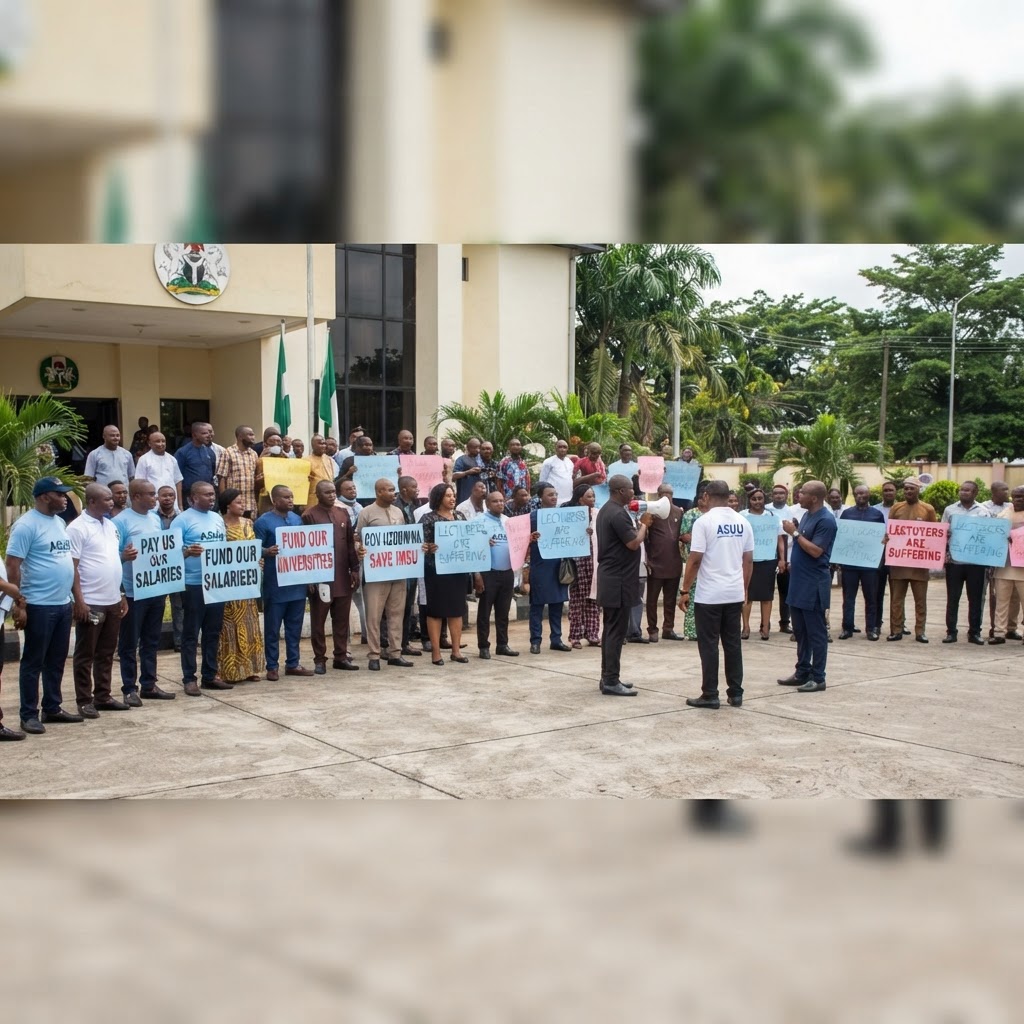
IMSU Lecturers Protest in Owerri, Appeal to Uzodimma to End
The streets of Owerri turned into a sea of white lab coats and placards this week. Hundreds of university lecturers walked out of their offices, choosing protest over silence. The IMSU Lecturers Protest in Owerri, Appeal to Uzodimma to End Months-Long Strike has become a defining moment for Imo Stat...

JAMB Candidates Can Now Change Course and Institution Online
Admission season often brings long queues and costly transport for Nigerian families. That burden has just eased. JAMB candidates can now change their institutions and courses from home, as the board announces a new digital correction service, giving students and parents fresh control over their aca...
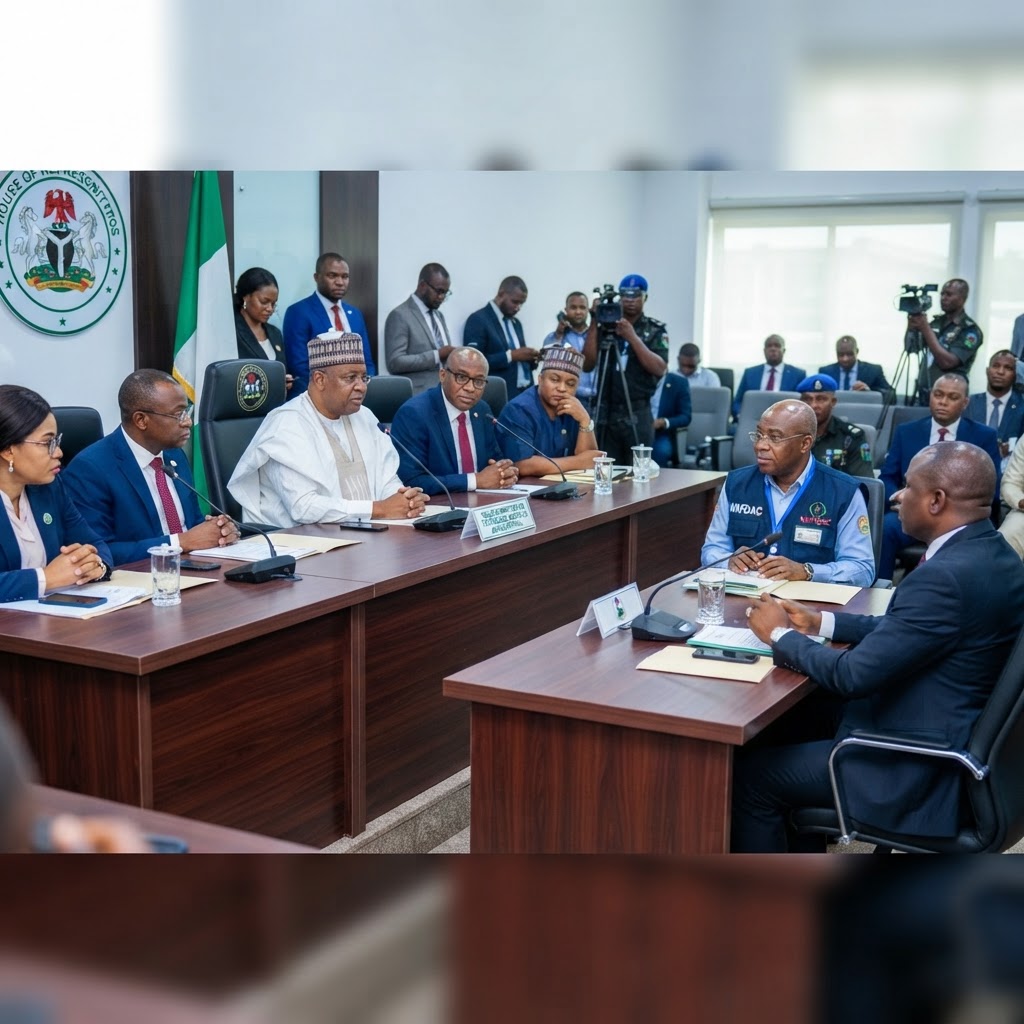
House Summons NAFDAC and DSS Over Fake Drug Deaths
Four people are dead, eleven more are fighting for their lives, and a federal lawmaker wants answers now. Fake Drug deaths linked to a suspicious herbal concoction have pushed the House of Representatives to move decisively, summoning NAFDAC and the DSS in a case that is no longer a distant headline...

Prevent Kidney Disease With Regular Health Checks
Kidney health rarely makes headlines until a crisis hits a family. Yet understanding Kidney Disease: Why Regular Health Checks Can Help Prevent Serious Complications can save lives, protect household income, and strengthen community wellbeing across Nigeria. Kidney Disease often develops quietly ove...

Budget-Friendly Healthy Meal Prepping for Nigerians
Modern Nigerian families face the dual pressure of rising food prices and the need for better health outcomes. Learning how Nigerian families can(/article/nigerian-family-guide-to-reversing-type-2-diabetes) use meal prepping with local ingredients to eat healthy on a tight budget is a vital skill fo...

Beyond Degrees: Bridging Nigeria's Digital Skills Gap
Nigeria's graduates are flooding the job market faster than employers can absorb them. Yet many arrive with certificates but no practical digital competence. This is the heart of Digital Skills and Youth Employment: Why Nigerian Graduates Need More Than University Certificates.—a gap that is reshapi...
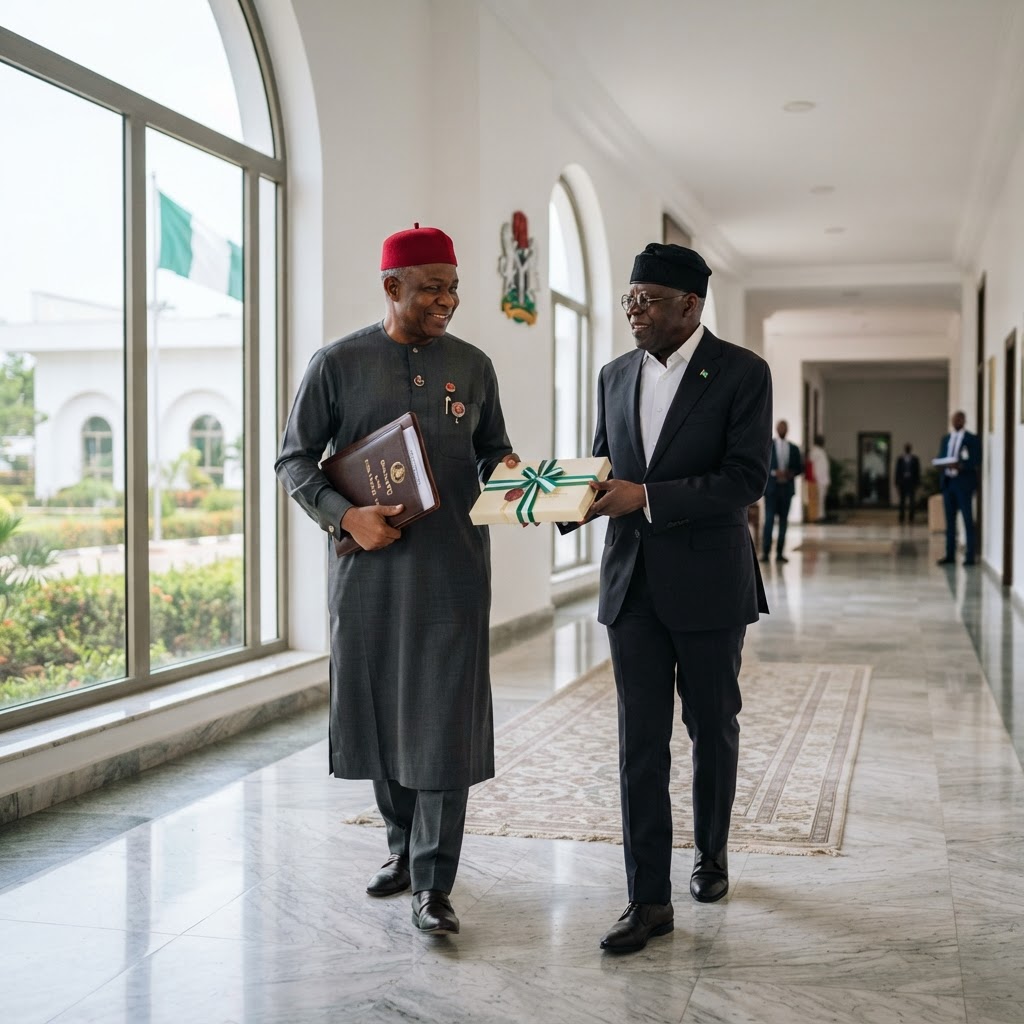
Senate Sends State Police Bill to Tinubu for Approval
Nigeria's security architecture is entering a new chapter. The headline development, State Police Bill: Senate Transmits Constitutional Amendment to Tinubu for Presidential Assent, signals a historic shift toward decentralized policing. For Nigerian families, entrepreneurs, and community leaders, th...
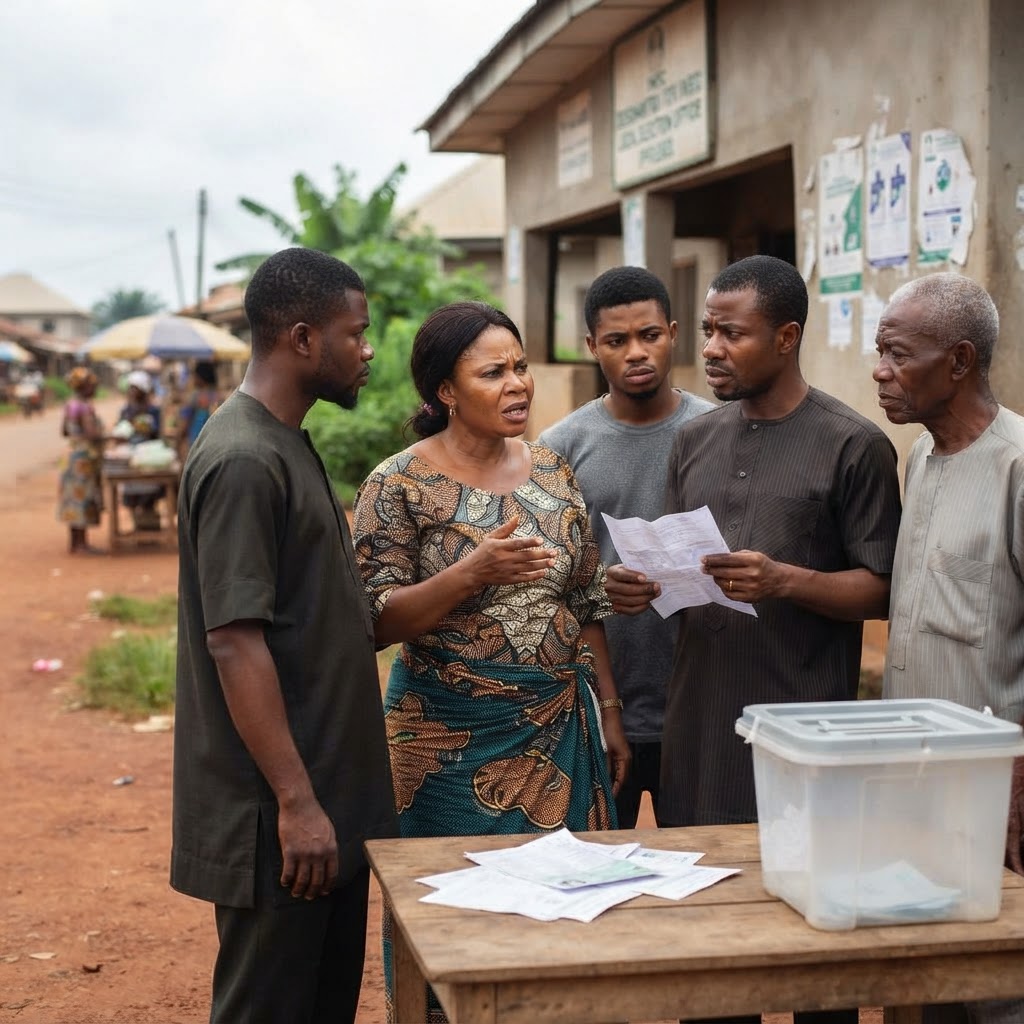
Imo LG Election Disputes Put ISIEC Under Scrutiny
Nigeria's local government elections rarely make national headlines, but Imo State has become an exception. Residents, political parties, and traditional institutions are all watching closely as legal battles and shifting timelines dominate the conversation. The Imo LG Election: Legal Disputes and P...
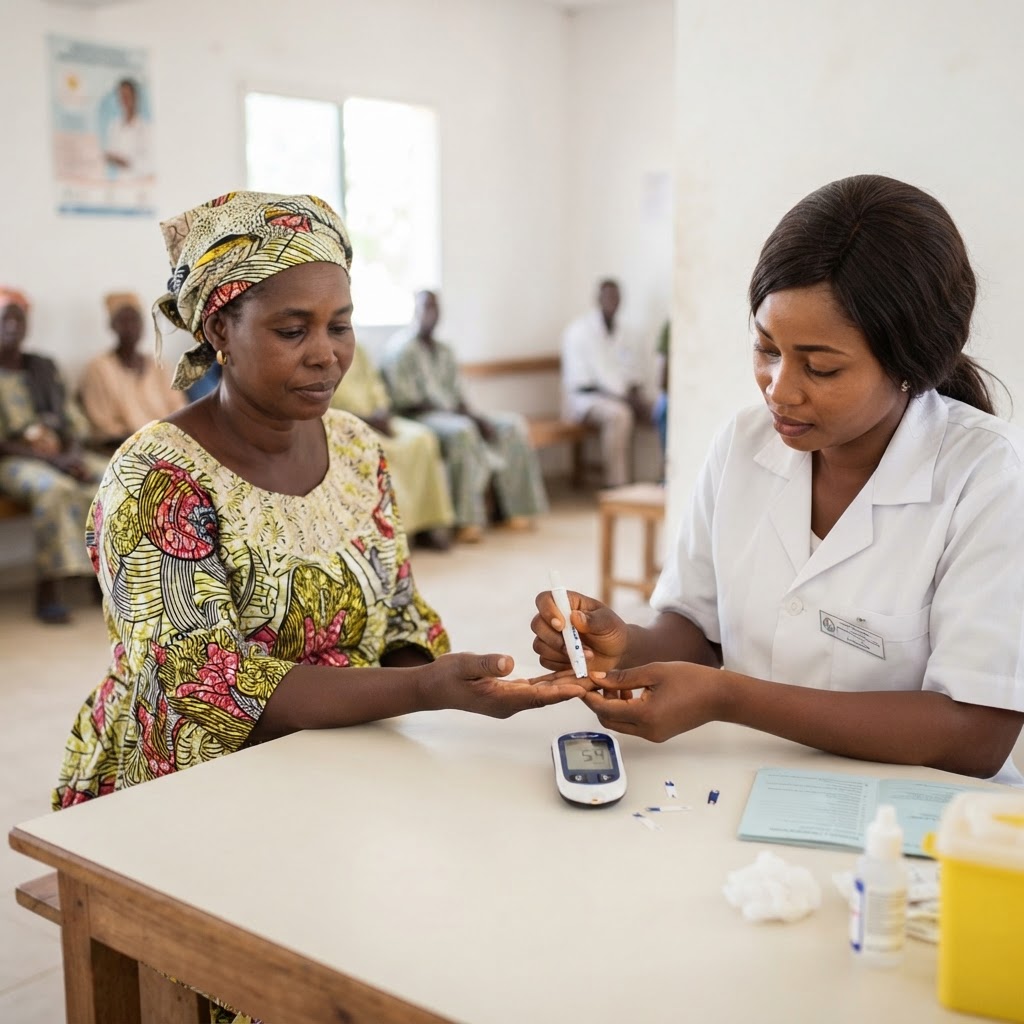
Diabetes in Africa: Why Routine Screening Is Vital
Imagine a disease that silently damages organs for years before anyone notices. That is the reality for millions living in Africa today. According to the latest report, Diabetes: Three Out of Four Africans Living With the Condition May Be Unaware – Why Screening Matters, and this gap in knowledge is...